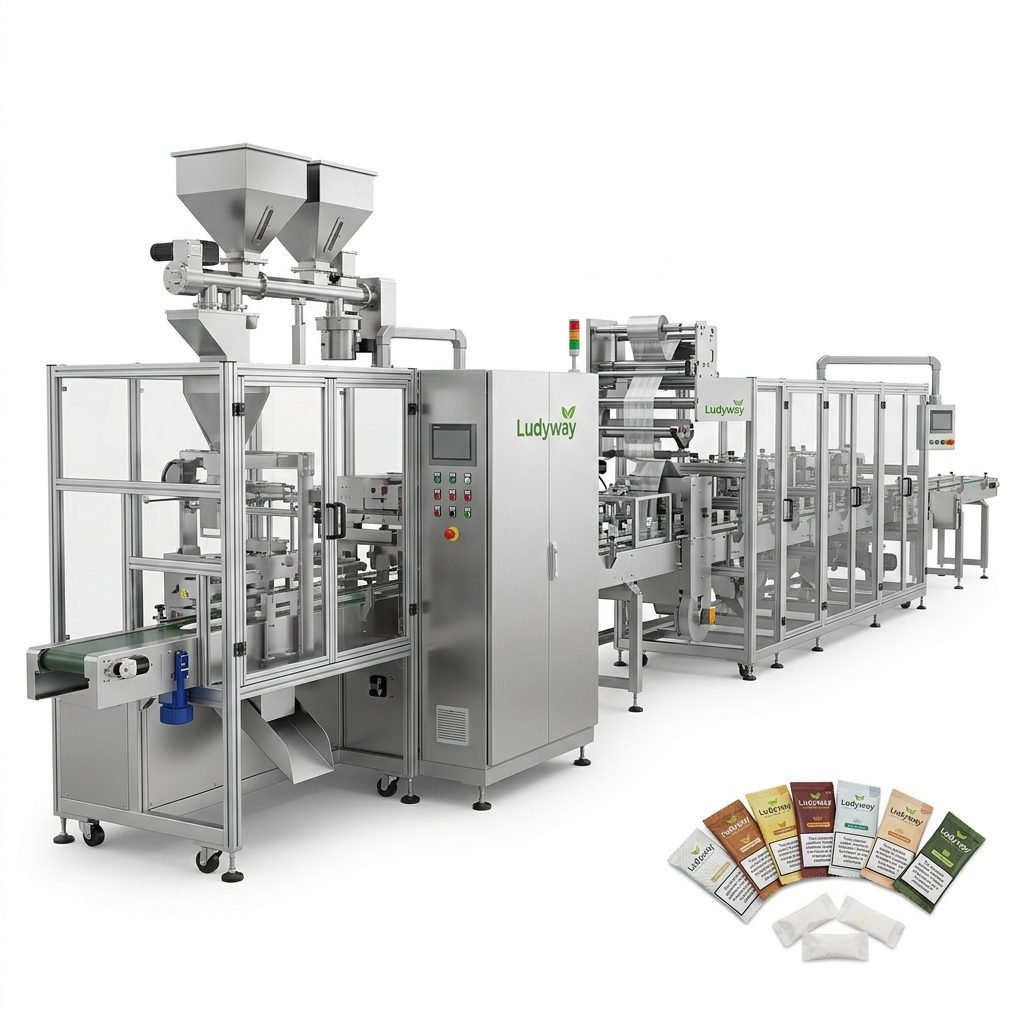
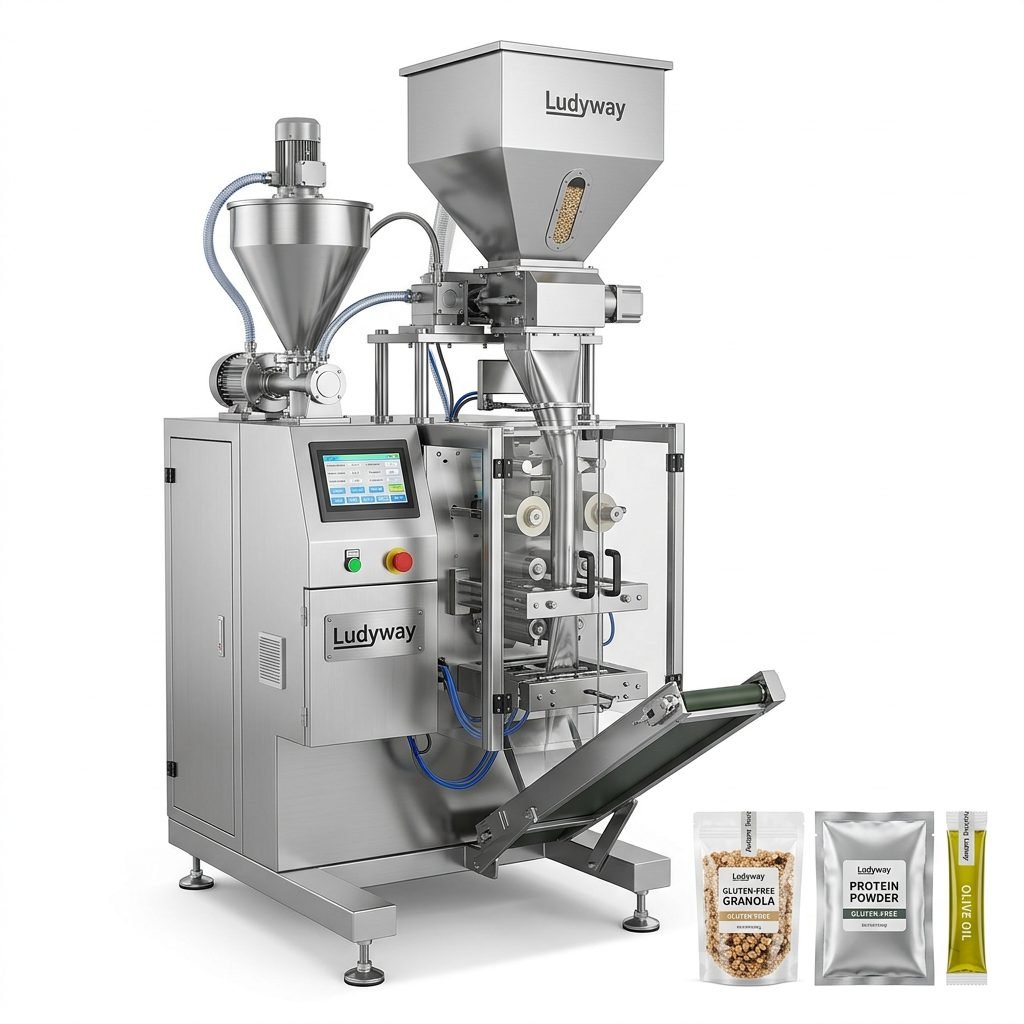
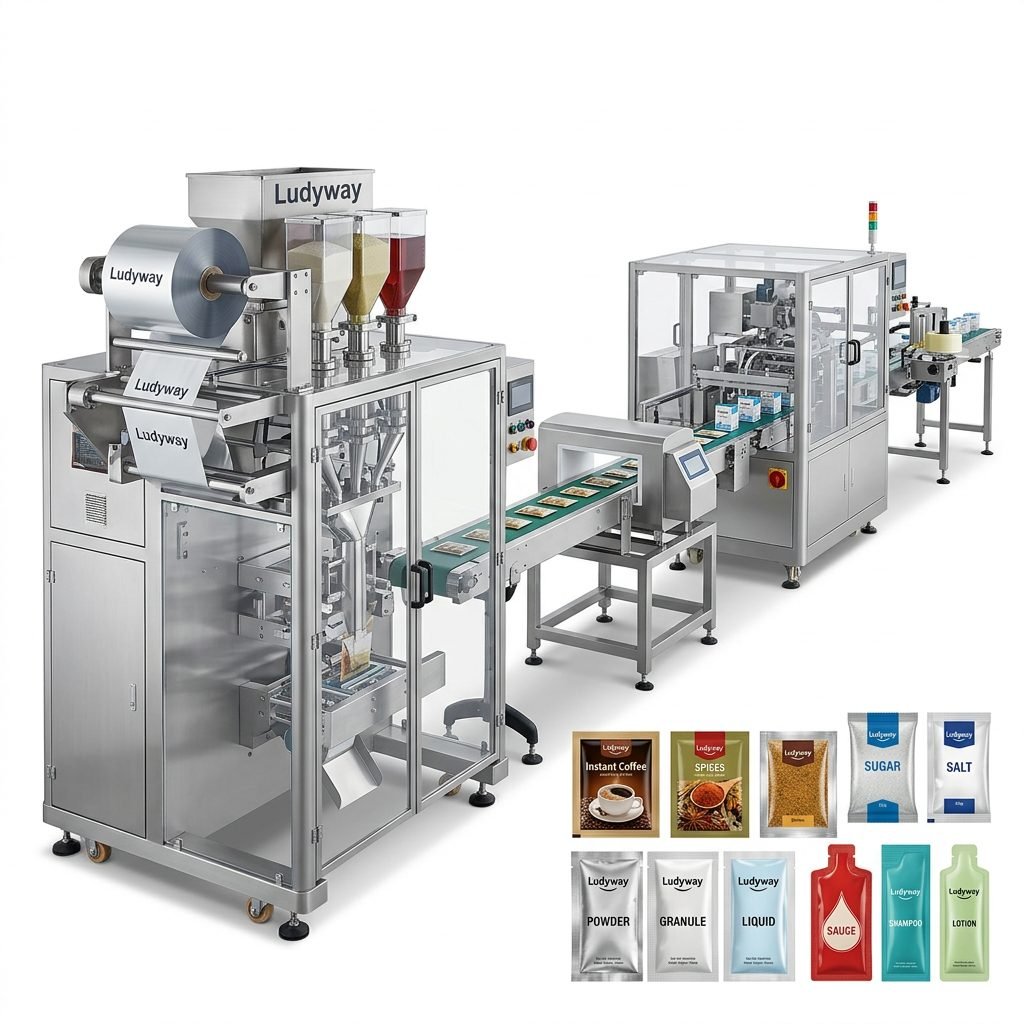
Investing in a tea vacuum packing machine is a critical decision for tea producers, distributors, and retailers aiming to preserve freshness, aroma, and extend shelf life. Whether you run a small artisanal tea shop or a large-scale processing facility, understanding the cost breakdown helps you allocate budget wisely and avoid overpaying for features you may not need.
The price of a tea vacuum packaging machine is influenced by multiple variables including automation level, sealing technology, chamber configuration, and production capacity. Entry-level single-chamber machines start at just a few thousand dollars, while fully automated multi-lane vacuum packing lines for high-output tea factories can exceed $100,000. This guide provides a transparent look at current market pricing, key factors affecting cost, and practical tips to select the right equipment for your specific tea packaging requirements.
Key Factors That Influence Tea Vacuum Packing Machine Pricing
Before diving into specific numbers, it is essential to recognize the core components that drive cost variation across different models and manufacturers. The following factors directly impact the final investment amount for a tea butcher vacuum packing machine:
- Automation Level: Manual, semi-automatic, and fully automatic systems have progressively higher price points. A fully automatic vacuum packing machine integrates weighing, filling, sealing, and labeling, reducing labor costs but increasing initial capital expenditure.
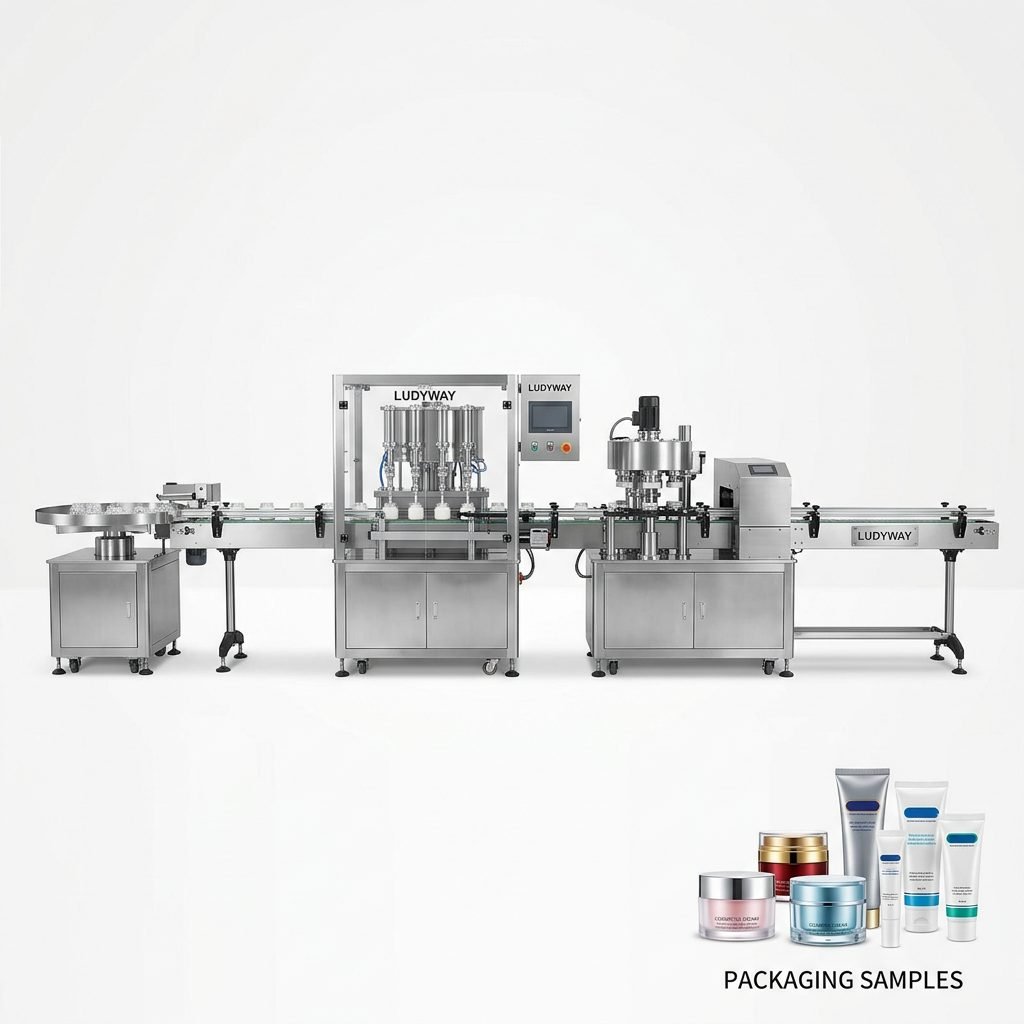
- Chamber Configuration: Single-chamber machines are the most affordable. Double-chamber and multi-chamber models improve throughput but cost significantly more. Continuous band sealers with vacuum capability sit at the higher end of the spectrum.
- Sealing Technology: Standard heat sealing versus nitrogen-flushed vacuum sealing for oxygen-sensitive premium teas adds complexity and price. Modified atmosphere packaging (MAP) functionality further escalates equipment cost.
- Production Speed: Machines rated for higher bags per minute (BPM) incorporate advanced servo drives and multi-lane configurations, pushing prices upward. A machine processing 60–100 BPM costs considerably more than one handling 15–30 BPM.
- Build Material and Compliance: Stainless steel construction with food-grade certifications (FDA, CE, ISO) ensures durability and regulatory compliance but raises manufacturing costs compared to standard steel or aluminum frames.
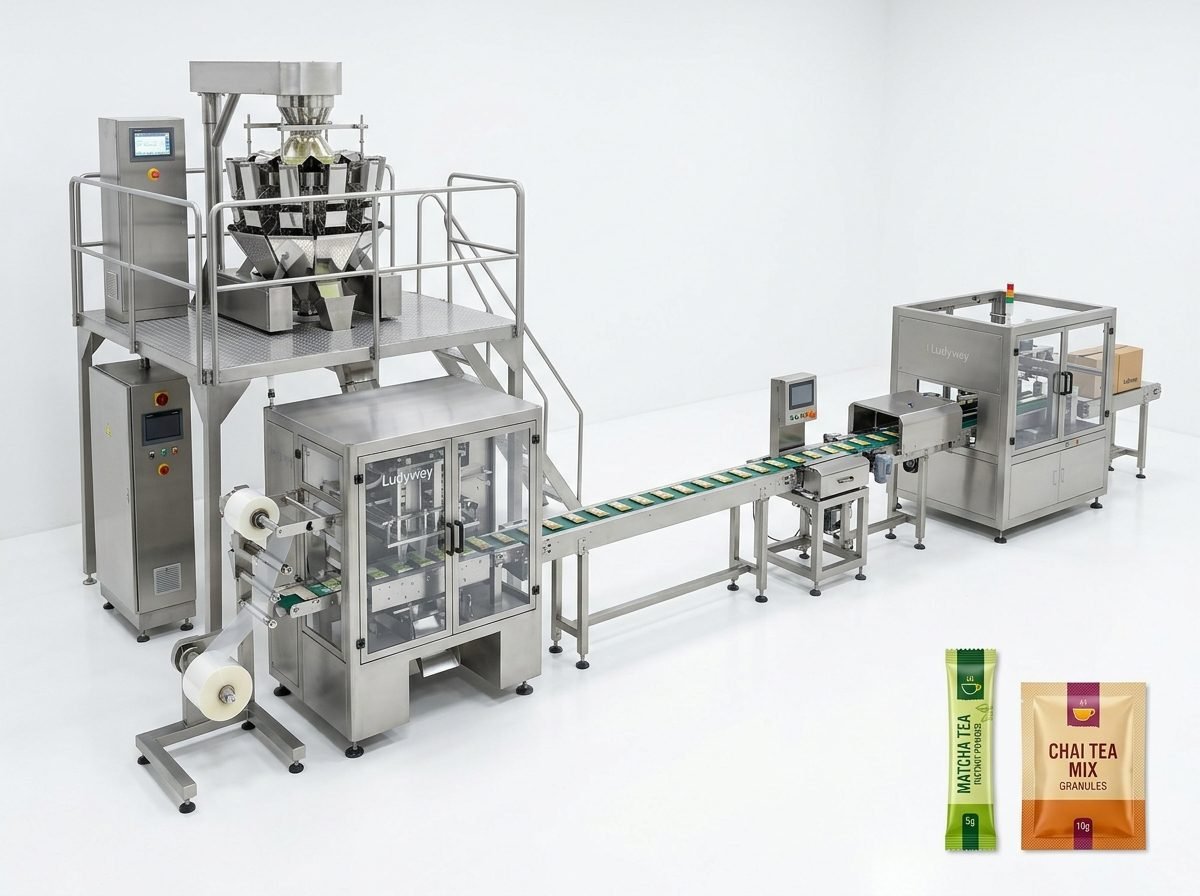
- Customization and Auxiliary Modules: Add-ons such as automatic weighing systems, conveyors, coding printers, and gas flushing units increase the total system price, sometimes by 20%–40% over the base machine cost.
Tea Vacuum Packing Machine Price Ranges by Machine Type
The table below outlines approximate cost brackets for various tea vacuum packing machine categories currently available in the global market. Prices reflect standard configurations and may vary based on supplier location, shipping, and optional features.
| Machine Type | Typical Capacity | Approximate Price Range (USD) |
|---|---|---|
| Manual Single-Chamber Vacuum Sealer | 5–15 bags/min | $1,500 – $5,000 |
| Semi-Automatic Double-Chamber Vacuum Machine | 10–25 bags/min | $4,500 – $12,000 |
| Automatic Continuous Band Vacuum Sealer | 20–50 bags/min | $10,000 – $28,000 |
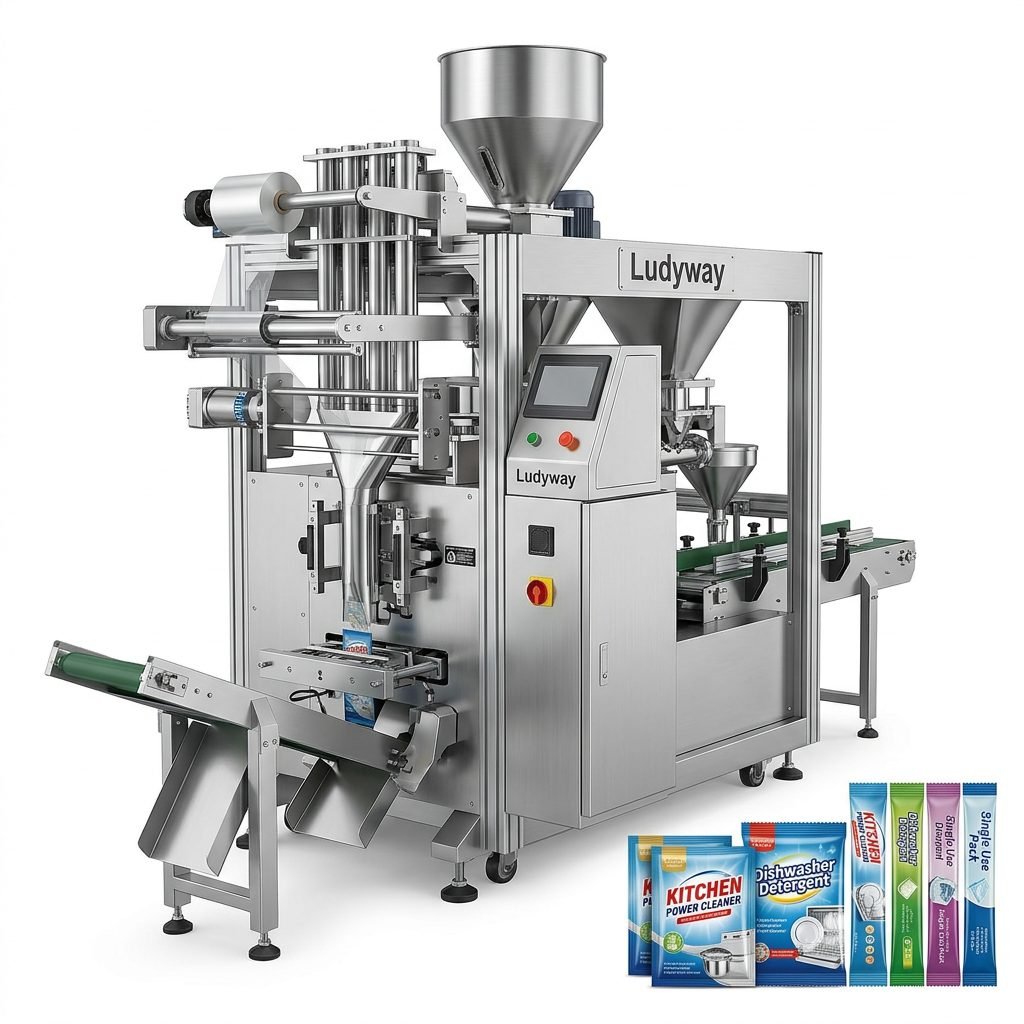
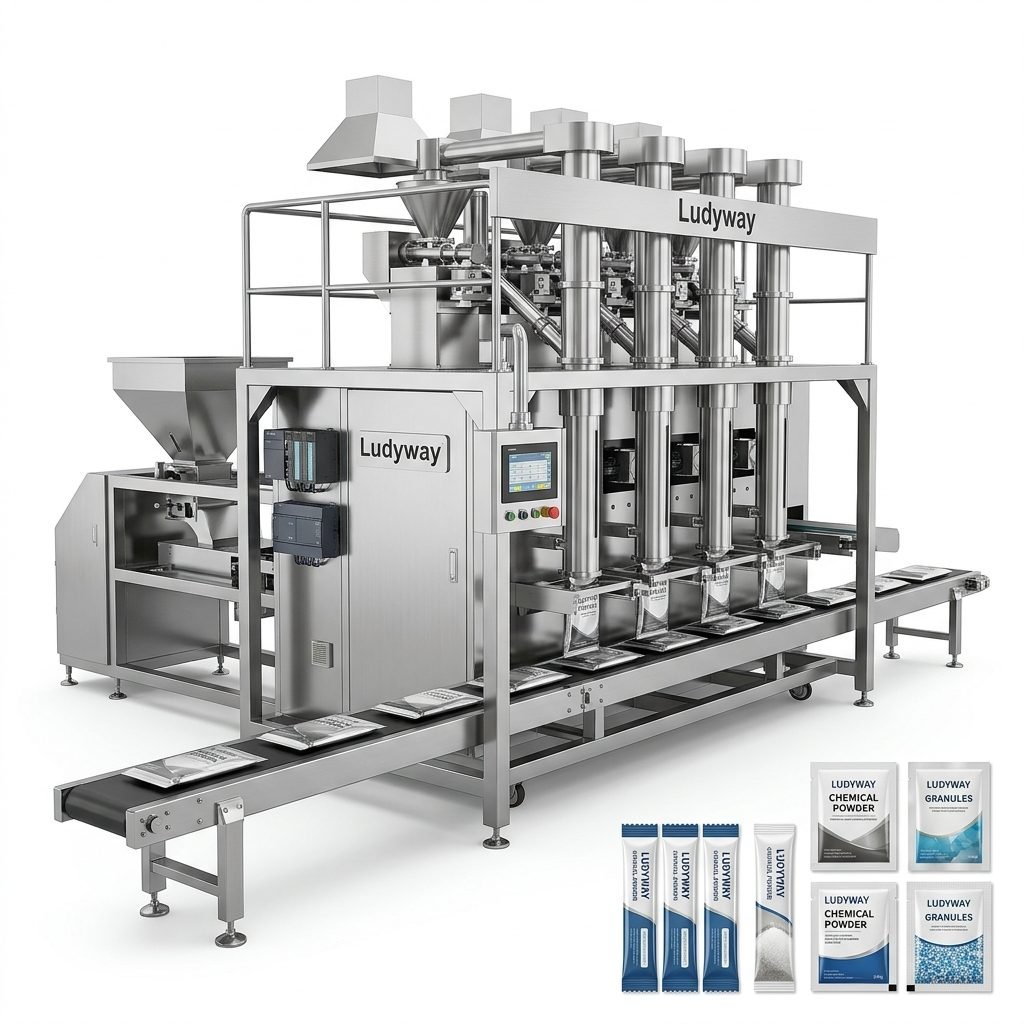
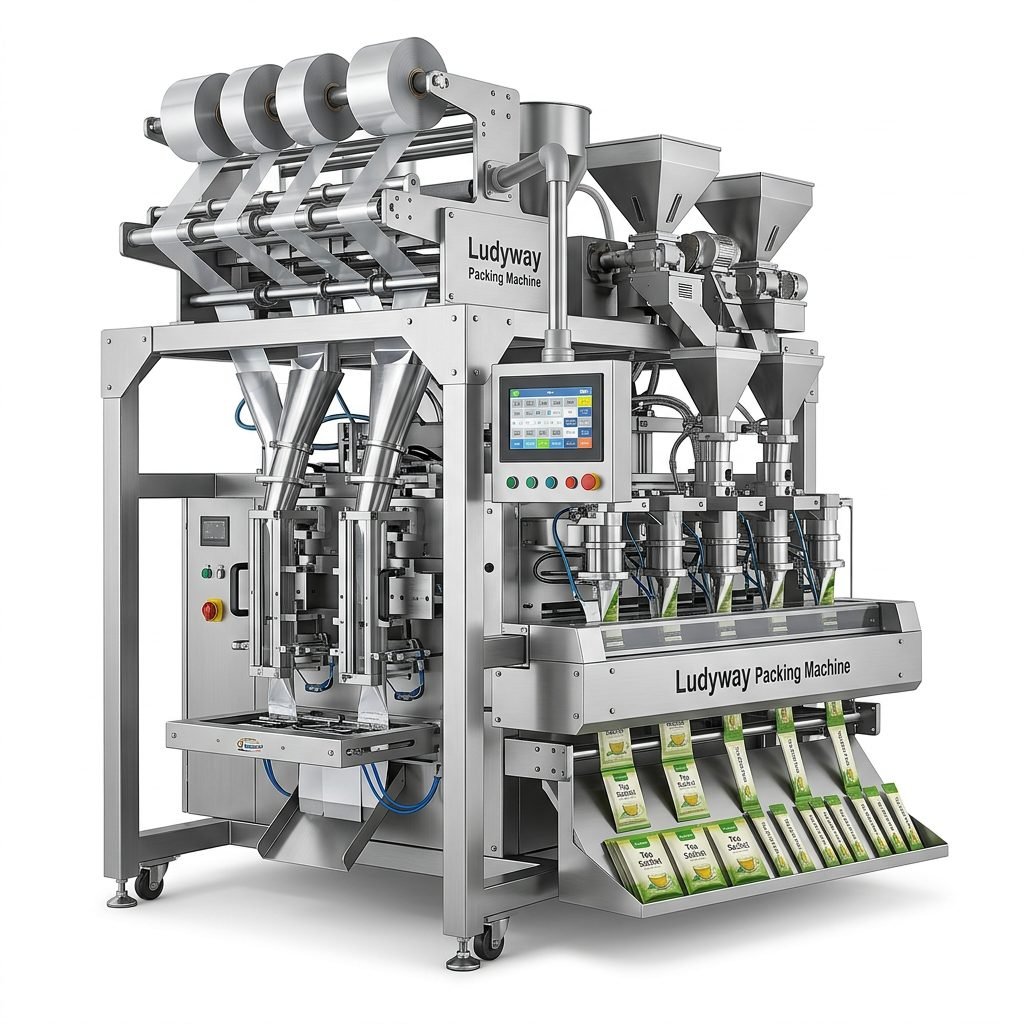
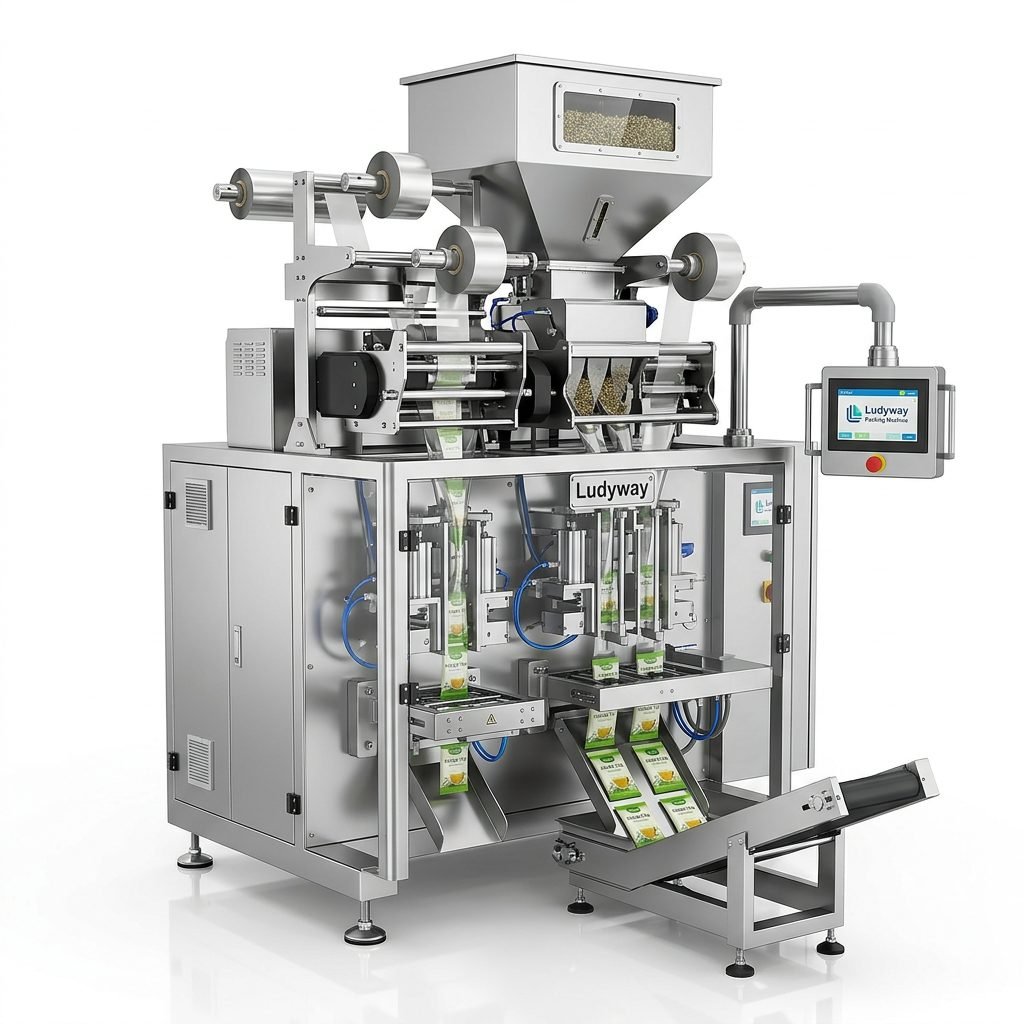
| Multi-Lane Stick Pack Vacuum Machine (4–8 lanes) | 40–100 bags/min | $28,000 – $65,000 |
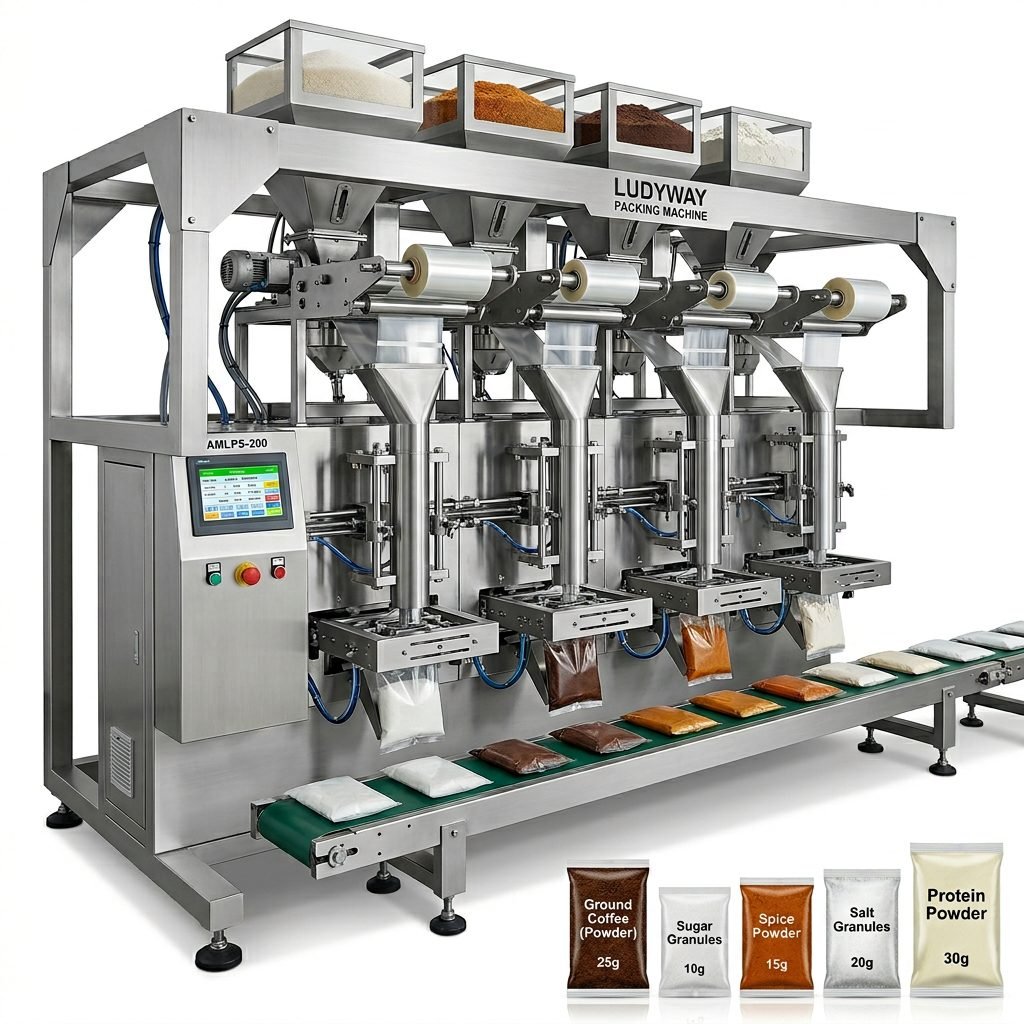
| Fully Automated Tea Vacuum Packing Line (10–12 lanes) | 80–200 bags/min | $60,000 – $150,000+ |
| Custom Turnkey Vacuum Packaging System | Tailored to project | $100,000 – $350,000+ |
Note: Prices above serve as general benchmarks. Entry-level machines are widely available from domestic suppliers in China and India, while high-end automated lines often come from specialized manufacturers with global service networks. Requesting a customized quote based on your exact tea product specifications and target output is always recommended.

Additional Cost Considerations Beyond the Machine Price
When calculating the total investment for a tea butcher vacuum packing machine, procurement teams should account for ancillary expenses that often go unnoticed during initial budgeting:
Shipping and Logistics
International freight, insurance, and customs duties can add 8%–18% to the equipment cost. For large automated lines requiring container shipping, logistics expenses may reach $5,000–$15,000 depending on destination and machine dimensions.
Installation and Commissioning
Professional installation, calibration, and operator training by factory engineers typically cost $1,500–$6,000, varying with machine complexity and travel requirements. Some manufacturers include basic remote setup support, while on-site commissioning incurs additional charges.
Spare Parts and Consumables
Annual maintenance kits, sealing bars, vacuum pump oil, and heating elements represent ongoing operational costs. Budget $800–$3,000 per year depending on usage intensity and machine type.
Facility Requirements
Machines with high vacuum pump ratings may require dedicated electrical lines, compressed air supply, and reinforced flooring. Facility modifications can range from minimal adjustments to $2,000–$10,000 for larger installations.
How to Choose the Right Tea Vacuum Packing Machine for Your Budget
Aligning machine selection with production goals prevents both underinvestment and wasteful overspend. Use the following framework to narrow down options:
- Define Your Production Volume: Calculate daily and peak-season output requirements. A small tea boutique packaging 500 bags per day needs fundamentally different equipment than a contract packer handling 50,000 bags per shift.
- Evaluate Tea Formats: Loose leaf, pyramid bags, flat tea bags, stick packs, and sachets each require specific tooling and sealing mechanisms. Confirm the tea bag packaging machine supports all current and planned product formats.
- Assess Automation ROI: If labor costs in your region exceed $15/hour, a higher level of automation typically delivers payback within 12–24 months through reduced headcount and increased throughput.
- Consider Future Scalability: Modular machines that accept lane additions or speed upgrades protect your investment as business grows, even if the initial purchase price is 15%–25% higher than fixed-configuration alternatives.
- Verify After-Sales Support: Reliable technical support, readily available spare parts, and clear warranty terms reduce downtime risks. Evaluate supplier responsiveness before committing.
Global Market Trends Affecting Tea Packaging Equipment Costs
Several macroeconomic and industry-specific trends currently shape pricing for tea vacuum packing machinery worldwide. Understanding these dynamics helps procurement professionals time their investments strategically.
- Raw Material Inflation: Stainless steel prices and electronic component shortages have increased manufacturing costs by 10%–18% since 2022, exerting upward pressure on machine prices across all categories.
- Demand for Sustainable Packaging: The shift toward biodegradable and recyclable film materials requires compatible sealing technologies, often adding 5%–12% to machine costs for upgraded heating and tension control systems. More insights are available through the Flexible Packaging Association industry resources.
- Automation Integration: The convergence of IoT sensors, remote monitoring, and predictive maintenance capabilities in modern machines adds upfront cost but significantly reduces long-term operational expenses. Data from PMMI business intelligence confirms accelerating adoption of smart packaging technologies.
- Regional Manufacturing Shifts: Growing production capacity in Asia, particularly from experienced manufacturers with over 30 years of industry experience, has expanded mid-range machine availability at competitive price points without sacrificing quality. One notable example is Ludyway, which operates a modern 20,000㎡ manufacturing facility and serves customers in over 100 countries with advanced tea packaging solutions.
Frequently Asked Questions About Tea Vacuum Packing Machine Costs
What is the most affordable tea vacuum packing machine for a startup?
Manual single-chamber vacuum sealers priced between $1,500 and $3,000 offer the lowest entry point for small tea startups. These machines require hands-on operation but deliver reliable sealing for low-volume production runs of 5–10 bags per minute.
How much should I budget for a mid-range automatic tea vacuum packer?
A solid mid-range automatic continuous band vacuum sealer with 20–40 bags per minute capacity typically falls within $12,000 to $25,000. This range includes stainless steel construction, digital temperature control, and basic gas flushing options suitable for most specialty tea producers.
Are multi-lane tea stick pack machines worth the higher investment?
For producers exceeding 30,000 bags per day, multi-lane stick pack machines with vacuum capability deliver compelling ROI despite higher upfront costs of $30,000–$80,000. The combination of labor savings, higher throughput, and consistent seal quality often results in payback within 18–36 months.
What hidden costs should I anticipate after machine purchase?
Beyond the machine price, plan for shipping and import duties (8%–15% of equipment value), installation and training ($1,500–$5,000), annual maintenance consumables ($800–$2,500), and potential facility electrical or compressed air upgrades ($1,000–$8,000).
How do Chinese tea packaging machine prices compare to European alternatives?
Chinese-manufactured tea vacuum packing machines generally cost 30%–55% less than equivalent European models while offering increasingly comparable quality and certifications. Many global tea brands now source from established Chinese manufacturers that hold CE, ISO, and FDA certifications. For further regulatory guidance, refer to FDA food packaging requirements and relevant ISO packaging standards.
Selecting the right tea butcher vacuum packing machine requires balancing immediate budget constraints with long-term operational goals. By carefully evaluating production volume, tea formats, automation ROI, and total cost of ownership, buyers can confidently invest in equipment that supports quality packaging, brand integrity, and sustainable business growth. Engaging directly with experienced manufacturers and requesting tailored quotations remains the most effective path to securing optimal value for your specific tea packaging needs.