Selecting the right automatic packaging machine is a critical decision that directly impacts your production efficiency, product quality, and overall operational costs. With a vast array of technologies and configurations available, navigating the options can be complex. This comprehensive guide is designed to help you understand the key factors and make an informed choice for your specific production needs.
Understanding Your Packaging Requirements
The first and most crucial step is to conduct a thorough analysis of your own operation. A machine that is perfect for one facility may be entirely unsuitable for another. Begin by defining the core parameters of your product and process.
Key Questions to Ask:
Product Characteristics: What is the physical form of your product? Is it a granule (like coffee, seeds), a powder (like flour, protein powder), a liquid (like sauce, oil), or a paste? Each type requires specific filling mechanisms.
Production Speed & Volume: What is your current and projected output? Calculate your required packages per minute (PPM) or per hour. This will determine the required machine speed and whether you need a single-lane or multi-lane system.
Packaging Materials: What type of film or laminate will you use? The machine must be compatible with your chosen material’s thickness, texture, and sealing properties.
Core Types of Automatic Packaging Machines
Automatic packaging solutions are broadly categorized by the type of package they form. Understanding these will narrow down your search significantly.
Vertical Form-Fill-Seal (VFFS) Machines
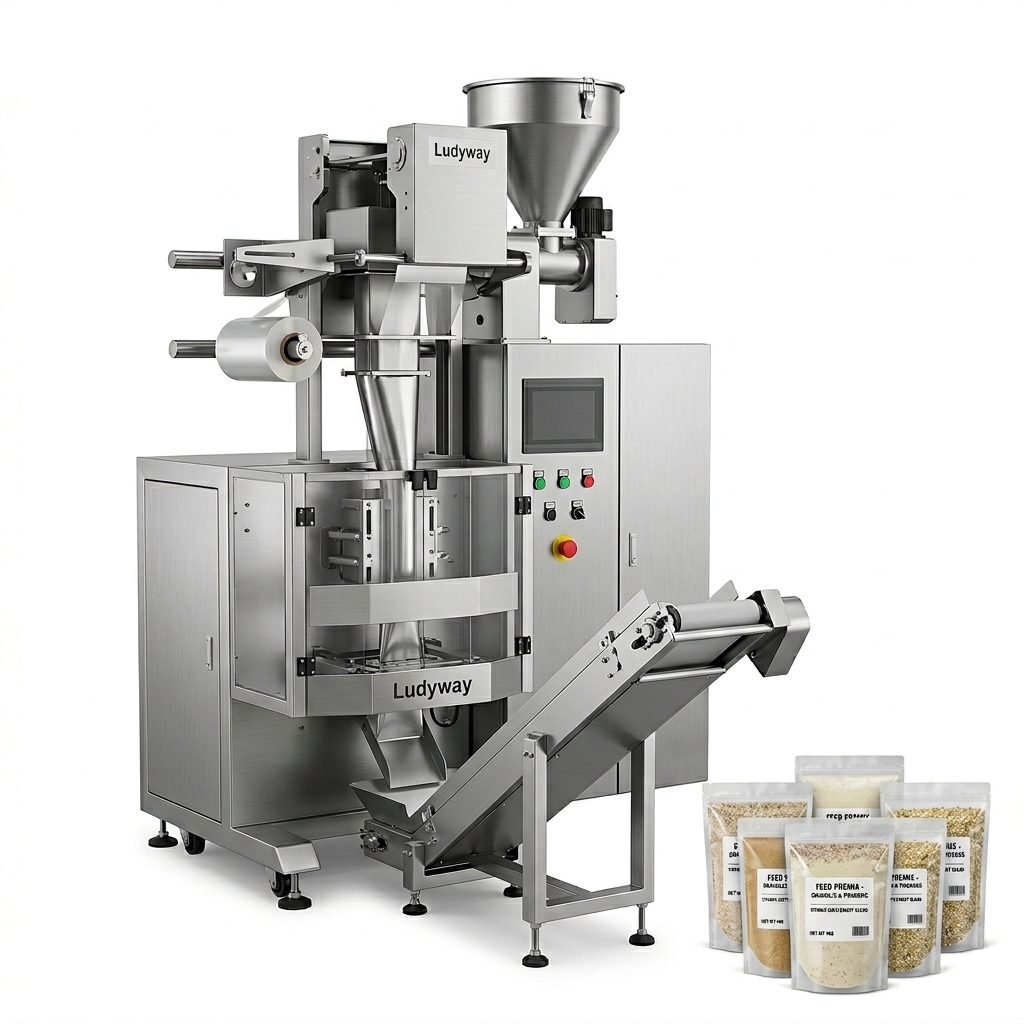
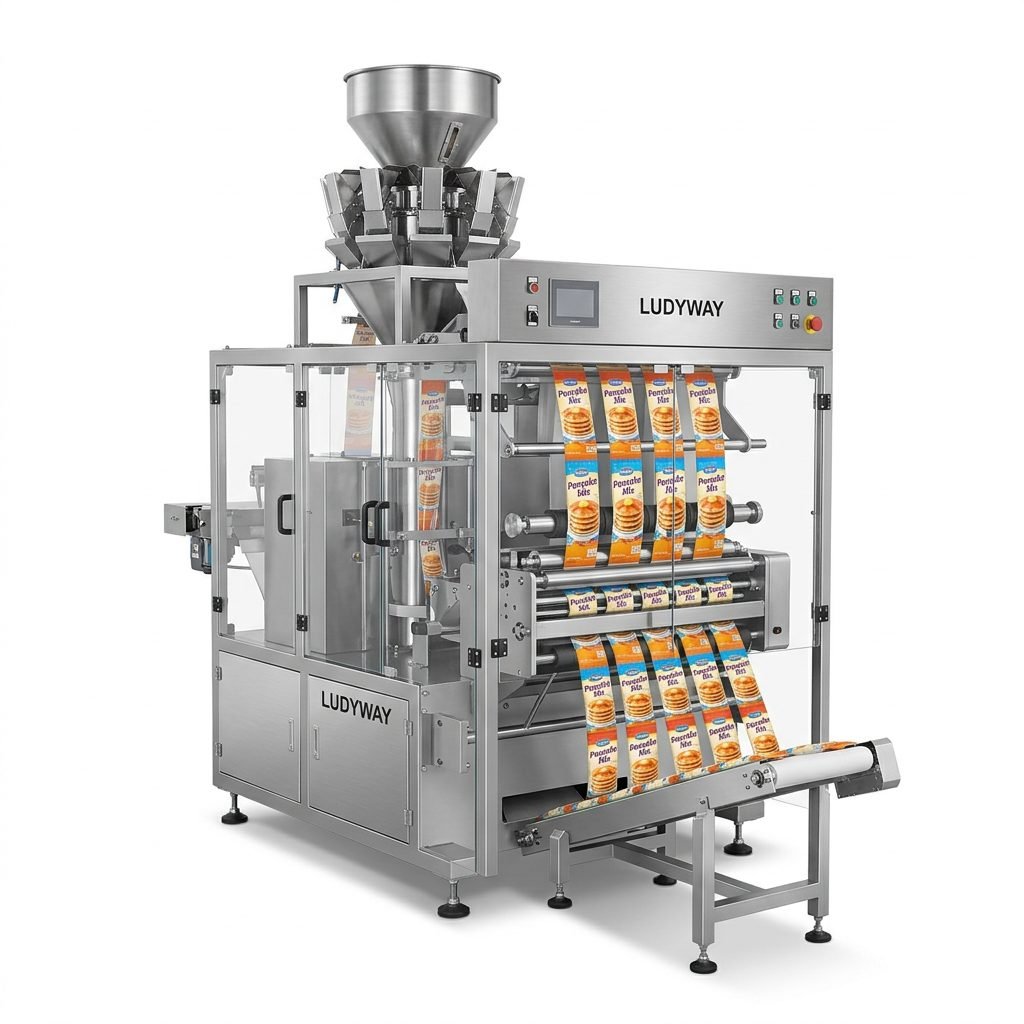
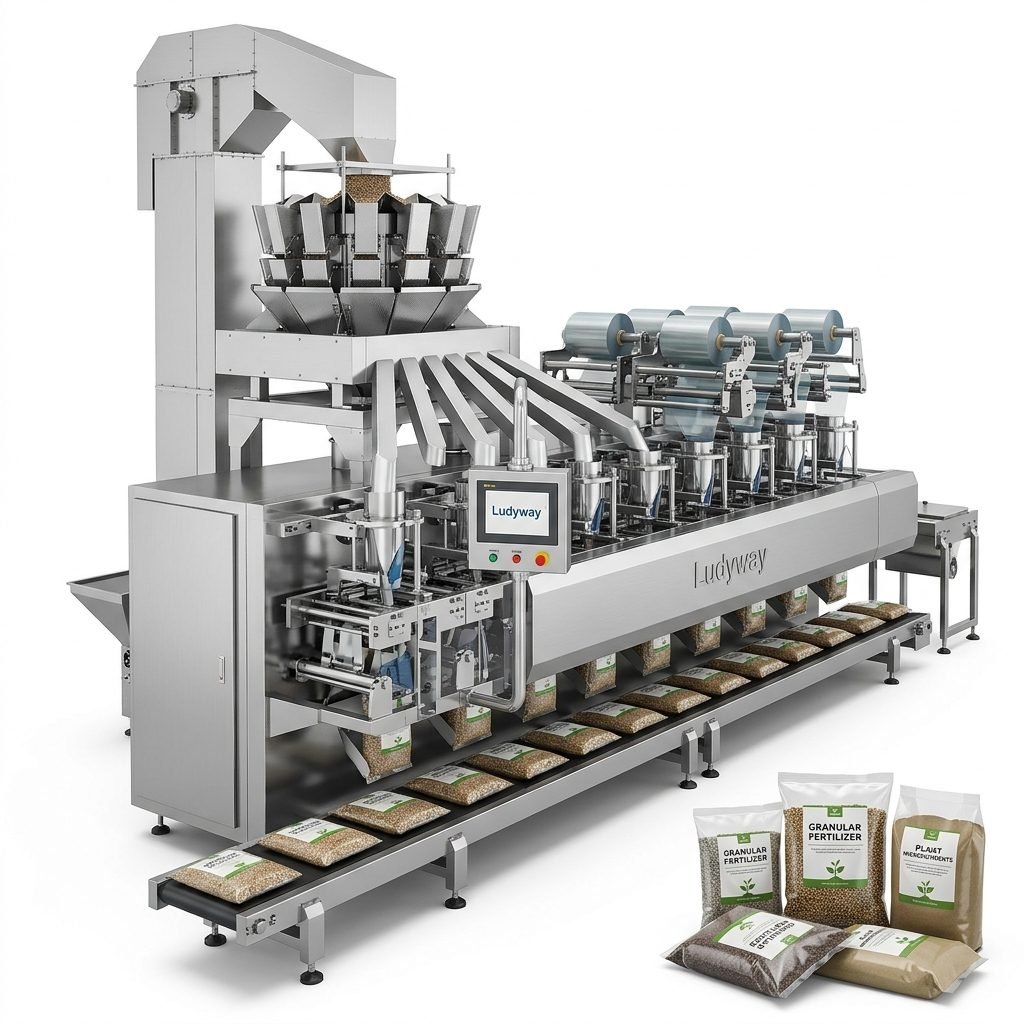
These are the most common and versatile machines. They form a bag from a roll of film, fill it with product, and then seal it—all in a continuous vertical motion. Ideal for a wide range of free-flowing products like snacks, granules, and powders. They are space-efficient and allow for quick changeovers between bag sizes.
Horizontal Form-Fill-Seal (HFFS) Machines
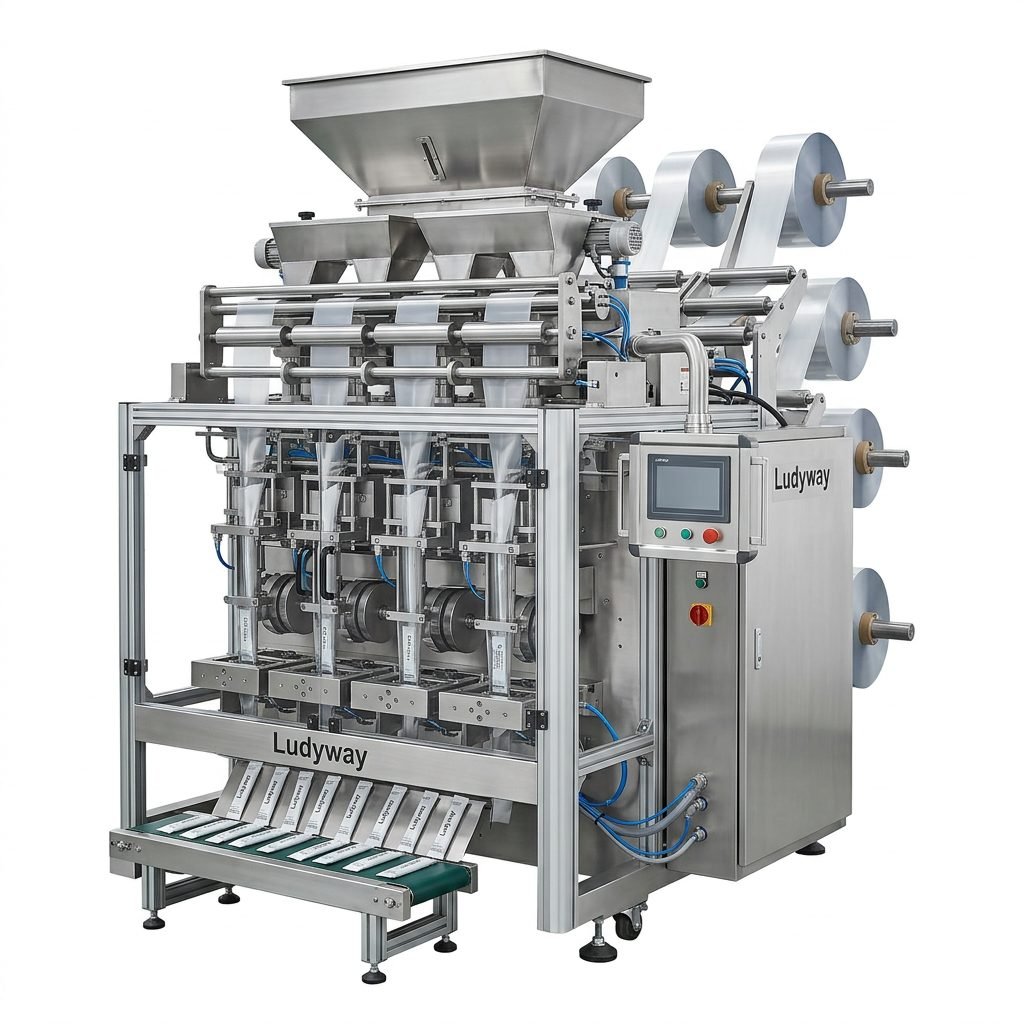
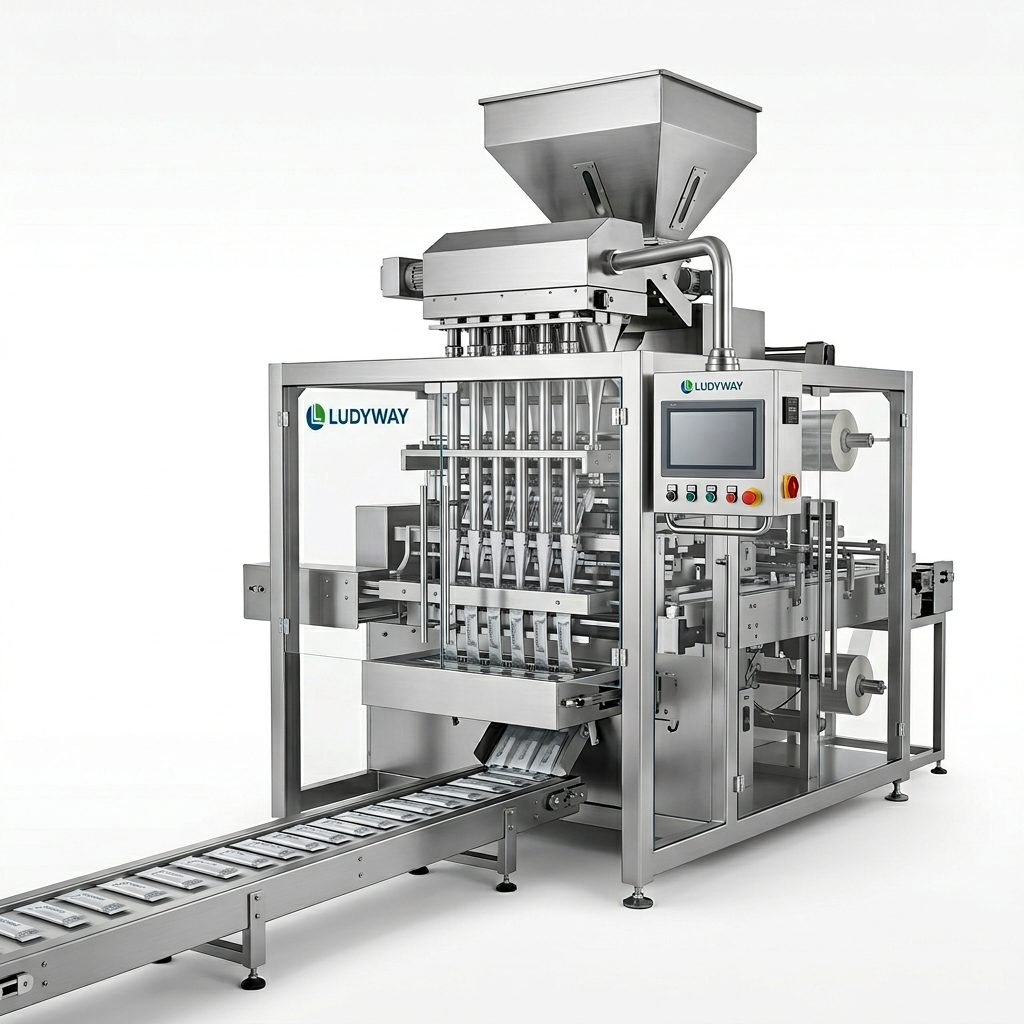
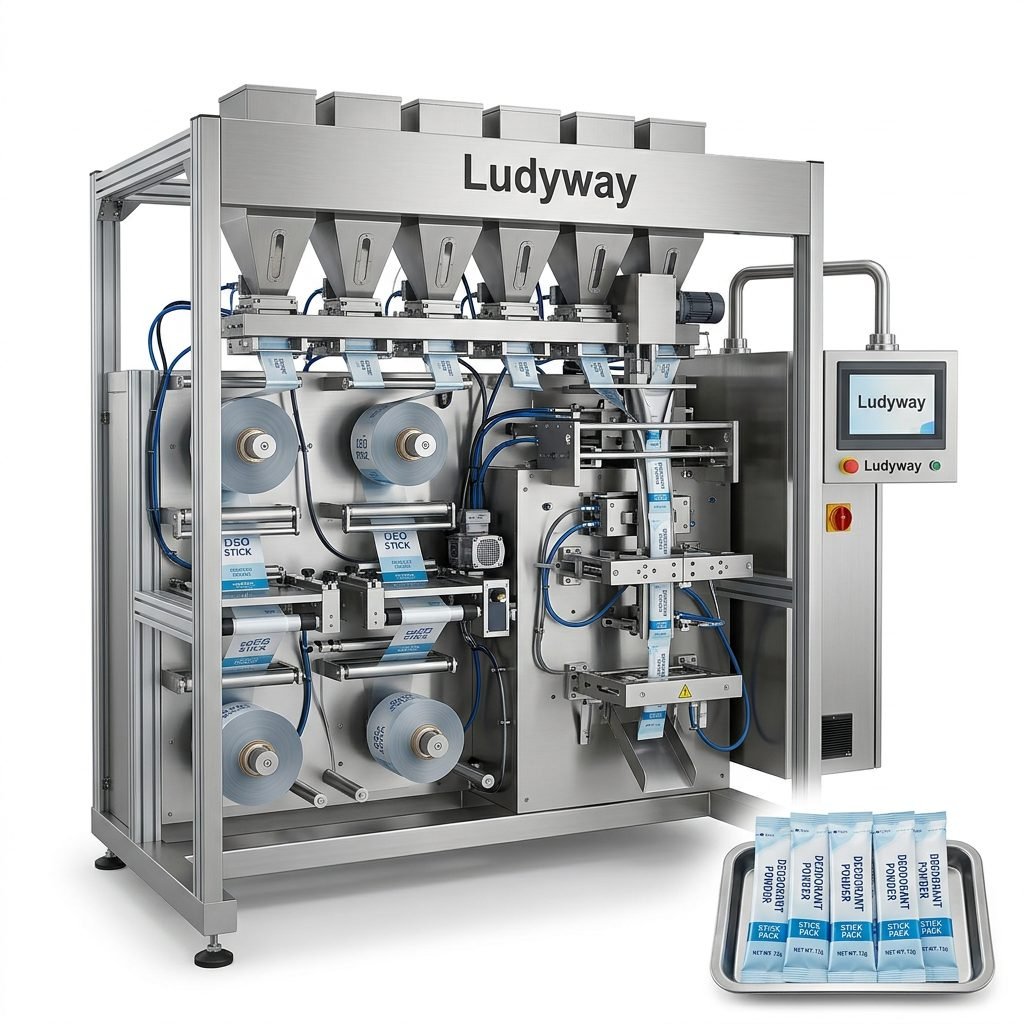
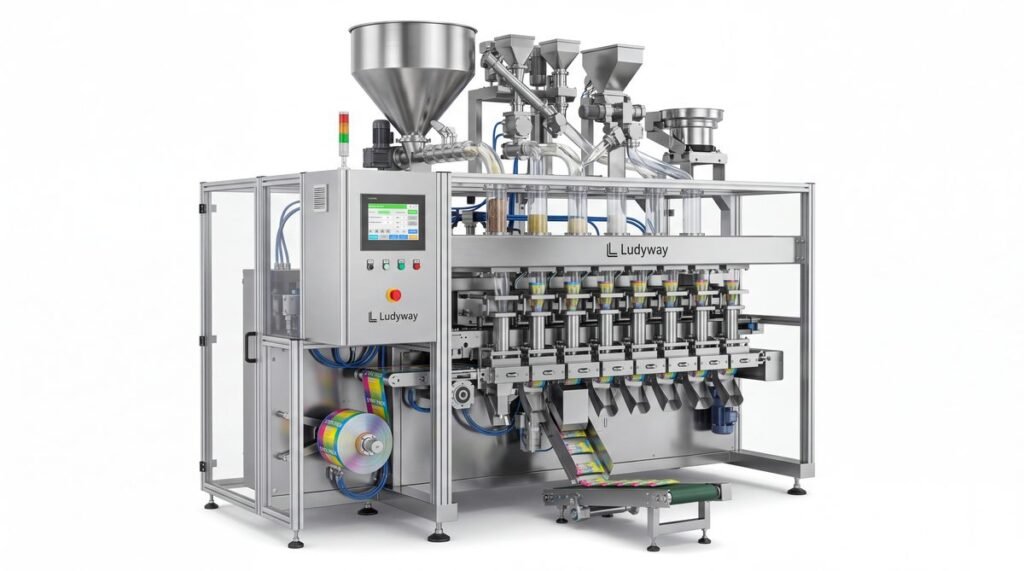
HFFS machines form pouches horizontally, often used for more complex packaging like stick packs and sachets. They are excellent for single-serve portions of products like sugar, instant coffee, condiments, or pharmaceuticals. Multi-lane HFFS systems can achieve exceptionally high output rates.
Pre-Made Pouch Fillers
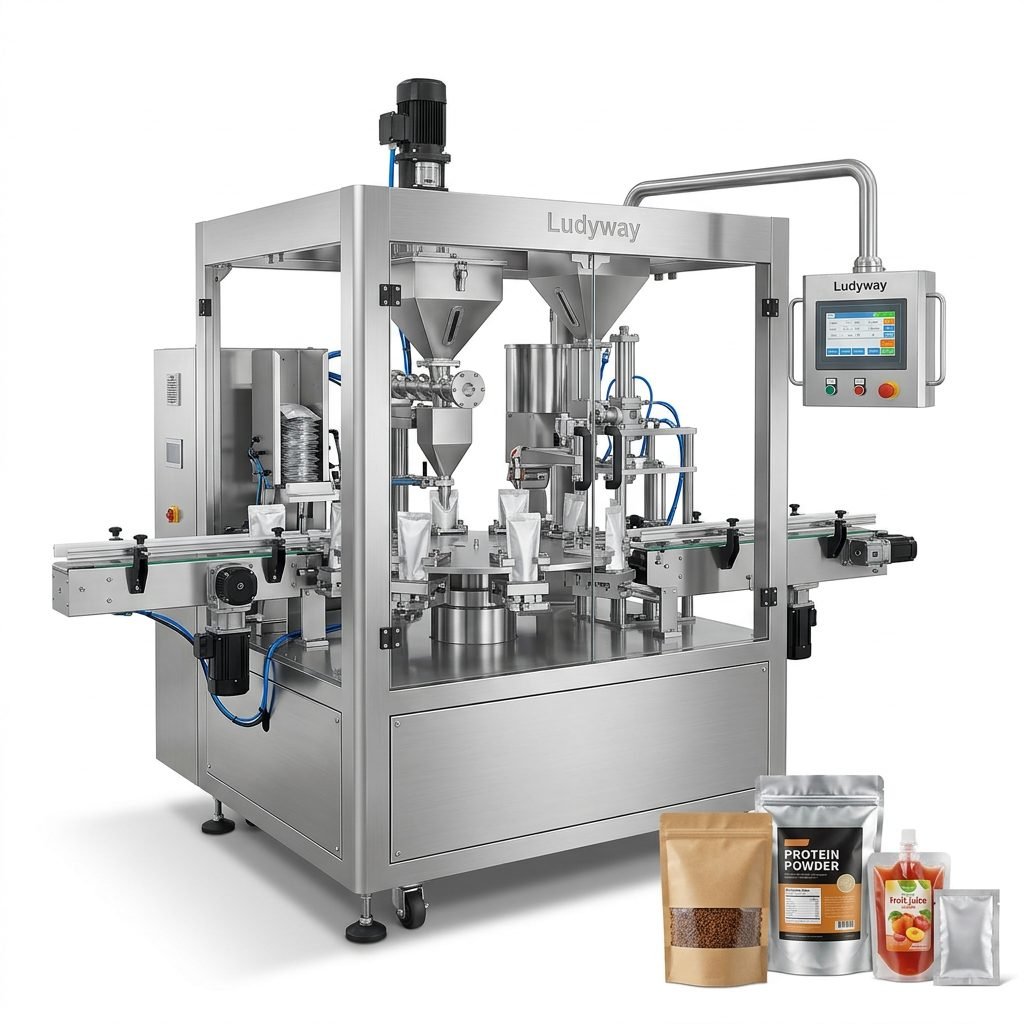
These machines use pre-manufactured, flat pouches. They open, fill, and then seal the pouch. This is a great option for products that are difficult to handle on VFFS/HFFS lines or for brands that want to use uniquely shaped, pre-printed pouches for superior shelf appeal.
Critical Technical Considerations
Beyond the basic type, delve into the technical specifications that affect performance and longevity.
1. Filling System Accuracy
The heart of any packaging machine. Volumetric cup fillers are cost-effective for uniform granules. Auger fillers provide excellent accuracy for powders. Liquid pumps are used for fluids. For the highest precision, especially in pharmaceutical or high-value food applications, weigh scale fillers (like linear or multi-head weighers) are the gold standard.
2. Machine Construction & Durability
Look for a robust frame and food-grade or pharmaceutical-grade contact parts (e.g., stainless steel AISI 304 or 316). The quality of components like servomotors, PLCs (Programmable Logic Controllers), and seals dictates reliability and maintenance intervals. A well-built machine from a reputable supplier minimizes downtime.
3. Control System & Ease of Use
A modern, intuitive HMI (Human-Machine Interface) touchscreen is essential. It should allow operators to easily set parameters, store recipes for different products, and monitor production data. Look for features like automatic film tracking and fault diagnostics to simplify operation.
The Importance of Supplier Support and Service
The machine is just one part of the equation. The supplier’s support is what ensures its success in your facility over many years.
Choose a partner with proven industry experience. For instance, a company like Ludyway Packing Machine, with decades in the field, understands the practical challenges of production lines. They can offer genuine guidance, not just a sales pitch.
Evaluate their technical support structure. Do they offer comprehensive installation, training, and after-sales service? What is the availability of spare parts? A reliable partner will have a global service network or efficient remote support capabilities to resolve issues quickly.
Consider if they offer customization. Can the base machine be adapted to your unique container, product, or factory layout? A flexible supplier can provide a tailored packaging solution that fits your process perfectly, rather than forcing you to adapt to a rigid machine.
Planning for the Future: Scalability and Integration
Your packaging needs will evolve. Consider a machine that can grow with your business.
- Modular Design: Can you add features later, like a gas flushing system for modified atmosphere packaging (MAP) or a checkweigher?
- Line Integration: Will the machine interface smoothly with your existing or future upstream (e.g., feeders) and downstream (e.g., cartoners, case packers) equipment?
- Speed Headroom: Selecting a machine that runs slightly faster than your current needs provides a buffer for peak demand and future growth without requiring another capital investment.
Final Steps: Evaluation and Validation
Once you’ve shortlisted potential machines and suppliers, insist on a product test run. Send your actual product and packaging materials to the supplier to see the machine in action. This validates performance, accuracy, and seal quality. It also gives your operators a chance to assess the machine’s usability firsthand.
Frequently Asked Questions (FAQs)
1. What is the typical lead time for receiving an automatic packaging machine?
Lead times vary significantly based on machine complexity, customization, and supplier capacity. For standard models, it can range from 8 to 16 weeks. For highly customized or turnkey lines, it may take 4 to 6 months or more. Always confirm the detailed timeline with your supplier during the quotation process.
2. How do I ensure the machine meets hygiene and safety standards for my industry (e.g., food, pharmaceuticals)?
Specify the required standards upfront (e.g., FDA, CE, GMP). Choose a machine constructed with appropriate materials (e.g., stainless steel) with smooth, cleanable surfaces. Ensure the design prevents product entrapment and allows for easy sanitation. Reputable suppliers will design and certify their equipment for specific industry regulations.
3. What are the most common maintenance requirements for an automatic pouch packing machine?
Regular daily cleaning is paramount. Lubrication of moving parts as per the manual, inspection and replacement of wear parts like sealing jaws, cutting blades, and film guides are common. The frequency depends on usage. A good supplier provides clear maintenance schedules and training.
4. Can one machine handle multiple different products and package sizes?
Yes, most modern machines are designed for quick changeover. This involves changing the forming collar, filling head parts (like augers or cups), and adjusting settings via the HMI. The ease and speed of changeover (from 15 minutes to an hour) is a key feature to discuss. Storing recipes on the HMI makes switching back and forth simple.
5. What training is provided for our operators and maintenance staff?
A comprehensive supplier should offer on-site training during installation and commissioning. This covers safe operation, routine maintenance, troubleshooting common faults, and basic programming for recipe changes. Detailed operation and maintenance manuals (in your required language) should also be provided. Ongoing remote support is also crucial.