Selecting the right packaging machine for your production line in the Middle East is a strategic decision that directly impacts product quality, operational efficiency, and market competitiveness. With the region’s rapidly growing food processing, pharmaceutical, and consumer goods sectors, understanding local market conditions and technical requirements is essential for making an informed investment.
Understanding the Middle East Packaging Landscape
The Middle East packaging machinery market has experienced significant growth, driven by increasing demand for processed foods, pharmaceutical products, and personal care items. Countries such as Saudi Arabia, the UAE, Qatar, Kuwait, and Oman are investing heavily in manufacturing infrastructure, creating substantial opportunities for businesses seeking packaging machine manufacturer partnerships.
Key factors shaping the regional market include extreme climate conditions, stringent import regulations, and growing consumer preference for convenient, single-serve packaging formats. These elements make it crucial to select equipment that can perform reliably under high-temperature environments while meeting local compliance standards.
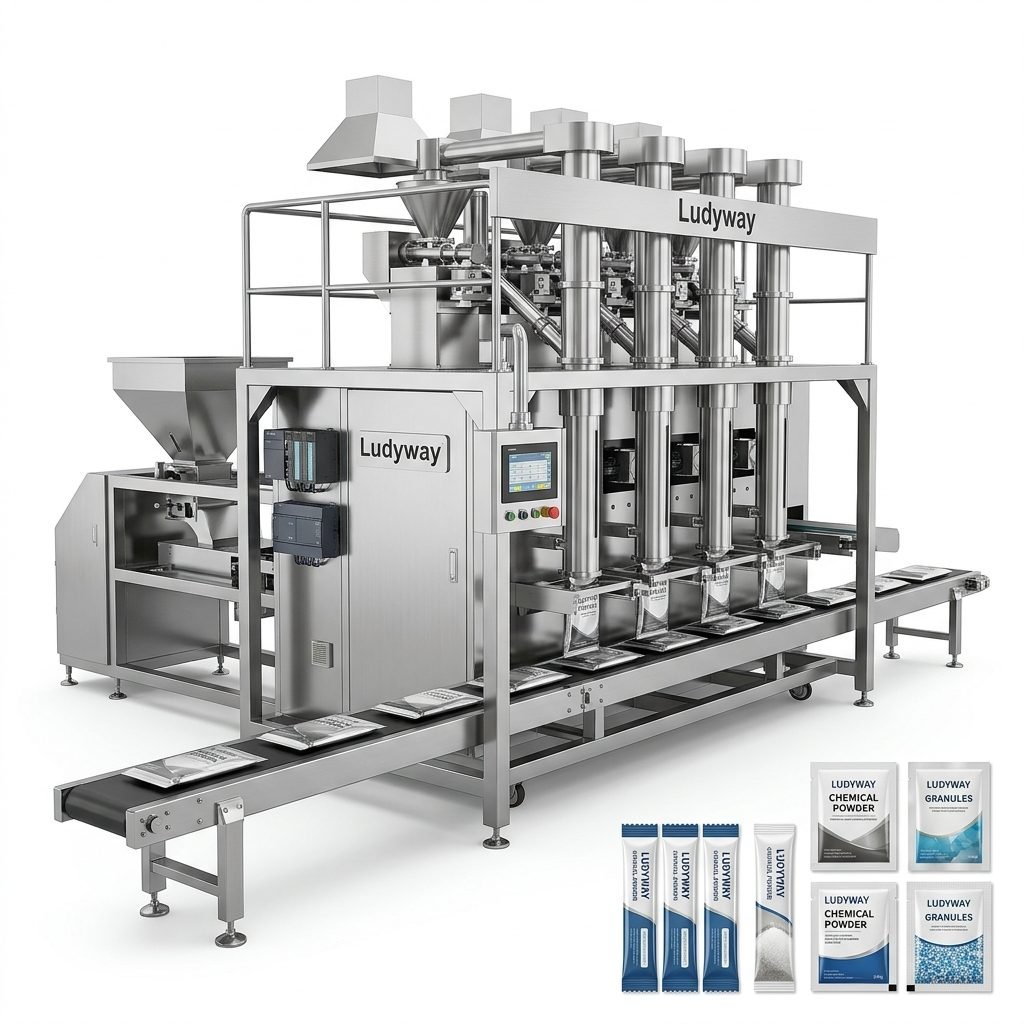
Critical Factors for Choosing Packaging Machinery in the Middle East
Before investing in packaging equipment, manufacturers must evaluate several critical aspects that directly affect performance, longevity, and return on investment. The following table summarizes the most important selection criteria for the Middle Eastern market:
| Selection Factor | Why It Matters in the Middle East | Key Considerations |
|---|---|---|
| Climate Adaptability | High ambient temperatures exceeding 45°C and low humidity levels | Cooling systems, heat-resistant components, dust protection |
| Product Compatibility | Diverse product range from fine powders to sticky granules | Multi-lane capability, adjustable filling parameters |
| Regulatory Compliance | Halal certification, GCC standards, SASO requirements | Material traceability, hygienic design, documentation |
| Service Support | Limited local technical expertise in some regions | Remote diagnostics, spare parts availability, training |
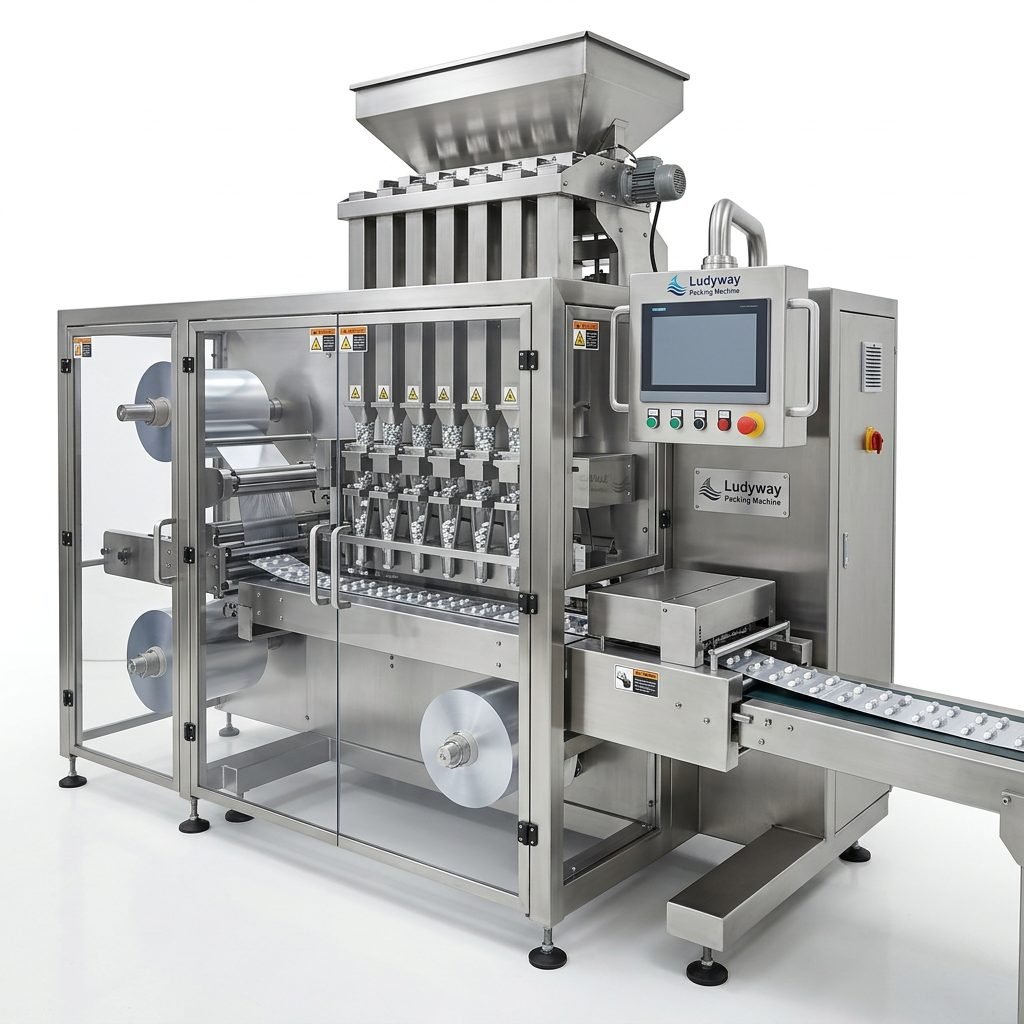
| Packaging Format | Growing demand for single-serve sachets and stick packs | Multi-lane configurations, high-speed capabilities |
Product Type and Machine Configuration
Your product characteristics determine the optimal machine configuration. Different materials require specific packaging solutions to ensure accuracy, speed, and minimal waste:
Granule Products
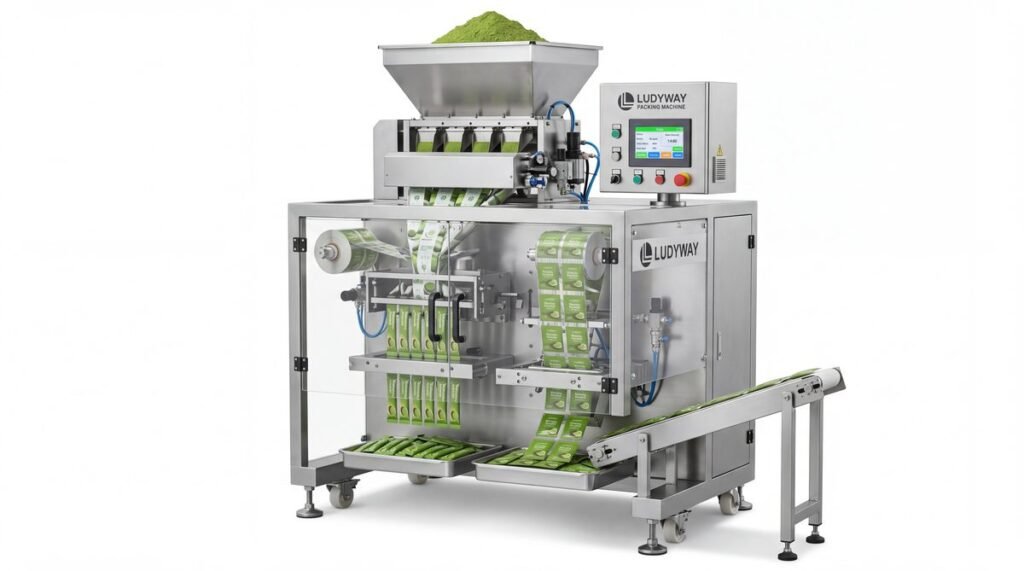
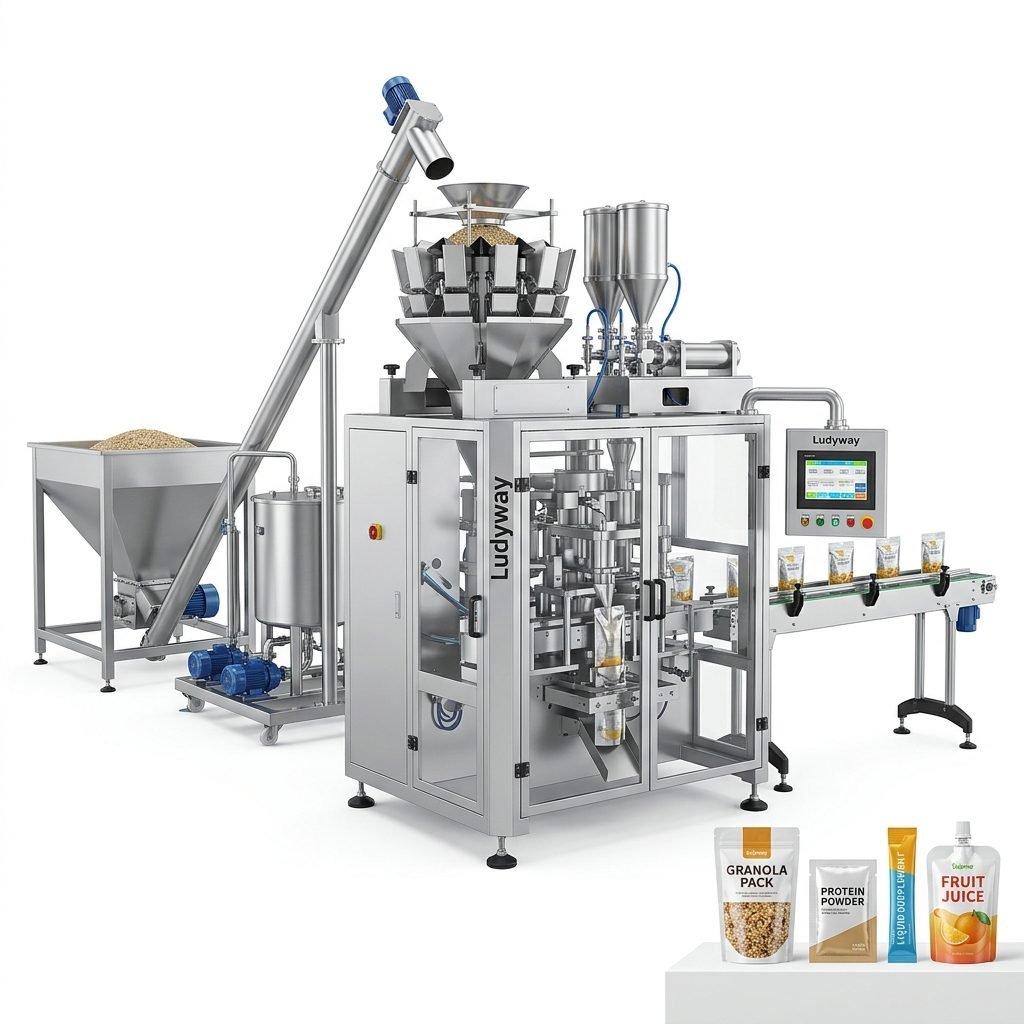
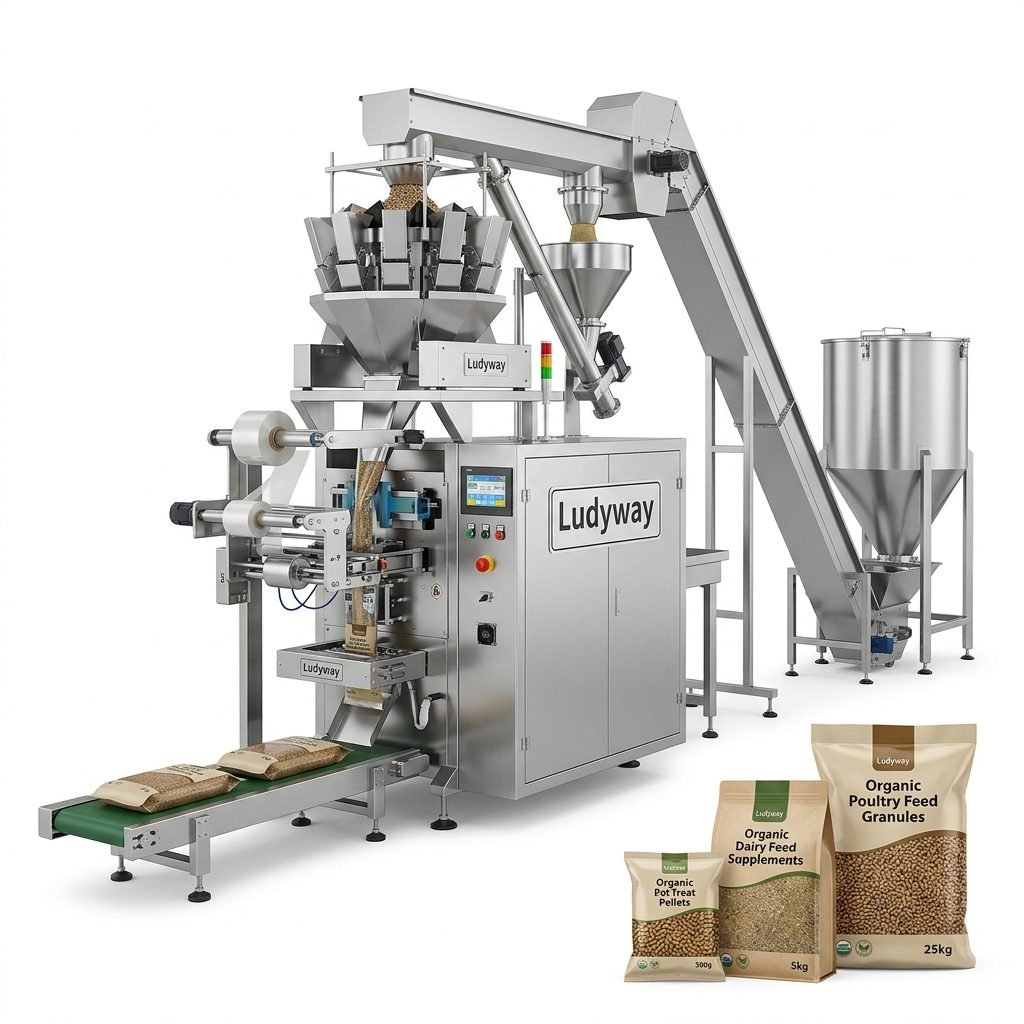
For free-flowing granular products such as sugar, salt, rice, coffee beans, and pet food, multi-head weigher systems with multi-lane stick pack machines offer exceptional speed and precision. These granule packaging machines can achieve fill rates exceeding 60 packs per minute per lane.
Powder Products
Fine powders including milk powder, protein supplements, spices, and pharmaceutical ingredients present unique challenges with dust control and flow consistency. Auger filler systems combined with powder packaging equipment ensure accurate dosing while maintaining a clean production environment — a critical requirement for Middle Eastern facilities.
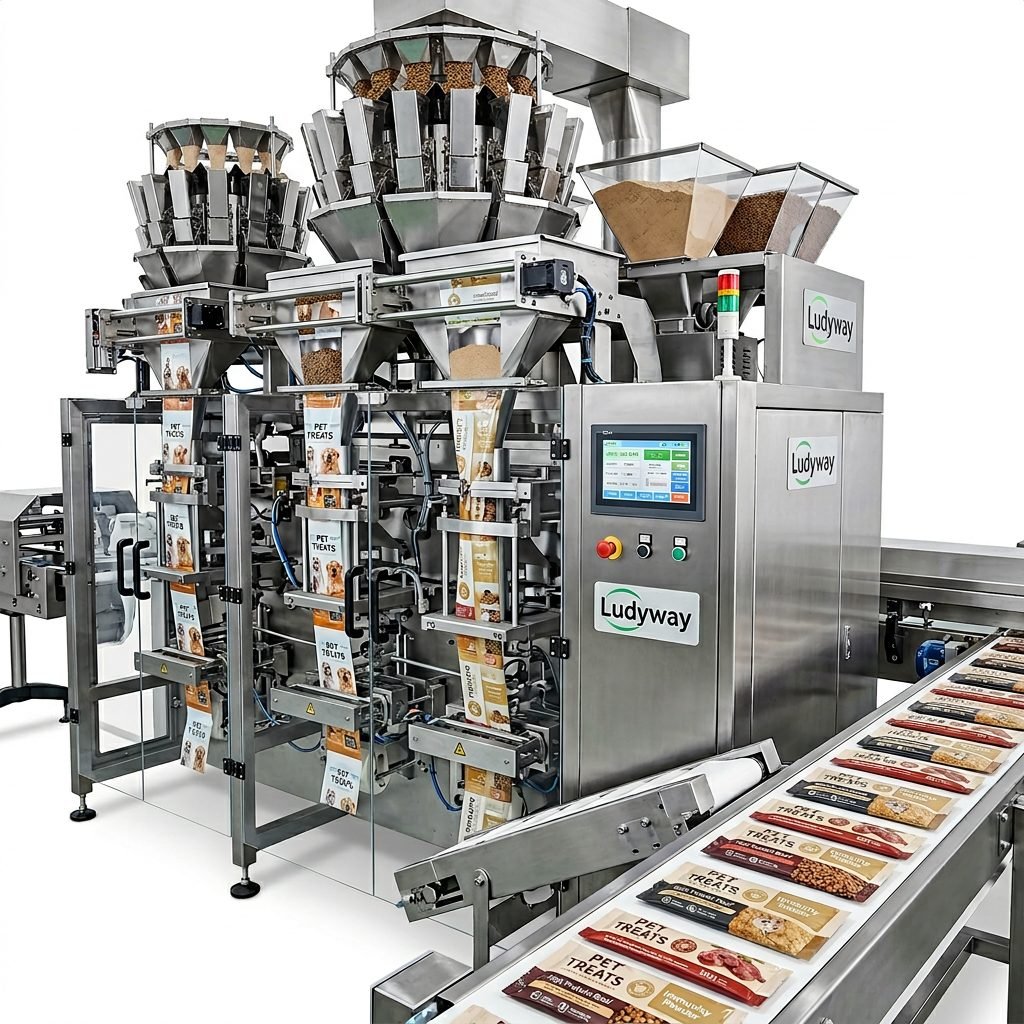
Liquid Products
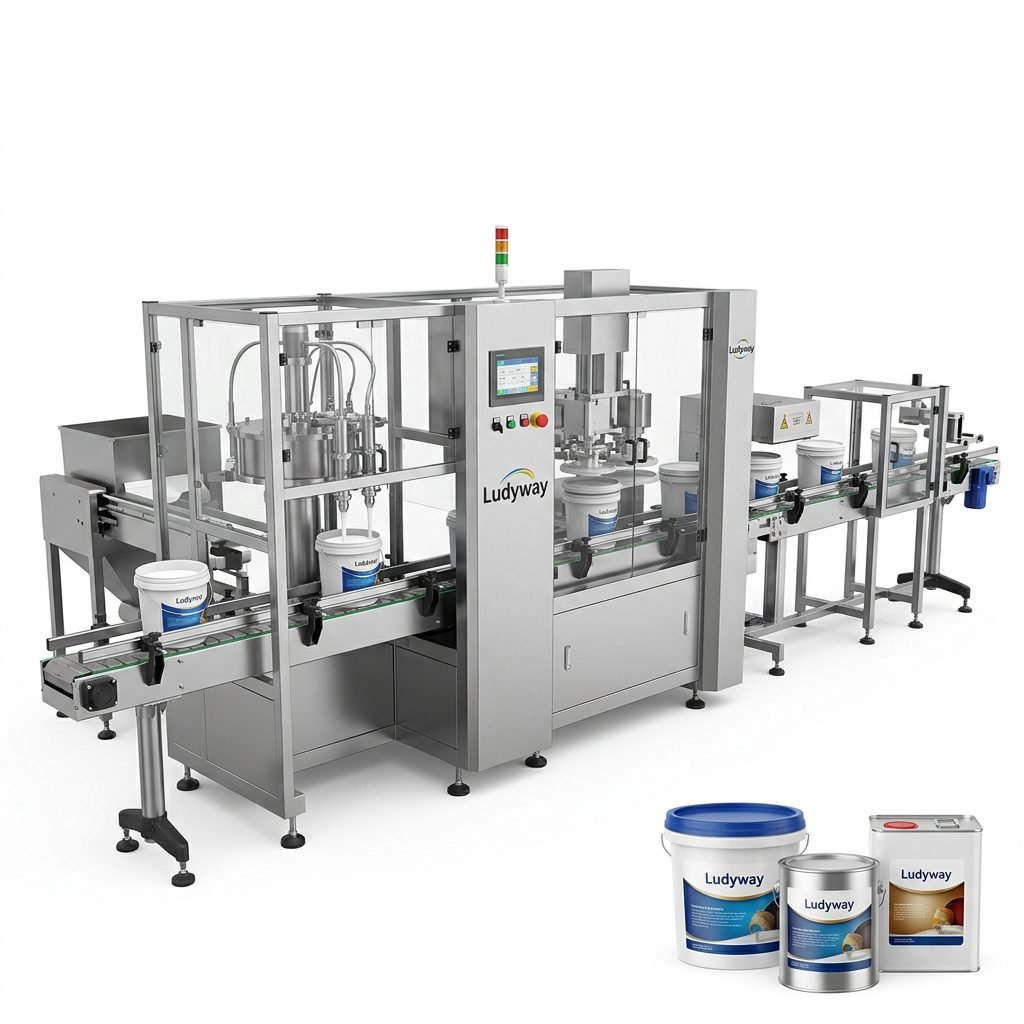
From beverages and edible oils to detergents and personal care liquids, piston or peristaltic pump filling systems integrated with liquid packaging solutions deliver consistent fill volumes. For the Middle East, corrosion-resistant materials are essential due to the chemical properties of certain regional liquid products.
Automation Levels and Production Capacity
Middle Eastern manufacturers increasingly seek fully automated packaging lines to reduce labor dependency and improve consistency. When evaluating automation levels, consider the following hierarchy:
- Semi-Automatic Systems: Suitable for startups and small-batch production, requiring manual product loading but offering automated filling and sealing.
- Fully Automatic Standalone Machines: Ideal for medium-scale operations, handling the complete packaging cycle from film unwinding to finished product discharge.
- Turnkey Integrated Lines: Comprehensive systems combining feeding, filling, sealing, coding, cartoning, and palletizing — optimal for high-volume manufacturers serving GCC markets.
- Smart Factory Solutions: Advanced systems with IoT connectivity, real-time monitoring, and predictive maintenance capabilities for Industry 4.0 readiness.
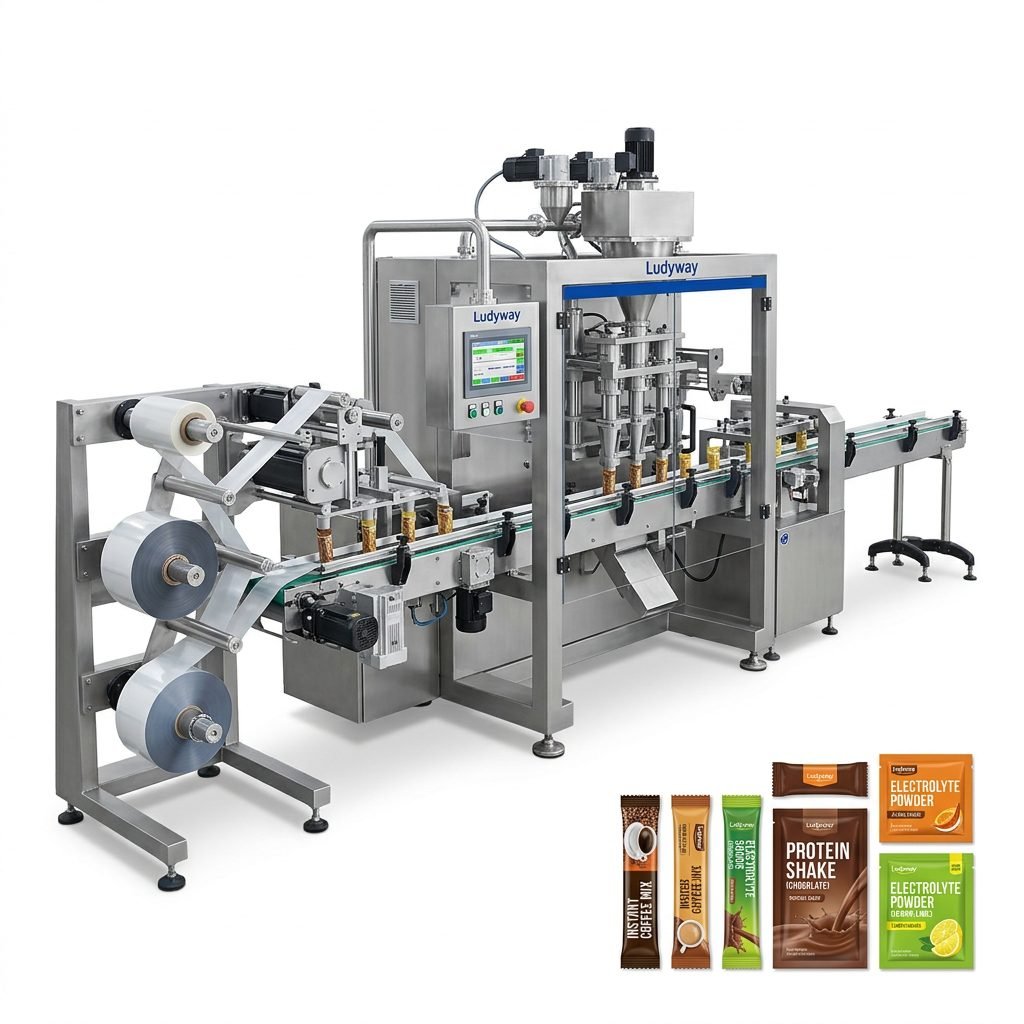
Climate Considerations for Machine Performance
The Middle East’s unique environmental conditions require specialized engineering adaptations. High ambient temperatures can affect electronic components, sealing quality, and film handling. When selecting equipment, verify that the packaging solutions include:
- Temperature-resistant servo motors and control systems rated for continuous operation above 40°C
- Enhanced cooling mechanisms for electrical cabinets
- Dust and sand ingress protection with IP65 or higher rated enclosures
- Corrosion-resistant materials for coastal installations in Gulf countries
- Humidity-controlled sealing systems to maintain consistent seal integrity
Regulatory Compliance and Certification Requirements
Navigating the regulatory landscape is critical for successful market entry. Middle Eastern countries enforce rigorous standards for packaging machinery and materials:
| Standard / Certification | Applicable Region | Requirement Focus |
|---|---|---|
| SASO (Saudi Standards) | Saudi Arabia | Product safety, machinery compliance |
| ESMA (Emirates Authority) | UAE | Equipment certification, energy efficiency |
| Halal Certification | All GCC Countries | Material sourcing, cross-contamination prevention |
| ISO 22000 / FSSC | Region-wide | Food safety management systems |
| CE Marking | Accepted in most MENA countries | General machinery safety standards |
Service, Support, and Spare Parts Availability
One of the most overlooked aspects of packaging machine procurement is after-sales service. In the Middle East, where local technical support may be limited, partnering with a manufacturer that offers comprehensive service packages is essential. Look for suppliers providing:
- Remote diagnostic capabilities via secure internet connections
- Readily available spare parts with expedited shipping to Middle Eastern ports
- Multi-language technical documentation, including Arabic language options
- On-site installation and commissioning by experienced engineers
- Operator training programs tailored to local workforce skill levels
- Annual maintenance contracts with guaranteed response times
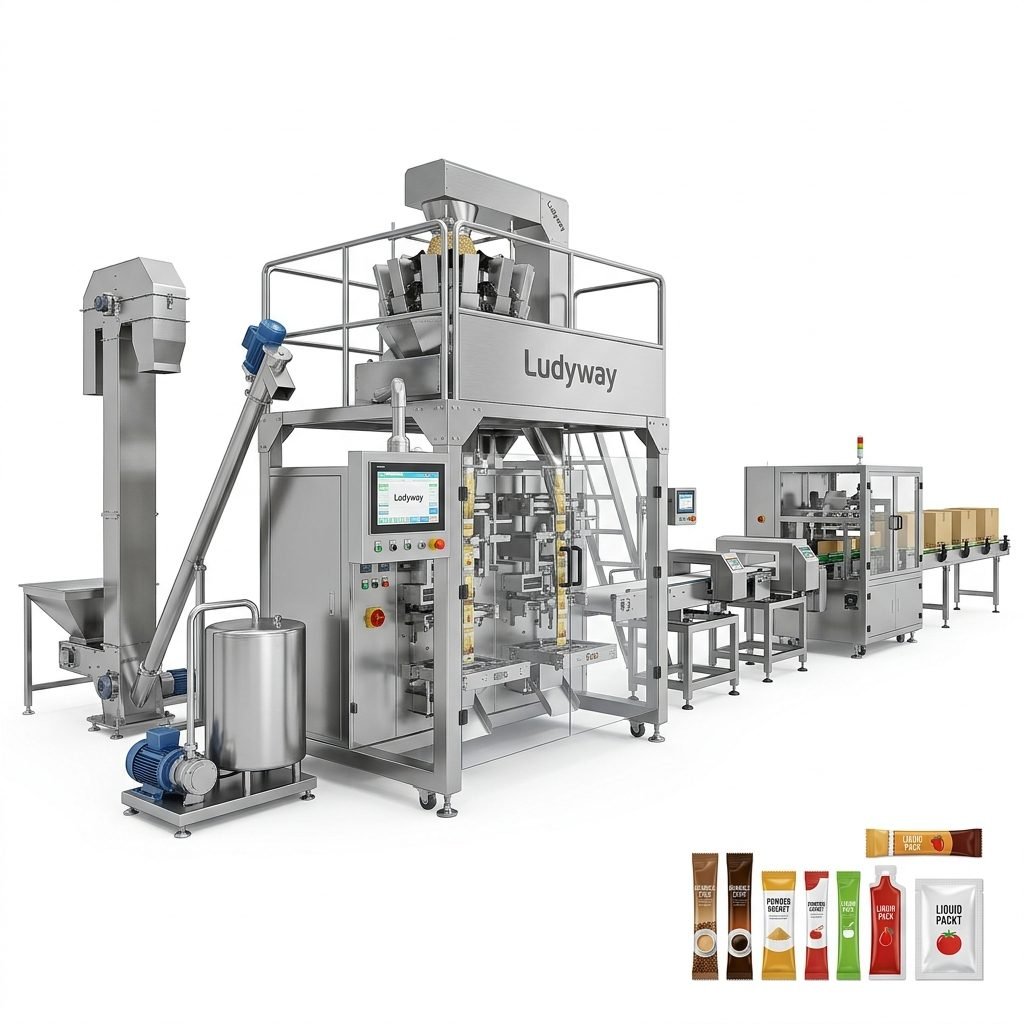
Evaluating Total Cost of Ownership
While initial purchase price is important, total cost of ownership (TCO) provides a more accurate picture of long-term value. Consider these cost components when comparing packaging machine options for Middle Eastern operations:
- Energy Consumption: Higher electricity costs in some GCC countries make energy-efficient machines more economical over time.
- Consumable Parts: Evaluate the cost and lifespan of sealing elements, cutting blades, and other wear components.
- Film Material Waste: Precision machines that minimize film waste during start-up and changeover reduce ongoing material costs.
- Labor Requirements: Higher automation reduces operator dependency, which is valuable in regions with skilled labor shortages.
- Maintenance Intervals: Machines designed for extended maintenance cycles reduce production downtime.
Packaging Format Trends in the Middle East
Consumer preferences in the Middle East are driving specific packaging format demands. Understanding these trends helps in selecting the right machine configuration:
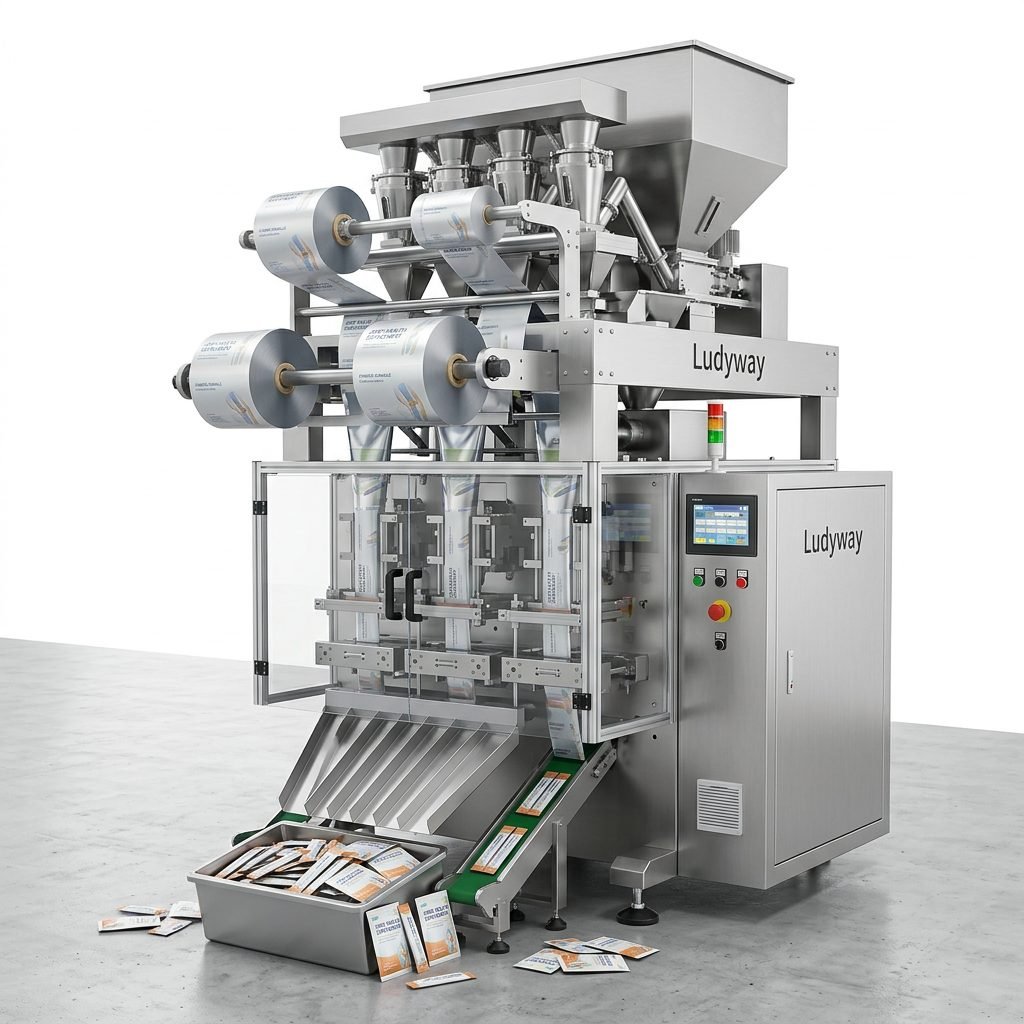
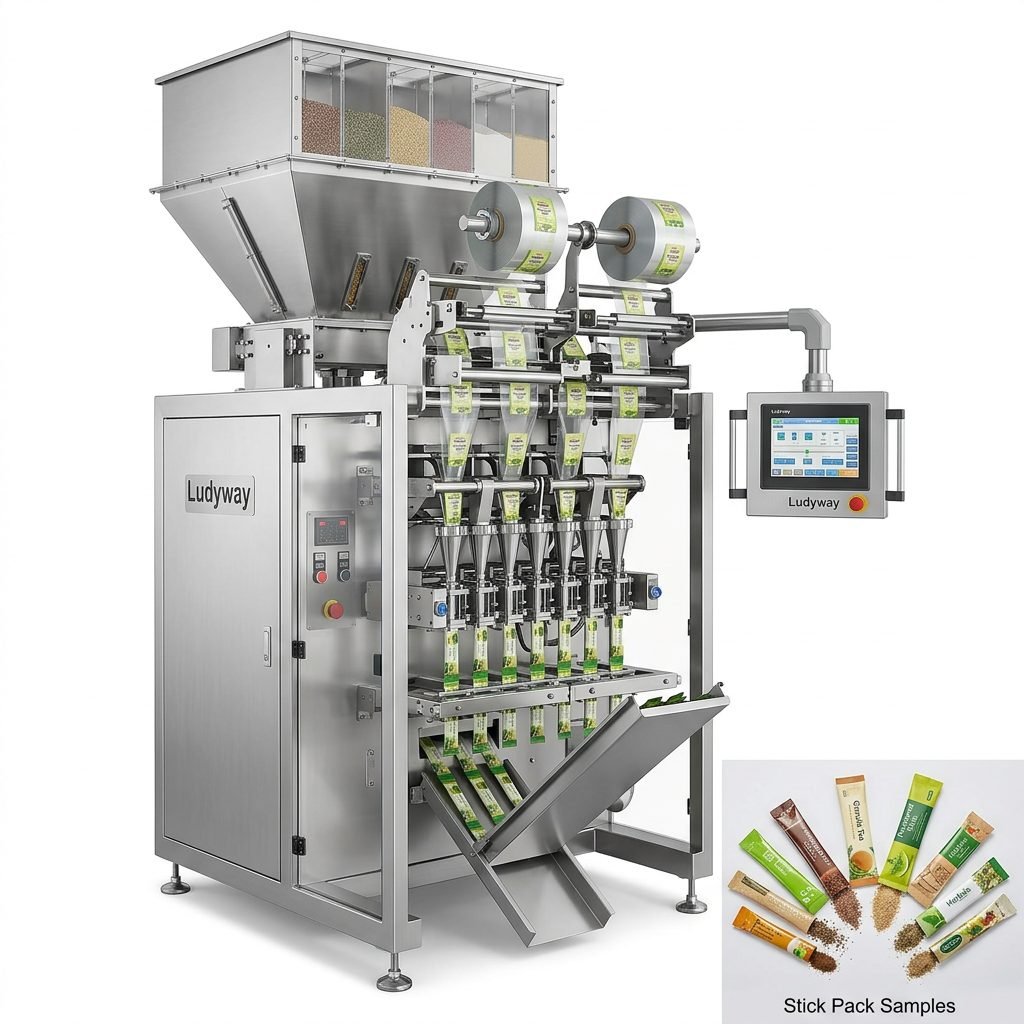
- Stick Packs: Dominant format for sugar, instant coffee, and nutritional supplements — portable and portion-controlled.
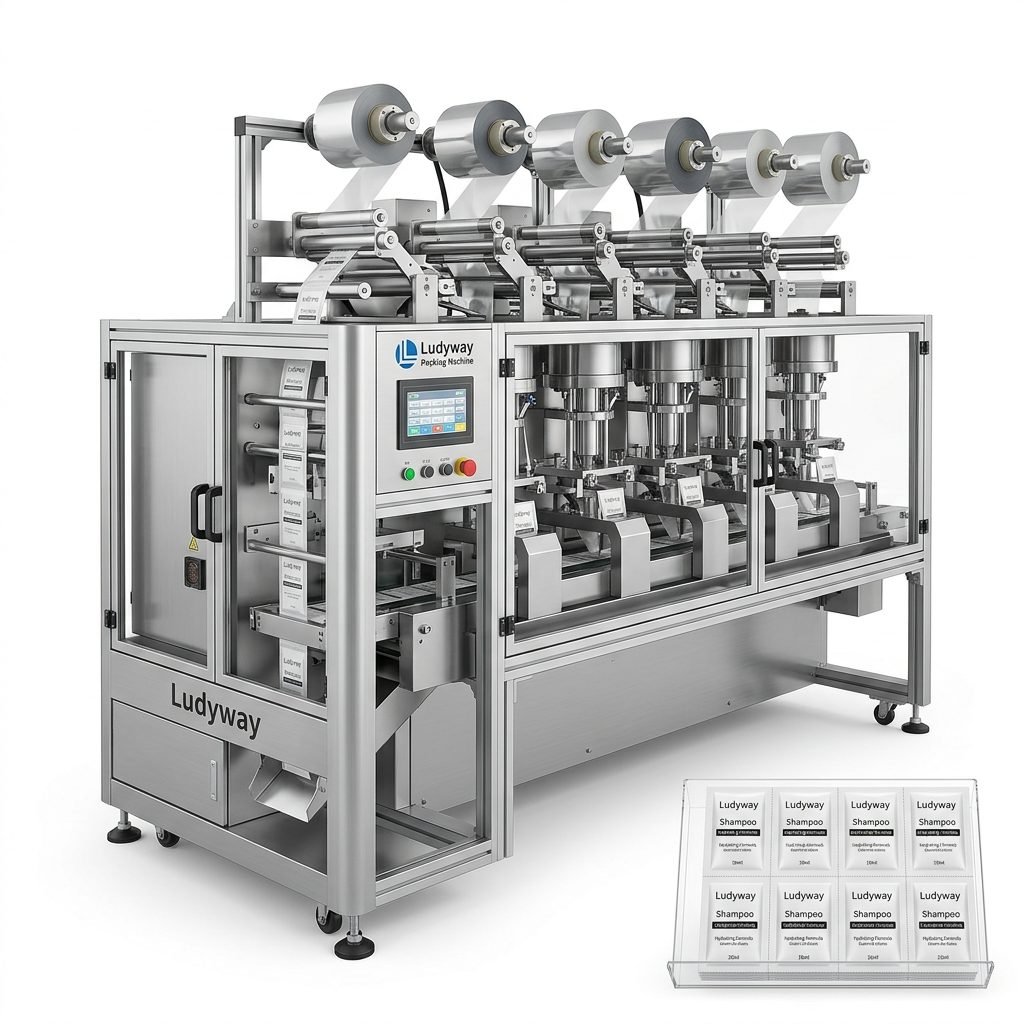
- Sachets: Widely used for shampoos, condiments, and pharmaceutical powders — cost-effective single-use packaging.
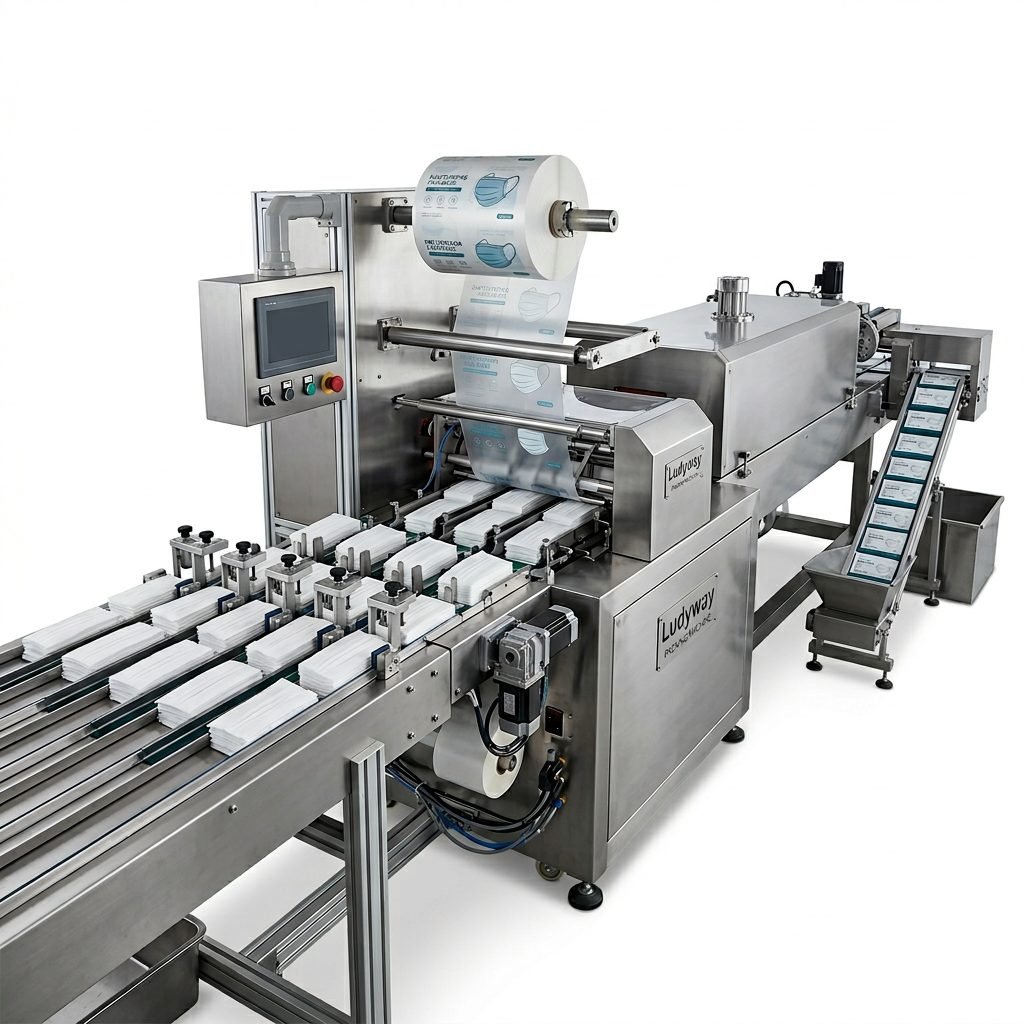
- Pillow Pouches: Popular for snacks, dried fruits, and confectionery products across retail channels.
- Stand-Up Pouches: Growing in popularity for premium food products, pet foods, and specialty items with resealable features.
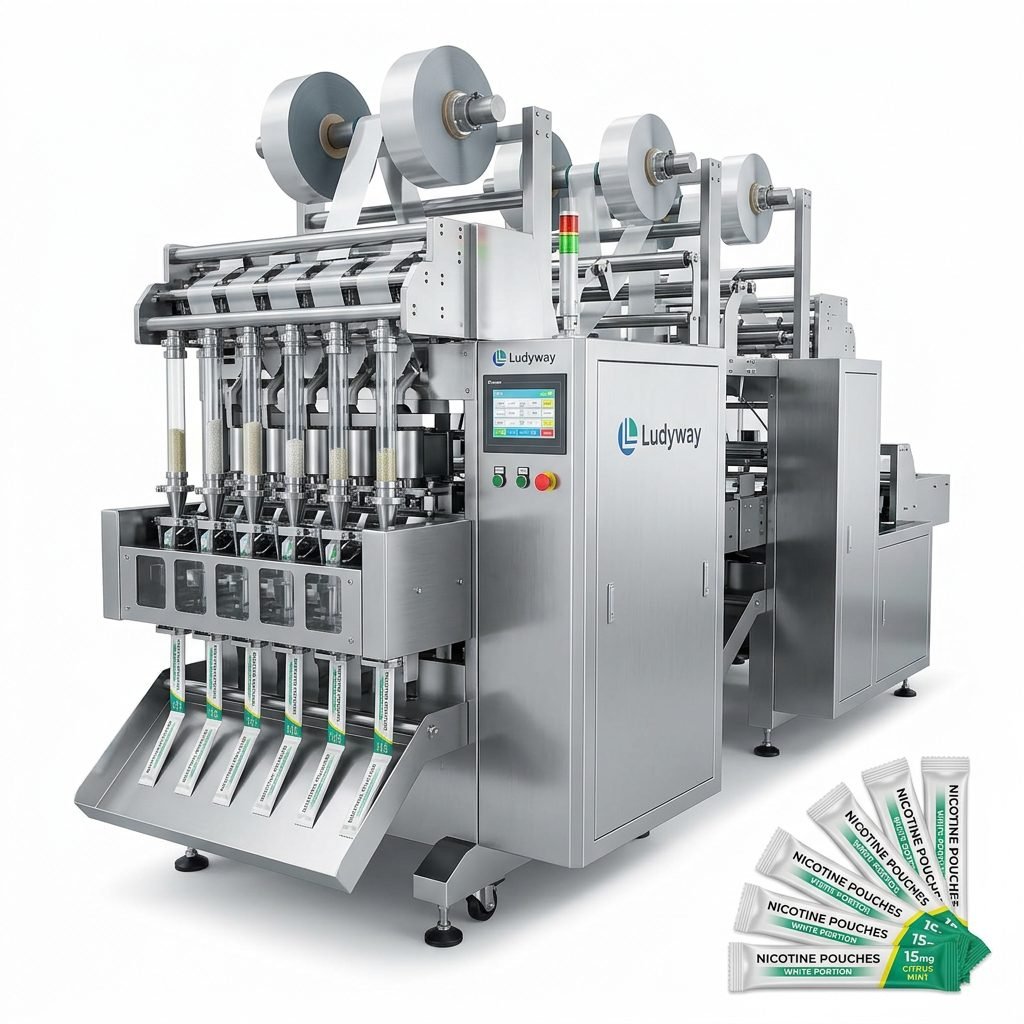
- Multi-Lane Configurations: Essential for high-volume producers seeking to maximize output per square meter of factory floor space.
Questions to Ask Before Purchasing
To ensure you select the best packaging machine for your Middle Eastern operation, ask potential suppliers these critical questions:
- Has your equipment been installed in Middle Eastern facilities with similar climate conditions?
- What modifications are available for high-temperature and dusty operating environments?
- Do you offer Arabic language interface options for machine controls and documentation?
- What is the typical lead time for spare parts delivery to GCC countries?
- Can the machine handle multiple packaging formats to provide production flexibility?
- What certifications and compliance documentation are provided for regional import requirements?
- Do you offer local service support or remote diagnostic capabilities?
- What training programs are available for operators and maintenance personnel?
Making the Final Decision
After evaluating technical specifications, compliance requirements, and total cost of ownership, the final decision should also consider the manufacturer’s track record and commitment to the Middle Eastern market. Companies like Ludyway have established strong international presence with packaging solutions deployed across multiple regions, providing the reliability and support infrastructure that Middle Eastern manufacturers require for sustained production success.
Investing time in thorough evaluation — including factory visits, reference checks with existing regional customers, and sample production runs — will help ensure that your chosen packaging machinery delivers consistent performance, regulatory compliance, and strong return on investment for years to come.
For more information on packaging machinery standards and industry resources, you can visit the PMMI Association for Packaging and Processing Technologies or explore Flexible Packaging Association resources for industry insights. Additionally, the ISO packaging standards provide valuable guidance on international compliance requirements applicable to Middle Eastern markets.