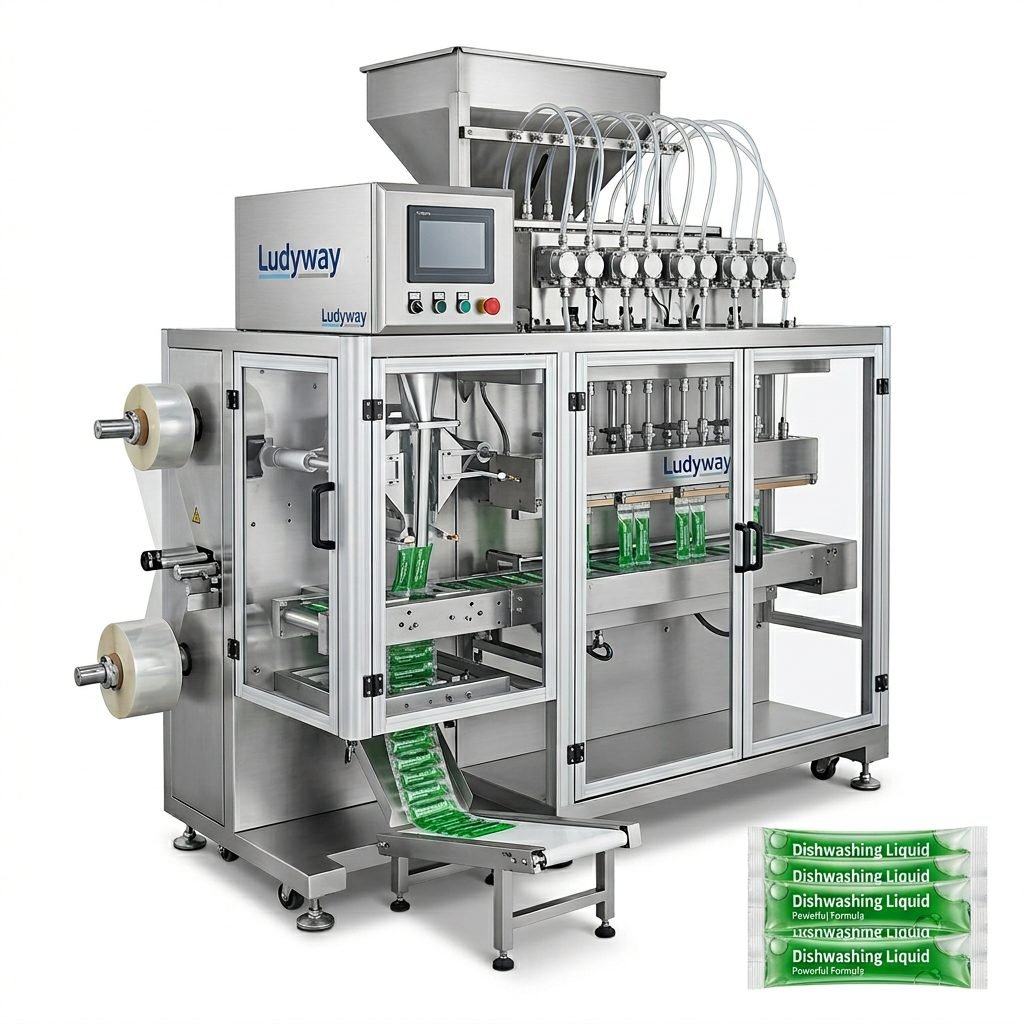
The demand for premium chocolate in Oceania is skyrocketing. From artisanal bean-to-bar producers in Melbourne to large-scale manufacturers in Auckland, establishing an efficient chocolate bar packaging machine production line is critical for maintaining product quality and maximizing shelf appeal. This guide walks you through the essential steps for setting up a high-performance packaging system tailored to the unique regulatory and climatic conditions of Australia and New Zealand.
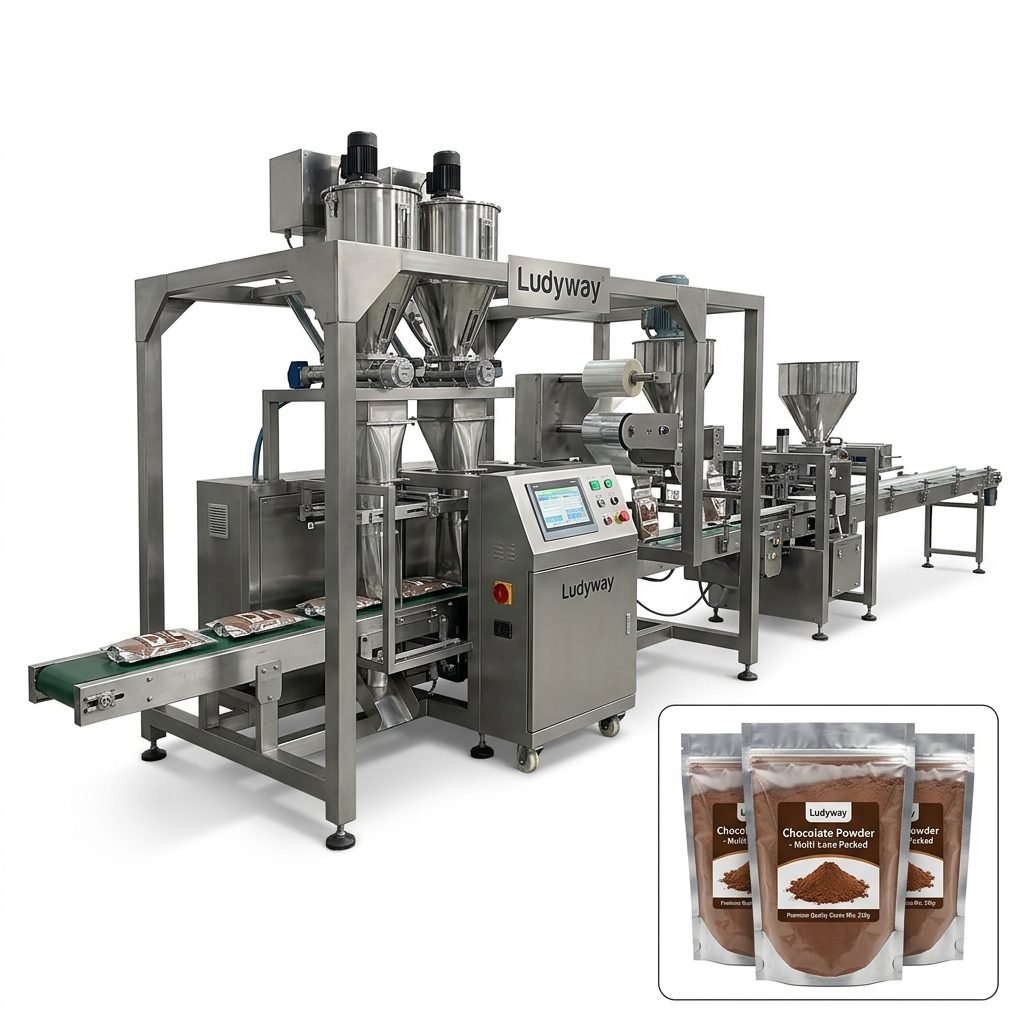
Understanding the Oceania Chocolate Packaging Market
The Oceanic confectionery market is characterized by a demand for both high-volume output and flexible packaging formats. Whether you are wrapping standard tablets or flow-wrapping mini bars, the machinery must handle delicate tempering and prevent melting. Key considerations include the shift toward sustainable materials and the need for FSANZ-compliant food contact surfaces.
Key Production Drivers
- Tourism & Gift Markets: Premium visual packaging for duty-free shops.
- Shelf-Life Extension: Advanced gas flushing (MAP) technology to handle humid tropical climates in Northern Australia and the Pacific Islands.
- Automation: Reducing labor costs through fully automated feeding and cartoning systems.
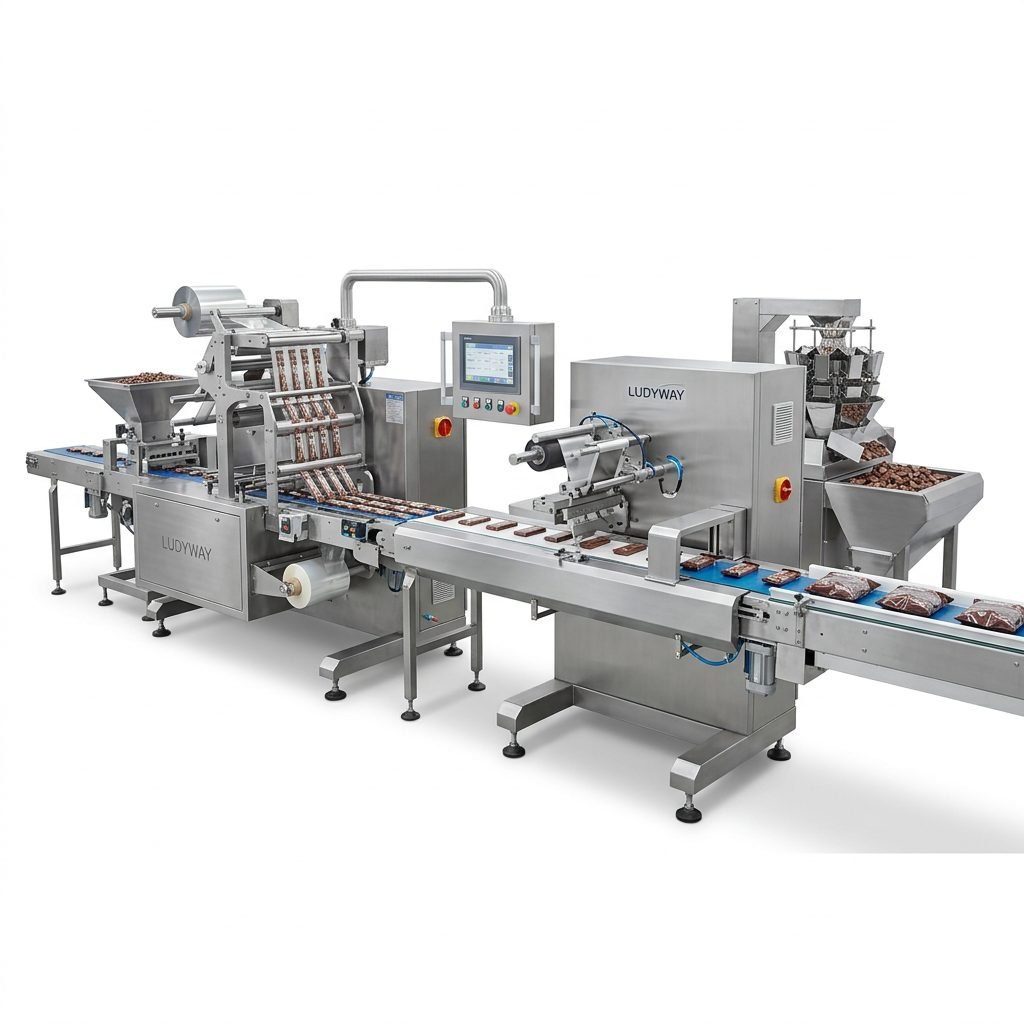
Step-by-Step Setup for Your Production Line
1. Facility Preparation and Climate Control
Chocolate is notoriously sensitive to temperature and humidity. Before installing a chocolate packaging machine, the production hall in Oceania must maintain a strict environment—ideally 18°C to 22°C with relative humidity below 55%. This prevents “bloom” (fat or sugar crystallization) during the wrapping process.
2. Flow-Wrapping vs. Cold-Seal Technology
For most Oceanic producers, cold-seal packaging is preferred over heat-seal because it protects the product from thermal damage. However, if you are packaging biscuits with chocolate layers, a horizontal flow wrapper with precise temperature controls is essential. Evaluate the fragility of your bar to determine the correct material handling system.
3. Integrating Weighing and Metal Detection
Compliance with international export standards requires multi-stage quality control points. Modern production lines integrate in-line checkweighers and industrial metal detectors directly after the primary packager. This ensures every bar meets the net weight regulations mandated by Australian Consumer Law (ACL).
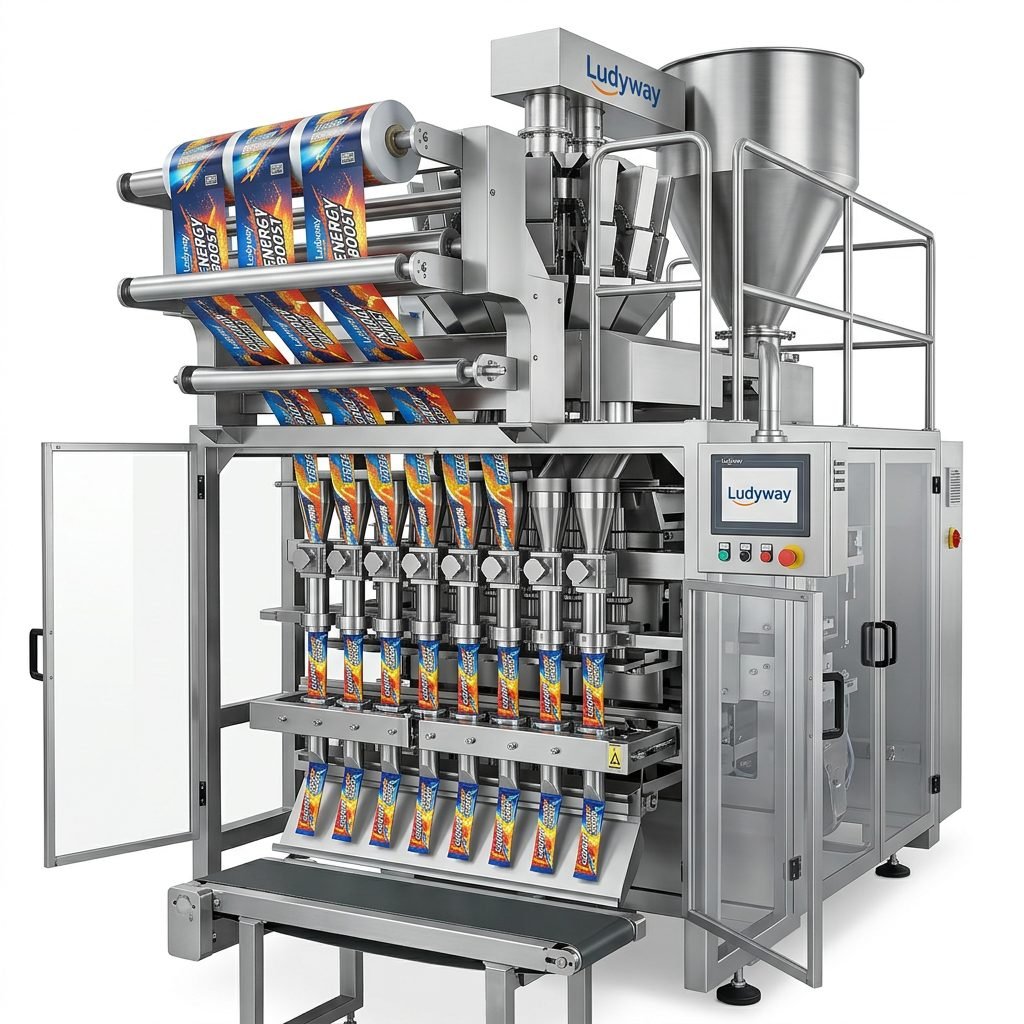
Technical Specifications for Optimal Performance
Choosing the right servo-driven technology impacts your bottom line. The table below compares the critical specifications you should look for in a modern chocolate bar packaging line:
| Feature | Standard Setup | Advanced Turnkey Integration |
|---|---|---|
| Speed Range | 80-150 packs/min | 300+ packs/min (Multi-lane) |
| Sealing Type | Single Jaw Heat Seal | Cold Seal / MAP (Modified Atmosphere) |
| Control System | PLC Basic Interface | IoT-Ready Server Motors |
| Material Compatibility | BOPP/Laminated Films | Sustainable Bio-Films & Alu-Paper |
4. End-of-Line Automation: Cartoning and Palletizing
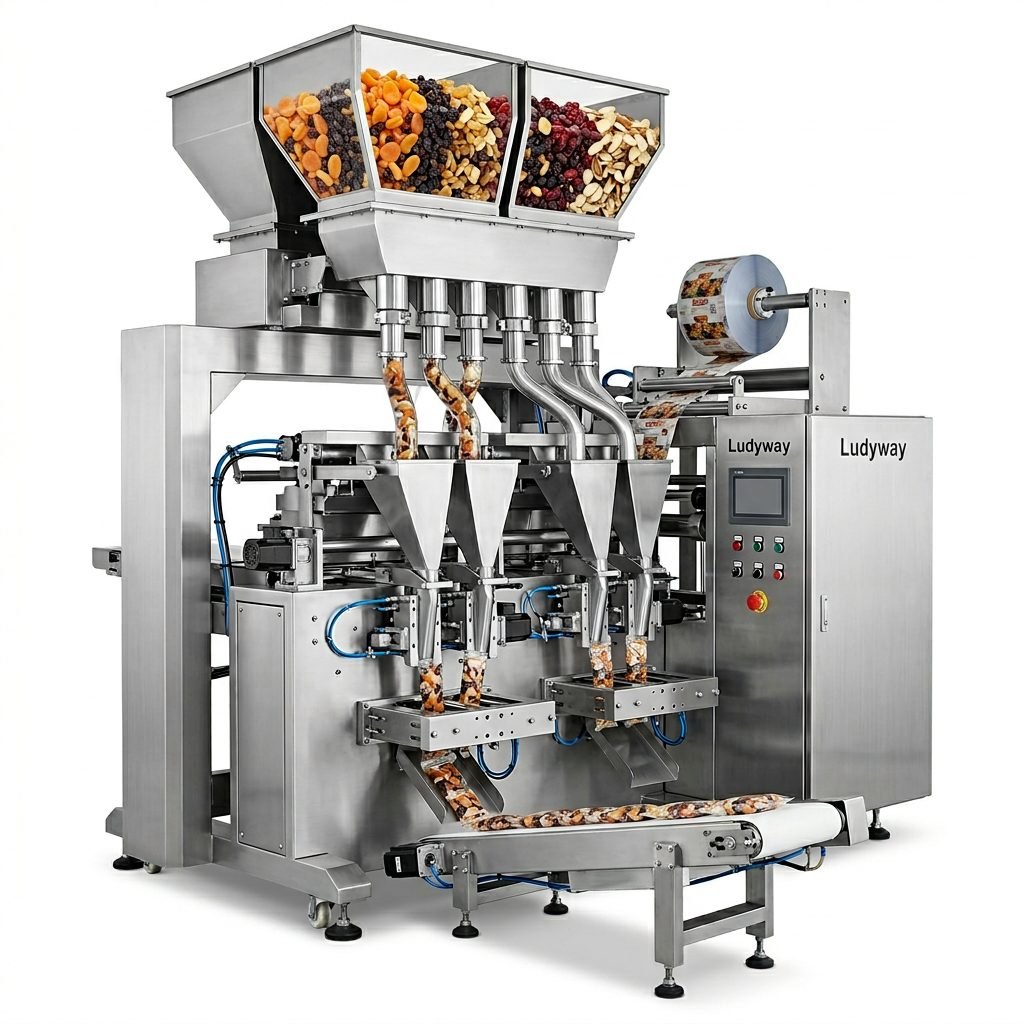
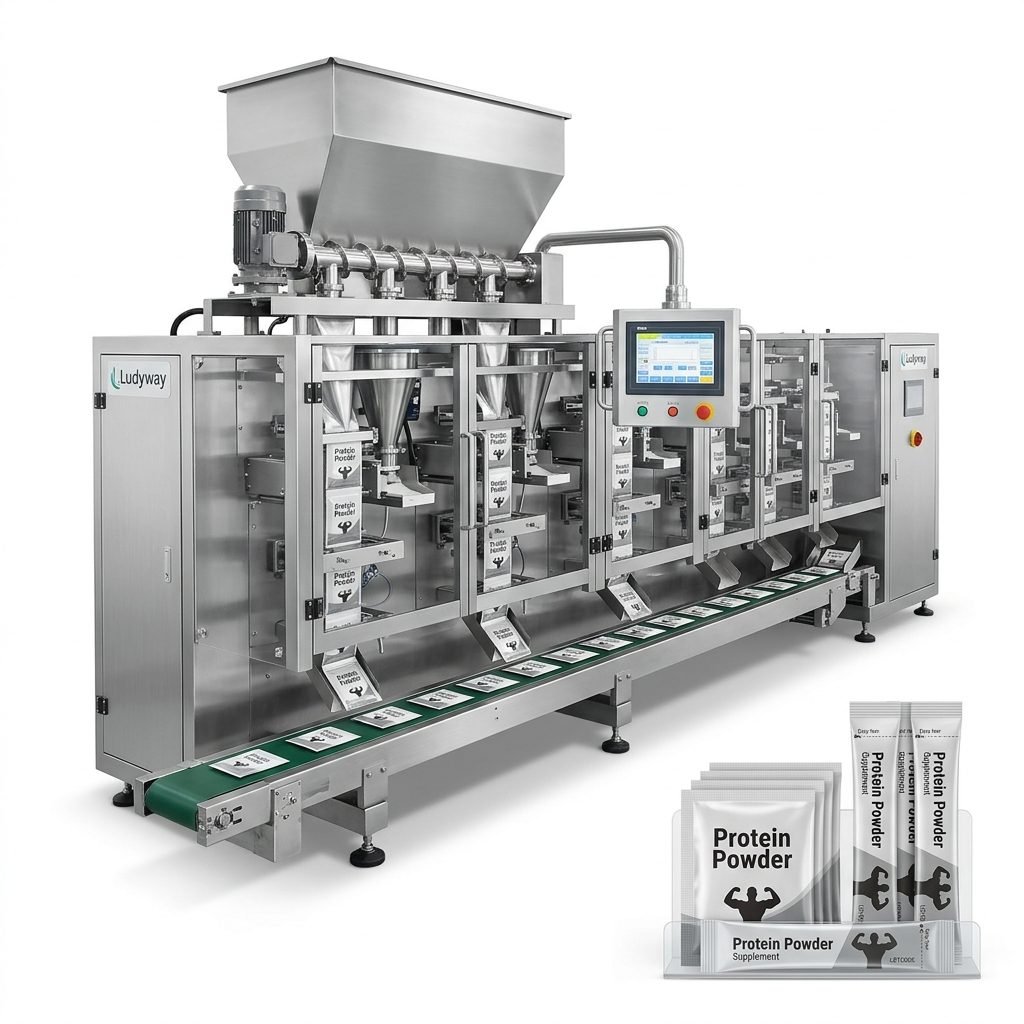
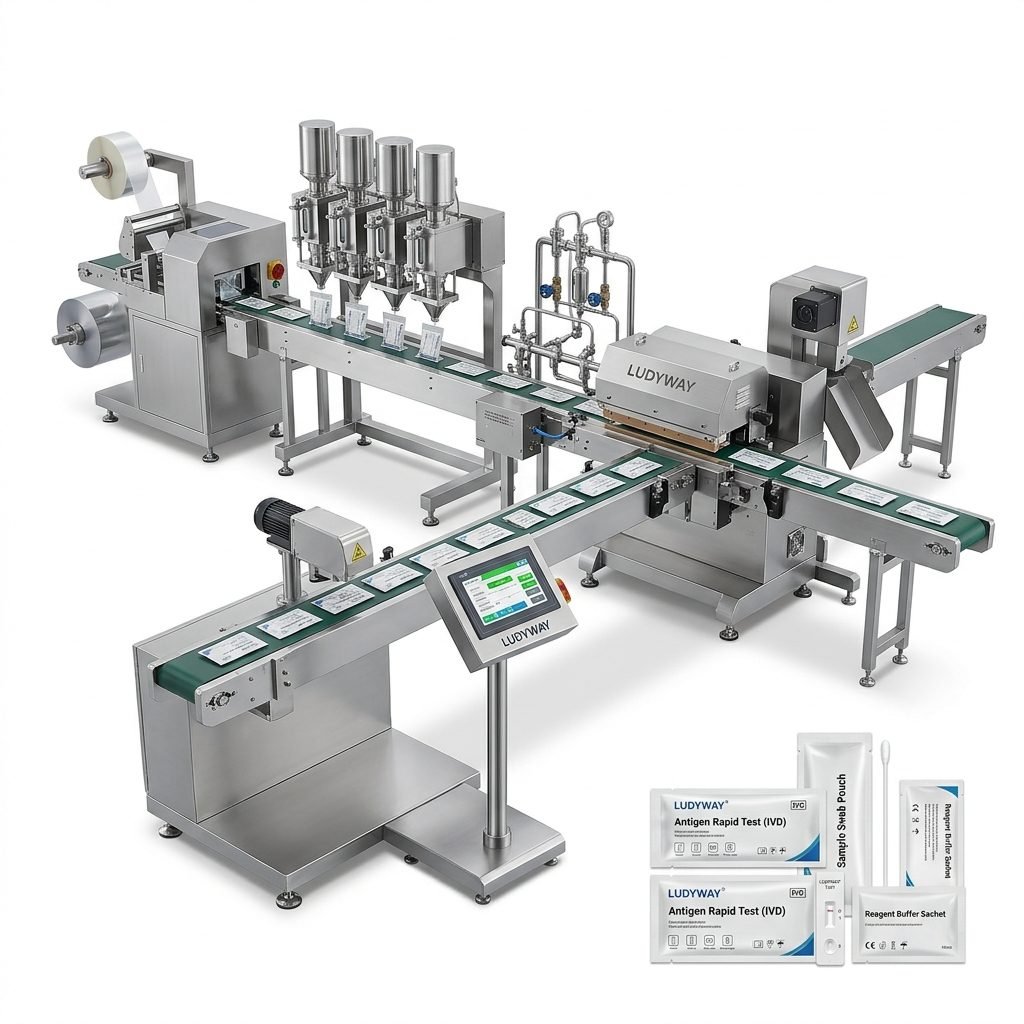
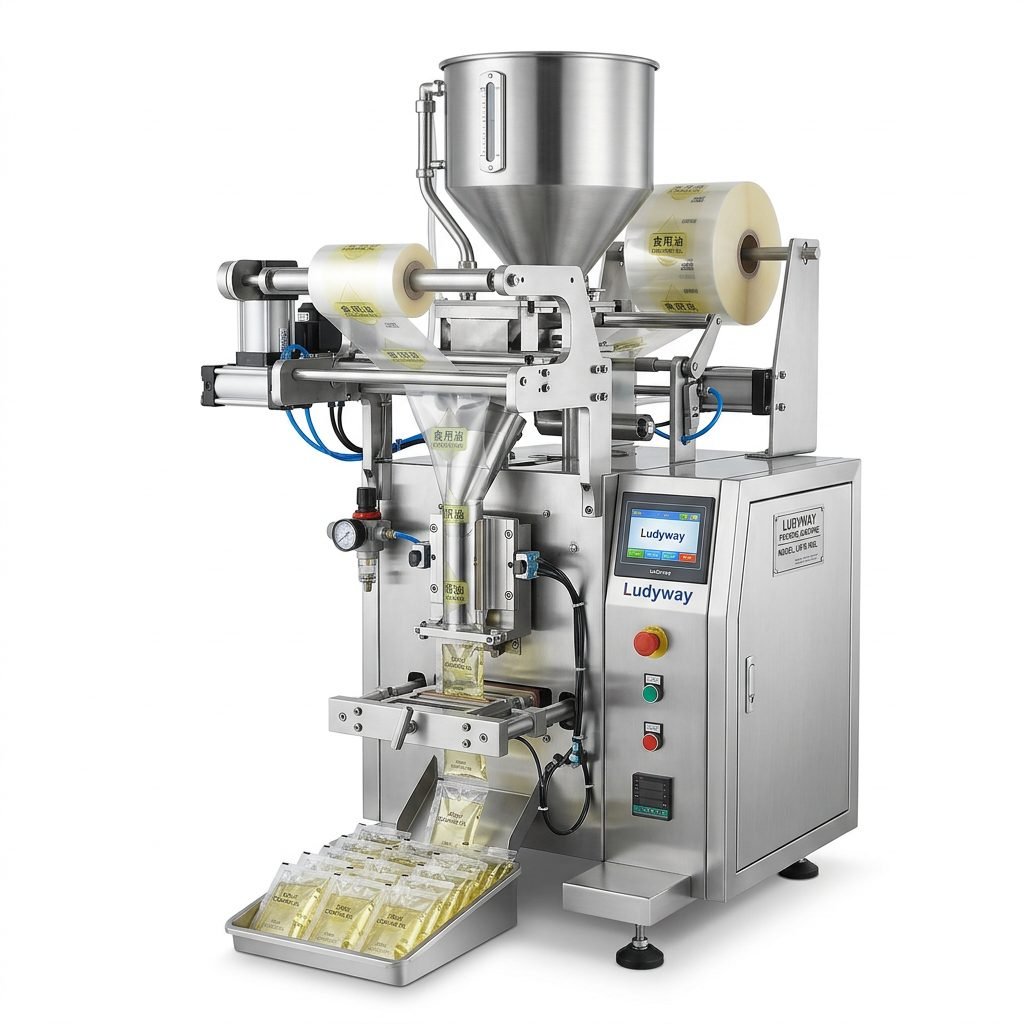
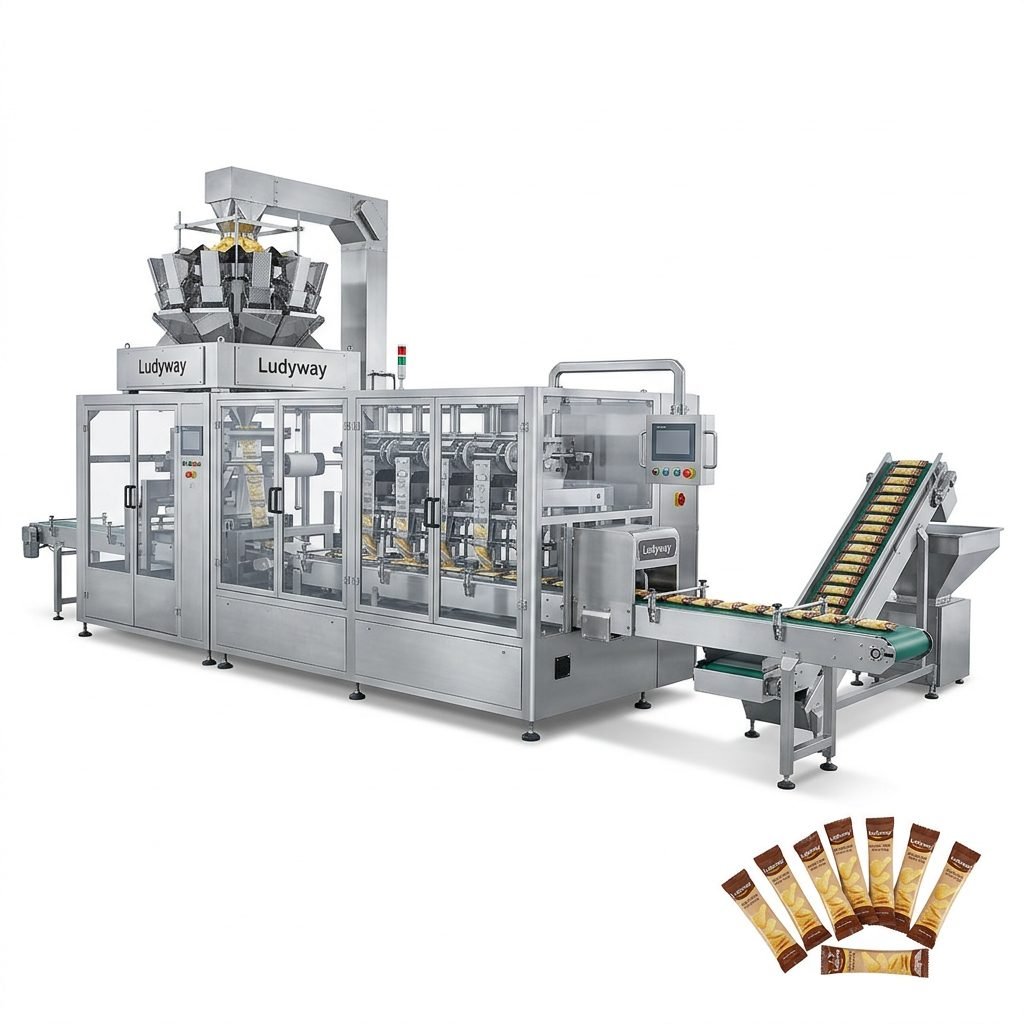
In the competitive Oceanic market, hand-packing cartons is often a bottleneck. A turnkey packaging line integrates a robotic pick-and-place system that transfers wrapped bars directly into display cartons, followed by automatic case packing. Ludyway, one of the largest packaging machine manufacturers in China with over 30 years of industry experience, provides customized solutions that synchronize the primary wrapper with high-speed cartoners, ensuring smooth product transition without damage.
Navigating Oceania’s Specific Challenges
Setting up a line in this region involves more than just bolt-down installation. You must address:
- Electrical Standards: Machinery must comply with AS/NZS 3000 wiring rules.
- Remote Support: Given the distance from European manufacturers, local service support or advanced remote diagnostics are crucial.
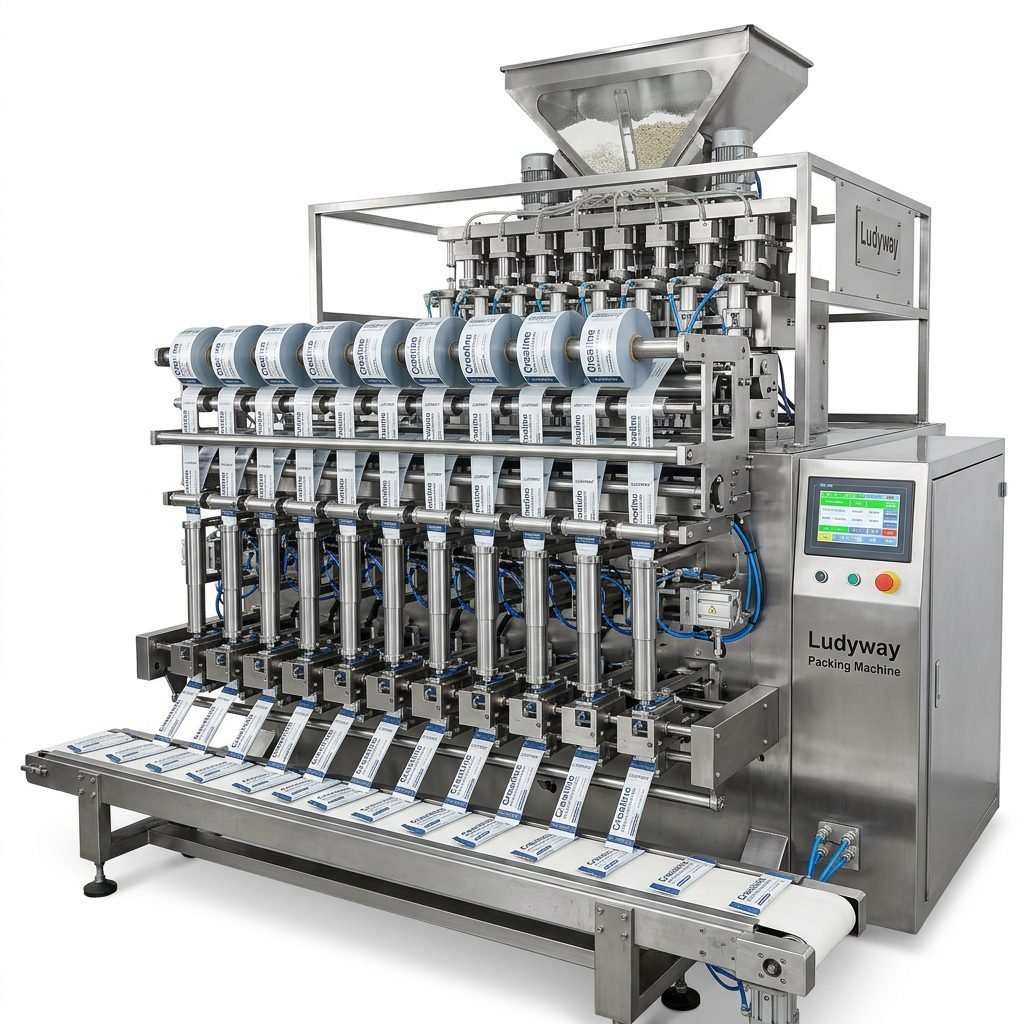
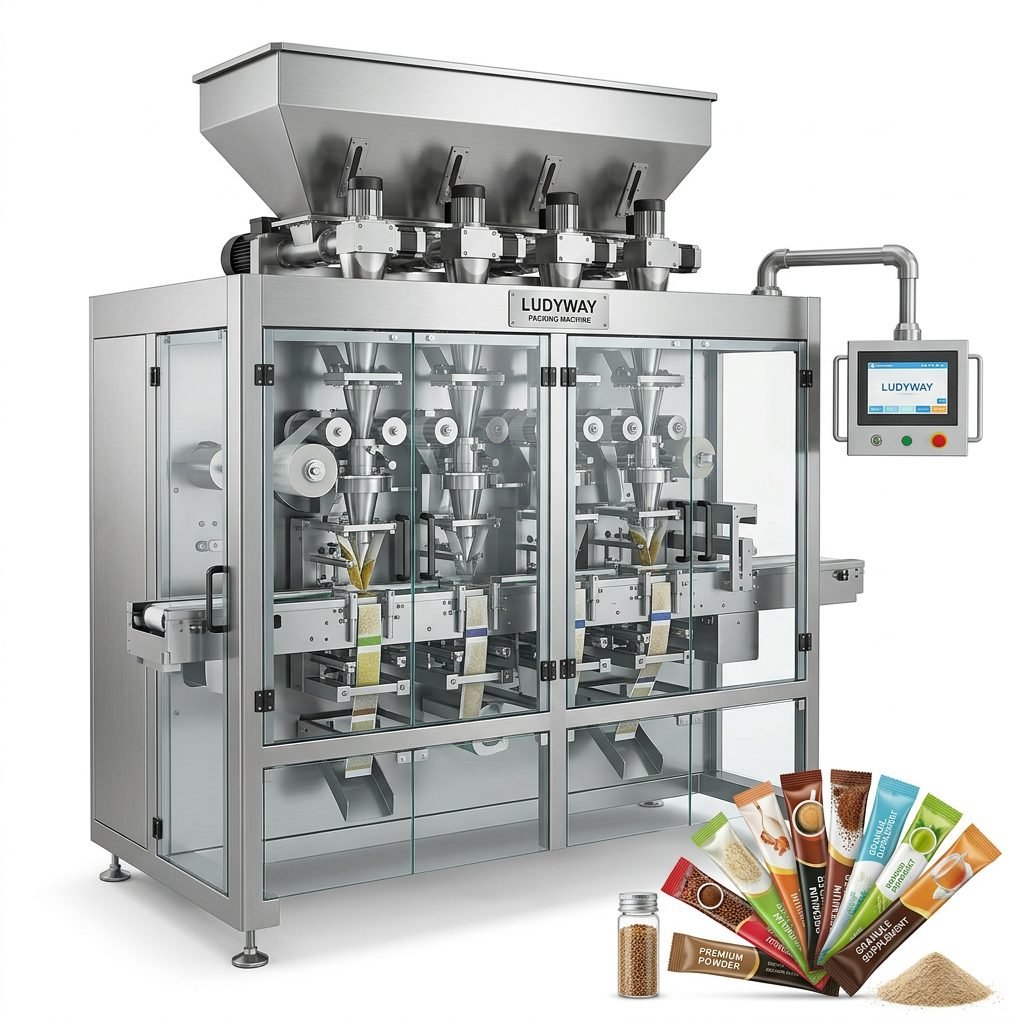
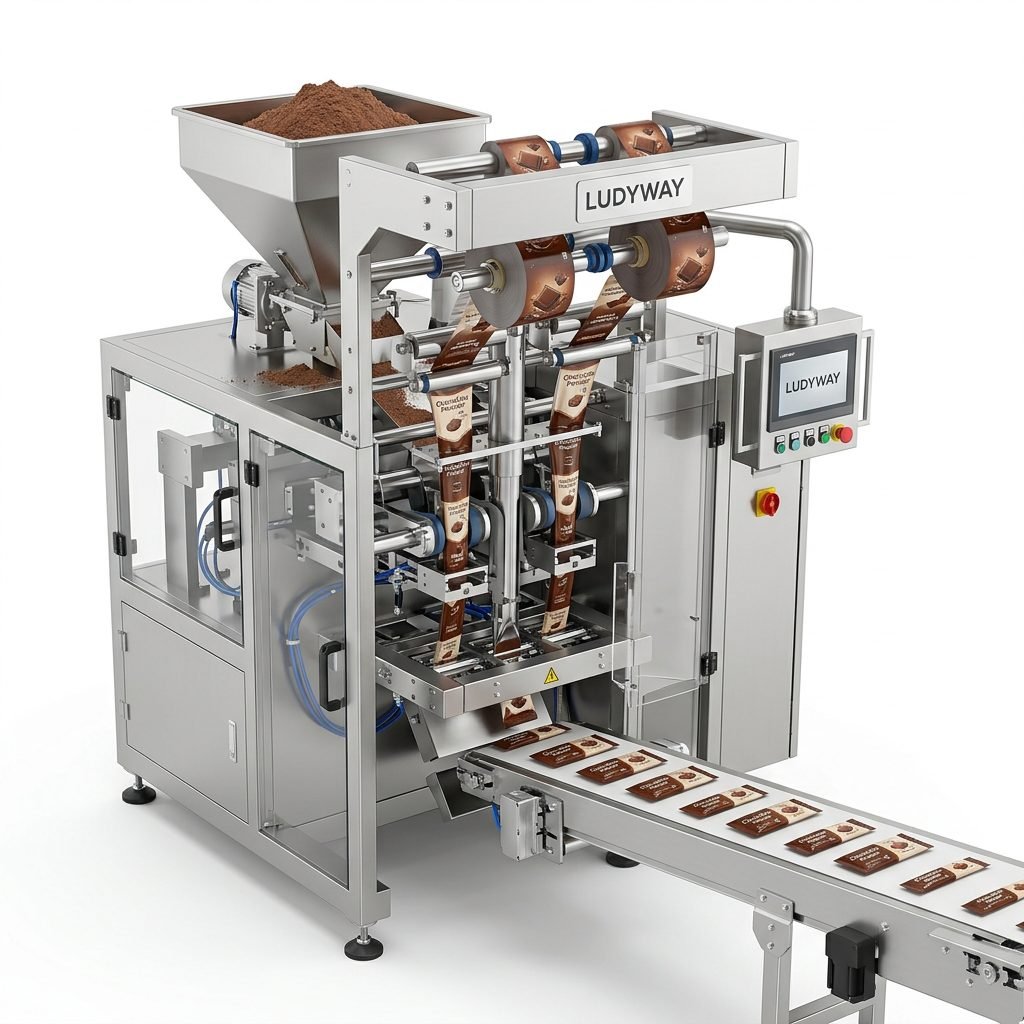
- Sustainable Packaging Mandates: The Australasian Recycling Label (ARL) requires packaging that is designed for recyclability. Multi-lane stick pack machines must be configured to accurately pull these eco-friendly materials without tearing.
Cost Analysis and ROI Expectations
When budgeting for an automated chocolate packaging line in Oceania, look beyond the initial capital expenditure. Focus on Total Cost of Ownership (TCO). Film wastage is a significant silent cost. High-end servo-driven machines offer “no product, no bag” features that reduce film waste by up to 15%, a critical factor given the high cost of imported packaging films in Oceania.
Maintenance in Isolated Regions
For processors in Fiji or remote Western Australia, reliability is non-negotiable. When sourcing equipment, prioritize designs that minimize mechanical cams and favor independent servo drives. This reduces wear parts and allows issues to be resolved remotely via VPN, cutting service trip costs. A comprehensive online spare parts portal is indispensable.
Ready to source a reliable partner for your expanding confectionery operations? Reviewing references from industry authorities like PMMI ensures you align with global safety and performance benchmarks.
Training Your Workforce in Oceania
A machine is only as good as its operators. Ensure your supplier provides comprehensive on-site training compliant with WorkSafe New Zealand and Safe Work Australia regulations. Machine guarding, lockout/tagout (LOTO) procedures, and hygienic cleaning protocols for dairy-based chocolate inclusions must be covered thoroughly. Digital twin technology is increasingly used to train staff on screen before they touch the physical chocolate bar packaging line.
Related Resources
- Explore Automated Powder Packaging Solutions
- PMMI – Packaging Industry Market Research
- FDA – Food Packaging and Food Contact Substances Regulations
- PACK EXPO International 2025
FAQs on Chocolate Packaging in Oceania
Q: Can I package heat-sensitive chocolate bars on a multi-lane stick pack machine?
Yes, but only if the machine is equipped with a cold-seal film unwinding system and precise tension control to prevent friction heat build-up.
Q: What is the ideal sealing width for a standard 100g chocolate tablet?
For a standard 100g bar, a fin seal width of 6-8mm on the back and 5mm on the end seals is standard to ensure airtightness without excessive material waste.
Q: How do I validate my packaging line for FSANZ export compliance?
You must run validation protocols (IQ, OQ, PQ) that test seal integrity, metal detection sensitivity, and checkweigher accuracy according to HACCP principles regularly audited by Oceanic safety authorities.