The Indian dairy industry is one of the largest in the world, and as consumer demand for packaged milk and dairy products continues to surge, the need for reliable, high-speed milk packaging machines has never been greater. Whether you are a small dairy farm looking to scale up or a large processing plant aiming to improve efficiency, selecting the right packaging machine is a critical investment that impacts product shelf life, hygiene standards, and overall profitability.
Understanding Milk Packaging Machine Types in India
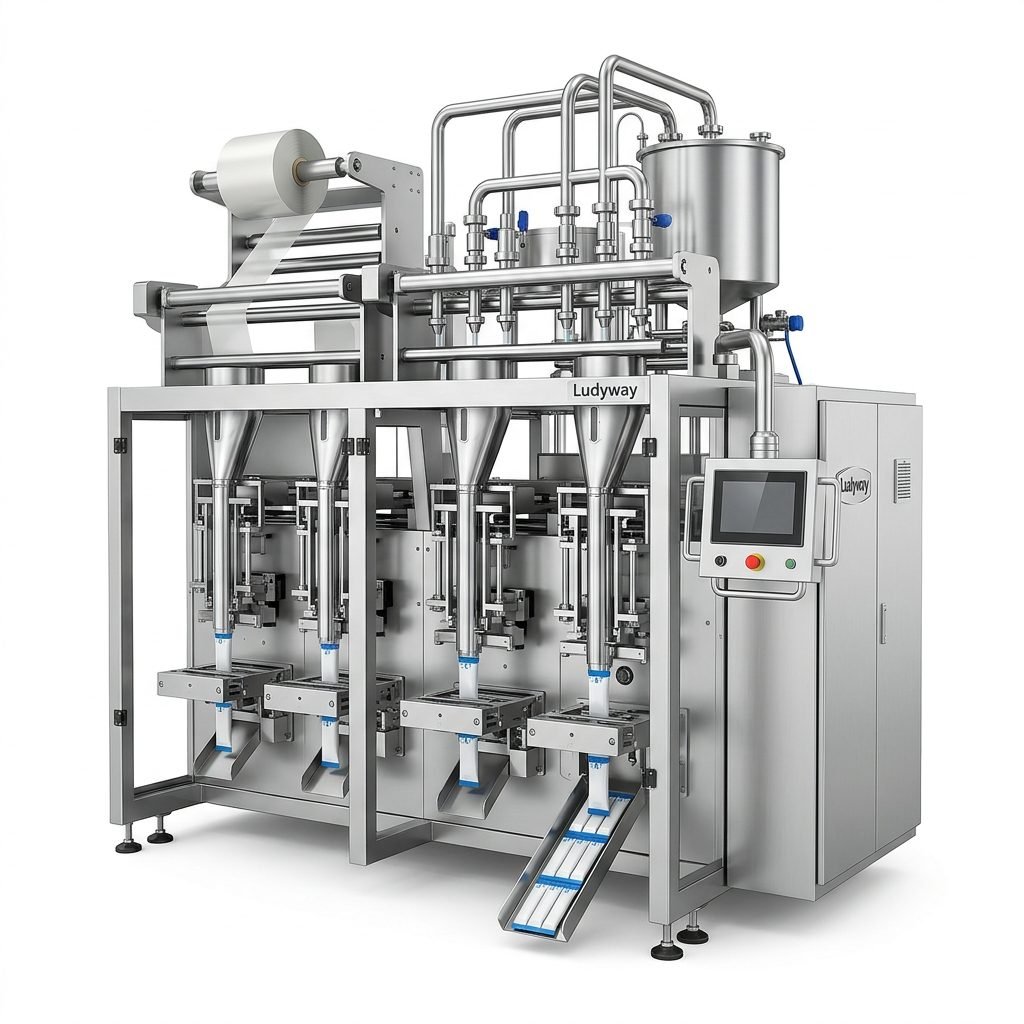
Milk packaging in India has evolved significantly over the past decade. From traditional pouch packing to advanced multi-lane stick pack systems, manufacturers now have access to a wide range of technologies designed to handle different milk formats — including liquid milk, milk powder, flavored milk, and dairy-based supplements. Below is an overview of the most common machine categories found in the Indian market:
- Liquid Milk Pouch Packaging Machines — Ideal for fresh milk sold in plastic pouches, commonly used by large dairy cooperatives and regional milk brands.
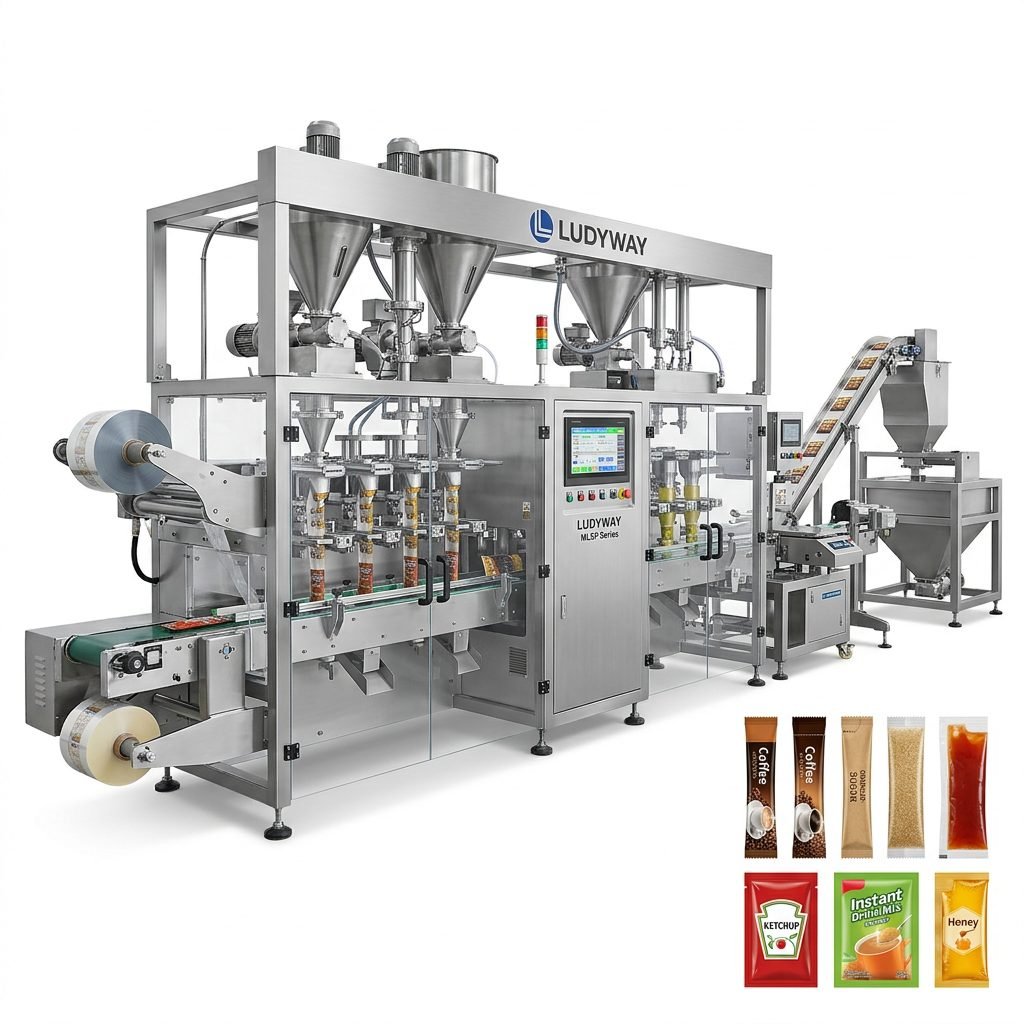
- Milk Powder Sachet & Stick Pack Machines — Designed for packing milk powder, infant formula, and dairy whitener in single-serve or multi-serve sachets with precise dosing.
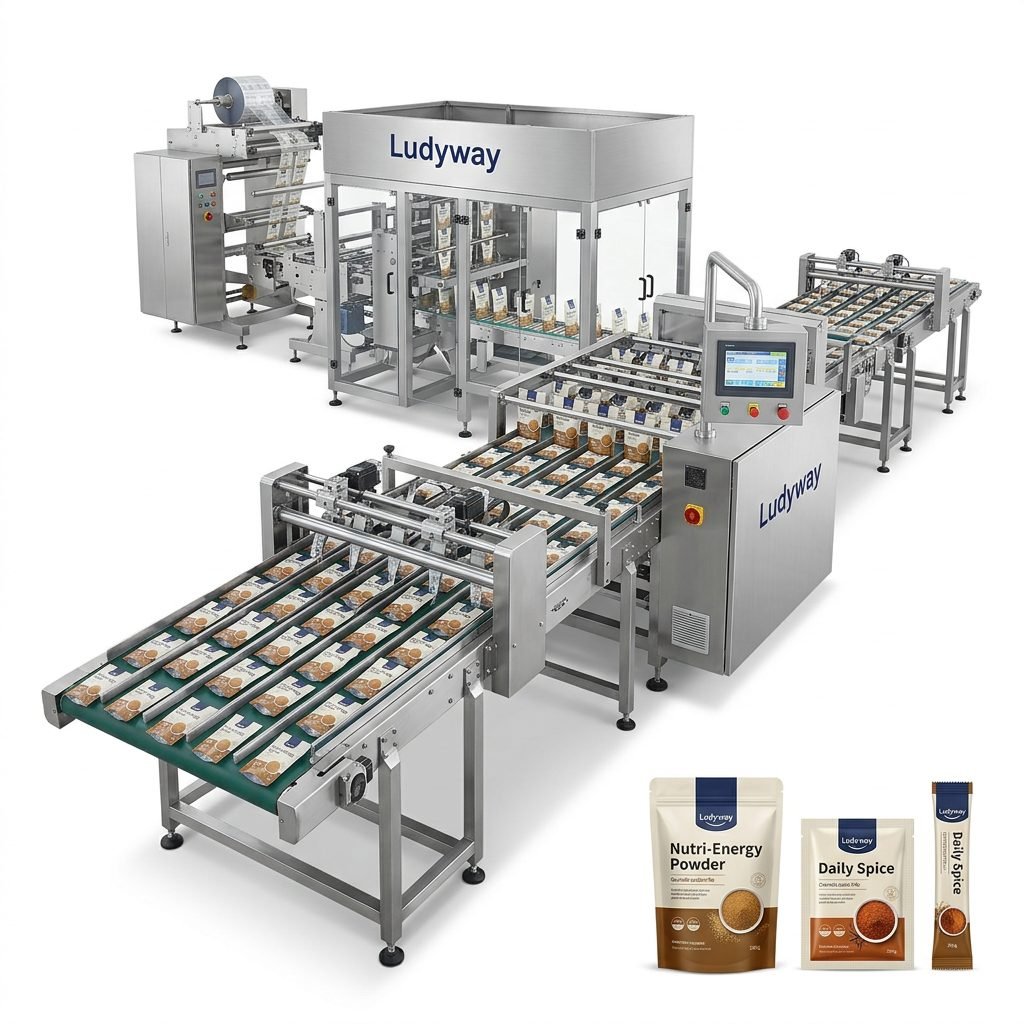
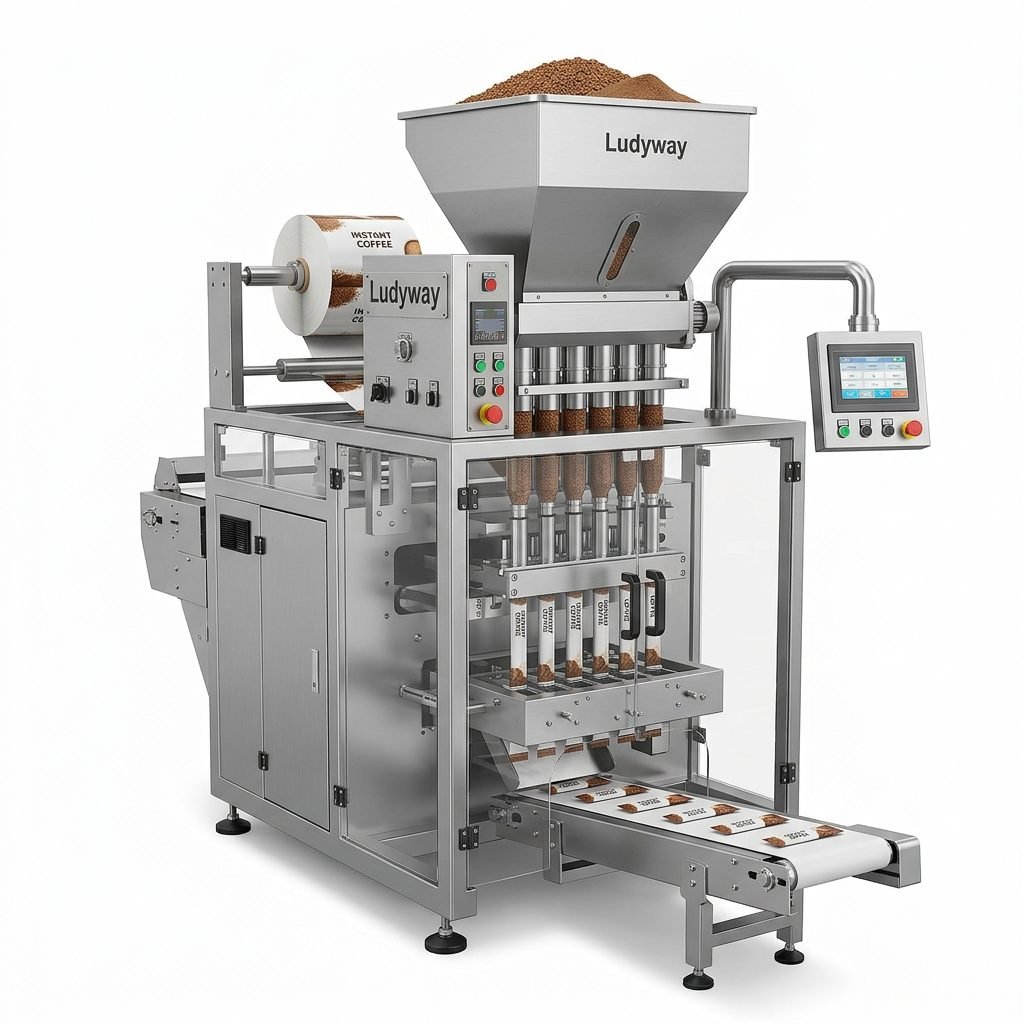
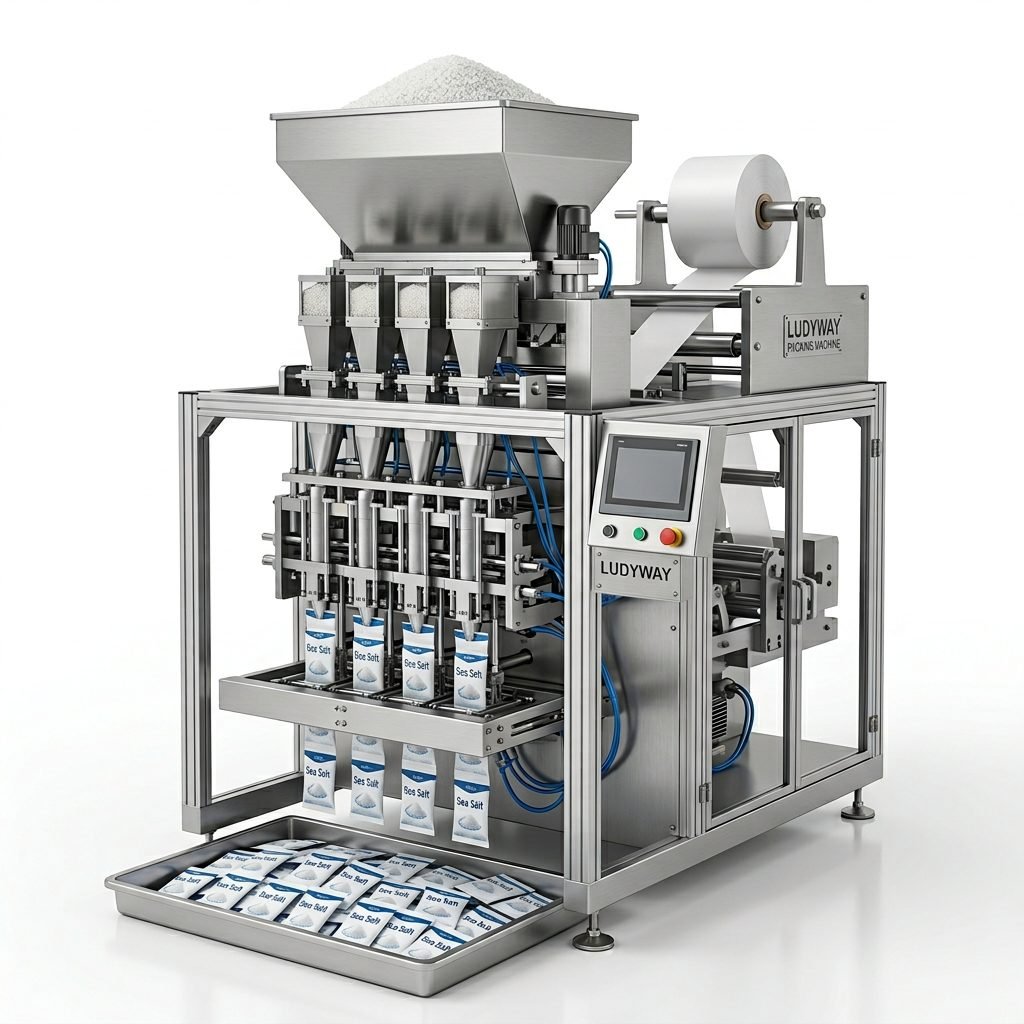
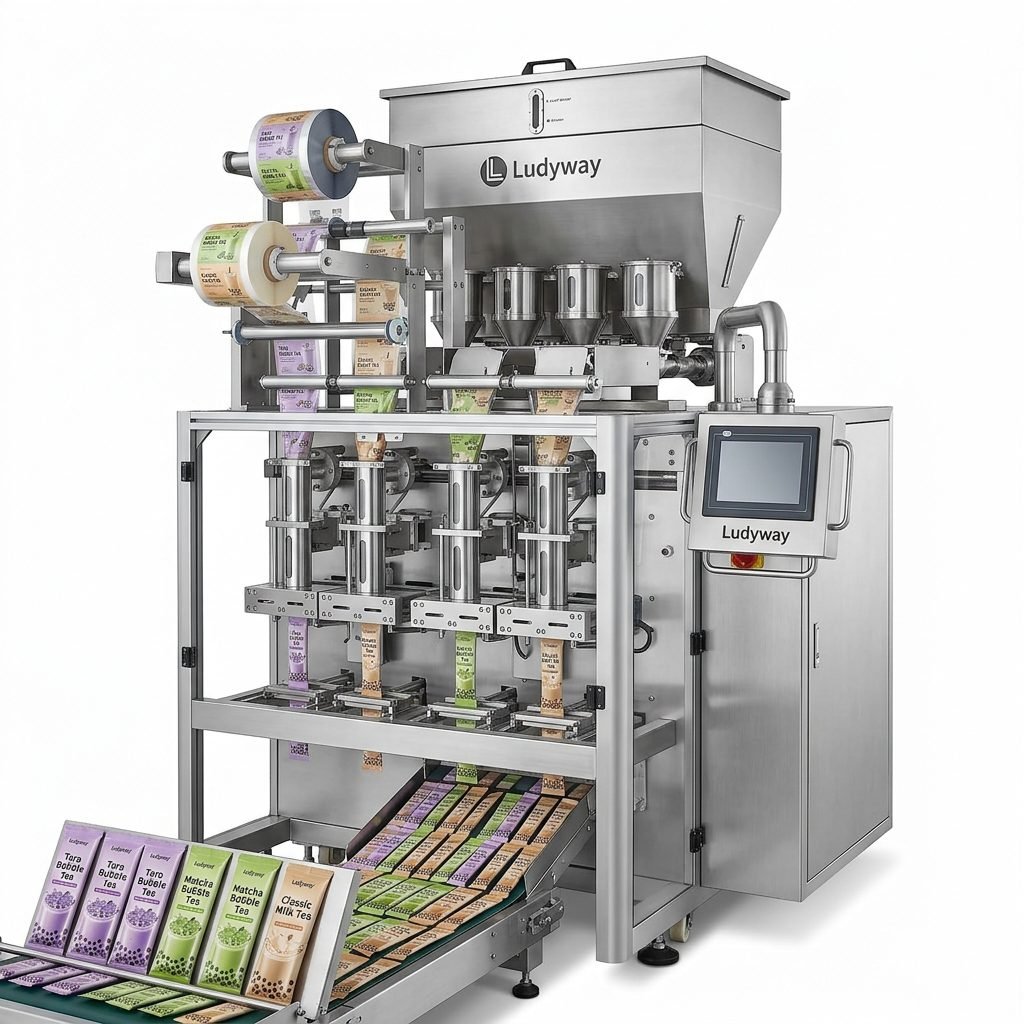
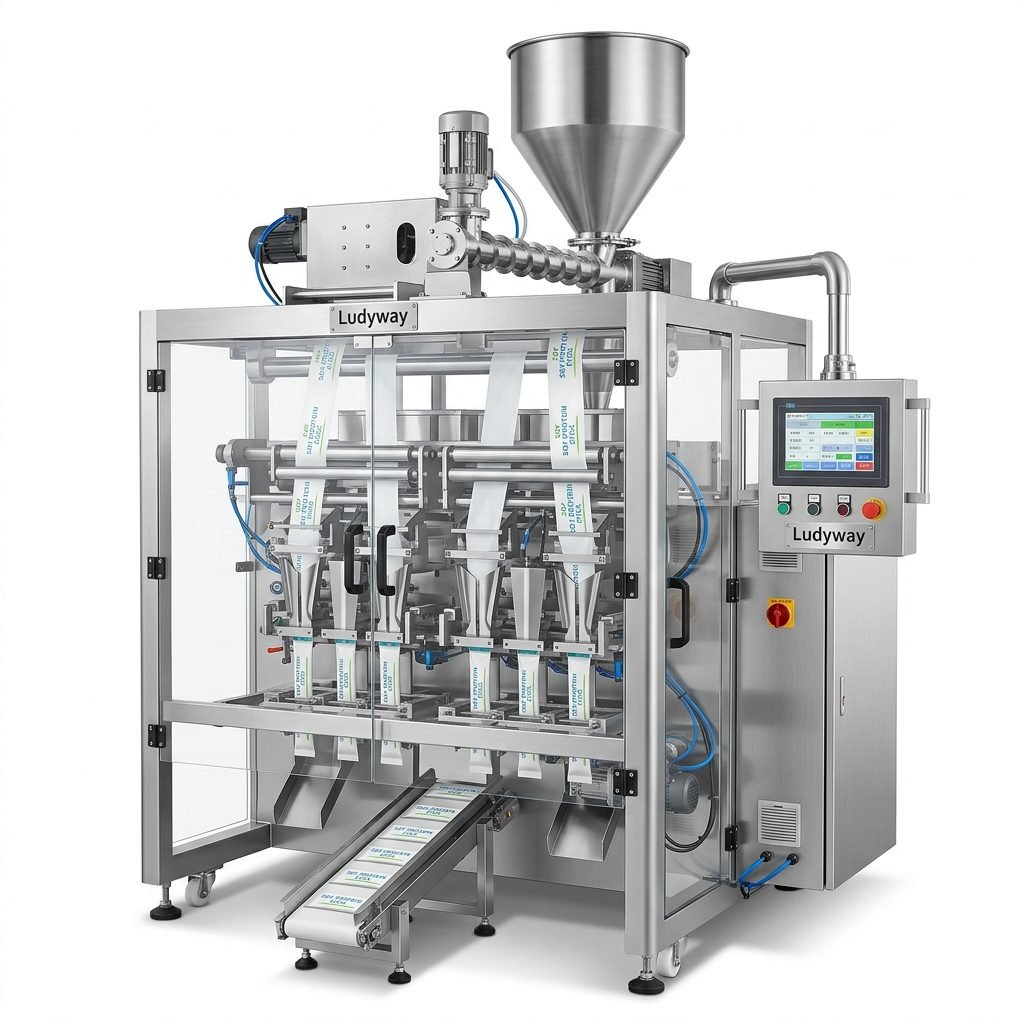
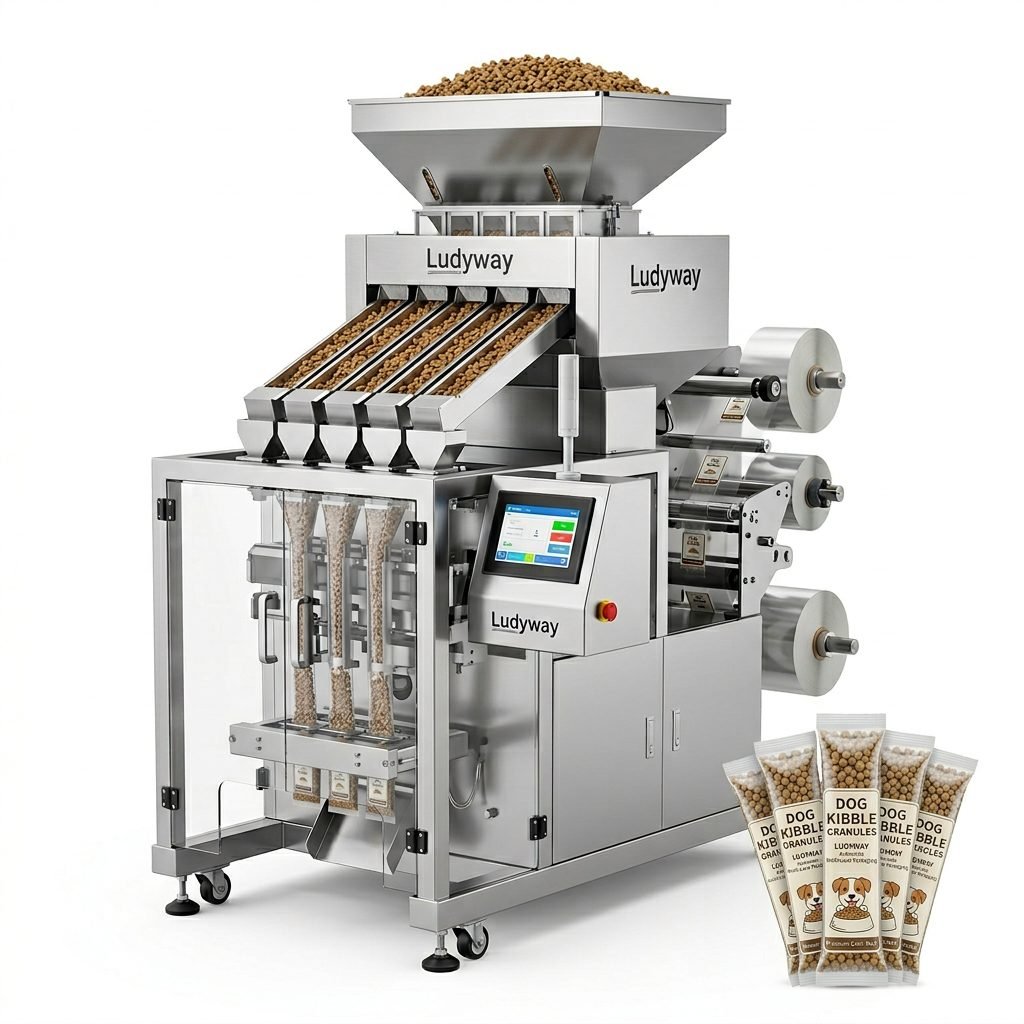
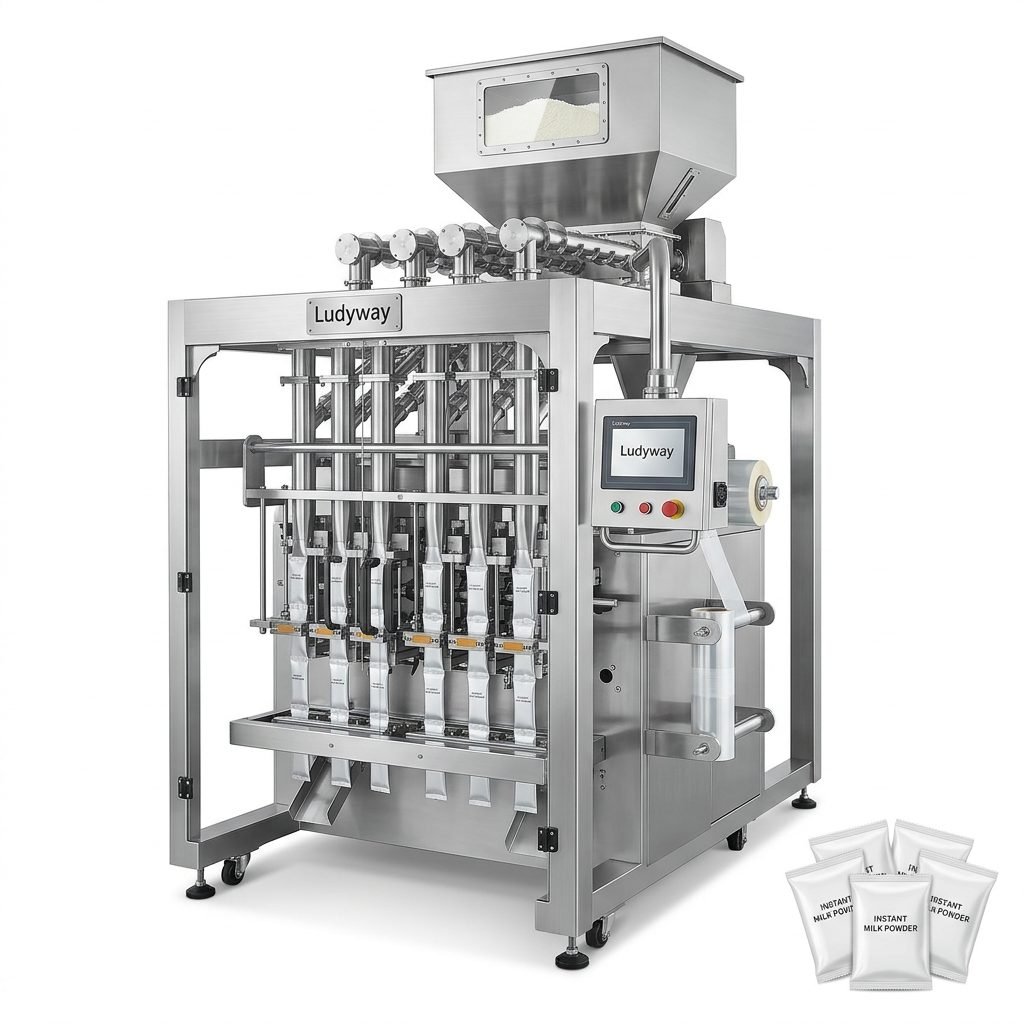
- Multi-Lane Stick Pack Machines — High-speed systems capable of producing multiple stick packs simultaneously, perfect for flavored milk powder, protein shakes, and milk-based supplements.
- Bottle Filling & Capping Lines — Used for packaging flavored milk, buttermilk, lassi, and other liquid dairy beverages in PET or glass bottles.
- Gable Top Carton Packaging Machines — Premium packaging solution for pasteurized milk and dairy products requiring extended shelf life.
Key Factors to Consider When Choosing a Milk Packaging Machine
Investing in a packaging machinery solution requires careful evaluation of several operational and technical parameters. The following table summarizes the most important factors to assess before making a purchase decision:
| Factor | Description | Why It Matters |
|---|---|---|
| Production Capacity | Measured in packs per minute (PPM) or liters per hour | Ensures the machine meets daily output targets without bottlenecks |
| Packaging Format | Pouch, stick pack, sachet, bottle, or carton | Must align with your target market preferences and distribution channels |
| Automation Level | Semi-automatic vs. fully automatic with PLC control | Higher automation reduces labor dependency and improves consistency |
| Hygiene & Material | Food-grade stainless steel construction | Critical for food safety compliance and easy cleaning |
| After-Sales Support | Availability of spare parts, technical assistance, and training | Minimizes downtime and extends machine lifespan |
| Energy Efficiency | Power consumption per unit output | Directly impacts operational costs over the machine’s lifetime |
Advantages of Automated Milk Packaging Systems
Modern automated milk packaging lines offer significant advantages over manual or semi-automated alternatives. Indian dairy businesses adopting these systems report marked improvements in several key areas:
- Enhanced Product Safety — Automated filling and sealing minimize human contact, reducing contamination risks and ensuring compliance with ISO packaging standards.
- Consistent Fill Accuracy — Precision dosing systems ensure every pack contains the exact volume or weight, reducing product giveaway and improving profit margins.
- Higher Throughput — Multi-lane configurations can produce thousands of packs per hour, enabling dairy businesses to meet growing market demand efficiently.
- Extended Shelf Life — Advanced sealing technologies and optional nitrogen flushing preserve milk freshness for longer periods without preservatives.
- Flexible Packaging Formats — Modern machines support multiple pouch sizes and styles, allowing dairies to diversify product lines without additional capital investment.
Milk Powder Packaging: A Growing Segment in India
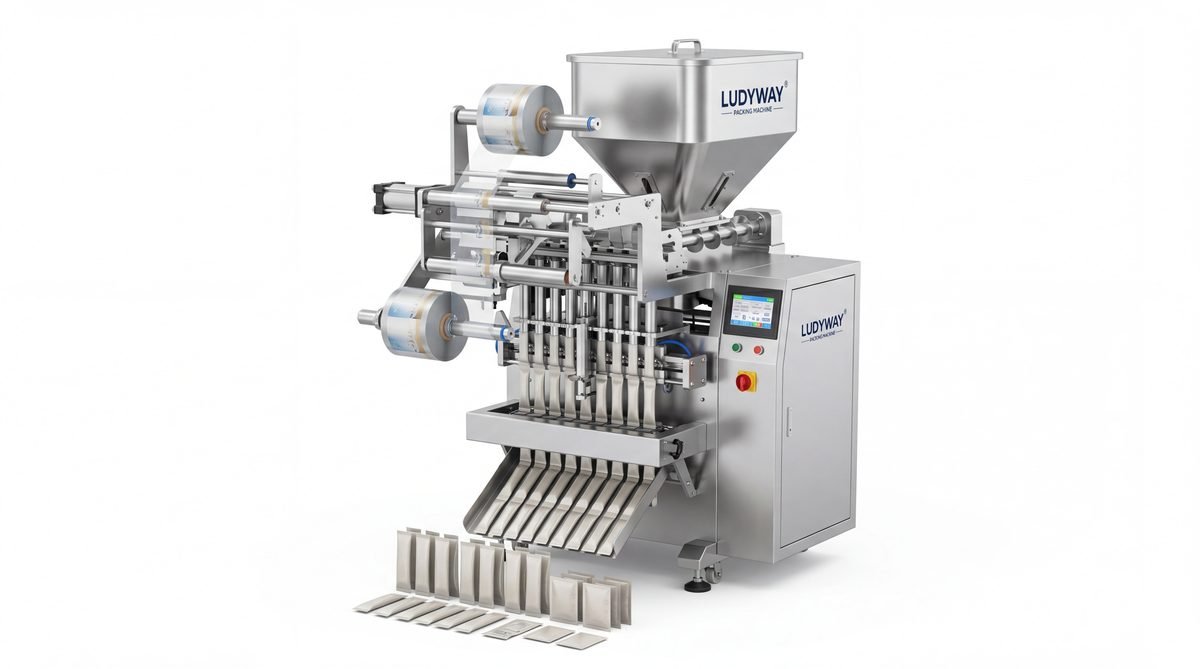
The demand for milk powder packaging machines has risen sharply across India, driven by the rapid expansion of infant formula, dairy whitener, and nutritional supplement markets. These products require highly accurate dosing systems and moisture-resistant sealing to maintain product integrity. Single-serve stick packs and sachets have become especially popular in urban markets, where convenience and portion control are valued by consumers. Investing in a reliable packaging industry solution tailored for powder products can give dairy processors a strong competitive edge.
Essential Features to Look for in a Milk Packaging Machine
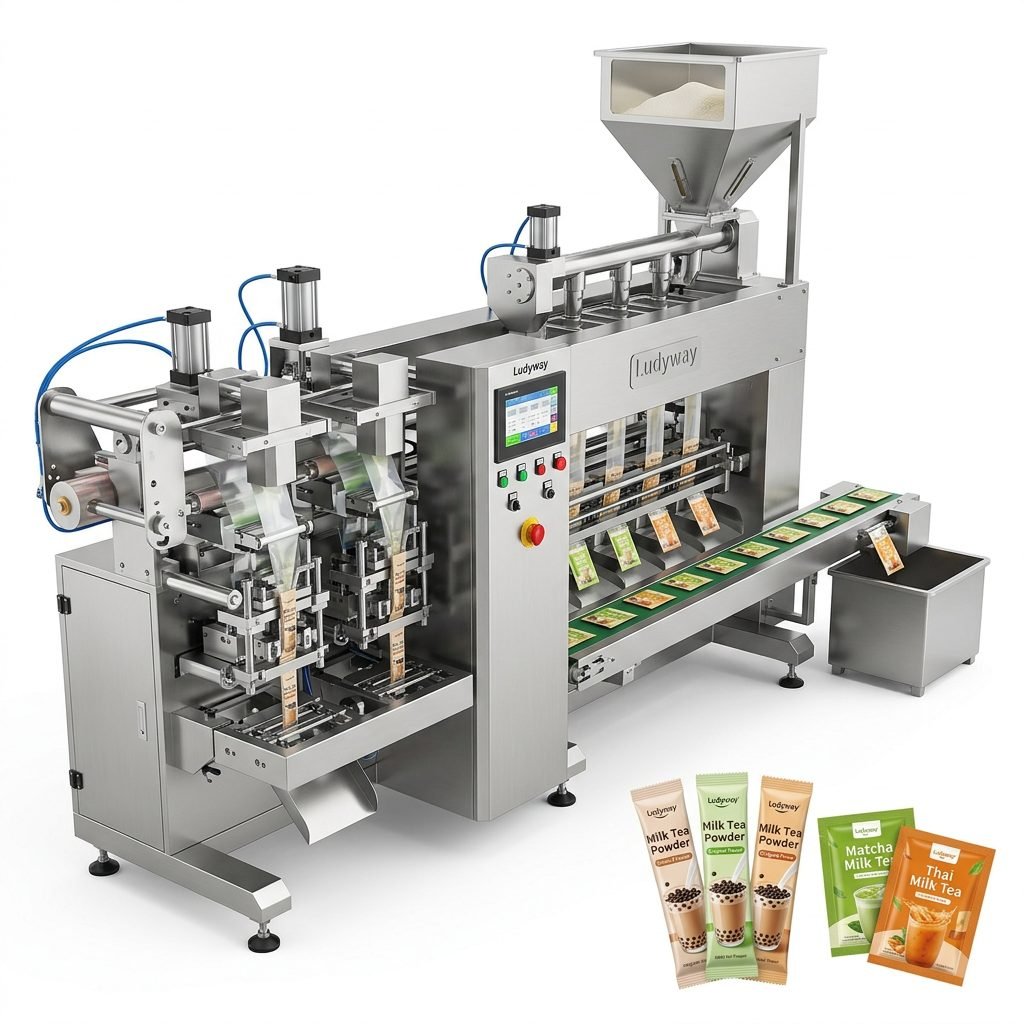
When evaluating different models and suppliers, pay close attention to the following technical features that can make a substantial difference in day-to-day operations:
- Easy Clean-in-Place (CIP) System — Reduces cleaning time between production runs and ensures hygienic conditions for dairy processing.
- Multi-Head Weighing or Volumetric Filling — Ensures precise portion control for both liquid and powder milk products.
- Film Registration & Tension Control — Guarantees consistent pouch quality and minimizes packaging material waste.
- Date Coding & Batch Printing Integration — Enables traceability and regulatory compliance with Indian food safety requirements.
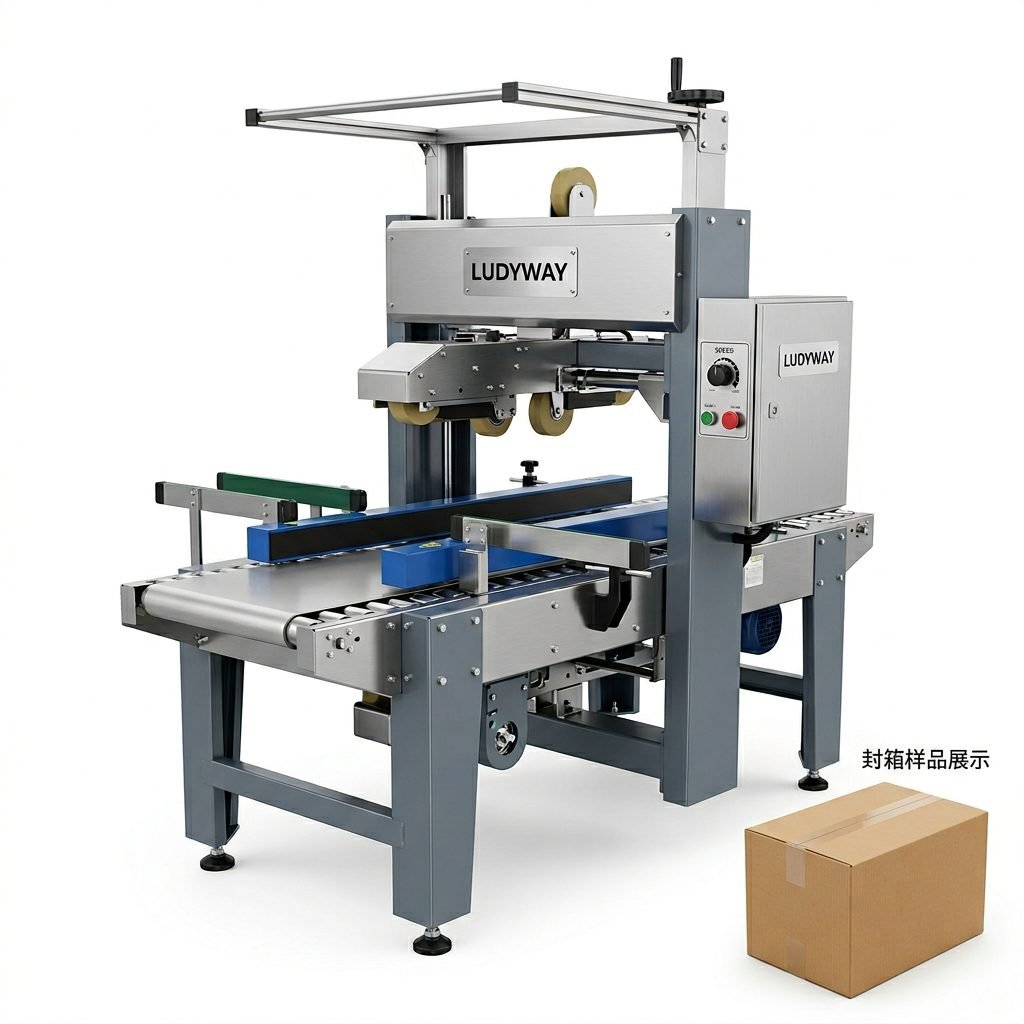
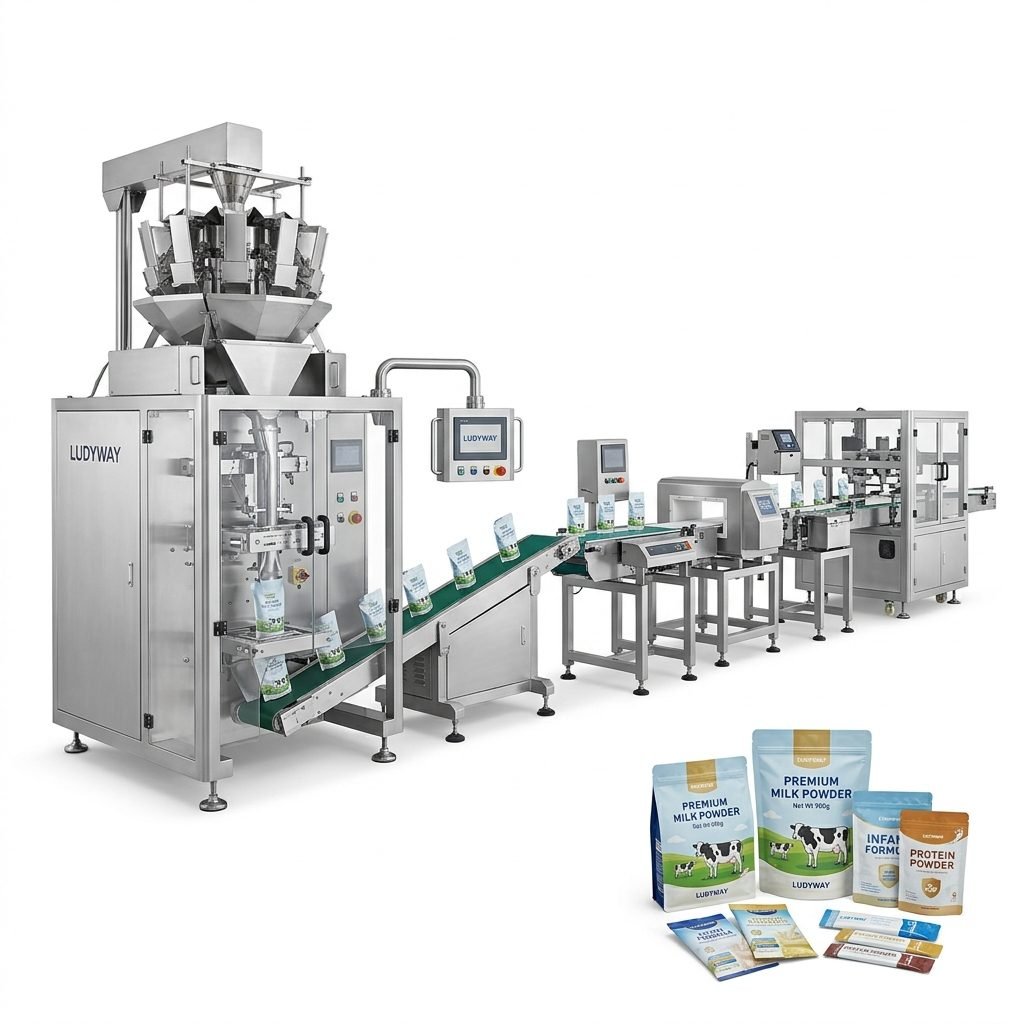
- Modular Design & Upgradeability — Allows future expansion, such as adding more lanes or integrating with cartoning and palletizing systems.
How Multi-Lane Technology Transforms Dairy Packaging Efficiency
Multi-lane stick pack machines have revolutionized the way milk powder and dairy supplements are packaged. Unlike single-lane systems that produce one pack at a time, a multi-lane machine can produce 4, 6, 8, or even 12 lanes simultaneously, dramatically boosting output without proportionally increasing floor space or operator requirements. This technology is especially valuable for contract packagers and large dairy brands serving high-volume retail channels across India.
The Importance of Choosing the Right Supplier
Beyond the machine specifications, selecting a reputable packaging machine manufacturer is essential. A trusted supplier provides comprehensive pre-sales consultation, factory acceptance testing, installation support, and ongoing technical service. Ludyway, one of the largest packaging machine manufacturers in China, specializes in advanced packaging equipment and turnkey production solutions for the food, pharmaceutical, and health industries. With over 30 years of industry expertise and more than 50 intelligent packaging machine models, Ludyway supports dairy businesses in over 100 countries with reliable, high-performance packaging solutions designed for granule, powder, liquid, and pouch packaging applications.
Emerging Trends in the Indian Milk Packaging Sector
The Indian market is witnessing several transformative trends. Sustainable packaging is gaining traction, with increased interest in recyclable and biodegradable films. Smart packaging technologies incorporating QR codes and tamper-evident seals are becoming standard in premium dairy segments. Additionally, the rise of flexible packaging formats continues to reshape consumer expectations — driving demand for machines that can handle multiple packaging styles on a single platform.
Comparing Popular Milk Packaging Formats
Each packaging format serves a distinct market need. The table below highlights the primary differences to help you identify the best format for your dairy products:
| Format | Best For | Typical Volume | Market Segment |
|---|---|---|---|
| Plastic Pouch | Fresh liquid milk | 250ml – 1L | Mass market, daily consumption |
| Stick Pack | Milk powder, protein shakes | 5g – 30g | On-the-go, single-serve |
| Sachet | Dairy whitener, flavored milk powder | 15g – 50g | Value packs, institutional |
| Gable Top Carton | Premium pasteurized milk | 200ml – 1L | Urban retail, premium branding |
| PET Bottle | Flavored milk, lassi, buttermilk | 100ml – 500ml | Convenience stores, travel retail |
Maximizing Return on Investment
To maximize the return on your milk packaging machine investment, consider the total cost of ownership rather than just the initial purchase price. Factor in energy consumption, spare parts availability, operator training requirements, and the manufacturer’s track record in the Indian market. Machines built with modular, scalable architectures offer better long-term value, as they can adapt to changing product lines and volume requirements without requiring a complete replacement. Partnering with an experienced supplier that offers comprehensive packaging industry resources and technical support can further enhance operational reliability and accelerate your path to profitability.
Regulatory Considerations for Dairy Packaging in India
Compliance with FSSAI regulations is mandatory for all dairy packaging operations in India. Your packaging machine should support proper labeling, batch coding, and tamper-evident sealing to meet statutory requirements. Additionally, materials used in product-contact parts must be food-grade certified and suitable for dairy processing environments. Working with a supplier familiar with international food contact substance standards can simplify the compliance process and ensure smooth market entry.
Final Thoughts
Choosing the right milk packaging machine in India is a strategic decision that shapes product quality, operational efficiency, and brand reputation. By carefully evaluating machine types, technical features, automation levels, and supplier credibility, dairy businesses can make informed investments that support long-term growth. Whether you are packaging fresh liquid milk, milk powder, or value-added dairy beverages, the right equipment — backed by reliable service and support — will be a cornerstone of your success in India’s dynamic and competitive dairy market.