Key Factors That Determine Machine Cost
Understanding what drives the price of a tea chamber vacuum packaging machine is essential for making an informed purchasing decision. The cost is influenced by a combination of technical specifications, production capacity, and build quality. Whether you are a small artisanal tea producer or a large-scale commercial operation, the price spectrum is wide, reflecting the diverse configurations available on the market today.
- Automation Level: Semi-automatic vs. fully automatic systems.
- Chamber Dimensions: Single chamber, double chamber, or continuous belt designs.
- Vacuum Pump Type: Oil-based rotary vane, dry pumps, or high-end Busch/Leybold pumps.
- Sealing Bars: Number and length of sealing bars directly impact output.
- Control System: PLC touch screen vs. basic relay logic controllers.

Entry-Level Budget Machines (Under $2,000)
For startups or small tea shops with limited daily output, budget-friendly tabletop models present a viable entry point. These machines typically feature a single chamber with manual lid operation. While they lack the speed of industrial units, they provide a reliable seal for loose-leaf tea and herbal blends. The vacuum strength on these units is often generated by basic oil pumps, which require regular maintenance but keep the initial investment low.
Mid-Range Semi-Automatic Models ($2,000 – $8,000)
This segment constitutes the bulk of the market for growing tea businesses. You will find double-chamber machines that allow for alternating cycles, significantly increasing throughput. A key feature here is the adjustable vacuum time and gas flush (nitrogen flushing) capability, which is critical for preserving the delicate aromas of green tea and oolong. Stainless steel construction (SUS 304) becomes standard, ensuring durability and compliance with food safety regulations.
High-End Industrial Packaging Lines ($8,000 – $50,000+)
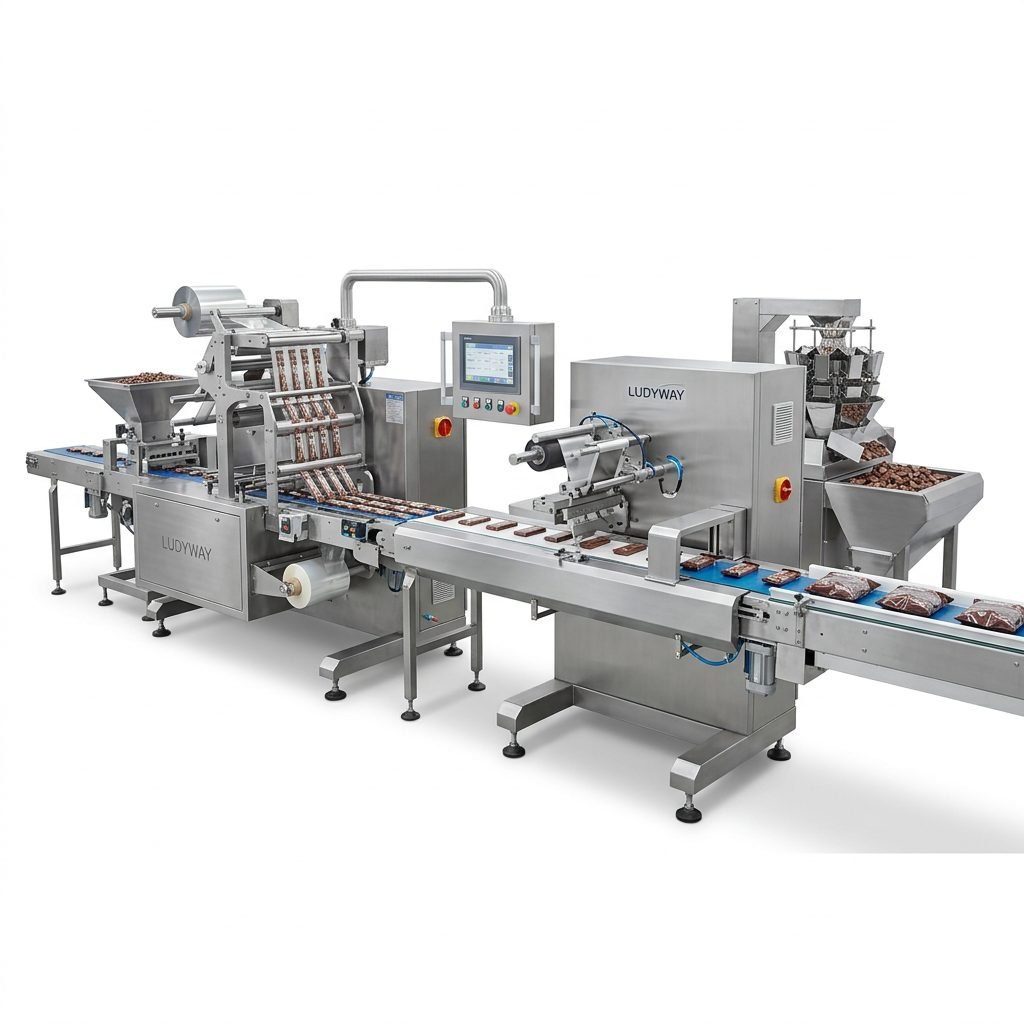
For large packaging plants handling high volumes of tea packaging, fully automatic belt-driven vacuum machines are the standard. These systems integrate directly with weighing and filling stations. The cost escalates due to heavy-duty vacuum pumps capable of reaching pressures below 1 mbar and sophisticated PLC interfaces that store multiple recipe settings. A custom-built tea chamber vacuum packaging machine in this category often includes an inert gas modified atmosphere packaging (MAP) system to extend shelf life up to 24 months.

Price Comparison by Machine Type
| Machine Category | Estimated Price Range (USD) | Best Suited For |
|---|---|---|
| Desktop Single Chamber | $800 – $1,800 | Small tea boutiques; R&D labs |
| Double Chamber Vacuum | $2,500 – $6,000 | Medium-sized tea factories |
| Automatic Conveyor Belt | $8,000 – $25,000 | High-output commercial lines |
| Thermoforming MAP Tray Seal | $20,000 – $50,000+ | Ready-to-drink tea cold chains |
The Hidden Costs of Ownership
The purchase price of the equipment is just the initial outlay. Savvy operations managers factor in total cost of ownership (TCO) before signing off on a capital expenditure. Maintenance consumables—specifically vacuum oil and sealing gaskets—represent recurring costs that fluctuate with machine usage. For oil-based pumps, you should budget for oil changes every 200 to 500 operating hours, costing roughly $50 to $150 per service. Furthermore, the power consumption of industrial pumps is significant; a 20 m³/h pump can draw 1.5-2 kW of power, impacting facility energy bills.
Vacuum Pump Spares
Exhaust filters, oil mist separators, and carbon vanes wear out. Annual replacement costs for a busy line may reach $500 – $1,000 depending on pump quality.
Sealing Bar Wires
Teflon tape and heater wires require replacing every few months under heavy cycle counts. These parts are relatively cheap individually, but downtime during replacement contributes to hidden labor costs.
Nitrogen Flushing and Gas Mixers
If your production requires gas flushing to create a pillow effect for delicate tea leaves, you must factor in an external gas mixer or nitrogen generator. A volumetric gas mixer adds $1,500 – $5,000 to the capital budget. The ongoing cost of food-grade nitrogen or CO₂ tanks further influences the per-unit cost of each tea bag. Modified atmosphere packaging is the standard for premium brands exporting across different climate zones.
Technical Specifications Driving the Price
- Chamber Depth: Machines with deeper chambers (above 180mm) require larger vacuum pumps and cost approximately 30% more than shallow-chamber alternatives.
- Sealing Beam Length: A 600mm dual sealing bar setup allows packaging of wide tea brick formats and commands a premium over standard 400mm bars.
- Pump Redundancy: Dual-pump configurations for non-stop operation in 24/7 factories can double the machine cost but ensure zero downtime.
- Washdown Compliance: IP65-rated electrical cabinets for wet washdown environments increase the price by roughly 15-20%.

Regional Price Variations and Sourcing
The geographic origin of the equipment heavily dictates cost. Machines manufactured in Germany or Italy (often featuring Busch or Becker pumps) carry a premium of 40-70% over equivalent models from Asian manufacturers. However, the price gap is narrowing as leading Chinese manufacturers like Ludyway adopt advanced CNC machining and Siemens PLCs. Sourcing from Asia can reduce capital outlay significantly while still achieving CE and ISO compliance. It is crucial to evaluate the local availability of technical support, as freight costs and engineer availability for breakdowns can sway the value proposition toward higher-priced local distributors.
Digital Controls
A touch screen with recipe memory (up to 99 programs) adds roughly $800-$1,500 to the base machine price compared to analog controls. This is now considered essential for quality traceability in regulated food environments.
Lid Locking Mechanism
Pneumatic lid pressing systems on double chambers reduce operator fatigue and increase speed. This upgrade typically costs $1,000-$2,000 extra.
After-Sales Service Contracts
Many vendors offer annual maintenance contracts (AMC) priced at 8-12% of the machine value. While this might seem steep, it guarantees pump overhauls and emergency call-outs. For production facilities without an in-house maintenance team, an AMC is often a prudent hedge against catastrophic downtime during the peak harvest and packaging season.
For further reading on packaging standards, refer to resources from the PMMI Association and flexible packaging regulations at the Flexible Packaging Association. To understand food contact compliance, the FDA Food Packaging guidelines are essential. Global quality benchmarks can be reviewed at ISO Packaging Standards.