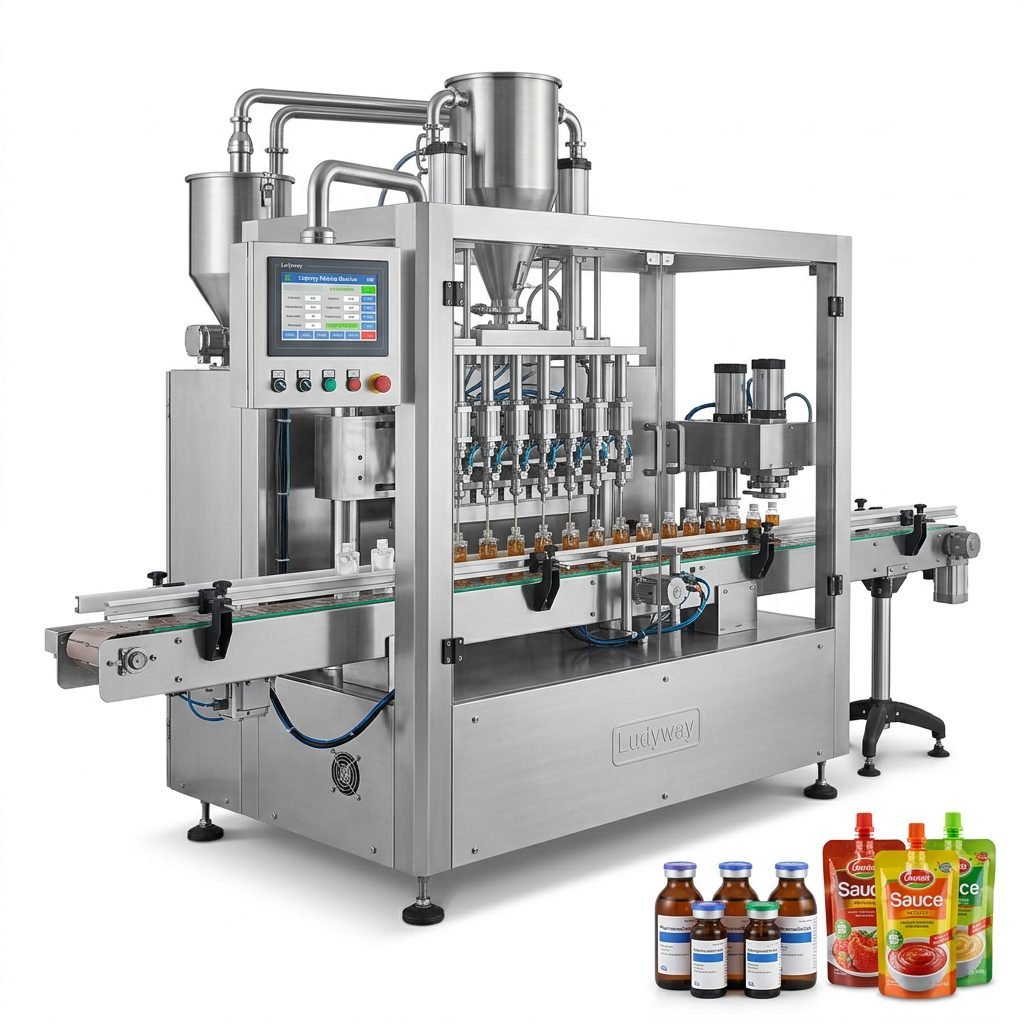
Investing in a potato chip packaging machine from China is a strategic move for snack manufacturers seeking cost-effective, high-speed automation. China has become the world’s leading hub for packaging machinery production, offering a wide range of solutions from entry-level vertical form fill seal machines to fully automated multi-lane stick pack systems. This buying guide covers everything you need to know — from machine types and key specifications to price factors and supplier evaluation — helping you make an informed purchasing decision.
Types of Potato Chip Packaging Machines Available in China
Chinese manufacturers produce several distinct categories of packaging equipment suitable for potato chips, each designed for different production scales and packaging formats. Understanding these types is essential before contacting suppliers.
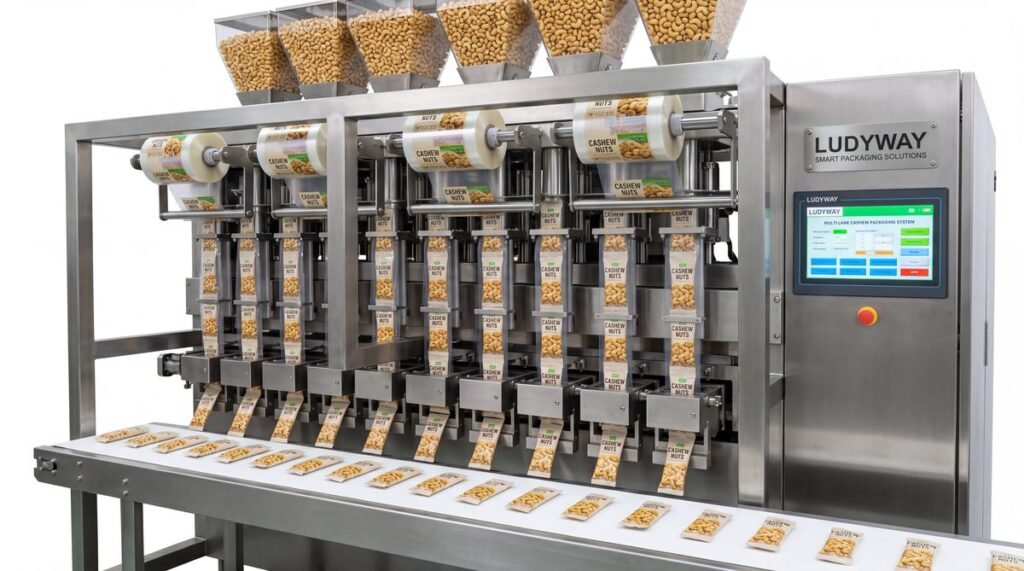
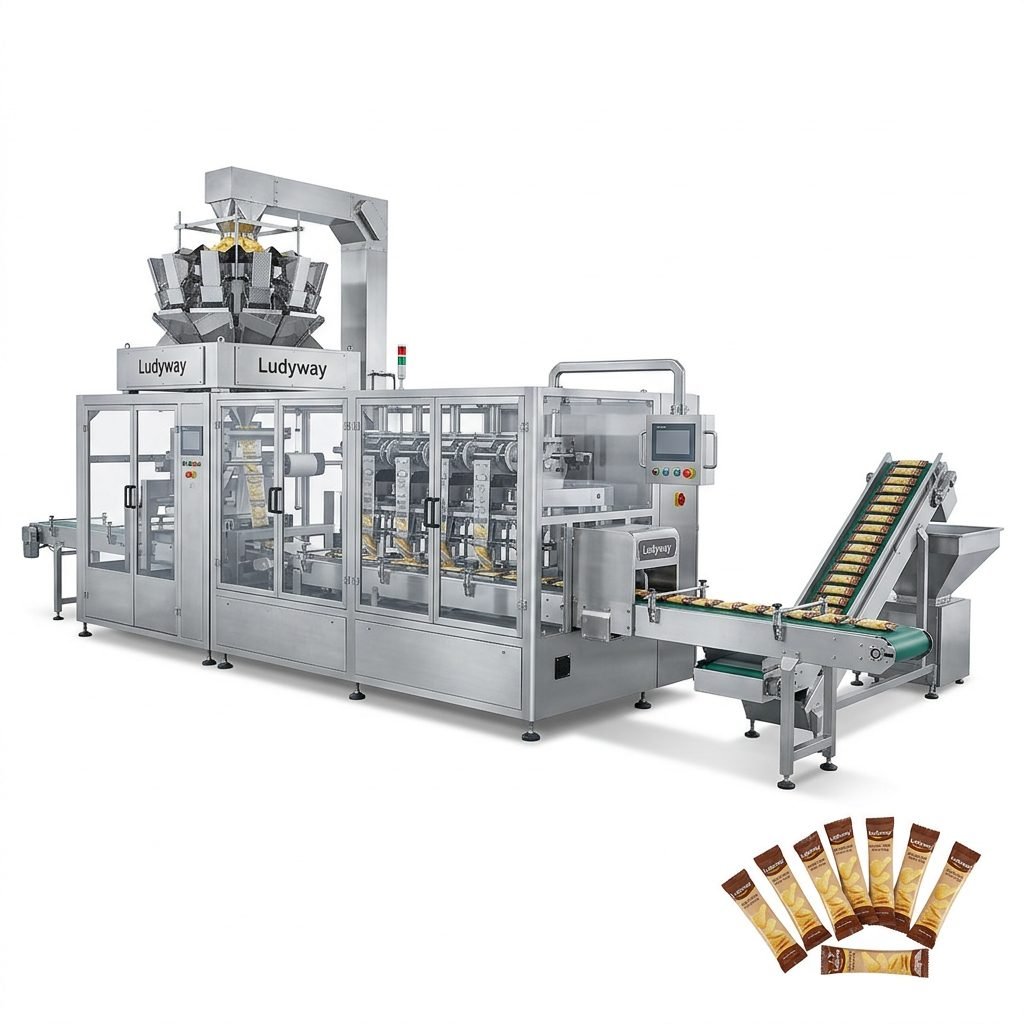
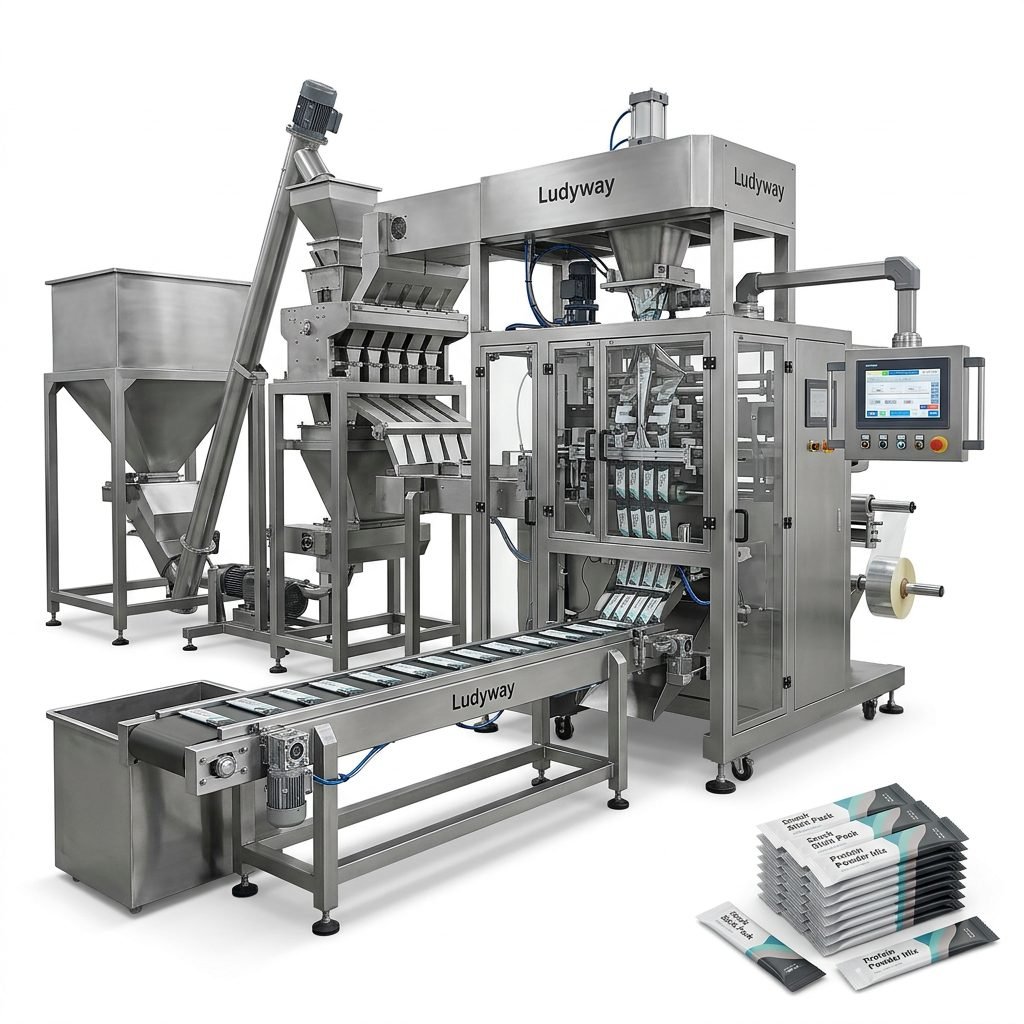
Multi-Lane Stick Pack Machines
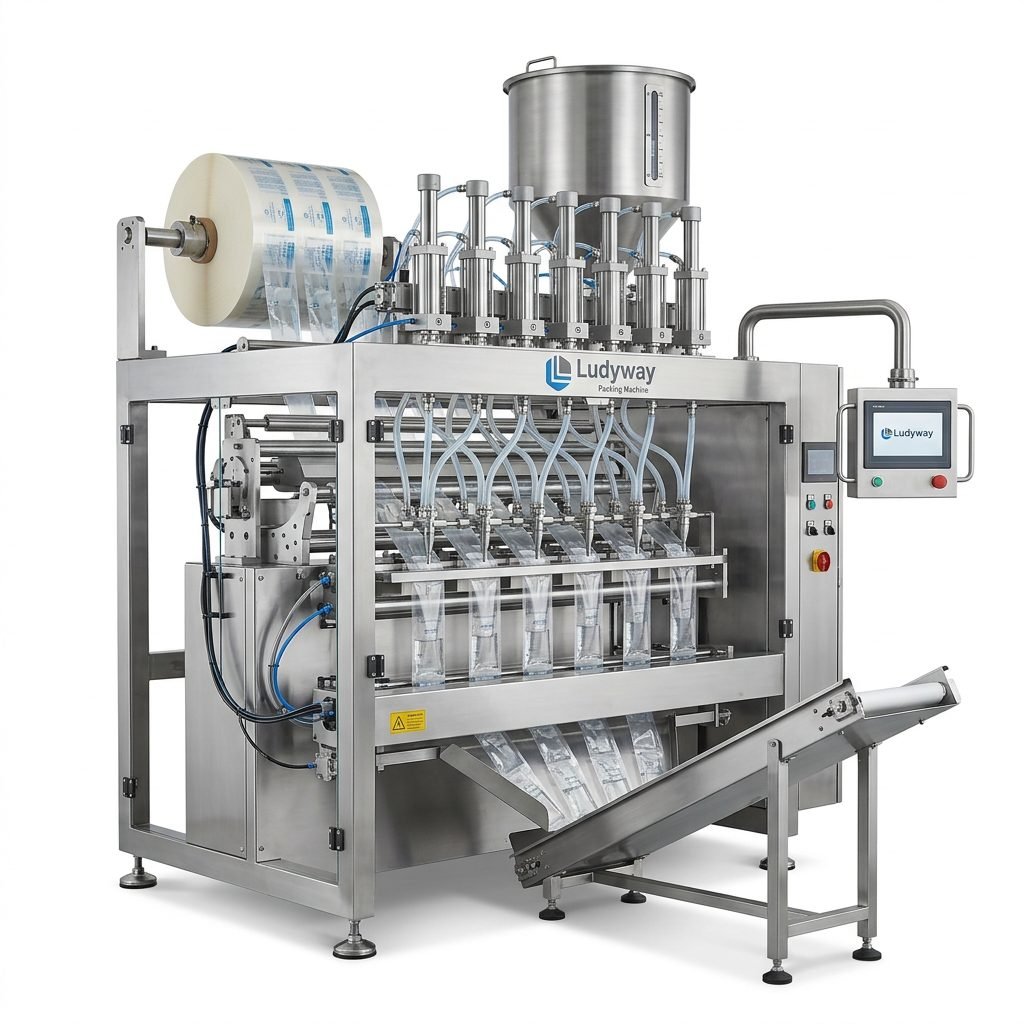
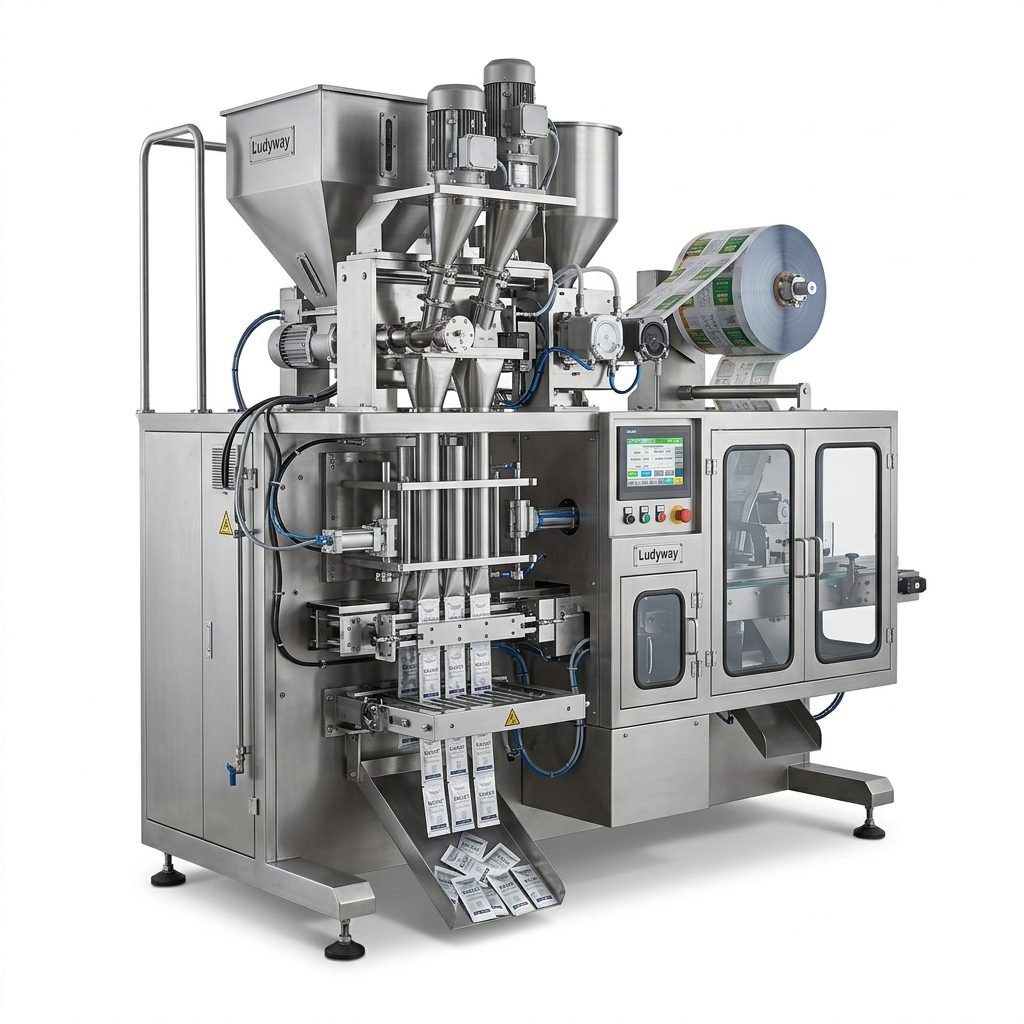
Multi-lane stick pack machines are among the most popular choices for high-speed potato chip packaging. These systems can run 4 to 16 lanes simultaneously, achieving outputs of 200 to 800 packs per minute depending on configuration. They are ideal for single-serving portions and on-the-go snack formats, commonly used in the global snack food industry.
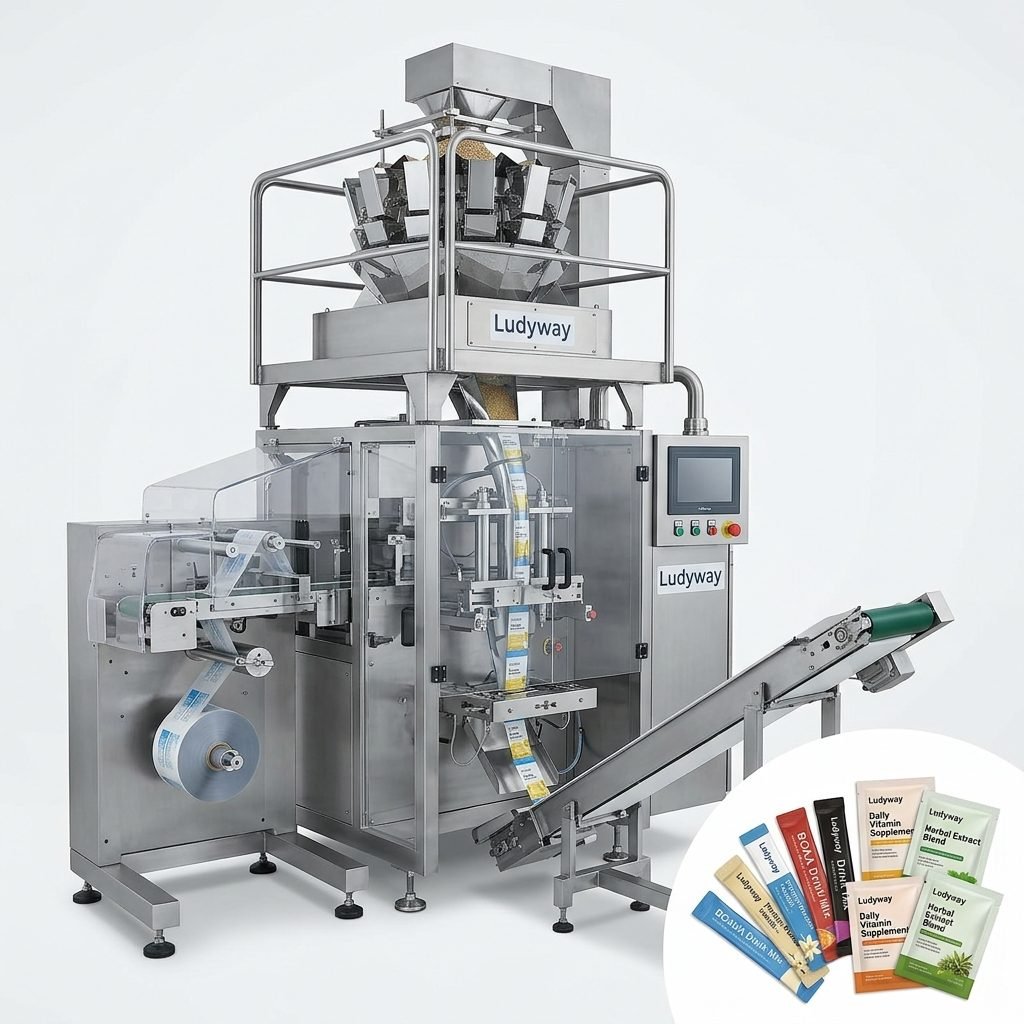
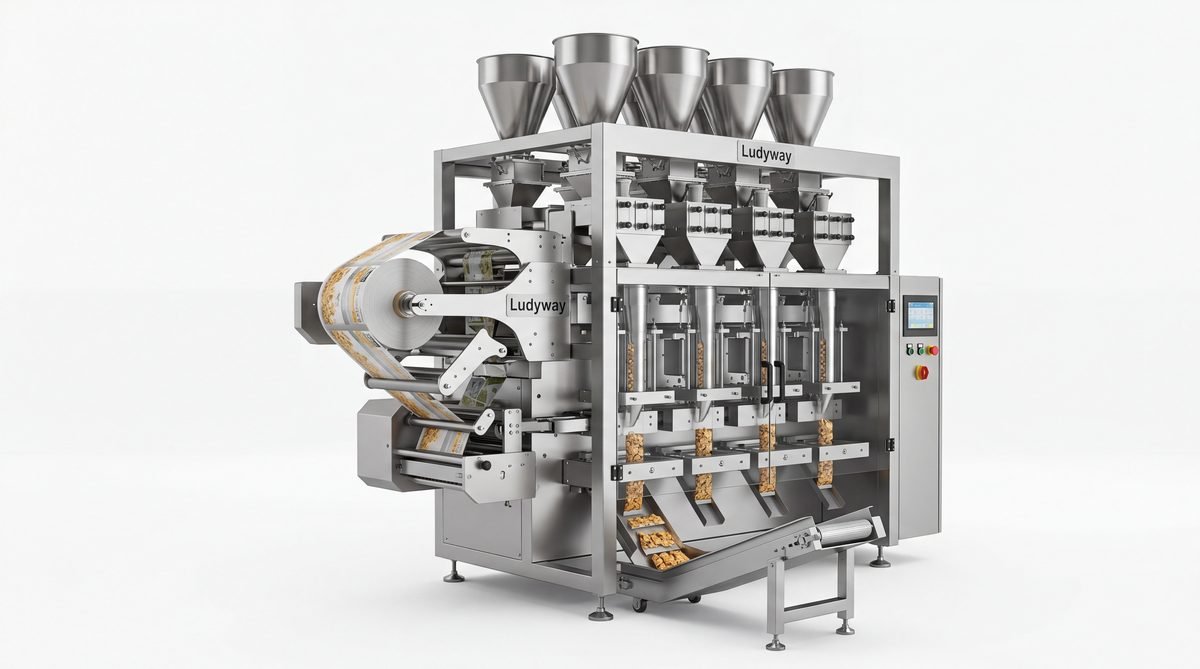
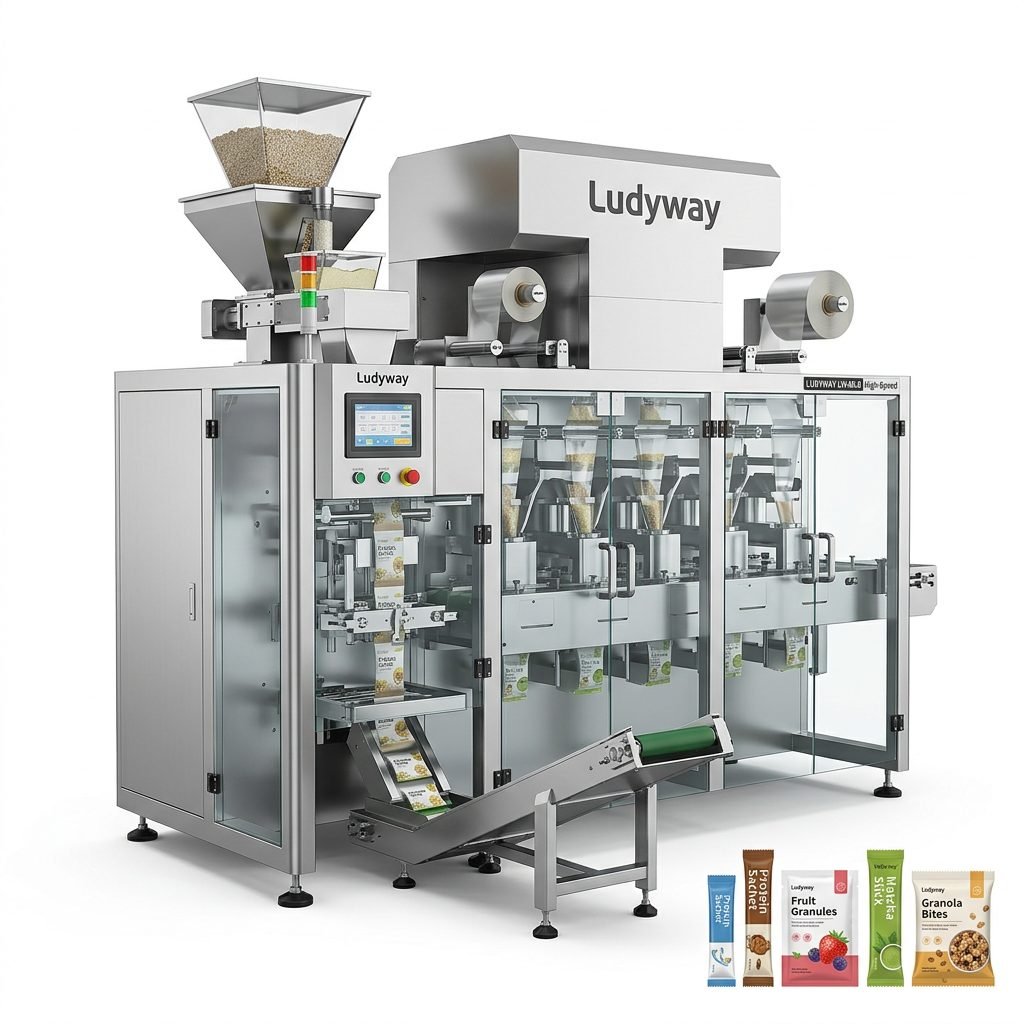
Vertical Form Fill Seal (VFFS) Machines
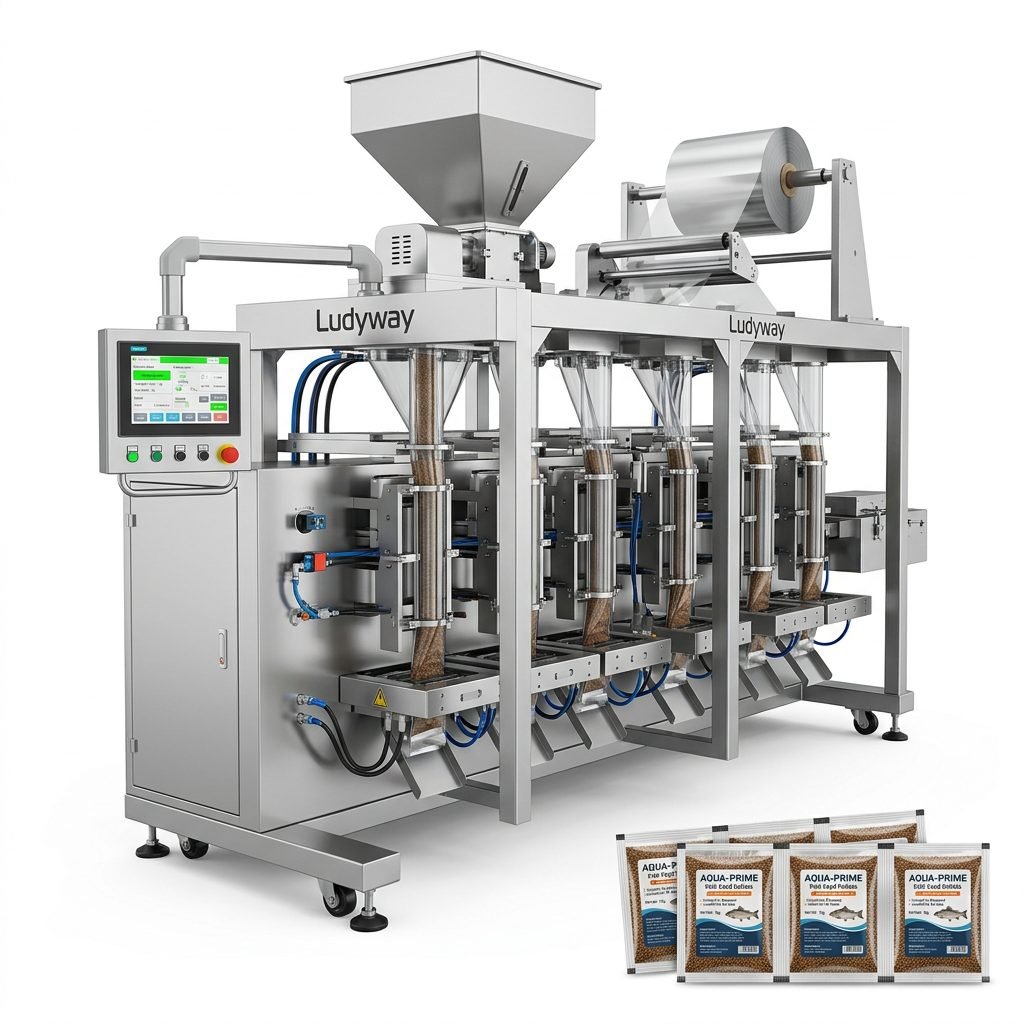
VFFS machines remain the workhorse of the snack packaging sector. They form bags from a flat roll of film, fill them with chips, and seal them in a continuous vertical process. These machines are versatile, handling pillow bags, gusseted bags, and quad-seal pouches. Many Chinese suppliers offer servo-driven VFFS models with precision weighing systems that minimize product giveaway.
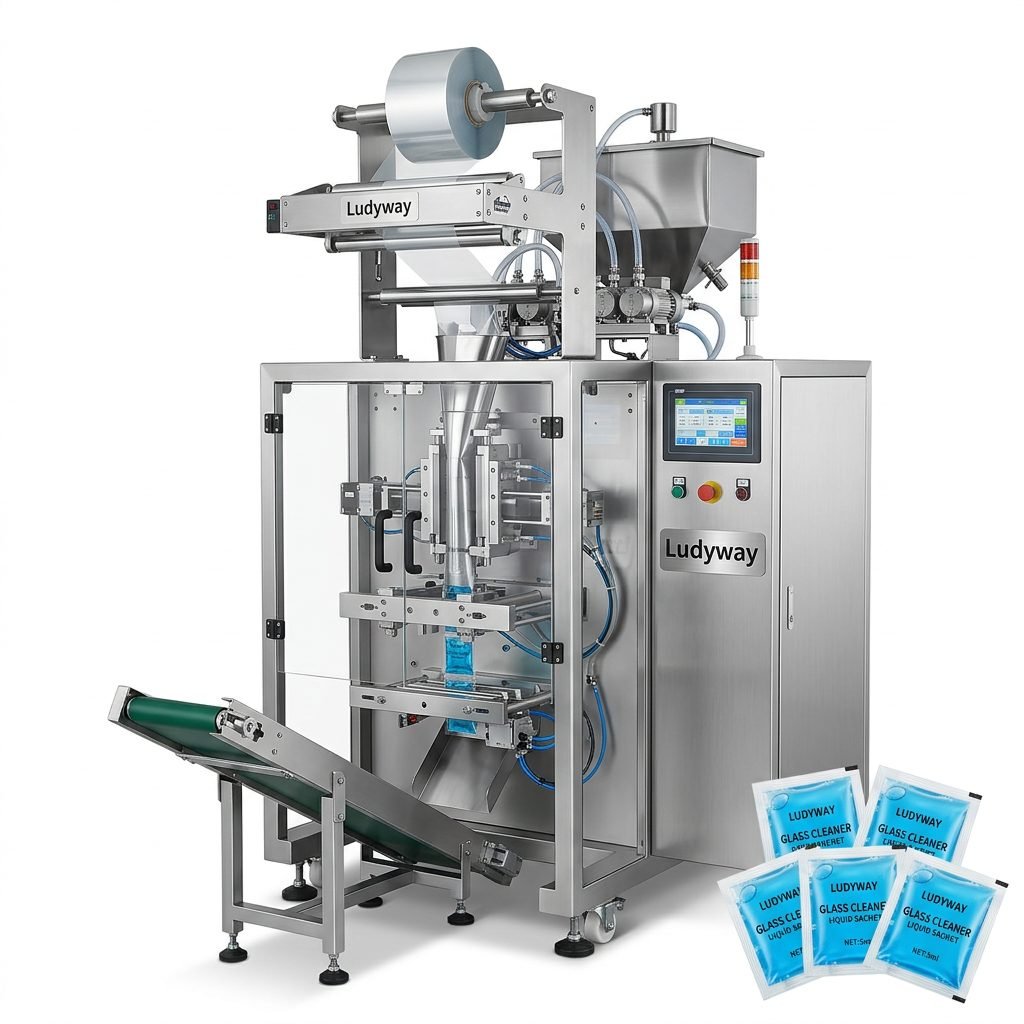
Sachet and Flat Pouch Packaging Machines
For smaller portion packs and sample sizes, sachet packaging machines provide an economical solution. These compact machines fill and seal flat pouches at moderate speeds, making them suitable for startups and regional brands entering the market with trial-size products.
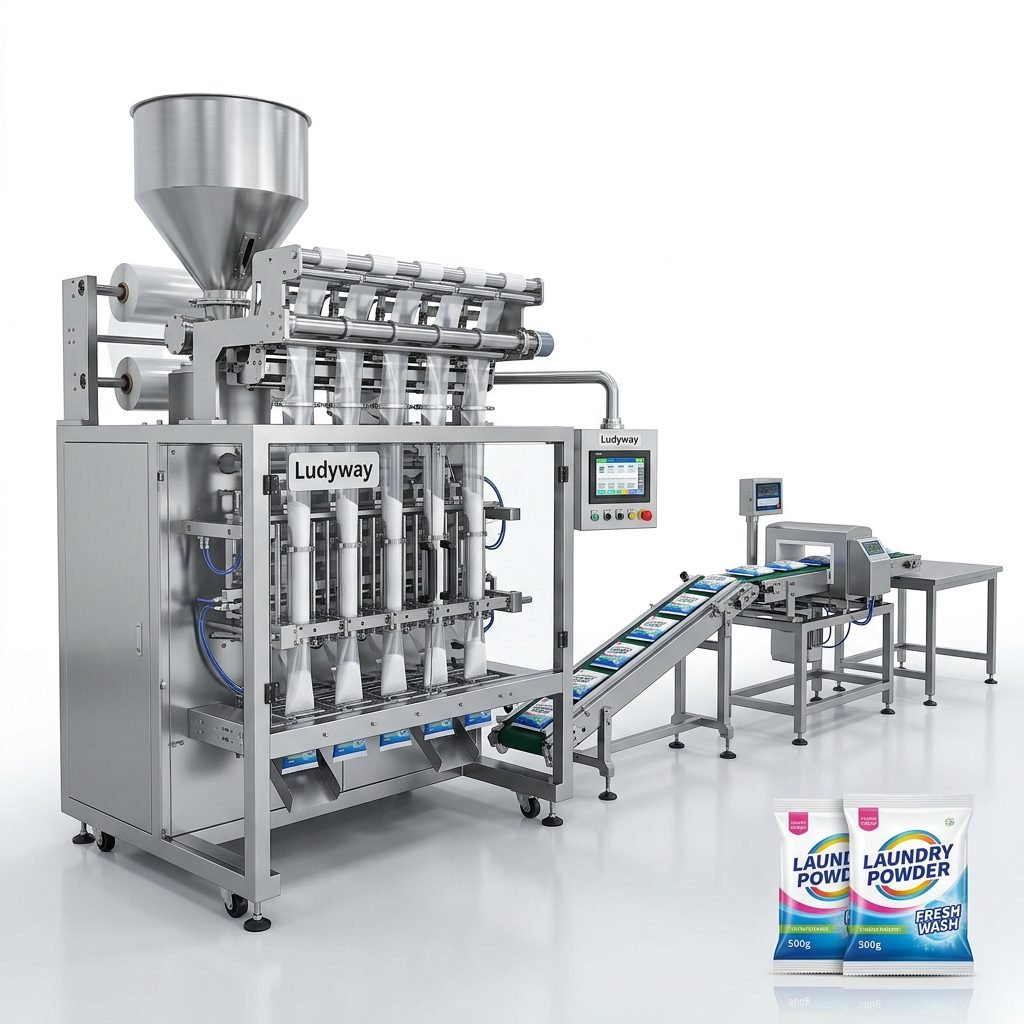
Fully Automated Turnkey Production Lines
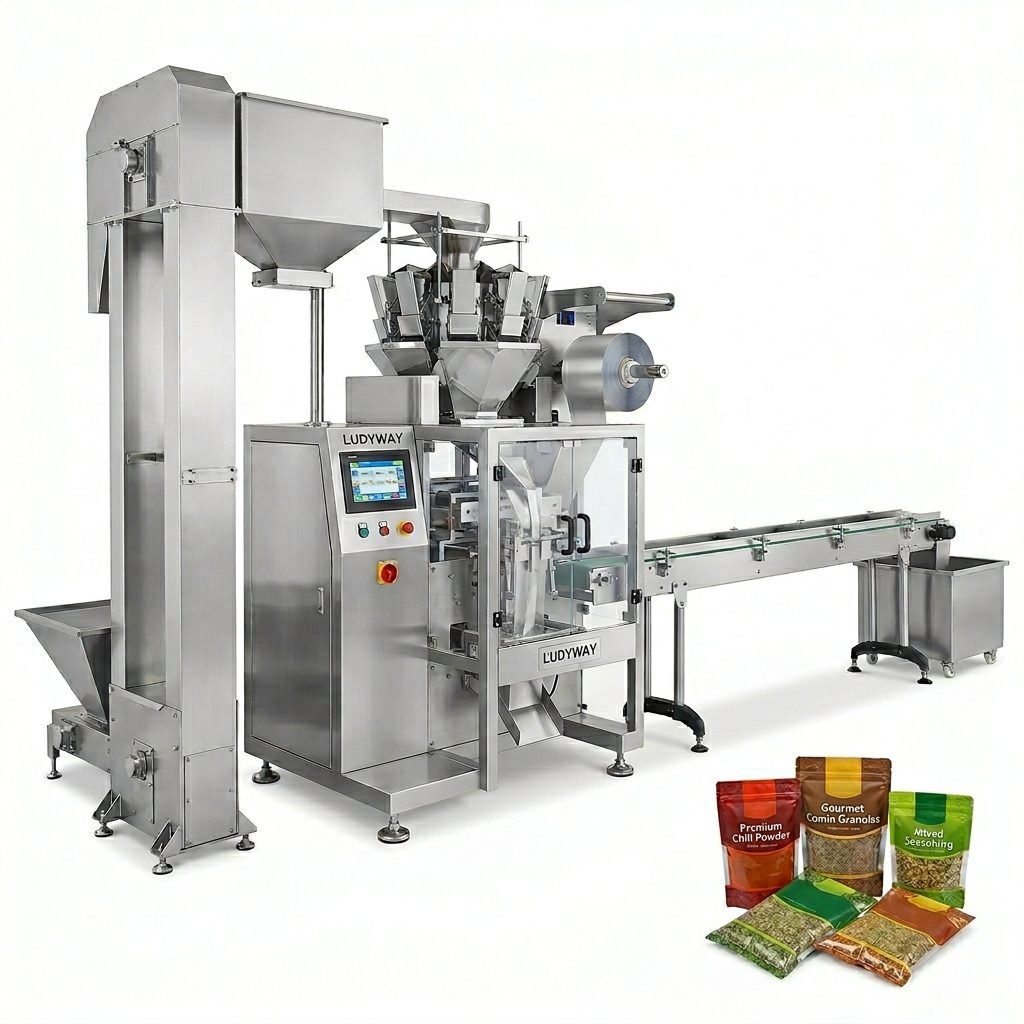
For large-scale operations, integrated turnkey lines combine weighing and packaging systems with feeding conveyors, multi-head weighers, nitrogen flushing units, and cartoning machines. These complete lines can process raw chips through to finished cartons with minimal human intervention, significantly reducing labor costs.
Key Features to Evaluate When Buying
Not all packaging machines are created equal. When sourcing from Chinese manufacturers, pay close attention to the following specifications and features that directly impact production efficiency and product quality.
- Filling accuracy and weighing technology — Multi-head weighers with 10 to 14 heads offer superior accuracy for potato chips, typically achieving ±0.5g to ±1g precision depending on target weight.
- Film compatibility and sealing systems — Ensure the machine supports metallized films, laminated structures, and nitrogen-flushed packaging for extended shelf life.
- Speed ratings and lane configurations — Match the machine’s throughput capacity to your current and projected production volumes.
- Automation level and control systems — PLC-controlled machines with touchscreen HMI interfaces simplify operation and reduce training requirements.
- Build quality and materials — Food-grade stainless steel construction (SUS304 or SUS316) is essential for snack food applications and regulatory compliance.
- Changeover flexibility — Quick-change forming tubes and adjustable sealing jaws enable fast transitions between different pack sizes.
- After-sales support and spare parts — Verify that the supplier maintains adequate spare parts inventory and offers remote technical assistance.
Price Factors and Budget Planning
Understanding the cost structure of Chinese packaging machinery helps buyers establish realistic budgets. Prices vary significantly based on machine type, automation level, and optional features. The table below provides a general pricing framework for different categories of potato chip packaging equipment.
| Machine Type | Typical Speed Range | Approximate Price Range (USD) | Best Suited For |
|---|---|---|---|
| Single-Lane VFFS Machine | 30-80 packs/min | $8,000 – $25,000 | Small to medium enterprises |
| Multi-Lane Stick Pack (4-8 lanes) | 150-400 packs/min | $30,000 – $80,000 | Mid-size to large manufacturers |
| Multi-Lane Stick Pack (10-16 lanes) | 400-800 packs/min | $70,000 – $180,000 | High-volume industrial production |
| Sachet Packaging Machine | 40-120 packs/min | $5,000 – $18,000 | Startups and sample production |
| Turnkey Production Line | 200-600 packs/min | $150,000 – $500,000+ | Full-scale automated operations |
Additional costs to factor into your budget include shipping and freight charges, import duties and customs clearance fees, installation and operator training, and ongoing maintenance and spare parts inventory. Buyers should also consider the current packaging industry trends when planning long-term equipment investments.
How to Choose a Reliable Manufacturer in China
Selecting the right supplier is perhaps the most critical step in the purchasing process. With hundreds of packaging machine manufacturers operating across China, thorough due diligence separates successful investments from costly mistakes.
Factory Audit and Quality Certifications
Request comprehensive documentation including ISO 9001 certification, CE marking for machines destined for European markets, and any relevant FDA food packaging compliance certifications. A physical or virtual factory tour helps verify manufacturing capabilities, quality control processes, and the overall professionalism of the operation.
Technical Capabilities and R&D Investment
Leading manufacturers invest heavily in research and development. Evaluate whether the supplier has in-house engineering teams, modern CNC machining centers, and a track record of innovation. Companies with robust R&D capabilities are better positioned to provide customized solutions and ongoing technical improvements.
Customer References and Export Experience
Request case studies and client references from the supplier’s existing customer base. A manufacturer with established export experience to your region demonstrates familiarity with international shipping logistics, voltage requirements, and local regulatory standards. Check for participation in major international packaging exhibitions as an indicator of market credibility.
Installation, Training, and After-Sales Support
Clarify the scope of after-sales services before finalizing any purchase. Comprehensive support should include on-site installation and commissioning by factory-trained engineers, operator and maintenance training programs, remote diagnostic capabilities via video call, guaranteed spare parts availability with express shipping options, and warranty terms covering at least 12 months. These services directly impact long-term equipment reliability and production uptime.
Industry Standards and Regulatory Compliance
Food packaging machinery must meet stringent safety and hygiene standards. Chinese manufacturers exporting to international markets increasingly align their equipment with global benchmarks. Key standards to verify include ISO packaging standards for machinery safety, flexible packaging industry guidelines for material compatibility, and regional electrical safety certifications appropriate to your market. Compliance with these standards not only ensures product safety but also facilitates smoother customs clearance and regulatory approval processes.
Working with a Trusted Packaging Partner
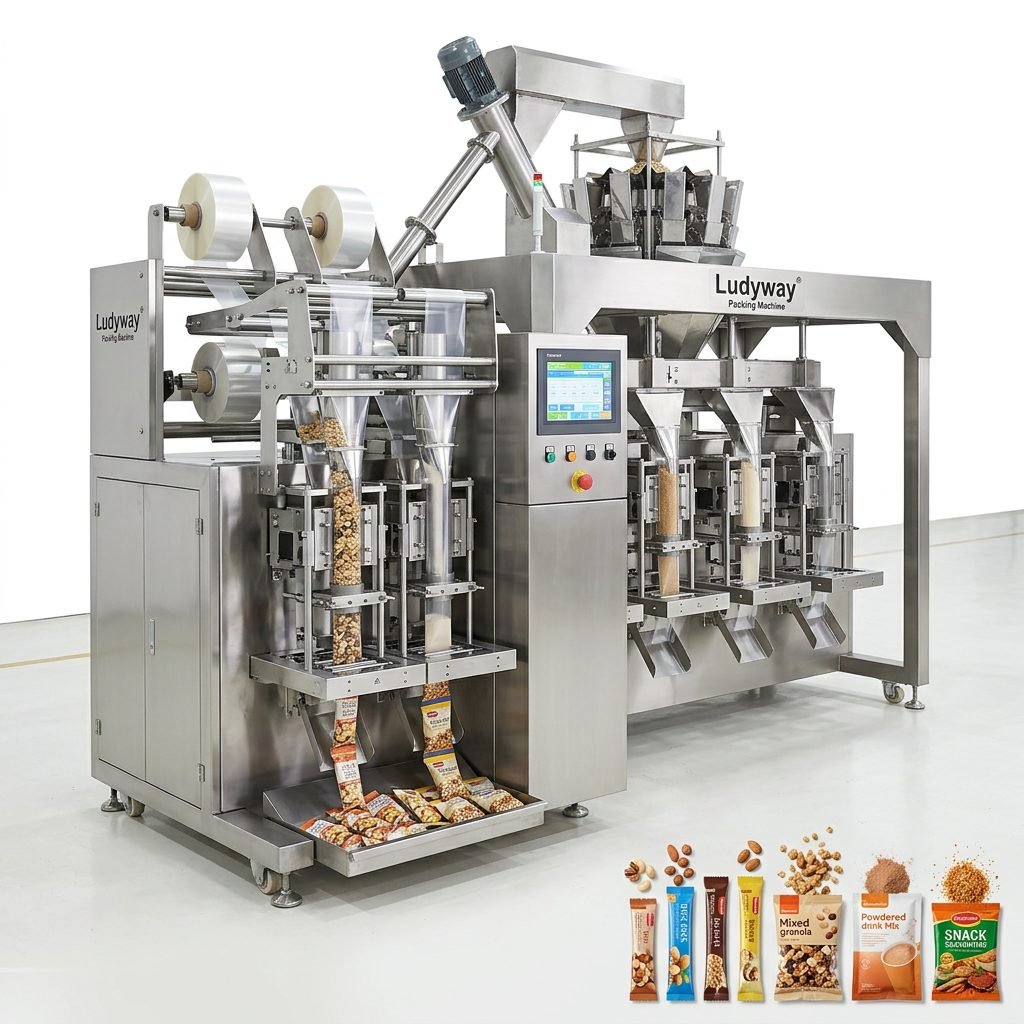
Among the established names in China’s packaging machinery sector, Ludyway stands out as one of the largest packaging machine manufacturers in the country, specializing in advanced packaging equipment and turnkey production solutions for the food, pharmaceutical, and health industries. With over 30 years of industry expertise and a modern 20,000㎡ manufacturing facility, the company offers more than 50 intelligent packaging machine models, including multi-lane stick pack, sachet, and fully automated packaging systems. Manufacturers seeking reliable, high-performance equipment with comprehensive after-sales support should prioritize suppliers with proven track records and substantial manufacturing capabilities.
Nitrogen Flushing and Shelf-Life Extension
For potato chip packaging, nitrogen flushing capability is a critical feature that preserves product freshness and prevents crushing during transport. Modern Chinese packaging machines incorporate precision gas injection systems that displace oxygen from the package headspace, extending shelf life by several months. When evaluating equipment, confirm the nitrogen flushing system’s accuracy and the availability of integrated gas mixing panels for customized atmosphere packaging applications.
Common Pitfalls to Avoid When Importing from China
First-time buyers should be aware of several common challenges in the procurement process. Language barriers can lead to miscommunication regarding technical specifications — always work with suppliers who have dedicated English-speaking technical teams. Shipping delays and customs complications can disrupt project timelines, so build adequate buffer time into your implementation schedule. Additionally, verify that all electrical components meet your local voltage and frequency requirements before shipment, as retrofitting after delivery adds unexpected costs and delays.
Payment Terms and Trade Assurance
Standard payment structures typically include a 30% deposit with the balance paid before shipment after factory acceptance testing. For larger projects, consider utilizing trade assurance programs or escrow services that protect buyer interests. Always conduct a thorough factory acceptance test (FAT) — either in person or via video — before authorizing final payment and shipment. This verification step confirms that the machine performs to agreed specifications with your actual product and packaging materials.
Conclusion: Making a Confident Investment
Purchasing a potato chip packaging machine from China offers substantial advantages in cost, technology, and customization. By thoroughly evaluating machine specifications, conducting rigorous supplier due diligence, and understanding the total cost of ownership, buyers can secure high-performance equipment that drives long-term production efficiency. The key to success lies in partnering with established manufacturers who combine engineering expertise with responsive after-sales support, ensuring your packaging line remains productive and competitive in today’s fast-moving snack food market.
For further research, consult authoritative resources including the PMMI State of the Industry reports, Flexible Packaging Association technical guidelines, and ISO packaging machinery standards to stay informed about evolving industry requirements and best practices.