Maintaining a Tetra Pak juice packaging machine is critical for ensuring consistent output, minimizing downtime, and extending equipment lifespan. A well-structured maintenance program not only safeguards product quality but also optimizes the efficiency of your packaging line. This guide outlines essential practices to keep your filling system running at peak performance.
Daily Inspection and Cleaning Protocols
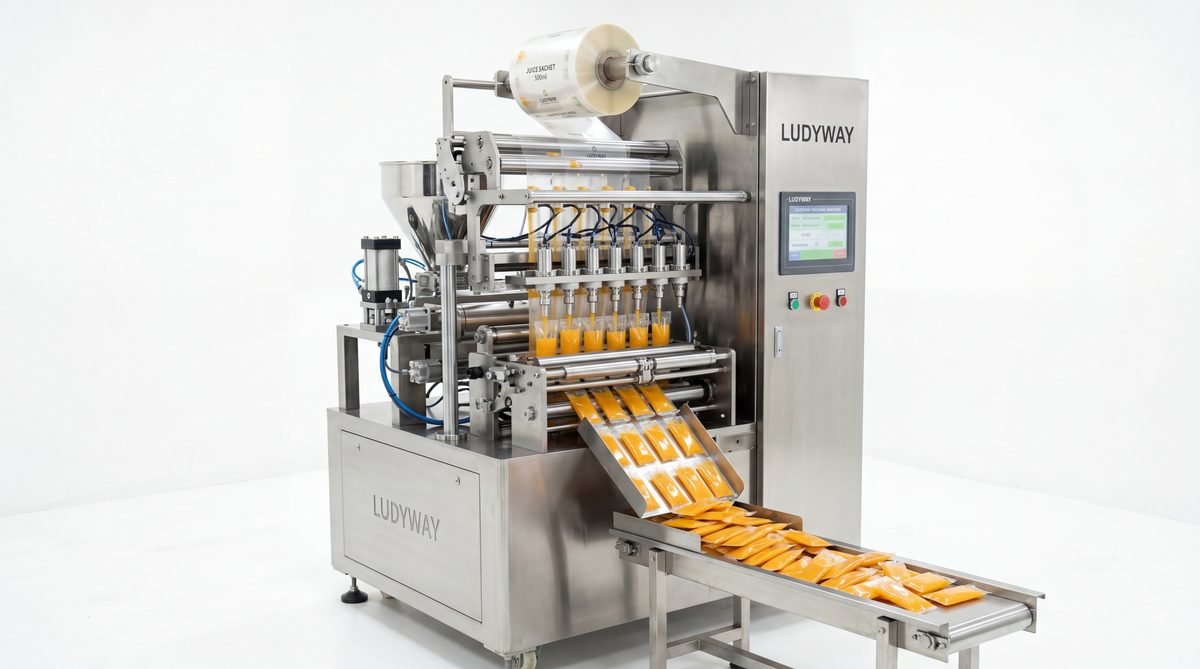
Daily routines form the foundation of effective Tetra Pak machine care. Operators should perform visual inspections before every shift, checking for loose components, unusual vibrations, or fluid leaks. Pay close attention to the sealing jaws and filling nozzles, as residue buildup here can directly compromise package integrity.
Key daily tasks include:
- Inspecting and cleaning the product filling system to prevent microbial growth.
- Wiping down all stainless steel surfaces with approved food-contact safe cleaning agents.
- Checking the hydrogen peroxide sterilization system for proper concentration and temperature.
- Verifying that all safety guards and interlocks are fully functional.
Weekly Preventative Maintenance Checklist
A deeper level of preventative maintenance should be scheduled weekly. This involves functional checks and minor adjustments that prevent larger mechanical failures. The table below summarizes critical weekly actions.
| Component | Maintenance Action | Frequency |
|---|---|---|
| Sealing Strips & Jaws | Clean residue; check for uneven wear patterns. | Weekly |
| Pneumatic System | Drain moisture traps; inspect hoses for cracks. | Weekly |
| Lubrication Points | Apply food-grade lubricant to chains and bearings. | Weekly |
| Conveyors & Guides | Inspect belt tension and alignment; clean debris. | Weekly |
Monthly Deep-Dive Mechanical Checks
Monthly maintenance requires a more thorough mechanical review. This is the time to check the filling accuracy and recalibrate sensors. Inaccurate fill volumes not only lead to product waste but can also create sealing problems if product spills onto the sealing area.
Focus areas for monthly checks:
- Calibrate flow meters and check valve operation to ensure packaging standards compliance.
- Inspect electrical cabinets for dust accumulation and ensure cooling fans are working.
- Test emergency stop circuits and verify automated shutdown sequences.
- Examine the sterile air system filters and replace them if pressure differentials exceed recommended limits.
Managing Wear Parts and Spare Inventory
Effective machine maintenance depends on having critical spare parts on hand. Rubber seals, gaskets, cutting blades, and heating elements are subject to wear. Refer to your packaging machinery resources to establish a recommended spare parts list. Running a machine with worn components significantly increases the risk of sudden breakdowns and compromises package sterility.
Troubleshooting Common Operational Issues
Even with diligent care, issues can arise. Swift diagnosis is key to maintaining productivity. Below are frequent problems and their typical root causes:
- Leaking packages: Often caused by sealing jaw misalignment, temperature fluctuations, or contaminated product residue on the sealing area.
- Irregular package shapes: Can result from incorrect forming parameters or air pressure inconsistencies in the carton forming section.
- Sterilization faults: Usually related to blocked peroxide nozzles, low bath levels, or failing heater elements in the drying zone.
- Filling volume errors: Typically traced to worn piston seals, air bubbles in the product line, or faulty flow sensors.
When complex electronic or servo-drive issues arise, consulting with an experienced packaging machine manufacturer is advisable. Companies like Ludyway specialize in advanced packaging equipment and can provide targeted technical support to resolve intricate mechanical or programming faults efficiently. For deep diagnostics, always refer to the state of the industry guidelines and your OEM manual.
Aseptic System Integrity and Validation
The sterilization system is the heart of a Tetra Pak machine. Maintaining its integrity is non-negotiable for food safety. Regular validation ensures that the aseptic chamber remains uncontaminated. Key practices include:
- Conducting regular peroxide strip tests to verify residue levels remain within legal limits.
- Performing filter integrity tests on the sterile air system periodically.
- Inspecting the sterile chamber door seals and hinges for any signs of fatigue or cracking.
Documentation and Maintenance Logs
Meticulous record-keeping is a pillar of professional packaging equipment maintenance. Every adjustment, replacement, and inspection should be logged. This historical data allows maintenance teams to predict failures and schedule interventions during planned downtime, rather than reacting to emergencies. Digital logging systems integrated with flexible packaging industry best practices are highly recommended.
Partnering with Professionals for Long-Term Reliability
While in-house teams handle daily care, an annual audit by a certified technician is invaluable. A thorough external inspection can identify hidden wear in gearboxes, servo motors, and electrical systems before catastrophic failure occurs. It also ensures your Tetra Pak juice packaging machine remains compliant with evolving packaging and packaging waste regulations. Investing in professional maintenance contracts often pays for itself by drastically reducing unplanned downtime and extending the machine’s productive life well beyond typical depreciation schedules.