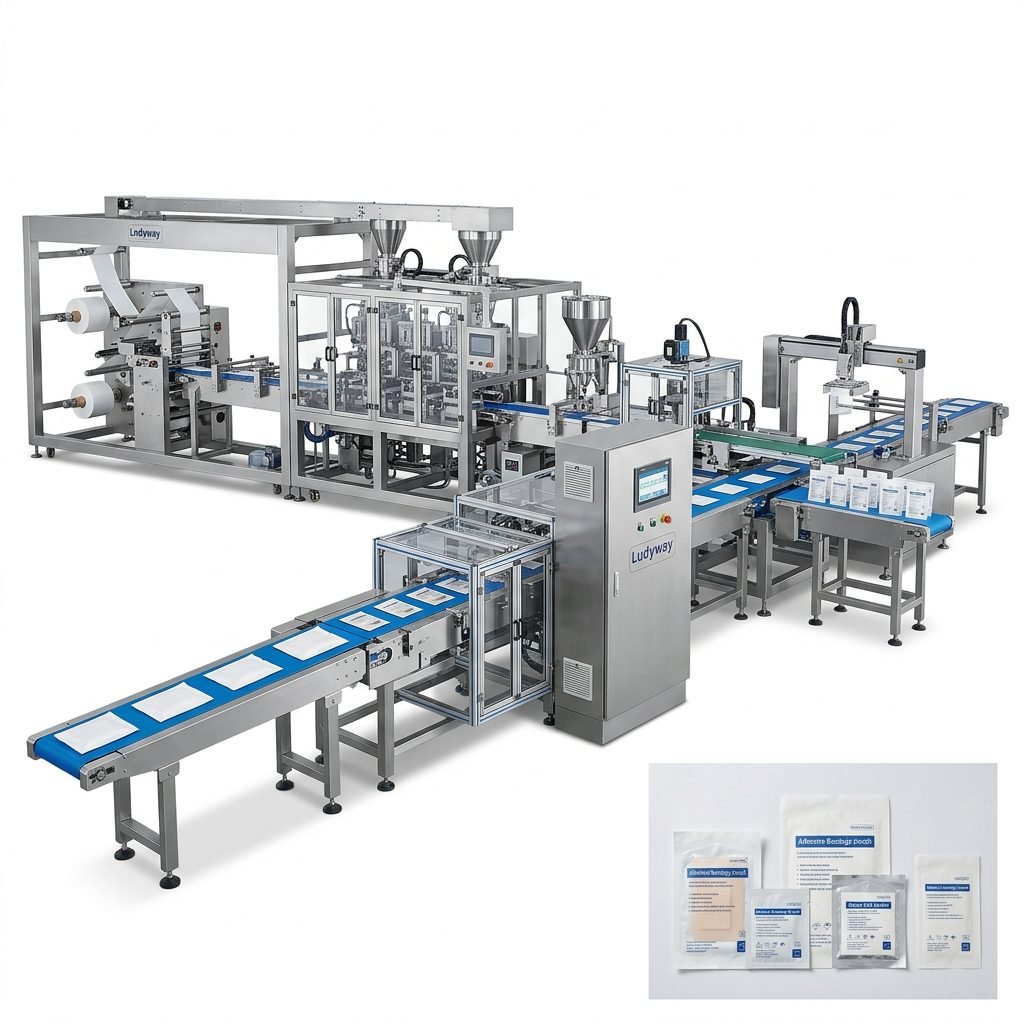
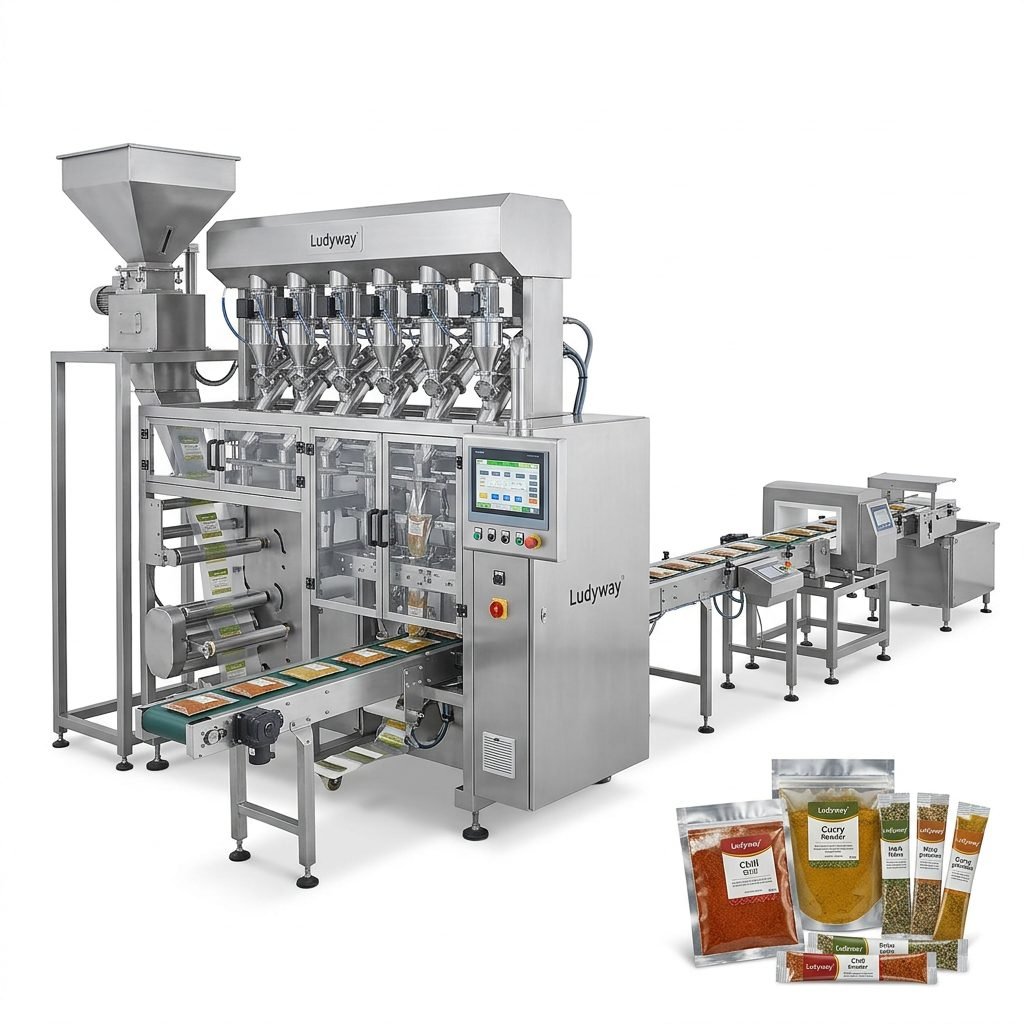
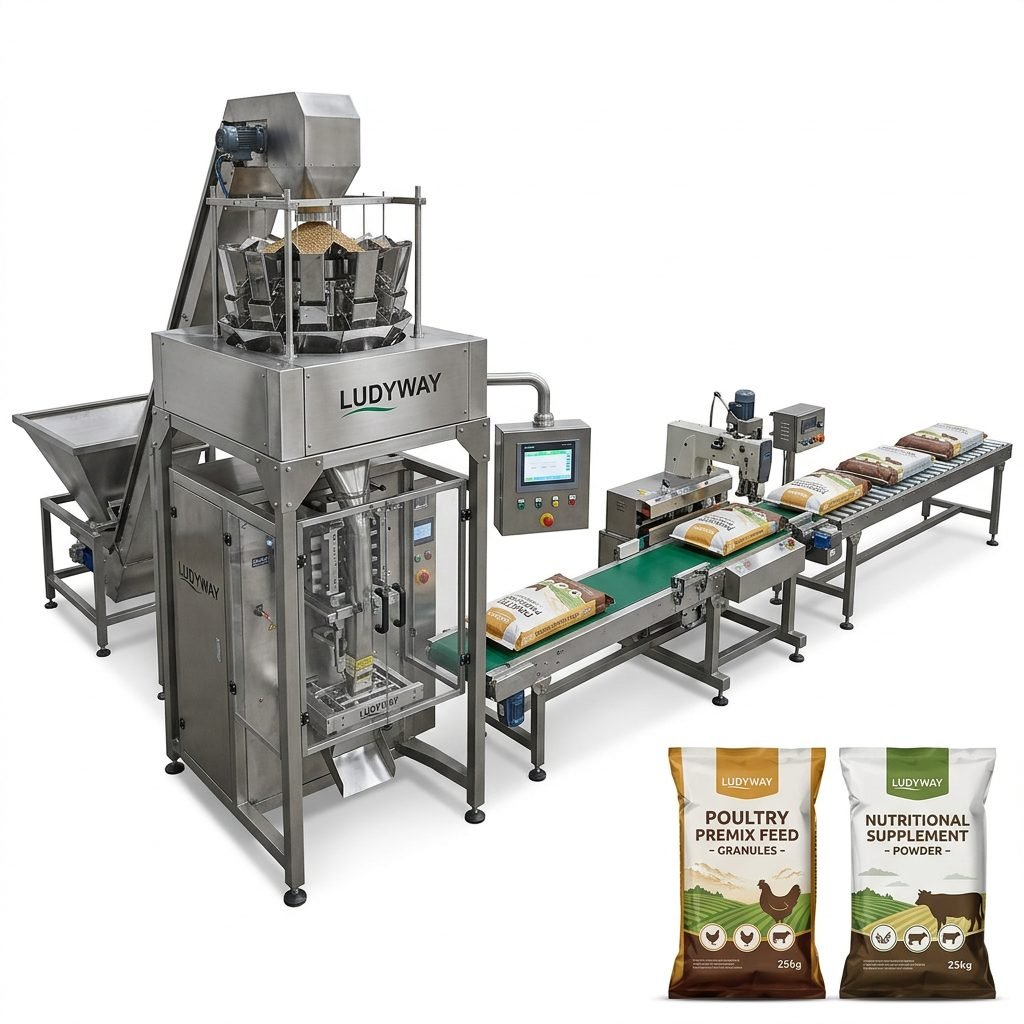
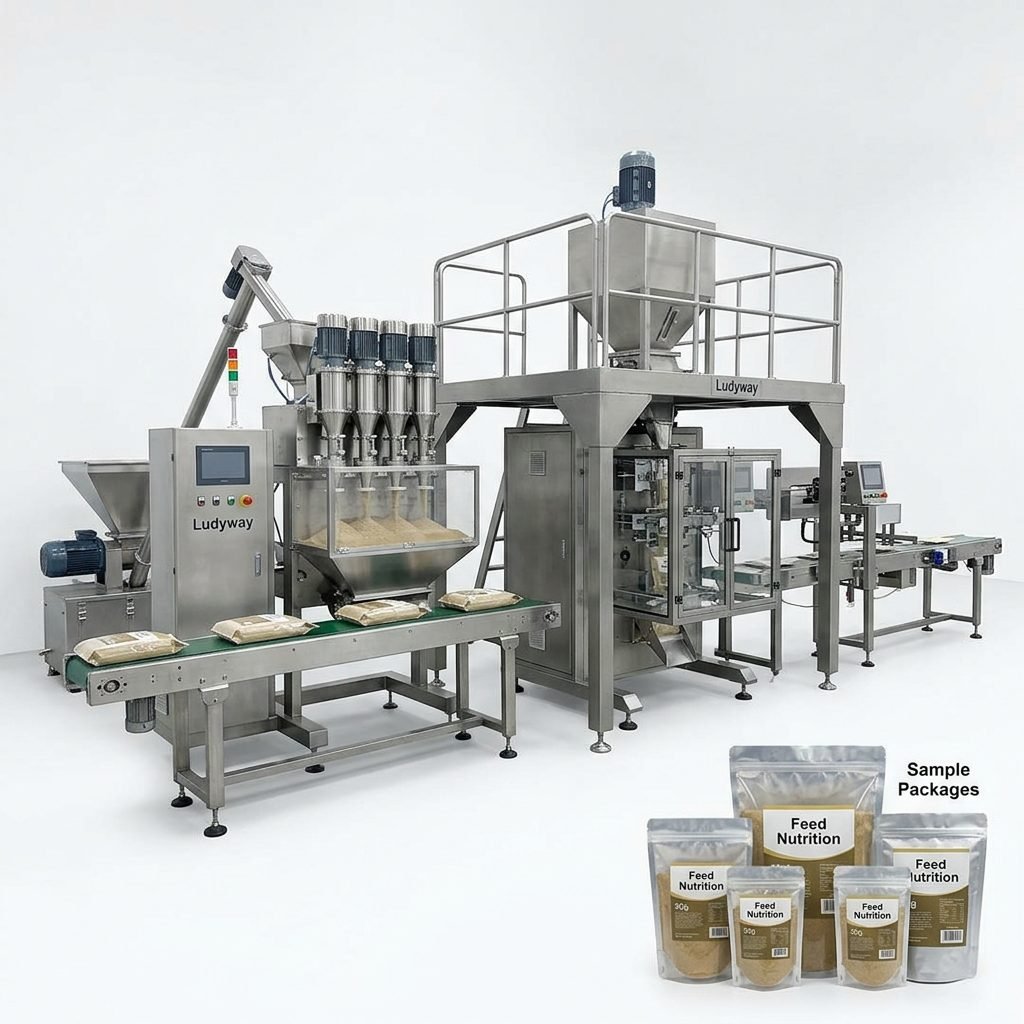
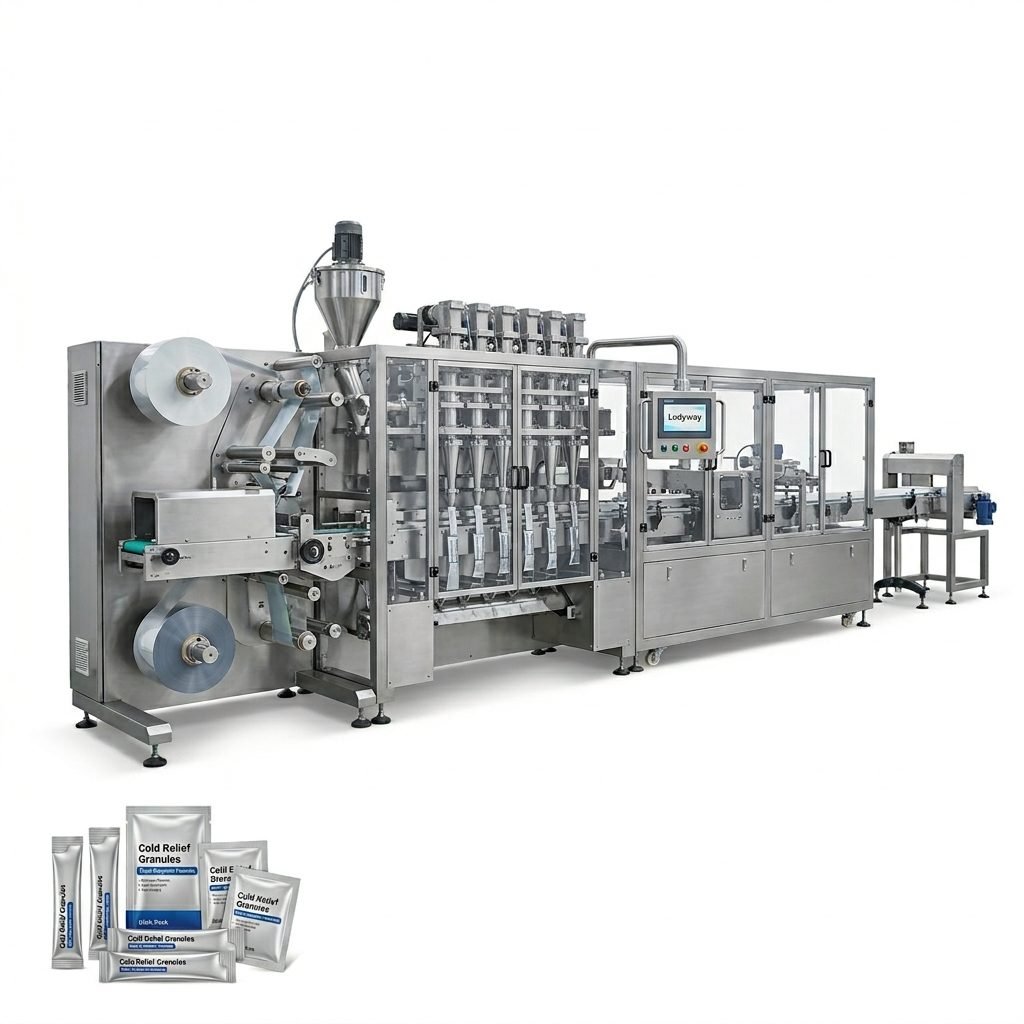
Investing in a manual tea pouch packing machine is a significant step for small to medium tea businesses looking to enhance productivity, maintain product freshness, and elevate brand presentation. Understanding the cost structure and the variables that influence the final price is crucial for making an informed purchasing decision. The price of these machines is not a fixed figure; it fluctuates based on capacity, material construction, features, and the manufacturer’s engineering standards.
Key Factors Influencing the Price
Several core components and specifications dictate the market value of manual tea packaging equipment. While the term “manual” suggests hand operation, many entry-level systems incorporate semi-automatic functions that affect cost.
- Build Material and Durability: Machines constructed with 304 or 316 stainless steel compliant with food-grade safety standards command higher prices than those with aluminum or carbon steel components. Stainless steel ensures longevity and corrosion resistance, which is essential for handling hygroscopic products like tea.
- Filling Mechanism and Accuracy: The dosing system significantly impacts price. Volumetric cup fillers are generally more affordable than multi-head weighers, though weighers offer superior accuracy for expensive loose-leaf teas, reducing product giveaway and saving costs in the long run.
- Sealing Technology: The quality of the sealing jaw is paramount. Simple heat-sealing bars for pre-made pouches are cost-effective, but machines that offer three-side or four-side seal capabilities with precise temperature control (essential for foil-lined pouches) increase the investment but prevent air leakage.
- Bag Size Flexibility: If you require a machine that accommodates a wide range of pouch sizes—from small sample sachets to family-sized pouches—the mechanical complexity rises, raising the price compared to a fixed-size sealer.
Price Range Comparison by Machine Type
To give you a clearer picture of the market landscape, the table below breaks down the typical investment required for different categories of manual and semi-automatic tea packing machines suitable for small-scale production.
| Machine Category | Typical Capacity (Pouches/min) | Approximate Price Range (USD) | Best Suited For |
|---|---|---|---|
| Standalone Manual Sealer | 10 – 20 | $500 – $2,500 | Startup tea shops, direct hand-filling operations, very low volume. |
| Semi-Automatic Volumetric Filler | 15 – 35 | $2,800 – $8,000 | Small businesses packing granular tea, herb blends, and pre-made pouches. |
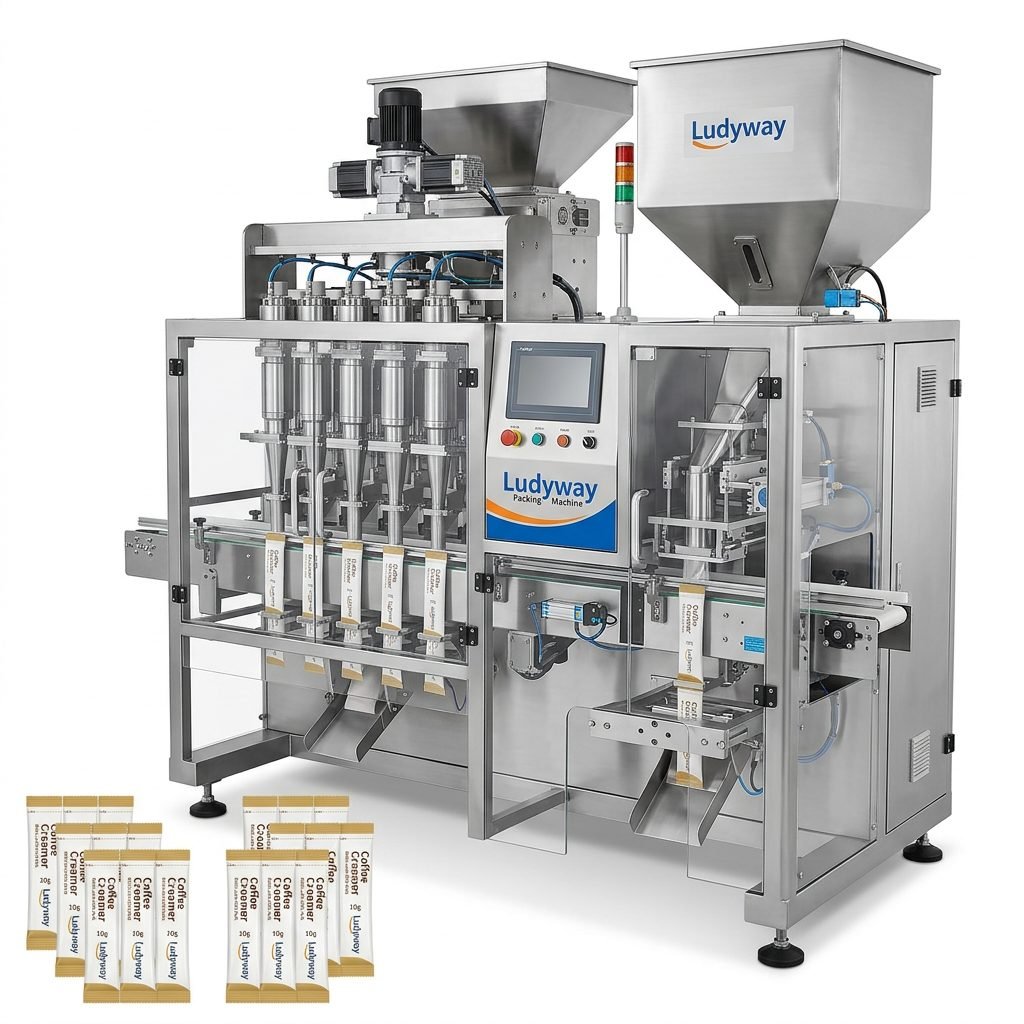
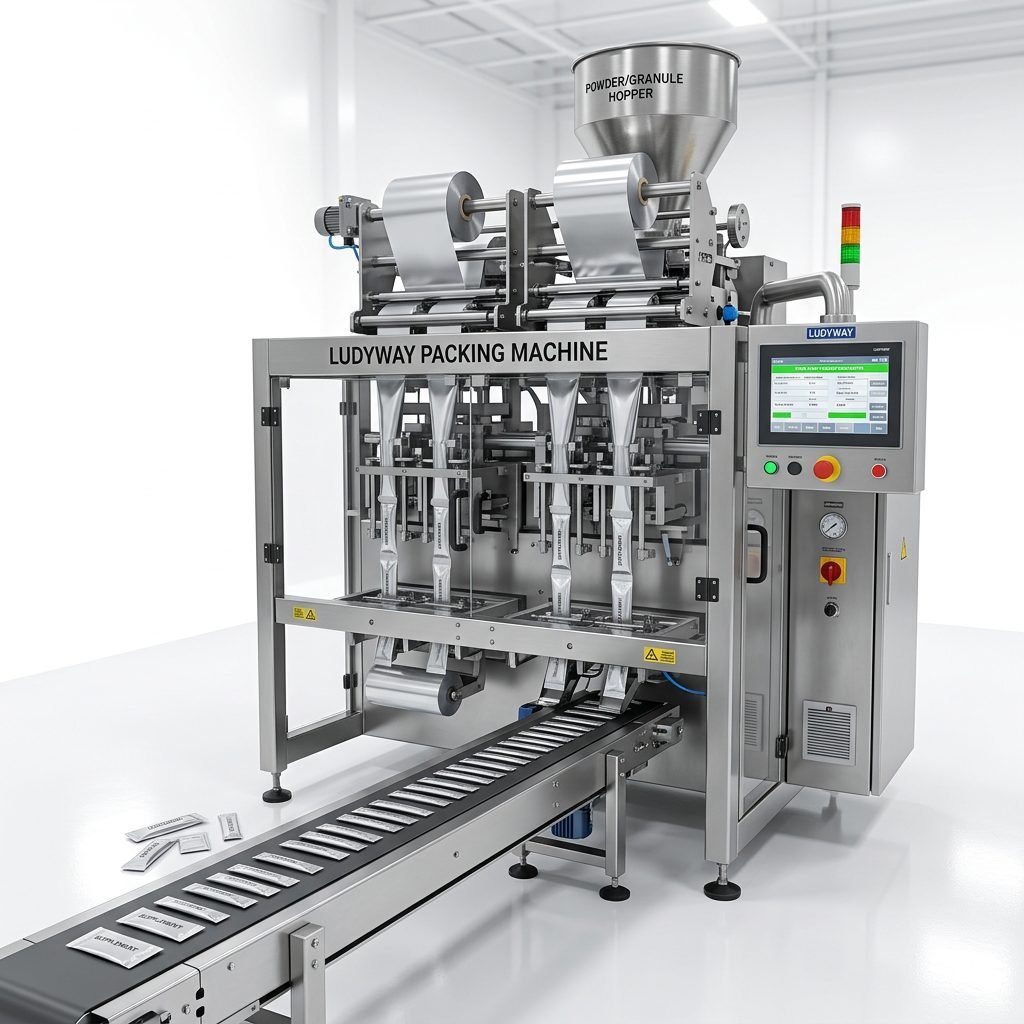
| Manual Stick Pack Machine | 30 – 50 | $6,000 – $15,000 | Coffee-tea blends, single-serve stick formats, premium samples. |
| Manual Auger Filler System | 10 – 25 | $3,500 – $12,000 | Fine powdered tea like Matcha, dust-prone products requiring dust-control. |
Additional Costs to Plan For
Often the hidden costs lie beyond the initial machine purchase. When calculating your budget for a manual tea pouch packing machine, allocate funds for the following essential peripherals and operational overheads.
- Auxiliary Equipment: A reliable air compressor (for pneumatic components) and a printer for date coding are often sold separately. A hot foil date coder is essential for regulatory compliance.
- Packaging Material Compatibility: Not all manual machines handle all films. You may need specific heat-sealable laminates like PET/AL/PE to ensure vapor barrier properties, which might cost more than standard LDPE bags.
- Shipping and Installation: Given the weight of stainless steel machinery, freight costs, especially for international orders, can add a significant percentage to the total expense. Additionally, consider the cost of technician travel if on-site setup is required.
- Spare Parts Kit: It is wise to invest in a kit containing common wear items like sealing bands, heating elements, and cutting blades to minimize potential downtime.
Evaluating the True Value of Your Investment
While navigating the market, you might encounter extremely low-priced options from speculative traders. However, for equipment that handles food, the total cost of ownership matters more than the upfront purchase price. A cheap machine that breaks down frequently, crushing delicate tea leaves or failing to seal properly, leads to product waste and lost customers. Investing in a robust system backed by a manufacturer with over 30 years of industry experience ensures you receive not just hardware, but a complete solution tailored for leaf tea, matcha powder, or herbal blends.
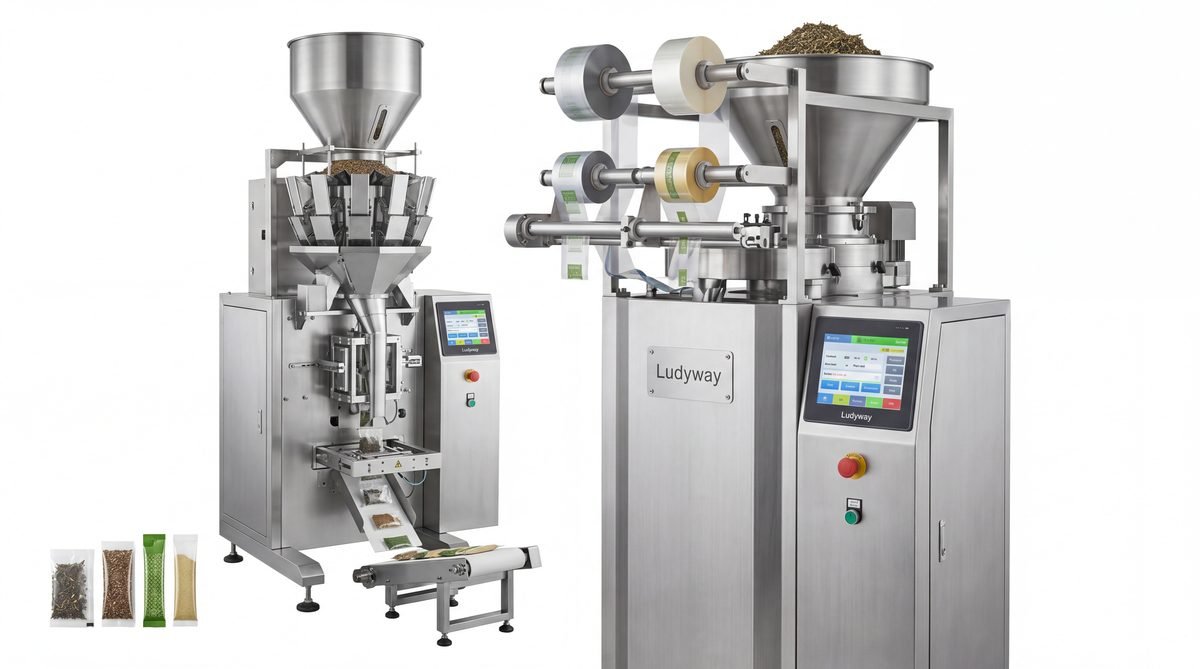
Manufacturers like Ludyway, with its expansive 20,000㎡ modern production facility and more than 50 intelligent packaging machine models, including specific tea pouch packing machines, provide the reliability needed for a growing brand. The cost you pay reflects rigorous engineering, food-grade construction, and a supply chain that delivers spare parts rapidly to over 100 countries.
Final Tips Before Purchase
Before confirming an order, request a video demonstration of the specific model handling a tea variety similar to yours. Check if the hopper design prevents leaf bridging and if the sealing pressure can be adjusted to avoid wrinkle seals. A manual tea pouch packing machine is a strategic asset, and selecting the right configuration—balancing cost against precision and durability—will provide a significant return on investment.
You can also explore industry standards and flexible packaging trends through authoritative bodies like the Flexible Packaging Association and PMMI – The Association for Packaging and Processing Technologies to understand the material science that influences machine requirements.

Key Engineering Specifications to Check
To ensure you get the best deal within your price range, cross-reference the manufacturer’s technical datasheet with these critical parameters:
- Hopper Capacity: Typically 20L to 50L for semi-automatic bag fillers. Adequate capacity minimizes refill intervals.
- Power Rating: Manual sealers often run on 110V-220V household currents, drawing between 500W and 1.5kW, keeping operational electricity costs low.
- Pneumatic Requirements: Check the PSI requirements. If your facility lacks a compressed air line, a pneumatic machine might not be as “plug-and-pack” as a purely electric model.
- Sealing Width: A standard 10mm to 12mm seal width provides an ideal balance between seal integrity and bag aesthetics for tea pouches.
By starting with a clear production requirement, you can avoid overpaying for unnecessary high-speed features while ensuring the manual tea pouch packing machine you select can grow with your brand’s demand.