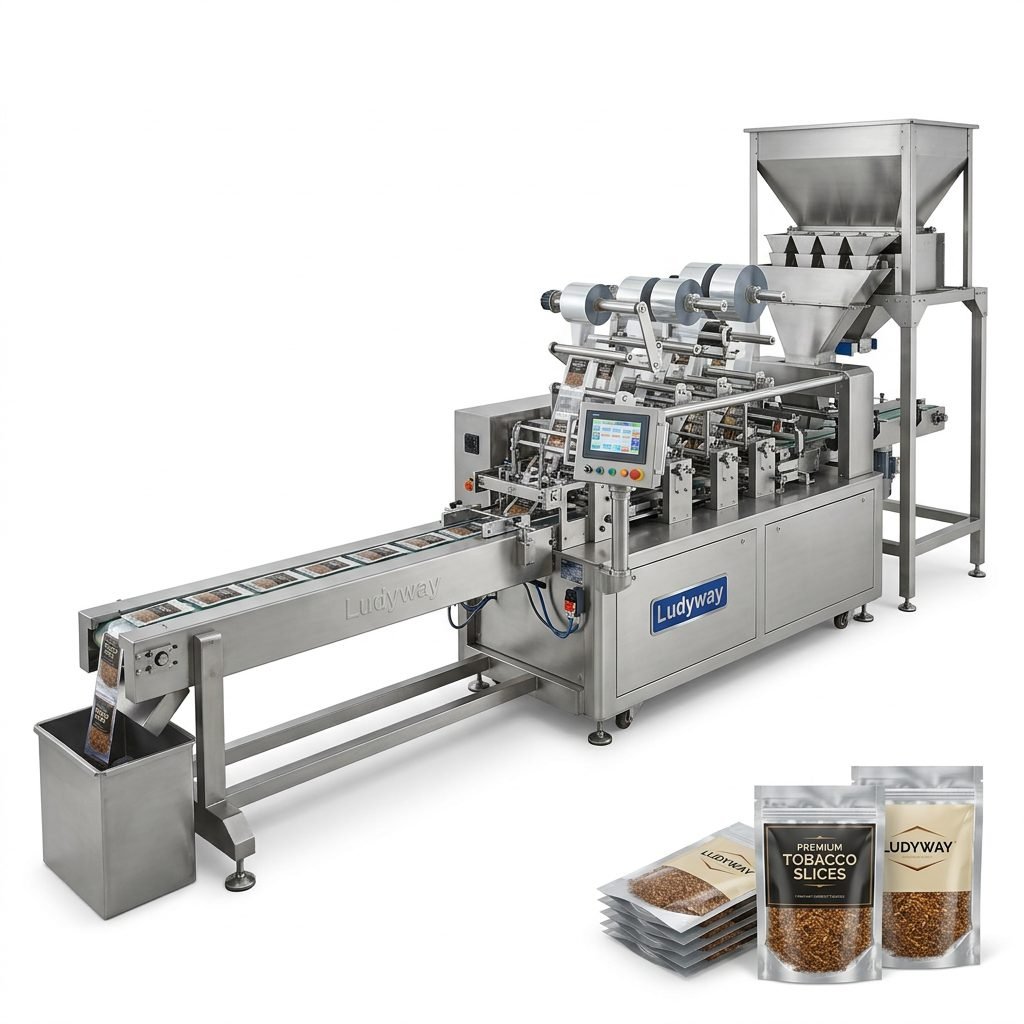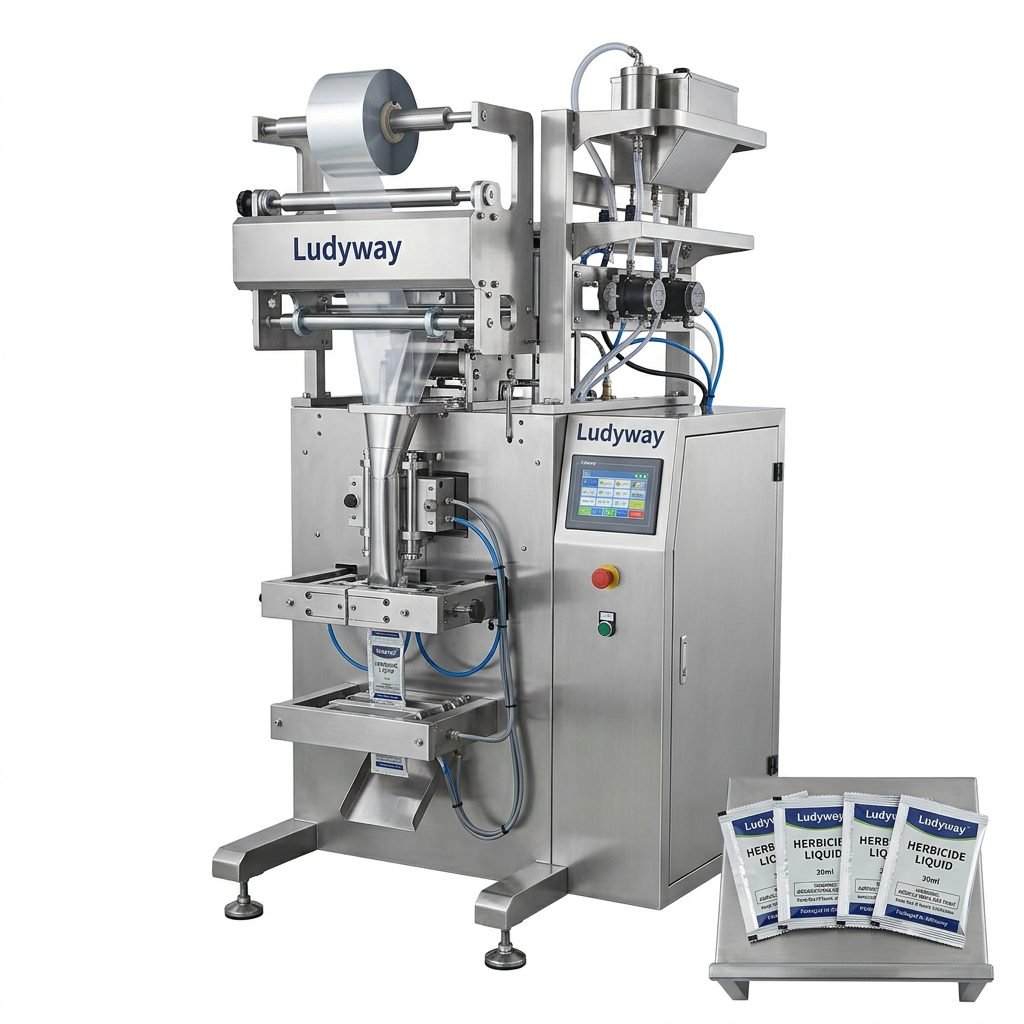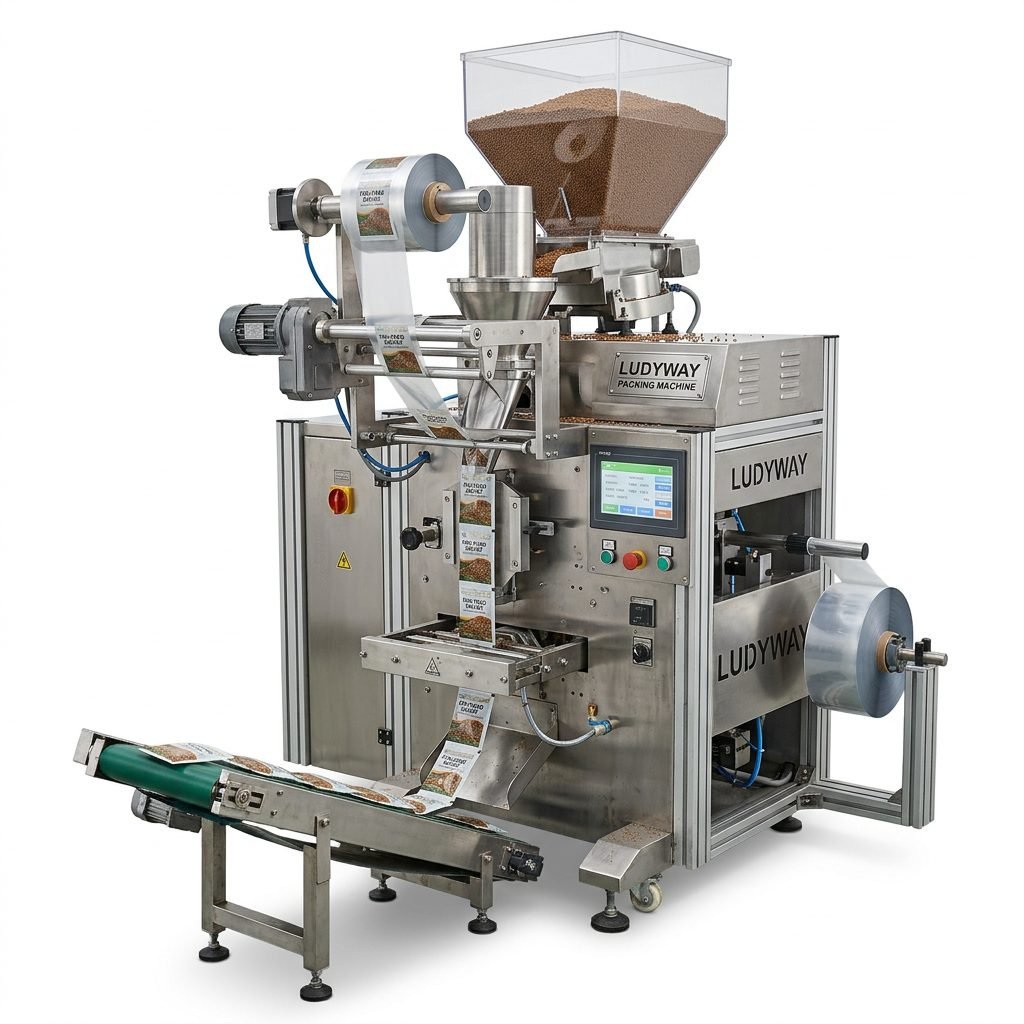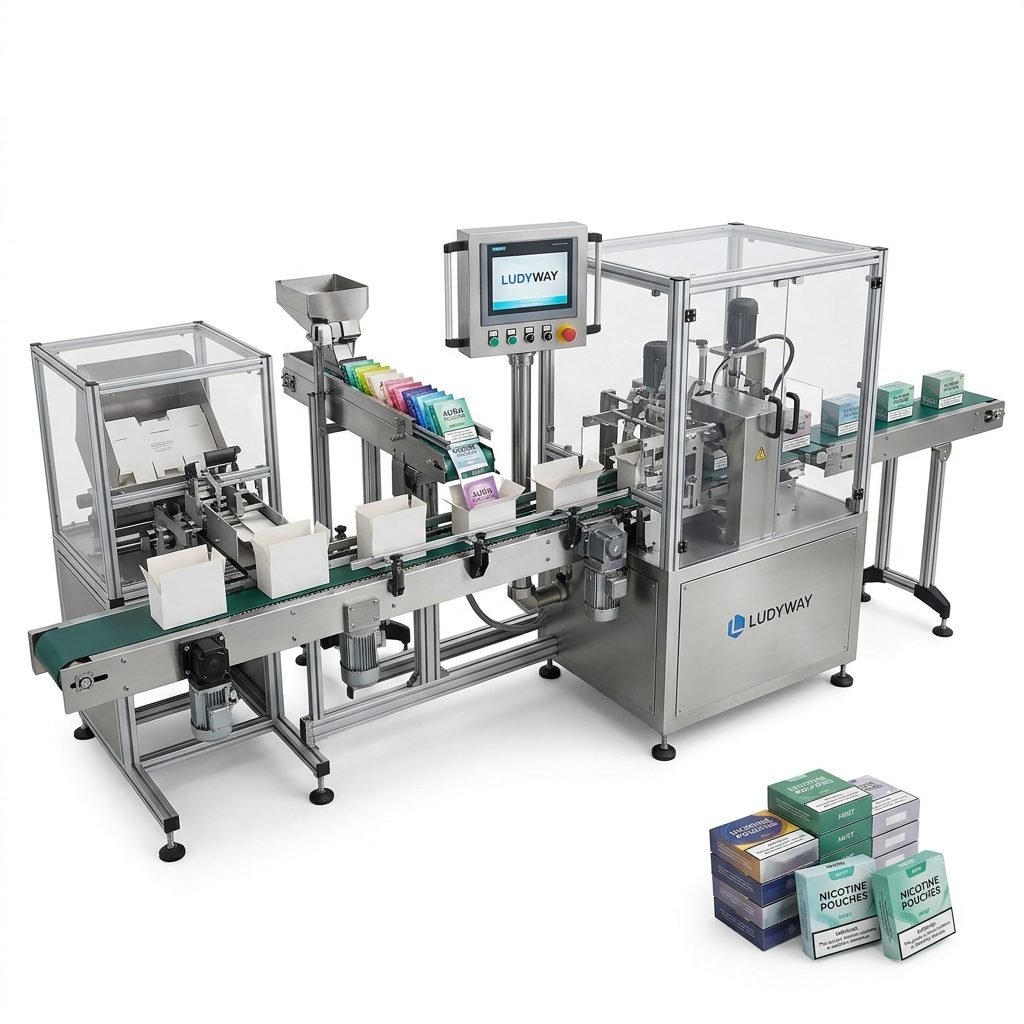
Investing in a tea thermoforming blister packaging machine is a significant decision for tea producers looking to scale operations, improve product presentation, and extend shelf life. The cost of these machines varies widely, typically ranging from $25,000 to over $150,000, depending on automation level, output capacity, tooling complexity, and brand reputation. Understanding what drives pricing helps you make an informed purchasing decision and avoid unnecessary expenses.
Key Factors That Determine the Cost
Several critical variables influence the final price of a tea thermoforming blister packaging machine. Below are the primary drivers that manufacturers and procurement teams should evaluate carefully.
Automation Level and Technology
Fully automatic blister packaging systems with servo-driven controls, integrated vision inspection, and automatic feeding mechanisms command higher prices than semi-automatic or manual models. A fully automated line that handles forming, filling, sealing, and cutting in one continuous process offers faster throughput and reduced labor costs, but requires a larger upfront investment.
Production Speed and Output Capacity
Machines capable of producing 40 to 120 blister packs per minute are generally more expensive due to advanced engineering and precision components. Higher-speed models often feature multi-lane configurations and sophisticated sealing stations, which directly impact the price. For small to medium tea brands, a mid-speed machine may offer the best balance between cost and productivity.
Tooling and Format Flexibility
Custom blister cavity molds for specific tea bag shapes, pyramid sachets, or unique portion sizes add engineering and machining costs. Machines that support quick-change tooling for multiple formats allow tea producers to run different product lines without purchasing separate equipment, offering long-term savings despite a higher initial price.
Build Quality and Material Compatibility
Equipment constructed with stainless steel frames, food-grade contact parts, and pharmaceutical-grade sealing systems is typically more expensive but essential for compliance with international food safety regulations. Machines designed to handle aluminum, PVC, PET, and biodegradable films broaden material choices and future-proof your investment.
Brand and After-Sales Support
Established manufacturers with global service networks, comprehensive warranties, and readily available spare parts often charge a premium. Choosing a reputable supplier like Ludyway, one of the largest packaging machine manufacturers in China, ensures reliable technical support and faster response times when issues arise.
Price Range Overview by Machine Type
The table below summarizes typical cost ranges for different categories of tea thermoforming blister packaging equipment. Actual quotes depend on your specific requirements and configuration.
| Machine Category | Estimated Price Range (USD) | Typical Output | Best Suited For |
|---|---|---|---|
| Semi-Automatic Blister Machine | $25,000 – $45,000 | 15–30 packs/min | Small tea workshops, startups |
| Automatic Flat-Plate Thermoforming System | $50,000 – $90,000 | 40–80 packs/min | Mid-size tea producers |
| High-Speed Multi-Lane Blister Line | $100,000 – $150,000+ | 80–120+ packs/min | Large-scale tea exporters |
| Turnkey Packaging Line with Cartoning | $150,000 – $250,000+ | 100+ packs/min | Fully integrated tea factories |
Additional Cost Considerations
Beyond the base machine price, several ancillary expenses should be factored into your total budget. These often-overlooked items can significantly impact the overall investment.
- Shipping and import duties: International freight, customs clearance, and tariffs can add 5%–15% to the machine cost, especially for intercontinental deliveries.
- Installation and commissioning: On-site setup by factory-trained engineers ensures optimal performance and may cost $3,000–$8,000 depending on location and complexity.
- Operator training: Comprehensive training programs reduce downtime and improve efficiency; some suppliers include this in the purchase price.
- Spare parts and consumables: Sealing plates, cutting dies, forming molds, and heating elements require periodic replacement. Budget 2%–5% of the machine cost annually for spare parts.
- Facility modifications: Electrical upgrades, compressed air systems, and cleanroom adaptations may be necessary for high-end thermoforming equipment.
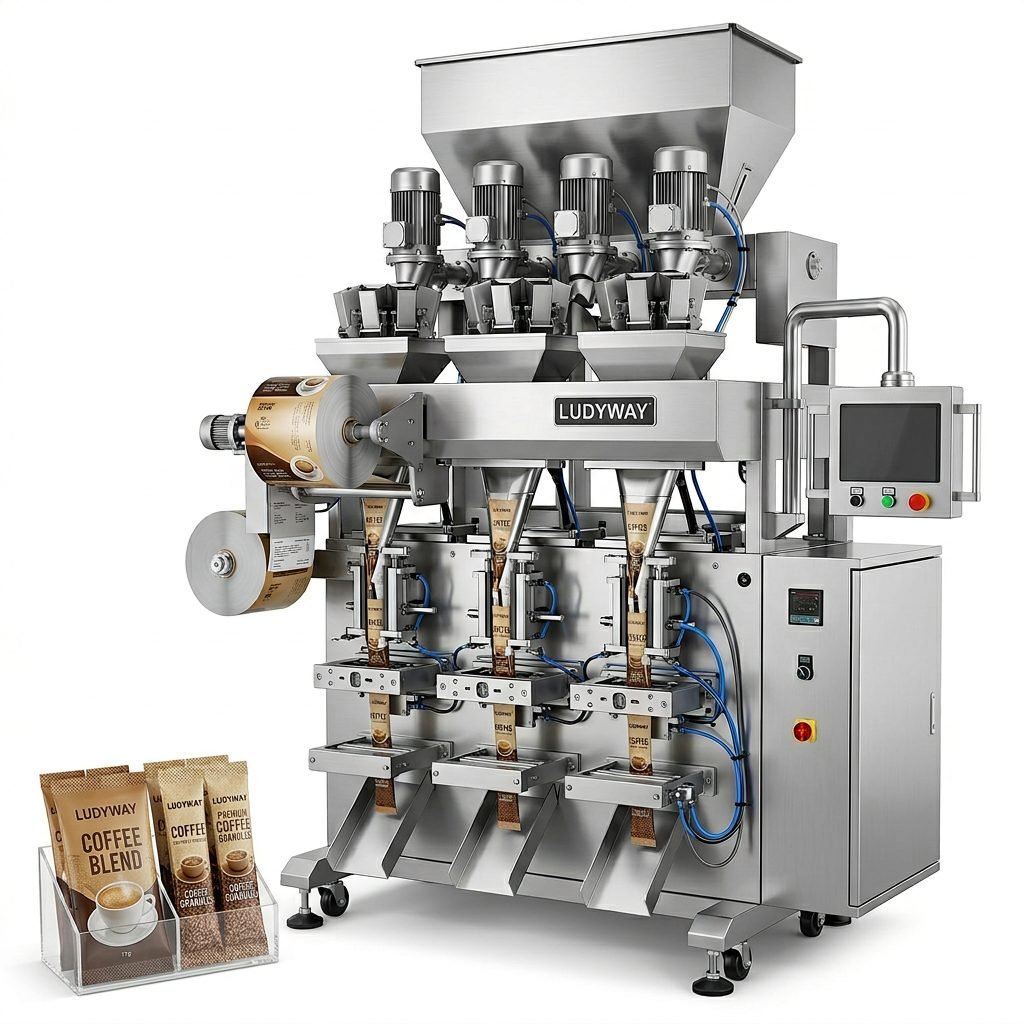
How to Reduce Your Investment Without Sacrificing Quality
Tea businesses can optimize their packaging machinery investment through strategic planning. Here are practical approaches to lowering costs while maintaining production quality.
Choose a Modular Machine Design
Modular tea packaging equipment allows you to start with essential functions and add modules later as demand grows. This phased approach spreads capital expenditure over time and reduces initial financial pressure.
Source from Specialized Manufacturers
Direct procurement from focused thermoforming packaging machine builders often yields better value than purchasing through intermediaries. Specialized suppliers provide more competitive pricing, deeper technical expertise, and faster customization capabilities.
Negotiate Warranty and Service Packages
Extended warranties, preventive maintenance contracts, and bundled spare parts kits can reduce long-term ownership costs. Many manufacturers offer discounted multi-year service agreements during initial purchase negotiations.
Return on Investment Analysis
A well-selected tea blister packaging machine typically achieves full payback within 12 to 24 months through labor savings, reduced material waste, increased throughput, and enhanced product shelf appeal. The key metrics to track include:
- Labor cost reduction: One automated line often replaces 3–5 manual packing workers per shift.
- Material waste decrease: Precision forming and sealing cut film consumption by 8%–15% compared to manual processes.
- Throughput increase: Automated lines deliver 3x–8x the output of manual blister packaging operations.
- Shelf-life extension: Improved seal integrity and barrier properties prolong product freshness and reduce returns.
Industry Resources and Standards
For further research on packaging machinery standards and market data, consult these authoritative resources from the packaging industry:
- PMMI – The Association for Packaging and Processing Technologies
- PMMI – State of the Industry Reports
- Flexible Packaging Association – Official Website
- FDA – Food Packaging and Food Contact Substances
- ISO – Packaging Standards
- PACK EXPO International
Understanding the full cost picture of a tea thermoforming blister packaging machine empowers manufacturers to select equipment that aligns with production goals, budget constraints, and long-term growth strategies. By evaluating automation levels, output requirements, tooling flexibility, and supplier reliability, tea producers can secure a packaging solution that delivers consistent quality and strong returns for years to come.