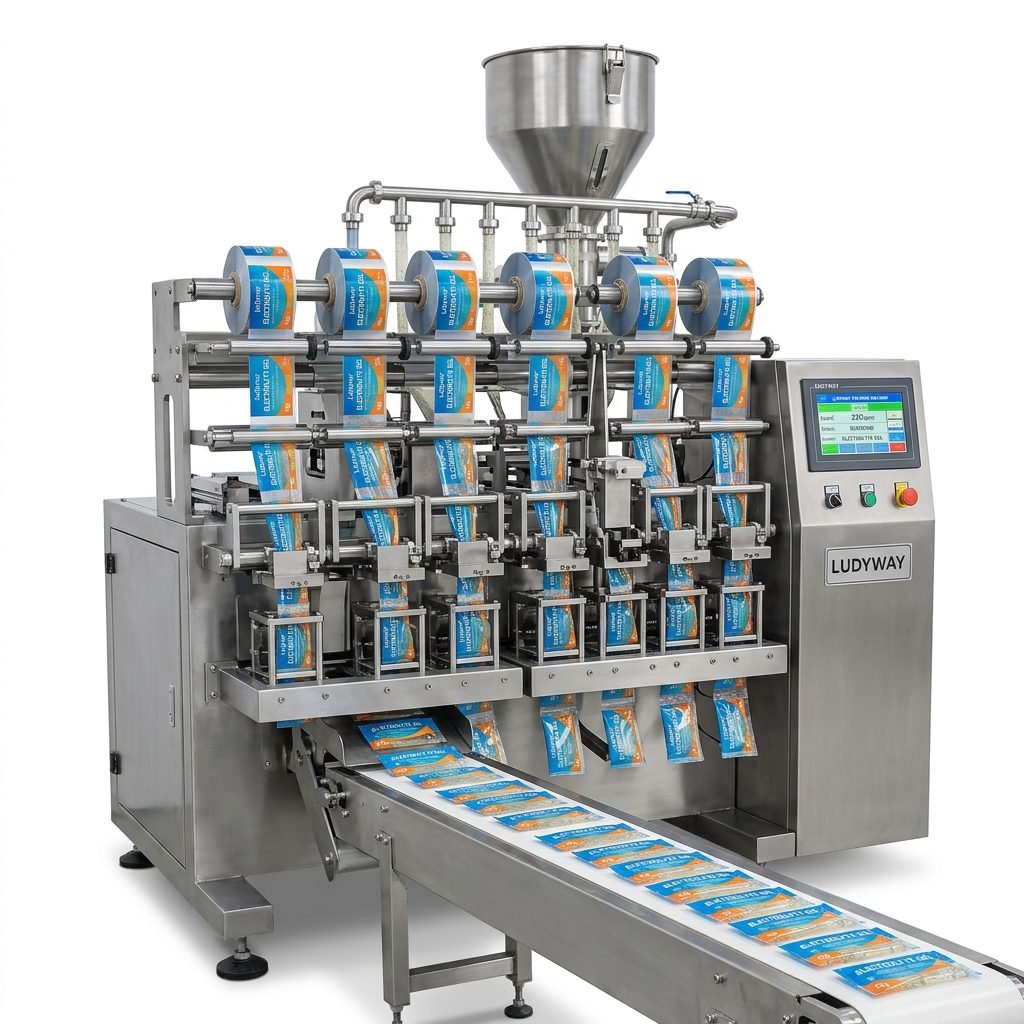
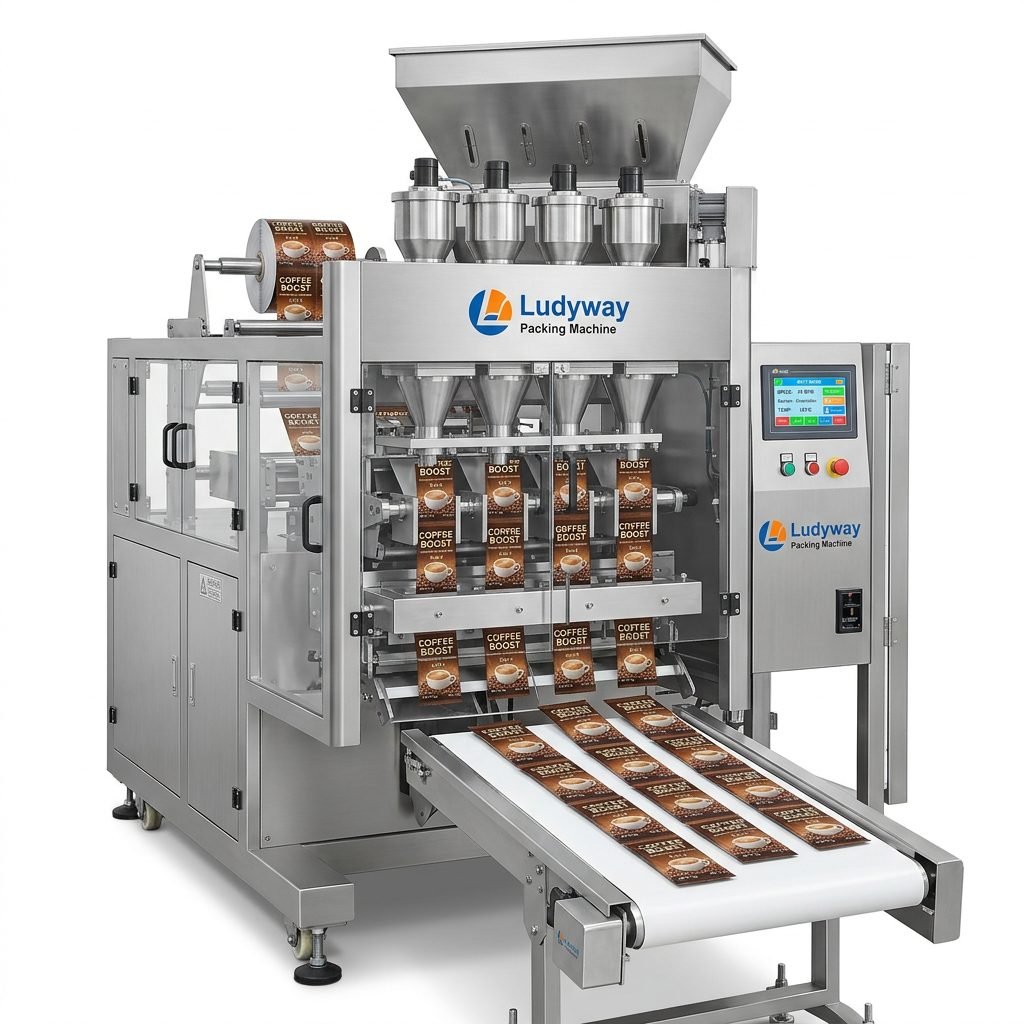
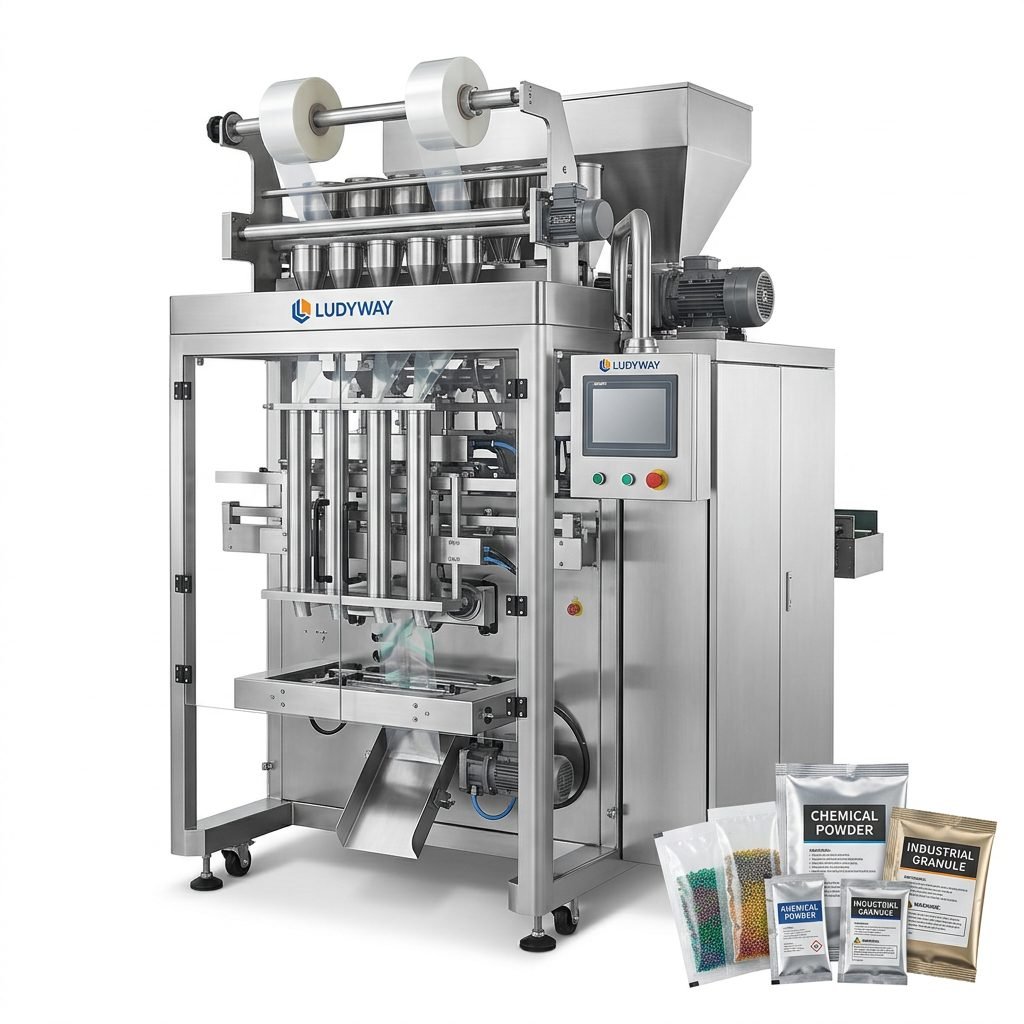
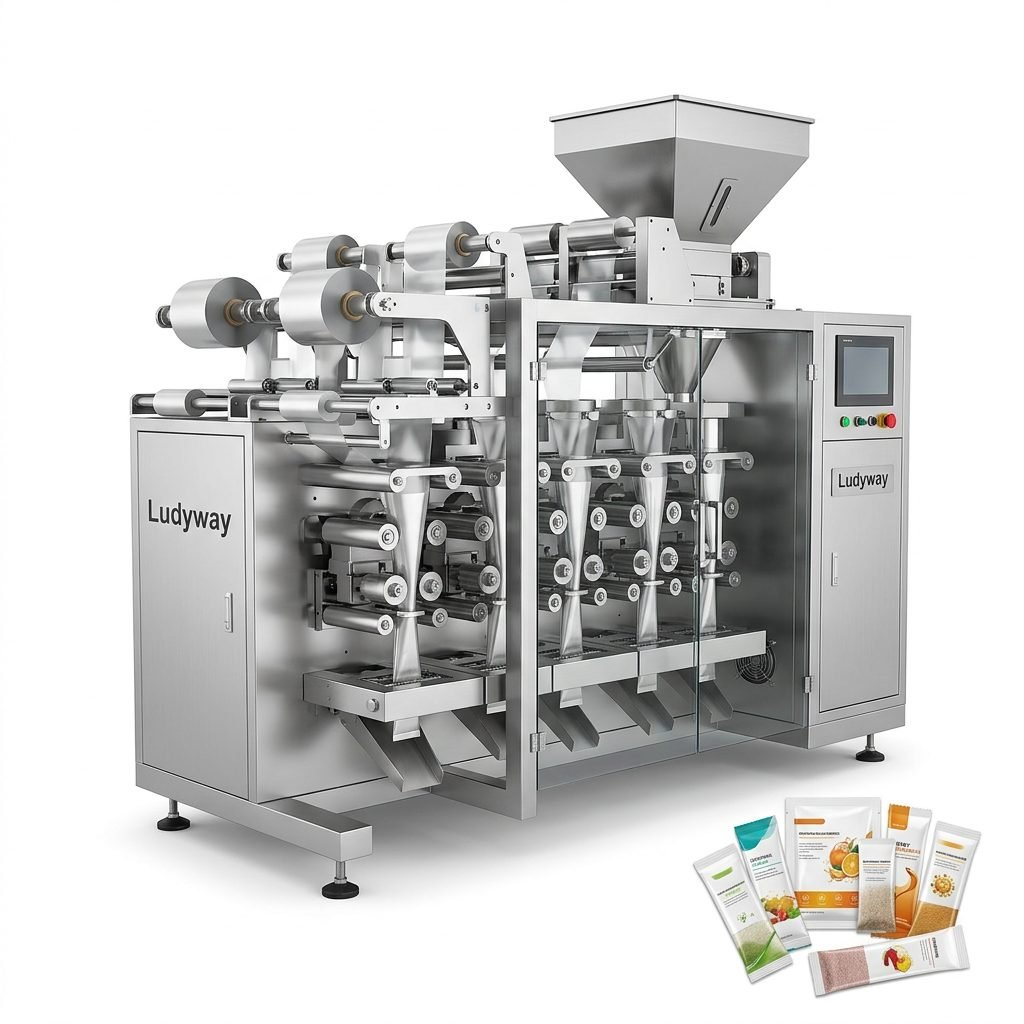
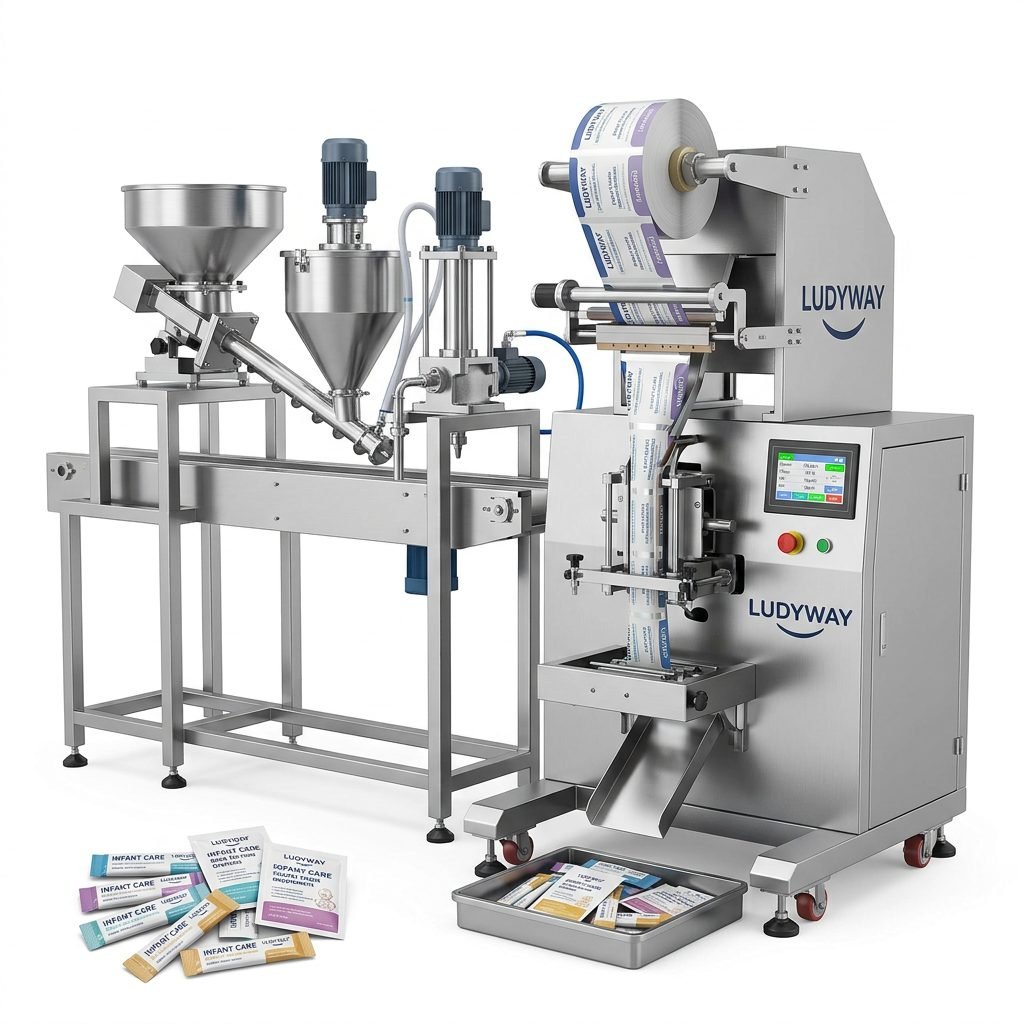
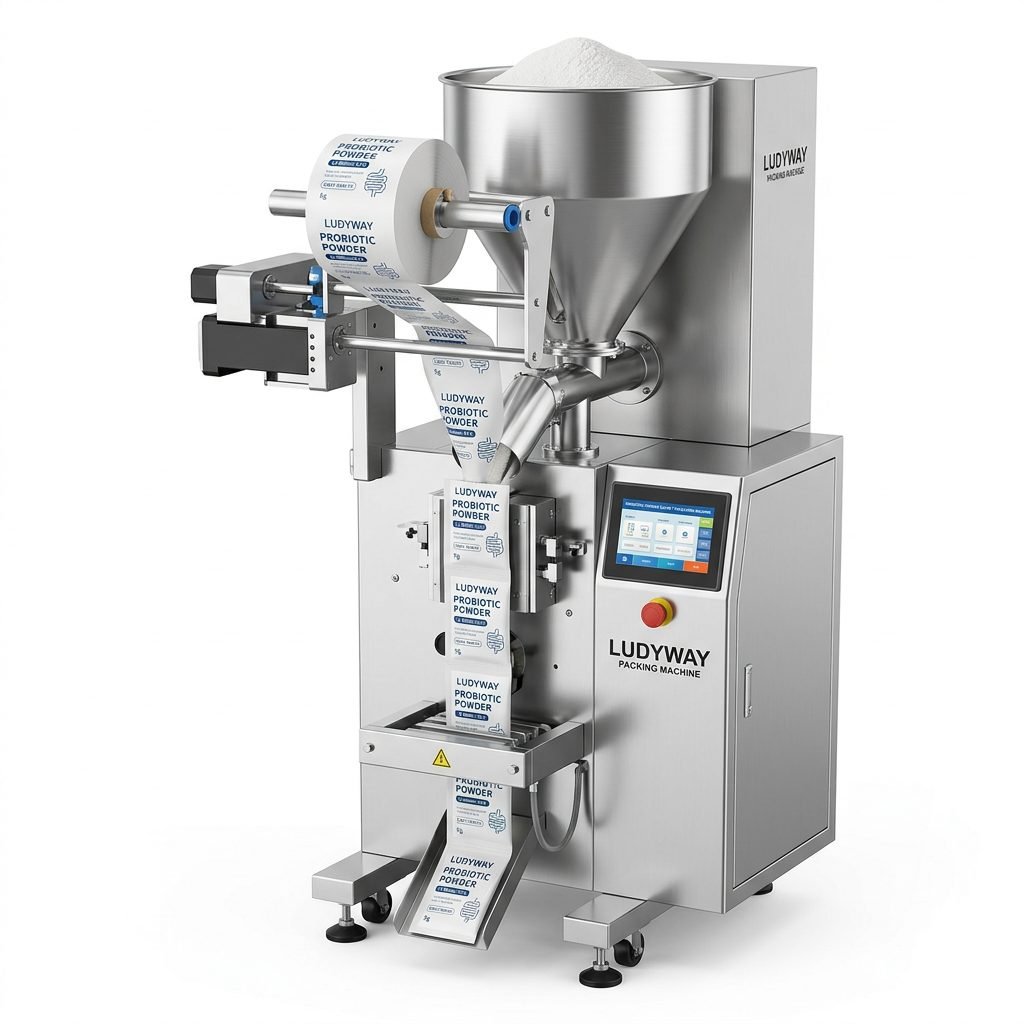
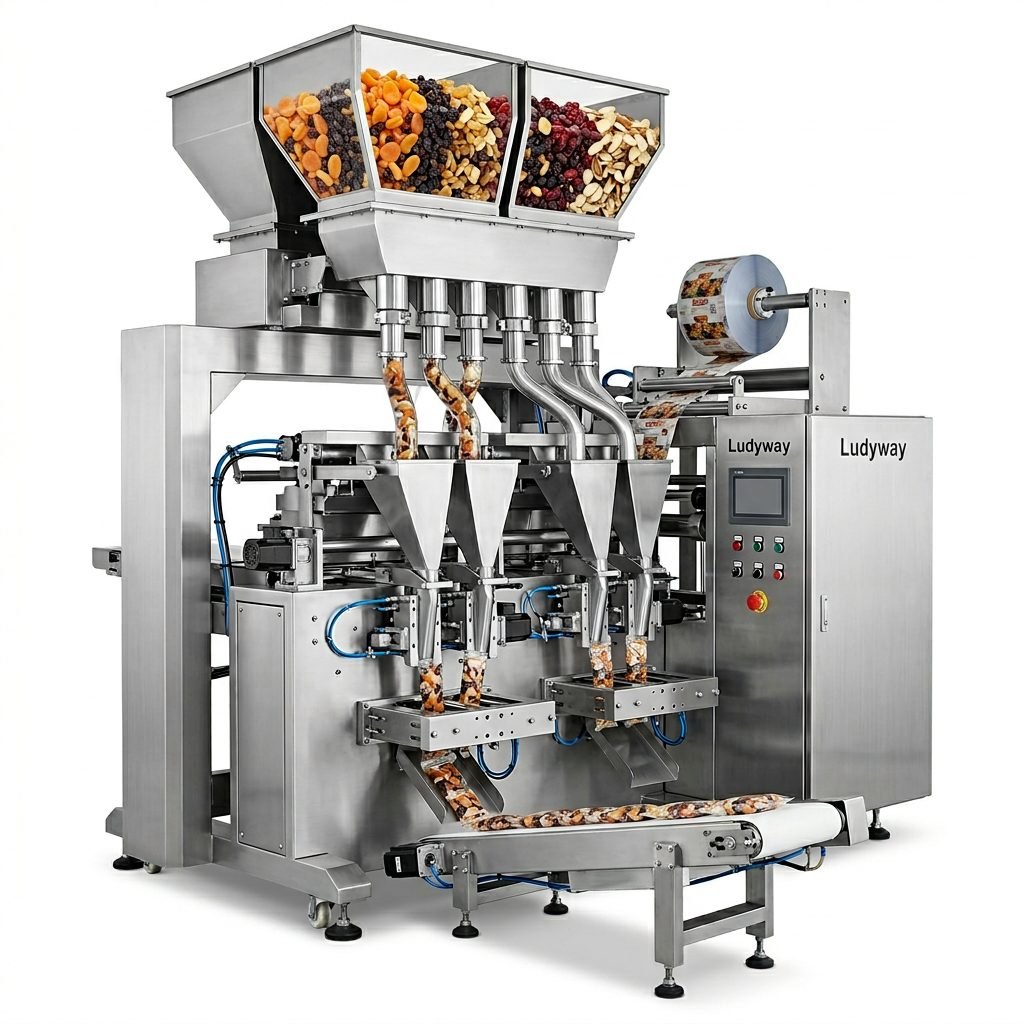
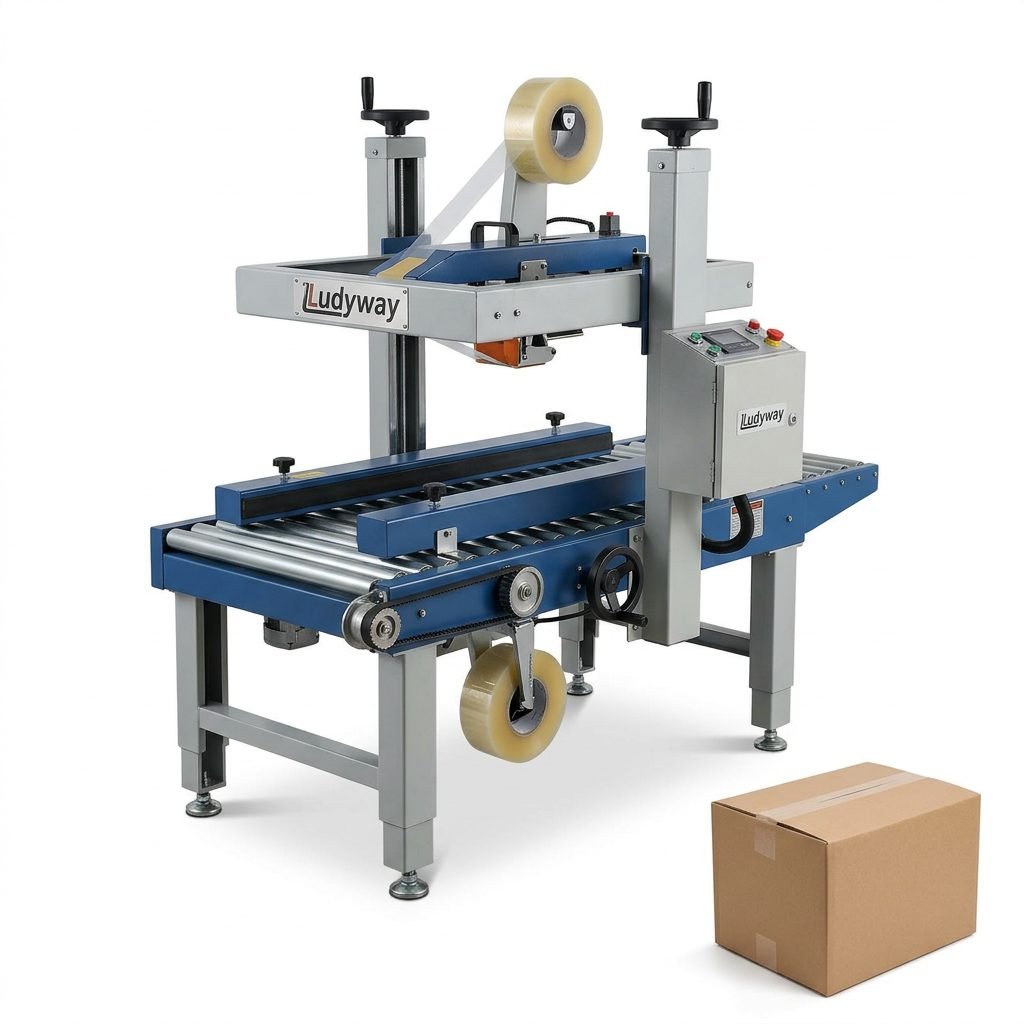
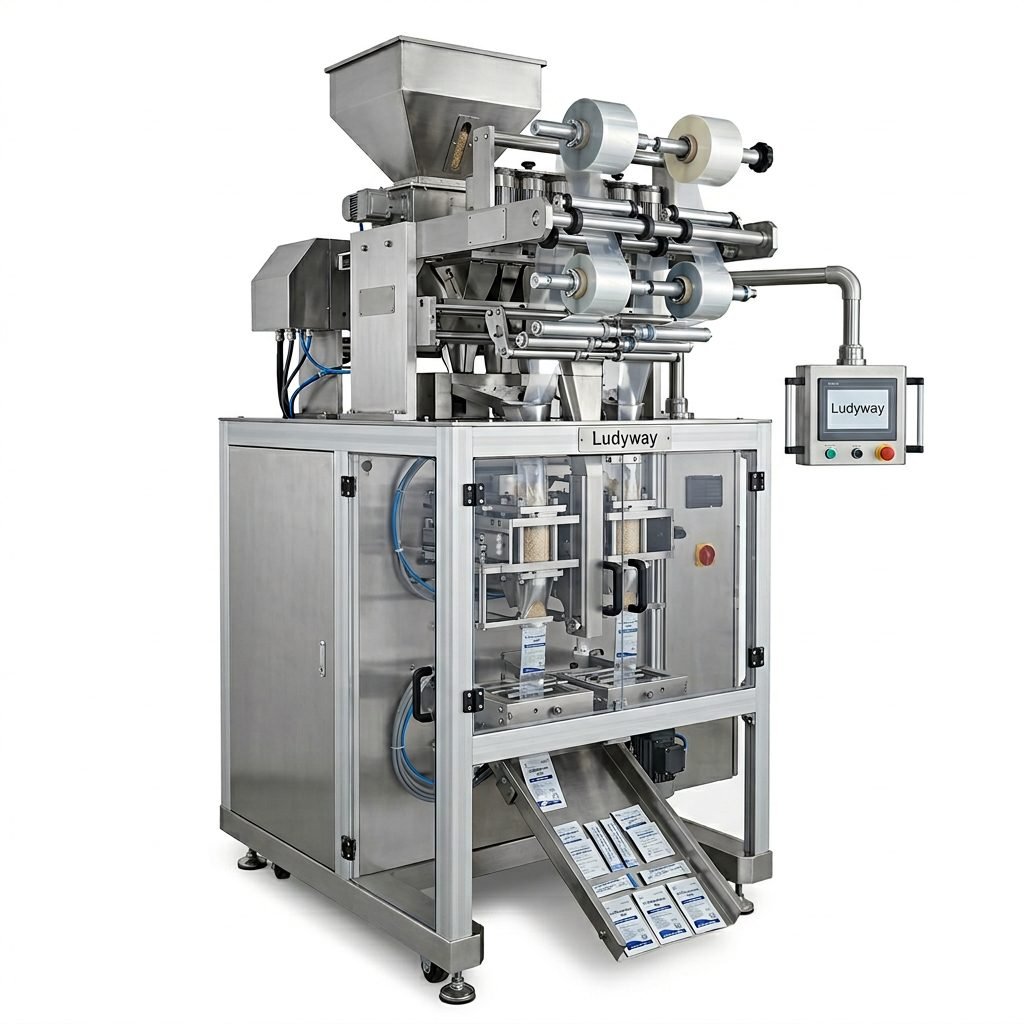
Proper maintenance of your Hualian vacuum packing machine is essential for ensuring consistent sealing quality, prolonging equipment lifespan, and minimizing production downtime. This comprehensive guide covers daily, weekly, and monthly maintenance procedures that every operator and maintenance technician should follow. Whether you are packaging granules, powders, or liquids, a well-maintained vacuum packing machine delivers superior results and protects product freshness across food, pharmaceutical, and industrial applications.

1. Daily Maintenance Checklist
Implementing a daily maintenance routine is the first line of defense against unexpected machine failures. Following a structured checklist ensures that minor issues are identified and resolved before they escalate into costly repairs. Consistency in daily care is the foundation of reliable vacuum packaging equipment performance.
- Inspect the sealing bar for residue buildup or damage before starting operations
- Clean the vacuum chamber thoroughly to remove product debris, dust, and moisture
- Check the vacuum pump oil level and top up if necessary using manufacturer-recommended oil
- Examine power cords and connections for any signs of wear or loose fittings
- Test emergency stop functions to verify safety mechanisms are fully operational
- Verify vacuum gauge readings to confirm the pump is reaching target pressure levels
- Inspect air filters and clean or replace them if clogged with particulate matter
2. Cleaning the Vacuum Chamber and Sealing Bar
Residue accumulation inside the vacuum chamber directly affects sealing performance. Food particles, powder dust, and liquid spills can compromise the integrity of the seal, leading to package leaks and product spoilage. A clean chamber allows the sealing bar to make uniform contact with the packaging film, resulting in airtight seals every cycle.
Use a soft, lint-free cloth dampened with a mild cleaning solution to wipe down all interior surfaces. Never use abrasive scrubbers or harsh chemicals that could scratch the chamber or corrode components. Pay special attention to the silicone sealing gasket, as any cuts or deformations will cause vacuum loss. Allow all surfaces to dry completely before closing the lid to prevent moisture from entering the vacuum pump. For machines handling industrial packaging applications, increase cleaning frequency to match production volume.

3. Inspection and Replacement of Wear Parts
Wear parts on a Hualian vacuum packing machine require regular inspection to maintain peak performance. The most critical components that need periodic evaluation include:
| Component | Inspection Interval | Replacement Indicator |
|---|---|---|
| Sealing Bar Teflon Tape | Daily | Visible wear, tears, or discoloration |
| Silicone Vacuum Gasket | Weekly | Cracks, hardening, or loss of elasticity |
| Vacuum Pump Oil | Weekly | Cloudy, darkened, or emulsified oil |
| Heating Element Wire | Monthly | Uneven heating or visible breaks |
| Air Filters | Monthly | Excessive dust accumulation or discoloration |
| Sealing Bar Pressure Springs | Quarterly | Loss of tension or uneven pressure distribution |
Keeping a detailed maintenance log helps track component lifespan and anticipate replacements before failures occur. Operators should be trained to recognize early warning signs such as unusual noises, inconsistent vacuum levels, or incomplete seals.
4. Vacuum Pump Maintenance
The vacuum pump is the heart of any vacuum packing machine. Neglecting pump maintenance leads to decreased performance, increased cycle times, and potential contamination of packaged products. A properly maintained vacuum pump operates efficiently and extends the overall service life of the equipment.
Oil Change Procedure
- Warm up the pump for 5-10 minutes to reduce oil viscosity before draining
- Turn off and unplug the machine, then remove the oil drain plug
- Collect used oil in an appropriate container for proper disposal
- Refill with high-quality vacuum pump oil specified by the Hualian manufacturer
- Check oil level through the sight glass and avoid overfilling
- Run the pump briefly and recheck the oil level after circulation
Pump Performance Monitoring
Monitor vacuum gauge readings at the start of each shift. A gradual increase in the time required to reach target vacuum levels often indicates the need for oil replacement or internal pump servicing. Listen for abnormal knocking or rattling sounds, which may signal worn vanes or bearing issues. Annual professional inspection of the pump internals is recommended for high-volume production environments.

5. Lubrication and Mechanical Care
Mechanical components such as hinges, lid cylinders, and moving linkages require regular lubrication to prevent wear and ensure smooth operation. Use food-grade lubricant for all parts that may come into contact with packaging materials or product areas. Apply lubricant sparingly to avoid attracting dust and debris. Key lubrication points include:
- Lid hinge pins and pivot points — lubricate monthly or as specified in the manual
- Gas springs or pneumatic cylinders — check for smooth movement and apply light lubrication
- Sealing bar guide rails — ensure clean, lubricated tracks for consistent bar alignment
- Conveyor belt bearings — applicable for automated vacuum packaging lines with belt systems
Excess grease or oil near sealing areas must be wiped away immediately to avoid contaminating packaging film. Regular lubrication reduces friction-related wear and contributes to quieter operation and lower energy consumption. This is particularly important for integrated packaging machinery systems where multiple components work in synchronization.
6. Troubleshooting Common Issues
Even with diligent maintenance, occasional operational issues may arise. Being prepared with rapid troubleshooting solutions minimizes production interruptions and reduces reliance on external service calls. Below are the most frequently encountered problems and their recommended solutions.
| Problem | Possible Cause | Solution |
|---|---|---|
| Weak or Incomplete Seal | Dirty sealing bar, worn Teflon tape, insufficient heat | Clean the sealing bar, replace Teflon tape, adjust temperature settings |
| Slow Vacuum Cycle | Low pump oil, clogged filters, gasket leaks | Replace oil, clean or replace filters, inspect gasket for damage |
| Machine Not Starting | Power supply issue, blown fuse, safety interlock engaged | Check power source, replace fuse, verify lid is fully closed |
| Excessive Noise | Worn pump vanes, loose components, dry bearings | Service pump, tighten all fasteners, lubricate moving parts |
| Oil Backflow | Overfilled oil, blocked exhaust filter | Drain excess oil to correct level, replace exhaust filter |
Document all troubleshooting actions and their outcomes. Patterns in recurring issues can help identify underlying problems that require more comprehensive servicing or component upgrades. For complex electrical or programming issues, always consult qualified technicians rather than attempting unauthorized repairs.
7. Quarterly and Annual Maintenance Schedule
Beyond daily and weekly care, a structured long-term maintenance program ensures that your Hualian vacuum packing machine remains in optimal condition throughout its operating life. Scheduled deeper inspections catch wear that routine checks might miss and allow for planned parts replacement during scheduled downtime.
Quarterly Tasks
- Inspect all electrical connections and tighten any loose terminals
- Calibrate temperature controllers and verify sealing temperature accuracy
- Replace air filters and clean ventilation grilles thoroughly
- Test vacuum pump ultimate pressure with a calibrated gauge
- Examine all hoses and tubing for cracks, stiffness, or loose clamps
- Apply food-grade lubricant to all designated mechanical points
Annual Tasks
- Complete vacuum pump overhaul or professional service inspection
- Replace all Teflon tape, gaskets, and sealing bar heating elements
- Full electrical system safety check and grounding verification
- Software and control system update if applicable
- Comprehensive operational testing across all machine functions
- Review and update maintenance documentation and operator training records

8. Importance of Using Genuine Spare Parts
Using authentic Hualian replacement parts is critical for maintaining machine performance and safety standards. Counterfeit or incompatible components may fit physically but often lead to premature wear, inconsistent sealing quality, and potential safety hazards. Genuine parts are manufactured to precise specifications, ensuring proper fitment and reliable operation. Key benefits of using original spare parts include guaranteed material quality, compatibility with existing systems, and continued warranty coverage. When sourcing replacement parts, always reference the machine’s model number and serial number to ensure correct ordering. Working with established packaging equipment suppliers simplifies the procurement of certified components.
9. Professional Service and Support
While routine maintenance can be performed by trained in-house personnel, periodic professional servicing is invaluable for identifying hidden issues and optimizing machine performance. Experts possess specialized diagnostic tools and extensive experience with vacuum packing systems across diverse industries. Ludyway is one of the largest packaging machine manufacturers in China, specializing in advanced packaging equipment and turnkey production solutions with over 30 years of industry expertise. Their engineering team provides comprehensive technical support, including on-site servicing, remote diagnostics, and operator training programs designed to maximize equipment uptime and operational efficiency.
Scheduling professional maintenance at least once per year helps maintain warranty compliance, ensures calibrated performance, and extends the total service life of your investment. Many manufacturers also offer service contracts that include priority support, discounted spare parts, and regular preventive maintenance visits. For international customers, remote diagnostic capabilities allow technical experts to troubleshoot issues and guide on-site personnel through complex repairs without the delays of international travel. Learn more about packaging machinery standards and best practices at industry-leading resources and through the PMMI business intelligence library.
10. Maintenance Record Keeping
Accurate record keeping is a critical but often overlooked aspect of equipment maintenance. Detailed logs provide valuable data for predicting component life, planning budget allocations, and demonstrating compliance with quality certifications such as ISO and GMP. A comprehensive maintenance log should include:
- Date and time of each maintenance activity performed
- Technician name and qualifications for the task
- Parts replaced with part numbers and supplier information
- Observations and measurements such as vacuum levels and seal quality tests
- Remaining oil or consumable levels after servicing
- Follow-up actions required or scheduled for future dates
Digital maintenance management systems simplify record keeping and provide automated reminders for scheduled tasks. Consistent documentation also supports faster troubleshooting when issues arise, as historical data reveals patterns and recurring problems. For manufacturers subject to third-party audits, well-maintained records demonstrate a commitment to quality assurance and equipment reliability. Explore regulatory requirements and guidance through FDA food packaging resources and ISO packaging standards.