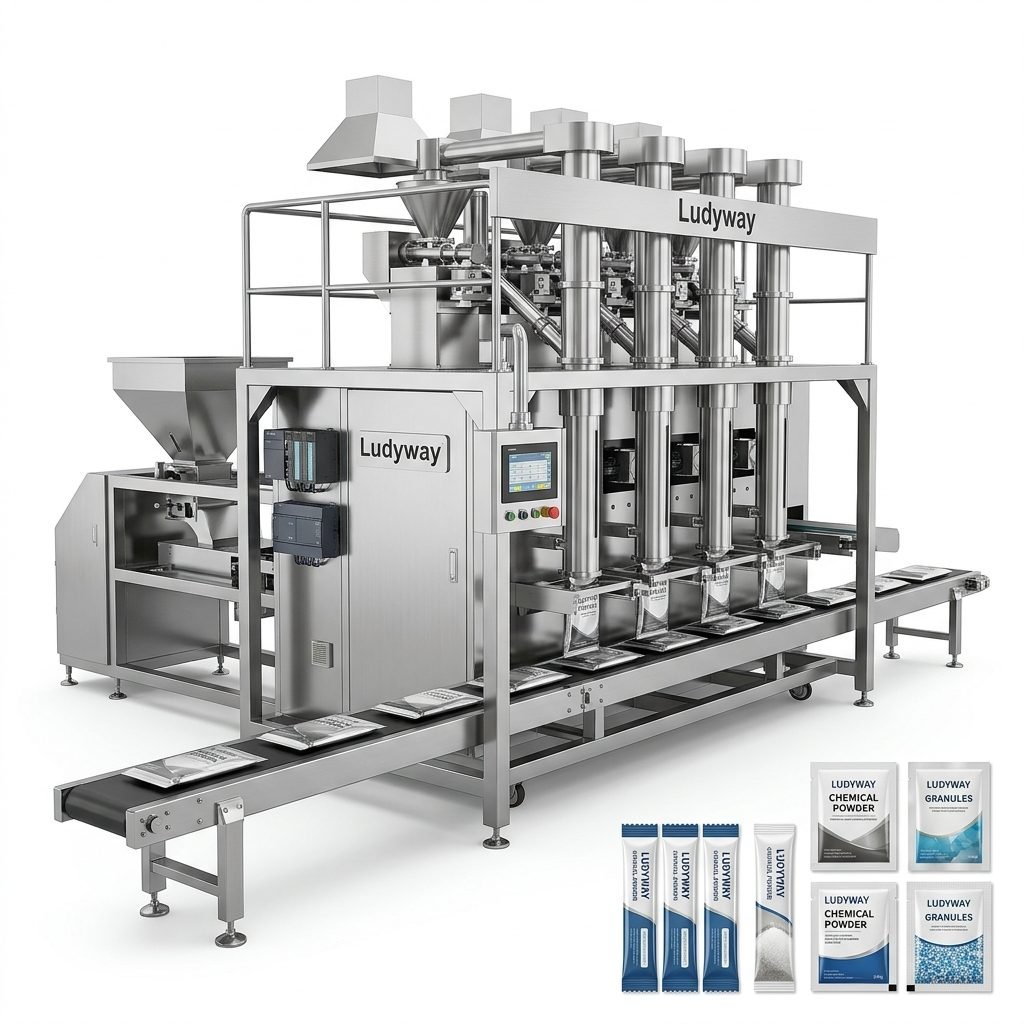
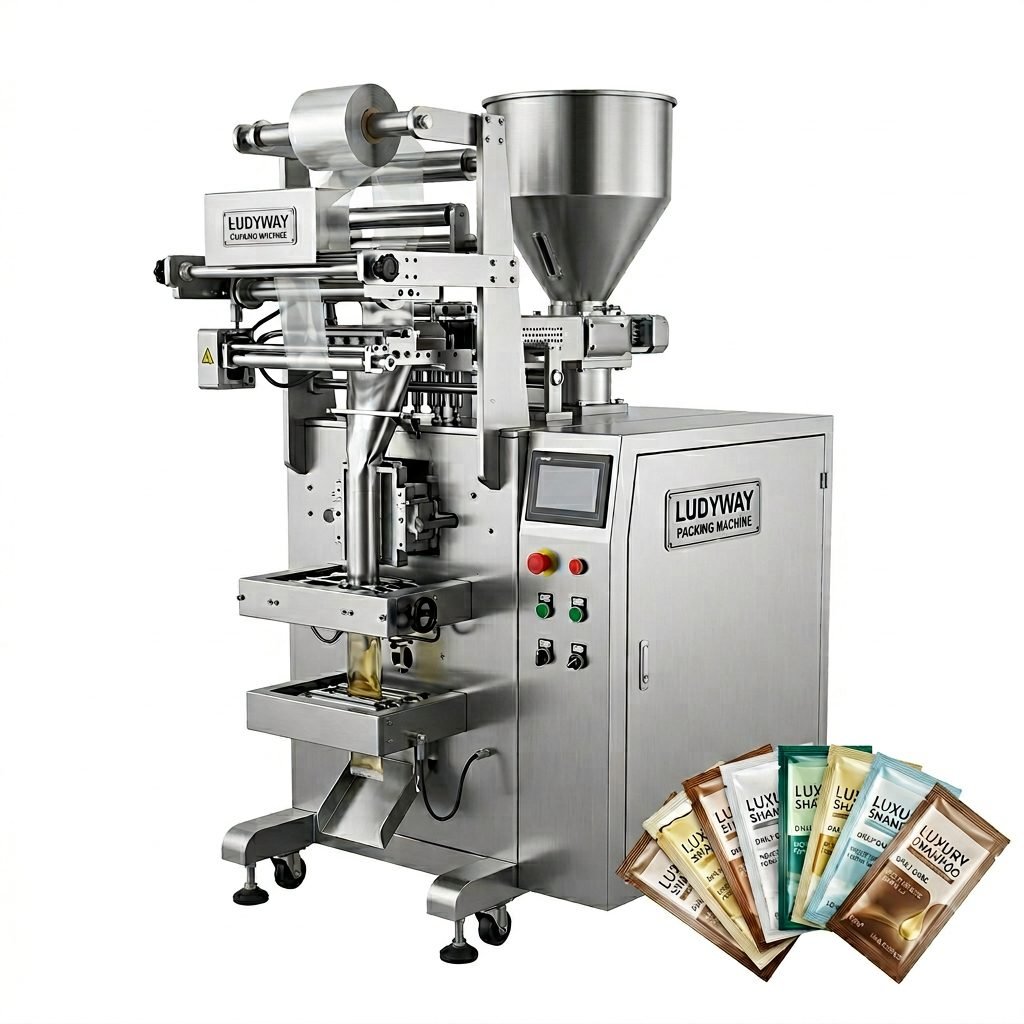
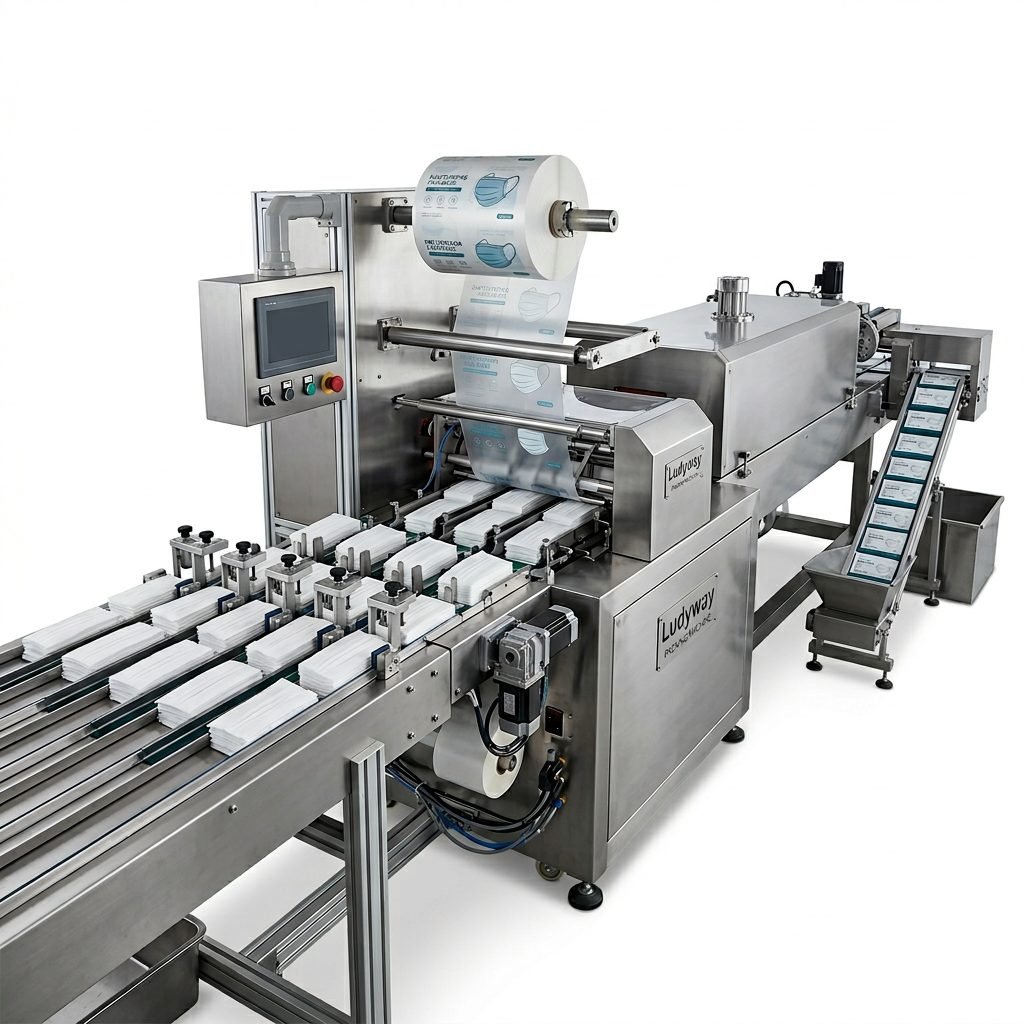
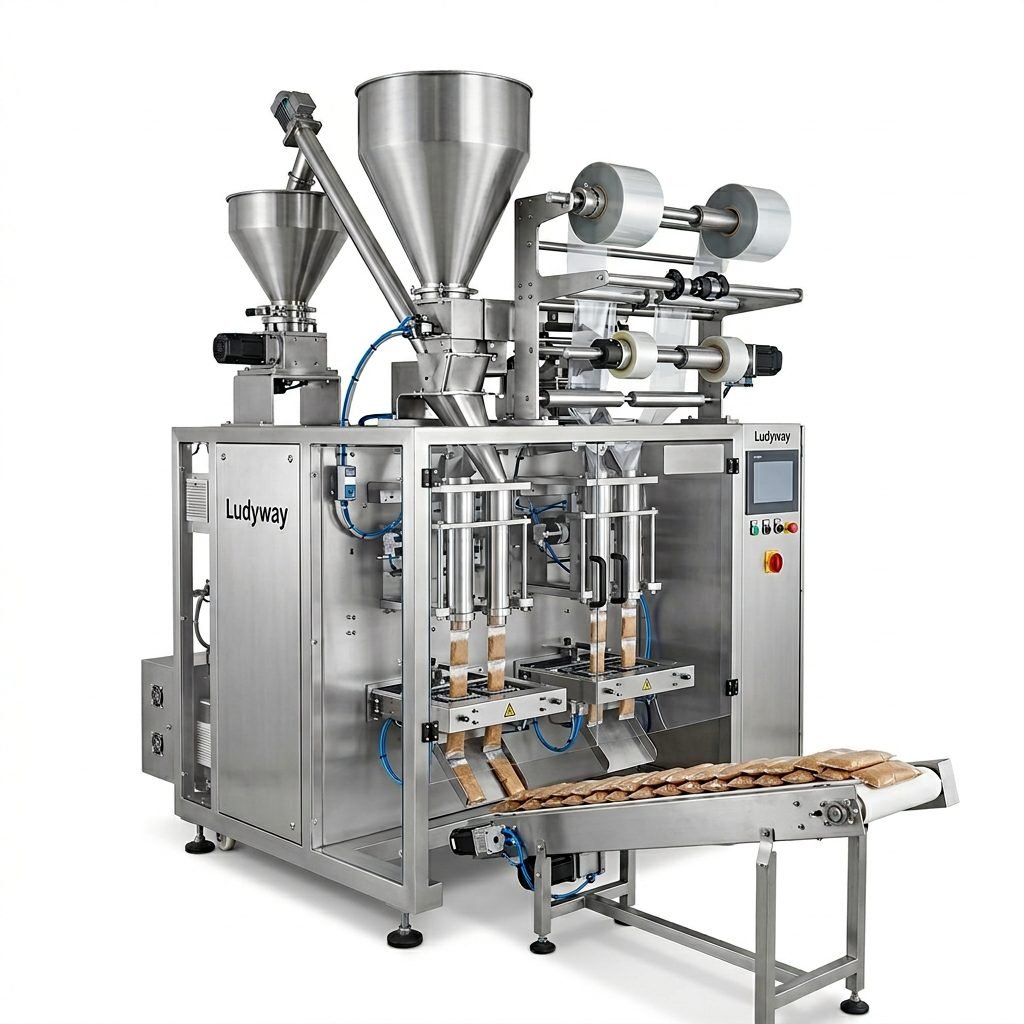
Investing in a food packaging machine is a critical decision for manufacturers in Angola. The right equipment can significantly improve your production efficiency, reduce labor costs, and ensure your products reach the market in optimal condition. With Angola’s food processing sector experiencing steady growth — driven by increasing domestic demand and government-led economic diversification efforts — selecting the right packaging machinery has never been more important. This comprehensive guide will walk you through the key factors to consider when choosing the best packaging solution for your specific products.

Understanding Your Product Characteristics
Before evaluating any packaging machine, you must thoroughly analyze your product’s physical properties. The type of product you manufacture — whether it is a granule, powder, liquid, or solid — will largely determine the kind of filling and sealing system you need. Each product form requires a specific feeding mechanism, dosing system, and packaging approach to ensure accuracy and minimize waste.
Granule Products
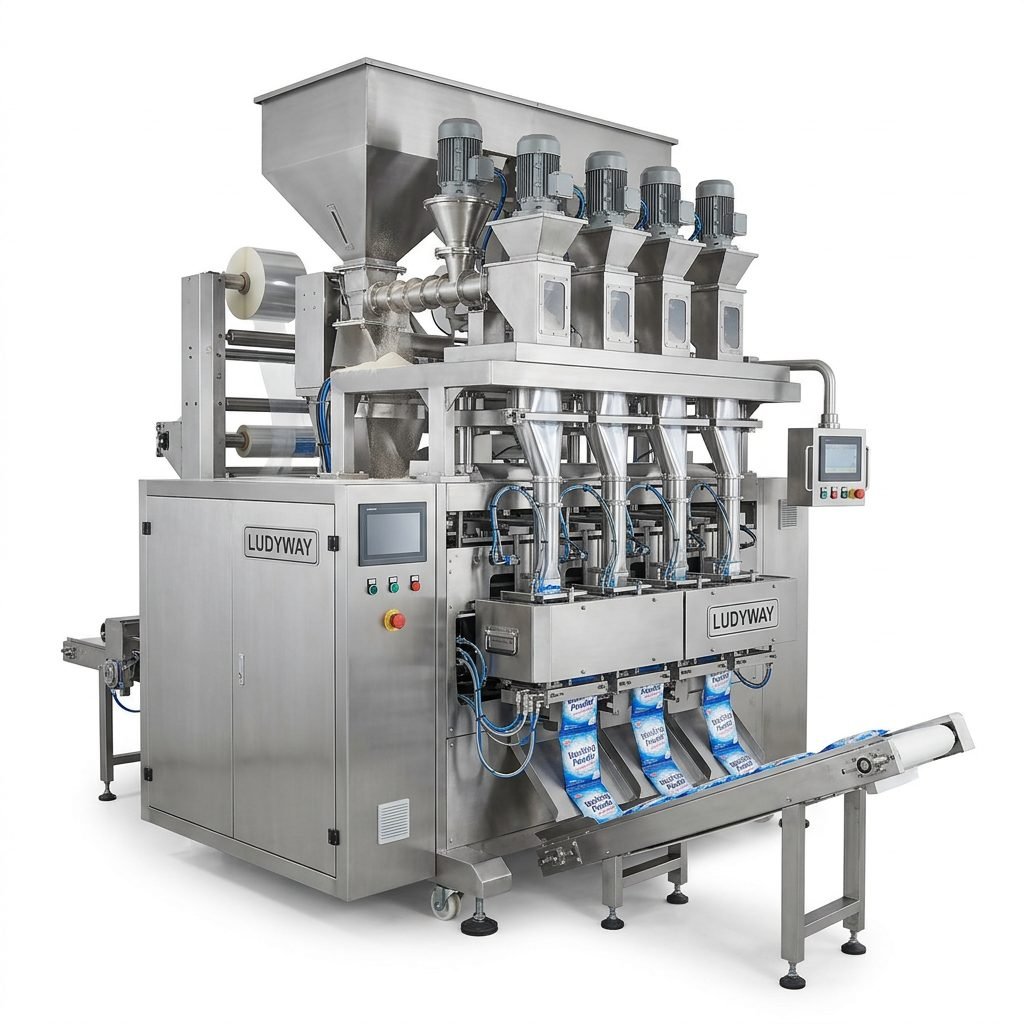
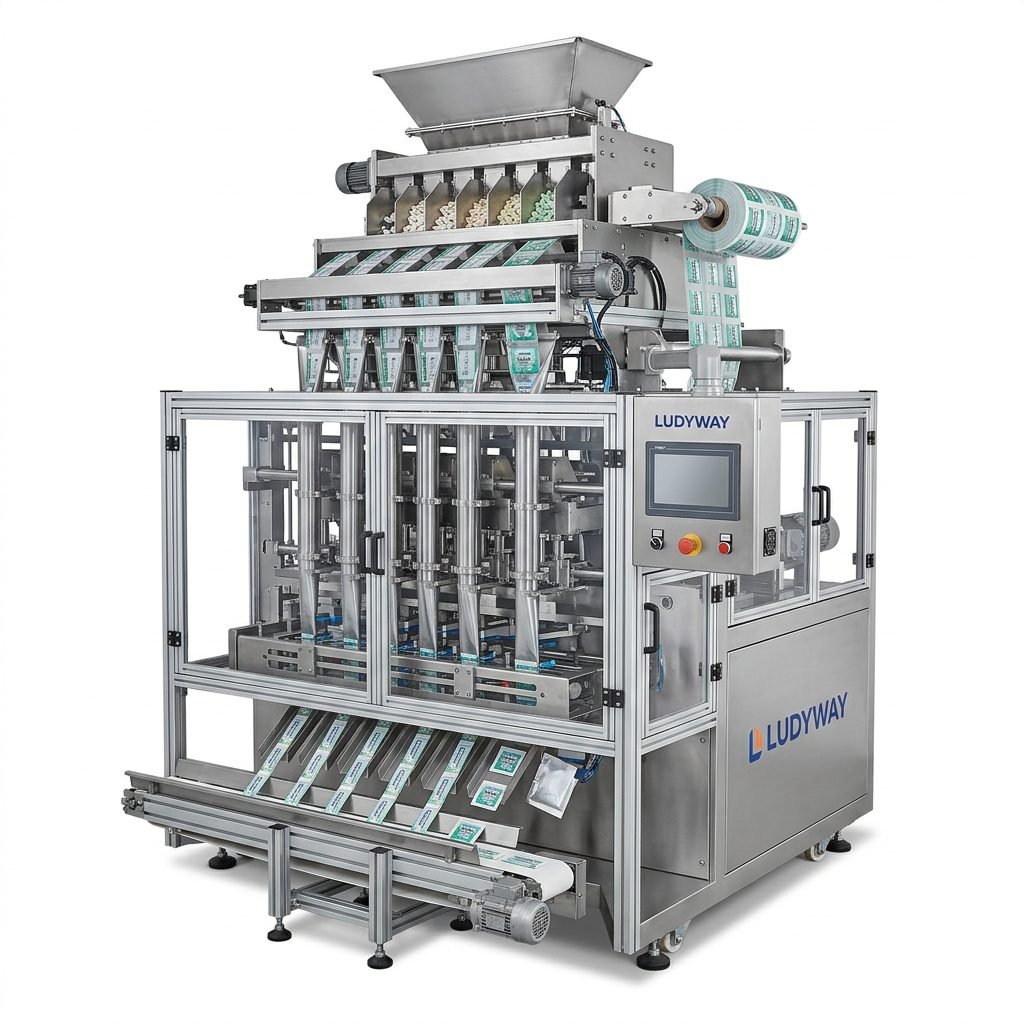
Granule products such as sugar, rice, coffee beans, dried grains, and seasoning blends are among the most commonly packaged foods in Angola. These free-flowing materials require volumetric or multi-head weigher filling systems for precise portioning. The particle size, density, and flowability of your granules will directly impact the choice of packaging equipment design.
Powder Products
Powdered foods — including flour, milk powder, spice mixes, protein supplements, and instant beverage powders — present unique challenges due to issues like dust generation, product bridging in hoppers, and the need for airtight sealing. A vertical form-fill-seal (VFFS) machine with auger filling is typically recommended for powder applications. Dust extraction systems and humidity control may also be necessary for Angolan production environments.
Liquid and Paste Products
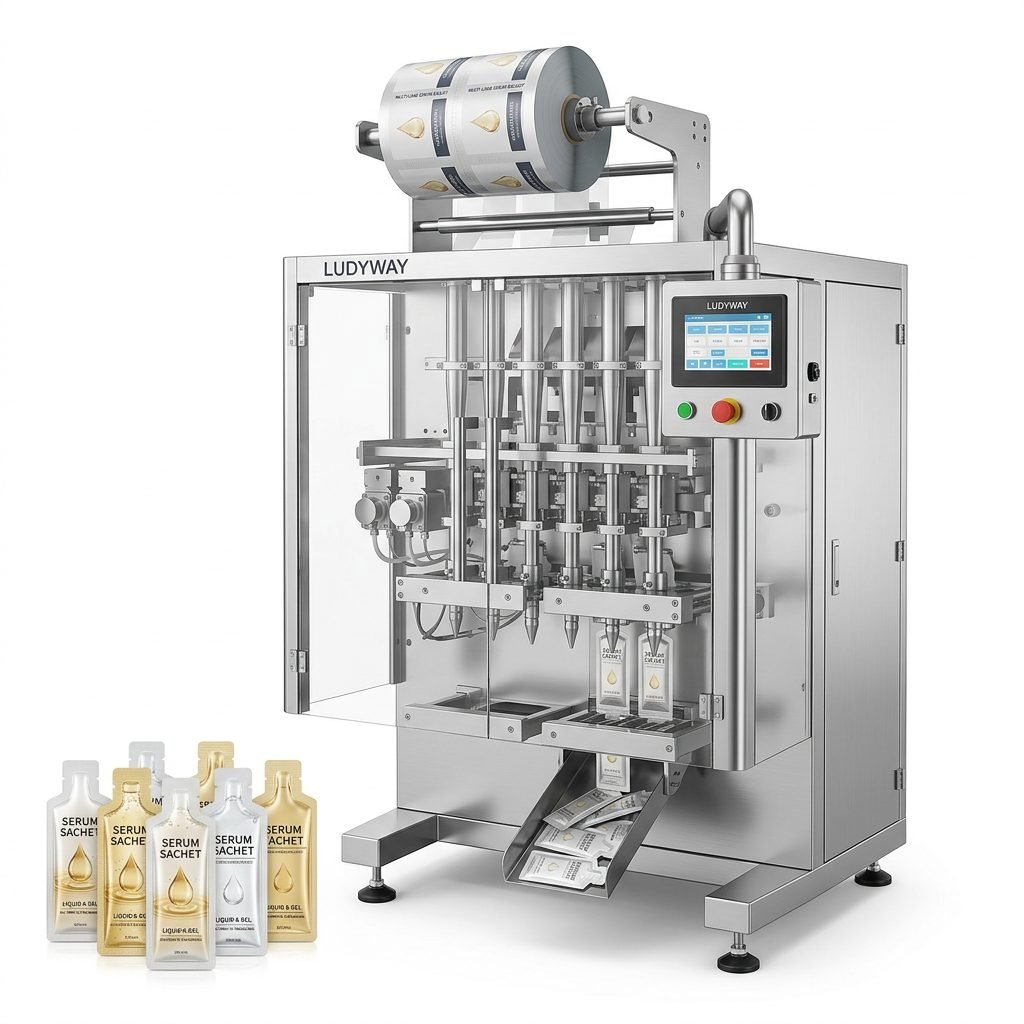
For cooking oils, sauces, honey, dairy products, and beverage concentrates, liquid filling systems with piston pumps or peristaltic pumps are essential. The viscosity of your liquid — whether thin like water or thick like paste — determines the type of filling nozzle and pump technology required. In Angola’s warm climate, temperature control during liquid filling may also be a factor to consider.
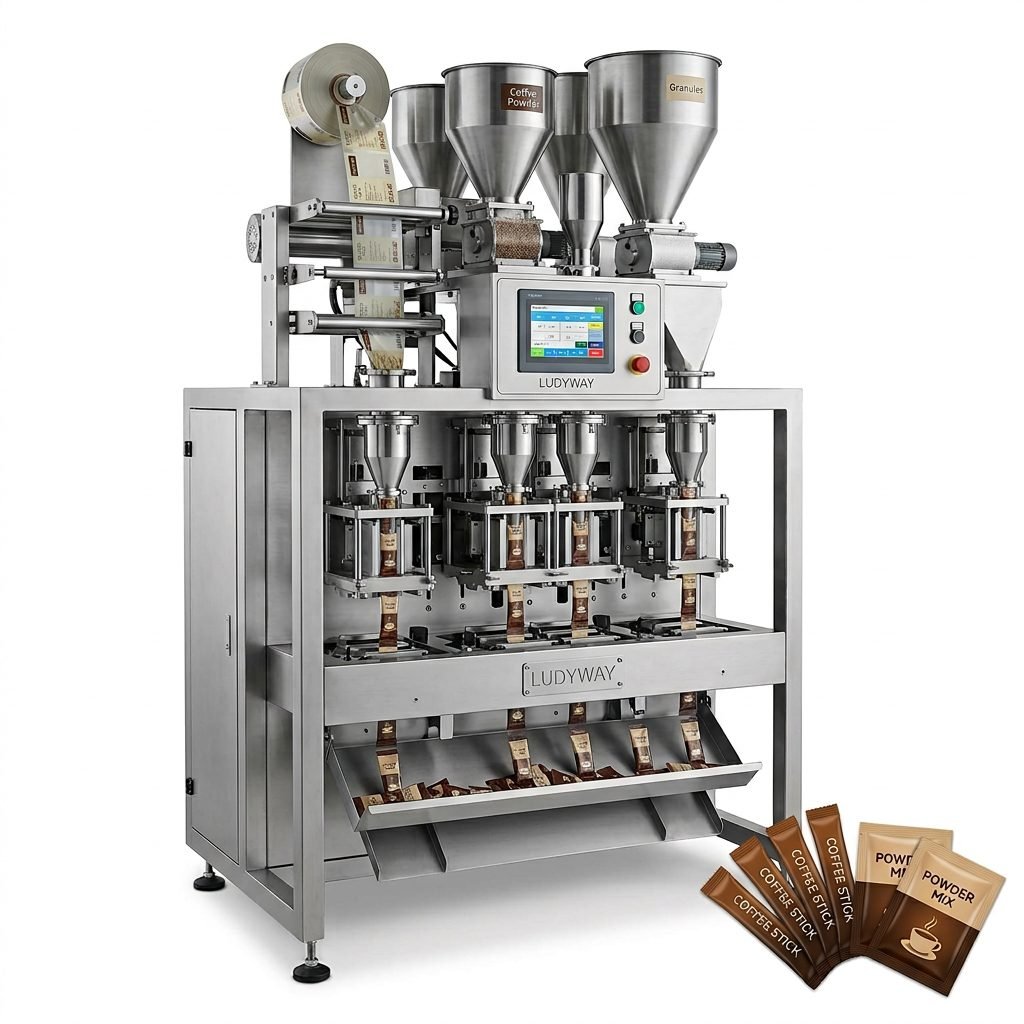
Matching Packaging Formats to Market Needs in Angola
The Angolan market features a diverse range of retail channels — from modern supermarkets in Luanda to traditional open-air markets and small neighborhood shops across provinces. Your packaging format must align with both consumer preferences and distribution realities. Consider the following popular formats:
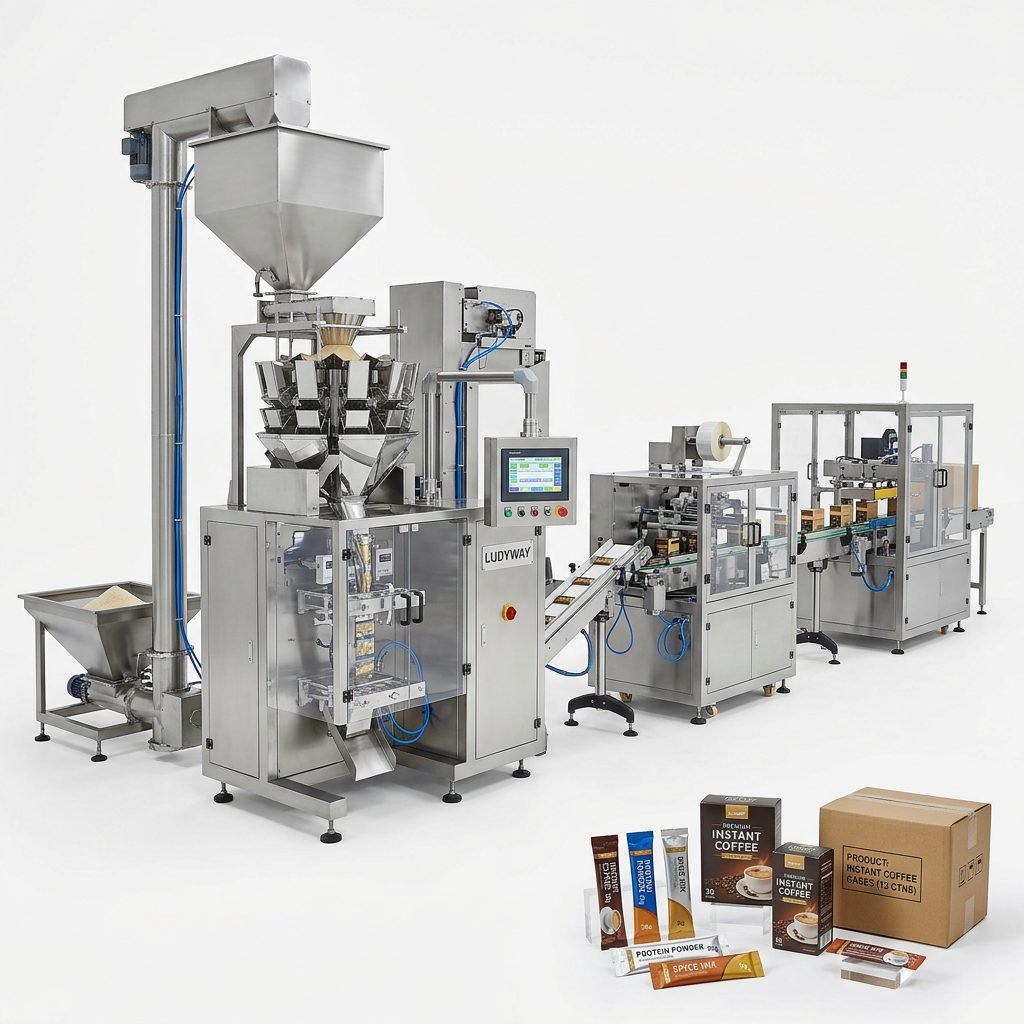
- Sachets and Stick Packs: Highly popular for single-serve portions of sugar, salt, instant coffee, and seasonings. These formats offer affordability for consumers and excellent product protection.
- Pillow Pouches: Ideal for snacks, dried fruits, pasta, and rice in Angola’s retail sector. They provide good shelf presence at competitive costs.
- Stand-Up Pouches: Increasingly popular for premium products such as specialty coffees, powdered milk, and health supplements. These offer excellent branding space and resealable options.
- Bulk Bags: For wholesale distribution of flour, sugar, grains, and animal feed — commonly used in Angola’s B2B food supply chain.
Production Capacity and Automation Levels
Your projected production volume is one of the most critical factors in machine selection. Packaging machines range from semi-automatic units suitable for small-scale operations to fully automated, high-speed multi-lane systems capable of producing thousands of packs per hour. Making the right choice depends on your current output and future growth plans in the Angolan market.
Speed Considerations for Angolan Manufacturers
For small to medium-sized food businesses in Angola, a machine producing 30-60 packs per minute may be sufficient. However, larger manufacturers supplying national supermarket chains or export markets may require multi-lane stick pack machines that can deliver 200-600 packs per minute. It is advisable to select a machine that operates comfortably at 70-80% of its maximum rated speed to ensure reliability and consistent seal quality over extended production runs.
| Automation Level | Typical Output | Best Suited For | Investment Range |
|---|---|---|---|
| Semi-Automatic | 15-30 packs/min | Startups, niche products, contract packers | Lower initial investment |
| Automatic Single-Lane | 40-80 packs/min | SMEs, growing brands, regional distribution | Mid-range investment |
| Multi-Lane High-Speed | 200-600+ packs/min | Large manufacturers, national brands, export | Higher capital expenditure |
| Turnkey Packaging Line | Fully integrated system | Full-scale industrial operations | Comprehensive investment |
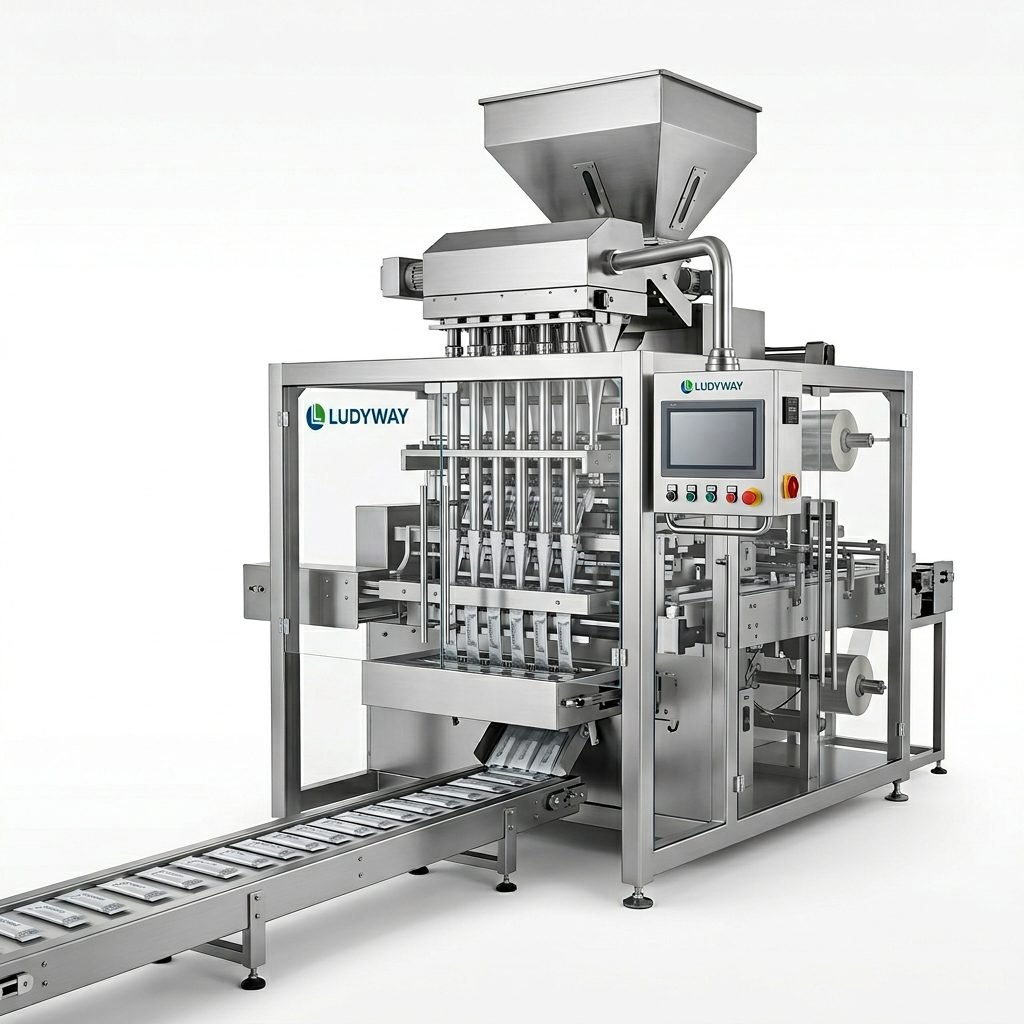
Key Technical Specifications to Evaluate
When comparing different food packaging machines for your Angolan production facility, pay close attention to the following technical parameters. These specifications directly affect product quality, operational efficiency, and long-term reliability under local conditions.
Machine Construction and Durability
Given Angola’s tropical climate with high humidity in coastal regions like Luanda and Benguela, the machine’s construction materials are critically important. Prioritize stainless steel (SS304 or SS316) for all product contact parts to prevent corrosion and ensure food safety compliance. The machine frame should also be constructed from corrosion-resistant materials to withstand the local environment over years of operation.
Sealing Technology
The quality of the sealing system determines your product’s shelf life and protection against moisture, which is especially relevant in Angola’s humid climate. Look for machines with precise temperature control, adjustable sealing pressure, and consistent dwell time. For products requiring extended shelf life, consider machines equipped with nitrogen flushing or vacuum sealing capabilities to preserve product freshness.
Budget Planning and ROI Analysis
While the initial purchase price is important, a comprehensive total cost of ownership (TCO) analysis provides a more accurate picture of your investment. Consider not only the machine price but also shipping to Angola, import duties, installation, operator training, spare parts inventory, and ongoing maintenance costs. The Flexible Packaging Association provides useful industry benchmarks for packaging cost analysis.
Total Cost of Ownership Factors
- Purchase Price: The upfront equipment cost including any customization for your product specifications.
- Shipping and Logistics: Freight costs to Angolan ports (Luanda, Lobito, Namibe) and inland transportation.
- Import Duties and Taxes: Angola’s customs regulations and applicable tariff rates for industrial machinery.
- Installation and Commissioning: On-site setup, calibration, and initial production trial support.
- Operator Training: Comprehensive training for your production team to ensure safe and efficient operation.
- Spare Parts: Recommended inventory of wear components and critical spare parts available locally or through express shipping.
- Energy Consumption: Electricity costs in Angola and the machine’s power efficiency rating.
Local Considerations for Angola
Operating a packaging machine in Angola requires attention to several location-specific factors. The country’s power supply can be unstable in certain regions, making it wise to invest in machines with built-in voltage stabilizers or to pair your equipment with a backup generator. Additionally, the availability of technical expertise locally should influence your decision — machines with intuitive touch-screen interfaces, multilingual operator panels, and remote diagnostic capabilities can reduce your dependence on specialized local technicians.
Angola’s food safety regulations are increasingly aligned with international standards as the country modernizes its food industry. Ensure your chosen packaging machine complies with relevant food contact and packaging regulations to avoid compliance issues as the local regulatory framework evolves.

After-Sales Support and Maintenance
The relationship with your packaging machine supplier does not end at delivery. For Angolan manufacturers, strong after-sales support is essential to minimize production downtime. Before finalizing your purchase, clarify the following points with potential suppliers:
- Warranty Coverage: Duration, scope of coverage, and any exclusions that may apply.
- Technical Support: Availability of remote support via video call, phone, or online diagnostic tools.
- Spare Parts Supply: Lead times for critical parts, availability of express shipping to Angola, and recommended spare parts lists.
- Local Service Presence: Whether the supplier has service partners or representatives in Angola or neighboring countries.
- Training Resources: Availability of operation manuals, video tutorials, and on-site training programs.
Compliance with International Standards
As Angola’s food industry becomes more integrated with global markets, adherence to international packaging standards is increasingly important. Look for machines that comply with CE certification, ISO 9001 quality management standards, and GMP (Good Manufacturing Practice) requirements. For products destined for export from Angola to regional African markets or beyond, compliance with these standards can facilitate market access. The ISO packaging standards provide comprehensive guidance on international requirements.
How to Select the Right Supplier
Choosing a packaging machine manufacturer is as important as choosing the machine itself. Evaluate potential suppliers based on their industry experience, manufacturing capabilities, client references, and commitment to innovation. A supplier with a proven track record in African markets will better understand the logistical, climatic, and operational challenges specific to Angola. When assessing suppliers, consider visiting their manufacturing facilities, reviewing case studies from similar food businesses, and requesting references from existing customers in Africa.
Companies like Ludyway — with over 30 years of industry experience and a modern 20,000㎡ manufacturing facility — demonstrate the kind of established expertise that food manufacturers in Angola should look for when making a long-term equipment investment. Reliable suppliers should offer comprehensive pre-sales consultation, custom engineering capabilities, and ongoing technical support tailored to your specific product requirements, whether you are packaging granules, powders, liquids, or pouch-based food products.
Conclusion
Selecting the best food packaging machine for your products in Angola requires careful evaluation of your product characteristics, production volume, packaging format preferences, budget constraints, and local operating conditions. By taking a systematic approach — analyzing your product’s physical properties, matching the right packaging format to market demands, verifying technical specifications, planning for total cost of ownership, and partnering with an experienced supplier — you can make an informed decision that supports your business growth. With the right equipment in place, Angolan food manufacturers can improve productivity, enhance product quality, and compete effectively in both domestic and regional markets across Africa.