Selecting the right food packaging machinery for the Middle East market requires a deep understanding of local climate conditions, product characteristics, and growing consumer demands. From instant coffee sticks to date powder sachets, the region presents unique opportunities for manufacturers who invest in the correct technology. This guide explores the most suitable machine types and essential features for success in this dynamic market.
Understanding the Middle East Food Packaging Landscape
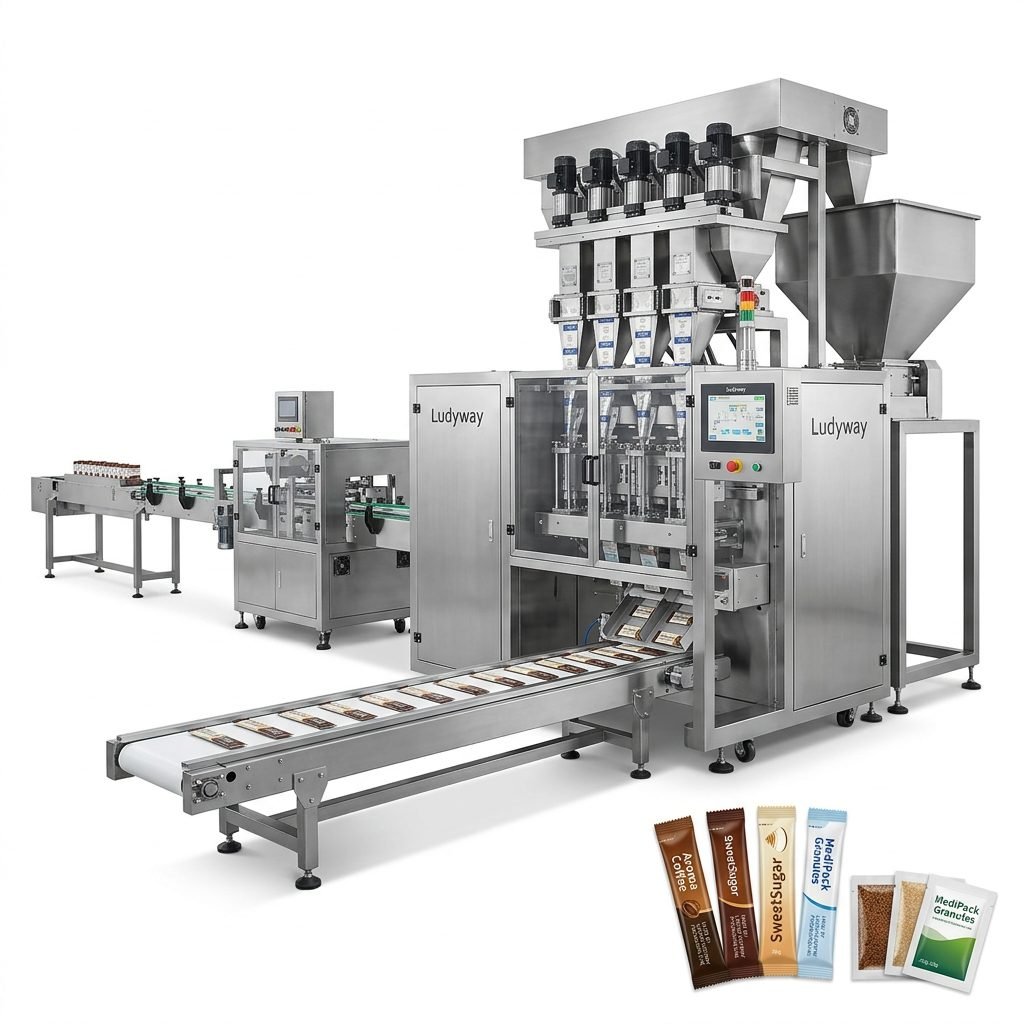
The food sector in the Gulf Cooperation Council (GCC) countries is projected to grow significantly, fueled by tourism, a young population, and a shift toward convenience foods. Products like powdered beverages, spices, and single-serve condiments dominate shelf space. However, the extreme heat and fine dust common in the region demand packaging solutions that prioritize hermetic sealing and robust material handling. Flexible packaging, particularly stick packs and sachets, has become the preferred format because it offers portion control, extended shelf life, and cost efficiency in logistics.
Key Machine Types Suited for Regional Products
For producers aiming to enter or expand in the Middle East, certain machine configurations deliver a clear competitive advantage. Below is a comparative overview of recommended equipment based on product format and production scale.
| Machine Type | Ideal Product Applications | Advantages for the Middle East |
|---|---|---|
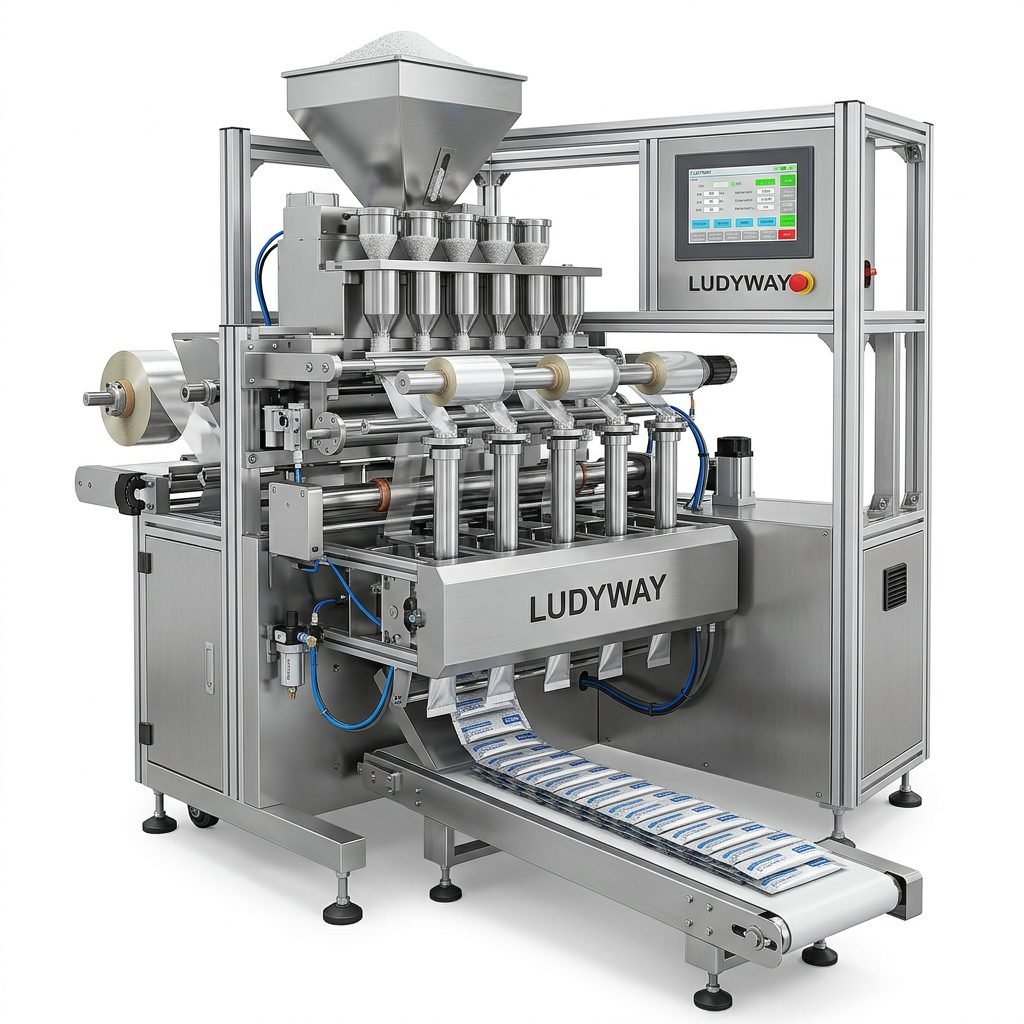
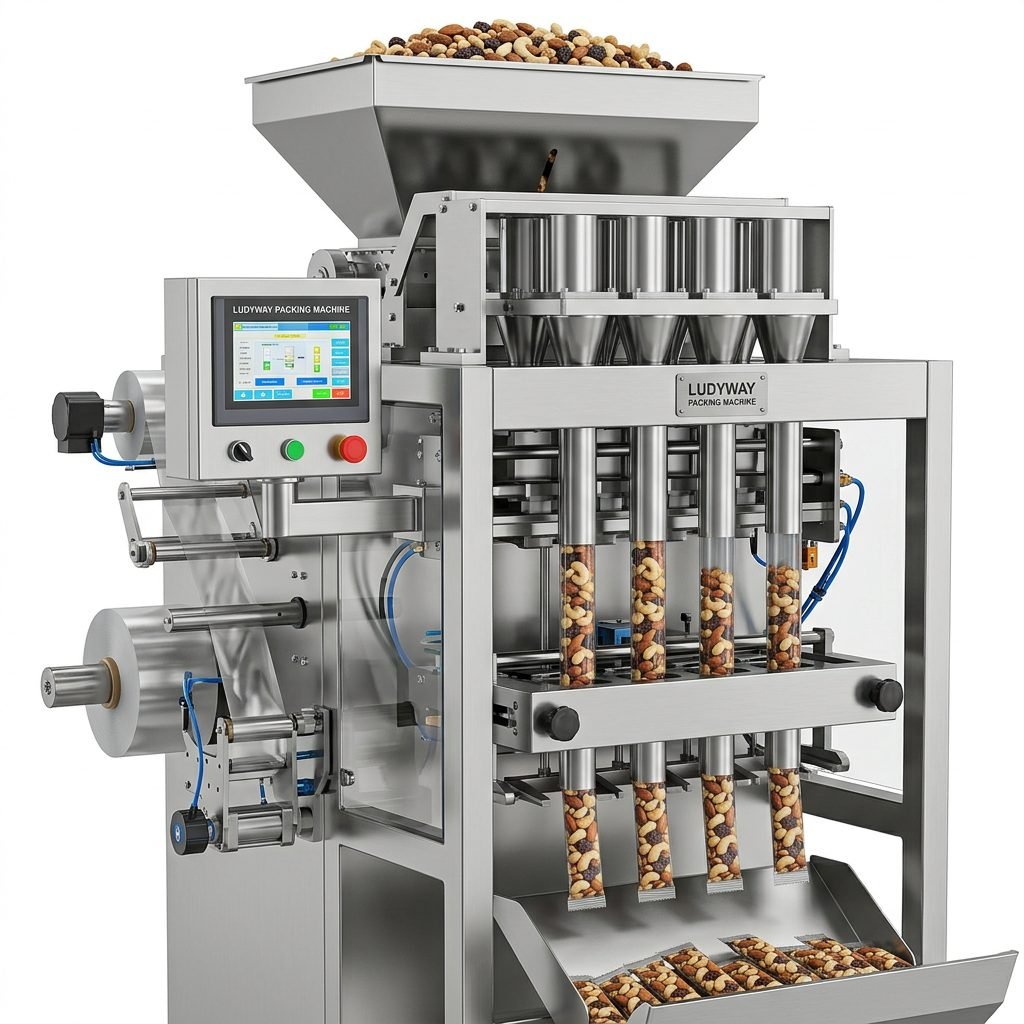
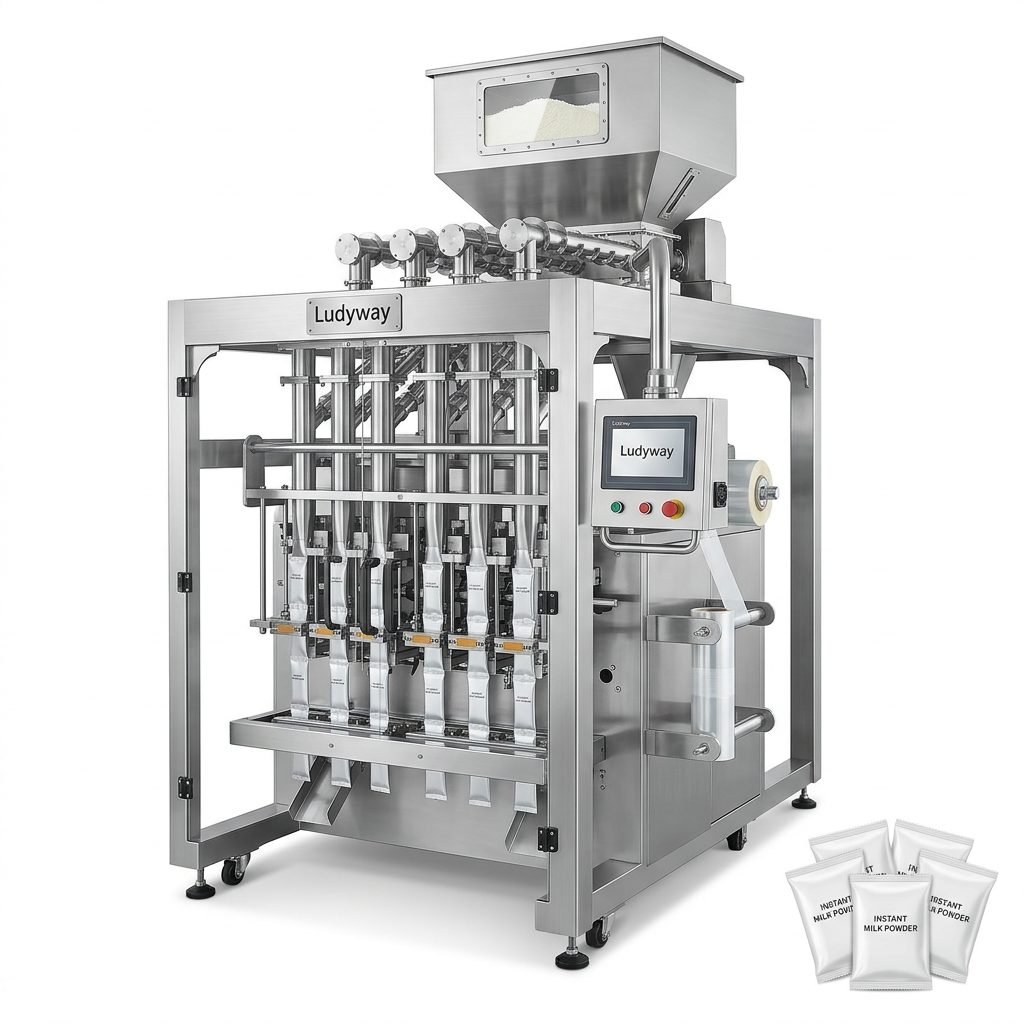
| Multi-Lane Stick Pack Machine | Instant coffee, milk powder, sugar, salt, beverage mixes | High output, nitrogen flushing capability, compact sachet format |
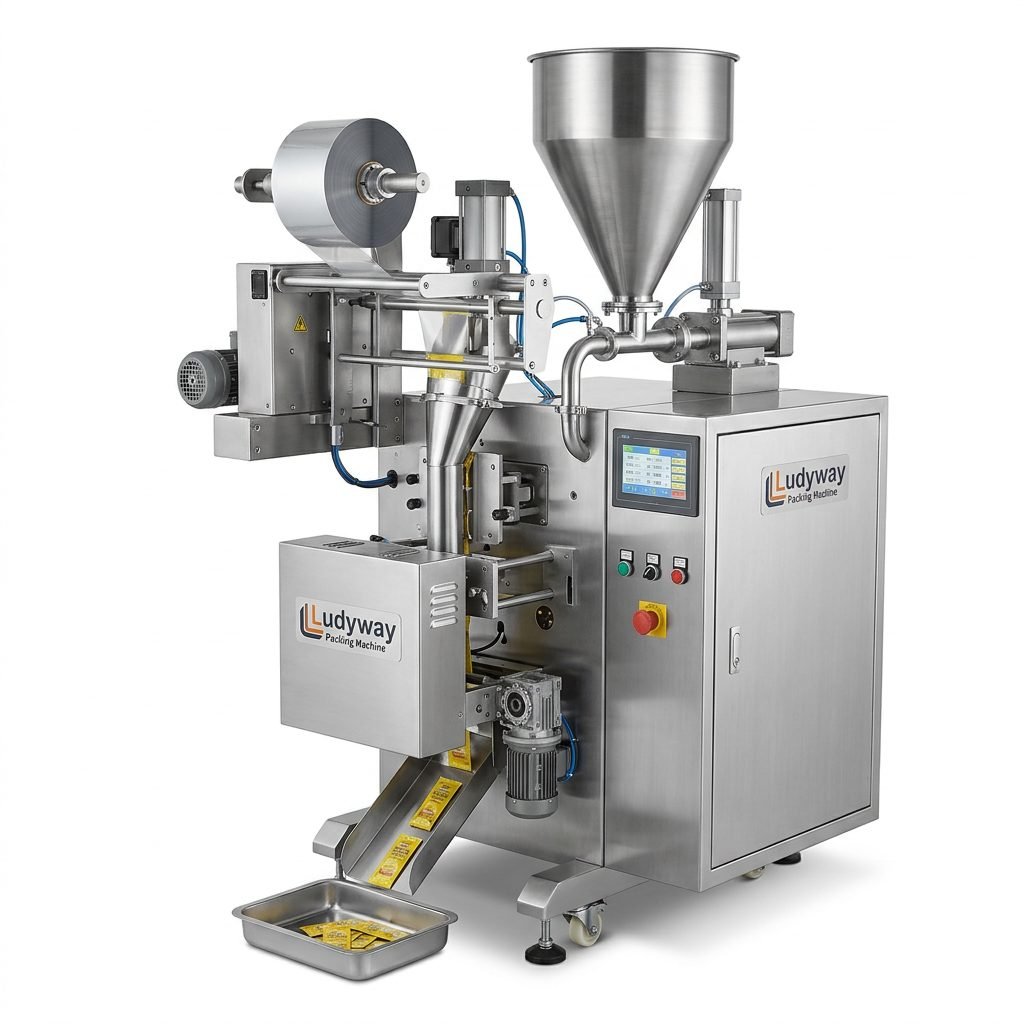
| Vertical Form Fill Seal (VFFS) for Sachets | Spices, ketchup, sauces, honey, liquid condiments | Versatile for granules, powders, and pastes; strong seal integrity |
| Premade Pouch Rotary Filler | Dates, nuts, dried fruits, frozen foods, pet food | Premium shelf appeal, zipper reseal options, durable pouch handling |
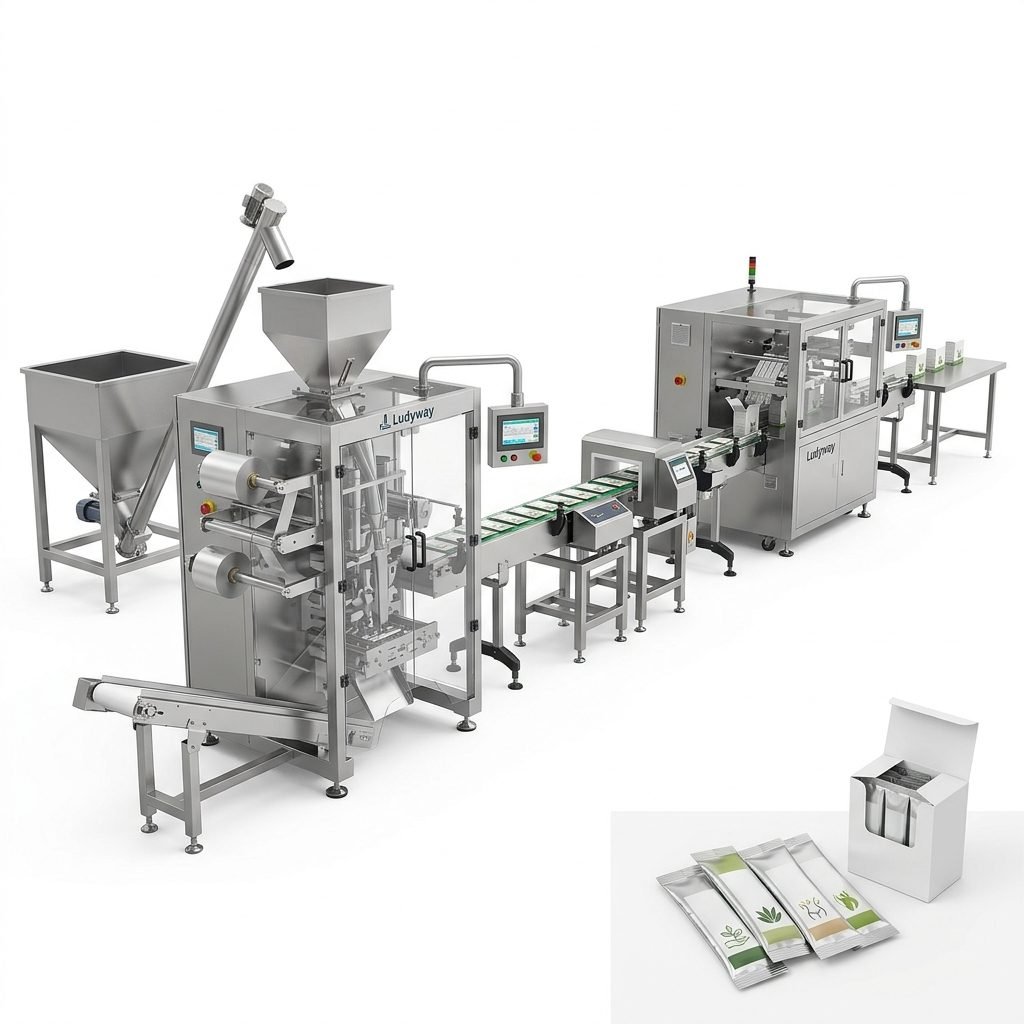
| Automatic Powder Filling Line | Milk powder, protein supplements, flour, bulk spices | Dust control systems, high precision weighing, humidity protection |
Critical Features for the Middle Eastern Climate
When evaluating a packaging machine manufacturer, it is essential to confirm that the equipment is equipped to handle regional environmental challenges. The following features are not merely optional—they directly impact uptime and product quality.
- High-Temperature Resistance: Electrical components and PLCs must be rated for ambient temperatures exceeding 45°C (113°F) without overheating.
- Enhanced Dust Protection: Sealed cabinets and IP65-rated enclosures prevent fine sand and powder dust from damaging sensitive sensors and motors.
- Nitrogen Flushing Systems: Crucial for extending the shelf life of fatty products like nuts and coffee by reducing residual oxygen below 1%.
- Quick Changeover Capabilities: Machines should allow tool-free format changes to switch between stick packs, sachets, and pouches without long downtime.
- Multi-Language HMI: Operator panels supporting Arabic and English simplify training and reduce operational errors on the factory floor.
Product-Specific Packaging Recommendations
Different food categories require tailored approaches to packaging. Here’s how to match machinery with the top-selling products in the Middle East.
Instant Coffee and Beverage Powders
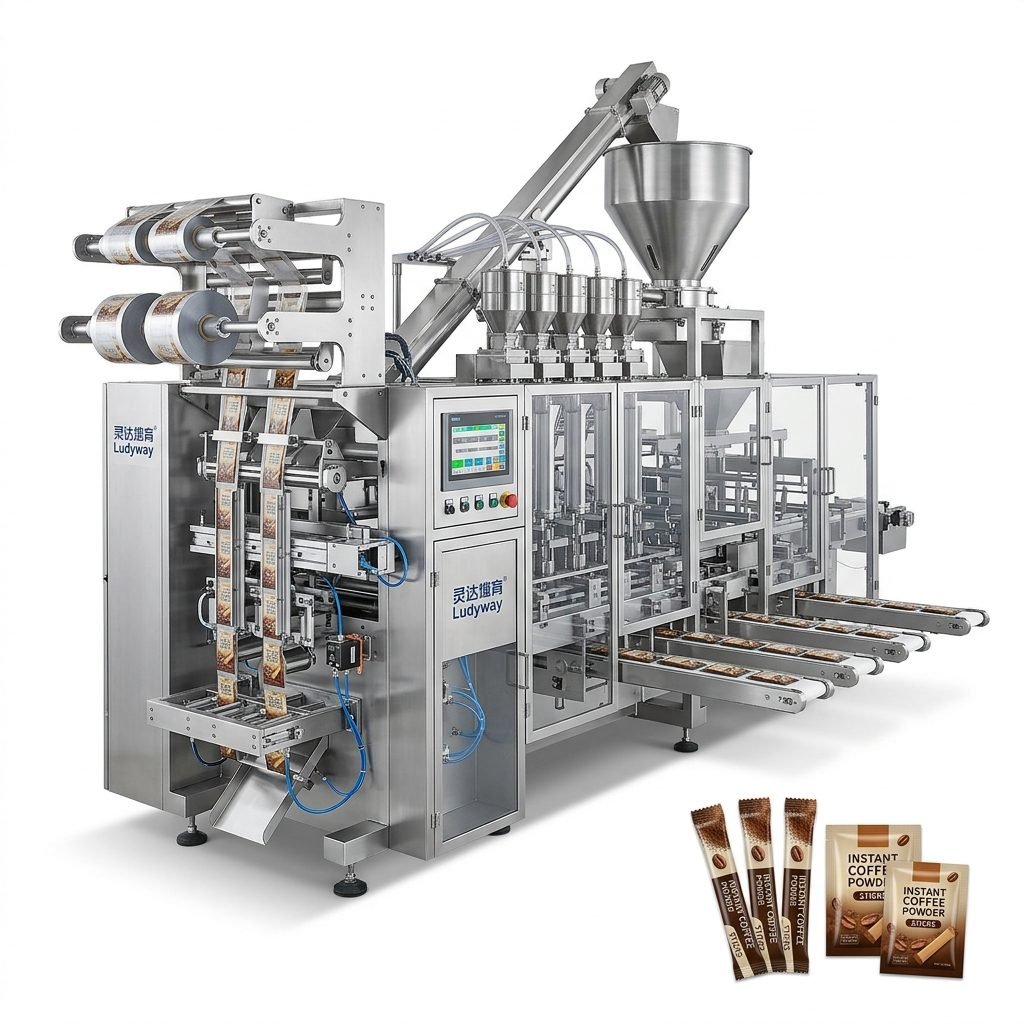
The Middle East has one of the highest per capita consumption rates of instant coffee in the world. Multi-lane stick pack machines with integrated auger fillers are the optimal solution here. These systems can produce 400 to 600 stick packs per minute per lane while ensuring precise dosing. Features like insulated film rollers and cooled sealing jaws maintain laminate integrity even during continuous operation in warm environments.
Dates and Dried Fruit Snacks
For premium date packaging, a premade pouch system with multi-head weigher is highly recommended. The gentle handling prevents product breakage, while the ability to use foil-laminated pouches with resealable zippers appeals to modern consumers seeking freshness. The machine should also support gas flushing to prevent oxidation of natural sugars.
Liquid Sauces and Condiments
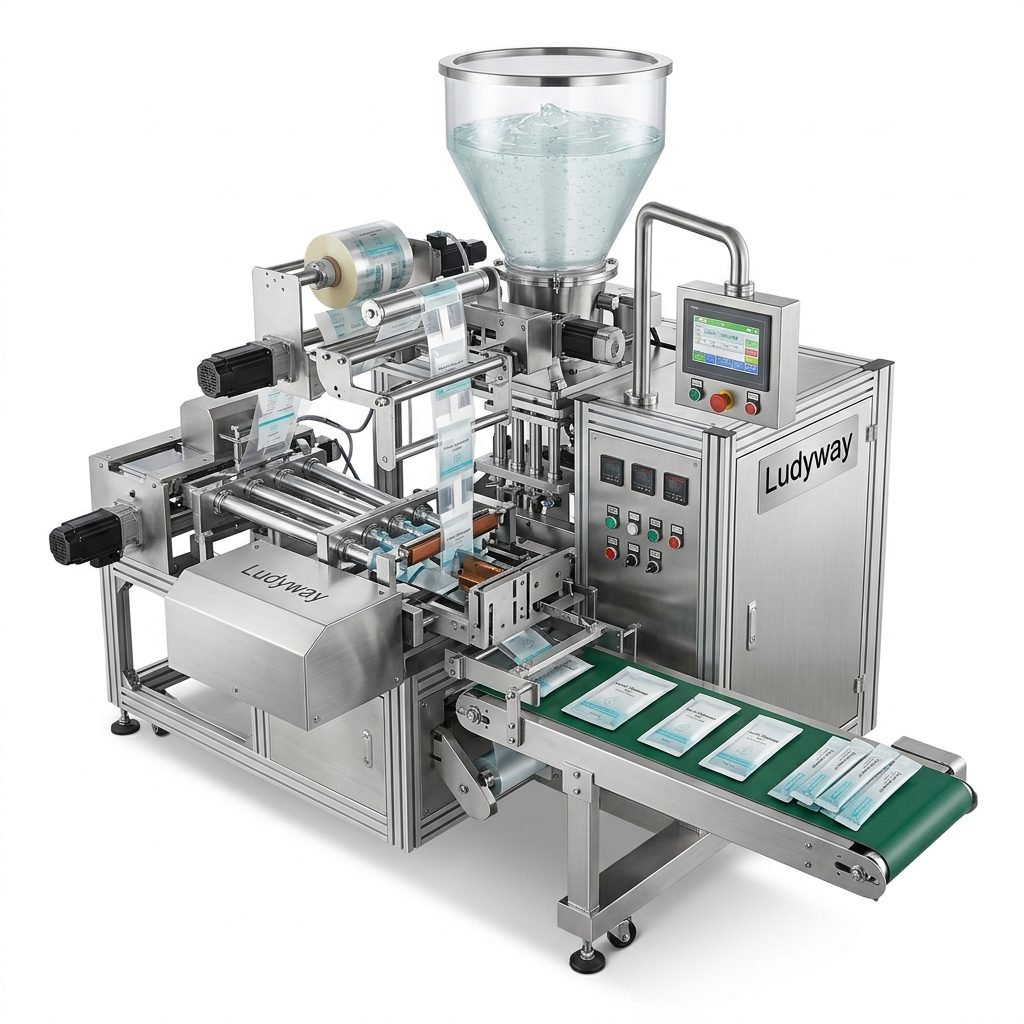
Ketchup sachets, hot sauce sticks, and mayonnaise pouches are ubiquitous in food service and retail. A high-speed liquid sachet machine with servo-driven pumps offers drip-free filling and strong cross-seals that resist bursting during transport. Look for models with pre-heating stations that ensure reliable sealing even if the packaging film is slightly cool from overnight storage.

Automation and Integration Capabilities
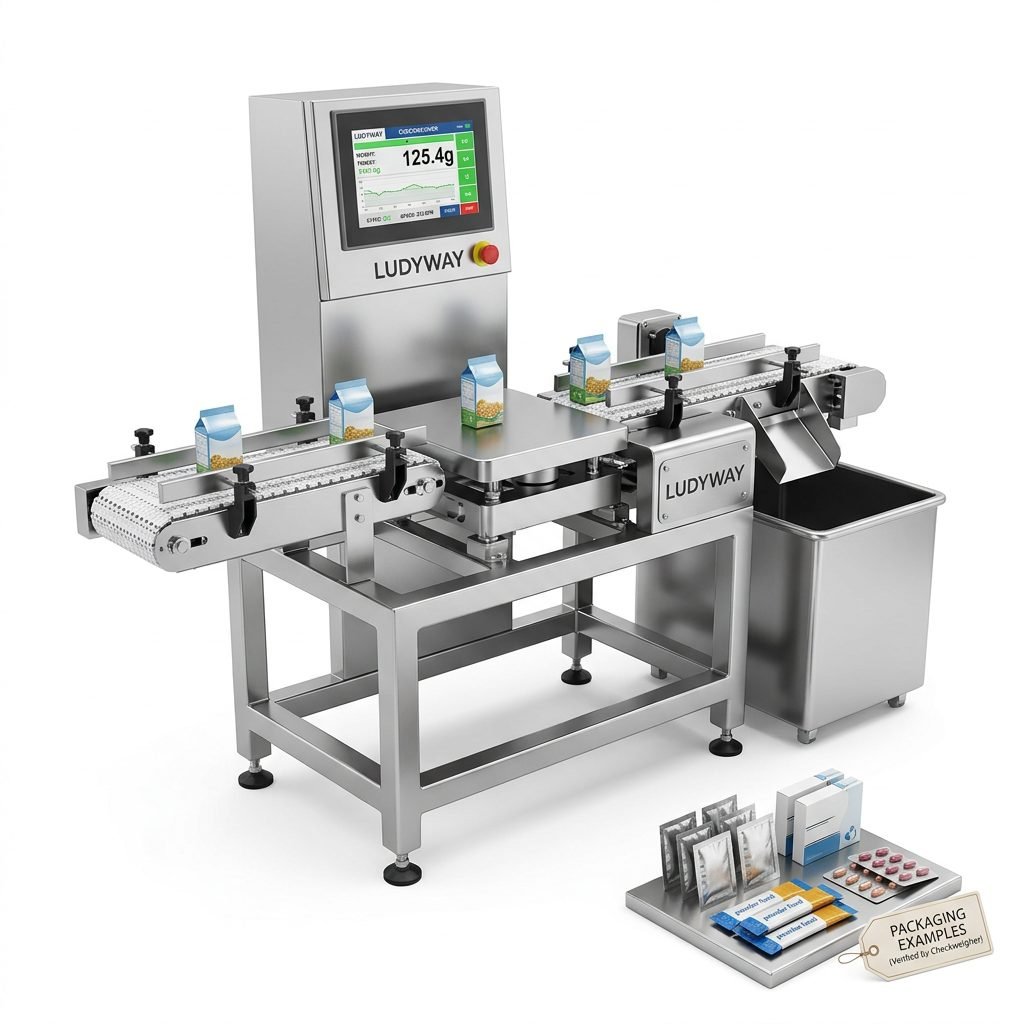
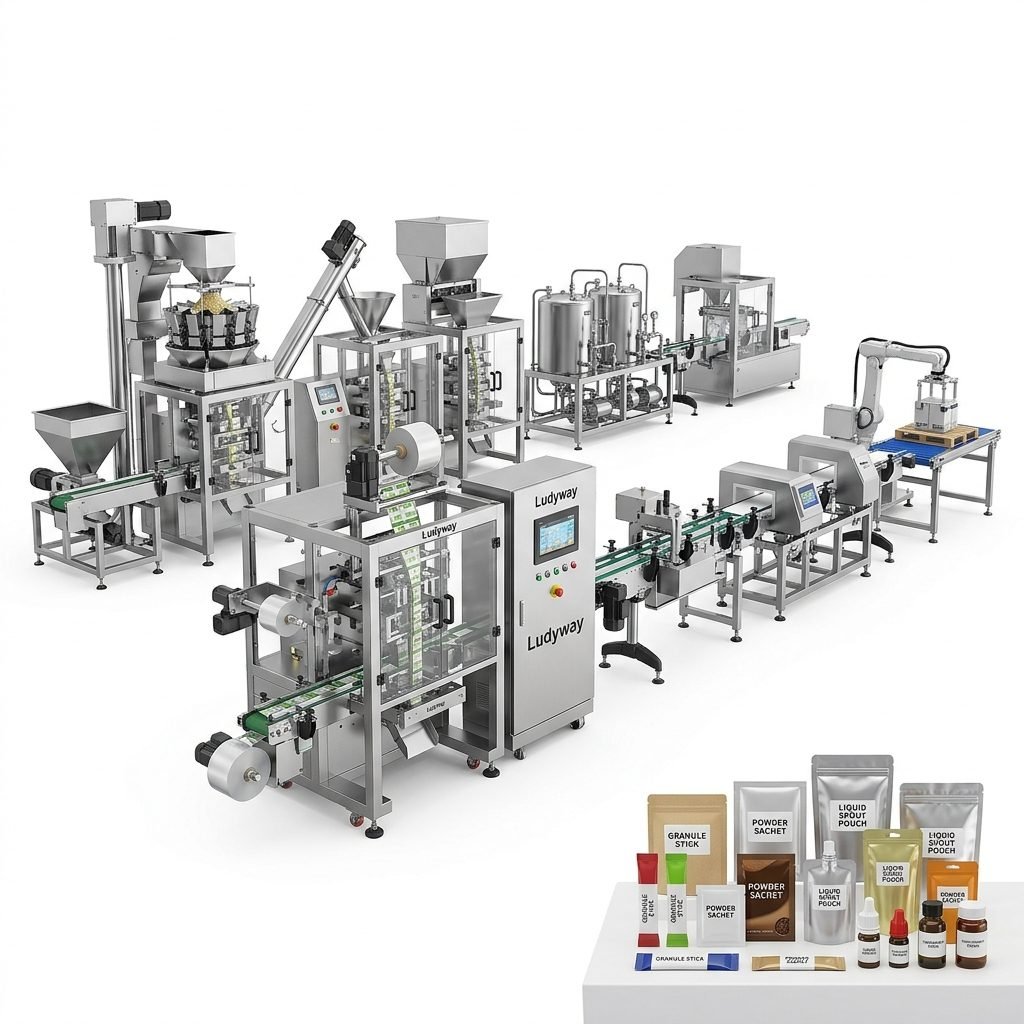
Modern factories in the UAE and Saudi Arabia increasingly demand turnkey packaging lines rather than standalone machines. Integrating upstream feeding systems, checkweighers, and downstream cartoners creates a seamless production flow. Key integration components to consider include:
- Z-type bucket elevators and inclined conveyors for gentle product transfer.
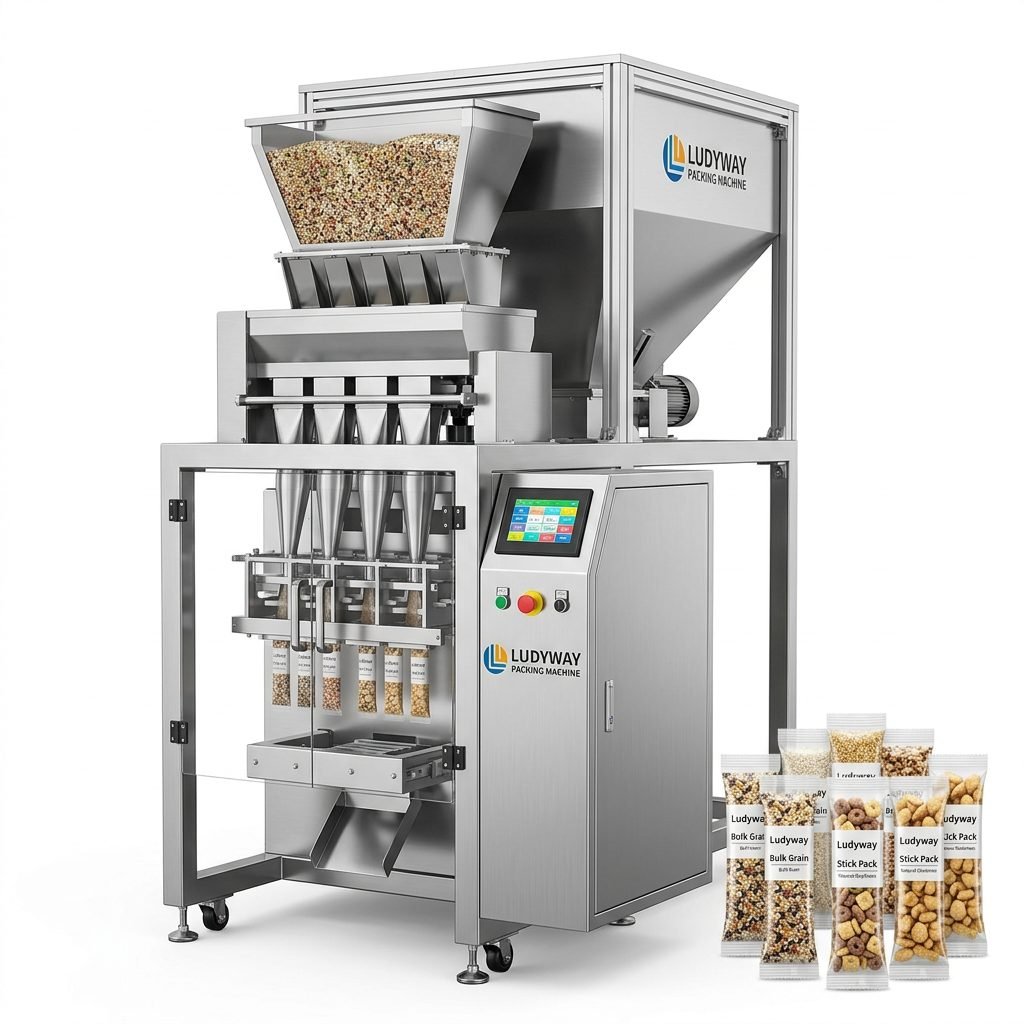
- High-precision multi-head weighers that interface directly with pouch and sachet formers.
- Automatic carton packing and case sealing machines that match the output speed of the primary packer.
- Dynamic checkweighers and metal detectors for compliance with Gulf Standardization Organization (GSO) regulations.
Leveraging resources like the PMMI Business Intelligence Library and the Flexible Packaging Association Knowledge Hub helps manufacturers stay updated on global standards and machine validation protocols. These organizations provide valuable data on market trends and packaging material innovations relevant to the Middle East.
Regulatory Compliance and Material Selection
The Gulf region enforces strict food contact material regulations, often aligned with U.S. FDA and EU standards. Packaging films used on the machine must comply with FDA food contact substance guidelines and relevant GSO specifications. The machinery itself should be constructed with 316L stainless steel for all product contact parts, with no exposed copper or aluminum that could degrade in high-humidity coastal areas like Jeddah or Dubai.
| Compliance Area | Standard / Reference | Machine Impact |
|---|---|---|
| Food Contact Materials | FDA 21 CFR, EU 1935/2004, GSO 2231 | Restricts sealing jaw coatings and lubricants |
| Hygienic Design | EHEDG guidelines, ISO 14159 | Sloped surfaces, no hollow bodies, easy washdown |
| Packaging Integrity | ISO 11607-2, ASTM F2096 | Burst and peel testing of seals, inline inspection |
| Electrical Safety | IEC 60204-1, SASO requirements | Proper grounding, thermal protection, IP ratings |
Why Multi-Lane Technology Dominates the Region
The economic model for food packaging in the Middle East increasingly favors high-volume, small-format outputs. Multi-lane machines offer a unique combination of efficiency and flexibility:
- Reduced film waste compared to single-lane machines running multiple shifts.
- Ability to run different flavors or variants simultaneously on separate lanes.
- Smaller factory footprint per unit of output—critical in industrial zones where space commands a premium.
- Lower energy consumption per sachet due to shared heating and control systems.
About Ludyway
Ludyway is one of the largest packaging machine manufacturers in China, specializing in advanced packaging equipment and turnkey production solutions for the food, pharmaceutical, and health industries. With over 30 years of industry expertise, we provide reliable and efficient packaging solutions for granule, powder, liquid, and pouch packaging applications. Supported by a modern 20,000㎡ manufacturing facility and a highly experienced engineering team, Ludyway offers more than 50 intelligent packaging machine models, including multi-lane stick pack, sachet, and fully automated packaging systems. Serving customers in over 100 countries and regions, we are committed to delivering innovative, high-performance, and cost-effective packaging solutions that help businesses improve productivity, product quality, and operational efficiency.
Global Market Experience and After-Sales Support
For Middle Eastern food manufacturers, proximity to technical support and spare parts is a decisive factor. A reliable supply partner should offer remote diagnostic capabilities, readily available critical spares like sealing jaws and film rollers, and comprehensive machine documentation in both English and Arabic. Regional exhibitions such as Gulfood Manufacturing provide excellent opportunities to inspect machinery in person and build direct relationships with engineering teams.
For detailed insights on packaging industry growth and export trends, visit Ludyway Packaging Machinery Global Growth Trend and explore PMMI’s 2025 State of the Industry report. Additional resources from the Flexible Packaging Association and ISO Packaging Standards provide further guidance on international packaging regulations and technology benchmarks.
Conclusion
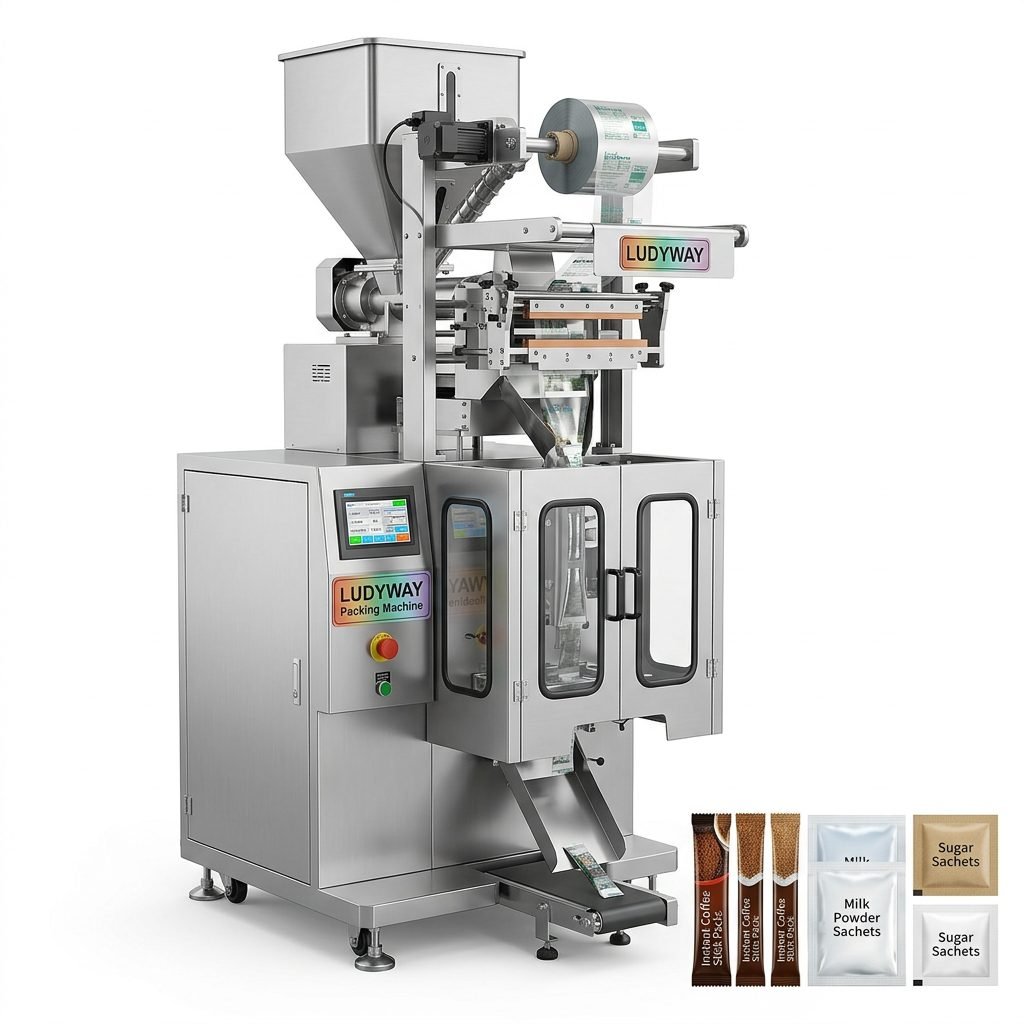
The most effective food packaging machine for the Middle East is one that combines multi-lane high-speed production with robust engineering for hot and dusty environments. Whether you are packing fragrant Arabic coffee, rich date syrup, or savory spice blends, the right equipment turns climate challenges into competitive advantages. Prioritize sealed electronics, nitrogen flushing capability, and easy changeover when comparing options. By investing in machinery designed specifically for the region’s product portfolio and environmental conditions, manufacturers position themselves for sustained growth across the GCC and broader Middle East markets.