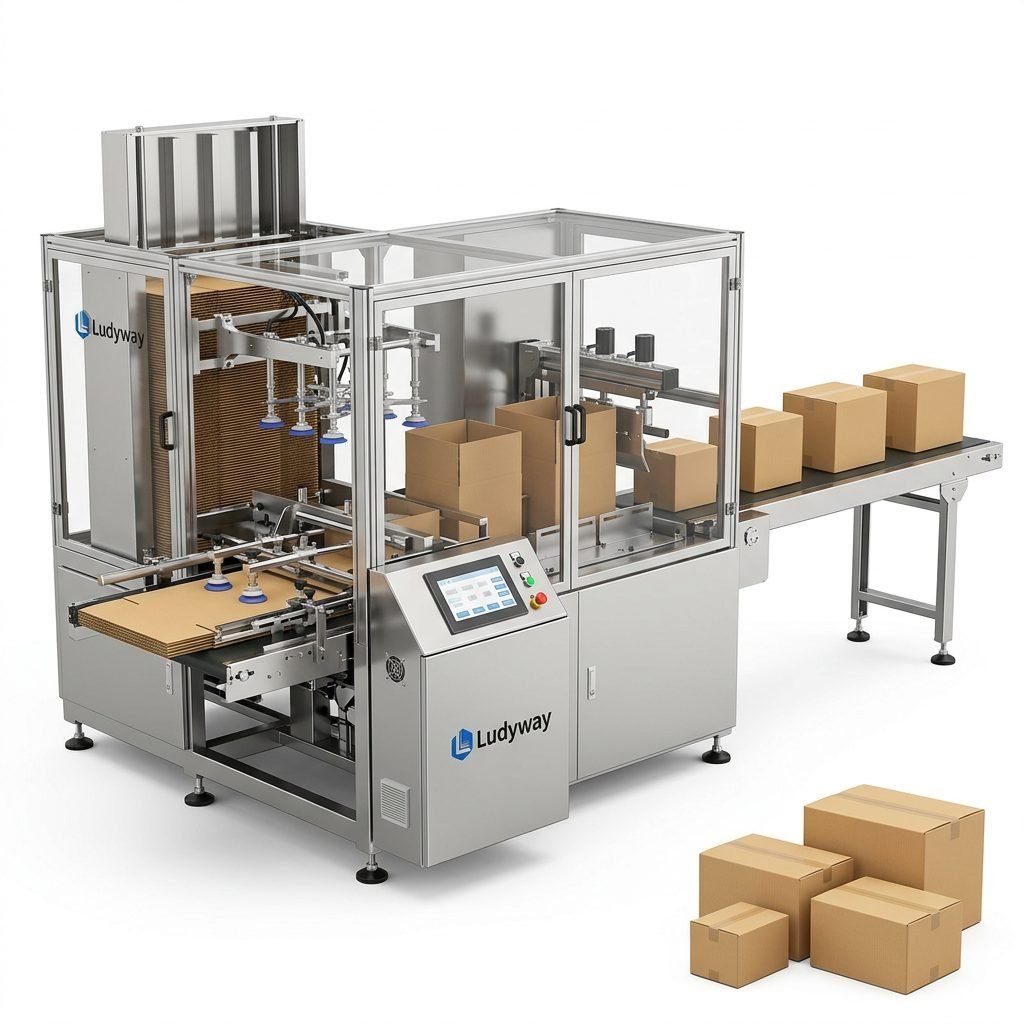
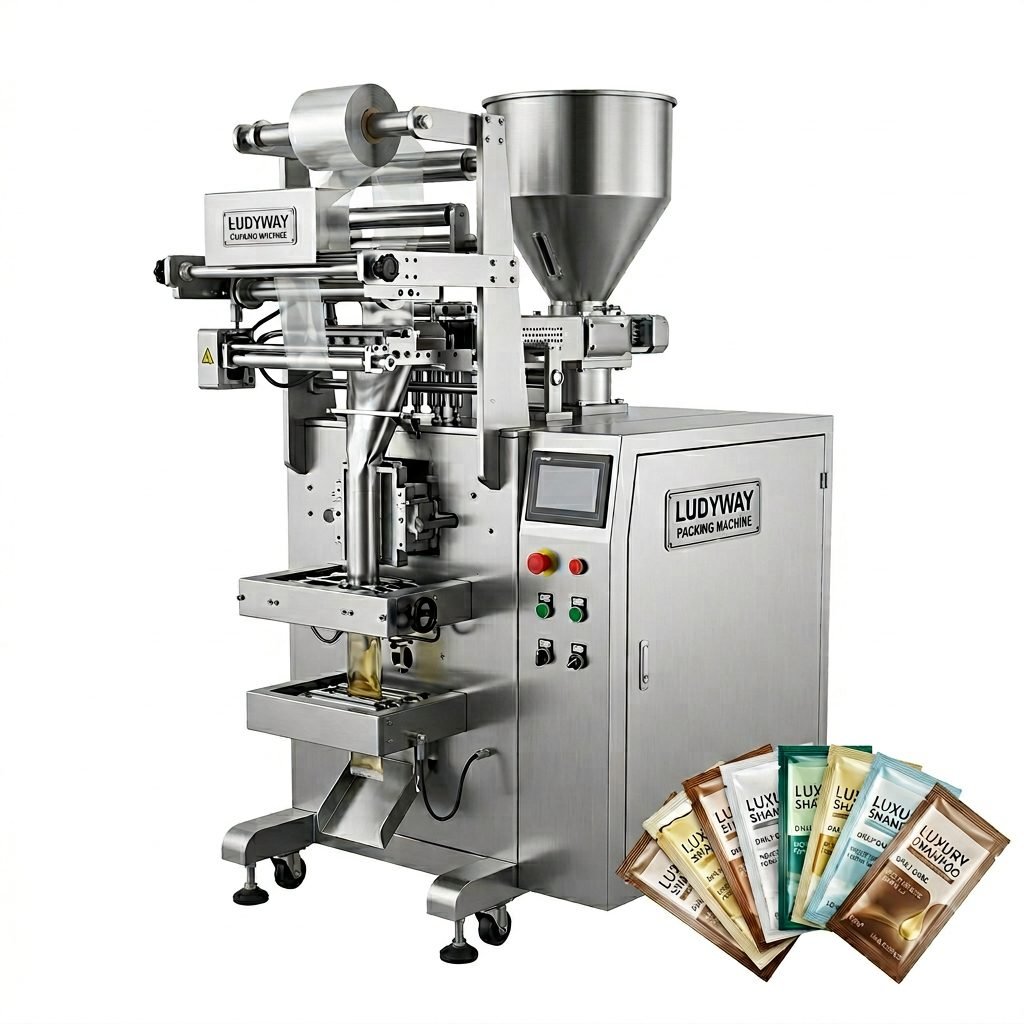
Italy stands as one of Europe’s most sophisticated markets for dairy processing and packaging. With yogurt consumption per capita among the highest in the EU and a strong tradition of quality food production, investing in the right yogurt packaging machine is a strategic decision that impacts product shelf life, brand perception, and operational efficiency. This guide walks you through everything you need to know before making a purchase in the Italian market.
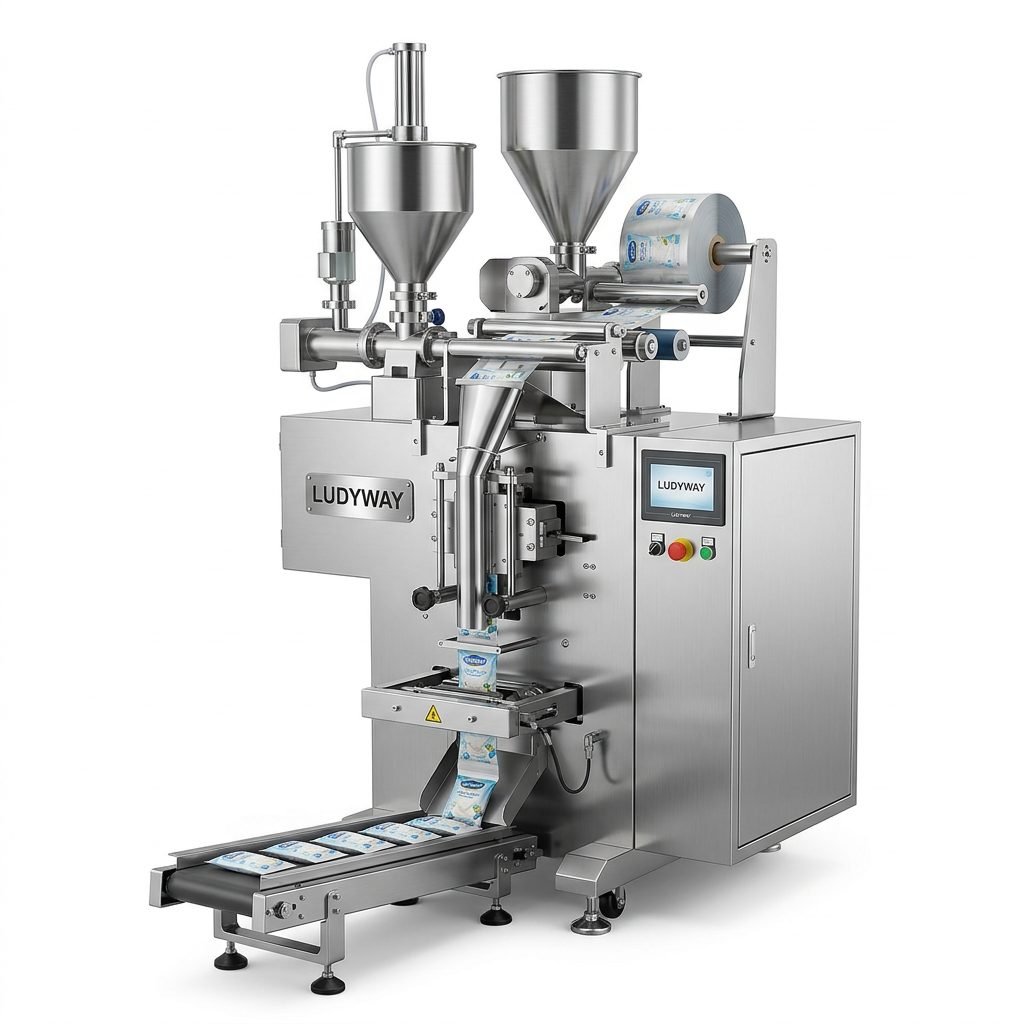
Understanding the Italian Yogurt Market Landscape
Italy’s yogurt sector is characterized by a strong preference for premium, organic, and functional dairy products. Greek yogurt, high-protein variants, and probiotic-enriched formulations continue to drive growth. Italian consumers are also increasingly drawn to convenient, on-the-go packaging formats such as stick packs, sachets, and single-serve pouches. This shift directly influences the type of packaging machinery required by local producers.
Key market trends shaping equipment needs include:
- Single-serve portion packs gaining popularity in retail and food service channels
- Sustainable packaging materials becoming a regulatory and consumer priority
- Demand for extended shelf life without artificial preservatives
- Growth in private label and contract manufacturing requiring flexible production lines
- Rising adoption of automated and smart packaging systems to reduce labor costs
Types of Yogurt Packaging Machines Available
Selecting the right equipment begins with understanding the various machine categories. The choice depends on your production volume, packaging format, and product consistency — whether you are filling liquid yogurt, Greek-style thick yogurt, or powdered yogurt mixes.
| Machine Type | Best Suited For | Packaging Format | Production Speed |
|---|---|---|---|
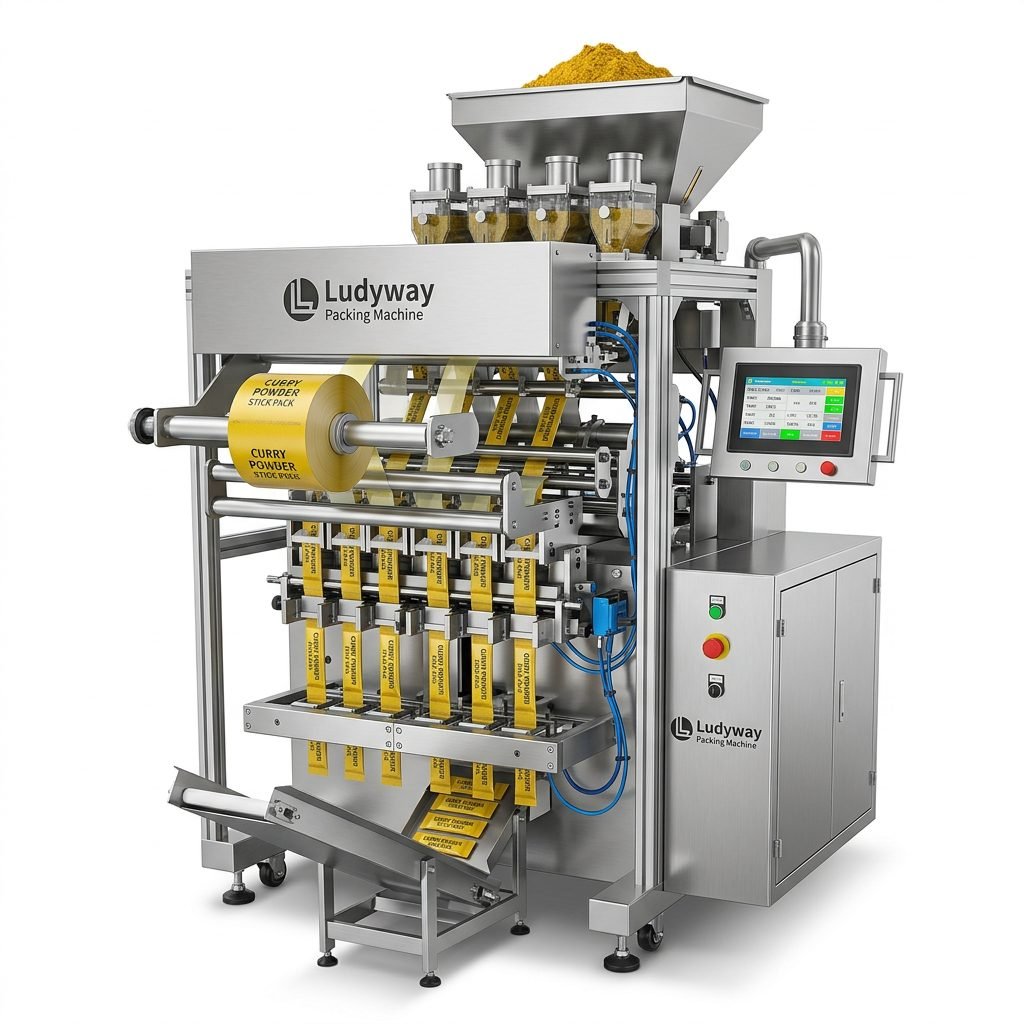
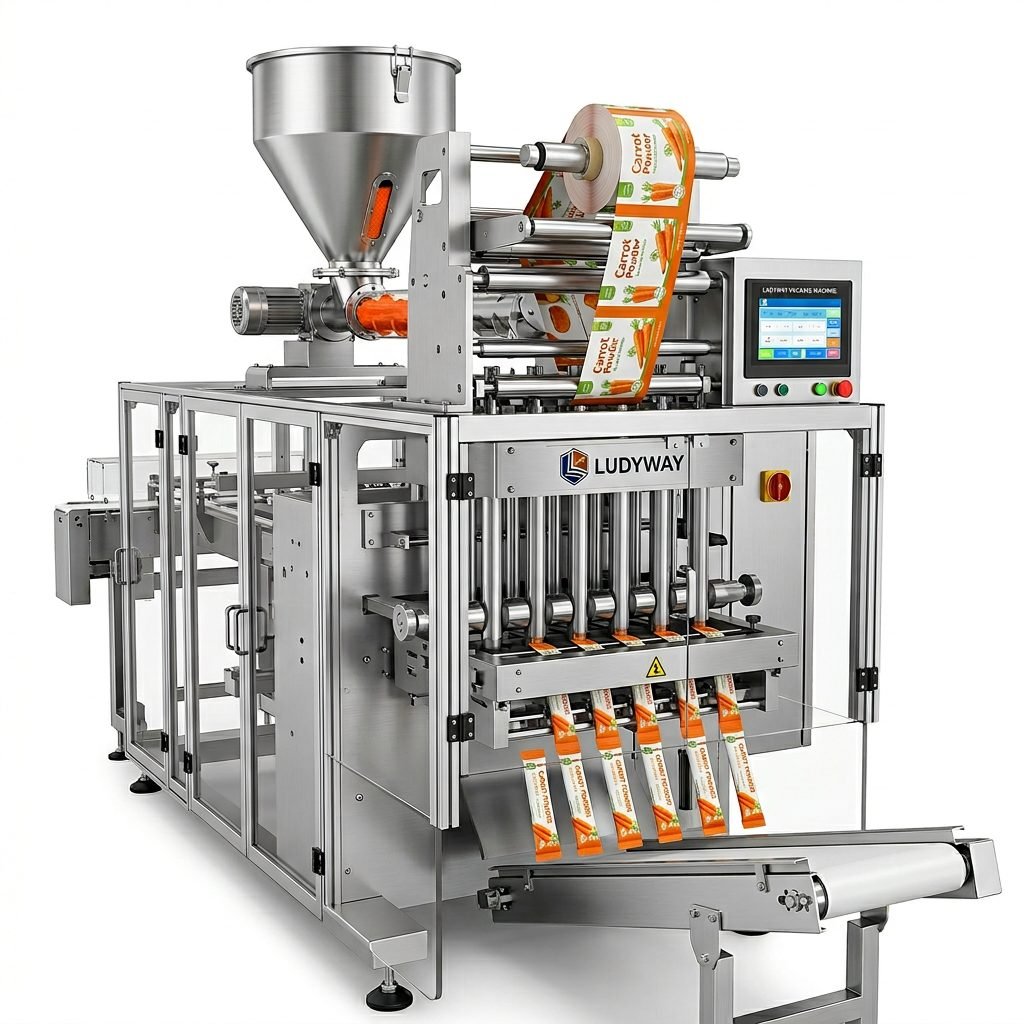
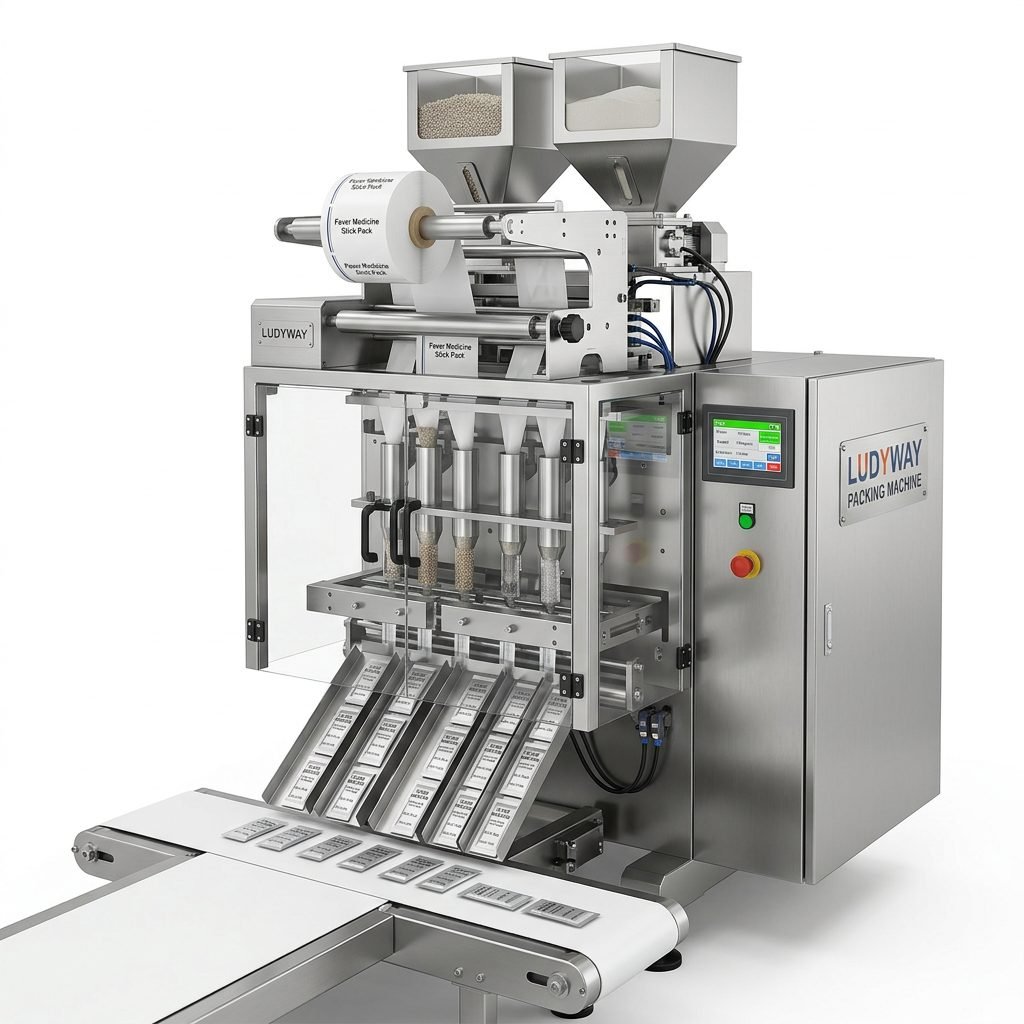
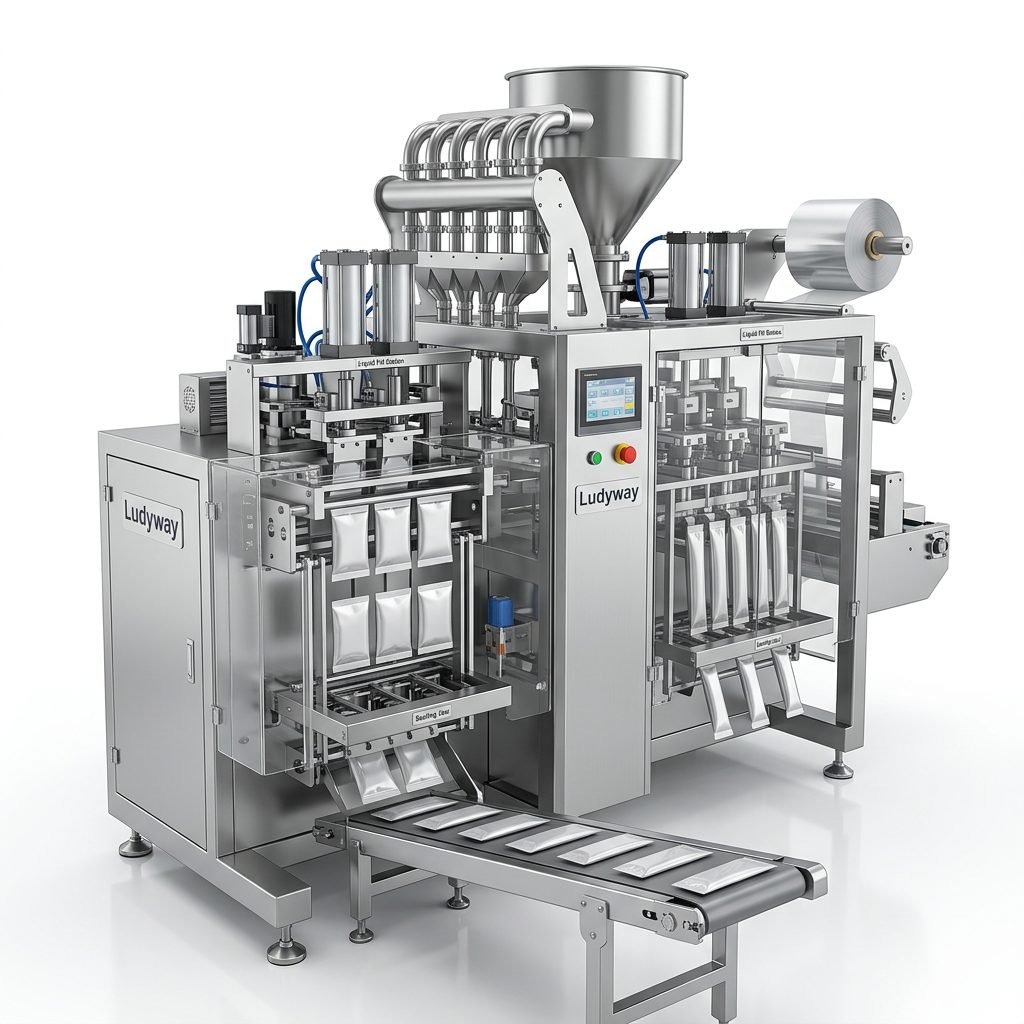
| Multi-Lane Stick Pack Machine | Powdered yogurt drinks, probiotic powder sachets | Stick packs, sachets | High (up to 400 packs/min per lane) |
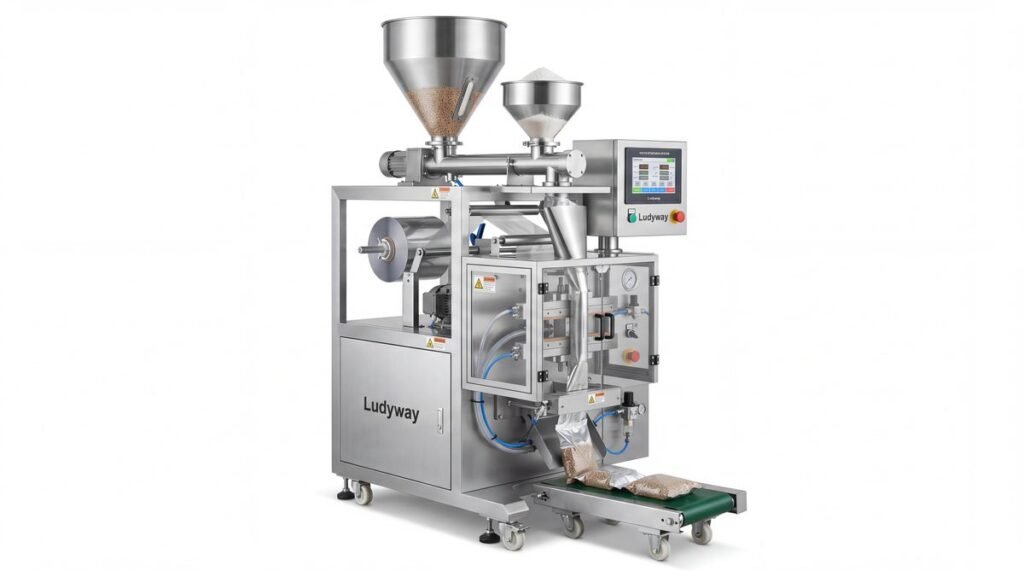
| Liquid Sachet Packaging Machine | Drinkable yogurt, liquid probiotic shots | Pillow sachets, 3-side seal, 4-side seal | Medium to High |
| Cup Filling and Sealing Line | Traditional set yogurt, Greek yogurt, fruit-on-bottom | Preformed cups with foil or plastic lids | Medium (up to 120 cups/min) |
| Premade Pouch Packaging Machine | Premium yogurt products, large-format pouches | Stand-up pouches, zipper pouches, spouted pouches | Low to Medium |
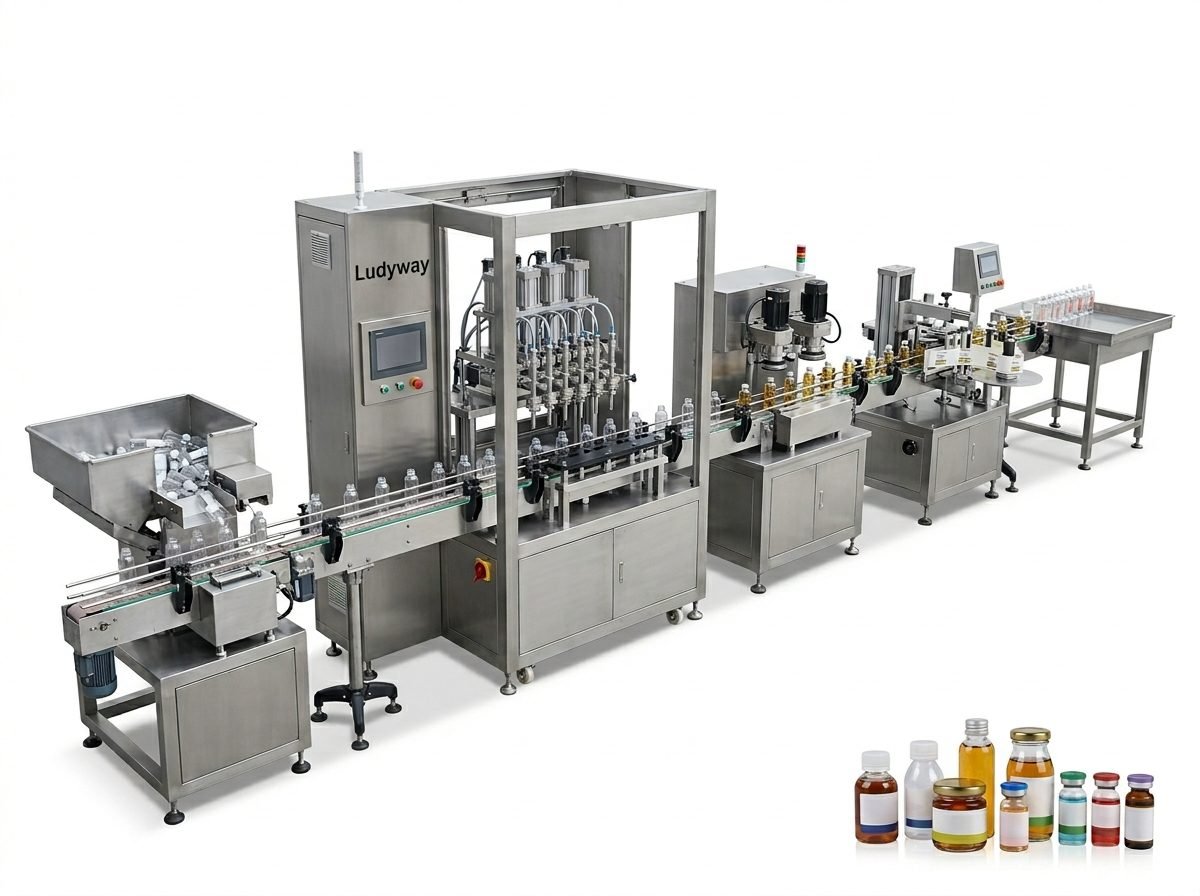
| Bottle Filling and Capping Line | Drinkable yogurt, fermented milk beverages | PET bottles, HDPE bottles with screw caps | High |
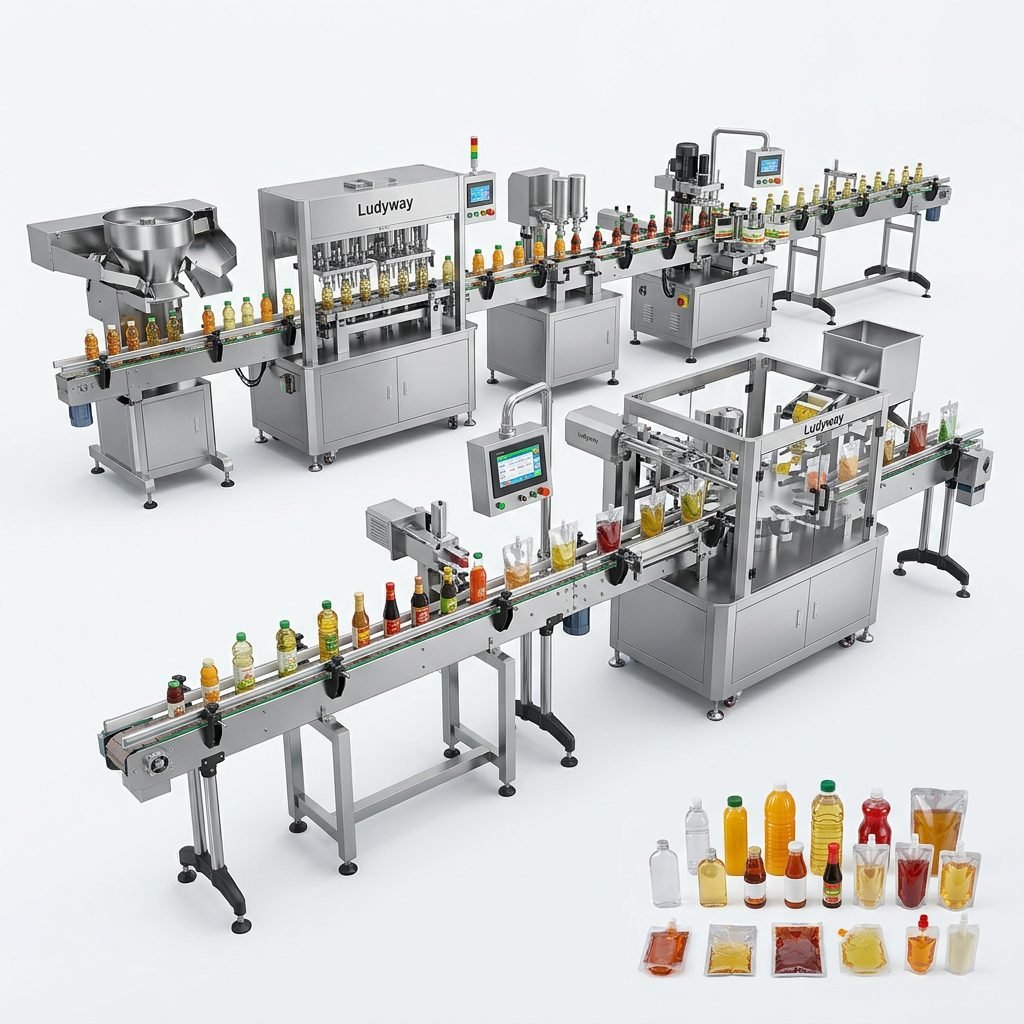
Key Factors to Evaluate Before Purchasing
Investing in a yogurt packaging machine in Italy requires careful evaluation of several technical and operational parameters. Missing even one factor can lead to costly retrofits or compliance issues down the line.
Product Viscosity and Particulate Handling
Yogurt products range from low-viscosity drinkable liquids to thick, creamy Greek-style formulations with fruit pieces. Your chosen machine must handle the specific rheology of your product. Look for equipment with positive displacement fillers or servo-driven piston fillers for thicker products, and magnetic flow meters for thinner, drinkable yogurts. Machines designed for multi-lane sachet and stick pack systems should offer precise dosing accuracy within ±0.5% to minimize product giveaway.
Hygiene and Clean-in-Place (CIP) Compatibility
Italian food safety regulations are aligned with EU Regulation (EC) No 852/2004 on food hygiene. Your packaging machine must feature stainless steel construction (AISI 304 or 316L), sanitary welding, and easy-to-clean surfaces. CIP-ready designs with automated cleaning cycles significantly reduce downtime between product changeovers and help maintain microbiological safety — a critical concern for dairy products.
Packaging Material Compatibility
With Italy’s increasing focus on sustainability and the EU Packaging and Packaging Waste Regulation (PPWR), your machine should be compatible with a wide range of materials including recyclable mono-material films, bio-based laminates, and lightweight barrier films. Verify that the machine’s sealing temperature range, dwell time adjustments, and tension controls can be fine-tuned for different material types.
Italian and EU Regulatory Compliance
Operating in Italy means your packaging operation must comply with both national and EU-wide standards. This regulatory landscape has become more demanding in recent years.
- EU Regulation 1935/2004 — Materials and articles intended to come into contact with food must not transfer constituents in quantities that endanger human health.
- EU Regulation 2023/2006 — Good Manufacturing Practice (GMP) for food contact materials applies to all packaging operations.
- Italian Legislative Decree No. 29/2017 — National enforcement of EU food contact material regulations with additional Italian-specific provisions.
- CE Marking — All machinery sold and operated in Italy must carry CE certification confirming conformity with the Machinery Directive 2006/42/EC.
- ATEX requirements — If your production environment involves potentially explosive atmospheres (such as powder handling areas), specialized ATEX-compliant equipment may be necessary.
For the latest regulatory updates, consult the FDA Food Packaging guidelines or review the ISO packaging standards for international reference frameworks.
Choosing the Right Supplier for the Italian Market
Italy’s packaging machinery market includes both domestic manufacturers with deep local expertise and international suppliers offering competitive pricing and advanced technology. When evaluating suppliers, consider the following checklist:
- Local service and support — Does the supplier have technicians or partners in Italy for installation, training, and emergency repairs?
- Spare parts availability — Can critical components be sourced quickly within the EU to minimize downtime?
- Language support — Are machine interfaces, manuals, and technical documentation available in Italian?
- Proven dairy industry experience — Has the supplier successfully installed machines in yogurt or dairy processing facilities?
- Customization capability — Can the supplier tailor equipment to your specific packaging format and production layout?
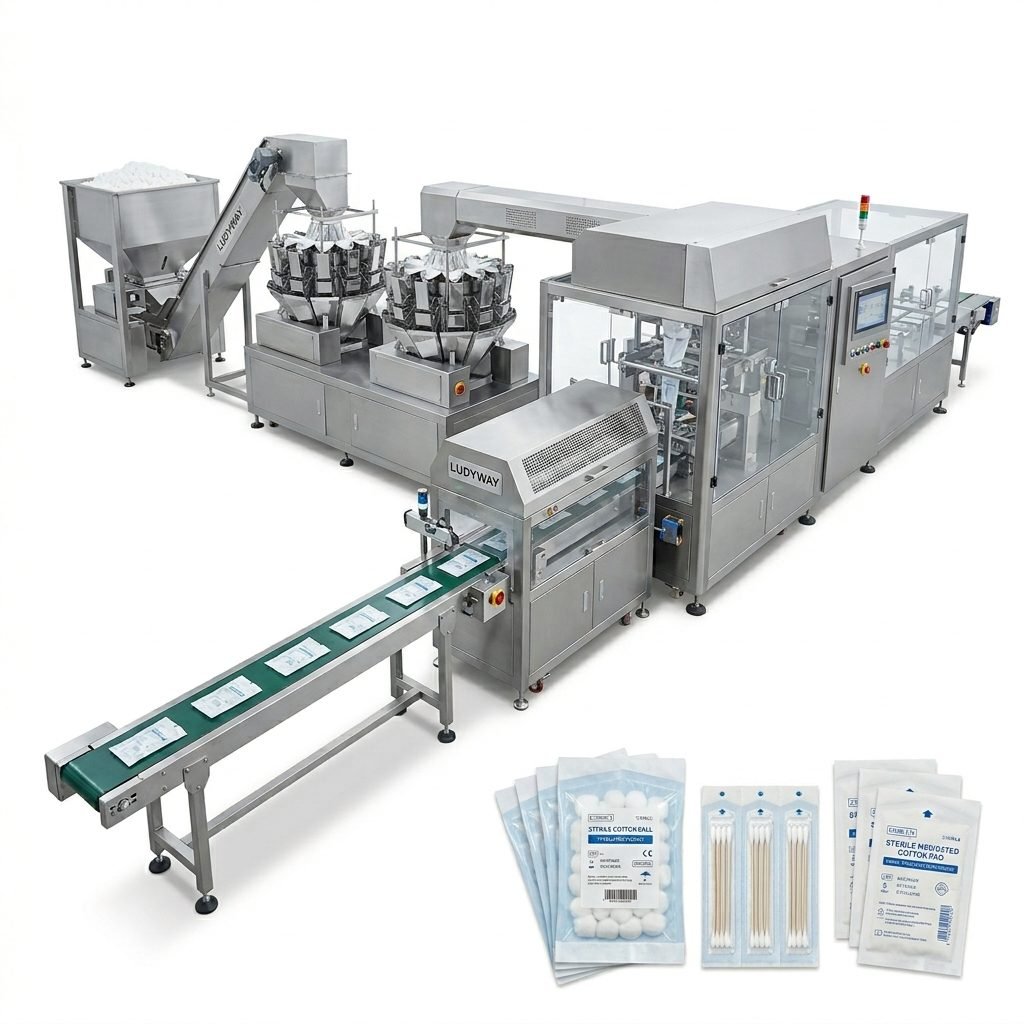
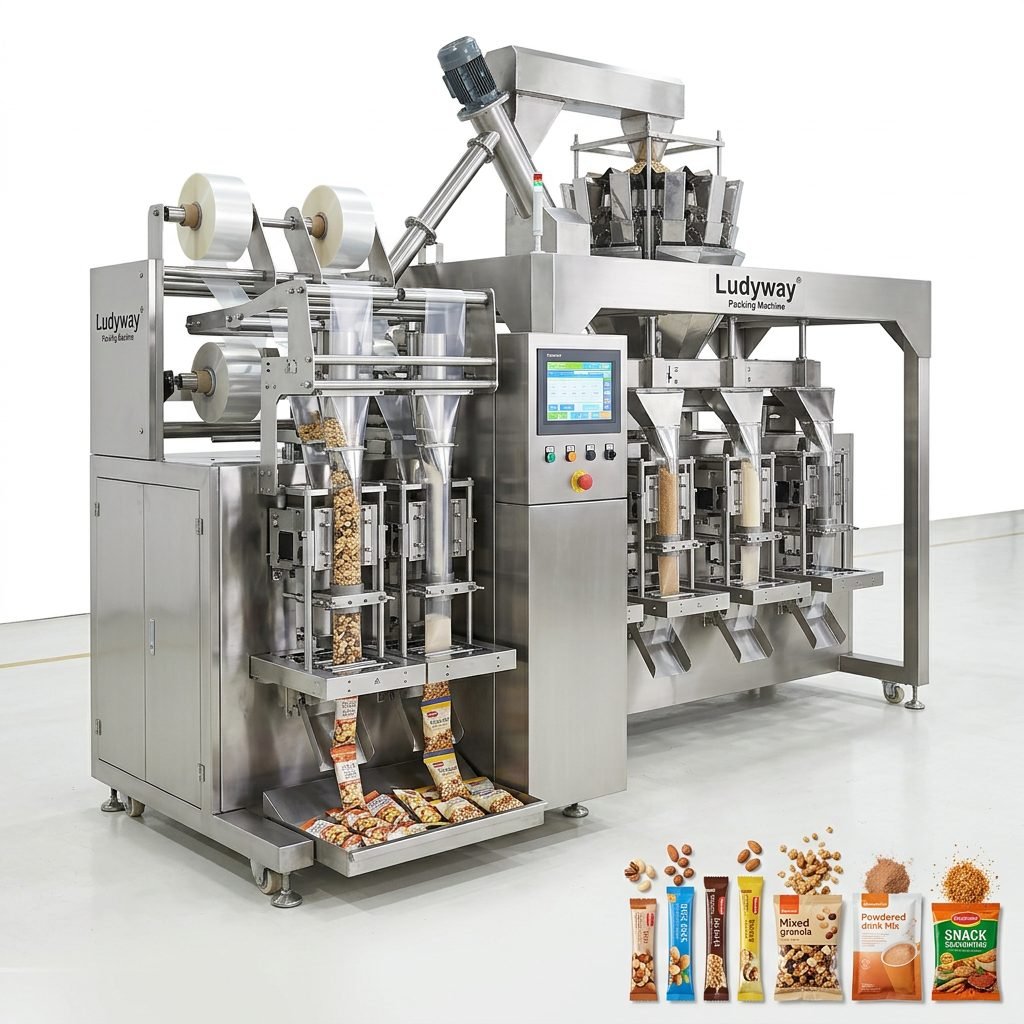
International manufacturers such as Ludyway have emerged as significant players in the European packaging machinery sector. With over 30 years of industry experience and a 20,000㎡ modern manufacturing facility, Ludyway offers more than 50 intelligent packaging machine models including multi-lane stick pack and sachet systems suitable for yogurt powder and liquid applications. Their equipment serves customers in over 100 countries and regions, providing turnkey production solutions that help businesses improve productivity and operational efficiency. For more insights on global packaging machinery growth trends, refer to the Ludyway Packaging Machinery Global Growth Trend report.
Cost Structure and Investment Planning
Understanding the total cost of ownership (TCO) is essential for accurate budgeting. The initial machine price is only one component of a longer-term financial equation.
| Cost Category | Typical Share of TCO | Key Variables |
|---|---|---|
| Machine Purchase Price | 55% – 65% | Automation level, lanes, speed, brand |
| Installation and Commissioning | 5% – 8% | Site preparation, technician travel, integration |
| Operator Training | 2% – 3% | Number of shifts, complexity of equipment |
| Annual Maintenance | 8% – 12% | Spare parts, service contracts, wear components |
| Packaging Material | 15% – 25% | Film type, print requirements, order volumes |
| Energy Consumption | 3% – 5% | Machine efficiency, heating/sealing technology |
Installation, Commissioning, and After-Sales Considerations
The relationship with your equipment supplier extends well beyond the purchase order. A smooth installation phase and reliable after-sales support can make the difference between hitting production targets and facing costly delays.
Site Preparation Requirements
Before the machine arrives, your facility should have adequate floor space, proper utility connections (compressed air, electrical supply matching the machine’s specifications, and water lines for CIP systems), and appropriate environmental controls. Yogurt packaging operations typically require temperature-controlled environments (4°C – 10°C) to maintain product integrity during filling.
Operator Training and Documentation
Comprehensive operator training should cover machine operation, basic troubleshooting, cleaning protocols, and safety procedures. Ensure that all documentation — including electrical schematics, PLC programming guides, and maintenance schedules — is provided in Italian or at minimum in clear technical English with visual aids.
Warranty and Service Agreements
Standard warranties for packaging machinery typically range from 12 to 24 months covering manufacturing defects. Extended service agreements may include preventive maintenance visits, priority spare parts dispatch, and 24/7 remote technical support — all valuable for Italian producers operating in competitive, time-sensitive markets.
Future-Proofing Your Investment
The Italian food packaging landscape is evolving rapidly. When selecting a machine, consider these forward-looking factors that will impact your competitiveness over the next 5 to 10 years:
- Industry 4.0 integration — Machines equipped with IoT sensors, real-time production monitoring, and OPC-UA communication protocols enable data-driven optimization and predictive maintenance.
- Quick-changeover design — Tool-less format changes and recipe-driven parameter settings allow you to switch between different yogurt products and packaging sizes with minimal downtime.
- Sustainability features — Machines optimized for recyclable and biodegradable film materials position you ahead of tightening EU environmental regulations.
- Scalability — Modular machine platforms that allow adding lanes, upgrading feeding systems, or integrating downstream cartoning equipment protect your initial investment as production grows.
Industry resources such as the PMMI Business Intelligence Library and the Flexible Packaging Association Industry Resources provide valuable market intelligence to support your long-term planning decisions.
Making the Final Decision
Purchasing a yogurt packaging machine in Italy is a significant investment that requires balancing technical requirements, regulatory compliance, supplier capability, and total cost of ownership. Start by clearly defining your product range and target production volumes. Request detailed proposals from multiple suppliers, arrange factory acceptance tests (FAT) where possible, and visit reference installations — ideally in similar dairy applications within the EU.
Whether you are a small artisanal producer scaling up or a large contract manufacturer upgrading your lines, the right packaging machine will enhance product quality, improve operational efficiency, and strengthen your competitive position in Italy’s vibrant yogurt market.