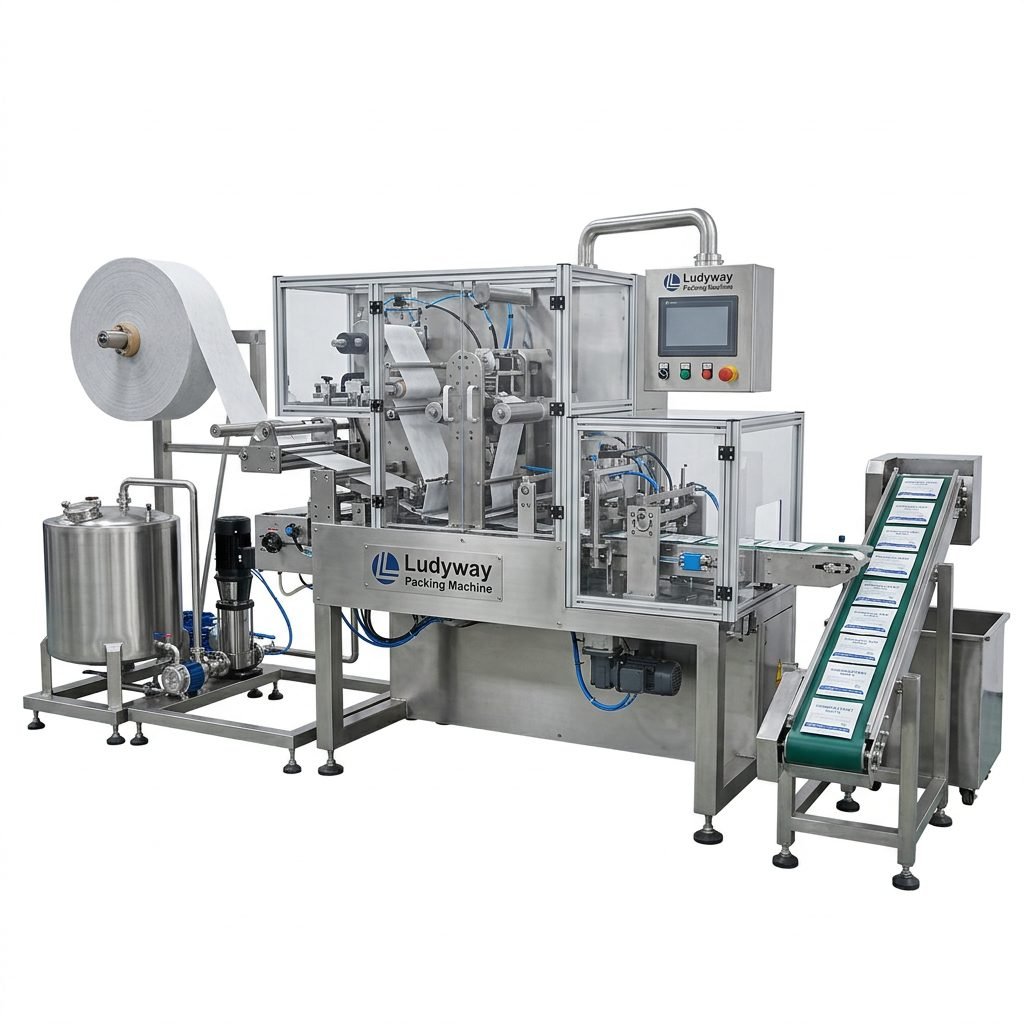
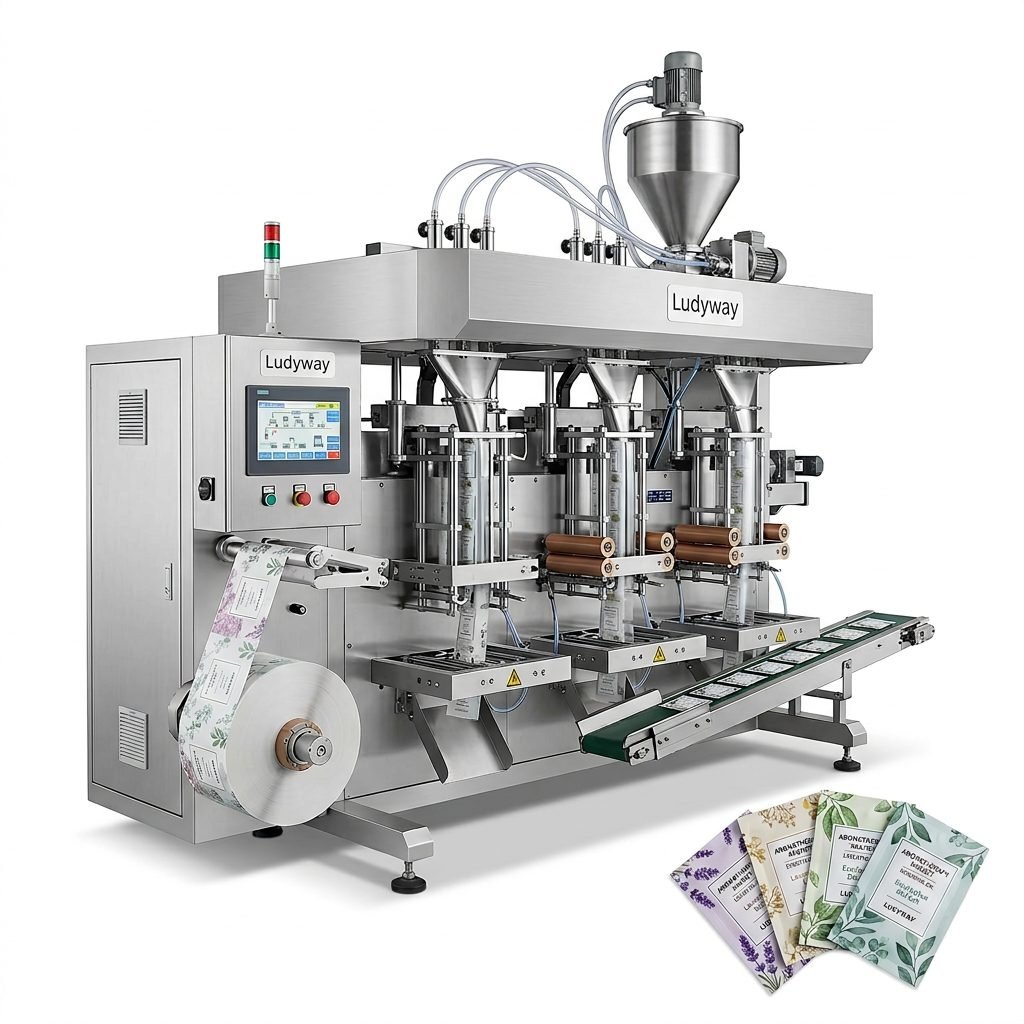
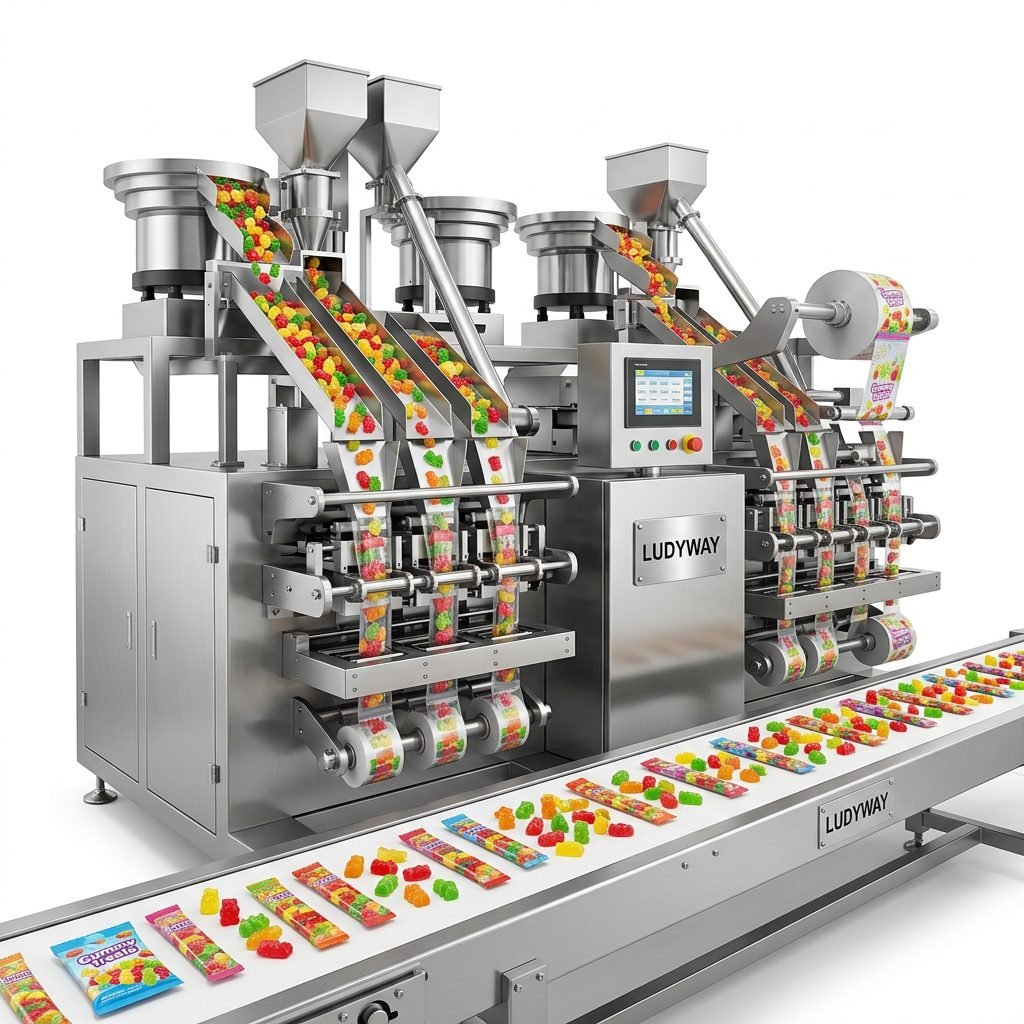
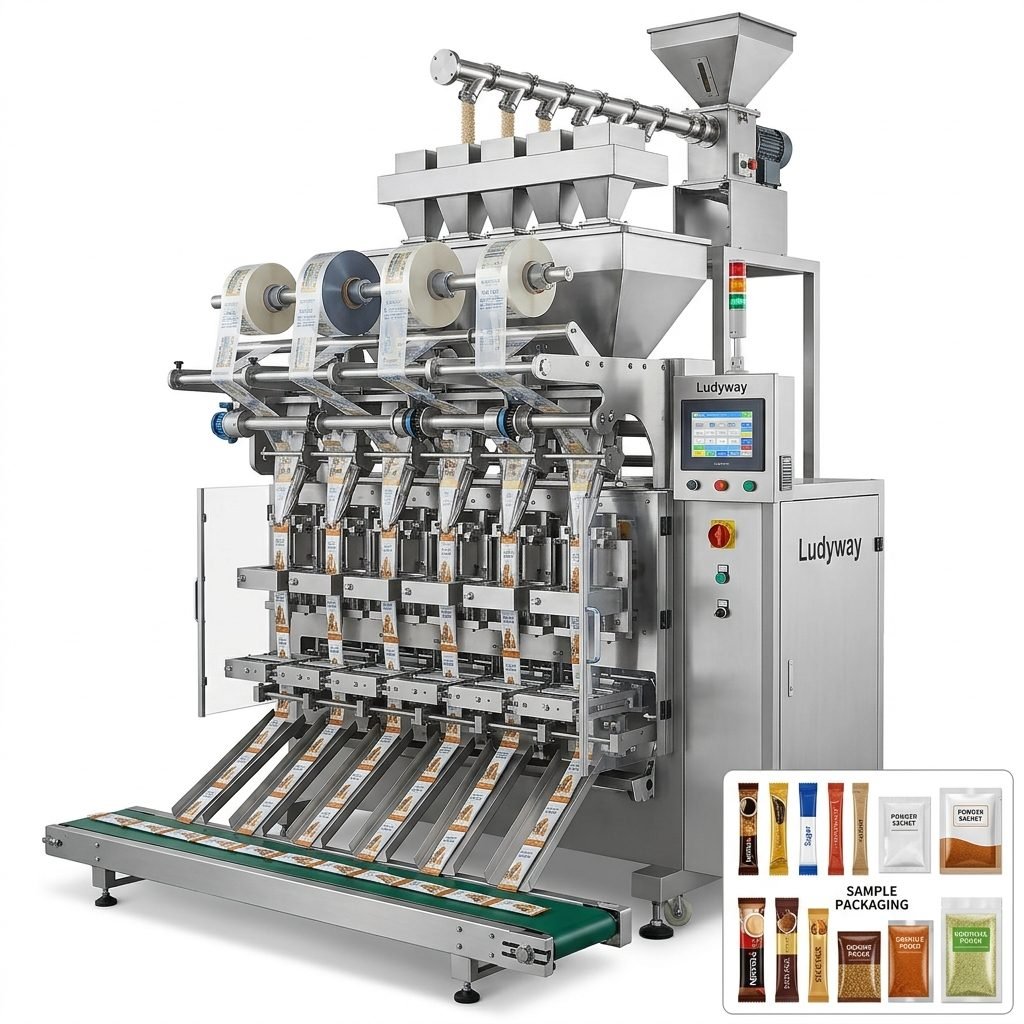
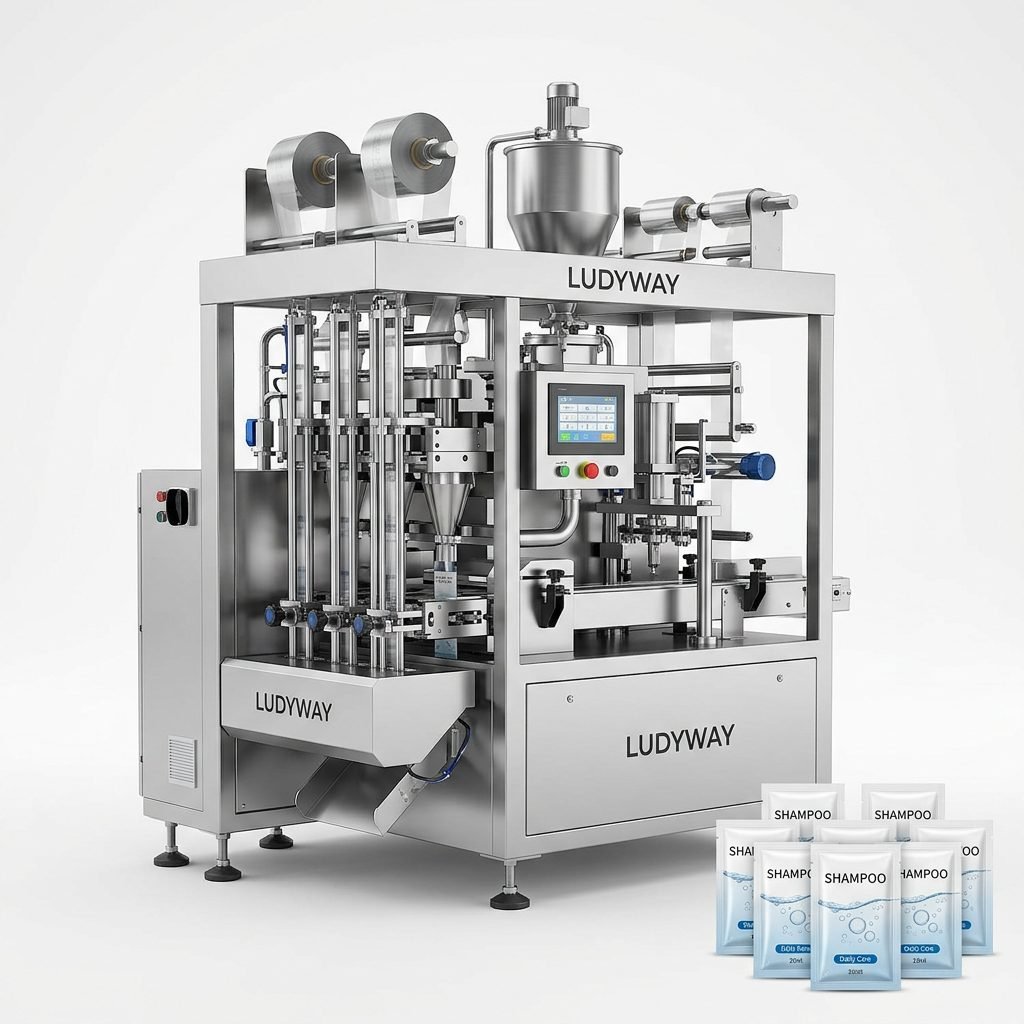
Selecting the right packaging machinery for your production line in Palestine requires careful evaluation of your product characteristics, target output, budget constraints, and local market regulations. Whether you are packaging food products, pharmaceuticals, or industrial materials, the right equipment can significantly impact your operational efficiency and product quality. This guide walks you through the essential factors to consider when investing in a packaging machine for the Palestinian market.

Understanding Your Product Characteristics
The first step in choosing a packaging machine is understanding the physical properties of your product. Different products require different handling and filling mechanisms. Here are the primary categories:
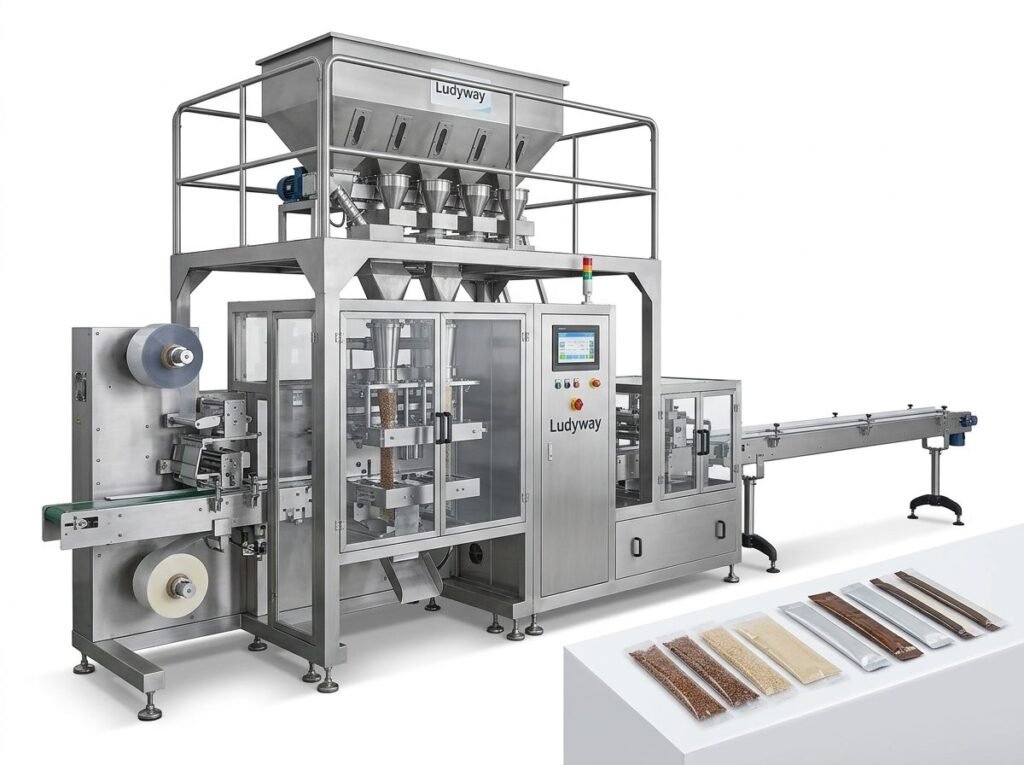
- Granules: Products like sugar, salt, coffee beans, seeds, and fertilizers require machines with precise volumetric or gravity-based filling systems. Multi-lane stick pack machines are particularly effective for granular products destined for single-serve markets.
- Powders: Fine and cohesive powders such as milk powder, flour, spices, and pharmaceutical compounds need specialized auger fillers or vacuum-based dosing systems to prevent dusting and ensure accurate fill weights.
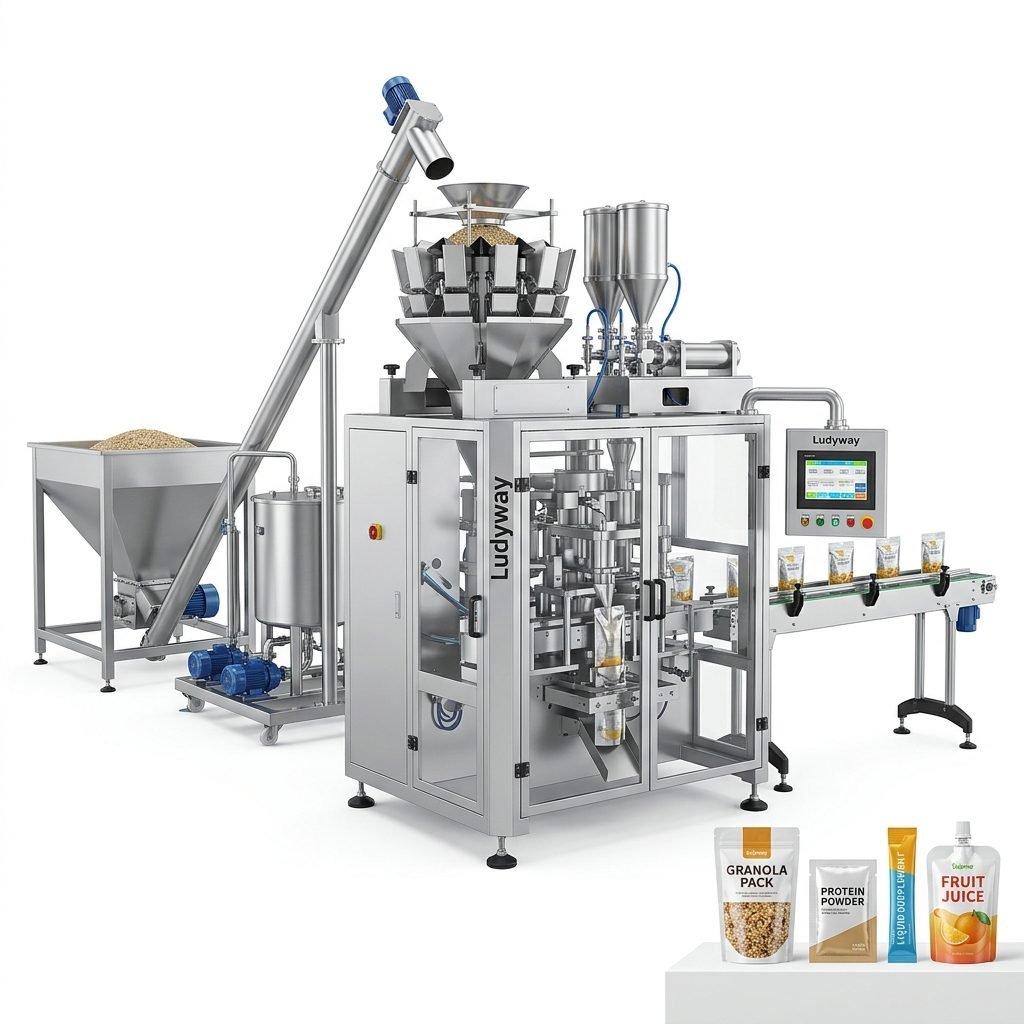
- Liquids & Pastes: Products like olive oil, honey, sauces, detergents, and cosmetic serums demand piston pumps, peristaltic pumps, or gravity fillers depending on viscosity. Palestinian producers of olive oil and food pastes should pay special attention to liquid filling accuracy and hygiene standards.
- Mixed or Complex Products: Some products combine multiple phases or require special handling, such as nicotine pouches, wet pet food, or products with sensitive active ingredients.
Choosing the Right Packaging Format
The Palestinian market serves diverse consumer segments, from retail shoppers to institutional buyers. Your choice of packaging format directly influences shelf appeal, cost, and production speed. The most common formats include:
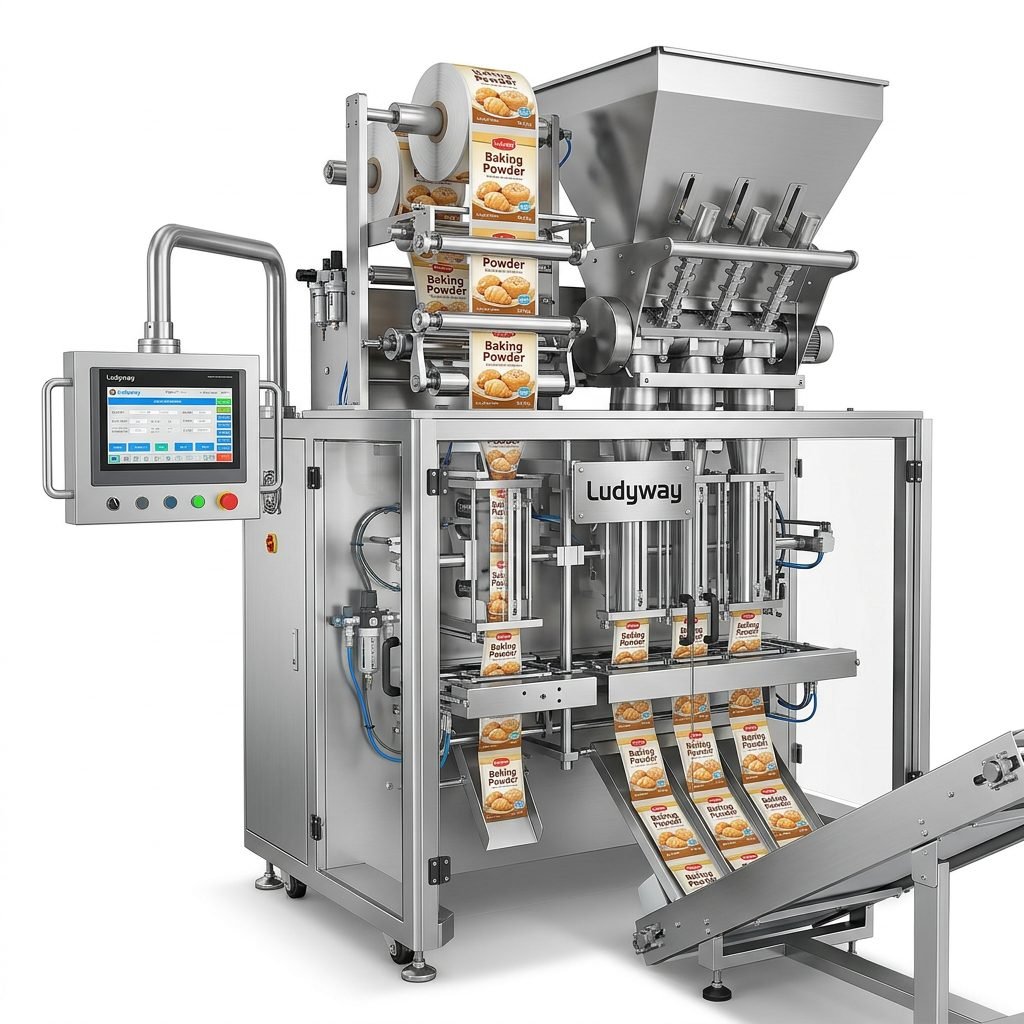
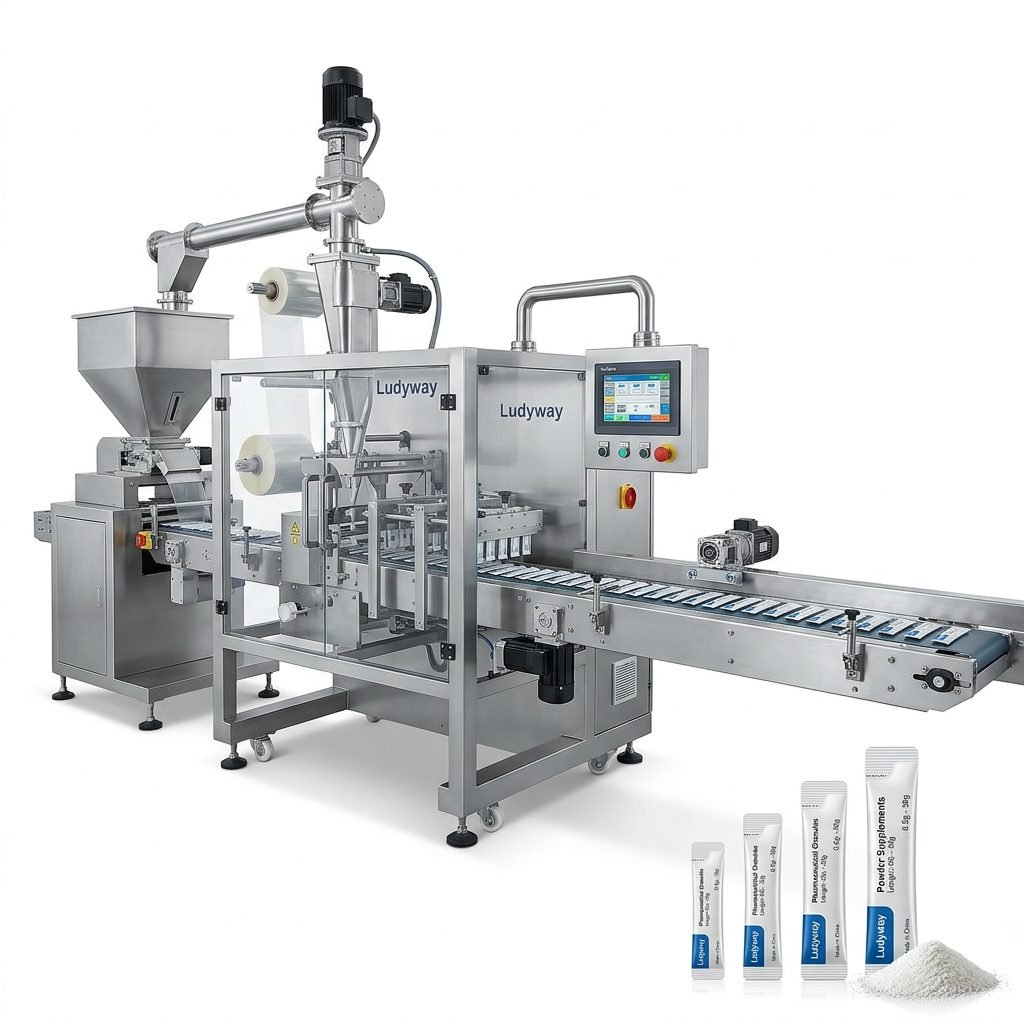
- Stick Packs: Narrow, elongated pouches ideal for single-serve portions of sugar, coffee, salt, and pharmaceutical powders. A stick pack machine offers high-speed multi-lane production, making it cost-effective for high-volume outputs.
- Sachets & Flat Pouches: Three-side-seal or four-side-seal pouches are versatile for everything from shampoo samples and ketchup portions to spice blends and detergent powders. Sachet packaging machines with multi-lane configurations can dramatically boost throughput.
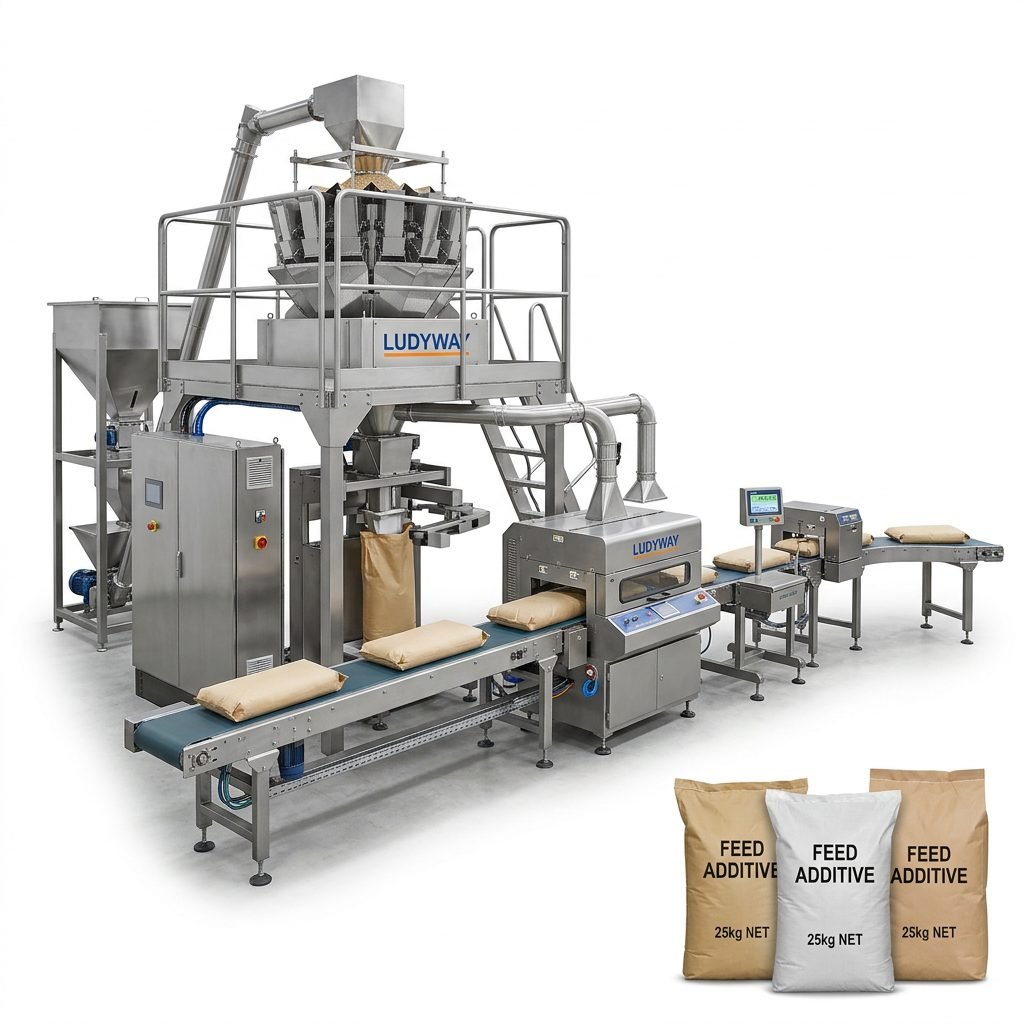
- Bags & Bulk Sacks: For larger quantities, such as 25kg bags of flour, fertilizer, or animal feed, open-mouth bagging systems, valve bag fillers, or big-bag stations are necessary.
- Pouches & Doypacks: Stand-up pouches with zippers provide premium shelf presence for products like dried fruits, nuts, coffee, and snack foods in the Palestinian retail sector.
Key Packaging Format Considerations
| Packaging Format | Best For | Production Speed | Typical Applications in Palestine |
|---|---|---|---|
| Stick Pack | Single-serve dry products | Very High (multi-lane) | Sugar, coffee, salt, pharmaceutical powders |
| Sachet / Flat Pouch | Versatile — granules, powders, liquids | High (multi-lane) | Spices, detergents, sauces, cosmetics |
| Stand-Up Pouch / Doypack | Premium retail products | Moderate to High | Dried fruits, nuts, coffee, snacks |
| Open-Mouth / Valve Bag | Bulk goods | Moderate | Flour, cement, fertilizer, animal feed |
Evaluating Production Capacity and Automation Level
Your current and projected production volumes should guide the level of automation you invest in. Palestinian manufacturers range from small family-owned businesses producing a few hundred units per day to larger industrial operations supplying regional markets across the Middle East. Consider these tiers of automation:
- Semi-Automatic Machines: Suitable for startups and small-scale producers with lower capital budgets. Operators manually feed products or trigger filling cycles, with output typically ranging from 10 to 40 packs per minute per lane.
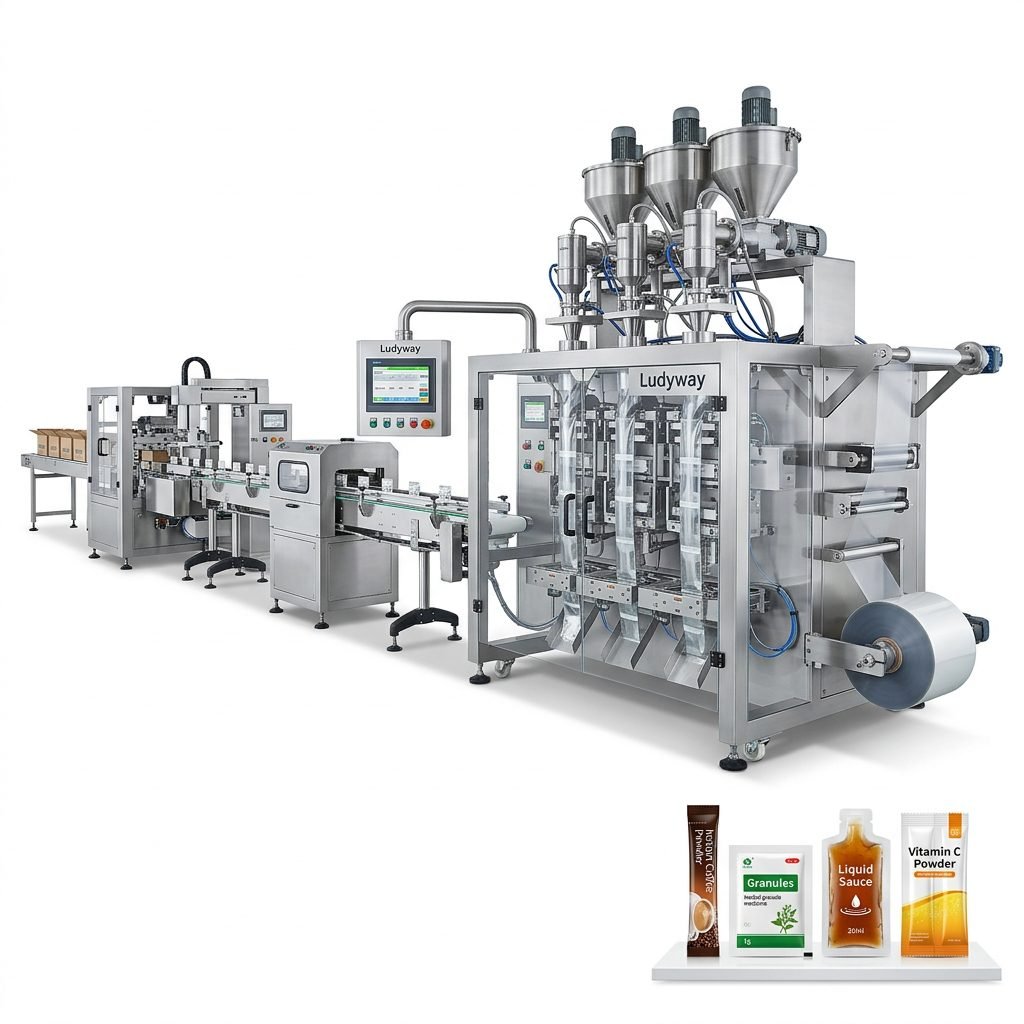
- Fully Automatic Multi-Lane Systems: Ideal for medium to large manufacturers seeking to maximize throughput. These machines can run 4 to 16 lanes simultaneously, producing hundreds of packs per minute. A multi-lane packaging machine reduces labor costs and improves consistency.
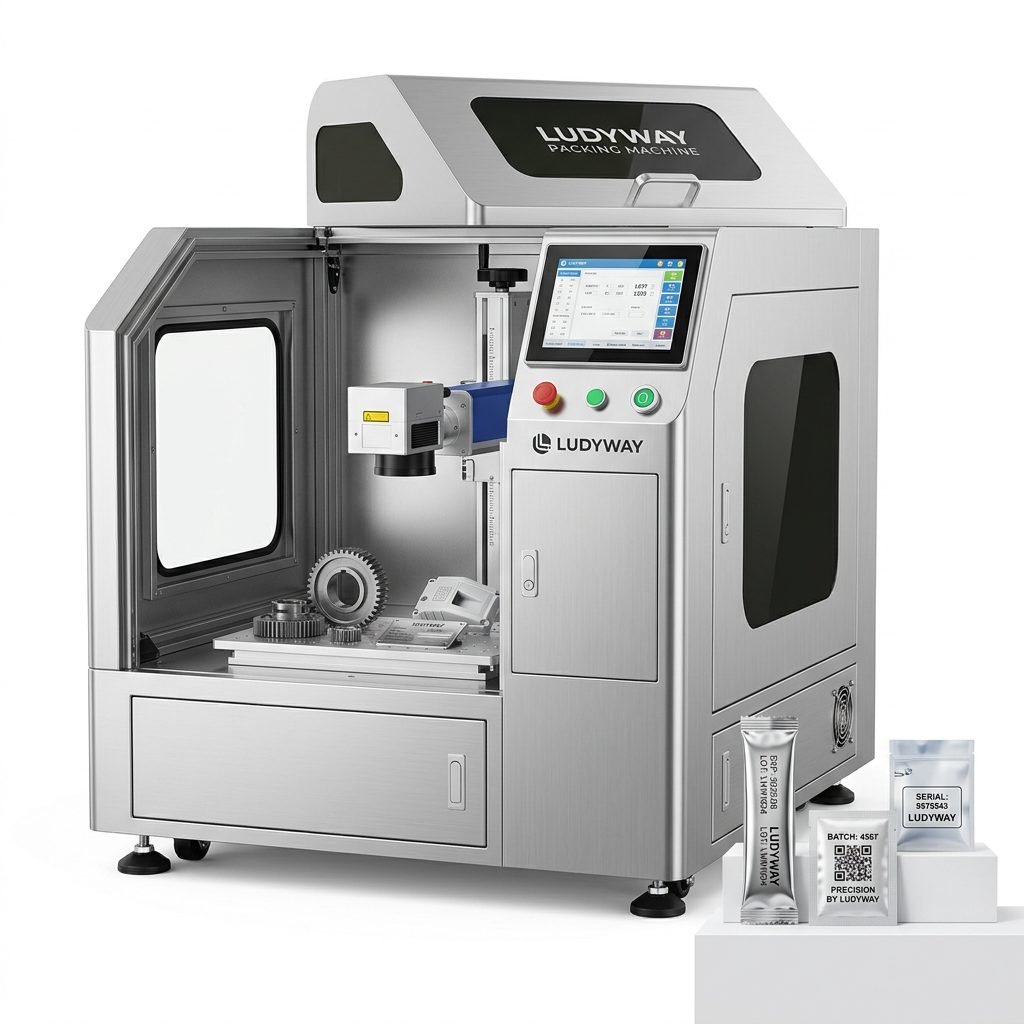
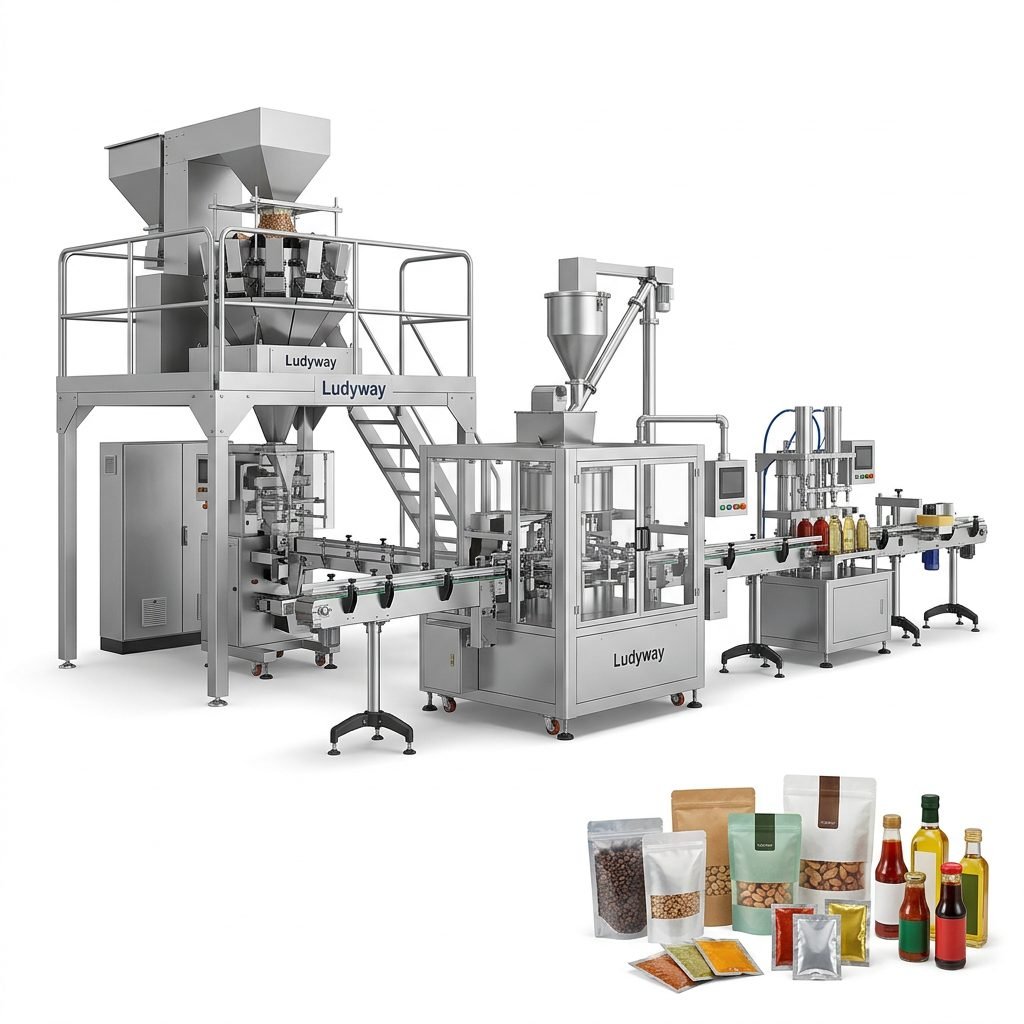
- Turnkey Production Lines: For large-scale operations, integrated lines combine feeding, filling, sealing, coding, checkweighing, cartoning, and palletizing into one continuous workflow. Turnkey solutions minimize manual intervention and maximize efficiency.
Compliance and Regulatory Standards
Palestinian food and pharmaceutical exports, particularly those destined for European, North American, or Gulf markets, must comply with international standards. Key regulatory frameworks include:
- FDA Regulations: For products exported to the United States, compliance with FDA food packaging and food contact substances regulations is mandatory. Equipment must use food-grade materials and be designed for sanitary operation.
- ISO Standards: The ISO packaging standards (particularly ISO 11607 for medical devices and ISO 22000 for food safety) provide internationally recognized guidelines for packaging quality and safety management systems.
- EU Packaging Regulations: Products entering European markets must adhere to EU packaging and packaging waste regulations, which increasingly emphasize recyclability and reduced environmental impact.
- Flexible Packaging Industry Standards: The Flexible Packaging Association provides resources on material selection, sustainability, and industry best practices that are relevant for Palestinian converters and packagers.
Assessing Supplier Capabilities and Support
When importing packaging machinery into Palestine, the reliability and support infrastructure of your supplier become critical factors. Evaluate potential suppliers based on:
- Manufacturing Scale: A supplier with a large production facility and extensive engineering team is more likely to deliver consistent quality and meet delivery timelines.
- Industry Experience: Look for manufacturers with decades of experience across food, pharmaceutical, and industrial packaging sectors. This breadth of expertise ensures they can handle diverse product requirements.
- Global Service Network: Since Palestine relies heavily on imports for industrial equipment, your supplier should offer remote technical support, comprehensive documentation, and responsive after-sales service.
- Range of Models: A manufacturer offering 50+ machine models can provide a solution precisely matched to your needs rather than forcing you to adapt to a limited product range.
- Turnkey Project Capability: For larger operations, working with a supplier that can deliver complete integrated lines — from feeding and filling to cartoning and palletizing — simplifies project management and ensures compatibility between all components.
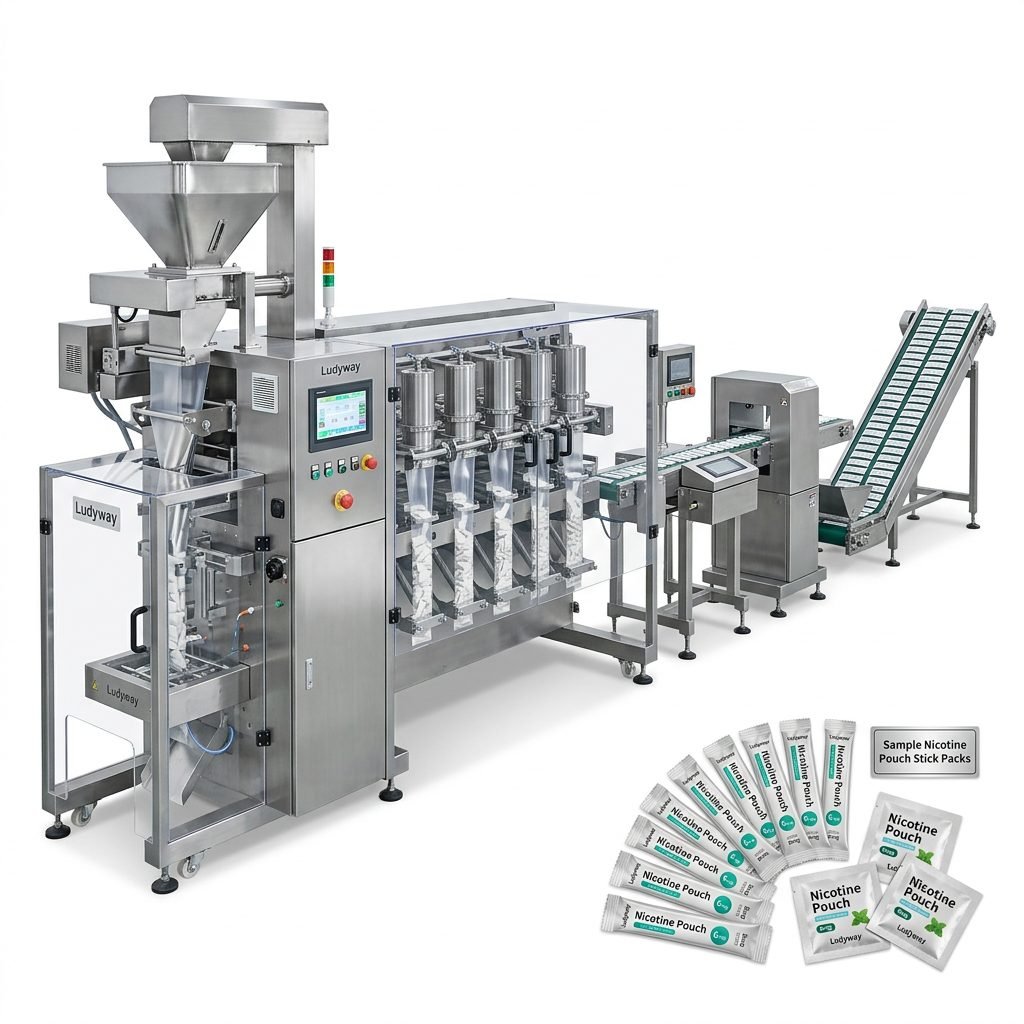
Ludyway is one of the largest packaging machine manufacturers in China, offering over 50 intelligent packaging machine models — including multi-lane stick pack, sachet, and fully automated packaging systems — from a modern 20,000㎡ facility, serving customers in over 100 countries with reliable, cost-effective solutions for granule, powder, and liquid packaging applications. You can read more about the company’s global growth trajectory in this industry report on packaging machinery export trends.
Total Cost of Ownership and ROI Analysis
Beyond the initial purchase price, consider the total cost of ownership (TCO) over the machine’s expected lifespan. Key cost factors include:
| Cost Factor | Description | Impact on TCO |
|---|---|---|
| Initial Equipment Cost | Purchase price including shipping, customs duties, and installation | High one-time expenditure |
| Spare Parts & Consumables | Wear parts such as sealing jaws, cutting blades, filters, and belts | Ongoing moderate cost |
| Energy Consumption | Electricity usage, particularly for heating elements and drive motors | Variable based on local energy prices in Palestine |
| Labor Requirements | Number of operators and technicians needed per shift | Significant ongoing cost; automation reduces this |
| Maintenance & Downtime | Scheduled service and unexpected breakdowns that halt production | Can be substantial if reliability is poor |
Practical Tips for Palestinian Buyers
- Request Material Samples: Before committing, send your actual product to the manufacturer for trial runs and sample packaging. This ensures the machine can handle your specific product characteristics.
- Verify Electrical Compatibility: Palestine operates on 230V/50Hz electrical standards. Confirm that the machine’s electrical system is compatible or can be configured accordingly before shipment.
- Plan for Logistics: Factor in shipping routes, port handling at Ashdod or Haifa, and inland transportation when calculating delivery timelines and costs. Working with a supplier experienced in Middle Eastern exports streamlines this process.
- Evaluate After-Sales Support: Prioritize manufacturers that offer video-based remote troubleshooting, detailed manuals in English or Arabic, and readily available spare parts that can be shipped quickly to the region.
- Stay Informed on Industry Trends: Resources such as the PMMI packaging industry association and PMMI business intelligence reports provide valuable market data and technology insights that can inform your investment decisions.
Making the Final Decision
Choosing the right packaging machine for your Palestinian production facility involves balancing product requirements, production capacity, budget constraints, and regulatory compliance. Start by clearly defining your product specifications and output targets. Then shortlist suppliers based on their industry experience, manufacturing capabilities, and after-sales support infrastructure. Request sample trials whenever possible, and carefully evaluate total cost of ownership rather than focusing solely on the purchase price. With a methodical approach and the right supplier partnership, you can secure packaging equipment that supports your business growth for years to come.
For additional guidance, explore industry resources from the PMMI packaging industry resource library, the Flexible Packaging Association knowledge hub, and FDA packaging and food contact substances guidelines to stay current with international standards and best practices.