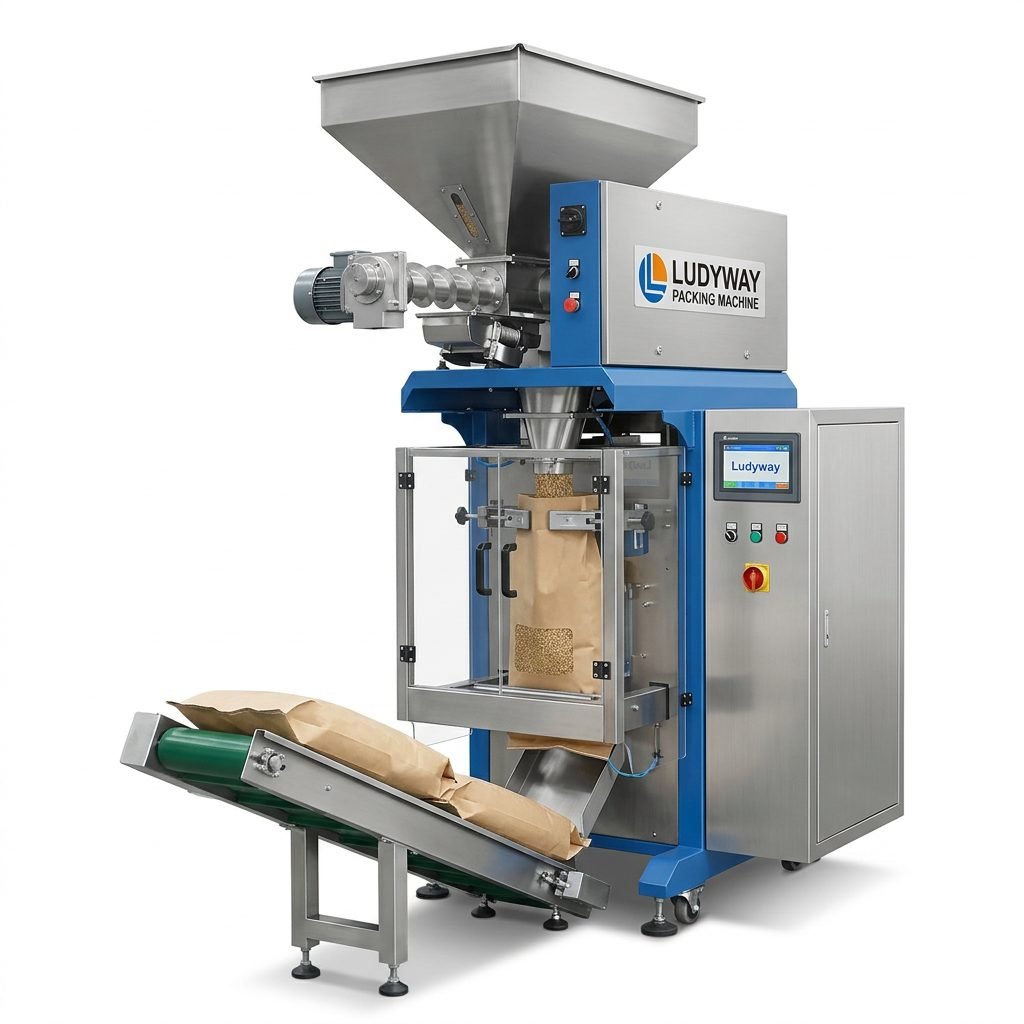
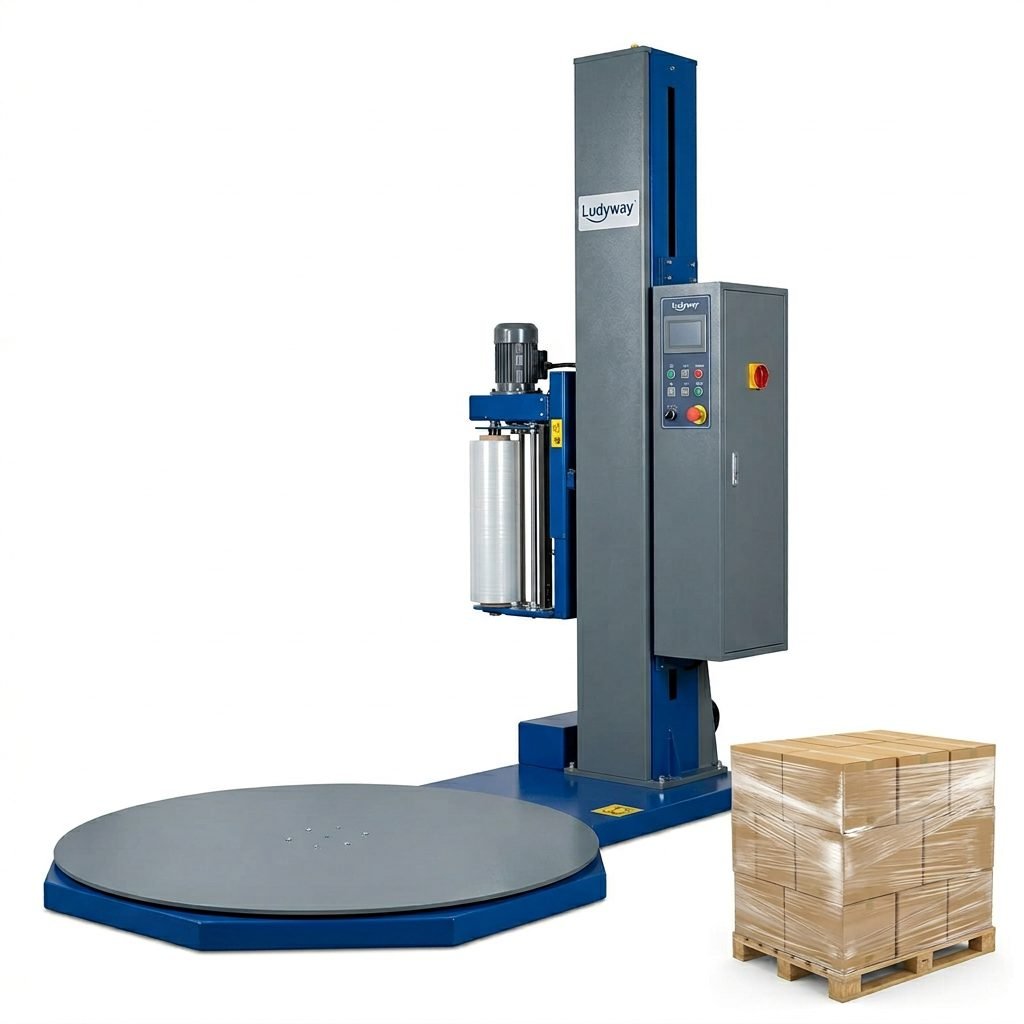
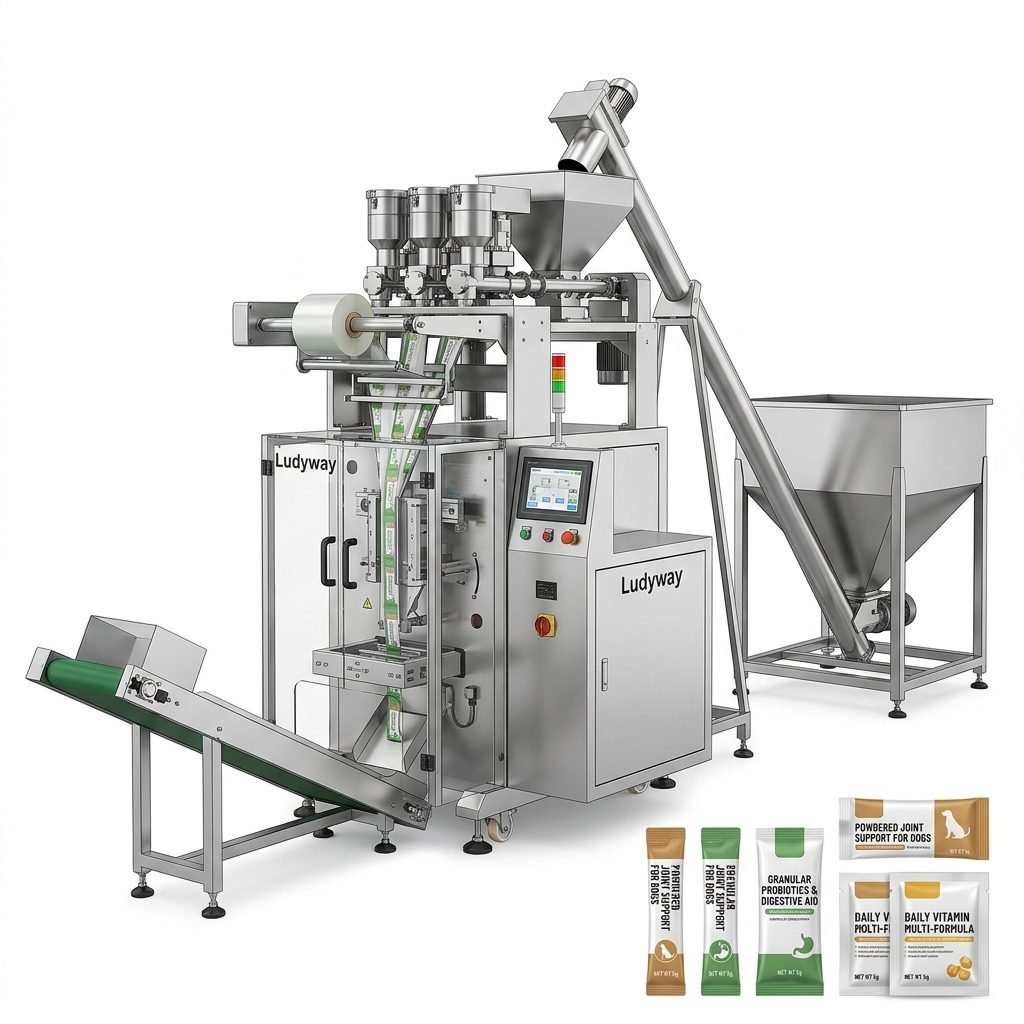
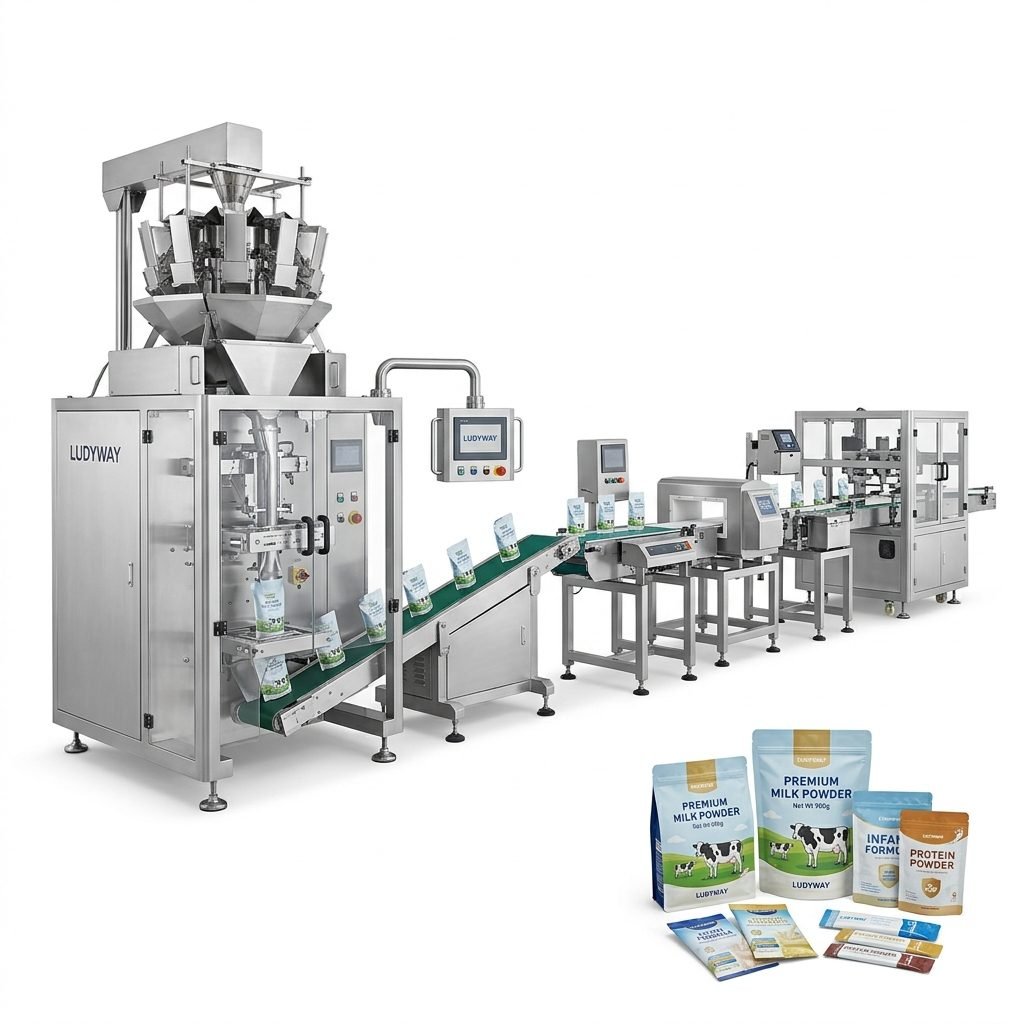
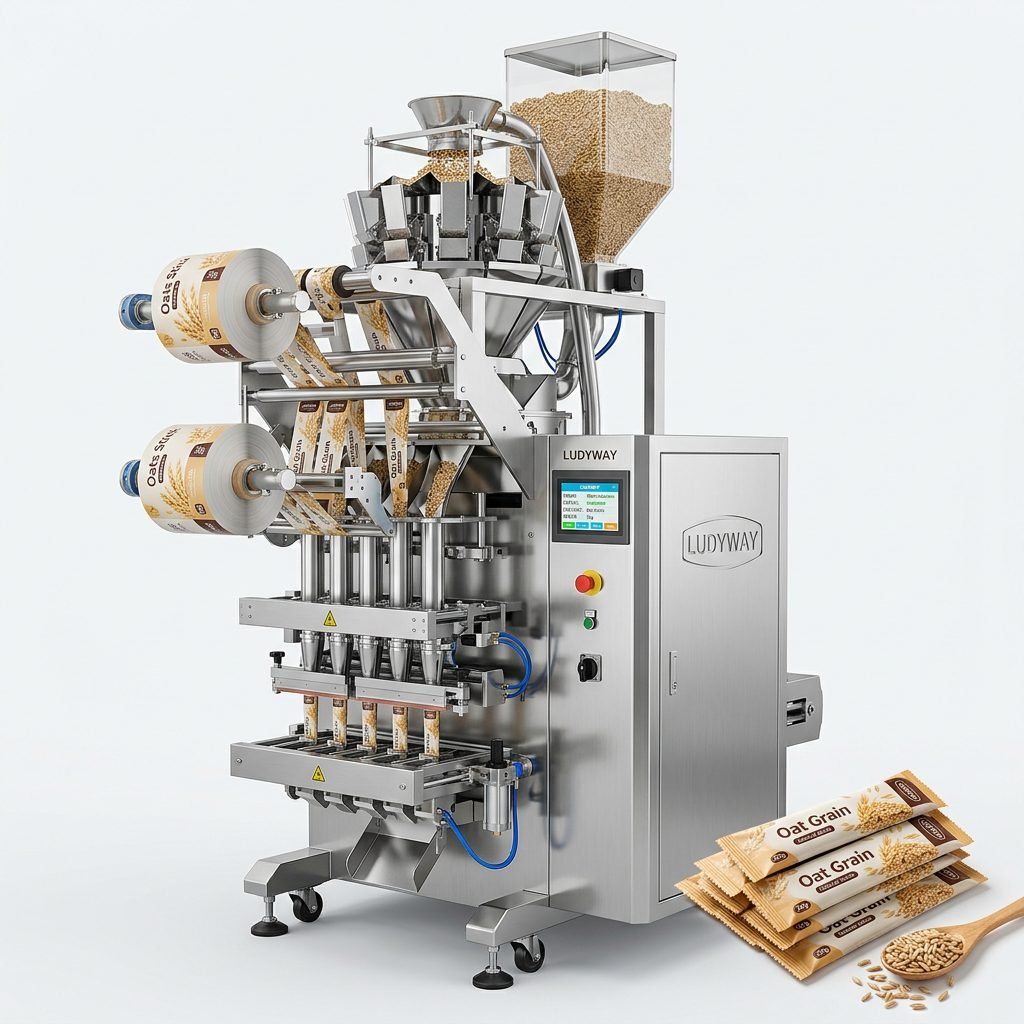
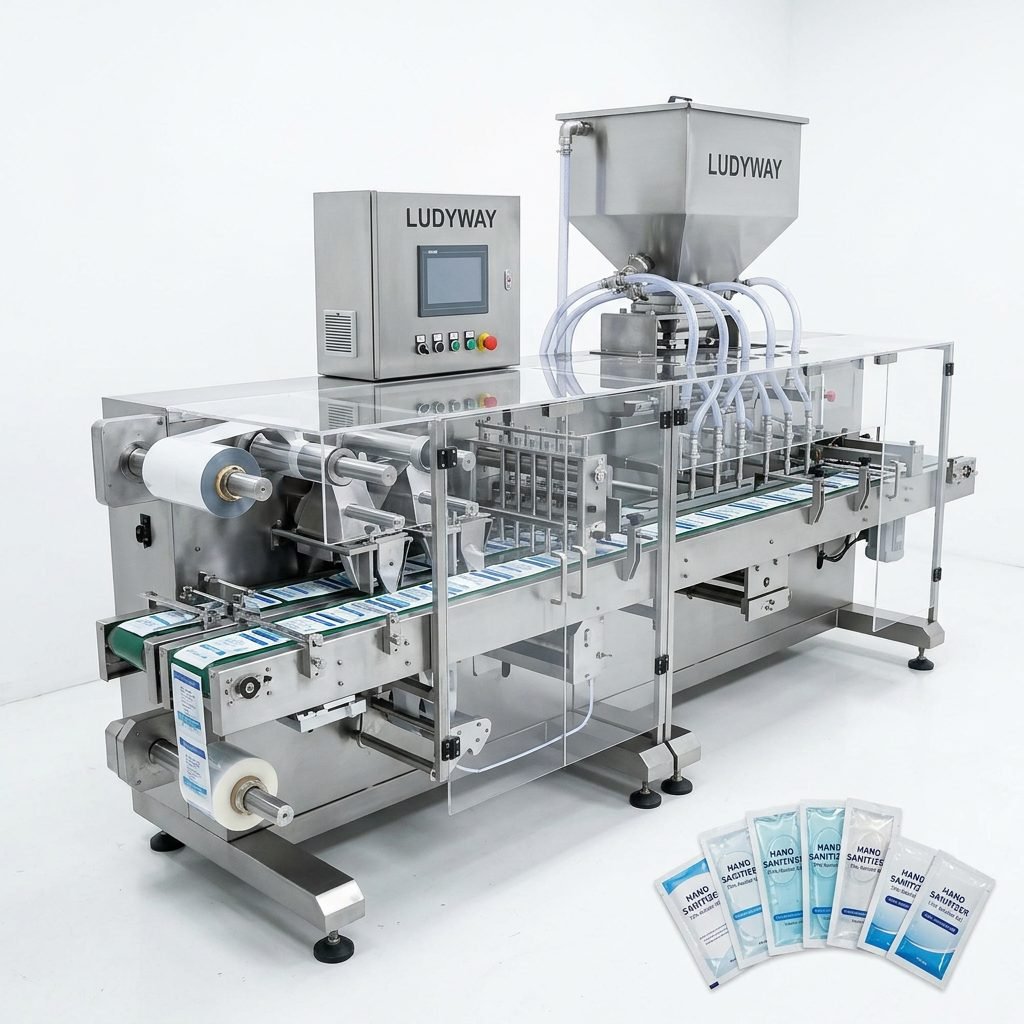
Investing in a blister packaging machine is a significant decision for manufacturers in industries like pharmaceuticals, food, and consumer goods. A common and crucial question is: “How much does a blister packing machine cost?” The answer is not straightforward, as prices can range dramatically from tens of thousands to several hundred thousand dollars. This comprehensive guide will break down the key factors influencing blister packaging machine prices and provide a clear framework for your budgeting and purchasing decisions.
Understanding the Price Range: Entry-Level to High-Speed Systems
The cost of a blister packing machine varies primarily based on its automation level, speed, and complexity. Here’s a general breakdown:
Basic Manual/Semi-Automatic Machines: These are the most affordable options, often priced between $20,000 and $60,000. Ideal for low-volume production, pilot projects, or startups, they require more operator involvement for loading blisters and products.
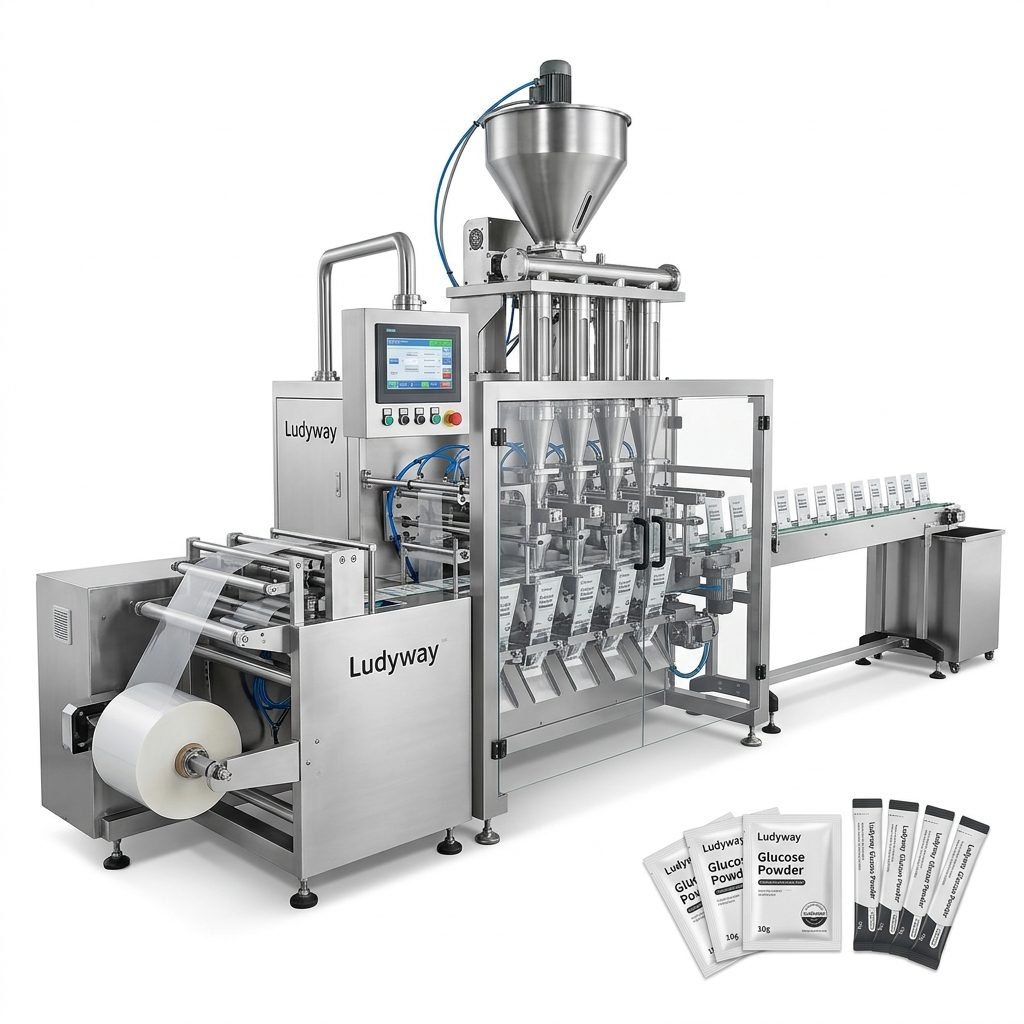
Standard Automatic Machines: The workhorses of the industry, these fully automatic models typically cost between $70,000 and $200,000. They offer balanced speed, reliability, and features for medium-scale production lines.
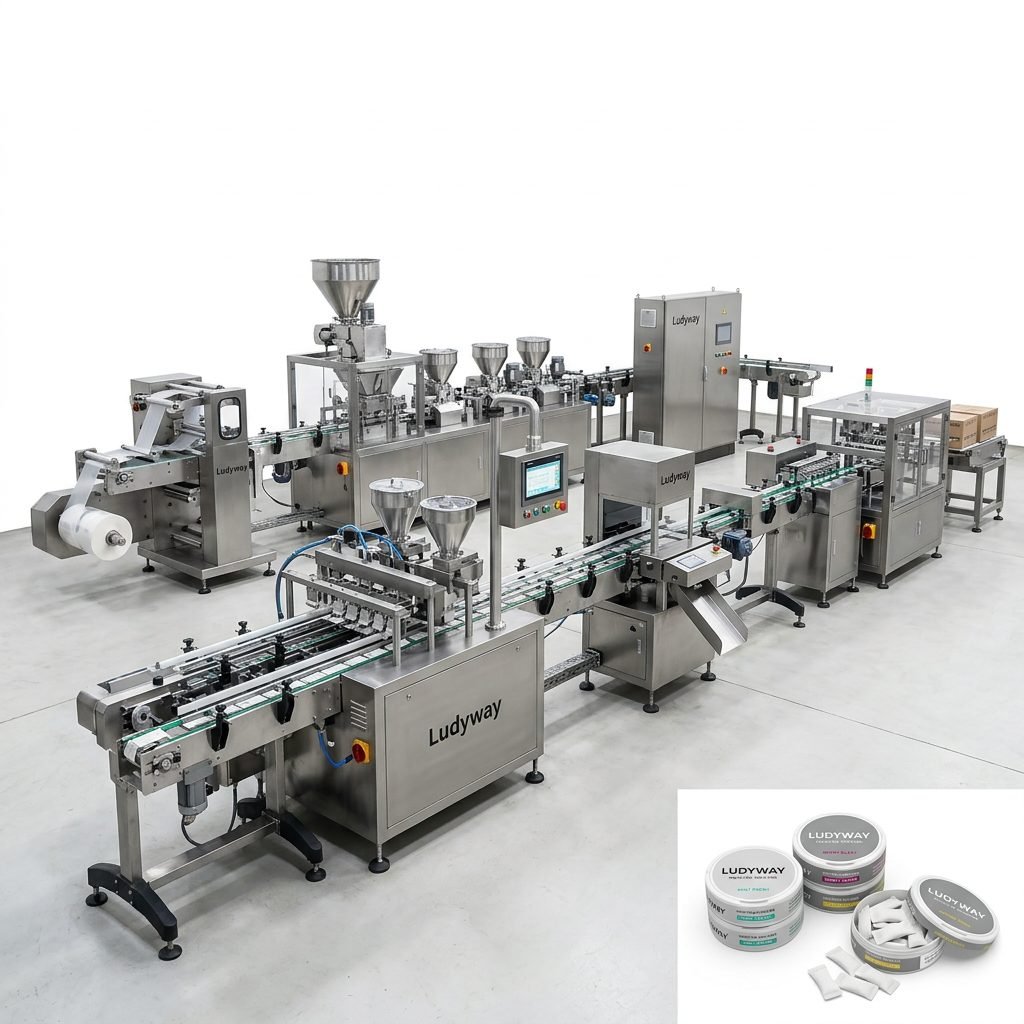
High-Speed & Integrated Systems: For large-scale production requiring maximum output, prices can soar from $200,000 to over $500,000. These systems often include integrated cartoning, vision inspection, or connection to upstream/downstream equipment in a complete turnkey packaging line.
Core Factors That Directly Impact Machine Cost
Several technical and operational specifications play a decisive role in determining the final price tag.
1. Production Speed and Output Capacity
Speed, measured in cycles per minute (CPM) or blisters per minute, is a primary cost driver. A machine rated for 120 blisters/minute will be significantly less expensive than one capable of 400 blisters/minute. Higher speeds require more robust motors, precision engineering, and advanced control systems to maintain accuracy and stability.
2. Machine Configuration and Features
The specific features you need add to the base cost. Key configurations include:
- Feeding System: Manual feeding is standard. Automated feeding systems for tablets, capsules, or irregular products (like lozenges) add complexity and cost.
- Sealing Method: The most common is thermoforming, where a plastic sheet is heated and formed. Cold forming (aluminum-based) machines are specialized and more expensive due to the material and tooling requirements.
- Tooling and Mold Costs: The forming and sealing molds (tooling) are custom-made for your specific blister size and shape. This is a separate, significant one-time cost that must be factored in.
- Optional Modules: Add-ons like automatic cartoning, vision inspection systems, printing verification, or nitrogen flushing for enhanced product protection will increase the investment.
3. Material Compatibility and Flexibility
A machine designed to handle a wide range of materials—such as different grades of PVC, PVDC, aluminum foil, or child-resistant laminates—requires more adaptable heating, forming, and sealing mechanisms. This flexibility comes at a premium compared to a machine built for a single, standard material type.
💡 Pro Tip: Total Cost of Ownership (TCO)
Look beyond the initial purchase price. Consider the Total Cost of Ownership, which includes long-term factors like energy consumption, maintenance costs, spare part availability, and potential downtime. A slightly more expensive machine from a reliable supplier like Ludyway with robust construction and excellent service support can offer a lower TCO by minimizing operational disruptions and repair expenses over its lifespan.
Indirect Factors Influencing Your Investment
Beyond the machine’s specifications, external factors also shape the final cost.
Brand Reputation and Origin
Established European or North American brands often command higher prices due to their long history, perceived quality, and engineering standards. However, reputable manufacturers from other regions, leveraging decades of experience like Ludyway’s 30+ years in the industry, can offer competitively priced machines with comparable performance and reliability, providing excellent value.
Level of Automation and Customization
A fully automated line with robotic pick-and-place, integrated checkweighers, and track-and-trace systems represents the peak of investment. The degree of customization for your specific product also affects price. A standard machine adapted slightly will cost less than one built from the ground up for a unique application.
After-Sales Support and Service
The cost of a machine package often includes vital support elements: installation, training, warranty, and access to technical service. A supplier with a global support network and readily available spare parts might have a higher initial price but ensures smoother long-term operation. This is a critical component of a reliable packaging machinery solution.
Making a Smart Purchase Decision
To navigate the pricing landscape effectively, follow these steps:
- Define Your Exact Needs: Clearly outline your required output, product dimensions, materials, and future growth plans. Over-specifying leads to overspending; under-specifying leads to bottlenecks.
- Get Detailed Quotes: Request itemized quotations from multiple suppliers. Ensure they include machine price, tooling costs, shipping, installation, and first-year service terms.
- Request References and Demos: Ask for case studies or contact existing customers. If possible, arrange a live production demo with your own product samples to see the machine in action.
- Evaluate the Supplier Partnership: Choose a supplier based on their expertise, project support capability, and commitment to your success, not just the lowest price. A partner with strong engineering support can help optimize your entire process.
Ultimately, the cost of a blister packaging machine is an investment in your production efficiency, product integrity, and brand reputation. By thoroughly understanding the factors outlined above—from speed and features to supplier support—you can make an informed decision that balances upfront cost with long-term value and operational excellence, securing a machine that meets your production goals reliably for years to come.
Frequently Asked Questions (FAQs)
1. What is the typical lifespan of a blister packaging machine?
With proper maintenance and operation, a well-built automatic blister machine can last 15 to 20 years or more. Key components like seals and heaters may need periodic replacement, but the main frame and drives should have excellent longevity.
2. Can I use one machine for different blister sizes?
Yes, but it requires a changeover of the forming and sealing molds (tooling). Modern machines are designed for quicker changeovers. However, each unique blister size and shape requires its own set of custom tooling, which is an additional cost.
3. How important is a vision inspection system, and does it add much cost?
For pharmaceutical and high-value consumer goods, vision inspection is critical for quality control, checking for missing or broken products, and verifying print/date codes. It can add 20% to 40% to the machine’s base cost but is often a necessary investment for compliance and brand protection.
4. Are used blister packaging machines a good option to save money?
They can be, but carry higher risk. It’s crucial to have the machine thoroughly inspected, ensure spare parts are still available, and verify its maintenance history. For critical applications, a new machine from a trusted supplier often provides better long-term value and reliability.
5. What are the ongoing operational costs I should budget for?
Beyond the initial purchase, budget for consumables (heating elements, seals), spare parts, preventive maintenance contracts, energy consumption, and operator training. Your supplier should provide an estimated maintenance schedule and cost guide.