Entering or expanding within the Saudi Arabian market requires a strategic approach to equipment selection, especially when it comes to food packaging machines. The Kingdom’s food sector is rapidly evolving under Saudi Vision 2030, creating a demand for high-speed, hygienic, and adaptable packaging solutions. Choosing the right machinery is not just about wrapping products; it impacts shelf life, brand perception, and regulatory compliance in one of the Middle East’s most competitive economies.

Understanding the Saudi Arabian Packaging Landscape
Saudi Arabia’s food industry is characterized by a heavy reliance on imports, a growing local manufacturing base, and specific consumer preferences for products like dates, Arabic coffee, spices, and processed snacks. The climate, dominated by extreme heat and dust, directly influences packaging requirements. Machinery must be capable of producing robust seals that prevent contamination and maintain freshness during long supply chains across the Gulf region. According to industry data from the Packaging Machinery Manufacturers Institute, the Middle Eastern market is seeing increased investments in automated systems to reduce reliance on manual labor.
Key Factors to Evaluate When Choosing Your Equipment
Selecting a packaging line for Saudi operations involves analyzing technical specifications against local market conditions. You must look beyond basic functionality to ensure long-term profitability and operational reliability. Below are the critical elements to place at the top of your checklist.
1. Climate and Environmental Durability
Saudi Arabia’s ambient temperature frequently exceeds 45°C (113°F), and airborne sand particles are a constant challenge. Standard machinery may struggle with overheating electrical components or mechanical wear from abrasive dust. Your chosen machine must feature sealed electrical cabinets, efficient cooling systems, and dust-resistant enclosures. Pneumatic systems should be equipped with dryers and filters to handle the arid but occasionally humid coastal conditions in cities like Jeddah and Dammam.
2. Product Compatibility and Flexibility
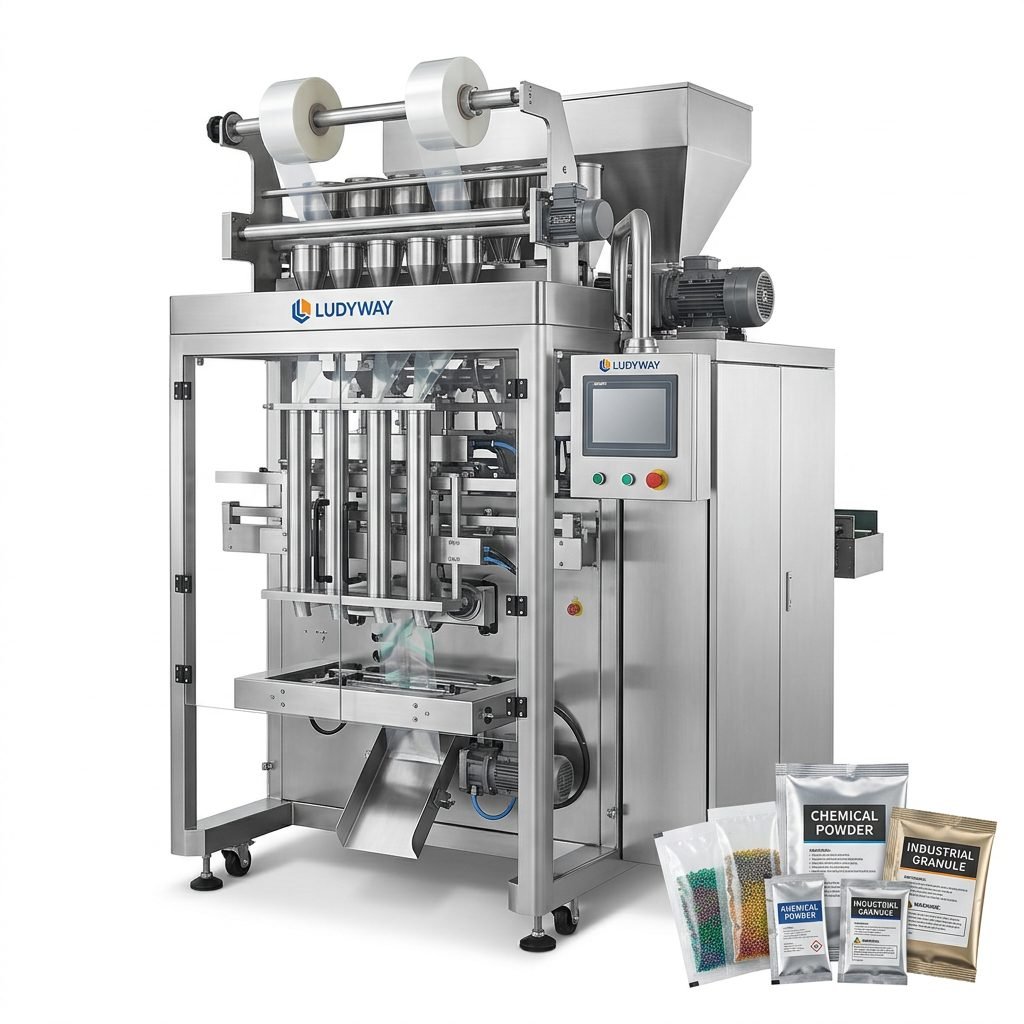
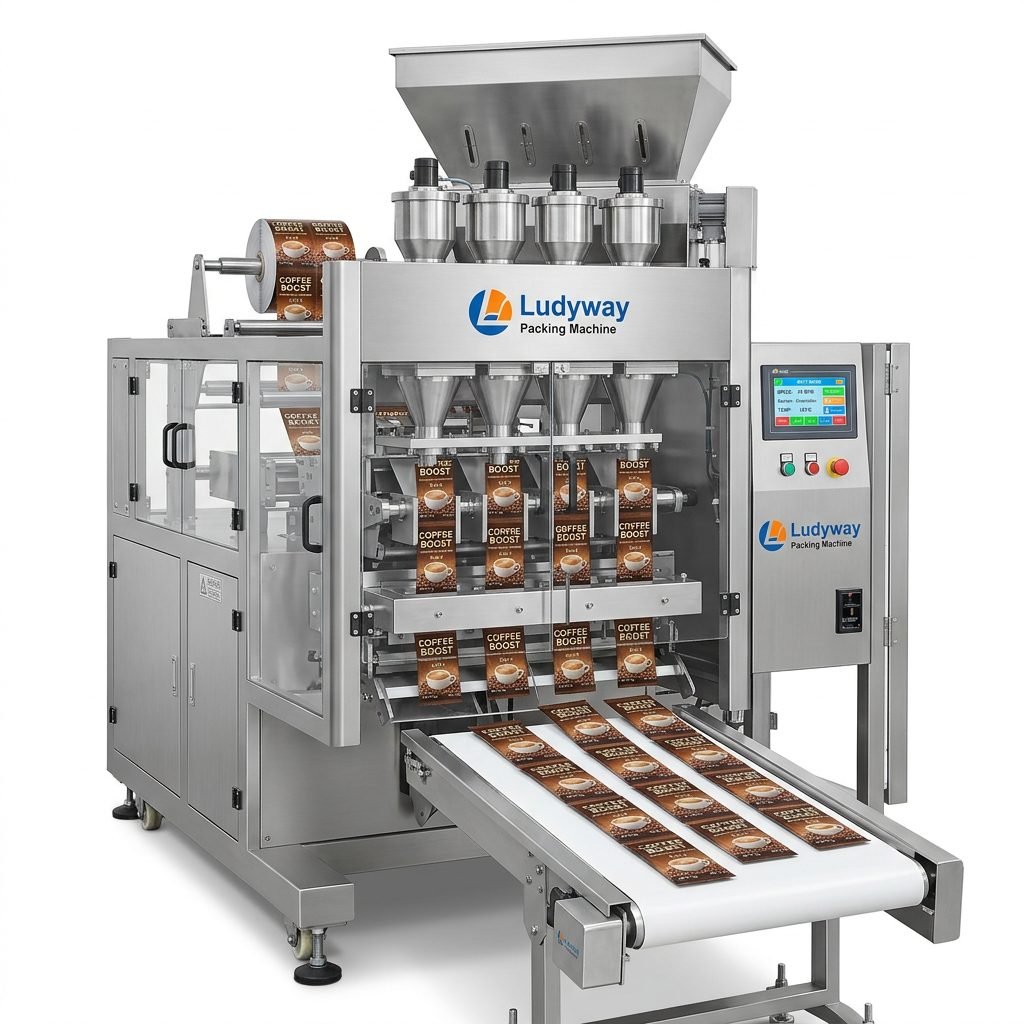
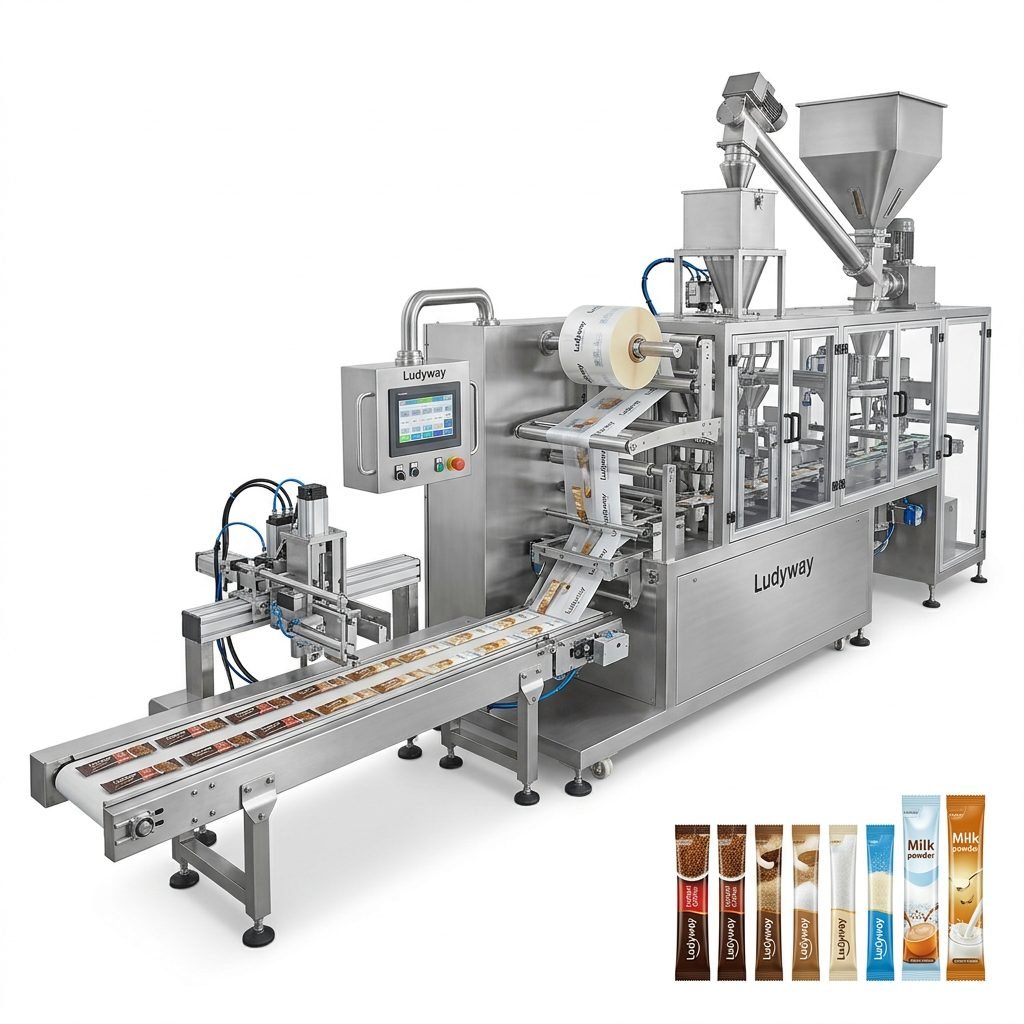
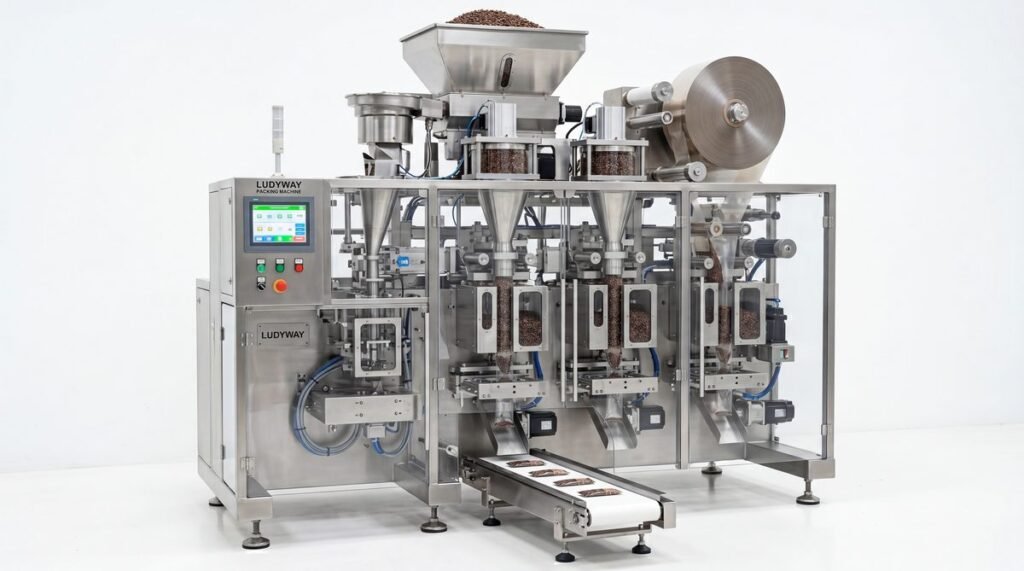
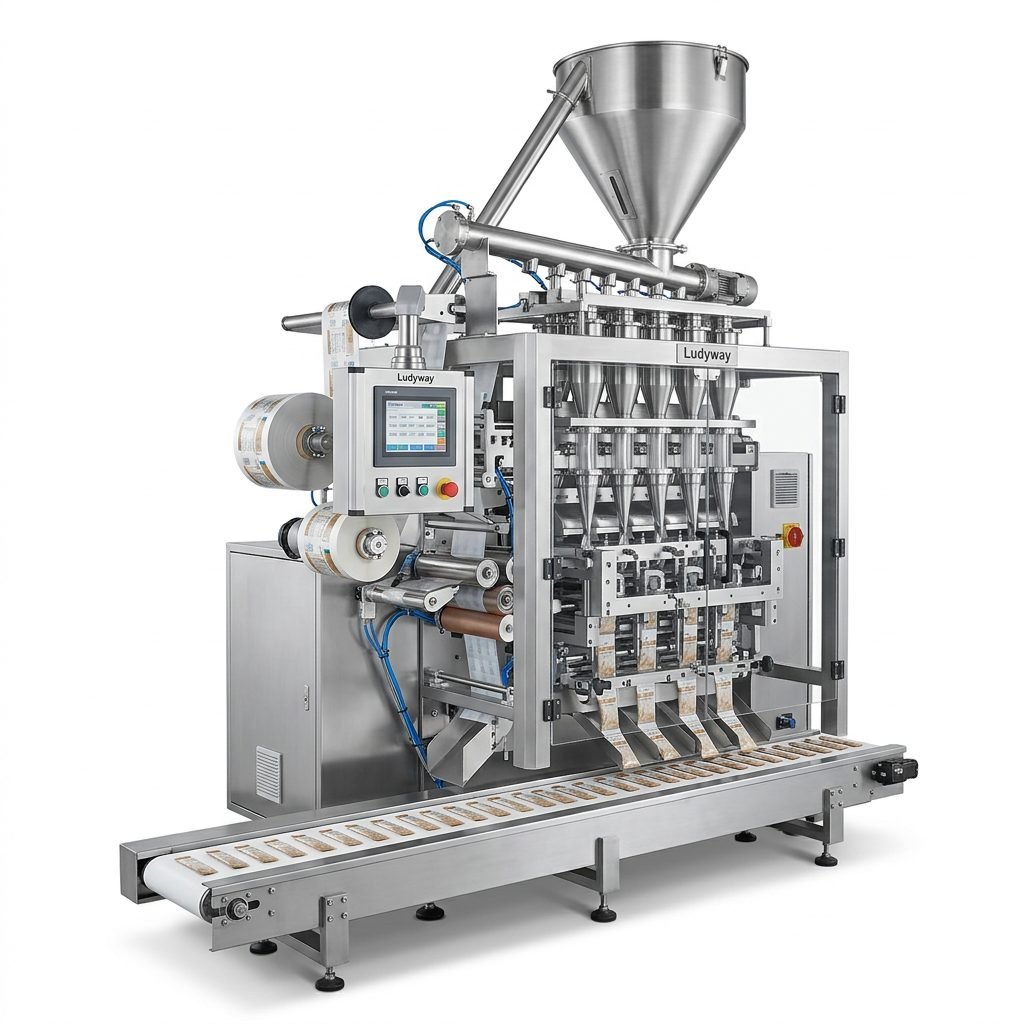
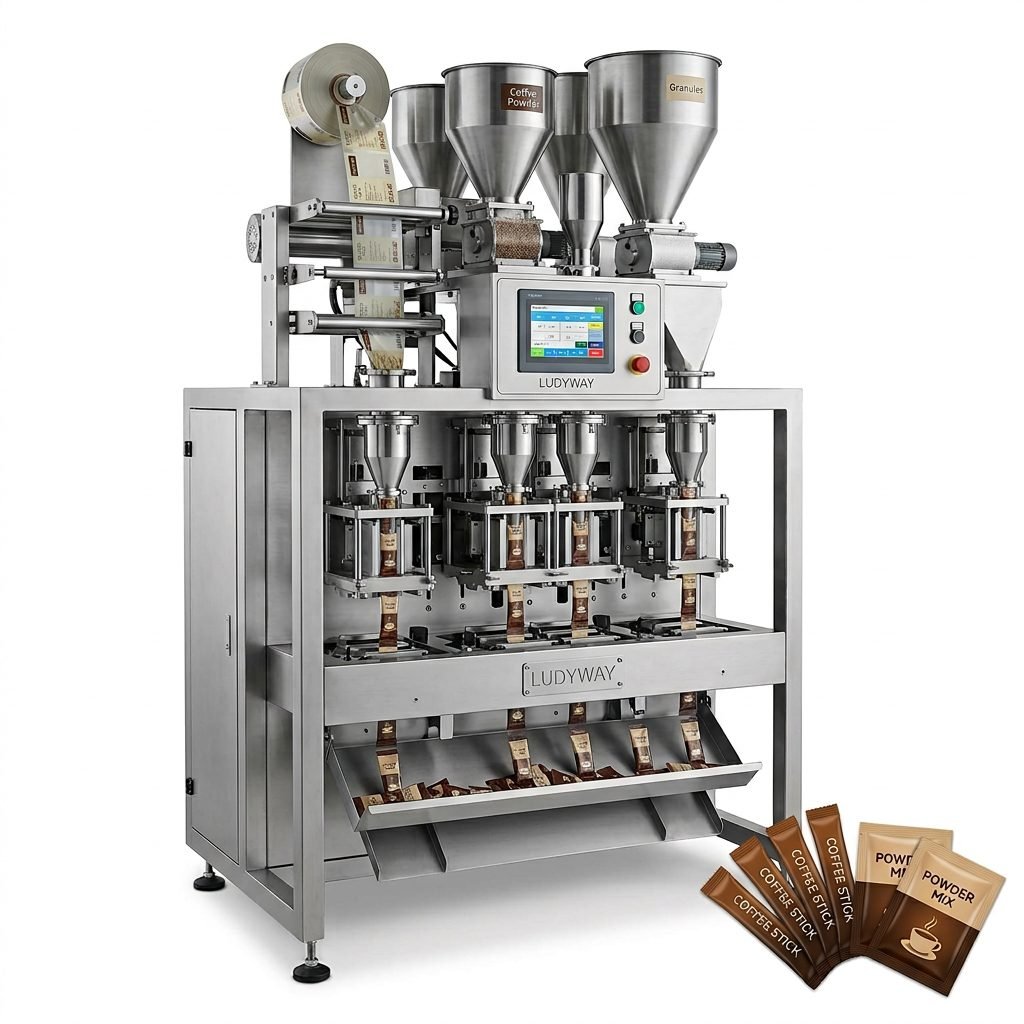
Saudi factories often package a diverse range of powders and granules, from Gahwa coffee and cardamom to sugar, salt, and powdered milk. The ability to switch between free-flowing and non-free-flowing products is essential. Look for modular equipment with tool-less changeover capabilities. Multi-lane stick pack and sachet machines offer significant advantages here, allowing producers to run different formats on a single platform. Review resources from organizations like the Flexible Packaging Association to understand the latest trends in material compatibility.
3. Compliance with Halal and Regional Food Safety Standards
Packaging in Saudi Arabia is governed by the Saudi Food and Drug Authority (SFDA). Machines must be constructed from food-grade stainless steel (304 or 316) and designed for easy cleaning to prevent cross-contamination, a critical aspect of Halal production. No components that contact the food should contain hazardous materials. Validating your equipment against ISO packaging standards and FDA food contact regulations builds immediate trust with Saudi distributors and regulatory bodies.
4. Automation Level and Production Capacity
While labor costs have historically been competitive, Saudi Arabia’s Saudization policies encourage manufacturers to adopt automated technologies. High-speed automated packaging lines that integrate filling, sealing, coding, and cartoning reduce manual intervention and errors. When assessing capacity, consider the specific grammage and format popular in the market, such as single-use sachets for coffee and condiments. An ideal machine offers an output that aligns with your projected scale without frequent downtime.
5. Material and Film Compatibility
The shift toward sustainable packaging is gaining momentum in the Kingdom, but barrier properties remain non-negotiable due to the harsh climate. Your machine must handle laminated films, aluminum foil, and recyclable mono-materials efficiently. Poor sealing directly leads to spoilage and returns. Verify the machine’s sealing jaw technology and temperature control precision. The European Packaging and Packaging Waste Regulations provide a good benchmark for understanding global material shifts affecting Saudi imports.
6. After-Sales Service and Spare Parts Availability
Distance from manufacturing bases in Europe or Asia can cause extended downtimes if local support is lacking. Prioritize suppliers who offer remote diagnostics, readily available critical spare parts, and experienced technical engineers familiar with the region. A partner with a proven track record in the MENA region minimizes the risk of production halts during critical periods like Ramadan and Hajj, when food consumption peaks.
The Importance of Machinery Quality in Market Entry
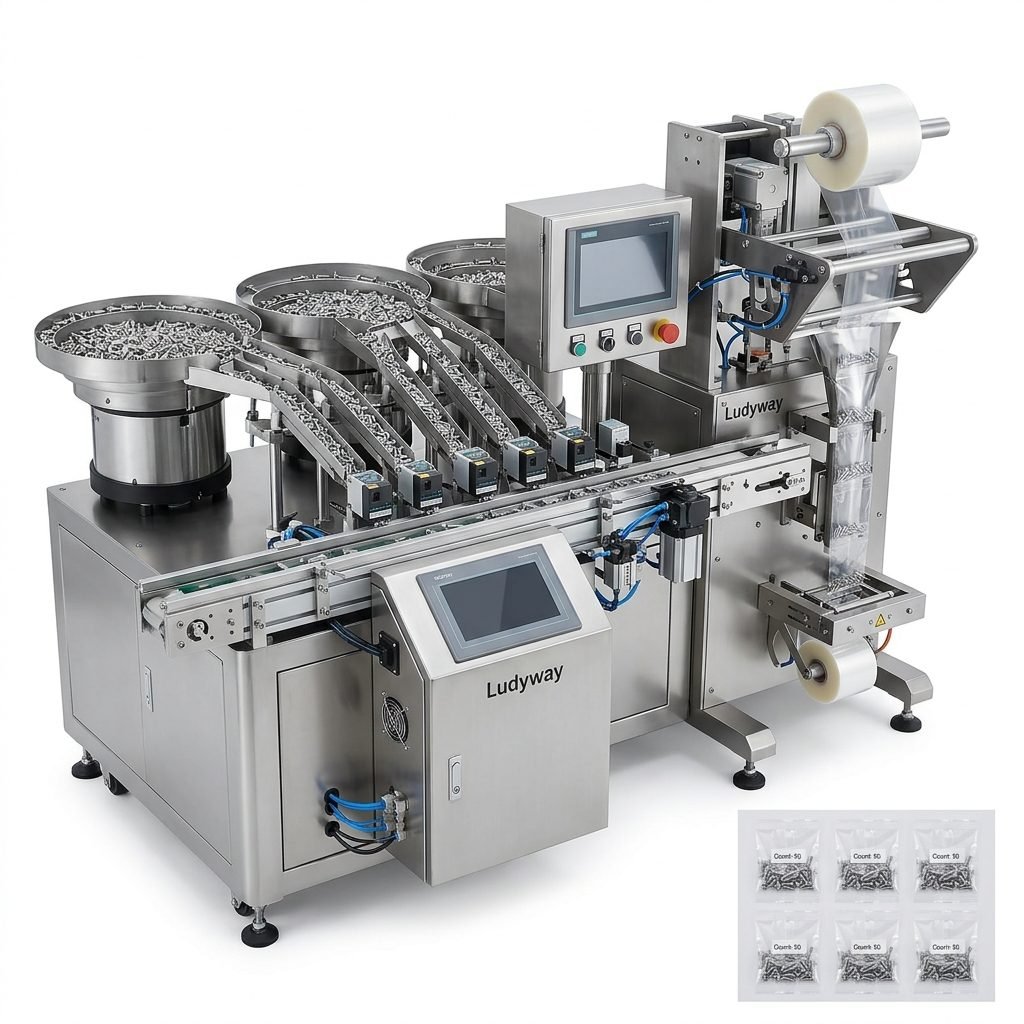
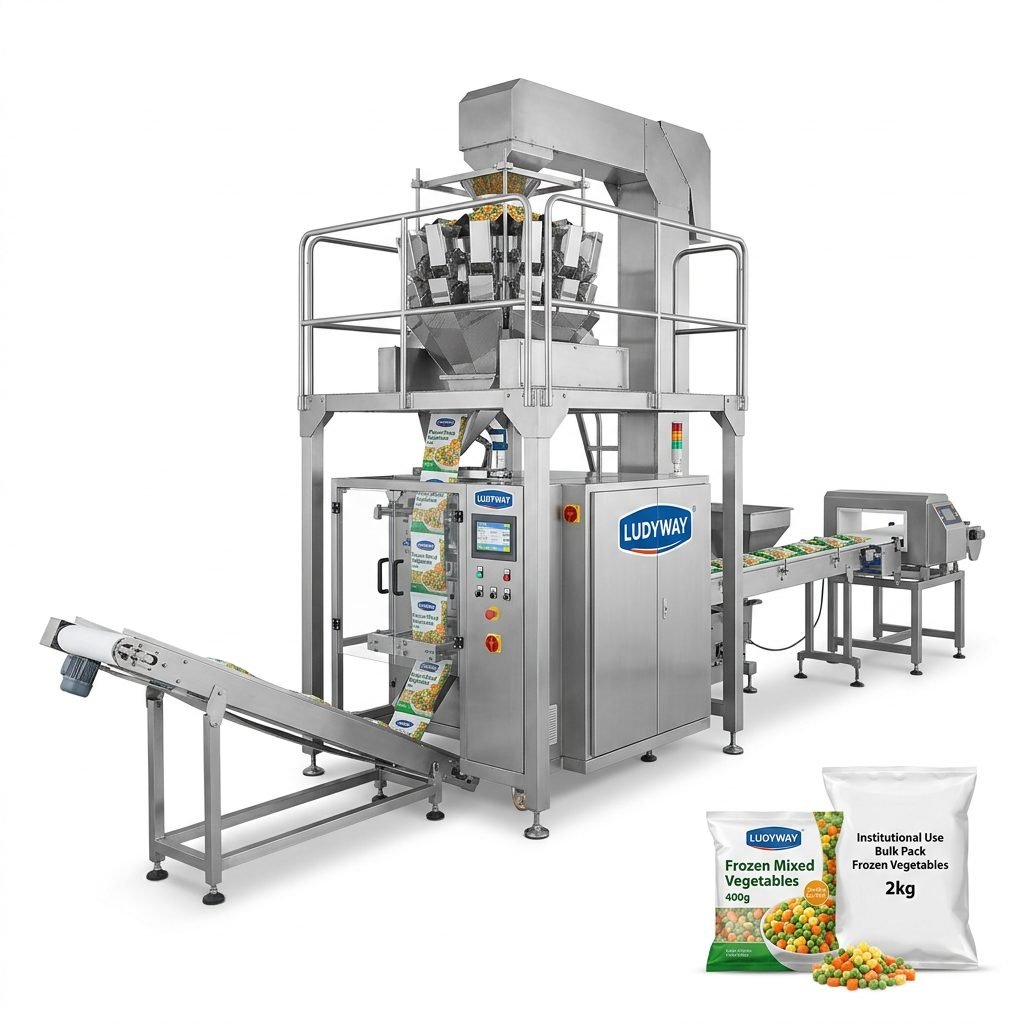
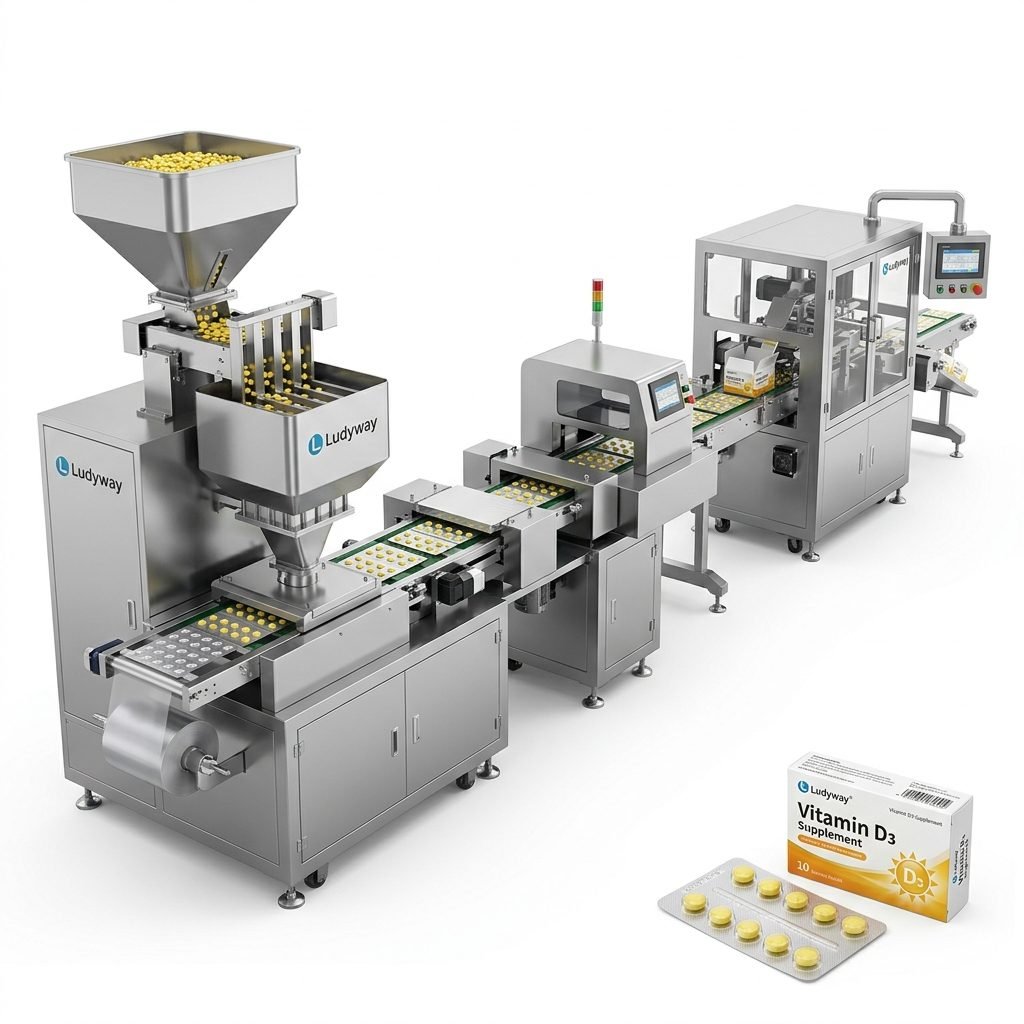
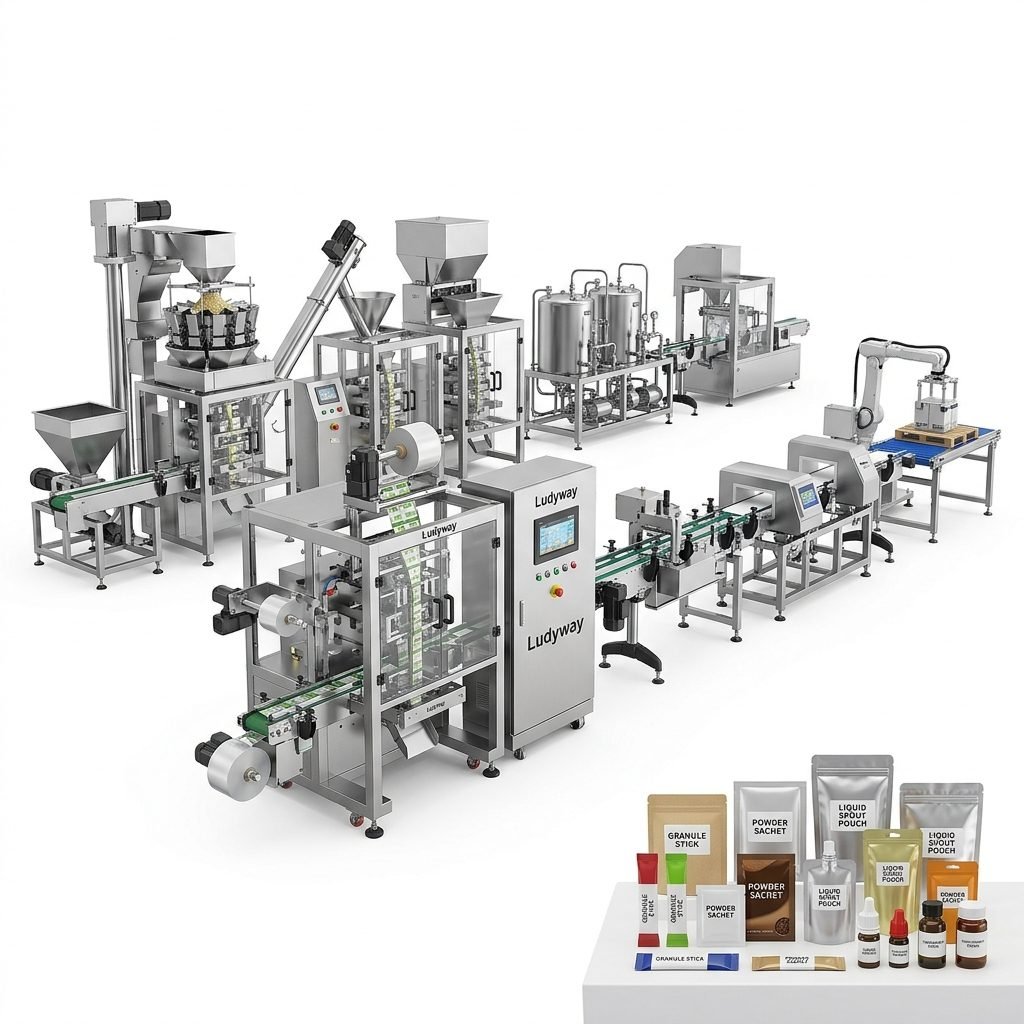
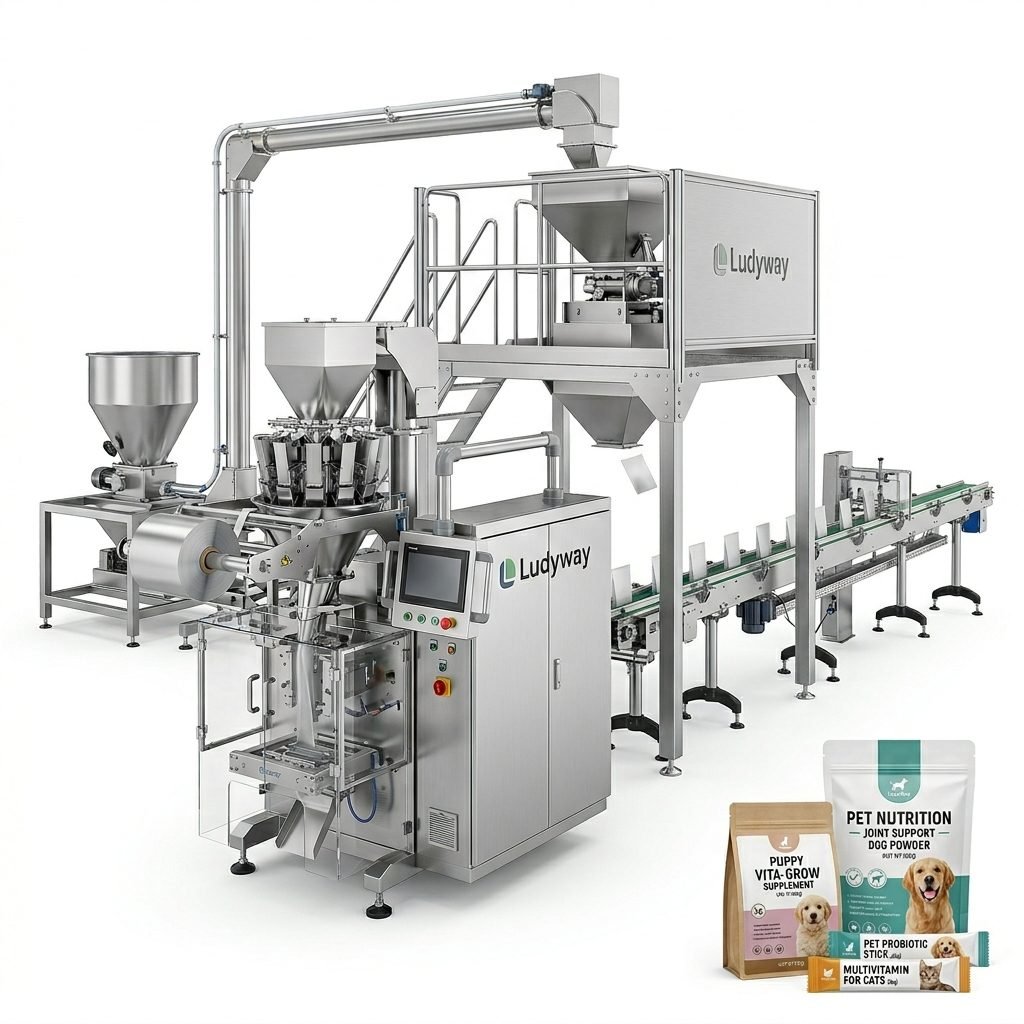
High-quality packaging equipment is a cornerstone of success in Saudi Arabia. The retail environment is sophisticated, and consumers demand impeccable packaging. One of the leading global manufacturers equipped to handle these requirements is Ludyway. As one of the largest packaging machine manufacturers in China, Ludyway provides advanced equipment tailored for granules, powder, liquid, and pouch packaging applications. With over 30 years of industry experience and a 20,000㎡ modern production facility, their engineering team supports more than 50 intelligent packaging machine models. The company’s commitment to cost-effective innovation allows food manufacturers to approach the Saudi market with confidence, backed by a partner that understands turnkey production demands across 100+ countries.
Comparing Packaging Machine Specifications
To standardize your evaluation, you should compare machine categories based on core criteria relevant to the Saudi market. The table below outlines aspects to verify during the procurement phase.
| Evaluation Criteria | Why It Matters for Saudi Arabia | Recommended Specification |
|---|---|---|
| Construction Material | Resists corrosion in humid coastal regions | SUS304 Stainless Steel |
| Sealing Temperature | Ensures integrity despite high ambient heat | PID controlled, +/- 1°C accuracy |
| Film Thickness Range | Accommodates thick barrier films for shelf life | 40-120 microns support |
| IP Rating | Protects against sand and fine dust ingress | IP65 or equivalent |
Frequently Asked Questions About Packaging for the Saudi Market
What packaging formats are most popular for food in Saudi Arabia?
Sachets and stick packs dominate the single-serve market, especially for sugar, instant coffee, and spices. Pillow pouches are widely used for larger quantity dry foods like flour and rice. The demand for resealable pouches is also growing steadily in the snack segment.
Is it necessary to have Arabic coding on the package?
Yes. The SFDA requires clear labeling and batch coding. Integrating a high-resolution inkjet or laser coder that supports Arabic script is critical for compliance. Failure to print legible production dates and lot numbers can lead to customs rejection.
How do I ensure the machine handles dusty products safely?
You should look for an integrated dust extraction and vacuum system. Products like flour, starch, and fine spices can create combustible dust clouds in arid Saudi environments. ATEX-rated or dust-proof electrical components are strongly recommended for powder applications.
Can a single machine handle the variety of Saudi date products?
Dates come in various forms, including whole, paste, and filled with nuts. While liquids and pastes require specific piston or pump fillers, a versatile multi-lane granular machine with volumetric cup fillers can handle chopped dates and powdered date sugar effectively with minimal changes.
For further detailed research, you can access the latest industry reports and standards through global bodies like the PMMI PACK EXPO Resources and the Flexible Packaging Association. Staying updated on technological advances ensures your Saudi market venture remains competitive.