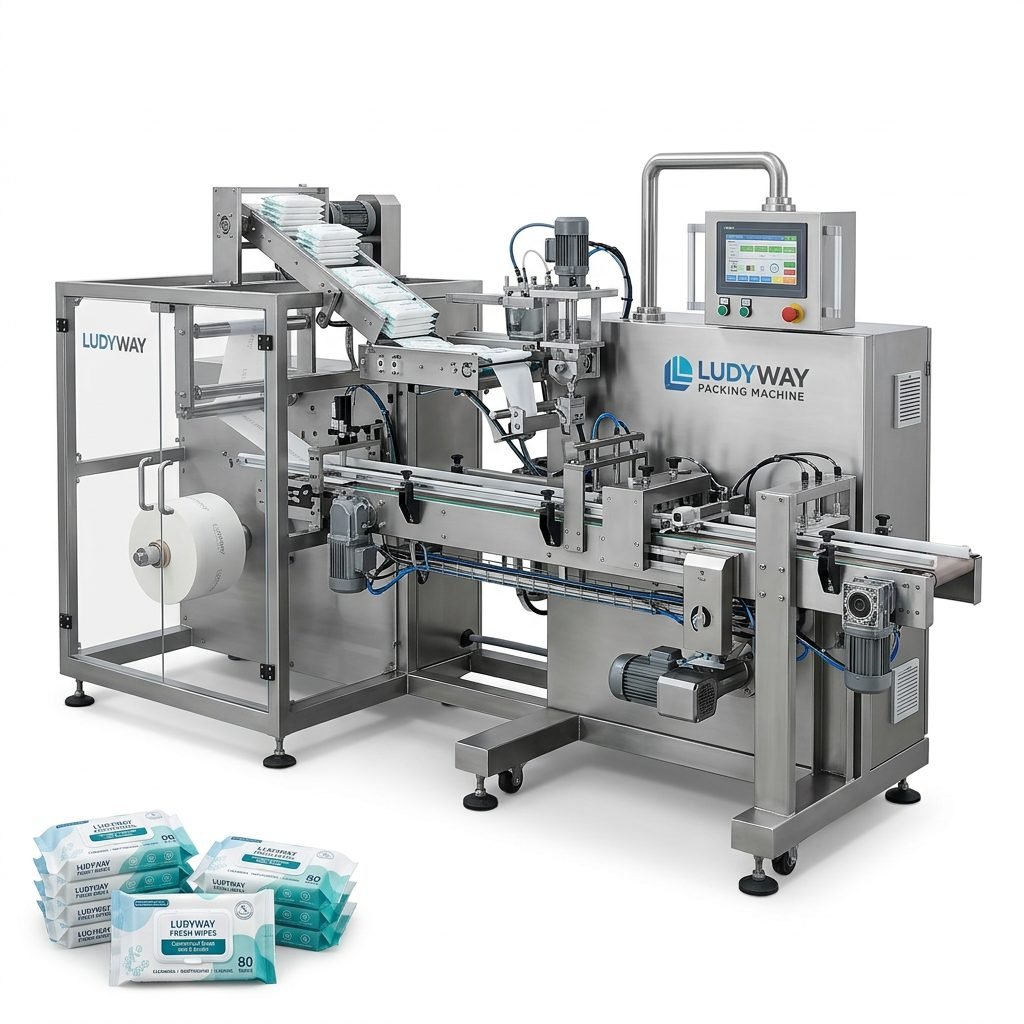
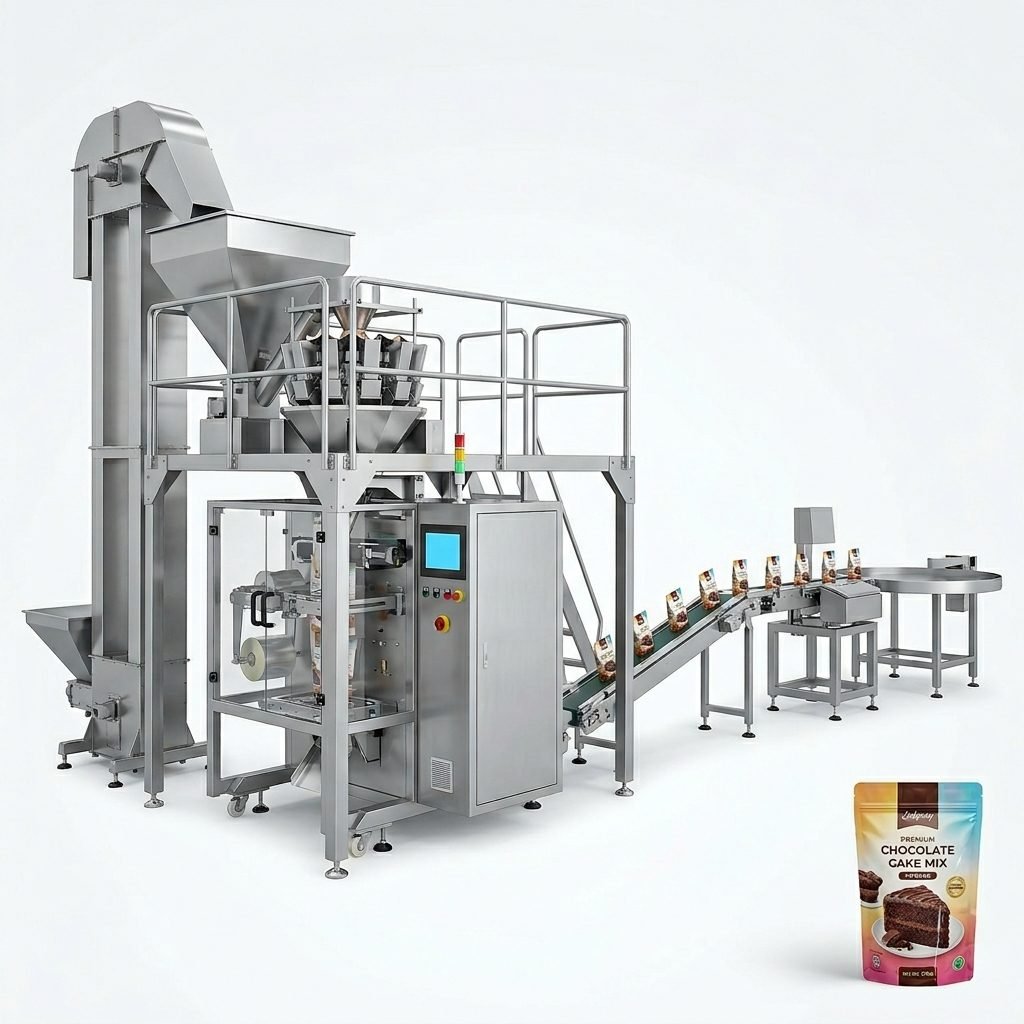
Choosing the right powder packing machine is not just about filling products faster. It directly affects
accuracy, product quality, packaging appearance, labor cost, and long-term production efficiency.
Whether you package milk powder, protein powder, spices, pharmaceuticals, chemical powders, or nutritional supplements,
the right machine should match your product characteristics, packaging format, output target, and compliance requirements.
In today’s competitive manufacturing environment, buyers need a solution that does more than seal bags. A good system should
reduce dust, control dosage variation, simplify cleaning, and support future automation upgrades. That is why many manufacturers
compare machine design, filling technology, packaging speed, and line integration before making a decision.
Why the right powder packing machine matters
Powder products can be difficult to handle. Some are free-flowing, while others are dusty, sticky, hygroscopic, or easy to bridge.
If the machine is not properly matched to the powder, you may face underfilling, overfilling, seal contamination, unstable bag forming,
and unnecessary material waste.
- Improves filling precision for each pack
- Reduces powder leakage and dust pollution in the workshop
- Maintains consistent package appearance for better shelf impact
- Supports higher output with lower labor dependence
- Helps meet hygiene and regulatory standards in food and pharma sectors
Start with your powder characteristics
Before comparing models, first evaluate the powder itself. This is the foundation of machine selection. Different powders behave very differently during dosing and filling.
| Powder Characteristic | Why It Matters | Recommended Consideration |
|---|---|---|
| Free-flowing | Easy and stable feeding | High-speed auger or volumetric system |
| Poor-flowing / bridging | May clog hopper or feed screw | Agitator, anti-bridge hopper, stable auger dosing |
| Dusty | Affects sealing, hygiene, and operator safety | Dust extraction, enclosed filling area |
| Hygroscopic | Absorbs moisture and cakes easily | Fast filling, sealed transfer, controlled environment |
| Fine pharmaceutical powder | Requires high accuracy and cleanliness | Servo auger filler with sanitary structure |
If your product range includes multiple powder types, it is often smarter to select a machine with
adjustable dosing parameters and quick changeover capability.
Choose the right filling technology
1. Auger filling machines
Auger fillers are one of the most common solutions for powder packaging. They are especially suitable for fine powders such as
flour, milk powder, protein powder, coffee powder, spice powder, and pharmaceutical formulations.
- Good for precise and repeatable dosing
- Works well with non-free-flowing powders
- Often used in sachet, stick pack, pouch, and bottle filling applications
2. Volumetric cup filling
Volumetric systems are generally better for products with more stable bulk density and freer flow. They can be cost-effective for some food powders,
but they may not provide the same precision as auger filling when dealing with density variation.
3. Weighing-based filling systems
For larger bags or products with strict net weight requirements, weighing systems can be a strong option. They are commonly selected for bulk powder,
premix, feed, chemical powder, and industrial applications.
Match the machine to your packaging format
The best solution depends heavily on the package you sell. Different formats require different machine structures, film handling systems,
sealing methods, and downstream integration.
| Packaging Format | Best Use | Typical Machine Type |
|---|---|---|
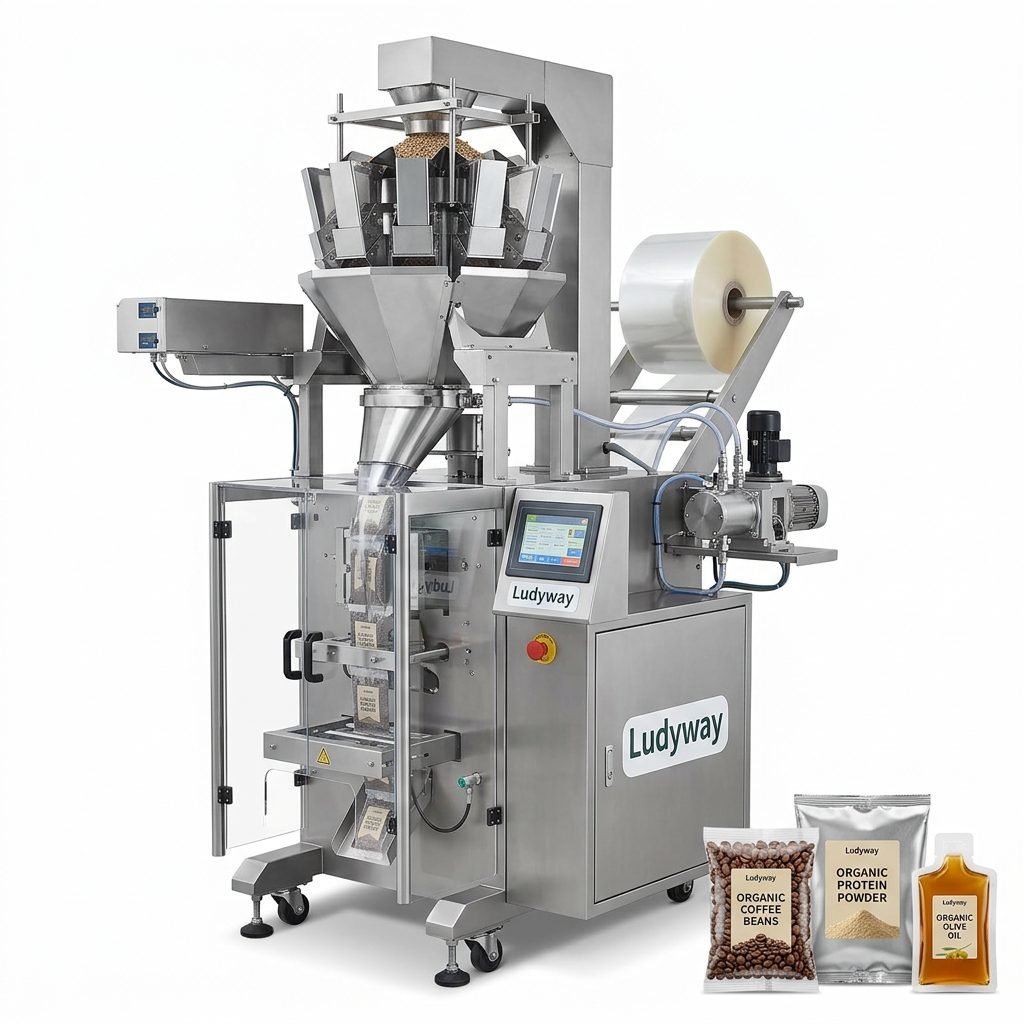
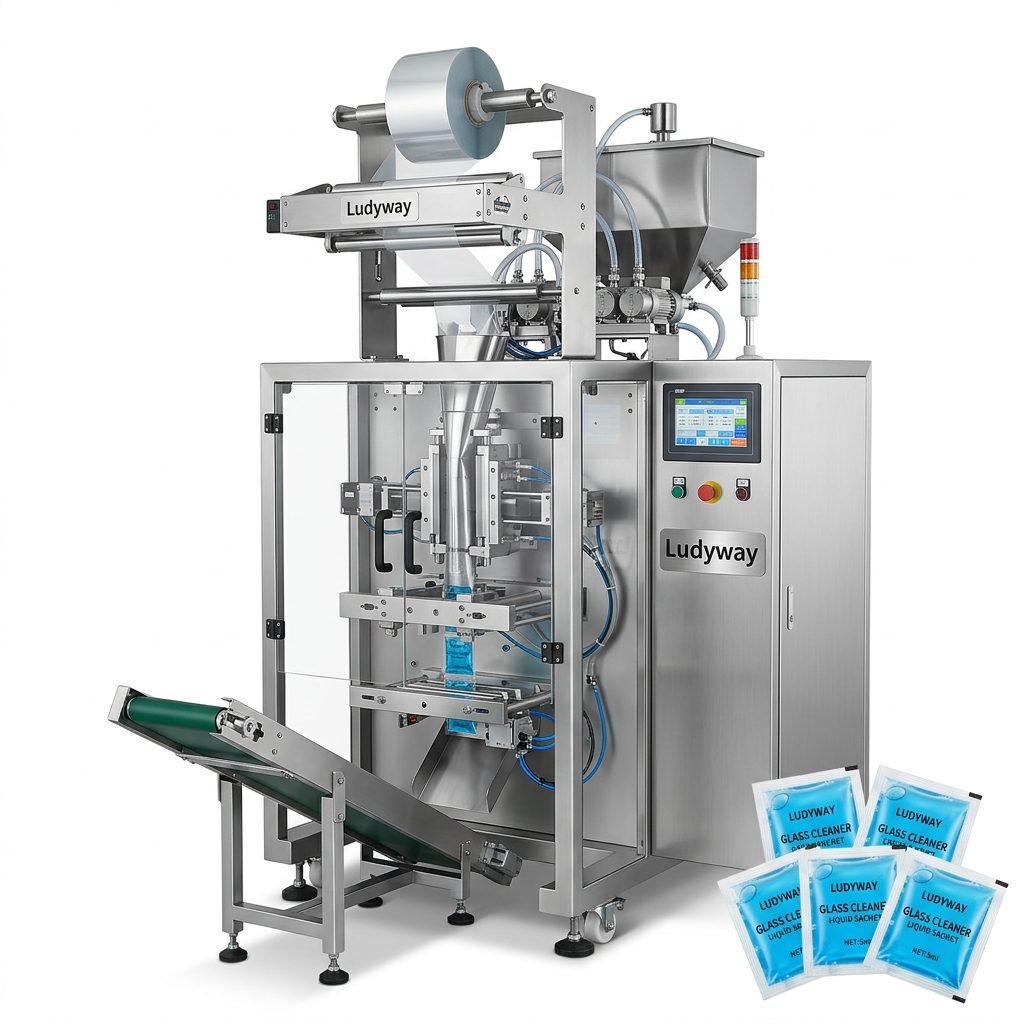
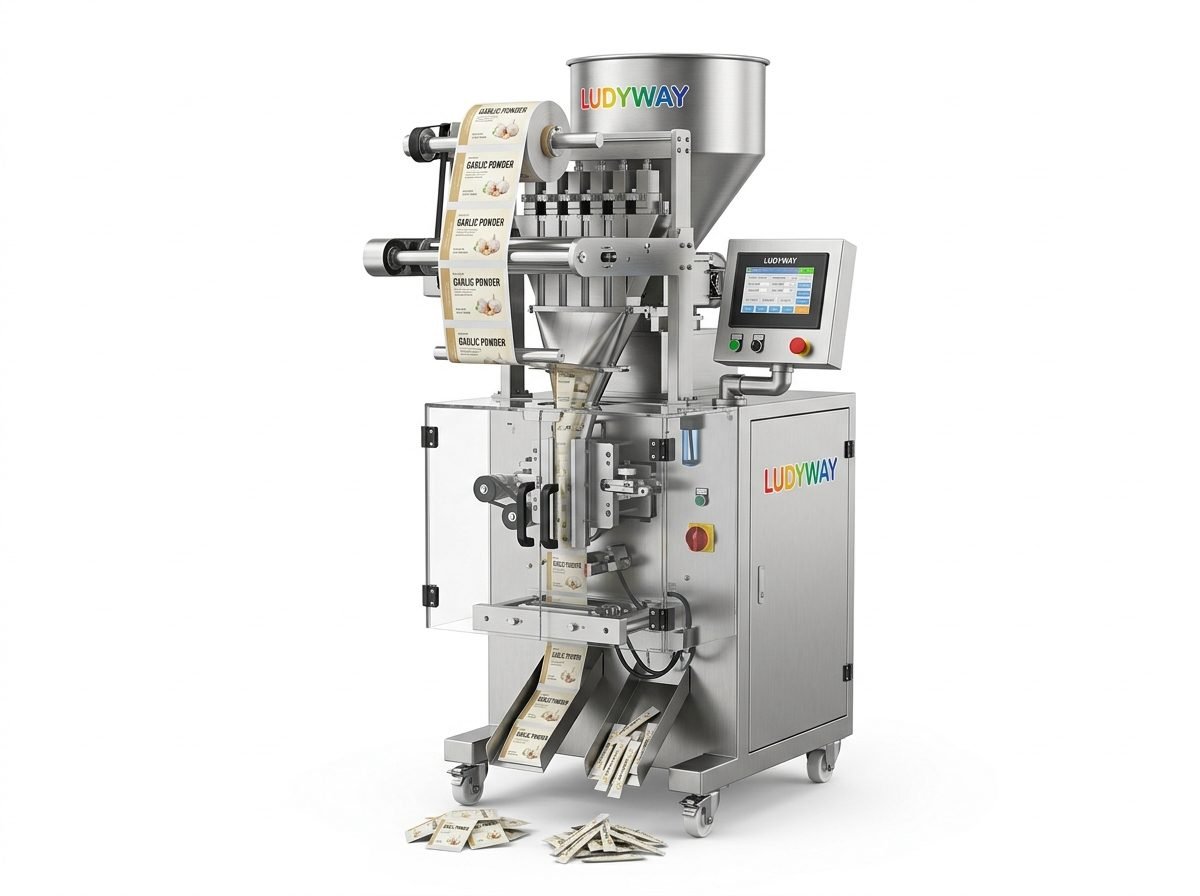
| Sachets | Single-dose retail packs, samples, healthcare products | Vertical sachet packing machine |
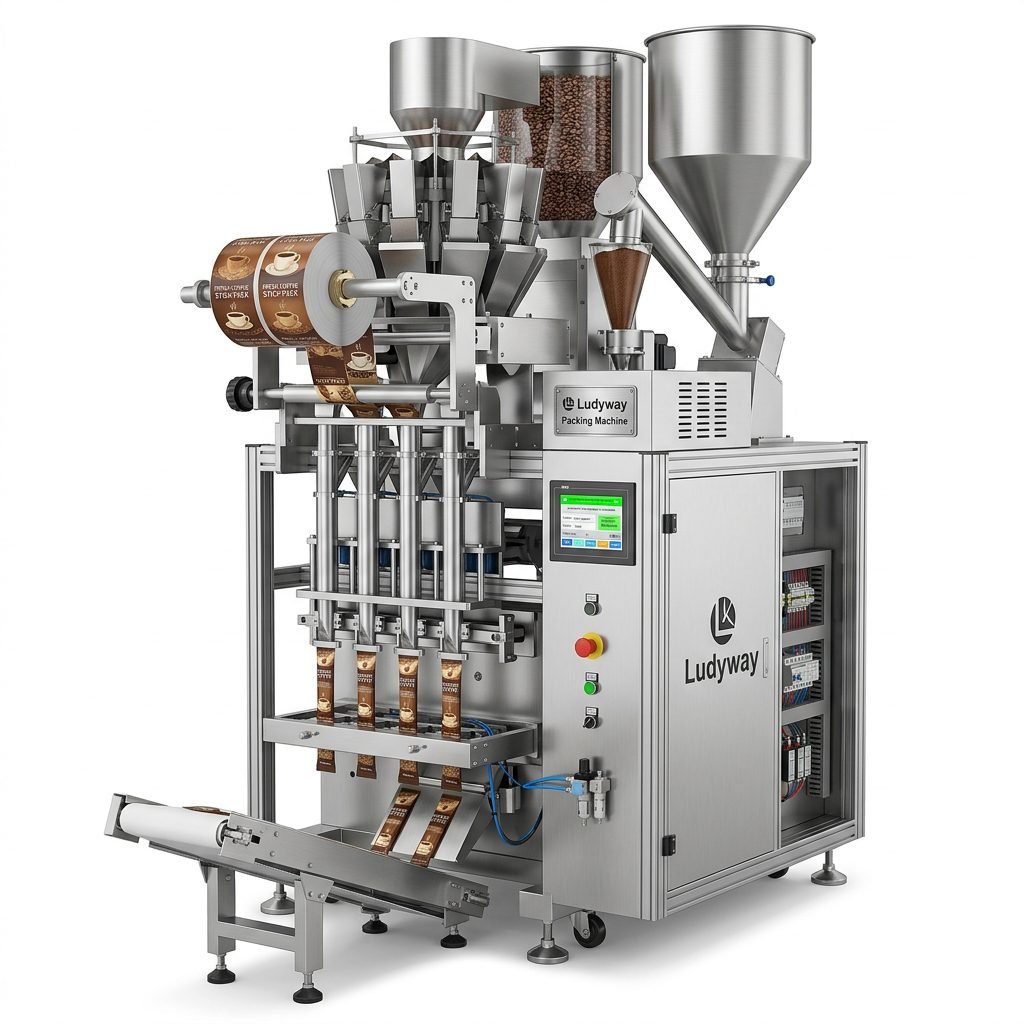
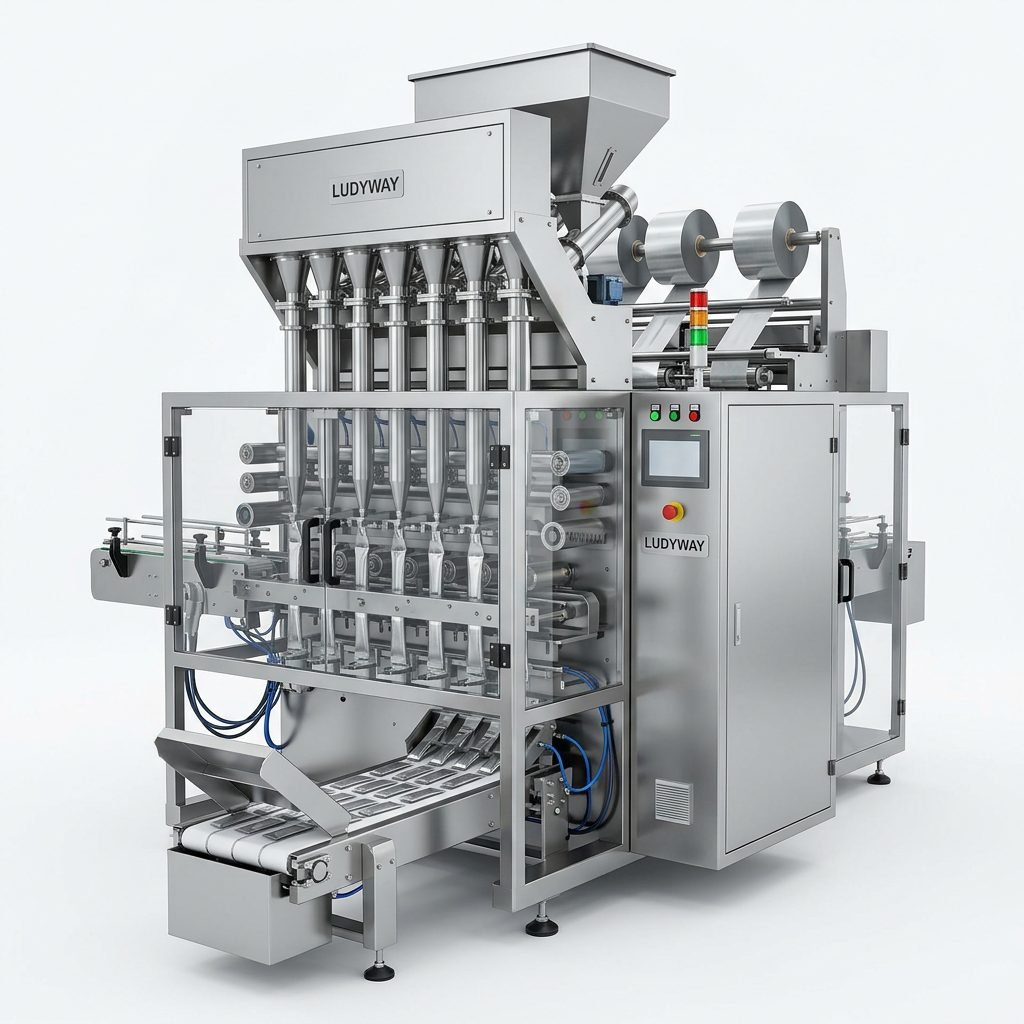
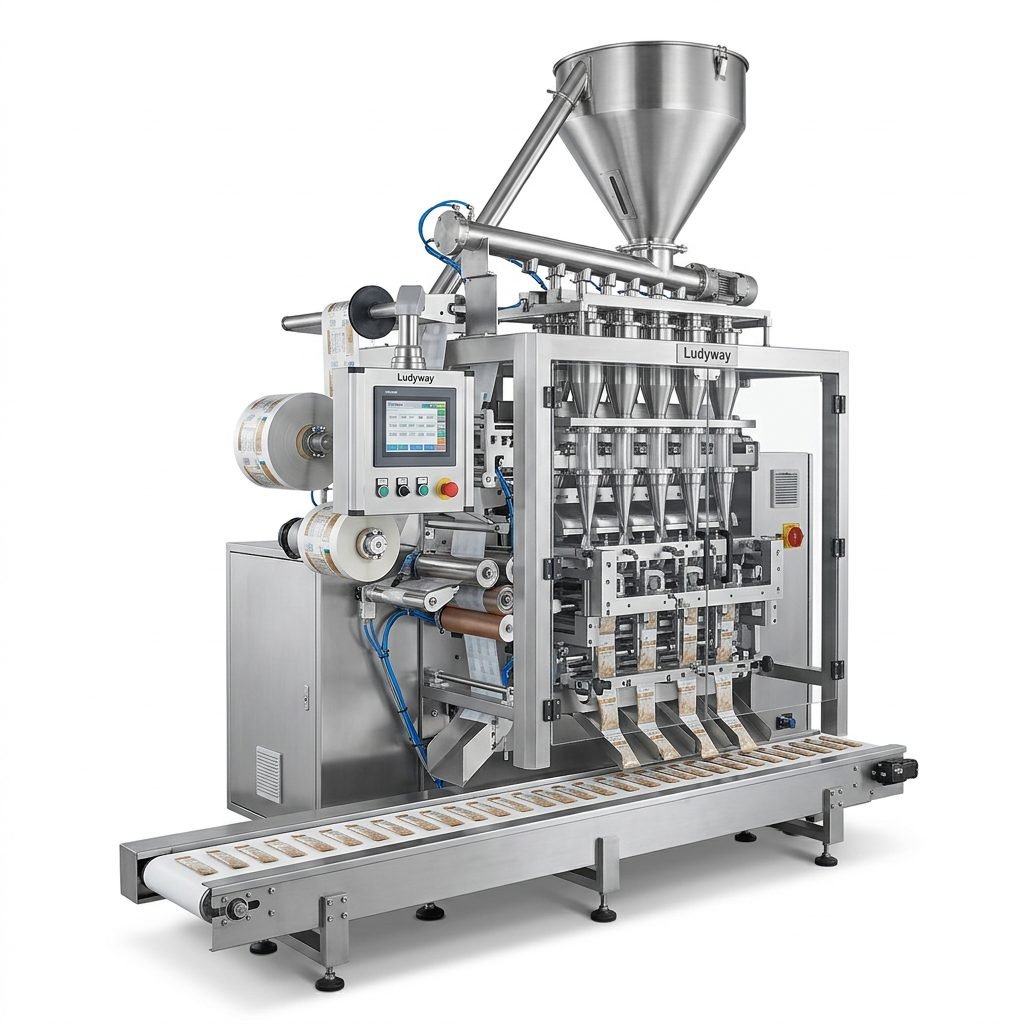
| Stick packs | Drink mixes, supplements, instant powders | Multi-lane stick pack machine |
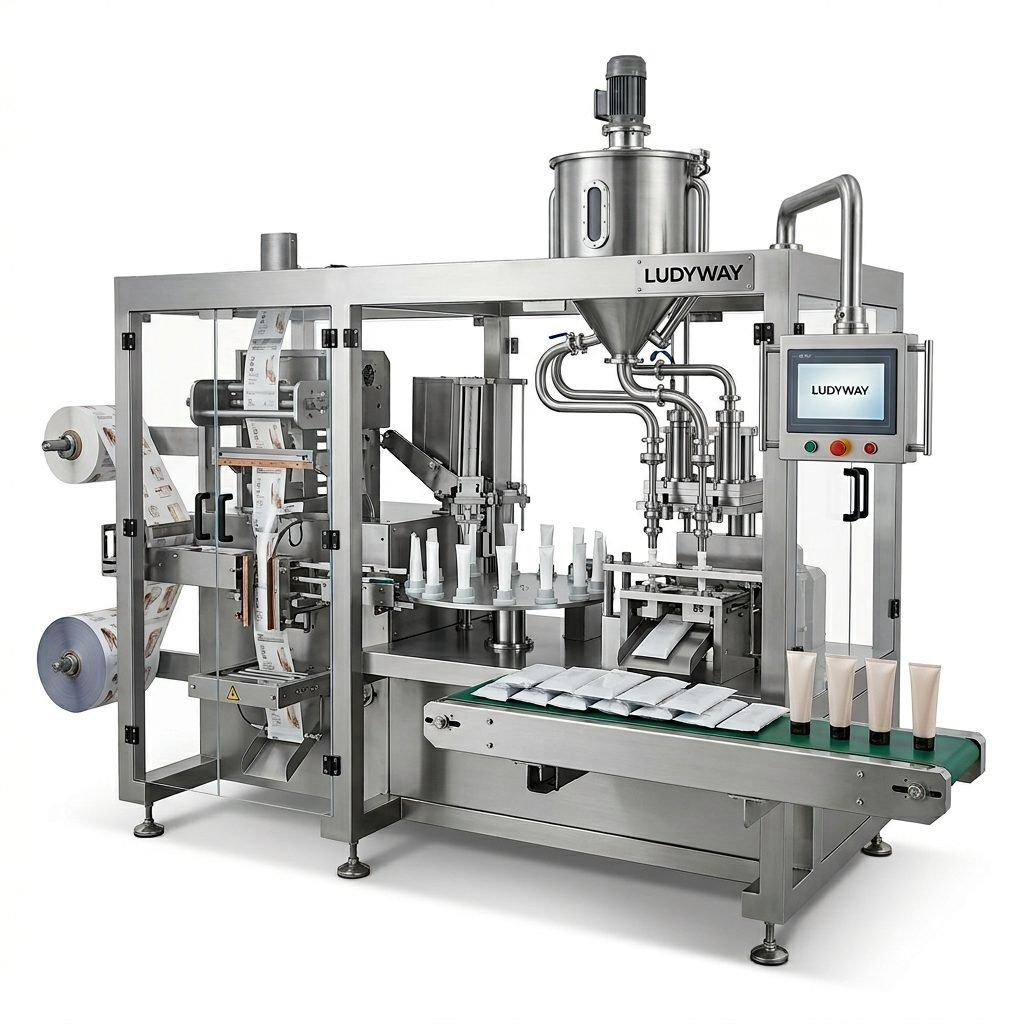
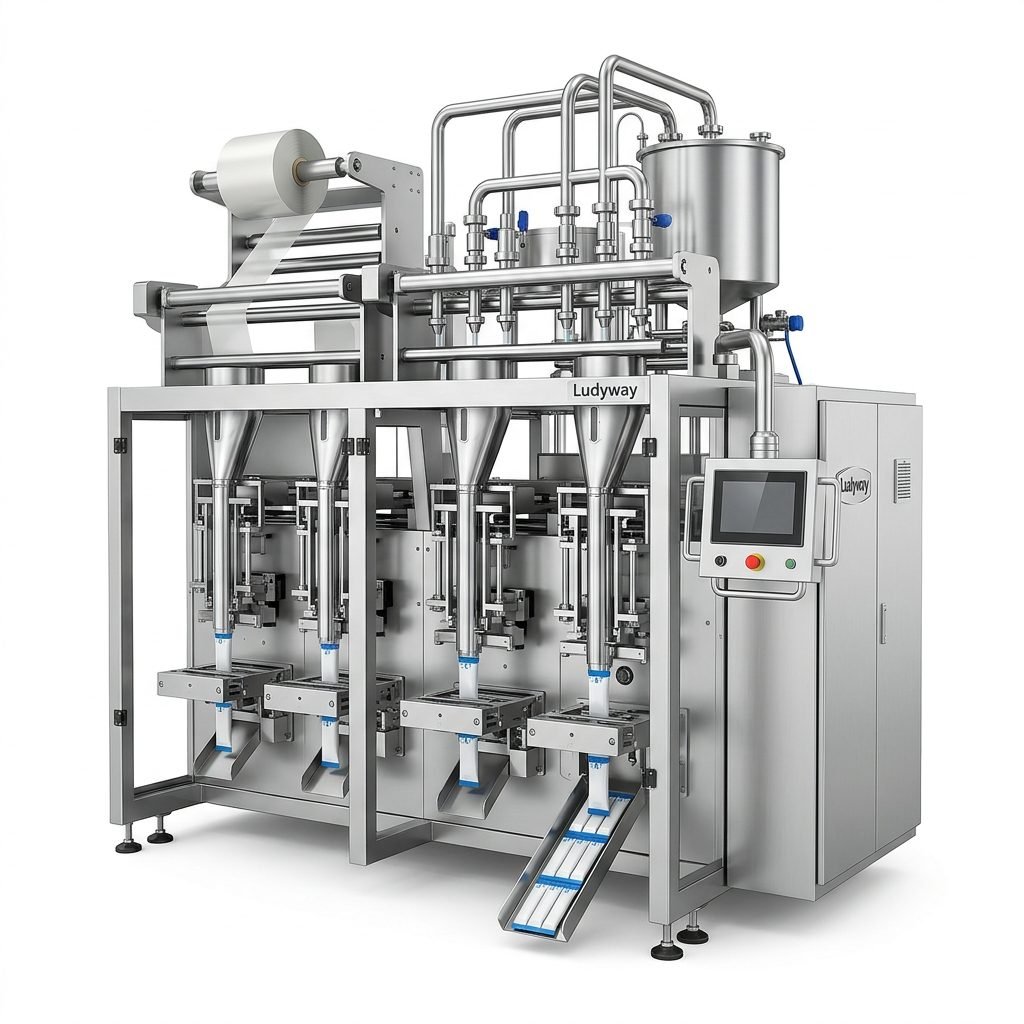
| Premade pouches | Premium retail packaging, zipper bags | Premade pouch filling and sealing machine |
| Pillow bags | High-volume standard packaging | VFFS powder packing machine |
| Bottles / jars | Nutraceuticals, spices, pharma powders | Powder filling line with capping and labeling |
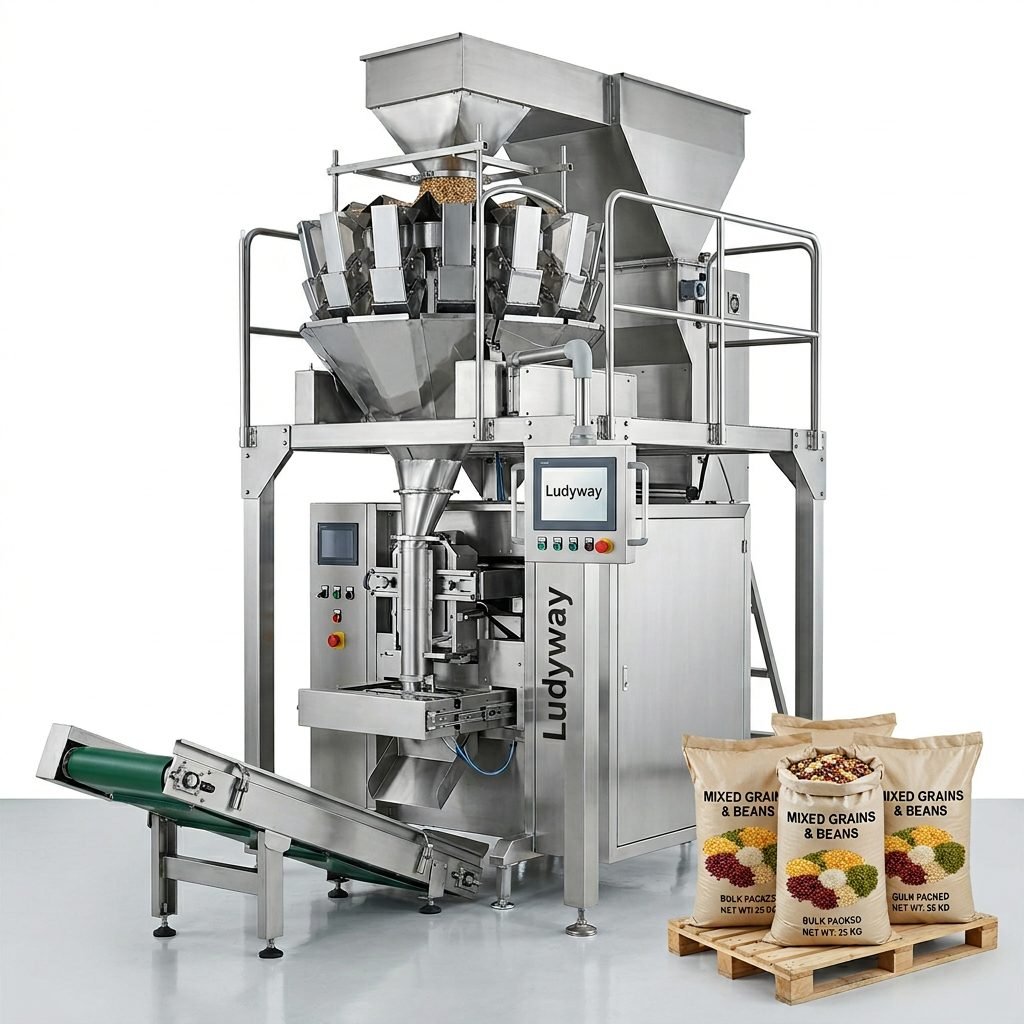
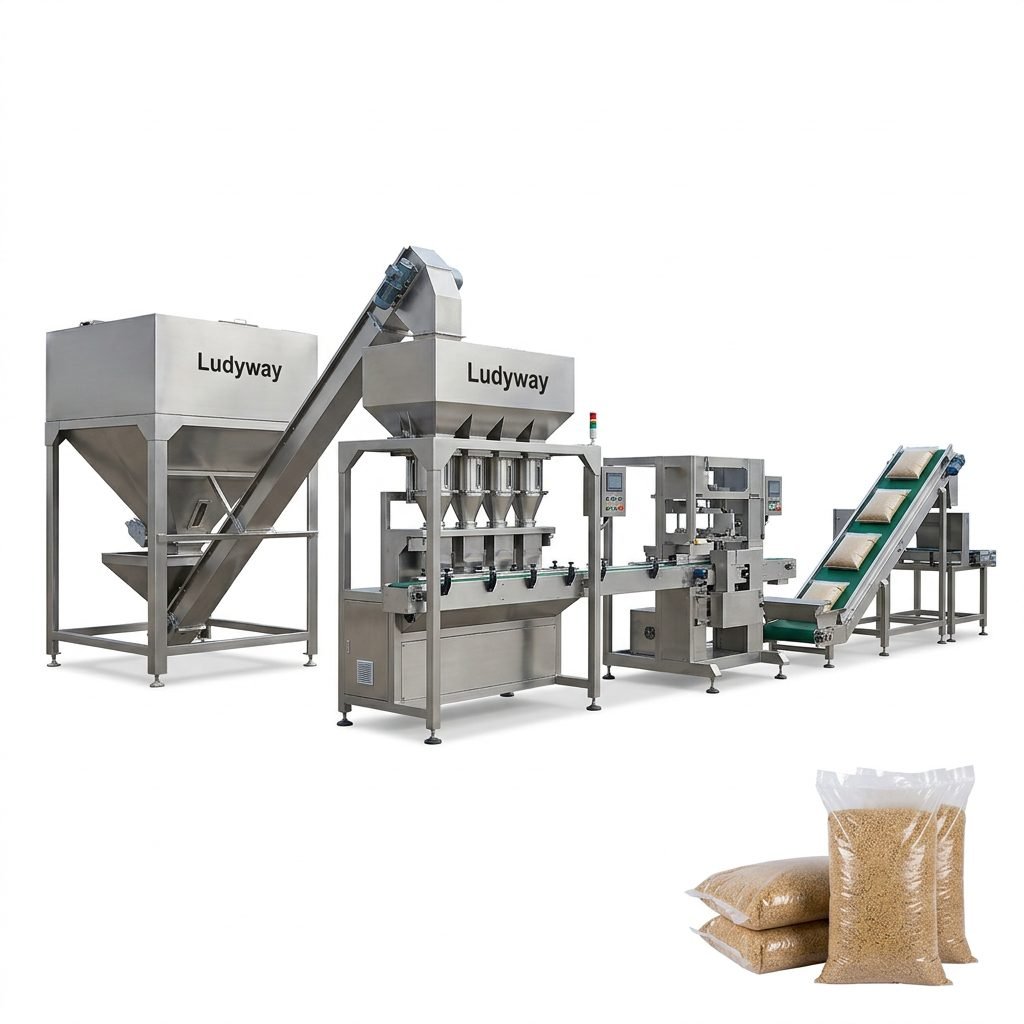
| Large bags | Industrial or bulk materials | Bagging system with weighing unit |
Consider your required production speed
Production capacity is another critical factor. Some businesses only need a semi-automatic system for flexible batches, while others need a
fully automatic multi-lane line for mass production.
- Low output: Suitable for startups, pilot production, or frequent formula changes
- Medium output: Ideal for growing brands and regional factories
- High output: Best for large-scale operations needing stable 24/7 production
When evaluating speed, do not only ask for “packs per minute.” Also ask about:
- Actual speed with your powder
- Speed loss during changeover
- Downtime for cleaning and maintenance
- Reject rate at full capacity
Pay attention to accuracy and consistency
Accurate filling protects both brand reputation and cost control. Overfilling increases giveaway, while underfilling can lead to complaints,
compliance issues, or failed inspections.
Ask the supplier for real test data using your product. A reliable powder packaging system should deliver
stable filling performance over continuous production, not just during a short demo.
Key questions to ask
- What filling tolerance can be achieved with my powder?
- How does the machine handle density fluctuation?
- Is the auger servo-driven?
- Does it support automatic feedback correction?
Hygiene, cleaning, and contamination control
For food, pharmaceutical, and health supplement products, machine hygiene is essential. Design details can significantly affect cleaning time and contamination risk.
- Stainless steel contact parts
- Easy-disassembly hopper and auger components
- Smooth surfaces with fewer powder traps
- Dust-proof structure and extraction options
- Separation of electrical and product-contact zones
If you run multiple SKUs, fast cleaning and changeover can save a surprising amount of time every week.
Automation level and line integration
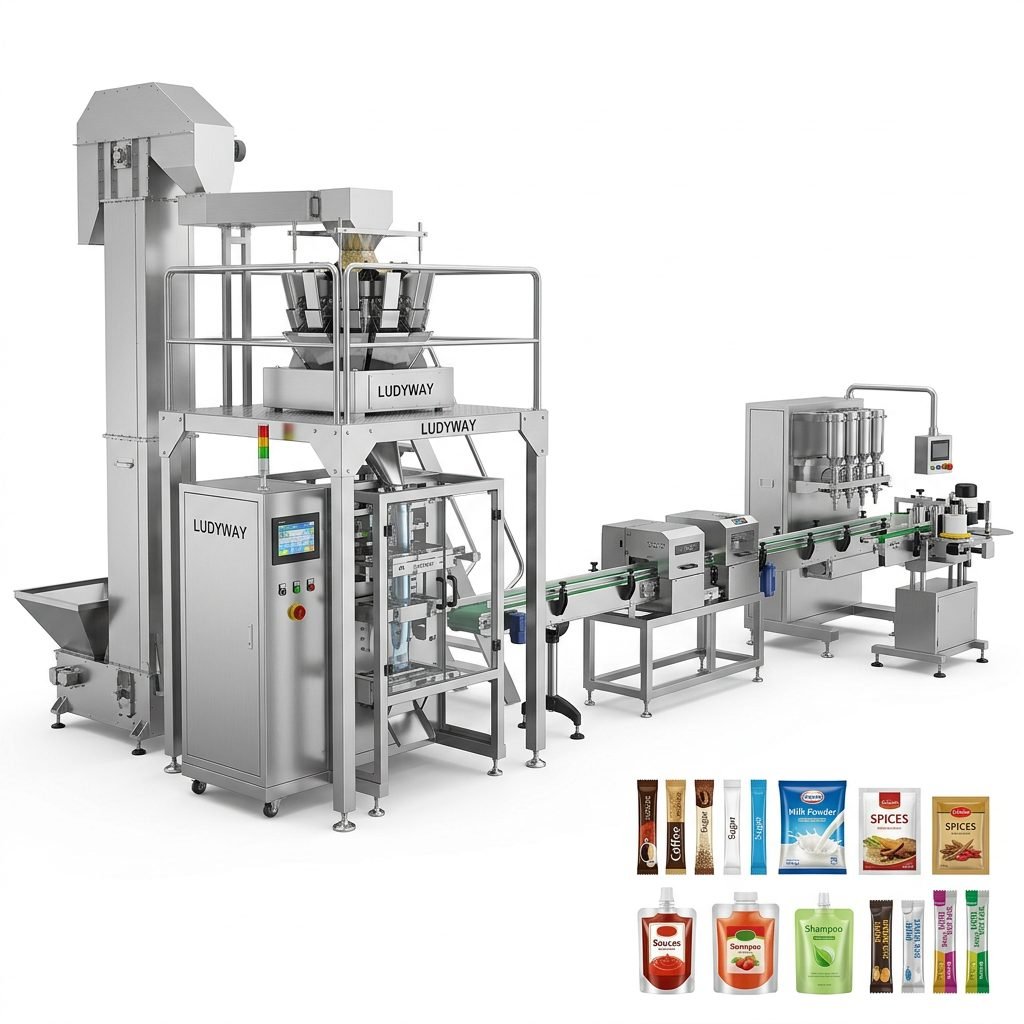
Many buyers now prefer complete solutions rather than a standalone machine. A powder packing machine can be integrated with:
- Screw feeders or vacuum feeders
- Dust collectors
- Date coding systems
- Checkweighers and metal detectors
- Cartoning machines
- Case packers and palletizing systems
If you plan to scale production, it is wise to choose equipment that supports future expansion. A modular solution can reduce later upgrade costs.
Buyers looking for integrated automation often explore suppliers such as
Ludyway powder packing machine solutions,
especially for food, pharmaceutical, health supplement, and turnkey packaging line projects.
Industry-specific requirements
Food powders
Food manufacturers usually focus on hygiene, seal quality, speed, and attractive package presentation. Common products include spices,
beverage powder, soup mix, milk powder, flour, coffee, and seasoning blends.
Pharmaceutical powders
Pharma applications require stricter attention to dosage precision, traceability, documentation, and easy validation.
Clean structure and compliance support are especially important.
Health supplements
Stick packs and sachets are popular for collagen, probiotics, vitamins, electrolyte powders, and protein products. In this segment,
brand presentation and fill consistency are both major priorities.
Chemical and industrial powders
Chemical powders may need corrosion resistance, dust containment, and heavier-duty structures. Bulk bagging or larger pouch formats are also common.
How to evaluate a supplier before buying
The machine itself is important, but the supplier behind it matters just as much. Good technical support can prevent long delays and costly installation problems.
| Evaluation Point | What to Check |
|---|---|
| Application experience | Has the supplier handled similar powder products before? |
| Testing capability | Can they run product tests with your sample? |
| Customization | Can they adapt the machine to your packaging size and powder behavior? |
| After-sales support | Training, spare parts, remote support, installation guidance |
| Line integration ability | Can they provide upstream and downstream equipment? |
Common mistakes when choosing a powder packing machine
- Choosing only by price instead of total operating value
- Ignoring powder flowability and dust behavior
- Buying a machine with no room for future capacity growth
- Not checking changeover time for multiple SKUs
- Failing to test the actual packaging material and powder before purchase
A practical checklist before making your final decision
- Define your powder properties clearly
- Confirm target pack size and packaging format
- Estimate current and future output requirements
- Set acceptable filling accuracy range
- Review cleaning and hygiene needs
- Check automation and integration goals
- Request machine testing with your actual sample
- Compare supplier support and spare parts availability
Final thoughts
The best powder packing machine is the one that fits your product, your packaging format, and your production strategy.
A well-matched solution can improve efficiency, reduce waste, and create more consistent packaging results over the long term.
Instead of choosing based only on speed or price, focus on the full picture: powder behavior, dosing technology, hygiene,
automation potential, and supplier capability. When these factors are aligned, your filling and packaging process becomes more reliable,
scalable, and cost-effective.