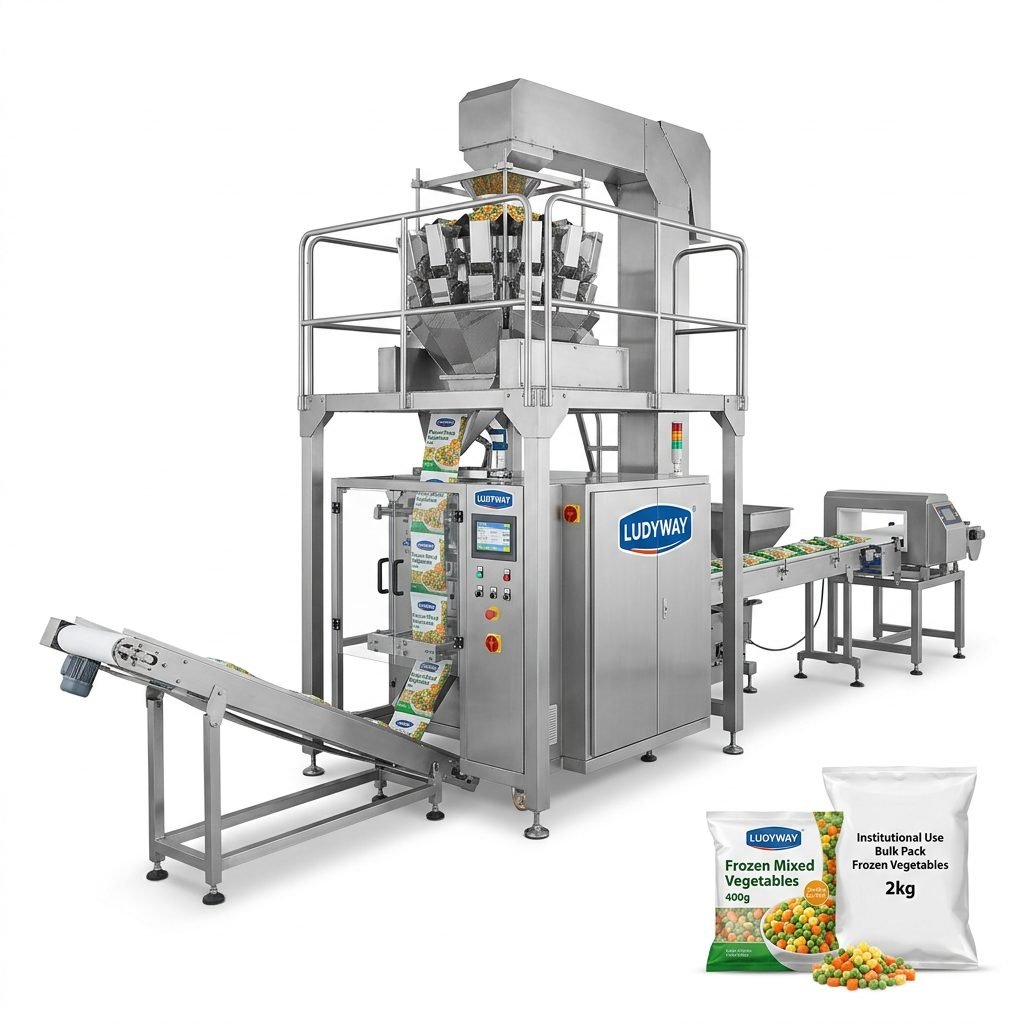
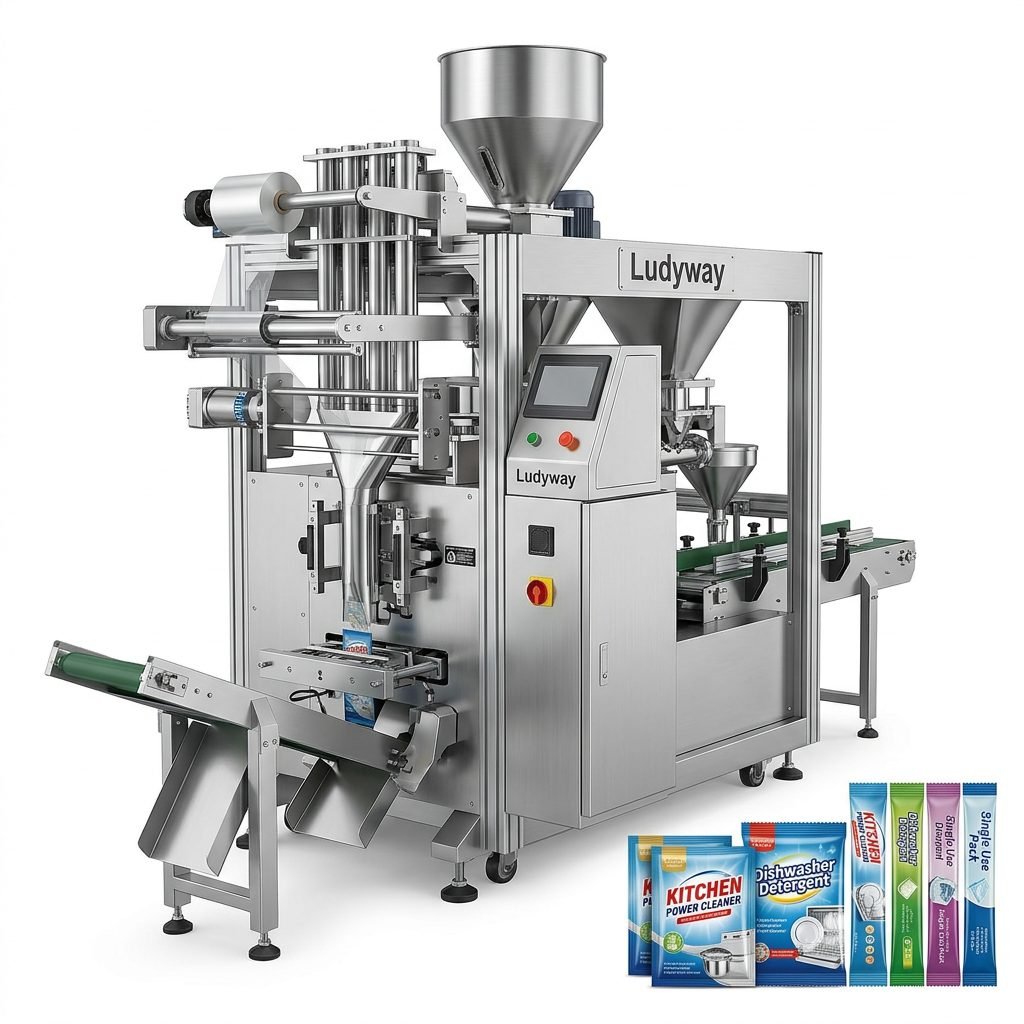
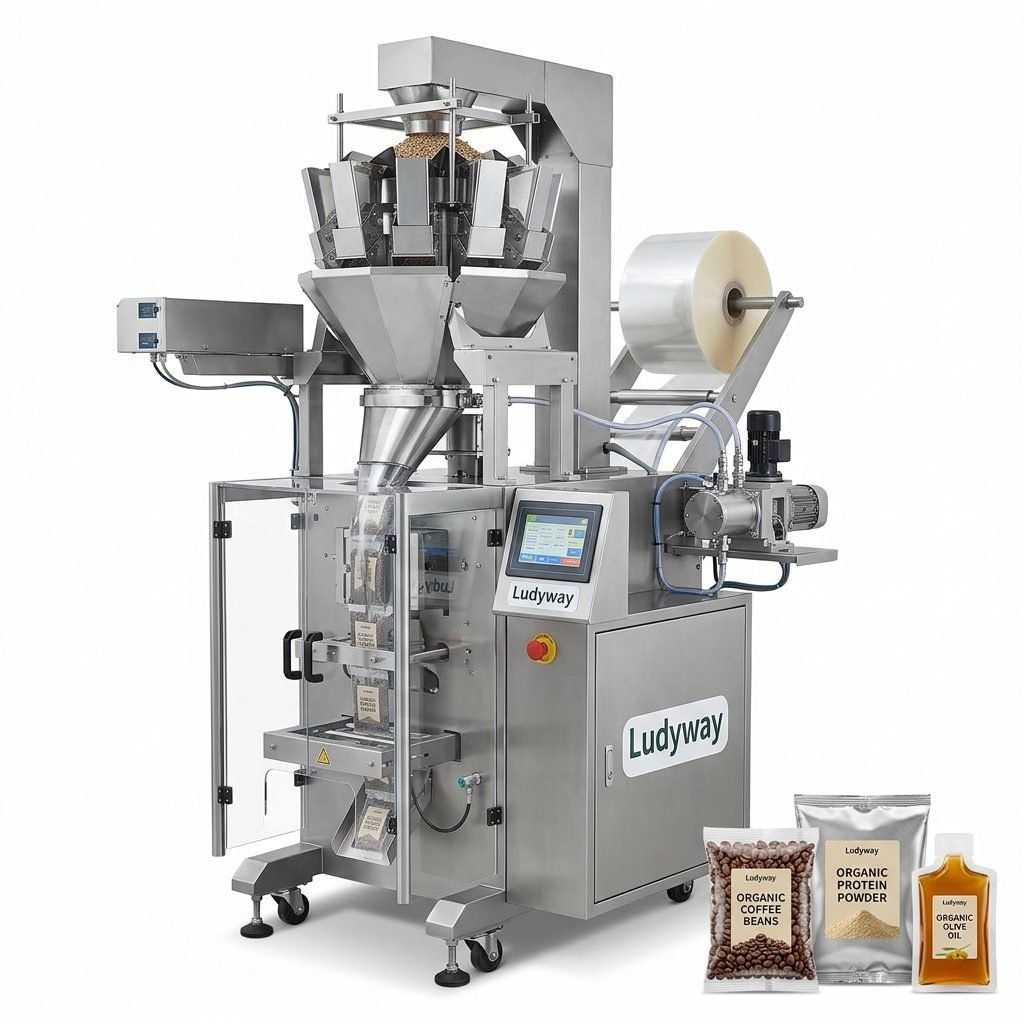
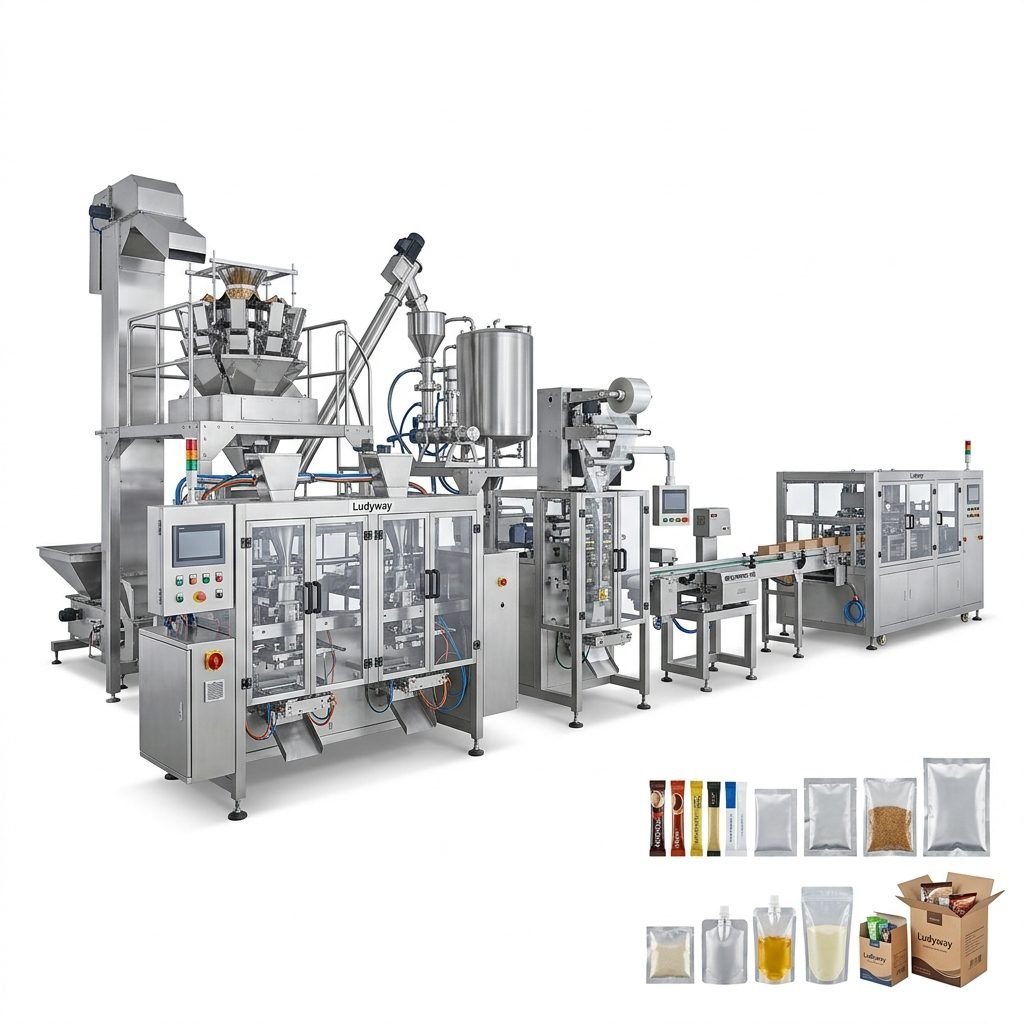
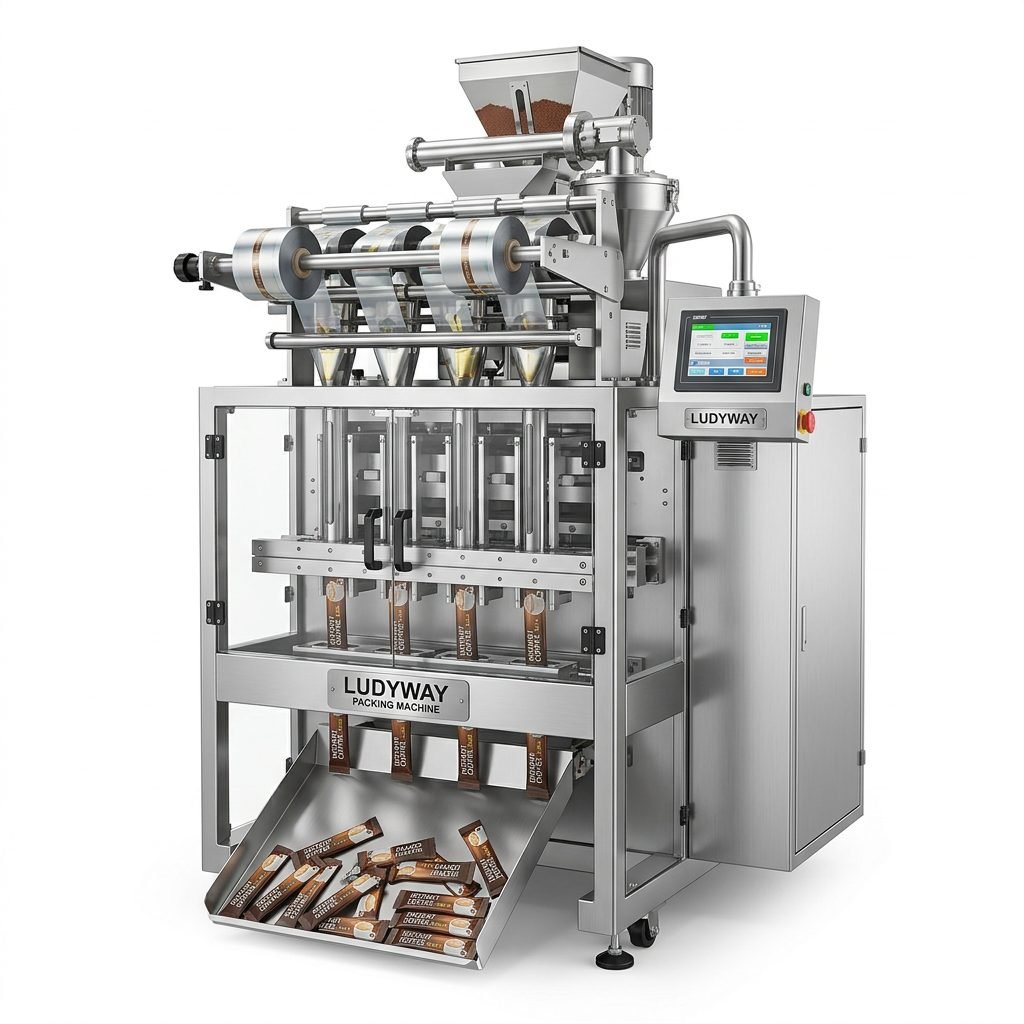
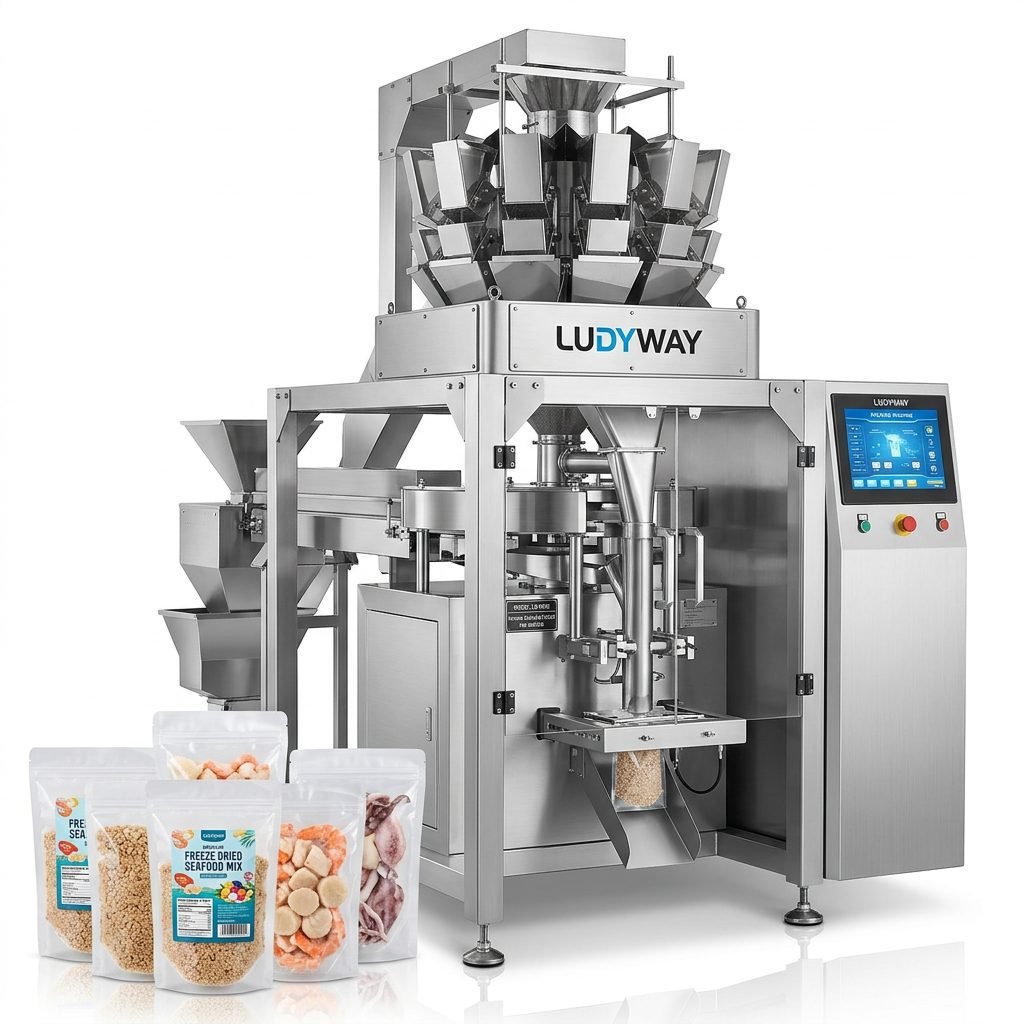
Investing in a Tea Gatta packing machine is a strategic decision for tea producers and contract packers aiming to scale output, ensure product freshness, and reduce labor dependency. Whether you focus on loose-leaf blends, herbal infusions, or powdered tea gatta mixes, understanding current price ranges, feature sets, and supplier evaluation criteria helps you secure the best return on investment.
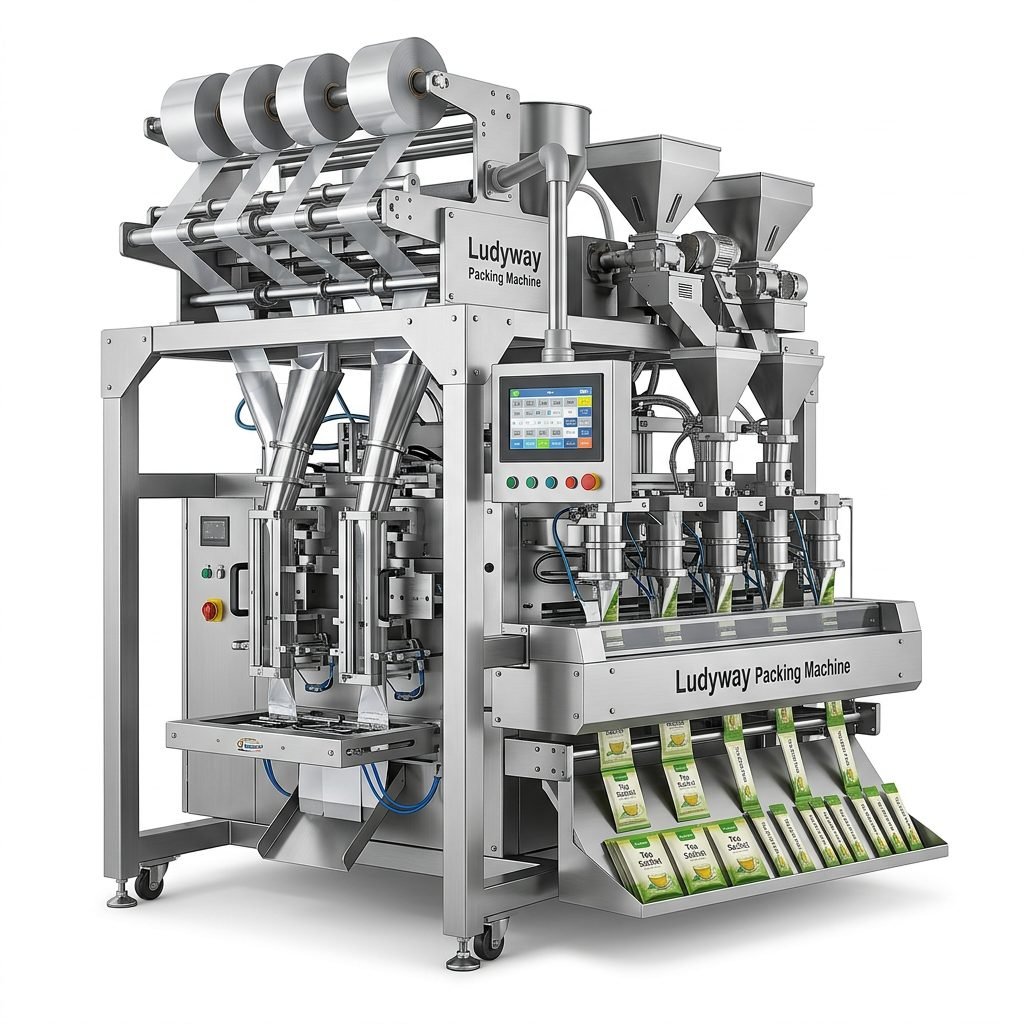
What Influences Tea Gatta Packing Machine Prices?
Multiple variables shape the final cost of a tea gatta packing machine. Recognizing these factors empowers you to negotiate effectively and align machine specifications with production goals without overspending.
- Automation level: Semi-automatic models cost less than fully automated multi-lane systems that integrate weighing, filling, sealing, and coding.
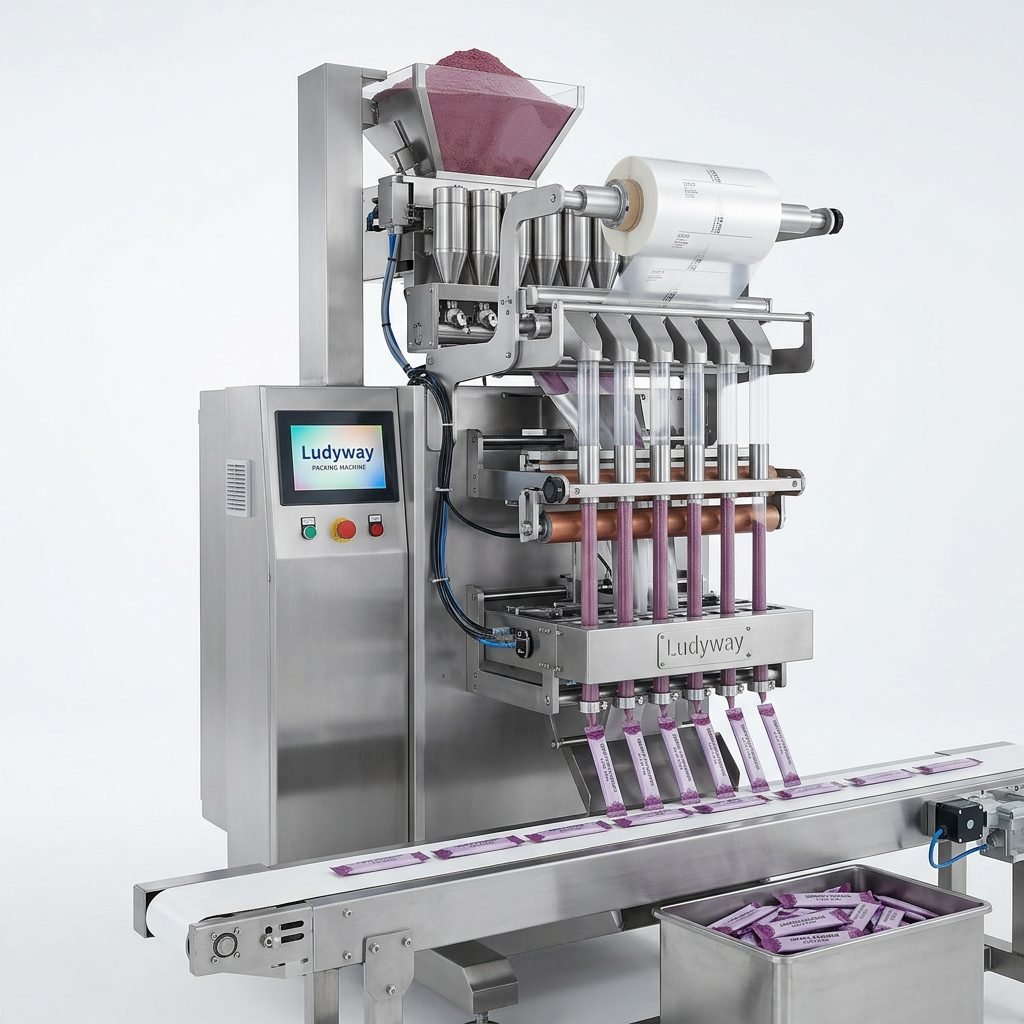
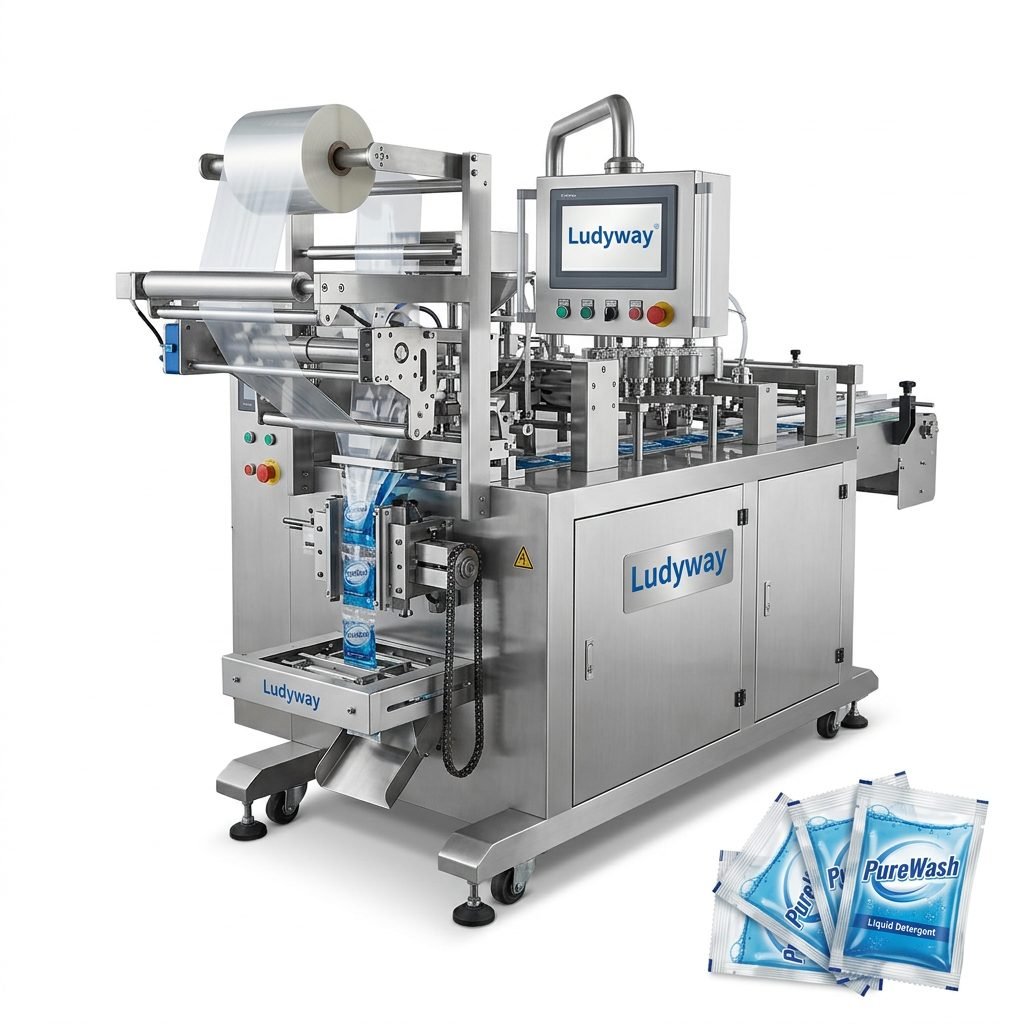
- Packaging style: Stick pack, sachet, pillow bag, and doypack formats each require specific tooling and forming assemblies, affecting price.
- Speed and output: High-speed machines capable of producing 200+ packs per minute command a premium over entry-level 30–60 pack-per-minute units.
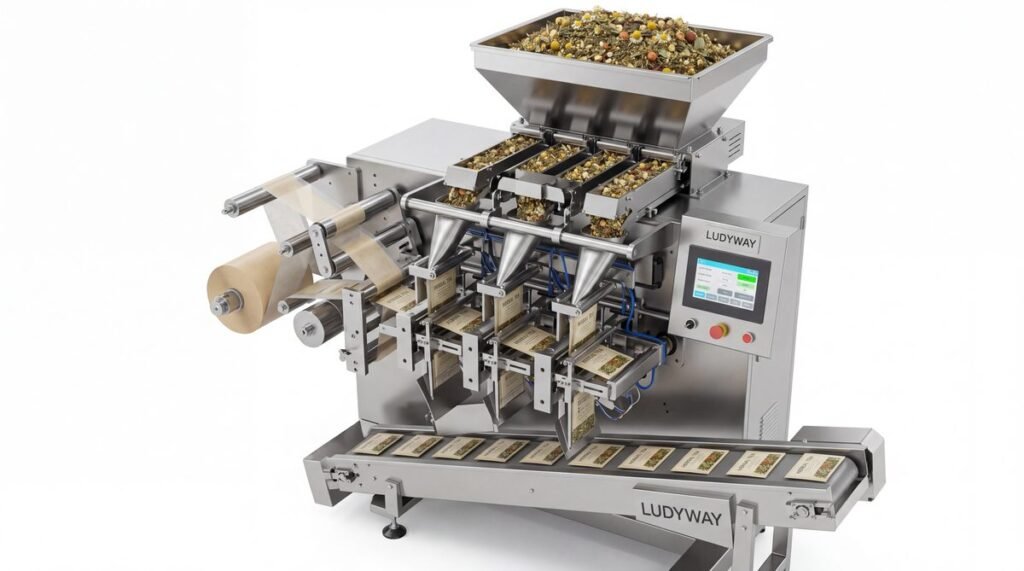
- Material compatibility: Machines that handle granule, powder, and leaf tea blends with precision dosing generally include advanced feeding systems.
- Additional modules: Nitrogen flushing, gas flush sealing, checkweighers, metal detectors, and cartoning attachments add incremental cost.
- Certifications and build quality: Equipment meeting CE, FDA, or GMP standards with stainless steel construction tends to be priced higher but offers longer service life.
Price Comparison by Machine Configuration
| Machine Type | Estimated Price Range (USD) | Typical Output |
|---|---|---|
| Semi-Automatic Single-Lane Sachet Machine | $5,000 – $15,000 | 30–60 packs/min |
| Automatic Multi-Lane Stick Pack Machine (4–8 lanes) | $25,000 – $65,000 | 150–400 packs/min |
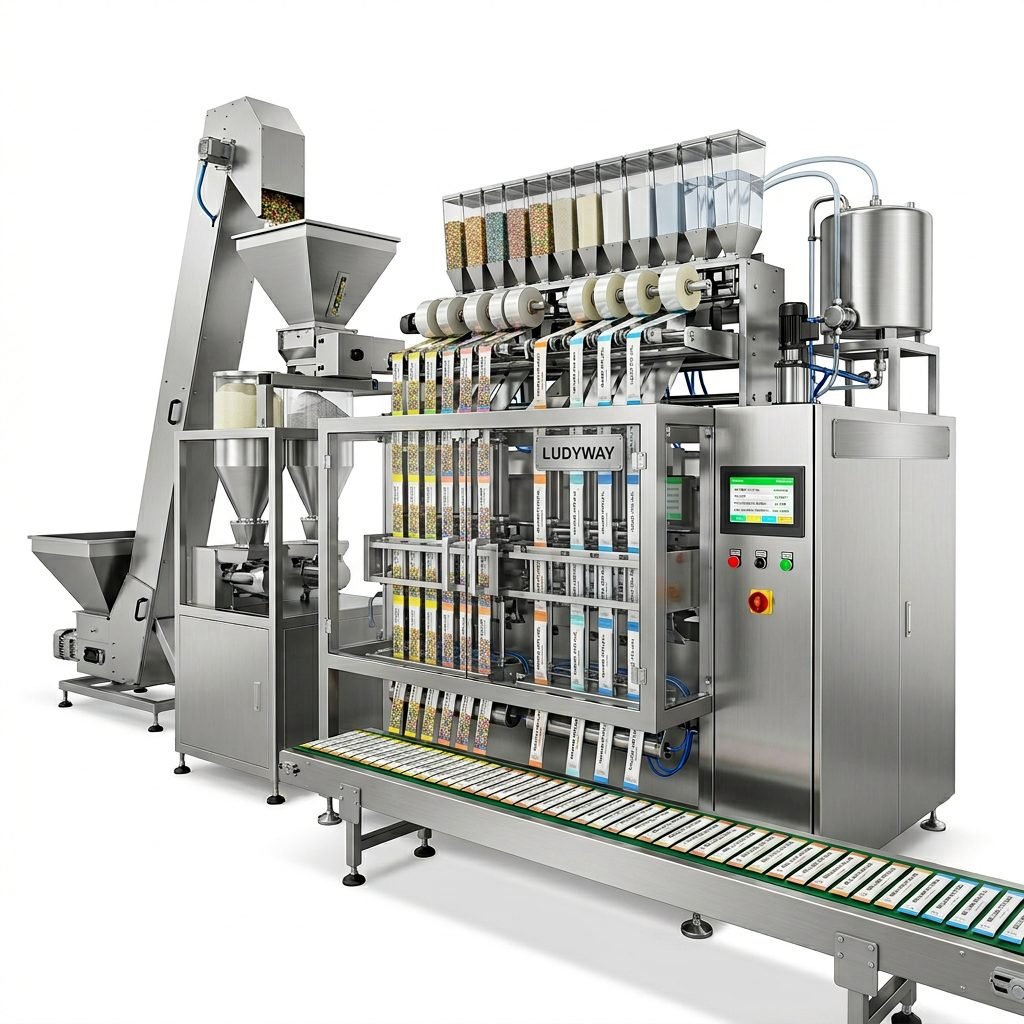
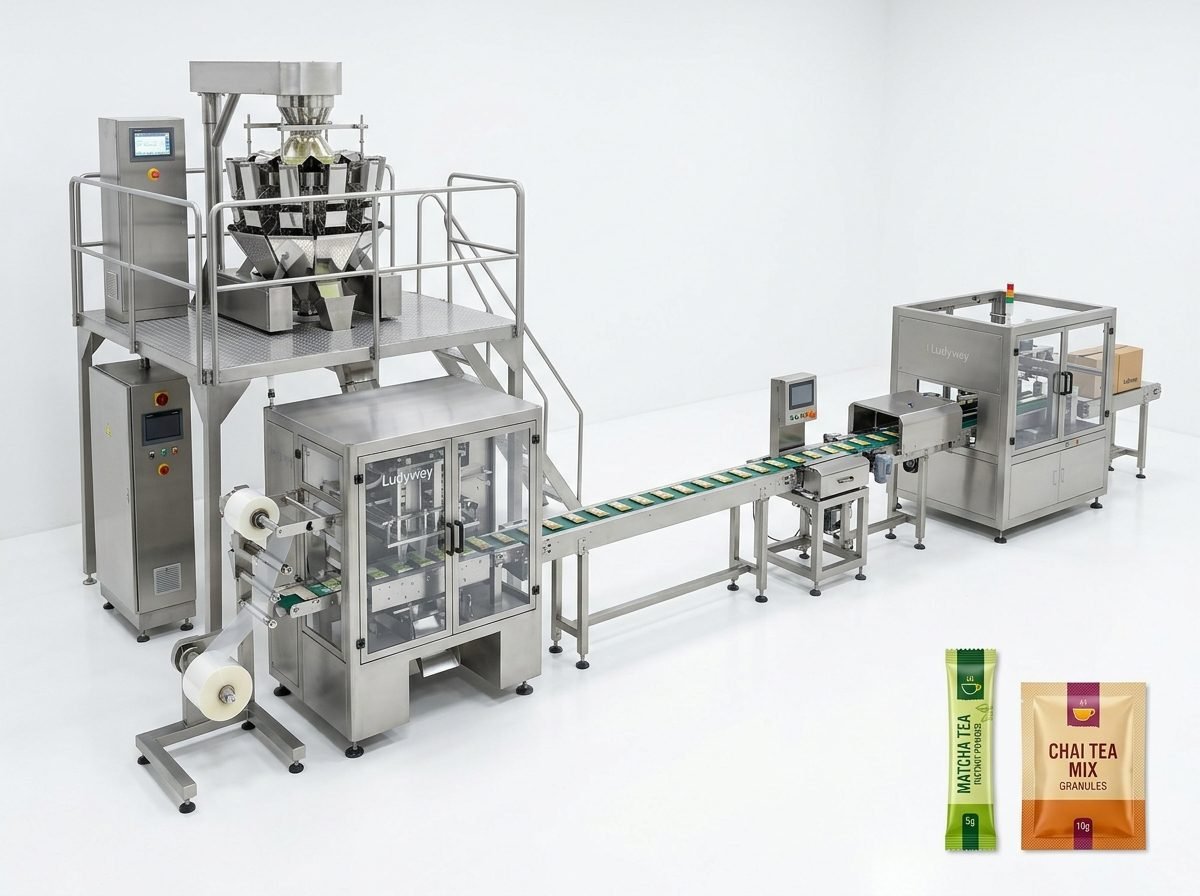
| Integrated Tea Gatta Packaging Line with Weighing & Cartoning | $80,000 – $200,000+ | 200–600 packs/min |
| Granule & Powder Tea Packing Machine with Nitrogen Flush | $30,000 – $90,000 | 120–350 packs/min |
Note: These figures represent factory-direct estimates and vary based on customization, market conditions, and optional auxiliary equipment. Always request detailed quotations that include installation, training, and warranty terms.
Core Features to Prioritize
When evaluating a tea gatta packing machine, prioritize features that directly impact product integrity, operational efficiency, and compliance with food packaging regulations.
Precision Dosing and Minimal Waste
Look for auger fillers, multi-head weighers, or volumetric cup systems calibrated for granule and powder tea products. Accurate dosing within ±0.1–0.5g reduces giveaway and preserves profit margins.
Reliable Sealing Technology
Consistent heat sealing with adjustable temperature controls ensures airtight package integrity, protecting tea gatta from moisture and oxygen. Consider machines with servo-driven sealing jaws for even pressure distribution.
User-Friendly Controls
PLC touchscreen interfaces with recipe storage, fault diagnostics, and multi-language support simplify operation and reduce training time. Connectivity for remote monitoring adds long-term value.
Material Flexibility
Verify that the machine handles a range of laminate films, aluminum foil, and paper-based structures commonly used for tea packaging. Quick-change film path designs minimize downtime between batches.

Step-by-Step Buying Guide
- Define your product range: Document granule size, powder flow characteristics, target fill weight, and packaging format requirements before contacting suppliers.
- Set a realistic budget: Include not only the machine price but also shipping, import duties, installation, and initial spare parts inventory.
- Request live or video demonstrations: Observe the machine running with tea gatta or a similar product to verify performance claims.
- Evaluate after-sales support: Confirm availability of technical support, spare parts supply, and on-site training in your region.
- Review references: Contact existing users to learn about real-world reliability, maintenance frequency, and service responsiveness.
- Negotiate terms: Clarify warranty duration, payment milestones, lead time, and shipping arrangements before signing the purchase agreement.
How to Evaluate Supplier Credibility
Partnering with a reputable manufacturer protects your investment and streamlines machine commissioning. Seek suppliers with established manufacturing facilities, certified quality management systems, and a track record of successful installations in multiple countries. Industry resources such as PMMI – The Association for Packaging and Processing Technologies and the Flexible Packaging Association provide valuable guidance on machine standards and supplier qualifications.
Leading manufacturers like Ludyway operate from a 20,000㎡ production facility with over 50 intelligent packaging machine models, supplying customers across 100+ countries. Such scale often translates into competitive pricing, readily available spare parts, and responsive engineering support.
Common Questions About Tea Gatta Packing Machines
What is the typical lead time for a custom tea packing machine?
Lead times range from 30 to 90 days depending on configuration complexity and factory workload. Standard models often ship faster, while fully customized multi-lane lines require additional engineering and testing time.
Can one machine handle both granule and powder tea gatta?
Yes, many modern machines feature interchangeable dosing systems—auger for powders and volumetric cups or multi-head weighers for granules—allowing you to switch between product types with minimal tooling changes.
How important is nitrogen flushing for tea packaging?
Nitrogen flushing significantly extends shelf life by displacing oxygen inside the package, preserving aroma, color, and potency. For premium tea gatta products with extended distribution cycles, this feature is highly recommended.
Maximizing ROI on Your Investment
To achieve rapid payback on your tea gatta packing machine, focus on production efficiency metrics: overall equipment effectiveness (OEE), material waste rate, and labor hours per shift. Regular preventive maintenance, operator training programs, and strategic spare parts stocking minimize unplanned downtime and keep your line running at peak performance.
Consult authoritative sources such as the PMMI business intelligence library and ISO packaging standards to stay updated on industry benchmarks that inform smarter purchasing decisions.
Final Thoughts
Selecting the right tea gatta packing machine requires careful balance of budget, output goals, and product-specific requirements. By prioritizing proven features, validating supplier capabilities, and planning for long-term operational needs, you position your production line for sustained growth and consistent product quality.