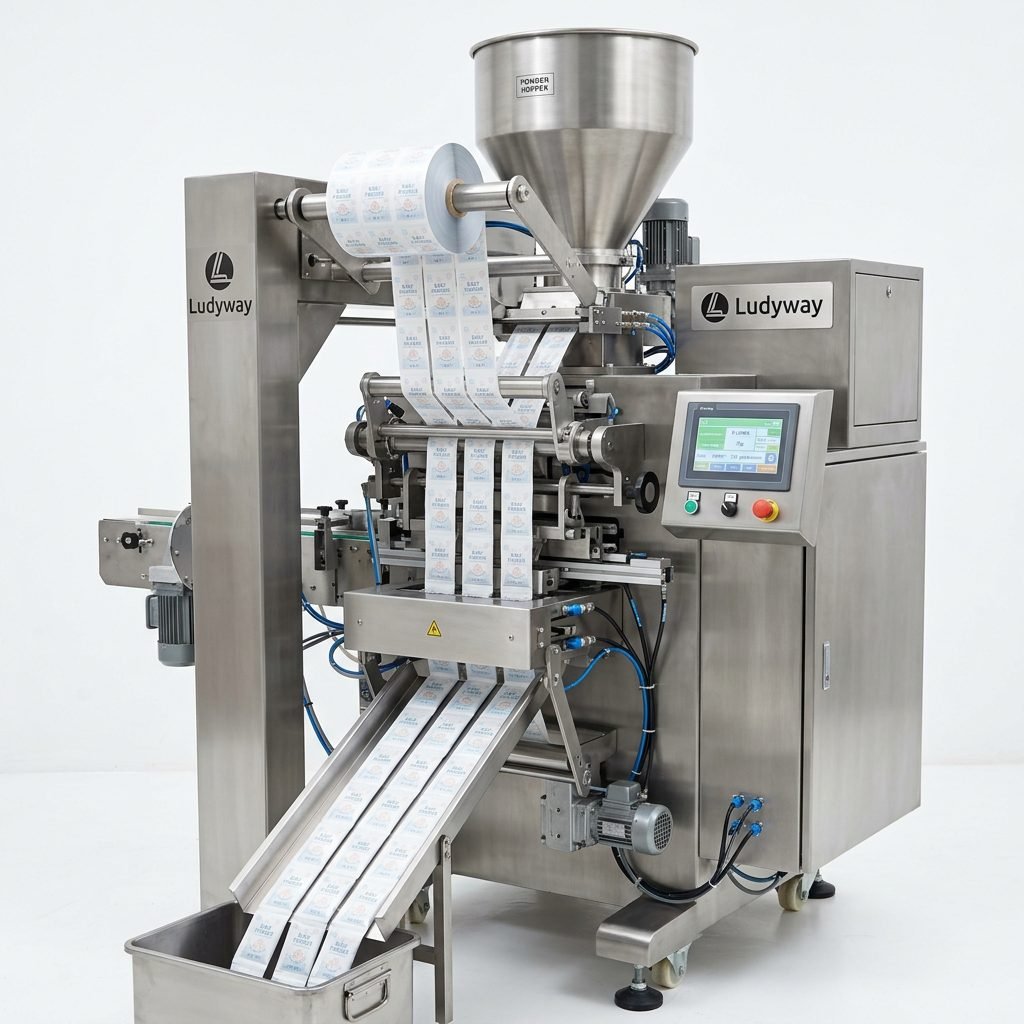
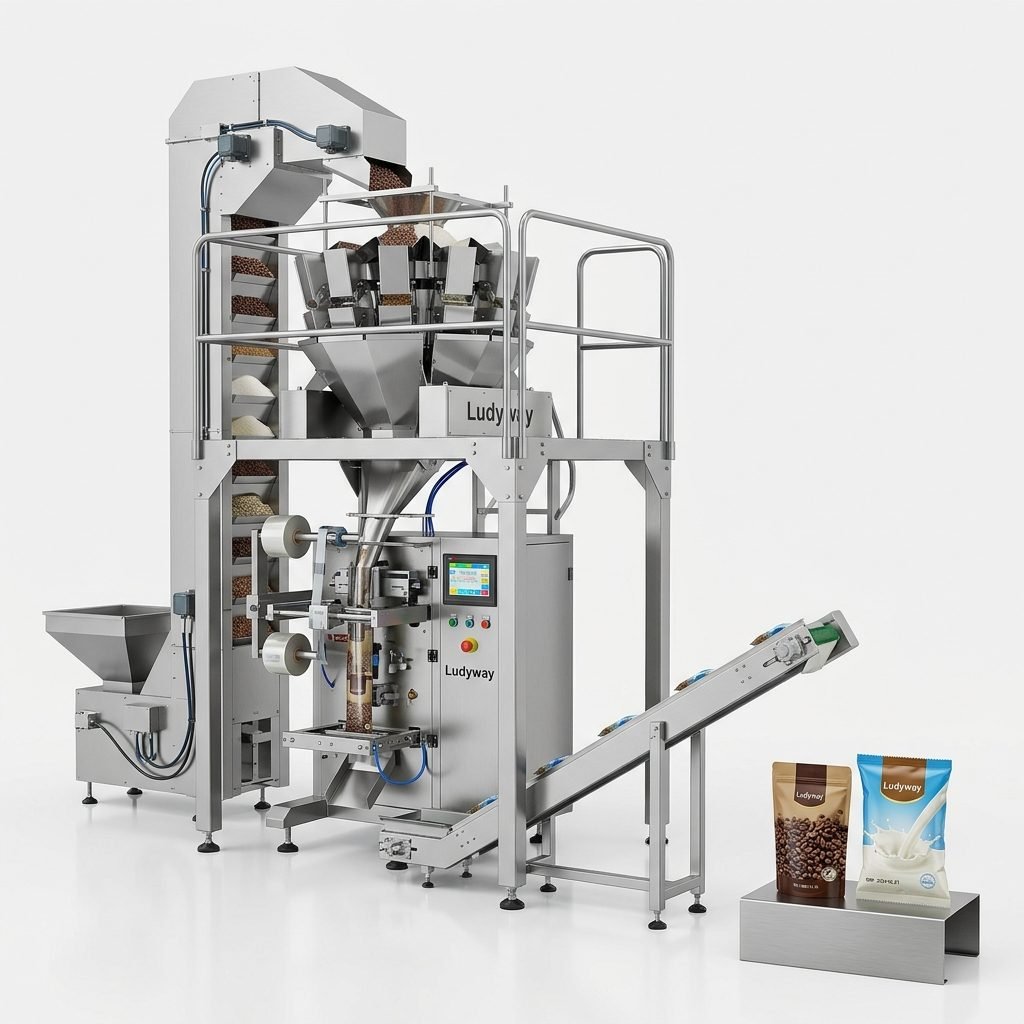
Selecting an air fill packaging machine is a strategic decision that directly impacts your shipping efficiency, product protection, and operational costs. Whether you run a high-volume e-commerce fulfillment center or a specialized manufacturing operation, the right air cushion system can reduce material waste, speed up packing workflows, and deliver a better unboxing experience for your customers. This buyer’s guide walks you through the essential factors to evaluate before making an investment, helping you navigate the growing range of air pillow machines, void fill systems, and inflatable packaging solutions available today.
Understanding Air Fill Packaging Technology
Air fill packaging machines produce on-demand air cushions, pillows, or bubbles that fill voids inside shipping cartons. Unlike pre-manufactured bubble wrap or foam peanuts, these systems create protective cushions at the point of packing, which significantly reduces storage space requirements and material handling costs. The film is fed through the machine, inflated with air, and sealed into individual cushions in real time. According to industry data from the Flexible Packaging Association, on-demand inflatable packaging is one of the fastest-growing segments in protective packaging due to its sustainability and cost advantages.
Key Factors to Evaluate Before Purchasing
Not all air fill machines are built for the same purpose. Some excel at high-speed e-commerce operations, while others are designed for heavy industrial parts. Below is a structured breakdown of what you should consider during the selection process.
Production Speed and Throughput Requirements
Different models offer varying output speeds, typically measured in linear feet or meters of cushion material produced per minute. High-speed air pillow machines can generate up to 20 meters of inflated film per minute, making them suitable for large-scale fulfillment centers. Smaller benchtop units deliver lower throughput but offer greater flexibility for operations with fluctuating demand. Matching the machine speed to your peak packing volume ensures you never face bottlenecks during busy periods.
Film Compatibility and Cushion Types
Air fill machines work with specially engineered films that must be compatible with the inflation and sealing mechanism. Common cushion types include:
- Air pillows — rectangular cushions ideal for filling medium-to-large voids and providing edge protection
- Air tubes — continuous tubular cushions that can be sized on demand for wrapping individual items
- Bubble-style cushions — small, tightly packed air cells that mimic traditional bubble wrap but use less material
- Quilted air cushions — multi-chamber designs offering superior cushioning for fragile or heavy products
Verify that the machine supports the film gauge, material composition, and roll size you intend to use. Some manufacturers offer biodegradable or recycled-content films that align with European packaging waste regulations.
Machine Footprint and Workspace Integration
Consider how the air fill machine will fit into your existing packing station layout. Benchtop models are compact and can be placed directly on packing tables, while floor-standing units with integrated film roll holders require dedicated floor space. Some advanced systems can be mounted above conveyor lines or integrated with automated packing systems for hands-free operation. Measure your available workspace carefully, accounting for operator access, film roll loading clearance, and cushion accumulation areas.
Comparing Air Fill Machine Categories
The following table summarizes the main categories of air fill packaging machines and their typical applications, helping you quickly identify which type best matches your operation.
| Machine Category | Best Suited For | Typical Speed Range | Film Type |
|---|---|---|---|
| Benchtop Air Pillow Machine | Small e-commerce, low-to-medium volume packing | 5–12 m/min | Pre-perforated pillow film |
| High-Speed Floor-Standing Unit | Large fulfillment centers, high-volume shipping | 15–25 m/min | Continuous or perforated film |
| On-Demand Air Tube System | Wrapping irregular items, multi-product protection | 8–18 m/min | Tubular inflatable film |
| Hybrid Air Cushion Machine | Operations needing multiple cushion formats | 10–20 m/min | Multi-format compatible film |
Automation and Control Features
Modern air fill machines come with a range of automation capabilities that can dramatically improve packing efficiency. Look for features such as automatic film threading, programmable cushion length settings, foot pedal or sensor-based activation, and digital counters that track material usage. Machines with PLC controls allow precise adjustment of inflation levels and seal temperatures, ensuring consistent cushion quality across different film types and environmental conditions.
Durability and Maintenance Requirements
Commercial-grade air fill machines are designed for continuous operation, but maintenance needs vary. Key components to evaluate include the sealing element lifespan, air pump durability, and film feed mechanism reliability. Machines with brushless motors generally offer longer service intervals and quieter operation. Check whether the manufacturer provides accessible spare parts, maintenance guides, and technical support. The PMMI packaging industry resources offer additional guidance on equipment maintenance best practices.

Industry Applications and Use Cases
Air fill packaging machines serve a remarkably diverse range of industries, each with unique protective packaging demands:
- E-commerce and Retail: Void fill for mixed-order shipments, reducing dimensional weight charges, and improving the customer unboxing experience
- Electronics: Anti-static air cushions for sensitive components, preventing electrostatic discharge damage during transit
- Pharmaceuticals and Healthcare: Temperature-stable cushioning for medical devices, diagnostic kits, and temperature-sensitive medications
- Food and Beverage: Protective packaging for glass bottles, jars, and delicate food items shipped directly to consumers
- Automotive Parts: Heavy-duty air cushions for irregularly shaped components, reducing damage rates in parts distribution
- Cosmetics and Personal Care: Premium presentation packaging that combines protection with brand-enhancing aesthetics
Cost Considerations and ROI Analysis
The purchase price of an air fill machine is only one component of the total cost equation. A comprehensive analysis should account for:
- Film material cost per cubic meter of void fill — on-demand systems typically use 30-50% less material than pre-inflated alternatives
- Labor productivity improvements — automated cushion production eliminates manual bubble wrap cutting and handling time
- Storage space savings — compact film rolls replace bulky pre-manufactured packaging materials, freeing valuable warehouse space
- Shipping cost reductions — lighter air cushions reduce package weight compared to paper or foam fillers, potentially lowering freight charges
- Damage rate reduction — consistent, properly sized cushions lead to fewer product returns and replacements
For many operations, the payback period on an air fill machine investment ranges from six to eighteen months, depending on shipping volume and current packaging material expenditures. The PMMI business intelligence library provides additional market data to support packaging equipment ROI calculations.
Integration with Existing Packaging Lines
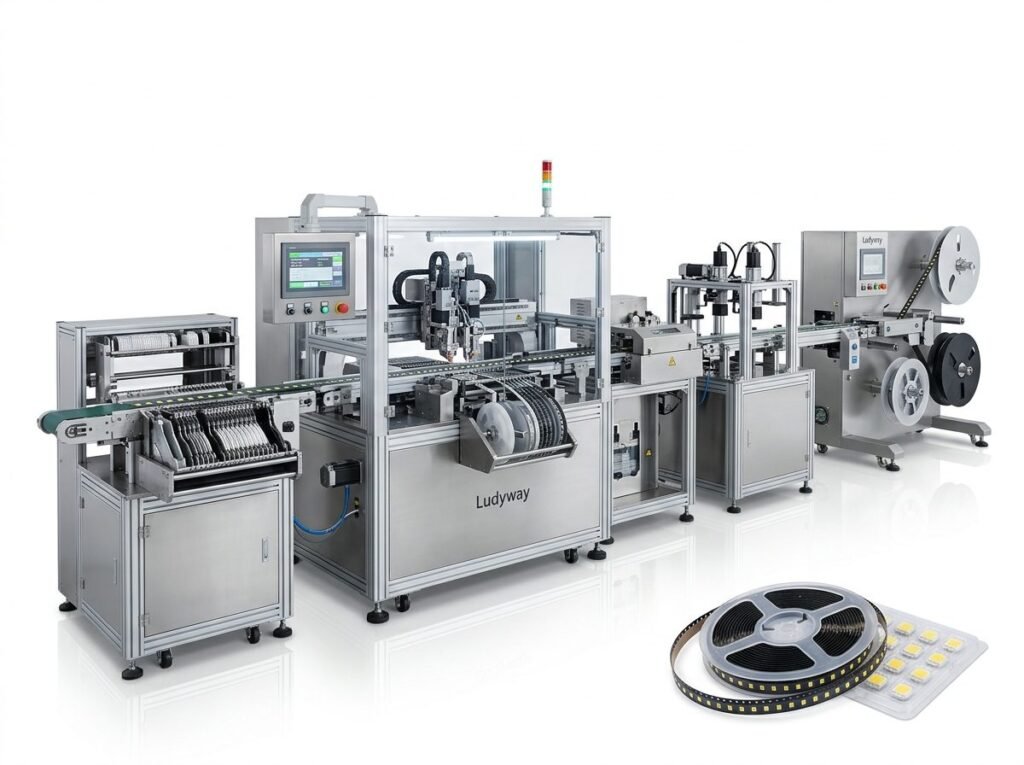
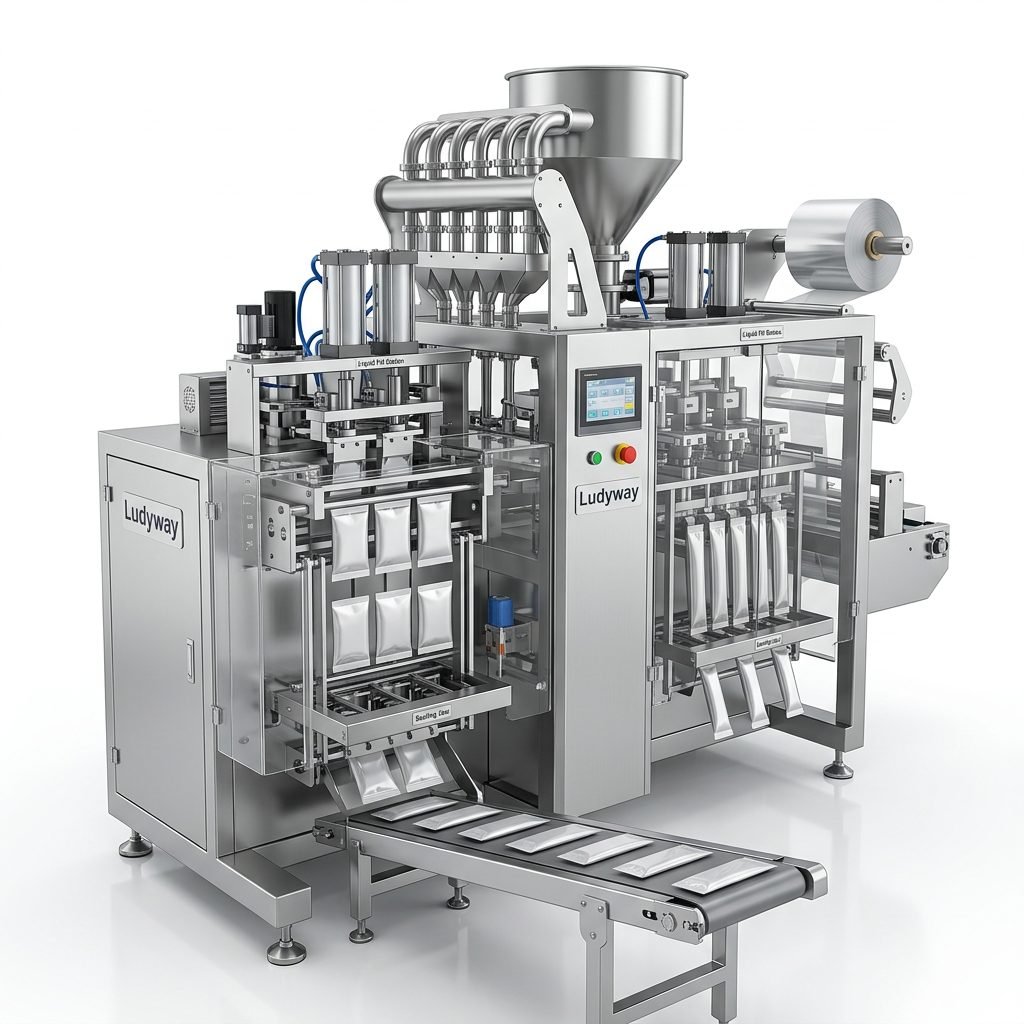
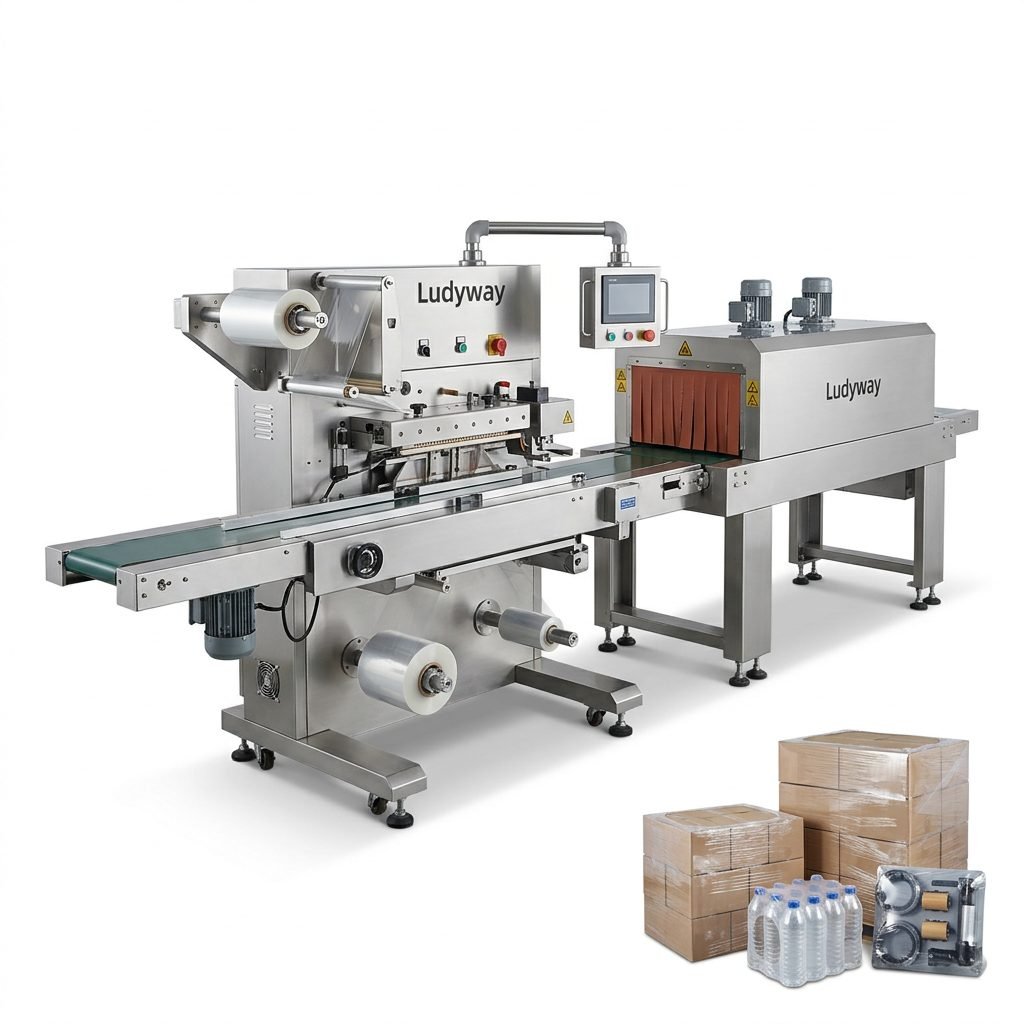
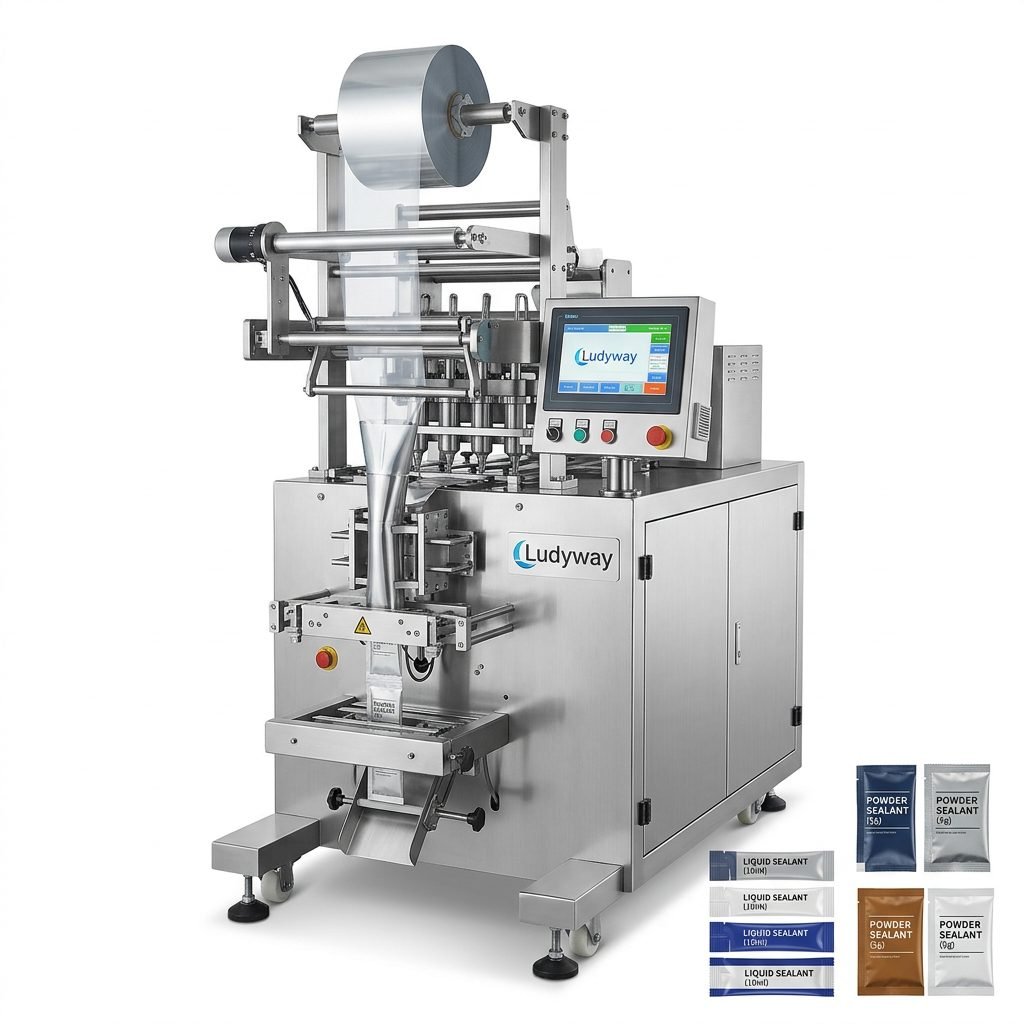
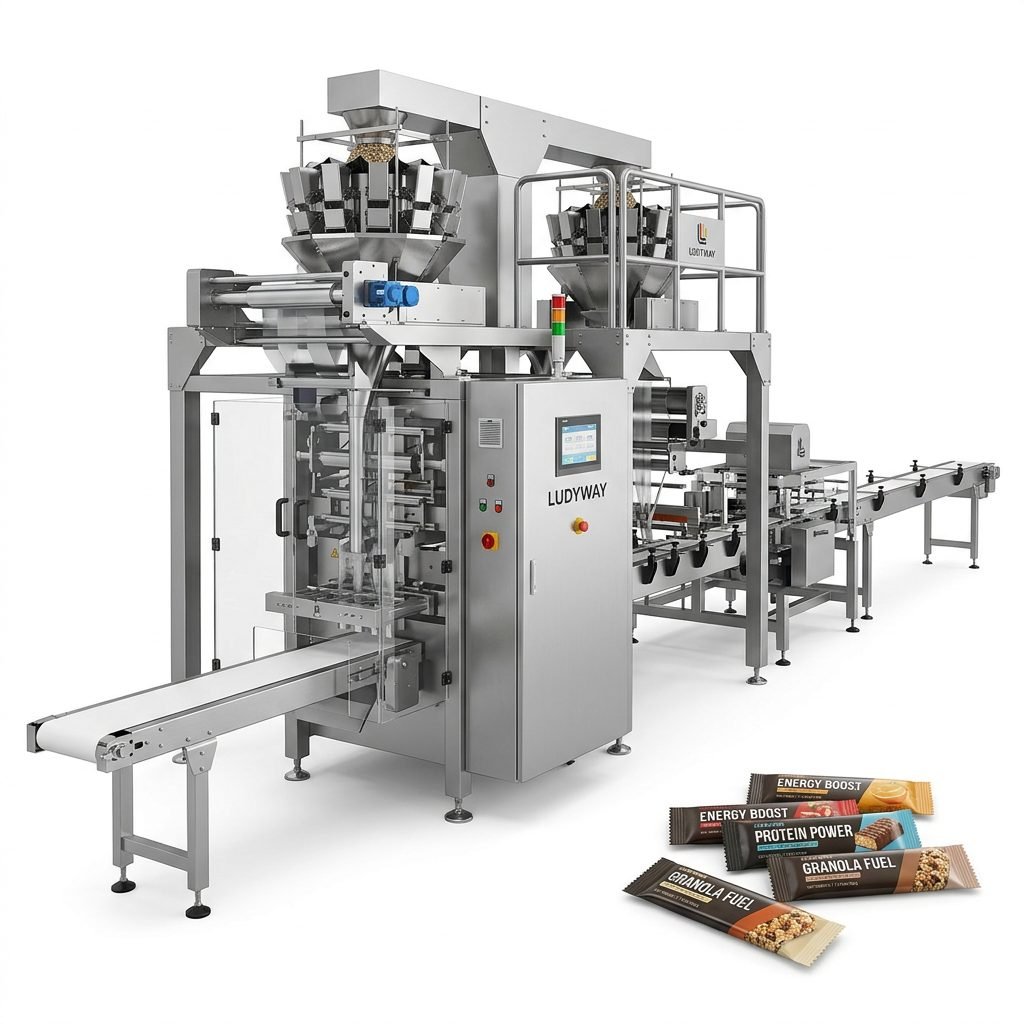
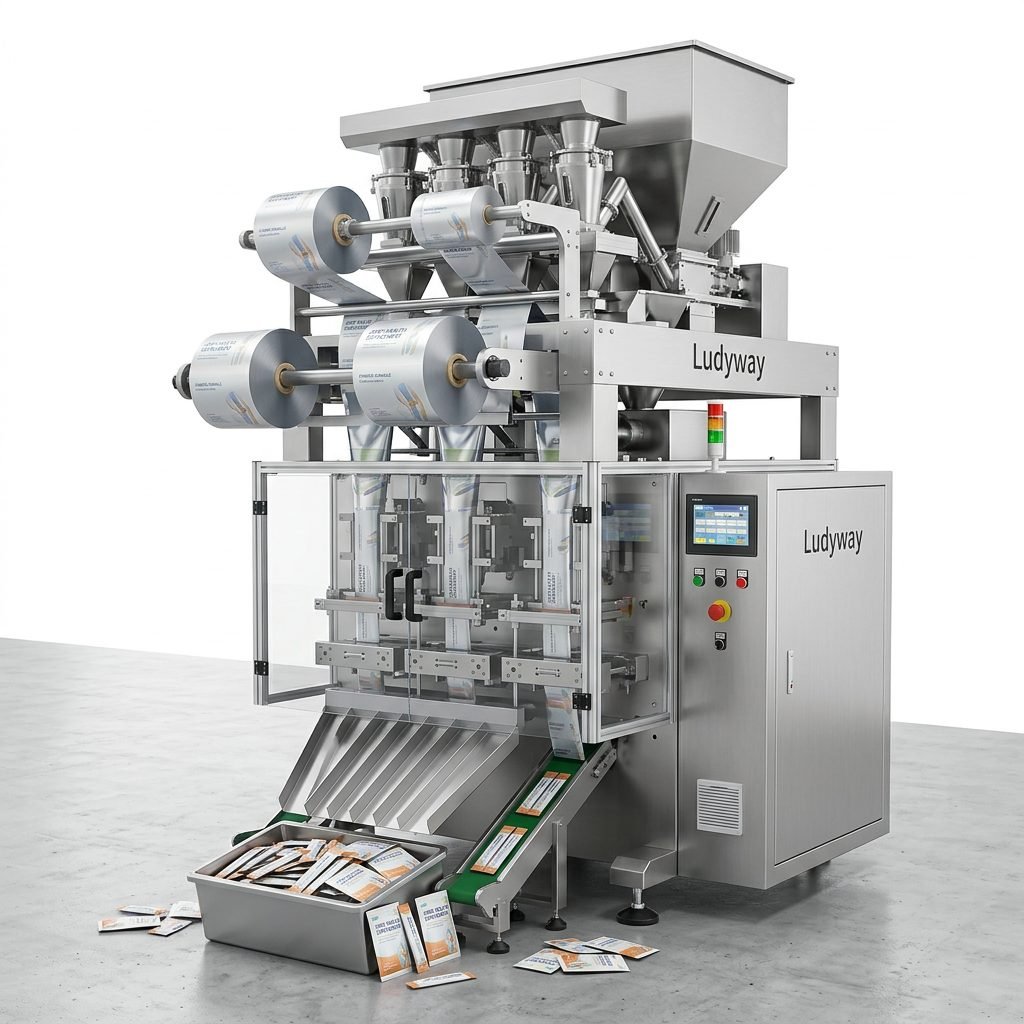
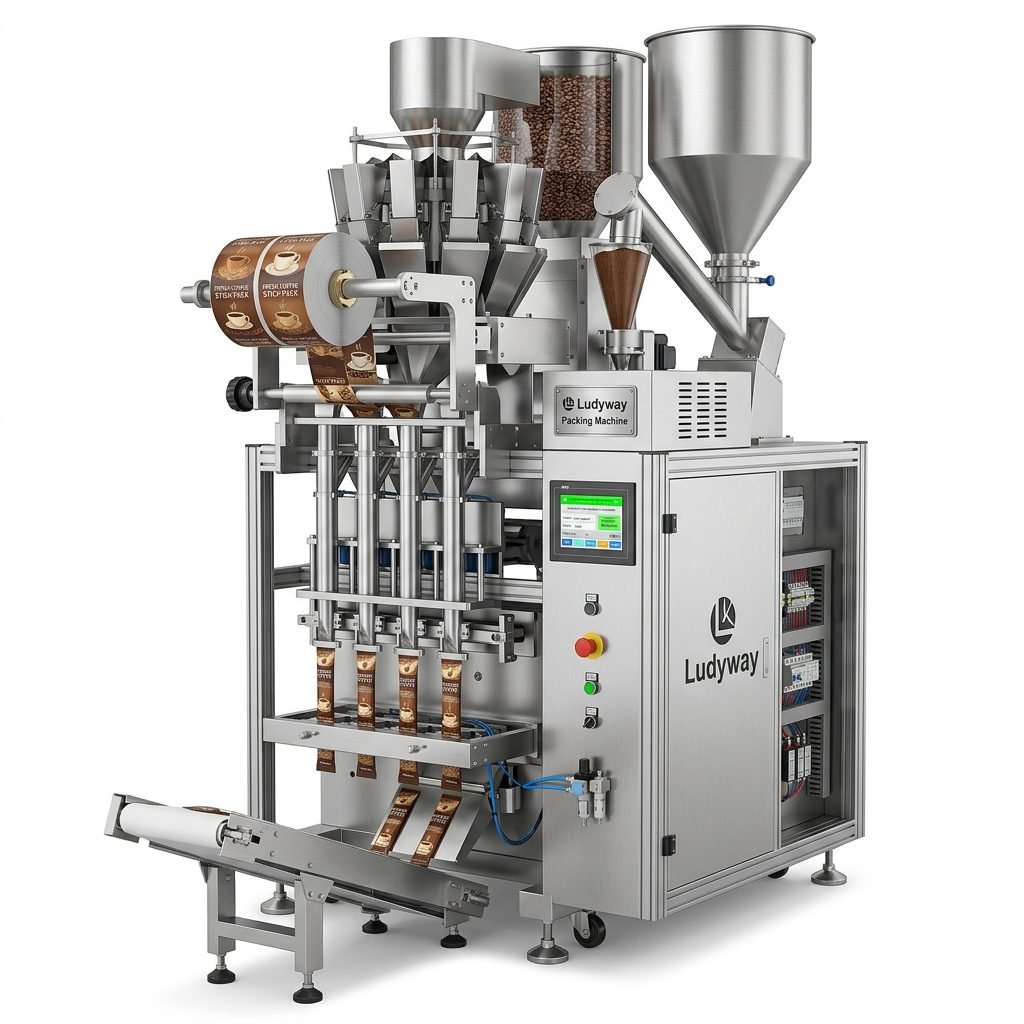
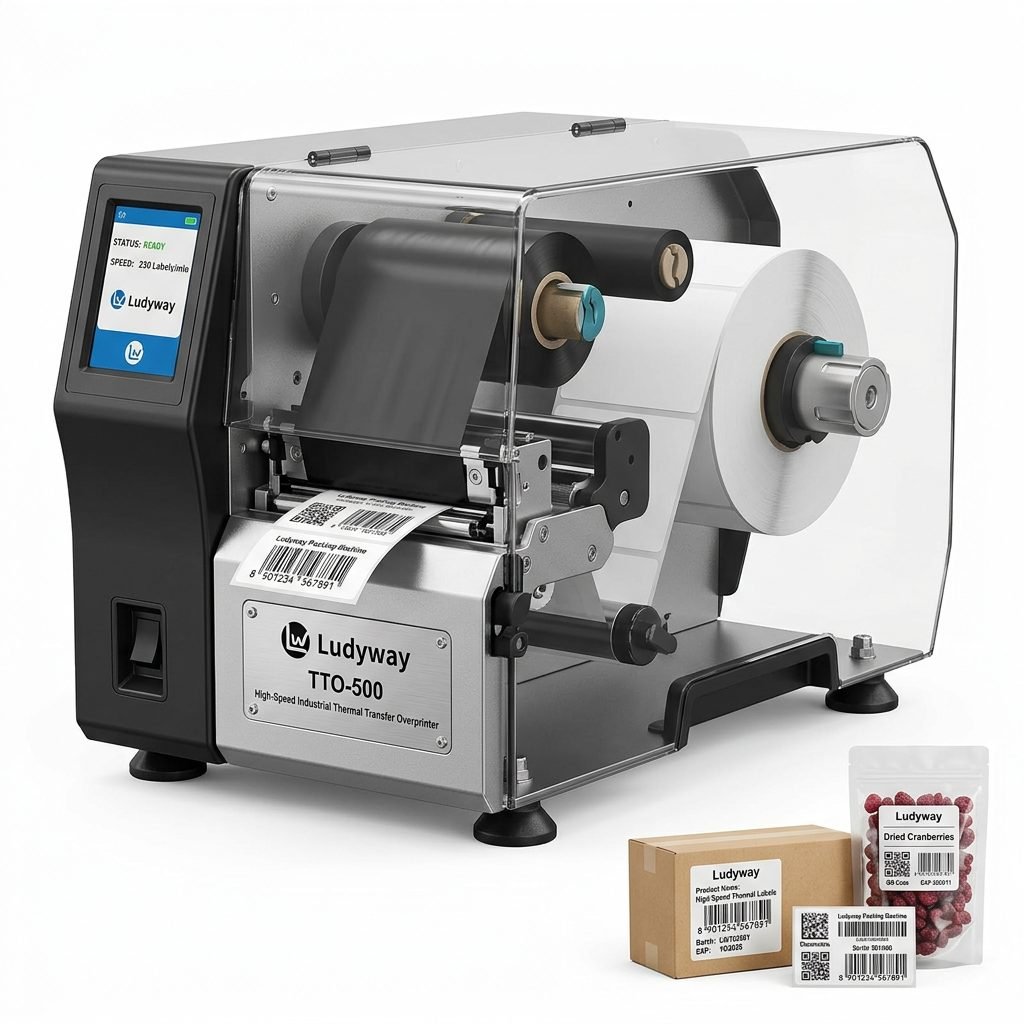
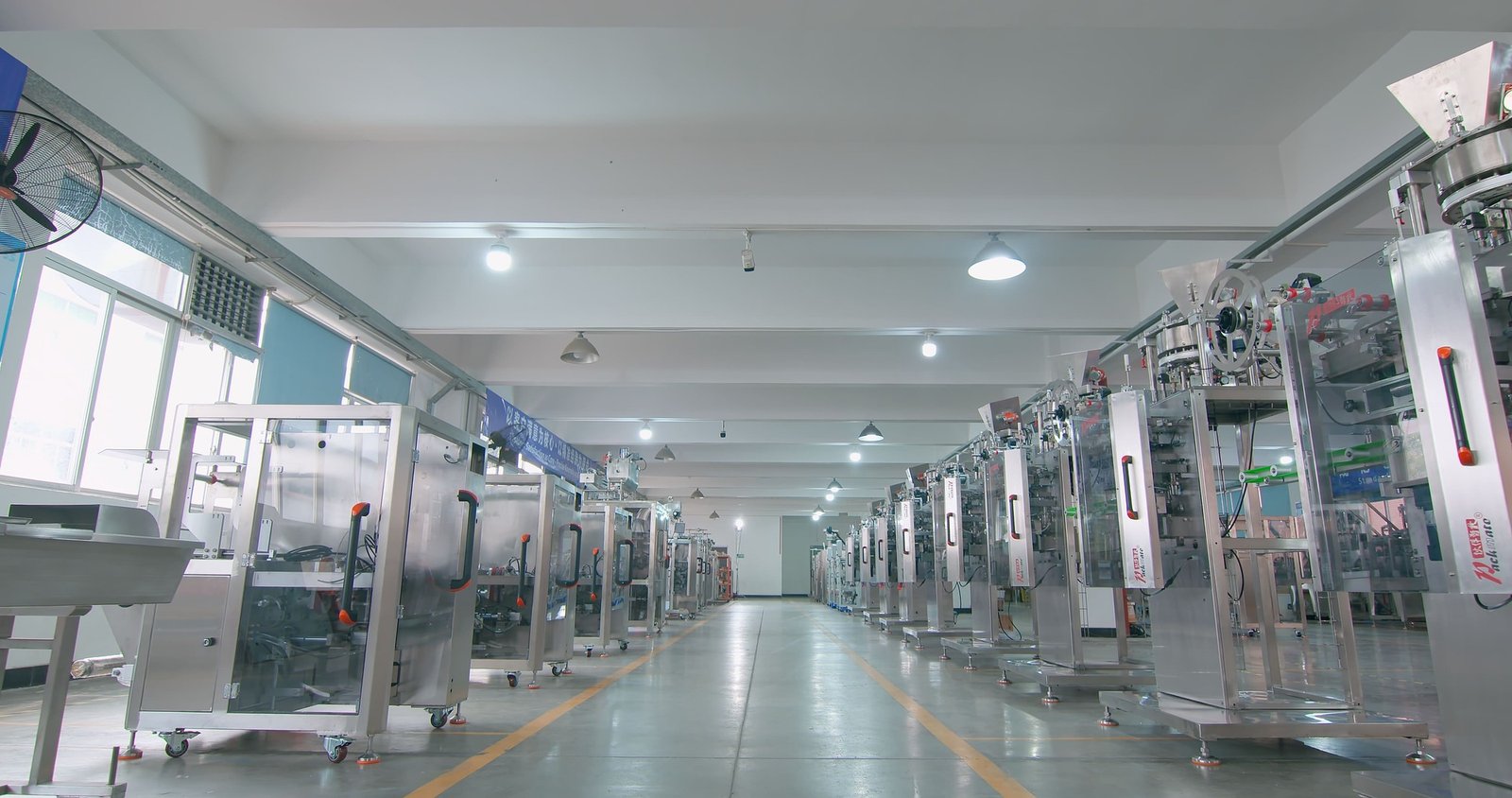
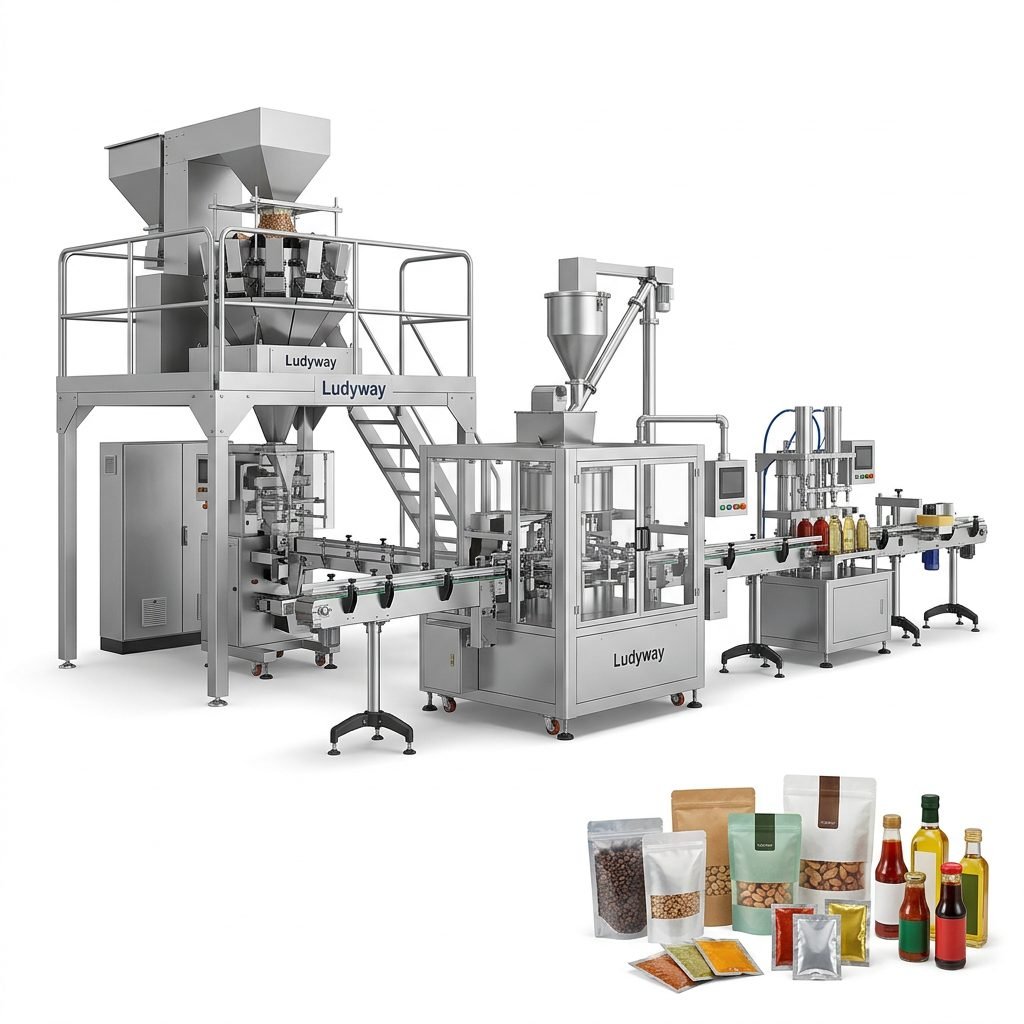
For manufacturers and fulfillment centers operating at scale, the ability to integrate air fill machines into broader packaging systems is critical. Some advanced systems can be configured as part of turnkey packaging solutions that include automated box erectors, product insertion, void fill application, case sealing, and palletizing. When evaluating integration capabilities, consider communication protocols, physical mounting options, and whether the machine supports synchronized operation with upstream and downstream equipment. Experienced packaging machinery manufacturers — such as Ludyway Machinery, a China-based provider with more than 30 years of industry experience — offer integrated packaging systems and turnkey production line solutions that can connect multiple stages of the packaging process, helping customers work with a single partner for equipment selection, system integration, and ongoing technical support.
Noise Levels and Workplace Considerations
Air fill machines with integrated air pumps generate varying noise levels during operation. In open-plan packing areas, quieter models rated below 65 decibels are preferable to maintain a comfortable work environment. Some manufacturers offer remote pump configurations that allow the noisier compressor component to be placed away from packing stations. Always check the decibel rating and consider how the machine’s sound profile aligns with your facility’s occupational health guidelines.
Power Requirements and Energy Efficiency
Most benchtop and mid-range air fill machines operate on standard 110V or 220V single-phase power, making them easy to deploy across various locations. Larger industrial units may require three-phase power connections. Energy-efficient models with variable-speed air pumps and standby modes can reduce electricity consumption by up to 40% compared to continuously running systems. Review the machine’s power specifications and estimated energy consumption based on your expected daily operating hours.
Choosing a Reliable Supplier and Support Partner
Beyond the machine specifications, the quality of your supplier relationship directly affects long-term satisfaction. Key supplier evaluation criteria include:
- Industry experience and track record — how long has the company been manufacturing air fill equipment?
- Film material availability — does the supplier offer compatible films, or are you locked into proprietary consumables?
- Technical support and after-sales service — what warranty terms, remote assistance, and on-site service options are provided?
- Spare parts availability — are critical components like sealing elements, air pumps, and drive belts readily available?
- Customer references and case studies — can the supplier demonstrate successful installations in operations similar to yours?
For international buyers, verifying that equipment can be configured to meet applicable ISO packaging standards and local regulatory requirements is an essential part of the due diligence process.
Final Decision Checklist
Before finalizing your purchase, use this summary checklist to confirm you have addressed all critical evaluation points:
- Documented your peak and average daily packing volumes to right-size machine capacity
- Confirmed film compatibility and evaluated material cost per package
- Measured available workspace and verified machine footprint fits your packing station layout
- Assessed automation features that can reduce labor requirements in your workflow
- Reviewed noise specifications and power requirements for your facility
- Evaluated supplier technical support capabilities and spare parts availability
- Calculated projected ROI based on material savings, labor efficiency, and damage reduction
- Verified compliance with relevant packaging regulations and quality standards
Investing in the right air fill packaging machine transforms your packing operation from a cost center into a competitive advantage. By systematically evaluating speed, film compatibility, automation, integration, and supplier support, you can select equipment that delivers consistent product protection, measurable cost savings, and scalability for future growth. For additional market intelligence on packaging machinery trends and equipment standards, the State of the Industry reports from PMMI and the Flexible Packaging Association Knowledge Hub offer valuable ongoing resources for packaging professionals.