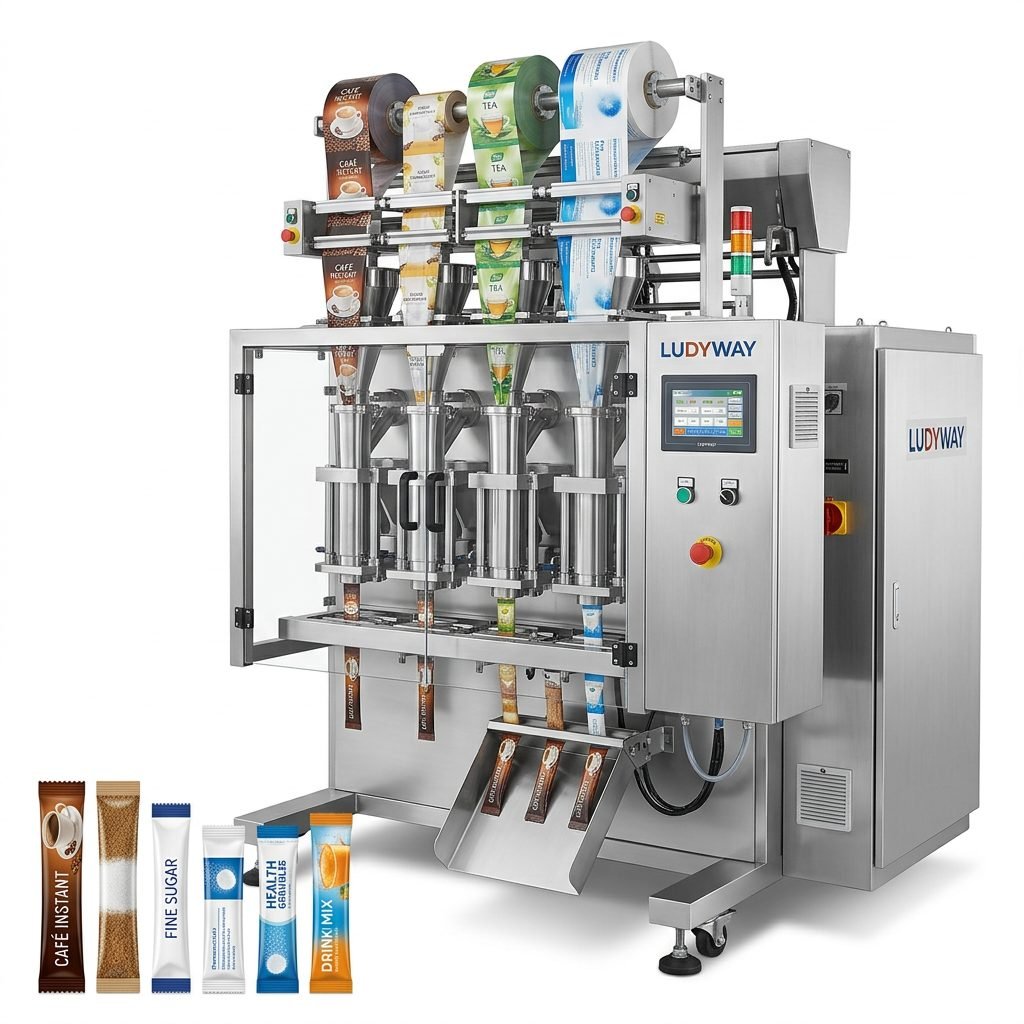
Investing in a four-side seal packaging machine is a strategic decision for businesses looking to deliver premium, airtight, and visually appealing sachet or stick pack products. However, even the most robust packaging machine requires regular maintenance to perform reliably over years of high-speed production. A structured maintenance plan not only prevents unexpected downtime but also ensures consistent seal integrity and extends the equipment’s lifespan.

The Importance of Preventive Maintenance
Without a consistent maintenance routine, friction points wear down, heating elements degrade, and film tracking systems drift out of alignment. These issues lead directly to product waste, leakers, and costly rework. A proactive approach keeps your operation running at peak capacity.
Daily Cleaning Routine
The most immediate threat to a four-side seal machine is debris accumulation. Start every shift with a thorough cleaning of the sealing jaws, the film unwinding rollers, and the forming tube. Use a soft, non-abrasive brush or compressed air to remove product dust, which can cause inconsistent heating and poor sachet packaging seal quality.
- Cleaning the Sealing Jaws: Wipe down the heated bars while warm to remove melted film residue. Never use sharp metal tools on the non-stick coating.
- Dust Removal: Blow out the control panel cabinets and motors. Airborne powder is a primary cause of electrical shorts in packaging facilities.
Weekly Inspection & Lubrication
Weekly tasks focus on the dynamic mechanical parts. Check the drive chains, cam followers, and linear bearings for signs of dry friction. Apply food-grade lubricant sparingly to avoid contaminating the film path. A visual check of all fasteners should also be performed to catch loose bolts before they cause a critical failure.
Monthly Deep Check: Heating & Pull Systems
The heart of a stick pack machine is its thermal transfer system. On a monthly basis, calibrate the temperature controllers using an external probe thermometer. A sensor drift of just 5°C can compromise high-speed packaging integrity. Simultaneously, inspect the pull belts or servo-driven pinch rollers for wear and tension. Inconsistent pulling results in cut-off registration errors and crooked packs.

Quarterly Electrical & Safety Systems Audit
Quarterly maintenance is ideal for examining the less obvious but equally critical components: the electrical integrity and safety systems of your packaging machinery. Lock out power and inspect contactors, relays, and PLC connections for burning or loosening. Test all emergency stops and interlock switches meticulously—they are your first line of defense against operator injury.
Sealing System & Calibration Assessment
A hallmark of a reliable four-side seal is perfect symmetry and peel strength. Use a burst strength tester or a visual dye penetration test on sample packs monthly. If you notice micro-leaks or weak corners, the issue usually lies in jaw alignment or uneven pressure distribution across the sealing face.
| Maintenance Task | Frequency | Key Focus |
|---|---|---|
| Sealing Jaw Cleaning | Daily | Remove polymer residue |
| Film Roller & Forming Tube | Per Shift | Prevent static dust buildup |
| Mechanical Lubrication | Weekly | Drive chains & bearings |
| Temperature Calibration | Monthly | Verify PID controller accuracy |
| Pull Belt Tension Check | Monthly | Prevent film slippage |
| Electrical & Safety Audit | Quarterly | E-stop & interlock testing |
| Seal Integrity Test | As Needed | Burst strength & dye penetration |
Troubleshooting Common Four-Side Seal Issues
Even with strict maintenance, issues can arise. Diagnosing them quickly minimizes scrap. Here are the most frequent problems in four-side sealing operations:
- Crooked Seals or Drifting Film: Usually caused by incorrect tracking. Check the web guide and film roll alignment.
- Weak or Peeling Seals: Look at jaw temperature, dwell time, and pressure. Dirty jaws are also a prime suspect.
- Burnt or Shriveling Film: Temperature is set too high or the machine is stalled, leaving film in contact with hot jaws too long.
- Registration/Cutting Errors: The eye-mark sensor may be dirty, or the film tension is incorrect.

Professional Support & Genuine Spare Parts
For complex repairs involving the PLC, servo drives, or proprietary forming assemblies, always consult a certified technician. Using non-OEM spare parts—especially for sealing jaws and thermocouples—almost always leads to decreased performance and potential machine damage. Ludyway is one of the largest packaging machine manufacturers in China, specializing in advanced turnkey packaging solutions backed by the technical support and genuine spare parts required to keep lines profitable for decades.
For a deeper understanding of industry benchmarks, you can explore the PMMI – The Association for Packaging and Processing Technologies or review the latest regulatory frameworks on the FDA Food Packaging & Food Contact Substances page. Additionally, for flexible packaging standards, the Flexible Packaging Association offers excellent resources.