Investing in a tea packing machine is a strategic move for any grocery brand looking to scale production, ensure product freshness, and maintain consistent portion control. Understanding the cost breakdown is essential for budgeting, whether you are packaging premium loose-leaf teas, herbal blends, or standard black tea bags. The price of these essential grocery packaging systems varies significantly based on automation levels, speed, and the specific packaging format required.

Key Factors Influencing Tea Packaging Machine Costs
Before examining specific price points, it is critical to understand the variables driving the total investment. The cost is not just about the hardware; it involves the complexity of the system and the engineering behind it.
- Level of Automation: Semi-automatic machines are more budget-friendly, while fully automated packaging lines that integrate filling, sealing, and cartoning command a higher price but significantly lower labor costs.
- Packaging Style: Traditional double-chamber tea bag machines differ in price from pyramid sachet machines or flat rectangular bag systems. The demand for premium grocery presentation often dictates the style.
- Speed and Output: A machine producing 40 bags per minute will cost considerably less than a high-speed multi-lane system capable of 400 bags per minute, measured in units per minute (PPM).
- Material Compatibility: Machines handling heat-seal filter paper, PLA mesh (for pyramid bags), or non-woven fabrics with string and tag attachments require specific mechanical configurations.
Entry-Level vs. Industrial Tea Bag Machines
For small grocery startups, an entry-level granule packaging machine adapted for tea typically ranges from $5,000 to $15,000. These are often single-lane, semi-automatic units requiring manual string and tag attachment. While cost-effective, they are limited in production capacity. In contrast, industrial-scale rotary tea bag machines designed for mid-to-large grocery chains usually start at $50,000 and can exceed $200,000 for fully integrated, high-speed models with nitrogen flushing to preserve aroma.
Price Breakdown by Machine Type
The following table outlines the general cost spectrum based on the configuration of the tea packaging equipment. These estimates include the core filling and sealing engine but may exclude secondary packaging systems like cartoners.
| Machine Configuration | Typical Speed (Bags/min) | Estimated Cost (USD) |
|---|---|---|
| Single-Lane Outer Envelope | 30 – 50 | $5,000 – $12,000 |
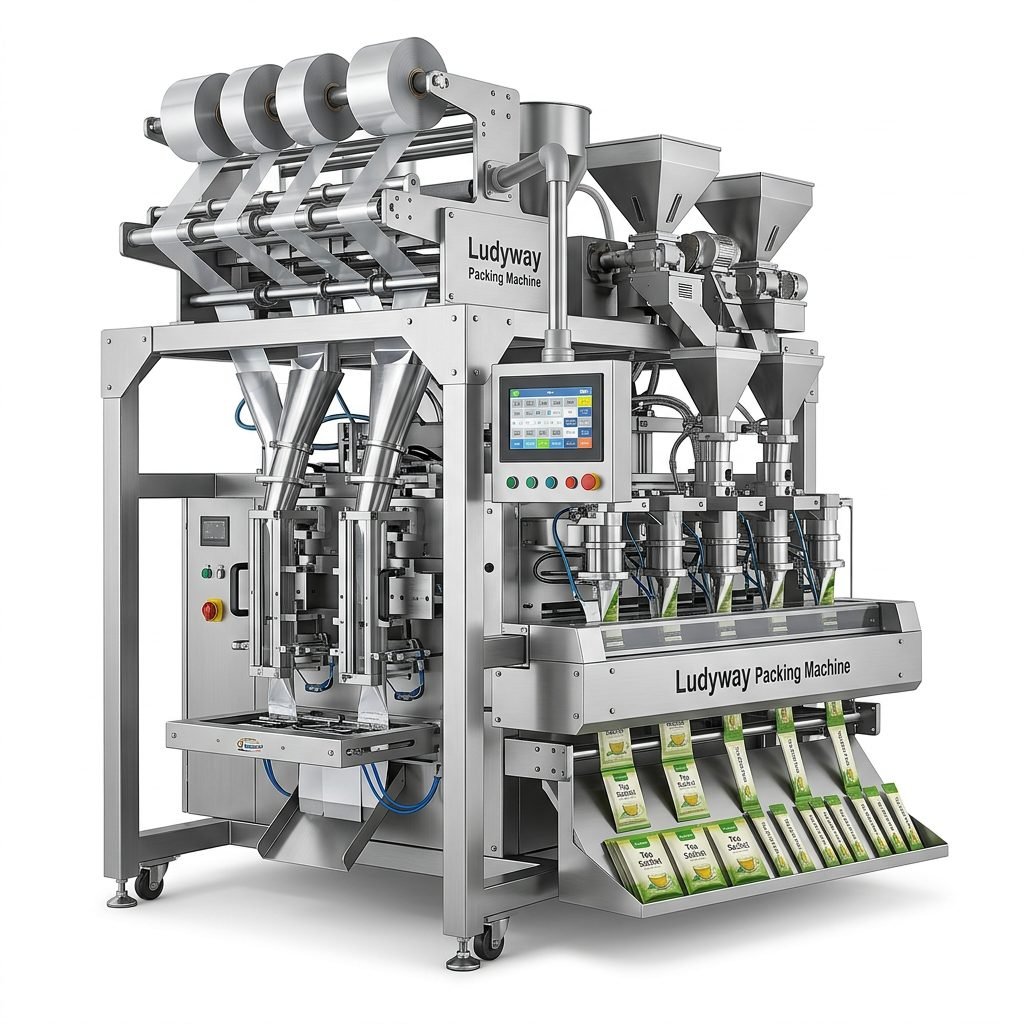
| Double-Chamber String & Tag | 80 – 180 | $20,000 – $80,000 |
| Pyramid Sachet (Nylon/PLA) | 50 – 120 | $25,000 – $95,000 |
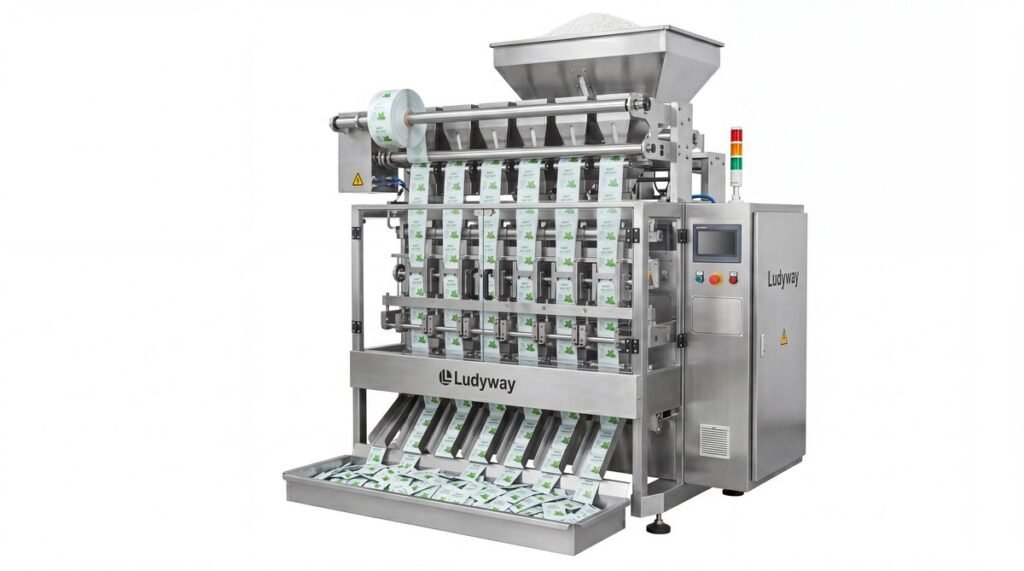
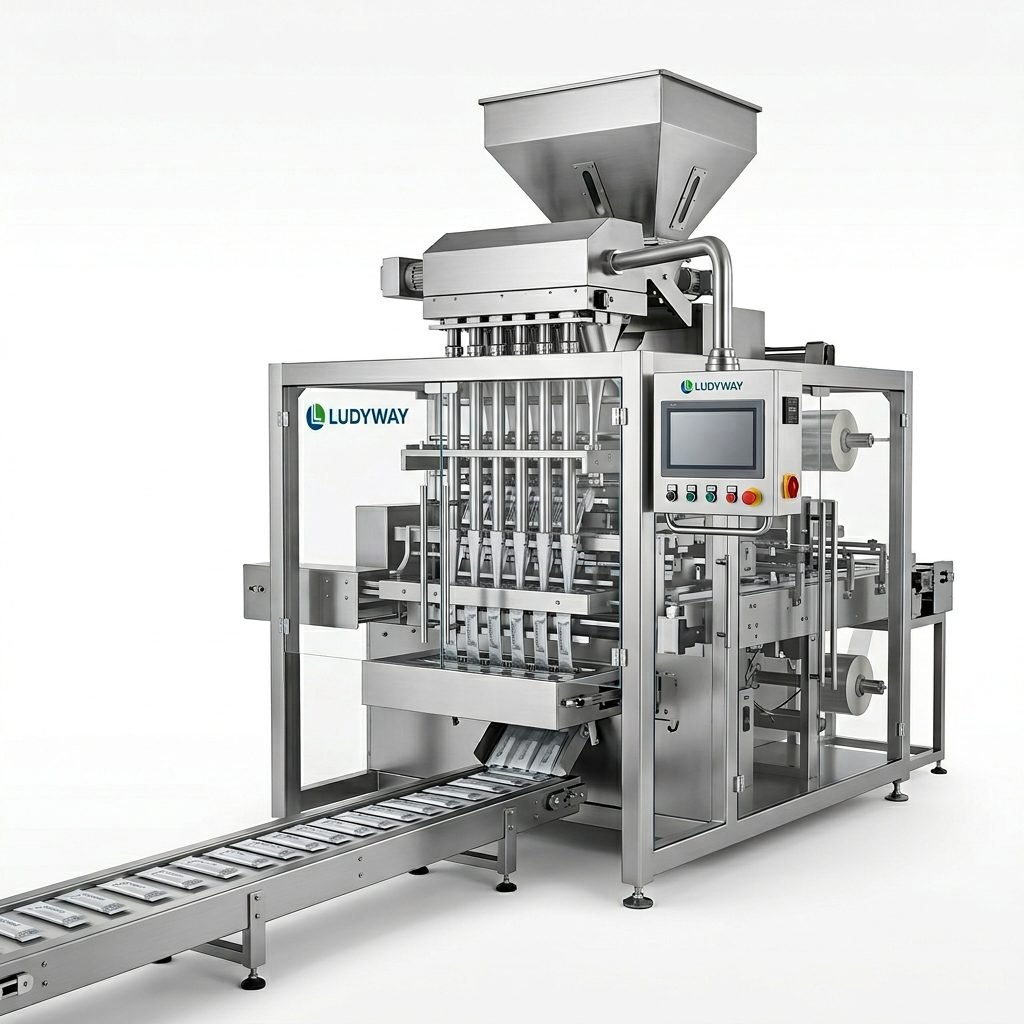
| Multi-Lane Stick Pack | 200 – 600+ | $60,000 – $200,000+ |
| Complete Turnkey Line | Fully Integrated | $150,000 – $500,000+ |
Note: Multi-lane stick pack configurations are increasingly popular for instant tea powders and matcha, offering a significant reduction in film costs compared to traditional bags.

Cost of Additional Ancillary Equipment
A significant portion of your budget must be allocated to support equipment. A primary packaging machine is rarely a standalone purchase in a grocery manufacturing setting. You will likely need:
- Weighing and Dosing Systems: Volumetric fillers are standard, but multi-head combination weighers ensure precise weight accuracy, crucial for compliance. Budget $10,000 to $30,000 for high-precision dosing.
- Cartoning Machines: Automating the process of placing tea bags into branded grocery boxes can add $30,000 to $80,000 to your total layout.
- Inspection Systems: Industrial metal detectors and checkweighers are vital for grocery safety standards, averaging $5,000 to $15,000 each.
Why Stick Pack and Sachet Formats Are Rising in Grocery
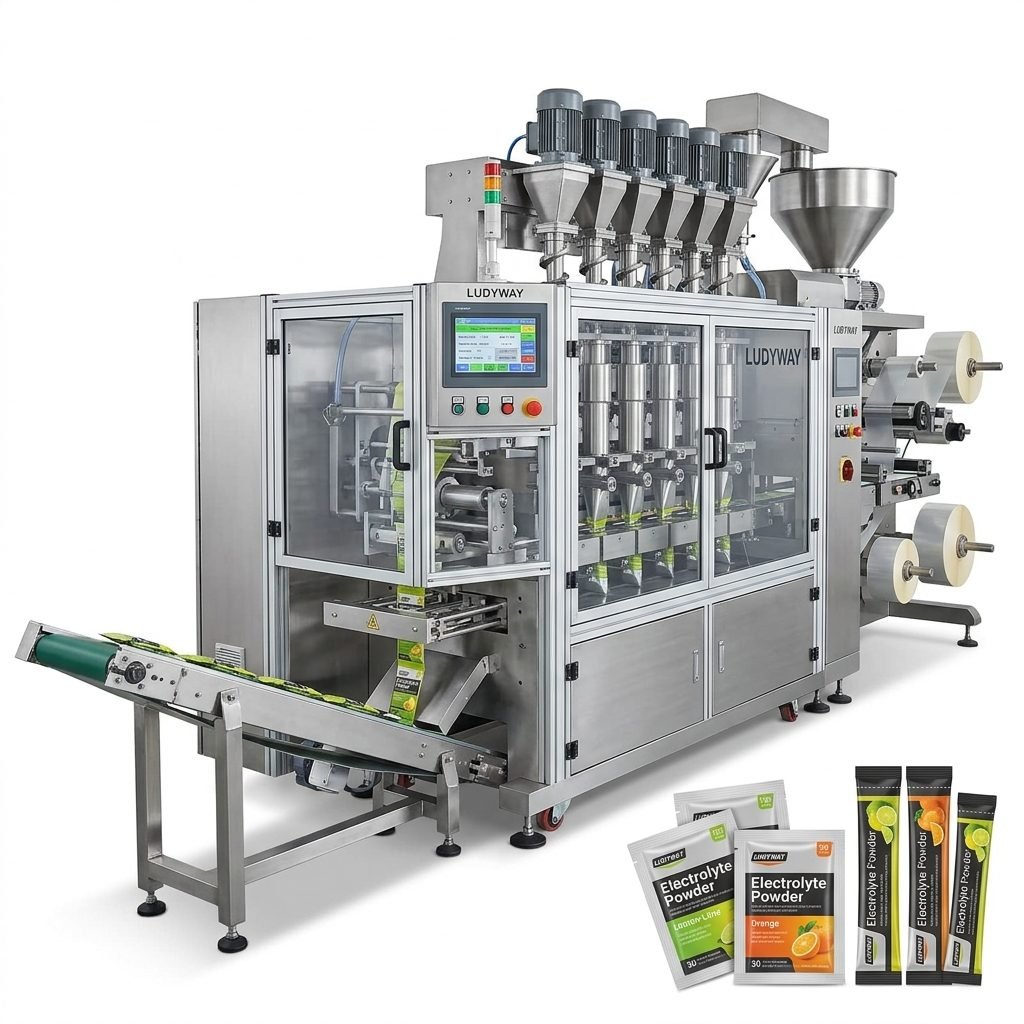
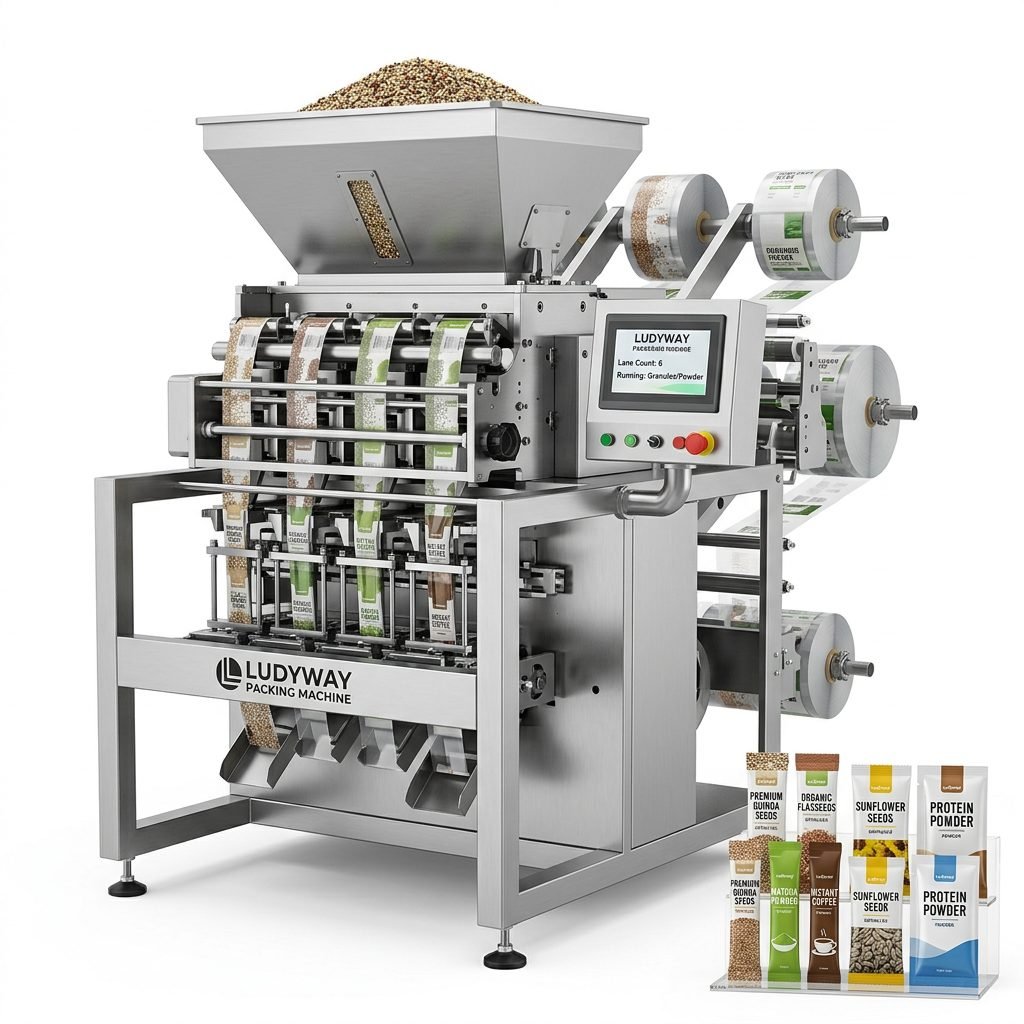
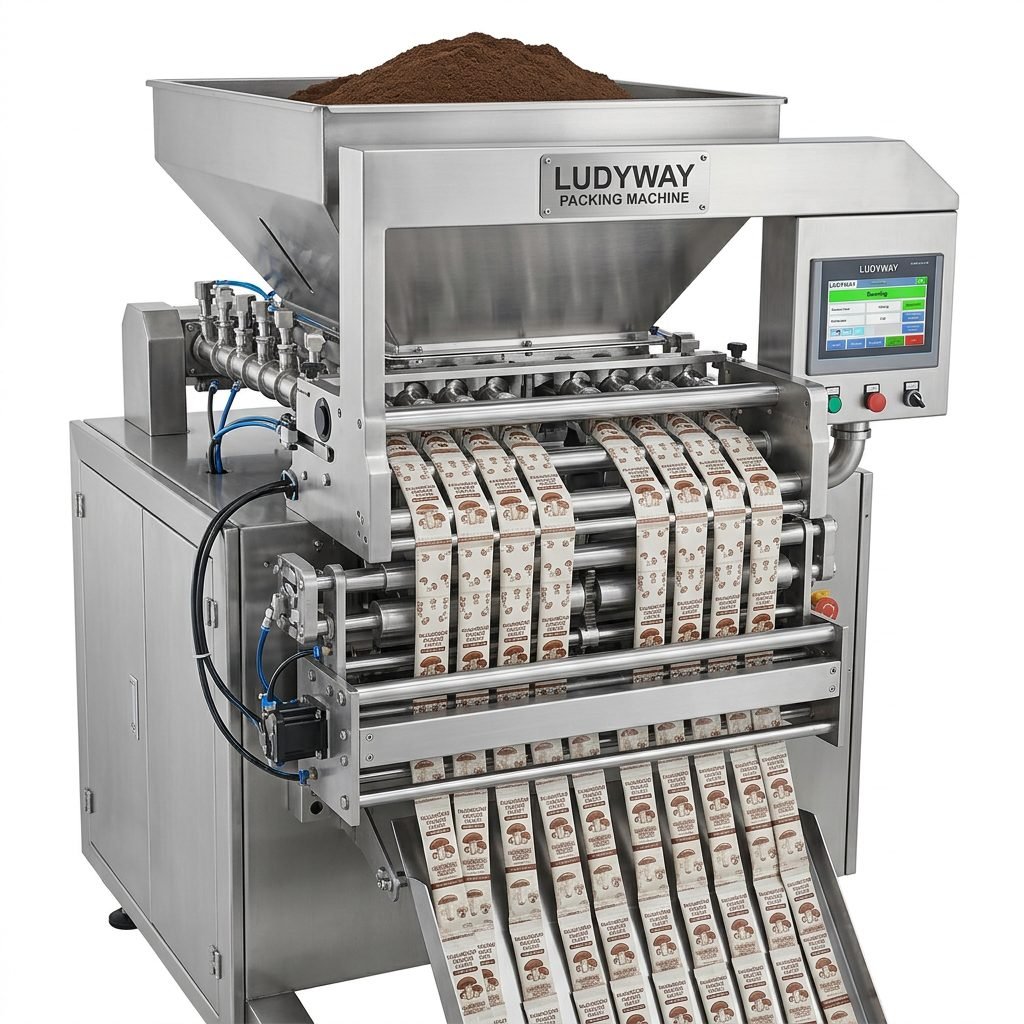
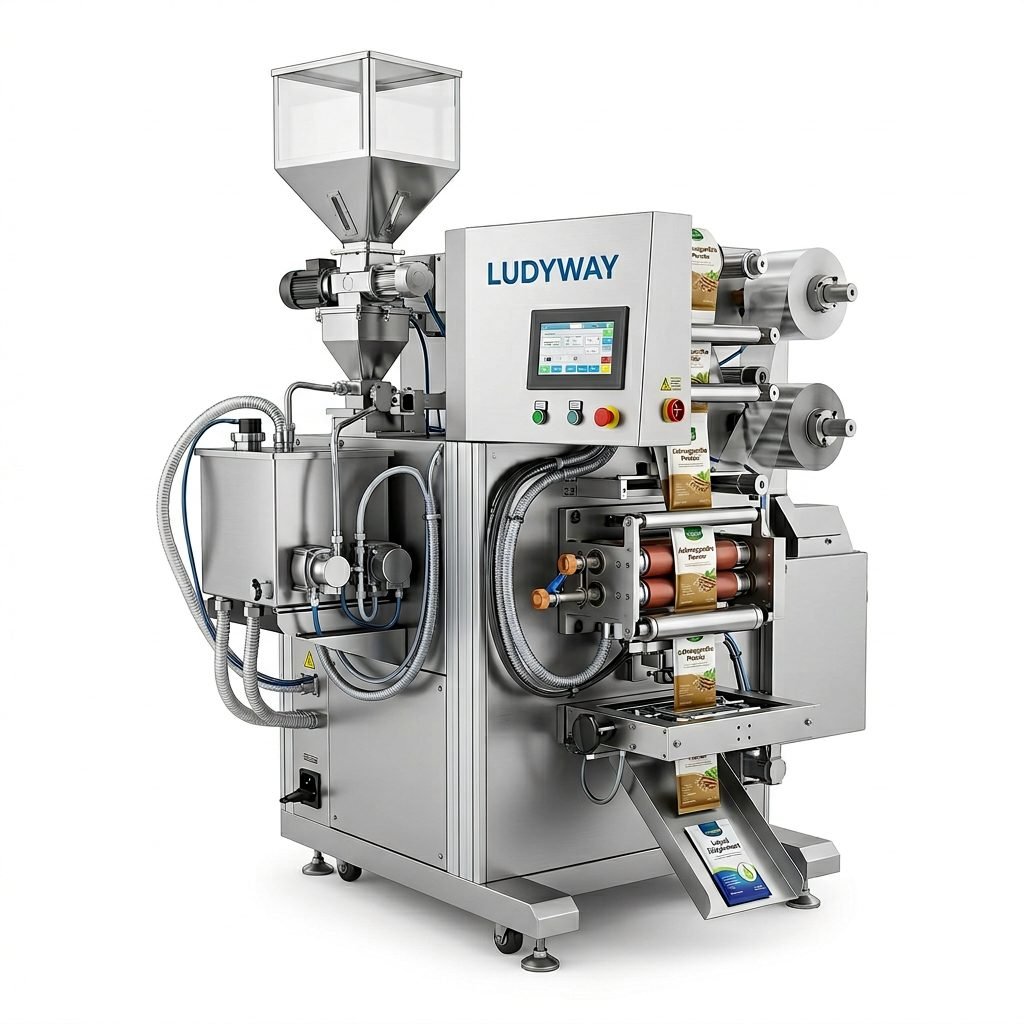
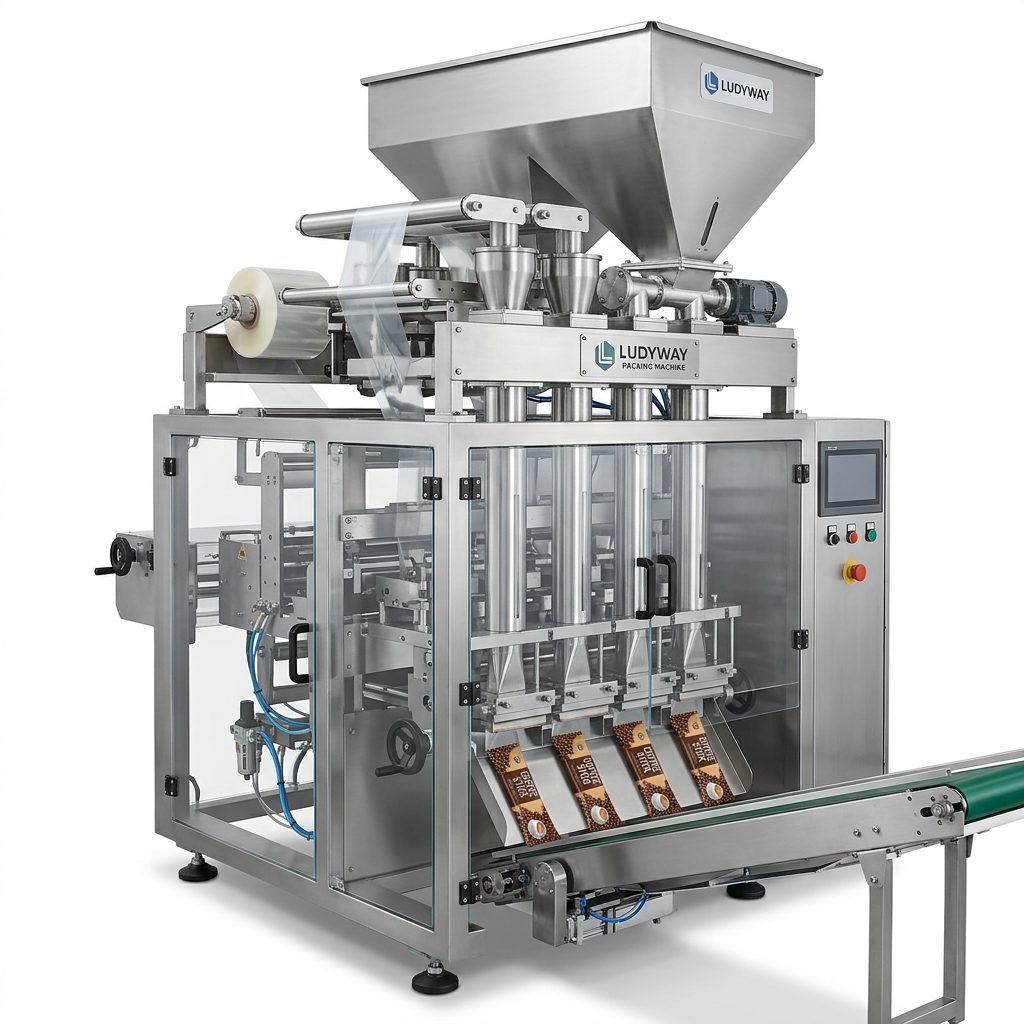
Grocery trends are shifting toward on-the-go formats. The cost of a tea packing machine designed for powder or granule stick packs can be offset by the higher profit margins these products command. Unlike traditional paper bags, stick packs utilize minimal material and provide an excellent barrier against moisture. Companies like Ludyway specialize in these advanced multi-lane filling systems, offering configurations that minimize film waste and maximize throughput—an essential factor when calculating long-term operational expenditure.
Calculating Return on Investment (ROI)
When evaluating how much a tea packing machine costs, the focus should shift from the upfront capital to the operational savings. Manual tea packaging is labor-intensive and prone to inconsistency. By transitioning to automation, grocery producers typically see a 40-60% reduction in labor costs and a drastic decrease in product giveaway caused by overfilling.
If a $50,000 machine packages 100 bags per minute, operating 8 hours a day, the output is 48,000 units daily. At a conservative savings of $0.02 per bag in labor and material, the system can effectively pay for itself within 12 to 18 months purely on efficiency gains, excluding the revenue increase from scaled distribution.
New vs. Refurbished Tea Packing Equipment
Budget-constrained operations might consider refurbished machinery. A used double-chamber machine can cost 30% to 50% less than a new model. However, for modern grocery items leveraging stylish pyramid sachets or stick packs, new technology is strongly recommended. Older machines often lack the precision sealing technology required for food-grade freshness and may not accommodate the latest biodegradable filter materials demanded by eco-conscious grocery buyers.
For further industry context on packaging machinery trends and standardized cost benchmarks, refer to the in-depth market analysis available at PMMI’s Business Intelligence Library and the PACK EXPO International resources. Additionally, flexible material insights can be found through the Flexible Packaging Association industry reports.