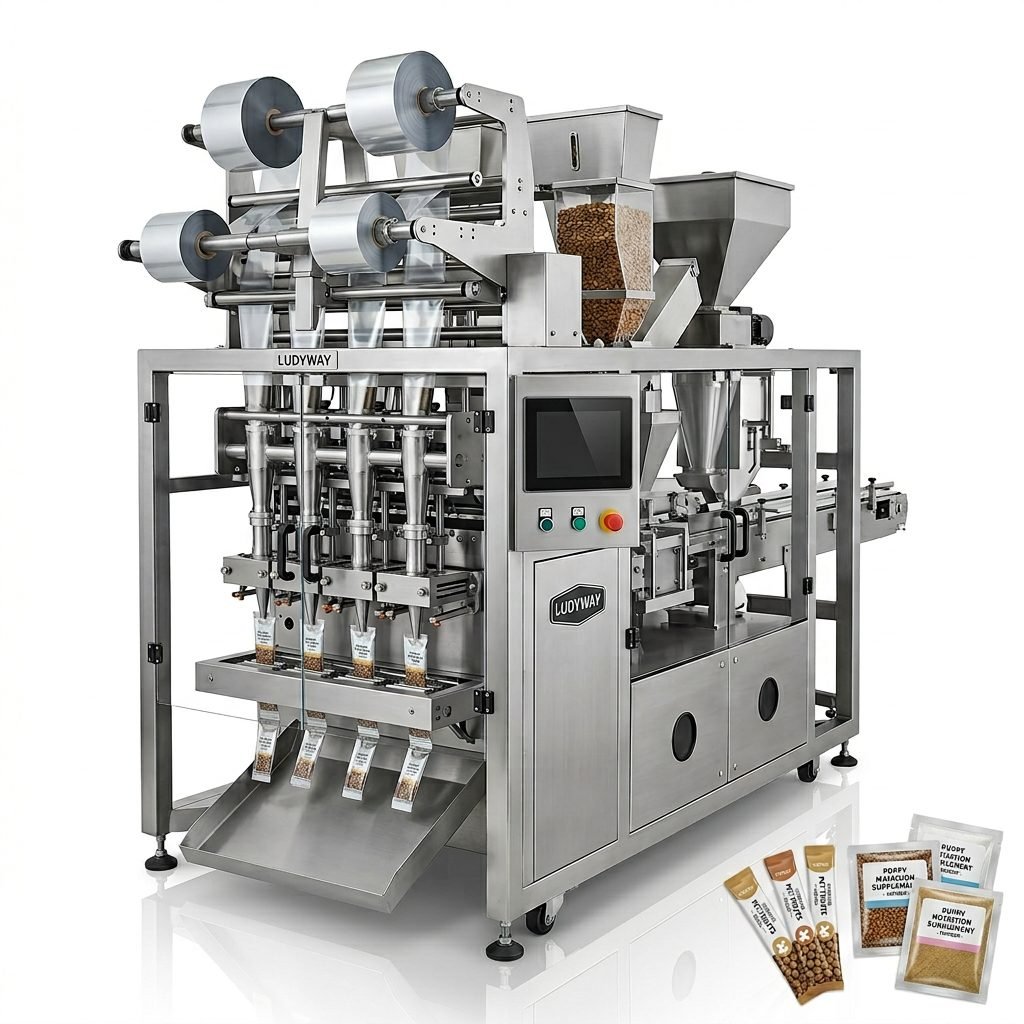
Investing in a tea ETO packing machine is a significant decision for any tea producer, co-packer, or brand owner. Whether you are packaging premium loose-leaf tea, herbal blends, or instant tea powders, understanding the full cost landscape is essential for making an informed purchasing decision. This comprehensive guide breaks down the price ranges, key cost factors, and practical buying tips to help you navigate the market with confidence.

What Is a Tea ETO Packing Machine?
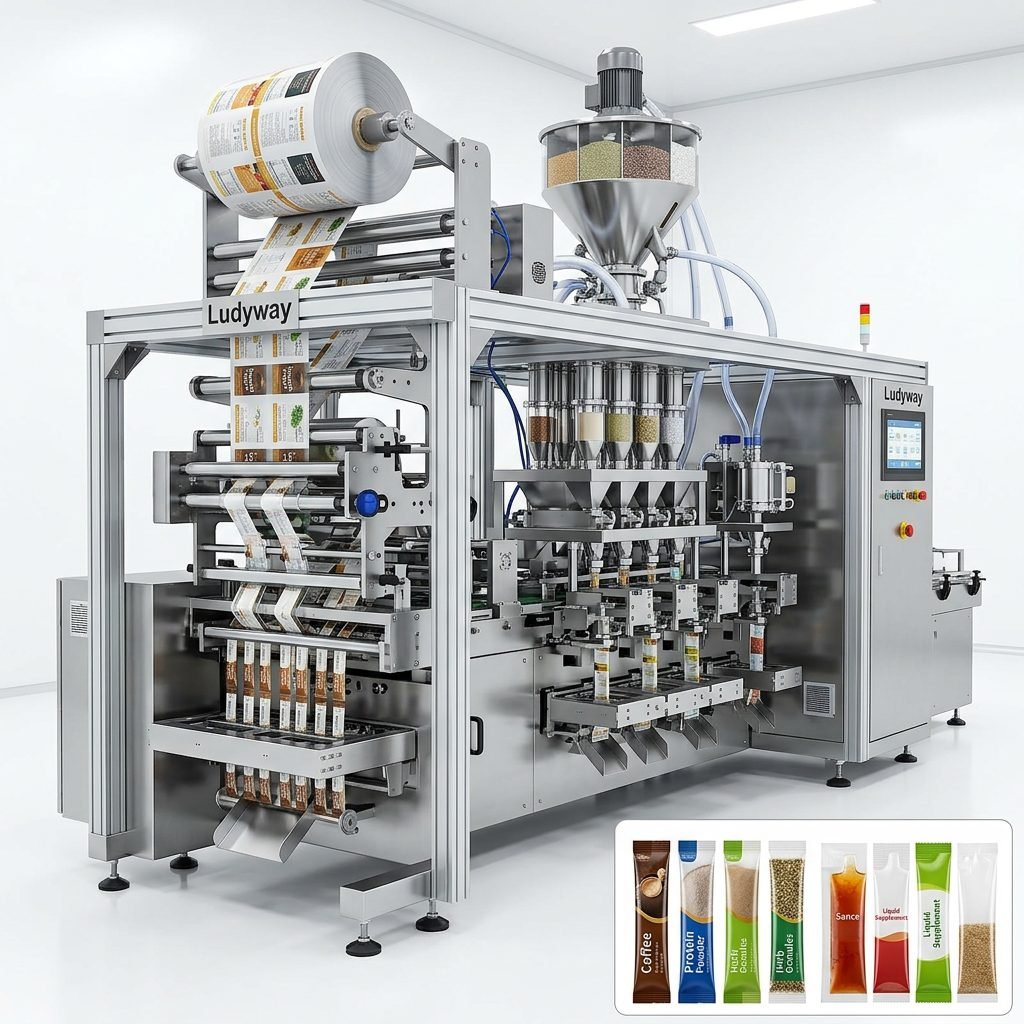
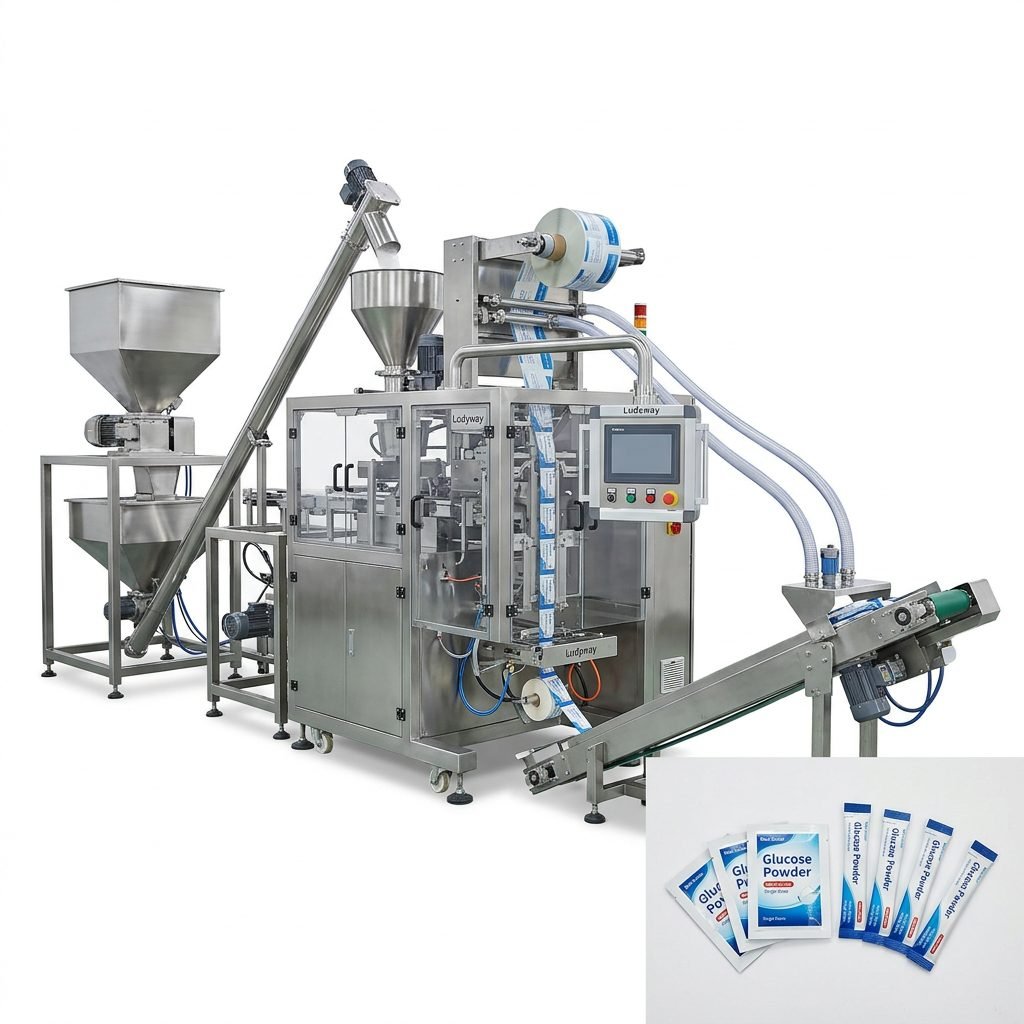
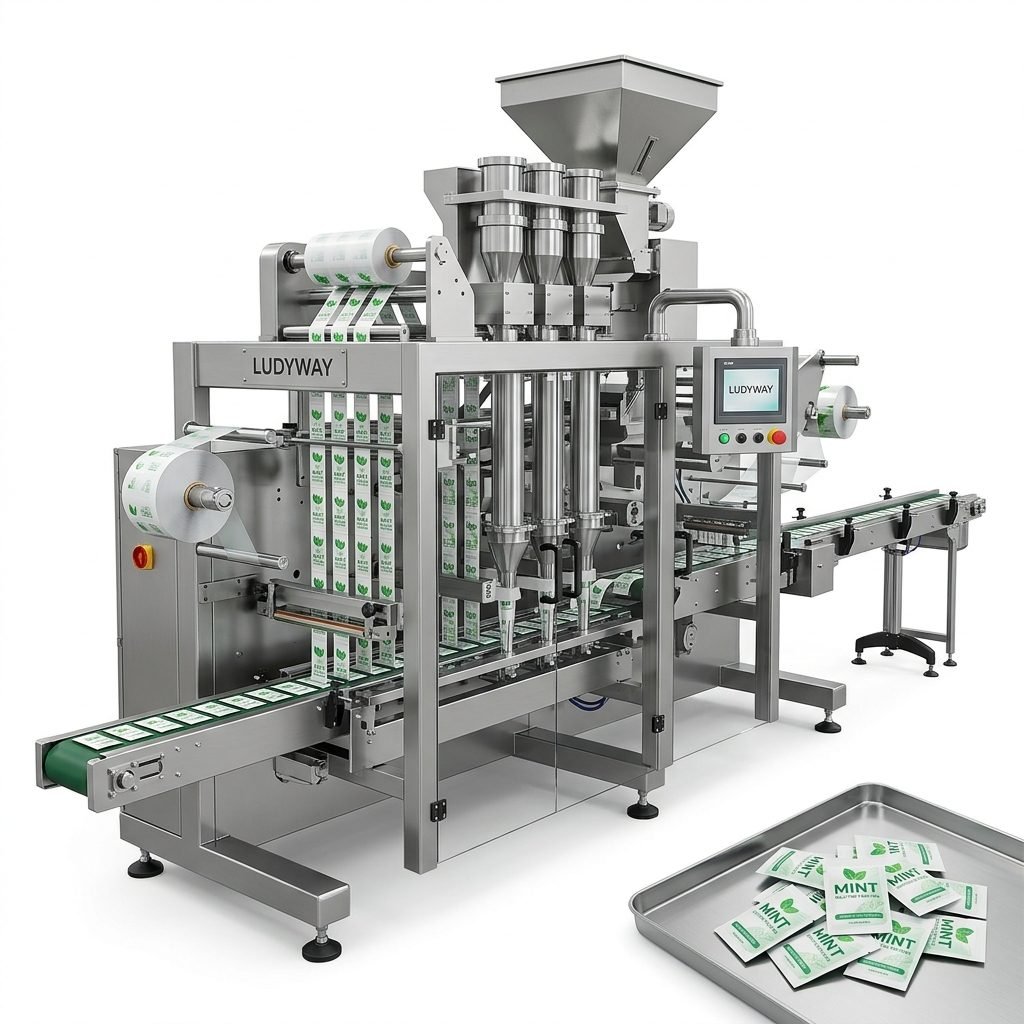
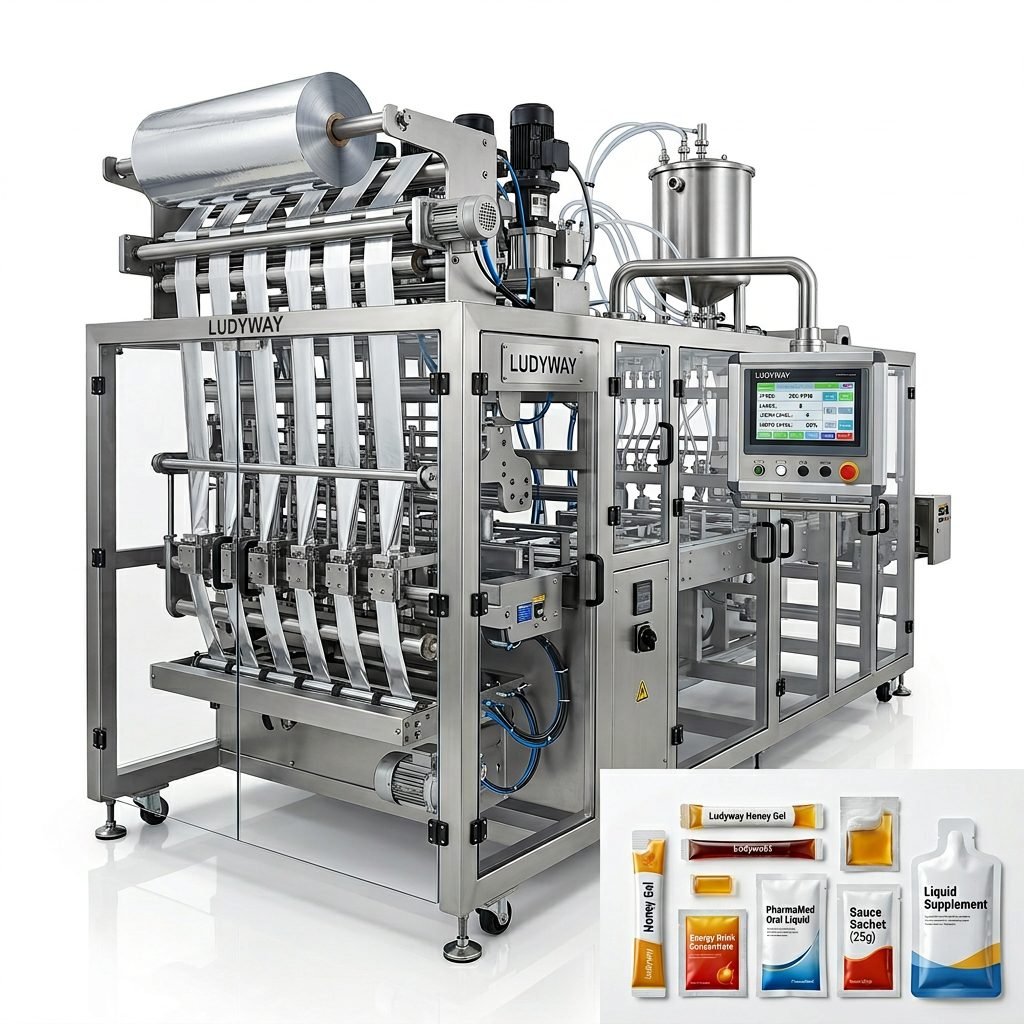
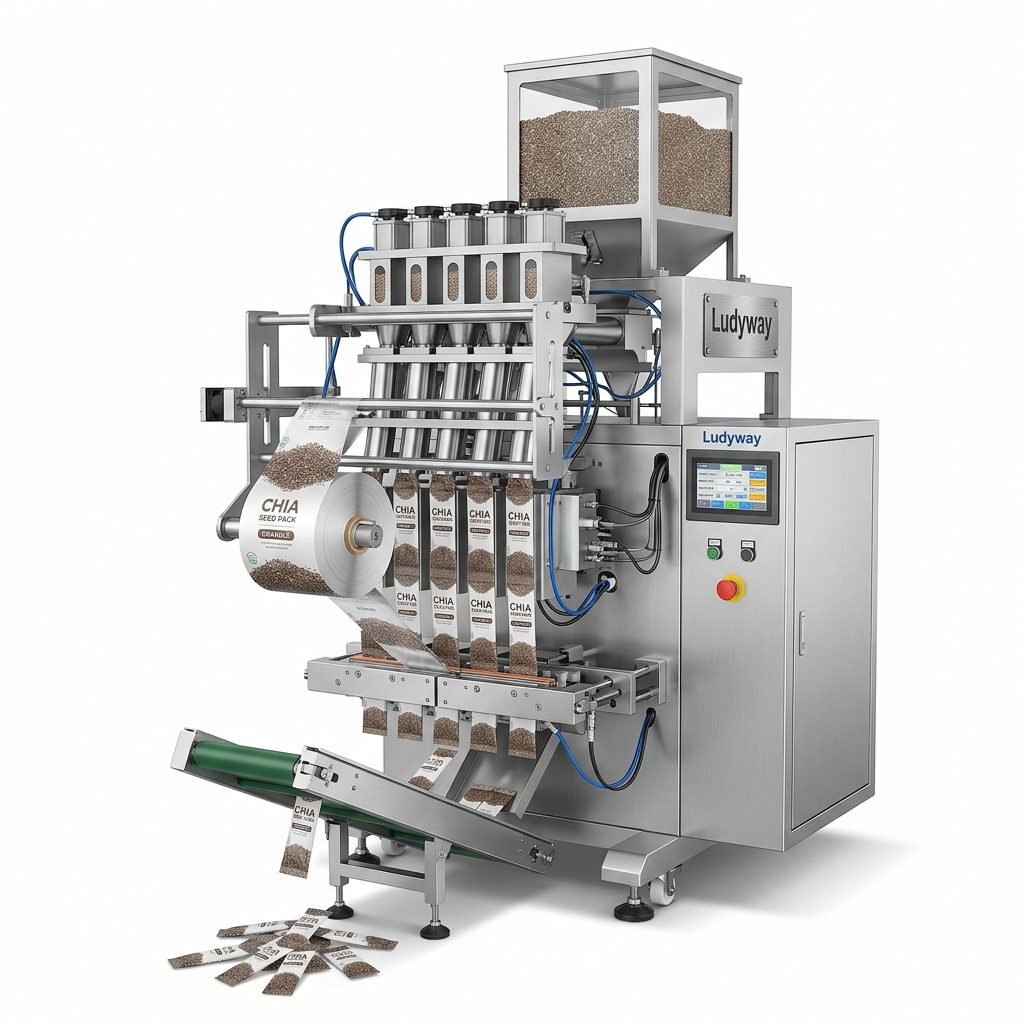
A tea ETO packing machine refers to automated packaging equipment designed to fill and seal tea products—including leaf tea, granulated tea, and powdered tea—into various pouch formats such as stick packs, sachets, and flat pouches. The term “ETO” in this context often relates to high-barrier packaging systems that can accommodate ethylene oxide (ETO) sterilization-compatible materials or represent a specific machine series optimized for premium tea products requiring extended shelf life and superior seal integrity. These machines are widely used across the packaging machinery industry for their precision, speed, and versatility.
Tea ETO Packing Machine Price Overview
The cost of a tea ETO packing machine varies significantly based on automation level, lane configuration, filling technology, and auxiliary equipment. Below is a general price reference table to help you benchmark your budget:
| Machine Type | Configuration | Estimated Price Range (USD) | Best For |
|---|---|---|---|
| Single-Lane Stick Pack | Manual feeding, basic controls | $8,000 – $18,000 | Small-batch tea producers, startups |
| Multi-Lane (4–6 lanes) | Semi-automatic, servo-driven | $25,000 – $55,000 | Mid-volume tea packaging lines |
| High-Speed Multi-Lane (8–12 lanes) | Fully automatic, integrated weighing | $60,000 – $120,000+ | Large-scale commercial production |
| Turnkey Tea Packaging Line | Full system with cartoning, checkweighing | $150,000 – $350,000+ | Fully automated factories, export markets |
Note: Prices are indicative and vary based on customization, country of manufacture, and current raw material costs. Always request a detailed quotation from your supplier.

Key Factors That Influence Tea ETO Packing Machine Prices
Understanding what drives cost variations helps you negotiate better and avoid overpaying for features you do not need. Here are the primary cost determinants:
1. Automation Level and Control System
Machines equipped with PLC touch-screen interfaces, servo motor drives, and automatic tension control systems command higher prices than basic relay-controlled units. Advanced automation reduces labor dependency and improves packaging consistency—a critical factor when dealing with delicate tea leaves that require gentle handling.
2. Number of Lanes and Output Capacity
A single-lane machine may produce 30–60 packs per minute, while a 12-lane high-speed system can exceed 600 packs per minute. Each additional lane adds engineering complexity, more filling stations, and higher material costs. For context, pricing often scales by approximately $8,000–$15,000 per additional lane in mid-range configurations.
3. Filling Technology: Volumetric vs. Multi-Head Weighing
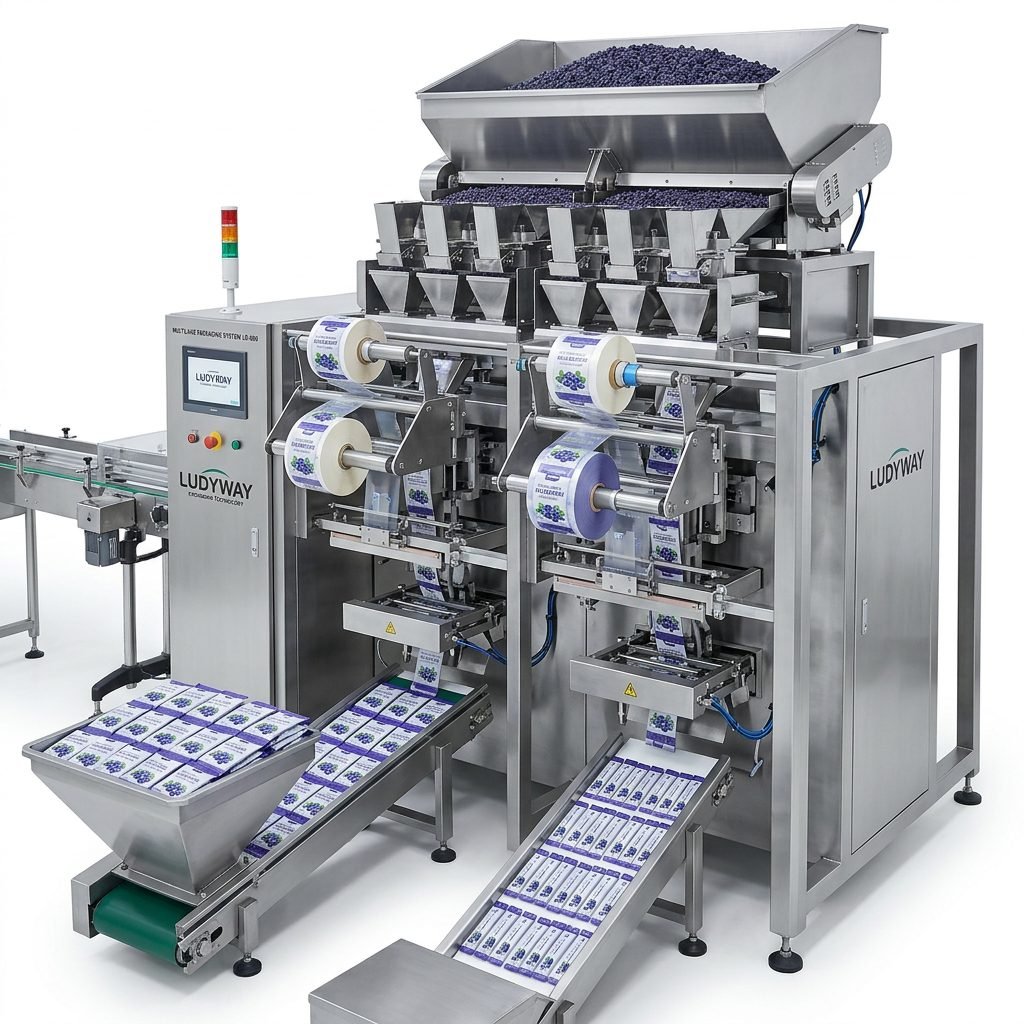
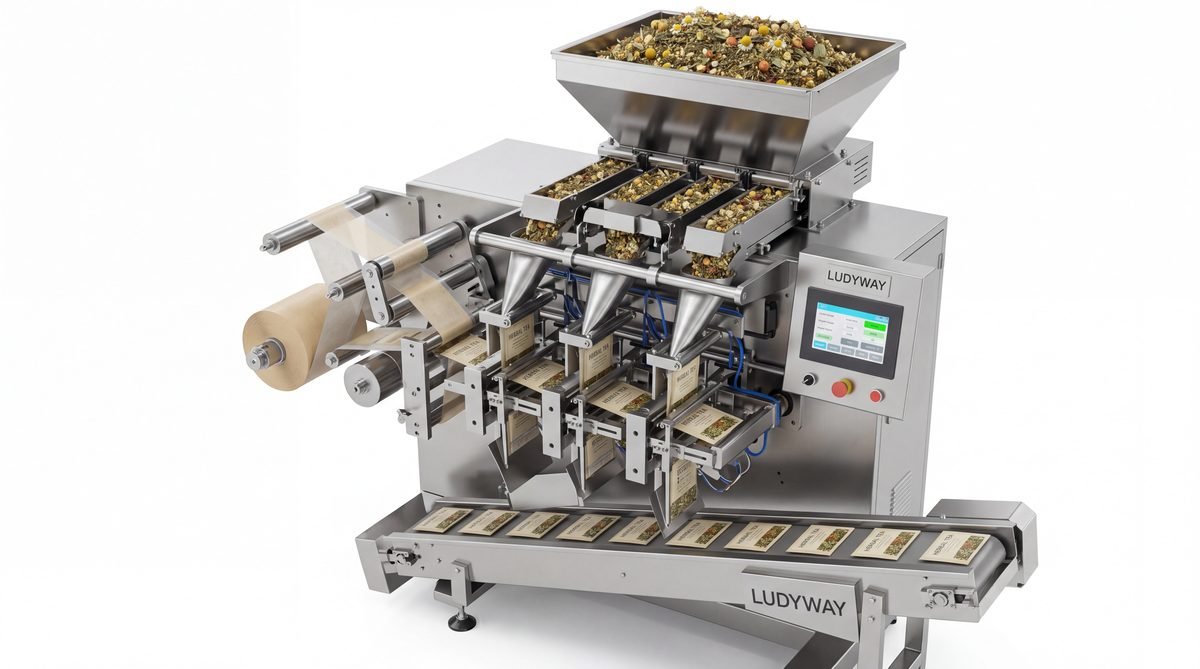
For granulated and leaf tea products, multi-head weighers offer superior accuracy (typically ±0.1–0.5g) compared to volumetric cup fillers. A quality multi-head weigher alone can add $12,000–$30,000 to your total investment. This is especially important for premium tea brands where portion consistency directly impacts customer satisfaction and flexible packaging quality standards.
4. Material Compatibility and Seal Technology
ETO-compatible packaging requires specialized high-barrier films and precision heat-sealing systems. Machines designed to handle aluminum foil laminates, metallized PET, or biodegradable films often feature upgraded sealing jaws and temperature control modules. This capability is essential for products requiring FDA-compliant food contact packaging.
5. Auxiliary Equipment Integration
The base machine price often excludes critical auxiliary equipment. When budgeting, consider these additional components:
- Automatic feeding systems (vibratory or bucket elevators): $3,000 – $10,000
- Checkweighers and metal detectors: $5,000 – $18,000 each
- Online date coding/printing units: $2,500 – $8,000
- Cartoning and case packing systems: $20,000 – $80,000+
- Nitrogen flushing systems for extended shelf life: $3,000 – $7,000
6. Manufacturer Location and After-Sales Support
Machines manufactured in China, India, and Southeast Asia generally offer more competitive pricing compared to European or North American-built equipment—often 30–50% less for comparable specifications. However, factor in shipping costs (typically 3–8% of machine value), import duties, installation, and training. A reputable manufacturer with a global service network can save you substantial costs in downtime prevention.
Cost Comparison by Tea Product Format
Different tea product formats require distinct machine configurations, which directly impact pricing:
- Loose Leaf Tea (Pyramid/Flat Pouches): Machines with gentle product handling and nitrogen flushing capabilities. $20,000 – $70,000 for mid-range multi-lane systems.
- Granulated Instant Tea (Stick Packs): High-speed multi-lane stick pack machines with auger or multi-head weighing. $35,000 – $100,000 depending on lane count.
- Tea Powder Sachets: Requires dust-control features and precision dosing. $25,000 – $85,000 for automated systems.
- Herbal Tea Blends with Large Particles: Specialized volumetric fillers with agitators. $18,000 – $55,000 for entry to mid-level machines.
Buying Tips for Tea ETO Packing Machines
Making the right purchase requires more than just comparing price tags. Use these practical strategies to maximize your return on investment:
Request Detailed Technical Proposals, Not Just Quotes
A responsible supplier should provide a comprehensive proposal that includes machine specifications, production capacity calculations, utility requirements, and installation timelines. Vague quotations often hide additional costs that emerge later. Ask for a breakdown of what is included versus what counts as optional extras.
Demand Factory Acceptance Testing (FAT)
Before shipment, insist on a Factory Acceptance Test where the machine runs with your actual tea product and packaging film. This validates speed, seal quality, and fill accuracy under real production conditions. Skipping this step can lead to costly surprises during on-site commissioning.
Evaluate Total Cost of Ownership, Not Just Purchase Price
Consider spare parts availability, energy consumption, film waste rates, and operator training requirements over the machine’s 10–15 year lifespan. A machine that costs $10,000 less upfront but wastes 3% more packaging film annually could end up costing you significantly more over time.
Check Compliance with International Standards
If you export tea products, ensure your packaging machine meets relevant ISO packaging standards and can accommodate films certified for FDA food contact compliance. Machines designed with stainless steel construction, IP65-rated electrical enclosures, and validated sealing parameters help streamline regulatory audits.

Negotiate Training and Warranty Terms
Standard warranties typically range from 12 to 24 months for major components. Negotiate for on-site operator training, remote technical support access, and a reasonable spare parts kit included in the initial purchase. These soft benefits can be worth thousands of dollars in avoided production disruptions.
Request Video Demonstrations and Customer References
Before committing, ask for video footage of similar machines in operation and contact information for existing customers in the tea industry. Speaking with actual users provides unfiltered insights into machine reliability and the manufacturer’s after-sales responsiveness.
Why Accurate Pricing Information Matters
The global packaging machinery market continues to grow, with increasing demand for automated tea packaging solutions in Asia, Africa, the Middle East, and Latin America. Manufacturers that invest in quality ETO-compatible packaging equipment position themselves to capture premium market segments where product freshness, shelf appeal, and tamper-evident sealing are non-negotiable requirements.
As one of the recognized names in the industry, Ludyway has supplied packaging solutions to customers in over 100 countries, offering more than 50 intelligent packaging machine models that cover various tea packaging applications—from single-lane stick pack units to fully automated multi-lane turnkey lines. When evaluating suppliers, prioritize those with proven engineering expertise, global service capabilities, and a track record of successful installations in the tea sector.
Frequently Asked Questions About Tea ETO Packing Machine Costs
How much does a small tea stick pack machine cost?
Entry-level single-lane stick pack machines suitable for tea packaging typically start around $8,000 to $12,000. These are ideal for startups and small-scale producers testing new products. Expect lower output (30–50 packs per minute) and more manual involvement compared to multi-lane systems.
What is the payback period for a tea ETO packing machine?
Most tea producers achieve ROI within 12–24 months when transitioning from manual or semi-automatic packaging to fully automated multi-lane systems. Key savings come from reduced labor (often 2–4 operators replaced), lower film waste, faster changeover times, and higher throughput enabling larger order fulfillment.
Are used or refurbished tea packing machines a good option?
Used machines can offer 30–50% cost savings but carry risks related to worn sealing components, outdated controls, and limited warranty coverage. If considering a pre-owned machine, always inspect it in person or hire a third-party technician to evaluate its condition. Factor in potential refurbishment costs when comparing against new equipment pricing.
What hidden costs should I budget for?
- Shipping and logistics: Especially for international purchases, including customs clearance and inland transportation
- Factory preparation: Electrical wiring, compressed air lines, and floor reinforcement if needed
- Initial film and material waste: During commissioning and operator training phases
- Annual maintenance contracts: If not included in the warranty, budget 2–5% of machine value annually
Can a single machine handle multiple tea formats?
Many modern multi-lane machines offer quick-change forming tubes and adjustable sealing jaws that allow switching between stick packs, sachets, and flat pouches with minimal downtime. This flexibility adds 10–20% to the initial price but significantly expands your production capabilities without requiring multiple dedicated machines.

Next Steps in Your Purchasing Journey
Now that you have a clear understanding of tea ETO packing machine prices and the factors that influence them, the next step is to engage with qualified manufacturers. Prepare a detailed specification sheet that includes your target output, product characteristics (particle size, density, moisture content), preferred pouch dimensions, and any special requirements such as nitrogen flushing or tear-notch features. The more precise your requirements, the more accurate the quotations you will receive.
Remember that the lowest price rarely represents the best long-term value. Prioritize build quality, sealing reliability, after-sales support infrastructure, and the supplier’s experience with tea products specifically. A well-chosen machine will serve your production needs reliably for over a decade, making it one of the most important capital investments in your tea packaging operation.
Additional Resources
- PMMI Packaging Industry Resources – Industry benchmarks and technical standards
- Flexible Packaging Association – Material and sustainability guidance
- ISO Packaging Standards – International compliance frameworks
- European Commission Packaging Regulations – EU market requirements
Key Takeaway: A tea ETO packing machine is a strategic investment that can transform your production efficiency and product quality. By understanding the pricing structure, evaluating total cost of ownership, and partnering with an experienced manufacturer, you can secure equipment that delivers reliable performance, regulatory compliance, and strong returns over its entire service life.