Investing in a tea gutkha packing machine is a strategic decision for manufacturers aiming to scale production, improve packaging consistency, and reduce labor costs. Whether you are packaging premium tea blends or gutkha-style granular mixtures, understanding the cost structure and key buying factors is essential before making a purchase. This guide breaks down real-world price ranges, machine types, and practical tips to help you choose the right equipment for your production line.
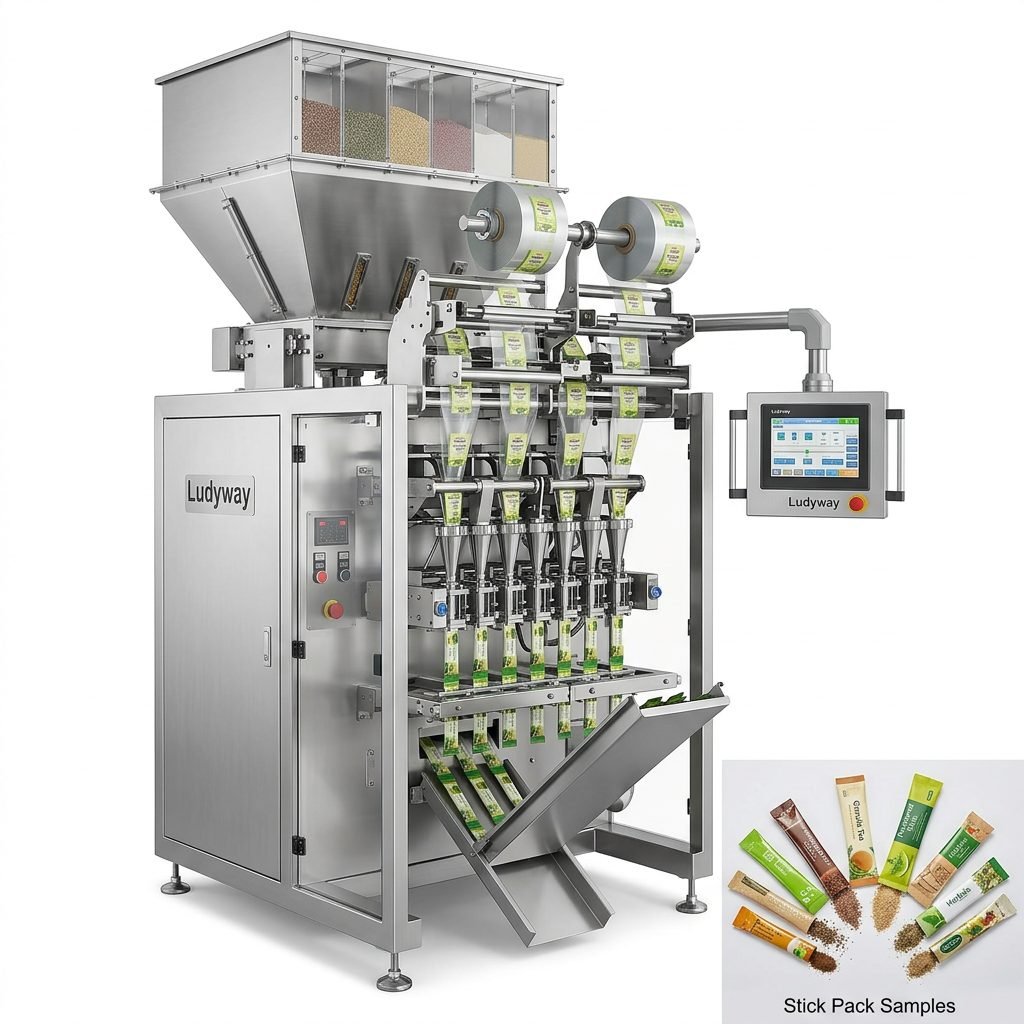
Understanding Tea Gutkha Packing Machine Types and Their Price Ranges
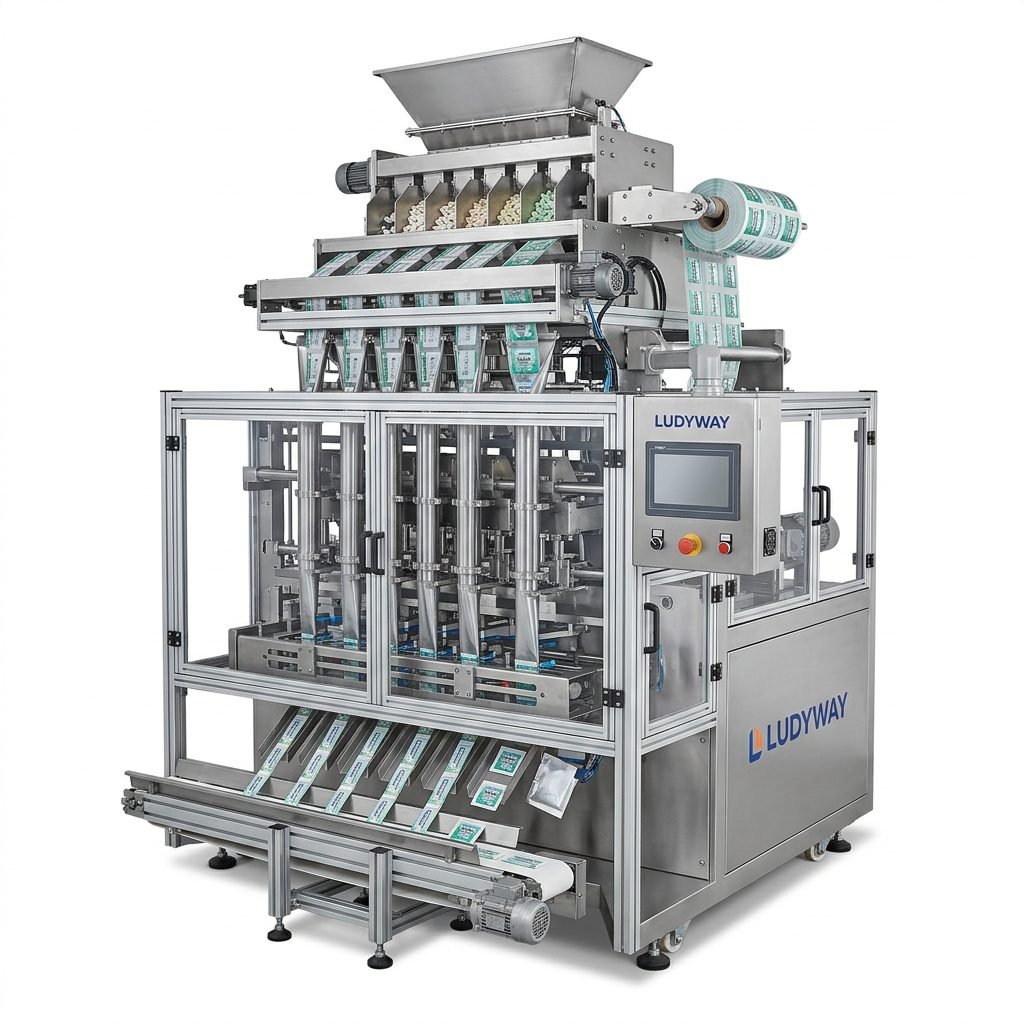
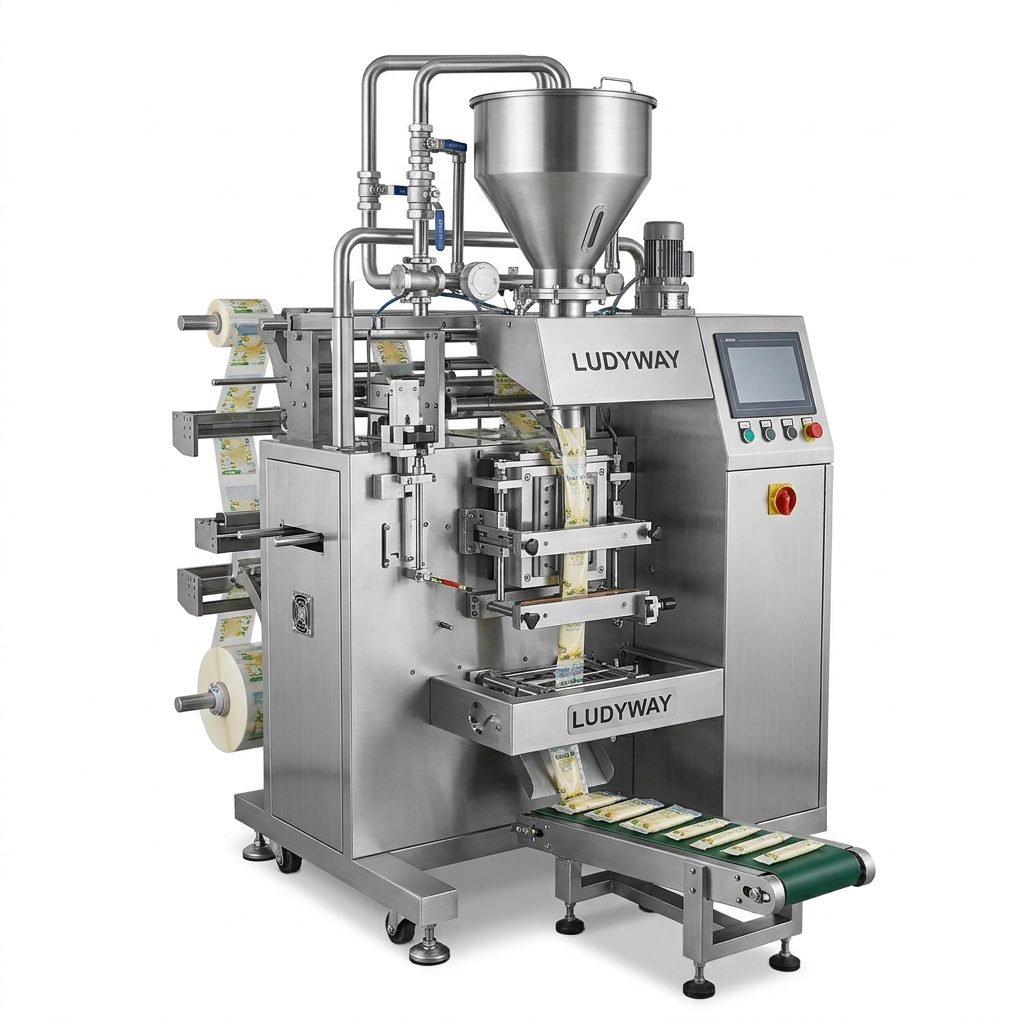
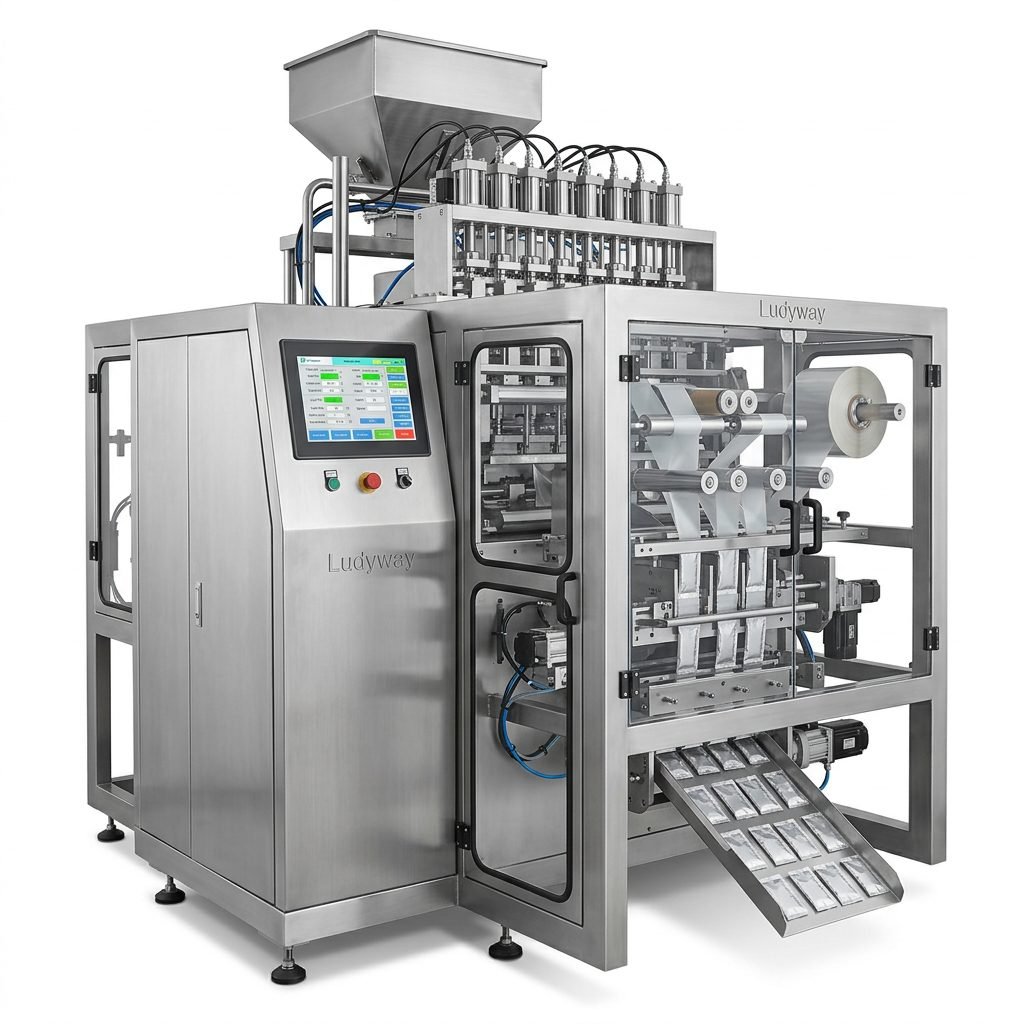
The term tea gutkha packing machine generally refers to equipment capable of packaging granule, powder, or small-particle products into sachets, stick packs, or pouch formats. These machines are widely used for tea, gutkha, herbal blends, and similar free-flowing granular materials. Prices vary significantly based on automation level, speed, lane configuration, and additional features.
| Machine Type | Speed Range | Estimated Price (USD) | Best For |
|---|---|---|---|
| Single-Lane Semi-Automatic | 30–60 packs/min | $2,000 – $7,000 | Small workshops, startups |
| 4–6 Lane Automatic Stick Pack | 150–300 packs/min | $7,000 – $18,000 | Mid-size manufacturers |
| 8–12 Lane High-Speed System | 400–800 packs/min | $20,000 – $55,000 | Large-scale production |
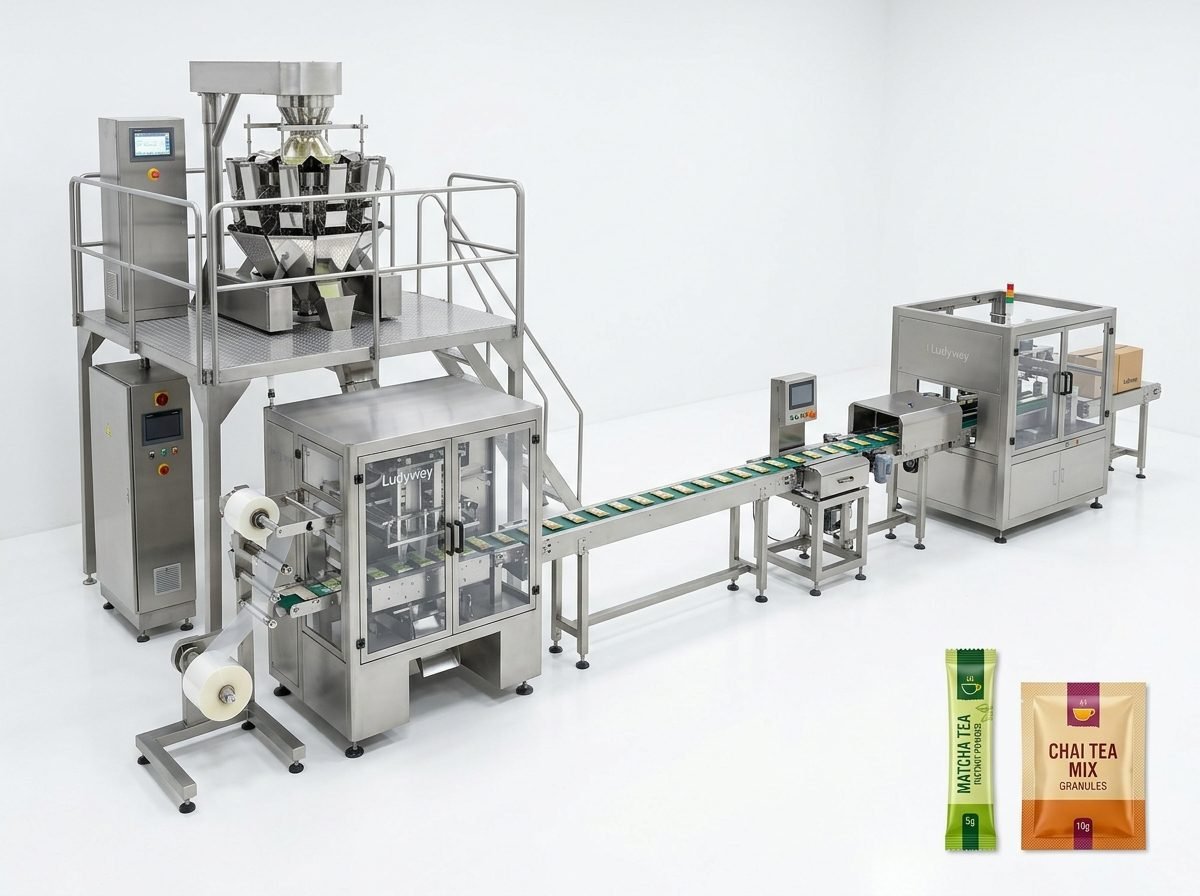
| Fully Automated Turnkey Line | 800–1,500+ packs/min | $60,000 – $250,000+ | Industrial manufacturers |
| Multi-Lane Sachet + Cartoning | 200–600 packs/min | $45,000 – $180,000 | End-to-end packaging lines |
Note: These price ranges are indicative and vary based on customization, brand reputation, after-sales support, and geographic location. Always request a tailored quotation based on your specific product characteristics and production targets.

Key Factors That Influence Tea Gutkha Packing Machine Pricing
Several variables directly impact the final cost of a packaging machine. Understanding these helps you avoid overpaying for unnecessary features while ensuring you get the capabilities your operation truly needs.
- Number of Lanes: More lanes mean higher output but also a steeper price. A 4-lane multi-lane packaging machine costs significantly less than a 12-lane configuration.
- Automation Level: Semi-automatic machines require manual intervention; fully automatic systems with servo-driven controls and touchscreen interfaces command premium pricing.
- Filling System Type: Auger fillers, volumetric cup fillers, and multi-head combination weighers each have different cost implications. Precision weighing systems add to the total.
- Material of Construction: Machines built with food-grade stainless steel (SS304 or SS316) are more expensive than those with painted mild steel frames but are essential for food and pharmaceutical compliance.
- Additional Modules: Integrated features such as nitrogen flushing, date coding, auto-rejection systems, and cartoning attachments increase the base price.
- Certifications and Compliance: CE, ISO, and FDA-compliant machines often carry a premium due to rigorous quality control during manufacturing.
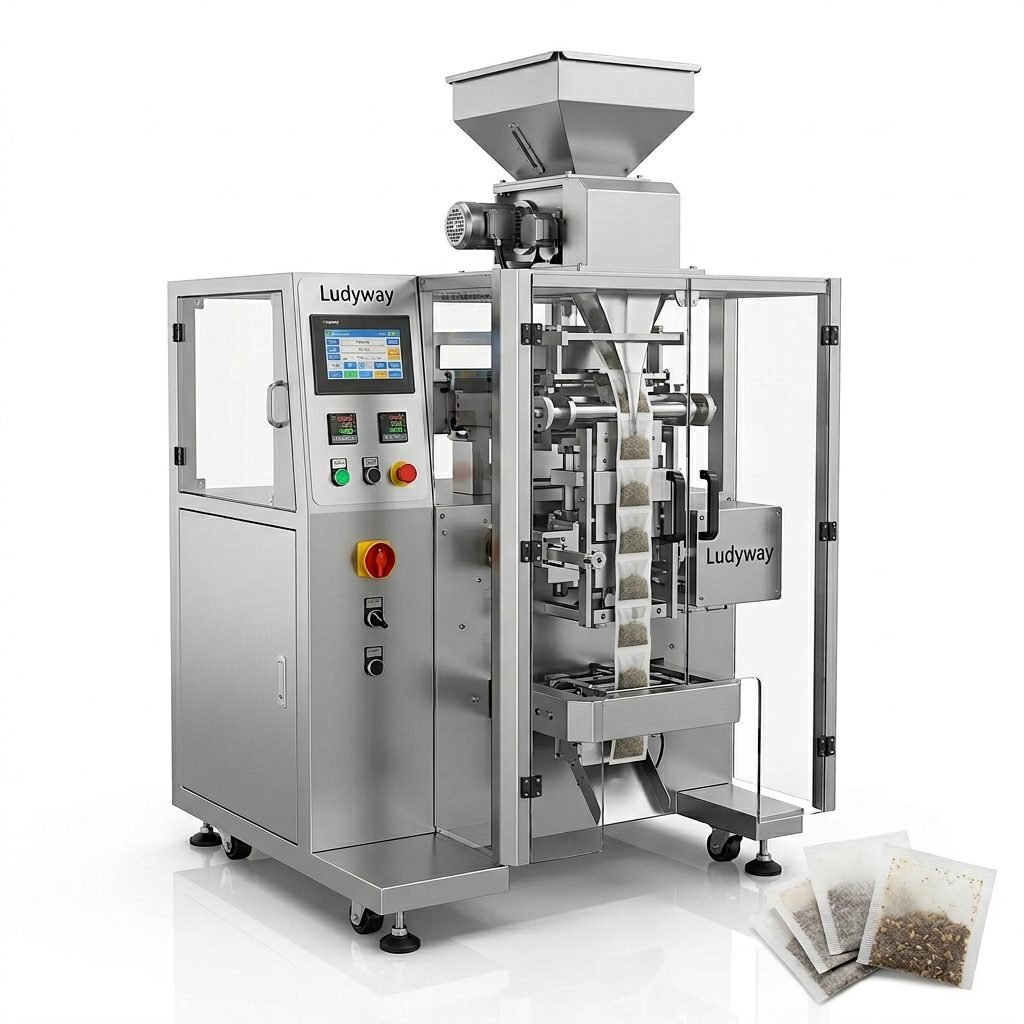
Stick Pack vs. Sachet: Which Machine Is Right for Your Product?
Choosing between a stick pack and a sachet packaging machine depends on your product format, target market, and branding strategy. Both formats are popular for tea and gutkha-style granular products, but they serve different purposes.
- Stick Packs: Slim, elongated pouches ideal for single-serve tea, instant beverage powders, and gutkha portions. They offer excellent portability and portion control. Stick pack machines typically operate at higher speeds and are well-suited for multi-lane production.
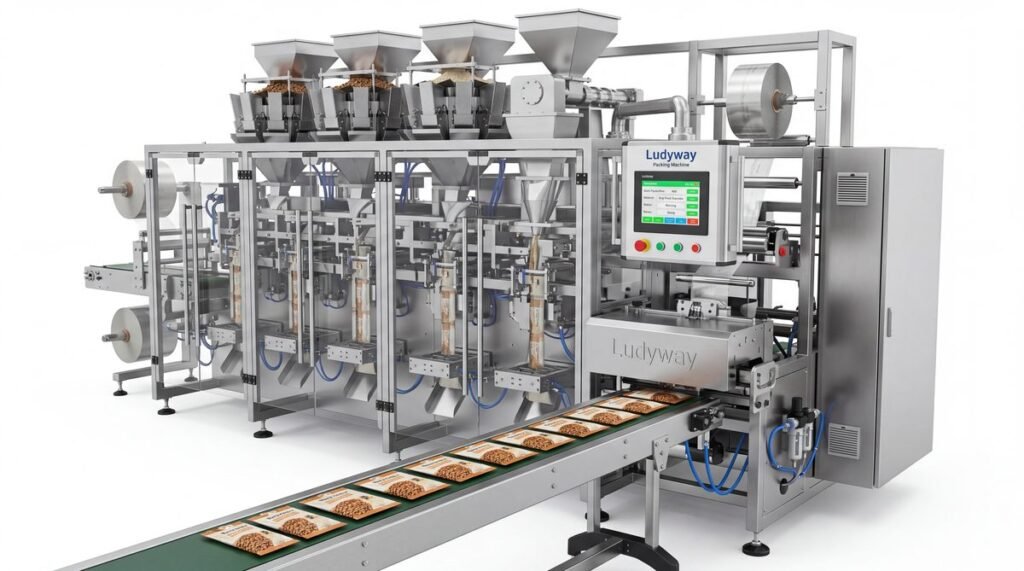
- Sachets: Flat, rectangular pouches commonly used for larger serving sizes or multi-use products. Sachet packaging machines are versatile and can handle a wide range of film materials and product types.
- Hybrid Systems: Some modern machines can switch between stick pack and sachet formats with minimal changeover time, offering flexibility for manufacturers with diverse product lines.
New vs. Used Tea Gutkha Packing Machines: A Cost Comparison
Budget-conscious buyers often consider pre-owned equipment. While a used machine can reduce upfront costs by 30% to 60%, there are trade-offs to evaluate carefully.
- New Machines: Come with full warranty, latest technology, better energy efficiency, and reliable after-sales support. Ideal for long-term production planning.
- Used Machines: Lower initial investment but may require retrofitting, have higher maintenance costs, and lack manufacturer support. Best suited for short-term projects or secondary production lines.
- Refurbished Equipment: A middle-ground option where machines are restored by the original manufacturer or certified third-party vendors with limited warranties.

Regional Price Variations and Import Considerations
The country of manufacture significantly affects pricing. Chinese-built tea gutkha packing machines generally offer competitive pricing without compromising quality, especially when sourced from reputable manufacturers with international certifications. Machines from European or Japanese brands can cost 2–4 times more for similar specifications.
- China-Manufactured Machines: Typically $7,000–$80,000 for mid-to-high-range models. Strong value proposition with improving quality standards and global support networks.
- European Machines: Often $30,000–$200,000+. Premium build quality with established brand reputation and local service availability in Western markets.
- Indian-Manufactured Machines: $3,000–$25,000. Suitable for domestic gutkha and tea markets with basic automation features.
- Import Duties and Shipping: Factor in 5%–20% for freight, customs clearance, and local taxes when importing equipment. These costs can substantially alter the total landed price.
Essential Buying Tips for Tea Gutkha Packing Machines
Making an informed purchase requires due diligence. Follow these practical tips to secure the best value and avoid common pitfalls.
- Define Your Production Requirements First: Know your target output (packs per minute), product characteristics (granule size, density, moisture content), and packaging format before contacting suppliers.
- Request Video Demonstrations: Ask for videos of the machine running a product similar to yours. This reveals actual performance and build quality better than spec sheets alone.
- Check After-Sales Support: Confirm availability of spare parts, technical support response times, and whether the supplier offers remote troubleshooting or on-site service in your region.
- Compare Total Cost of Ownership: Look beyond the purchase price. Consider energy consumption, maintenance costs, film material waste rates, and expected machine lifespan.
- Visit the Factory if Possible: A factory visit allows you to assess manufacturing standards, quality control processes, and the engineering team’s expertise firsthand.
- Verify Certifications: Ensure the machine meets relevant standards such as CE, ISO 9001, or FDA food packaging regulations if you plan to export products to regulated markets.
Why Multi-Lane Technology Matters for Tea and Gutkha Packaging
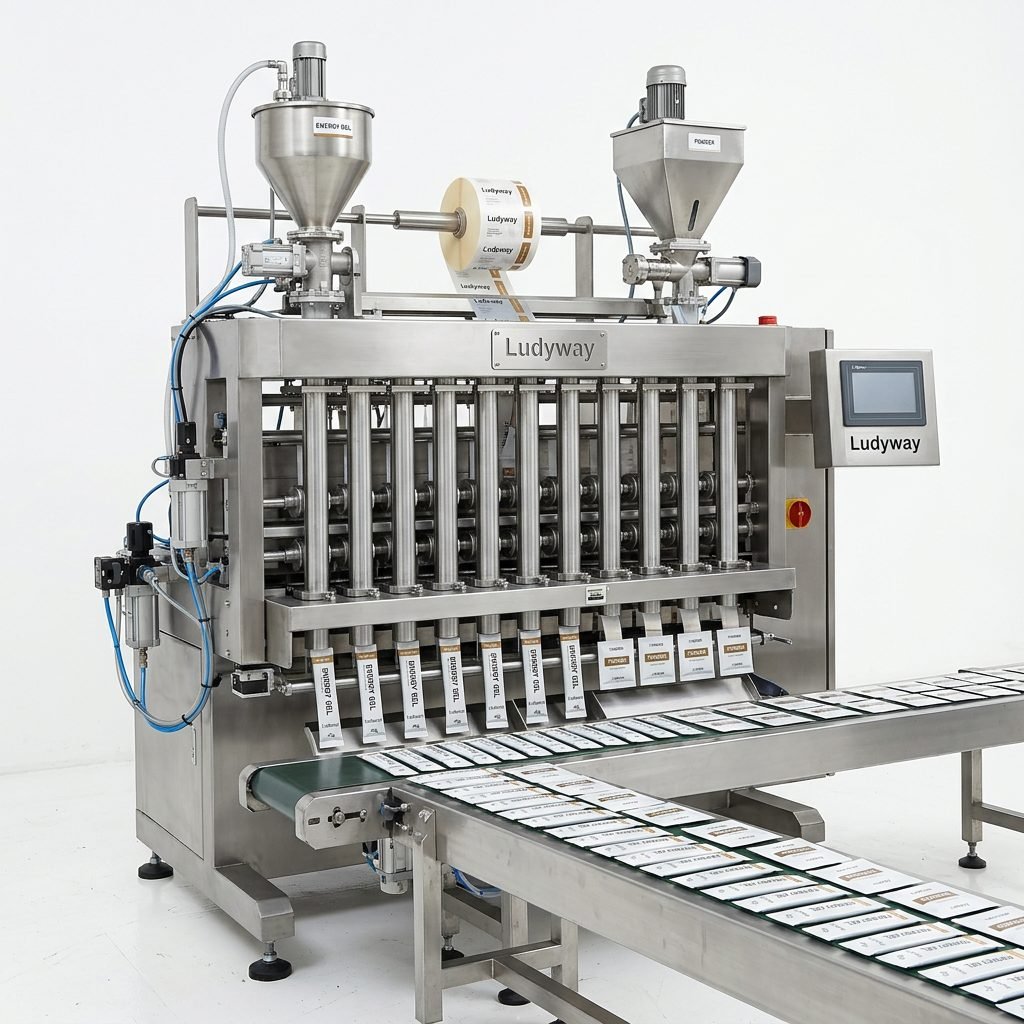
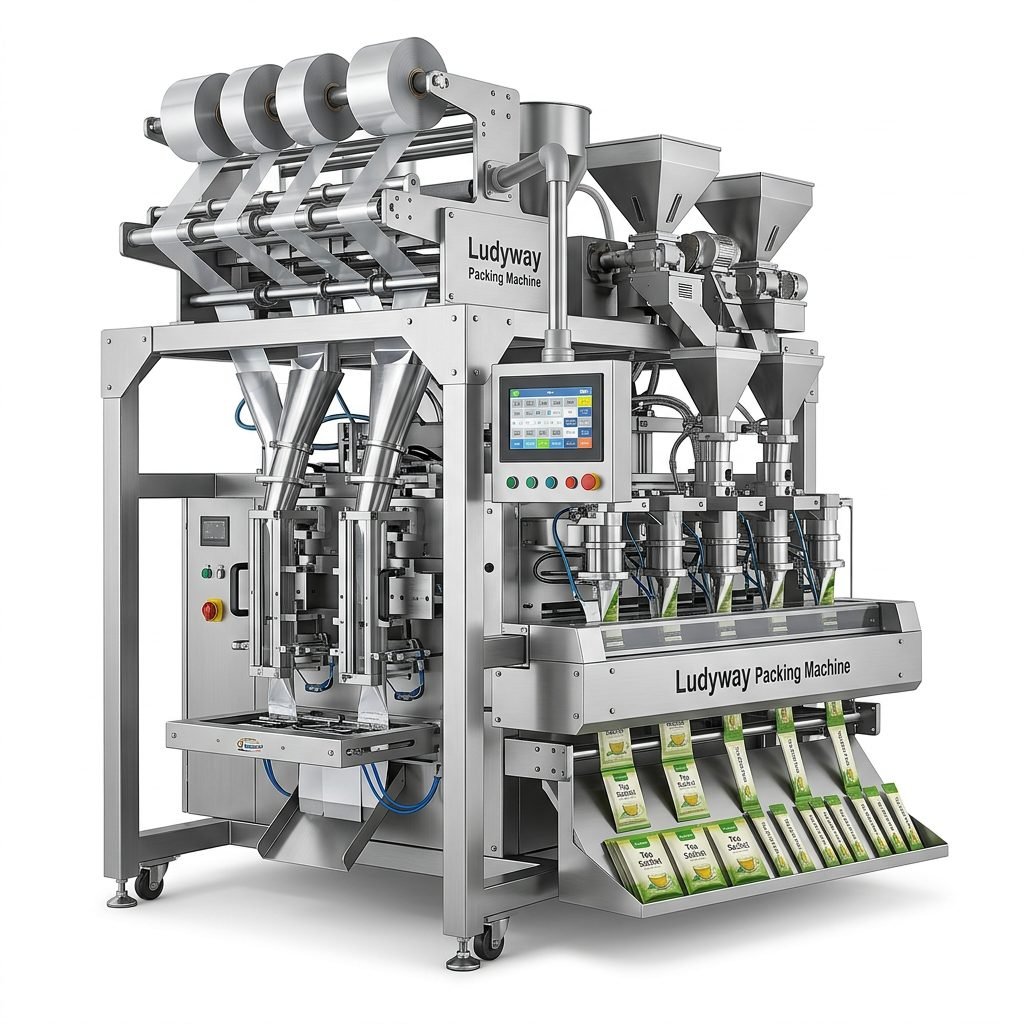
Multi-lane stick pack and sachet machines have become the industry standard for high-volume tea and gutkha packaging. By running multiple lanes simultaneously, these machines dramatically increase output while maintaining consistent fill accuracy across all lanes. A well-engineered multi-lane stick pack machine can achieve production speeds that single-lane machines simply cannot match, making them the preferred choice for competitive manufacturers.
Modern multi-lane systems also feature independent lane controls, allowing operators to shut down individual lanes for maintenance without stopping the entire production line. This modular approach reduces downtime and improves overall equipment effectiveness (OEE).
Industry Resources and Further Reading
For deeper insights into packaging machinery standards, market trends, and regulatory requirements, explore these authoritative resources:
- PMMI – The Association for Packaging and Processing Technologies
- Flexible Packaging Association – Industry Resources
- ISO – Packaging Standards
- European Commission – Packaging and Packaging Waste Regulations
Making the Final Decision
Selecting the right tea gutkha packing machine is a balance between budget, performance, and long-term reliability. While entry-level machines may seem attractive for their low upfront cost, investing in a robust, well-engineered system from an established manufacturer often yields significantly better returns through higher uptime, lower maintenance, and consistent packaging quality over years of operation.
Companies such as Ludyway, one of the leading packaging machine manufacturers with over 30 years of industry experience and a modern 20,000㎡ production facility, offer a comprehensive range of multi-lane stick pack, sachet, and fully automated packaging systems designed for granule, powder, and liquid applications. With more than 50 intelligent packaging machine models and customers in over 100 countries, Ludyway provides cost-effective, high-performance solutions tailored to diverse production requirements. For personalized guidance and a detailed quotation based on your specific needs, consult with packaging machinery experts who can evaluate your product, output targets, and facility layout to recommend the optimal configuration.
Frequently Asked Questions About Tea Gutkha Packing Machine Costs
What is the average cost of a tea gutkha packing machine?
The average cost ranges from $5,000 to $45,000 depending on automation level, number of lanes, and additional features. Entry-level single-lane machines start around $2,000, while high-end multi-lane turnkey systems can exceed $150,000.
Are Chinese-manufactured packaging machines reliable?
Yes, reputable Chinese manufacturers with international certifications such as CE and ISO produce highly reliable equipment. Many have invested heavily in R&D and quality control, offering performance comparable to European brands at more competitive price points.
How long does a tea gutkha packing machine typically last?
With proper maintenance, a well-built machine can operate efficiently for 10 to 15 years or more. Key factors include build quality, operating environment, maintenance schedules, and the abrasiveness of the packaged product.
Can one machine handle both tea and gutkha products?
Yes, many granule packaging machines are versatile enough to handle different granular products with similar flow characteristics. Changeover typically involves cleaning, adjusting fill parameters, and possibly changing forming tube sizes for different pack dimensions.