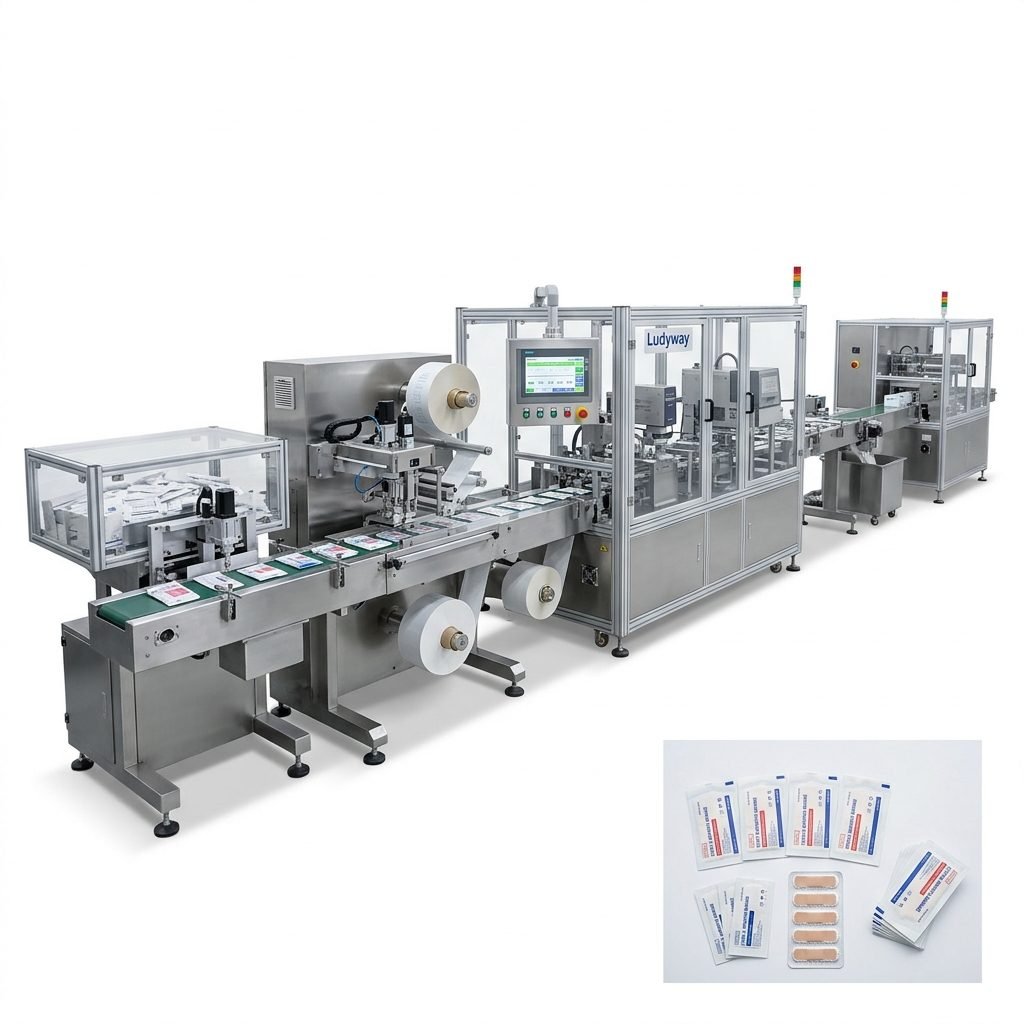
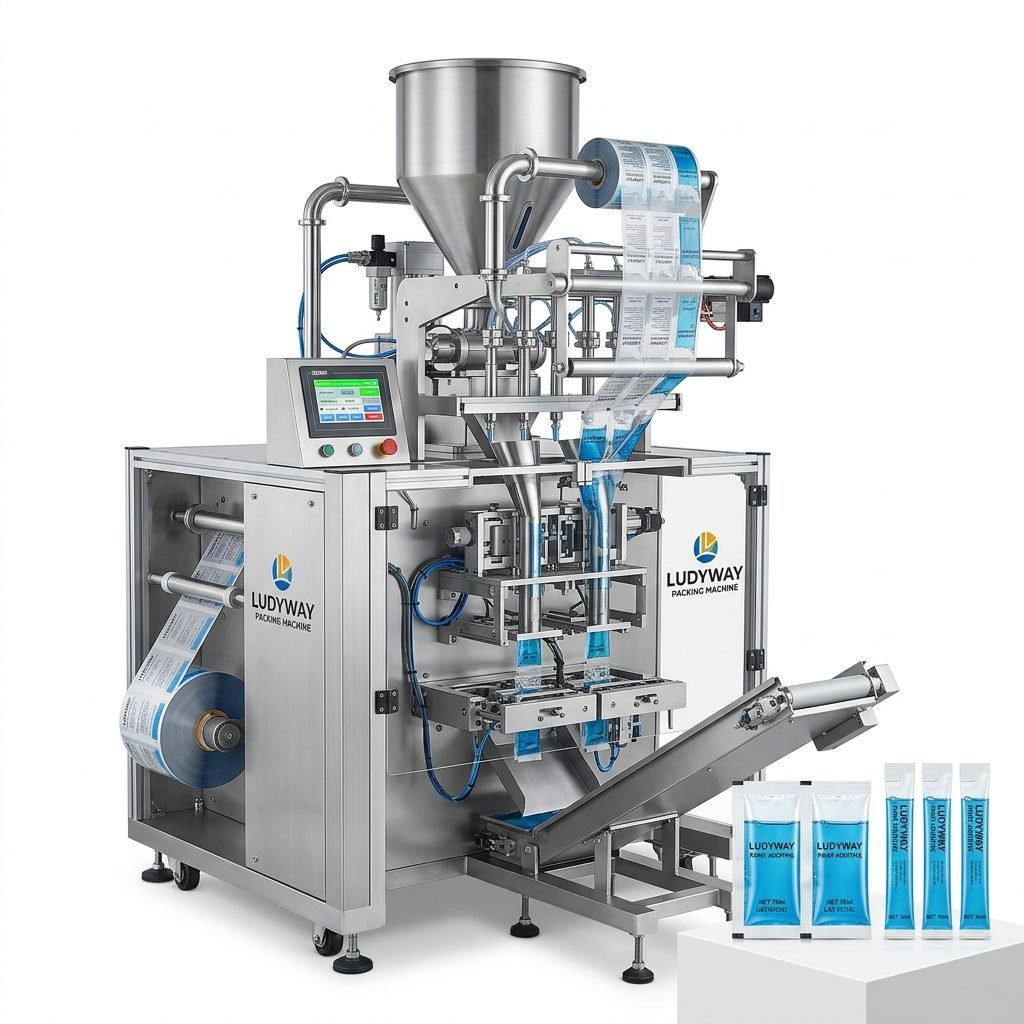
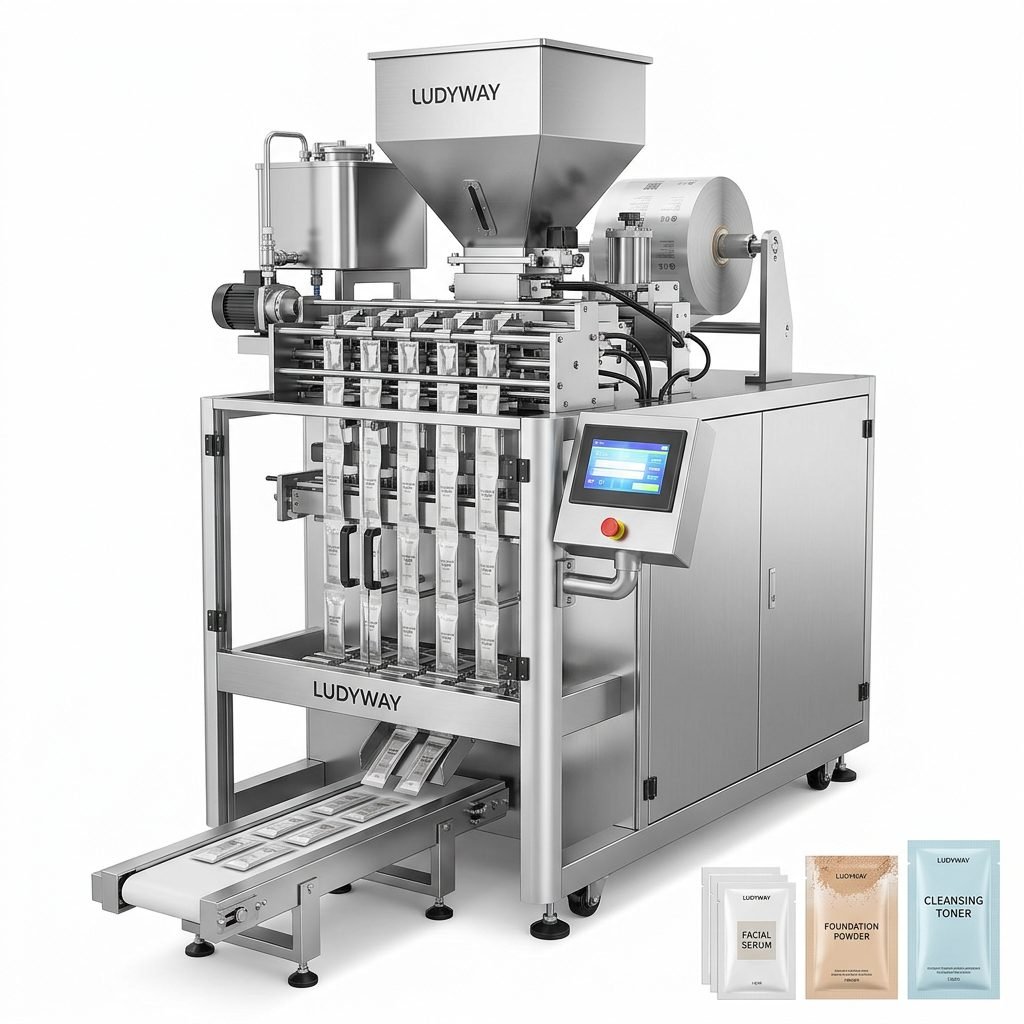
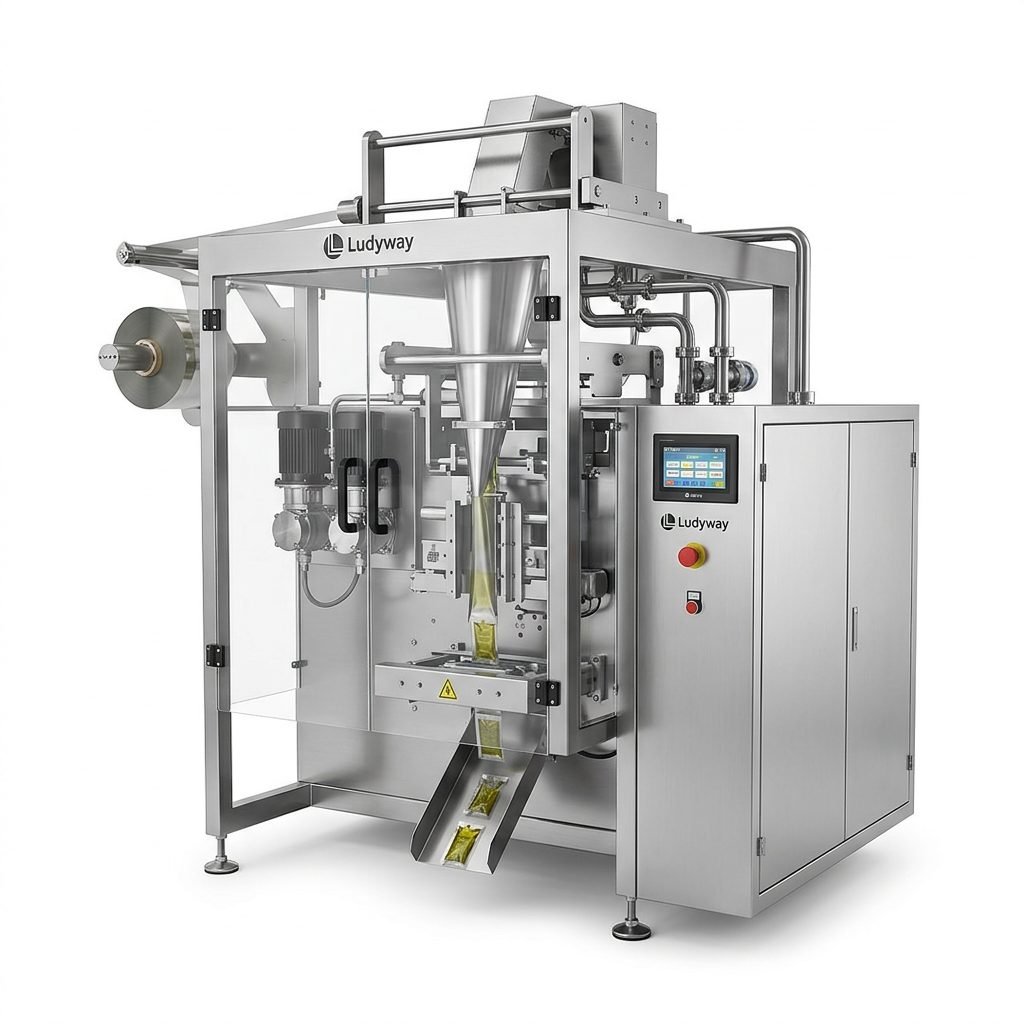
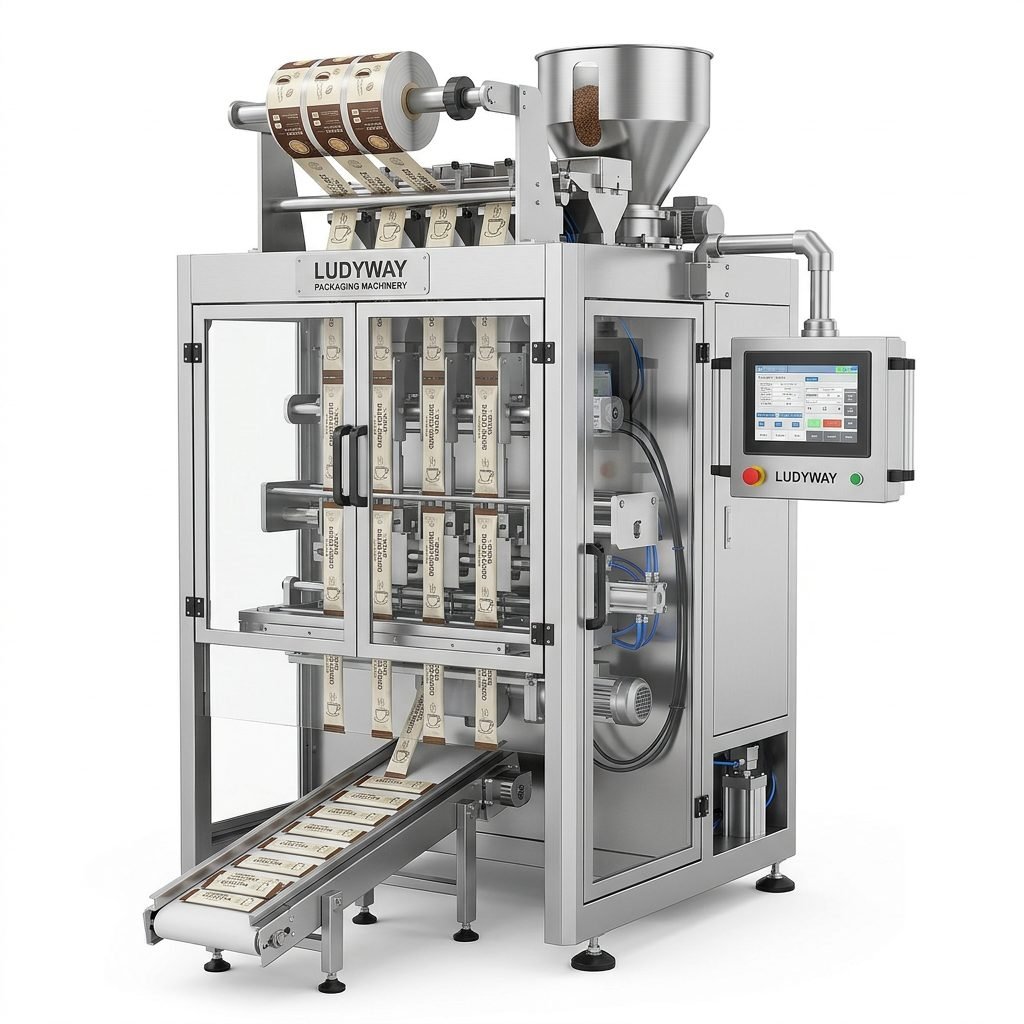
Choosing the right sachet packaging machine for liquid products is not just about speed or price. It is about matching the machine to your product behavior, packaging goals, production capacity, hygiene requirements, and long-term business growth. Whether you pack shampoo, sauces, edible oil, cream, serum, disinfectant, syrup, or cleaning liquid, the right decision can improve output, reduce waste, and protect product quality.
For manufacturers, contract packers, and growing brands, a well-matched system delivers better seal integrity, dosing accuracy, lower downtime, and easier operator management. A poor machine choice often leads to leakage, unstable filling, film waste, and costly maintenance.
Start with the Liquid Product Itself
Before comparing machine models, study the liquid you need to pack. Different liquids behave very differently during filling and sealing. A free-flowing liquid like water or juice is much easier to run than honey, lotion, gel, ketchup, or chemical cleaner.
- Viscosity: Is the product watery, medium-viscosity, thick, or paste-like?
- Foaming tendency: Does it foam during pumping or filling?
- Particle content: Does it contain pulp, herbs, grains, seeds, or suspended solids?
- Corrosiveness: Does it require special contact materials?
- Temperature sensitivity: Must it be filled hot, warm, or at controlled temperature?
- Hygiene level: Is it food, pharmaceutical, cosmetic, or industrial liquid?
These factors directly affect the type of pump, hopper design, sealing method, contact material, and cleaning system you need. A machine that works well for shampoo may not perform well for chili sauce or oral liquid.
Choose the Right Filling Technology
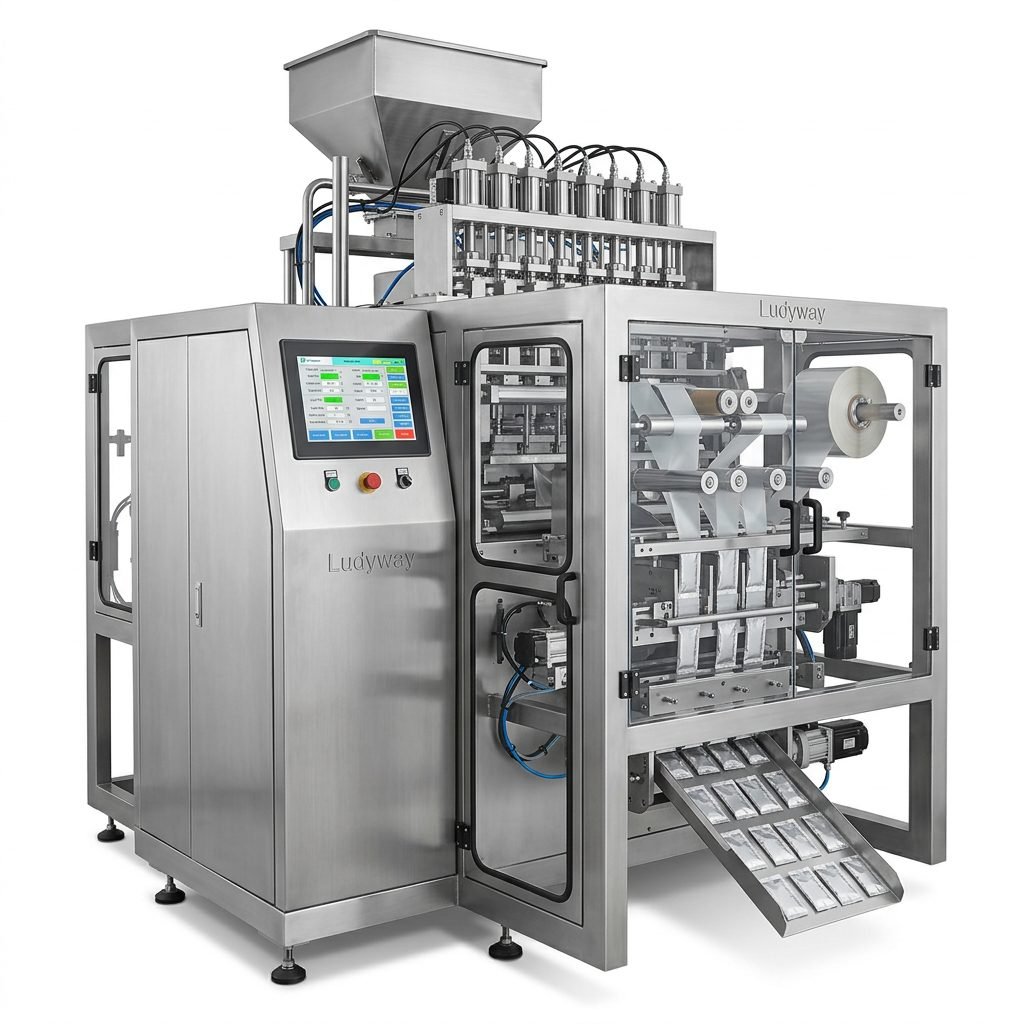
One of the most important decisions is the filling system. Different liquid sachet packaging machines use different dosing methods, and each has strengths for specific liquid types.
| Filling Type | Best For | Key Advantage |
|---|---|---|
| Piston Pump | Thick liquids, cream, paste, sauce | High accuracy for viscous products |
| Peristaltic Pump | Pharma, sterile or sensitive liquids | Gentle filling and hygienic flow path |
| Gear Pump | Oils, chemical liquids, stable viscosity products | Stable metering and continuous operation |
| Magnetic Pump | Low-viscosity liquids | Good repeatability for light liquids |
| Gravity/Flow Meter Filling | Very free-flowing liquids | Simple structure and lower cost |
If your product range includes multiple formulas, a machine with quick changeover and adjustable filling parameters can be a smarter investment than a single-purpose model.
Decide Between Single-Lane and Multi-Lane Machines
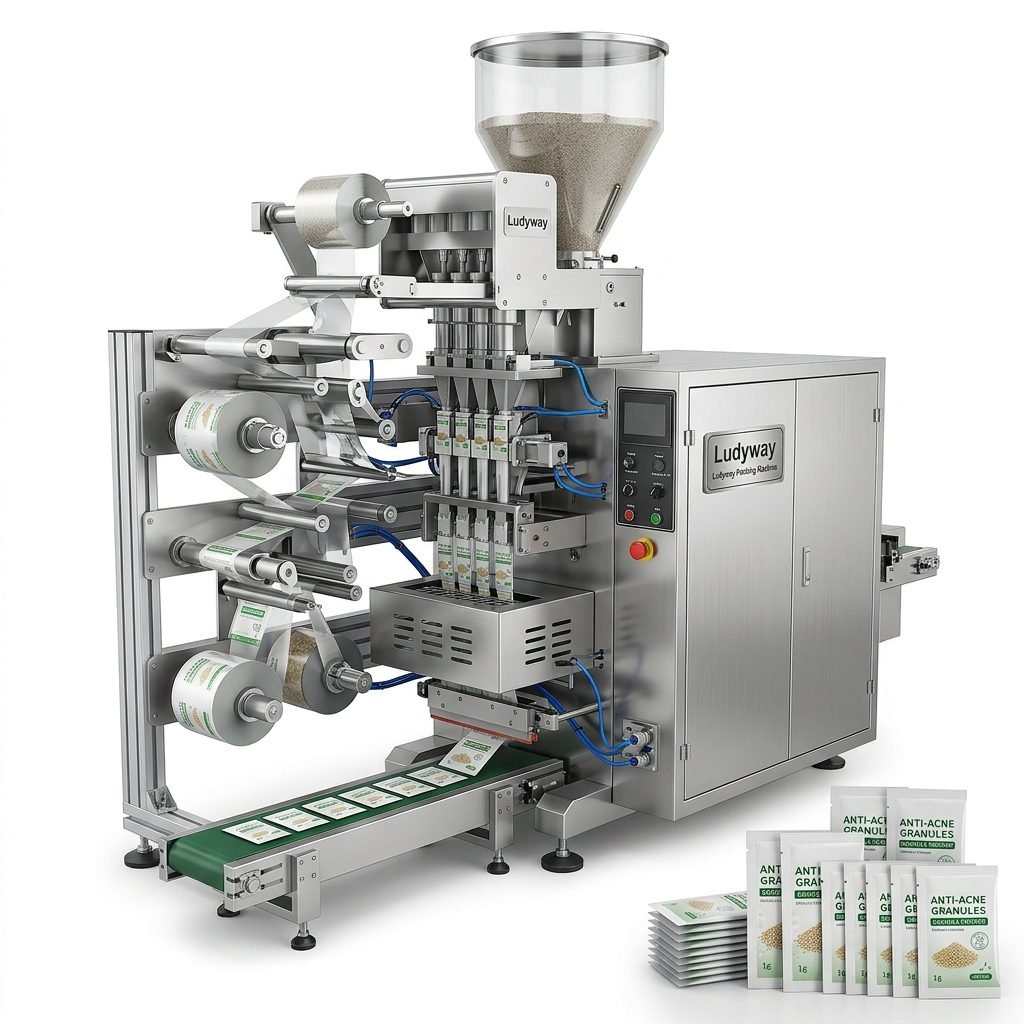
Production volume is another major factor. Liquid sachet packaging machines are commonly available in single-lane and multi-lane designs.
Single-Lane Machine
- Suitable for startups, pilot production, and medium output
- Lower initial investment
- Simpler operation and maintenance
- Better for frequent product changes or shorter runs
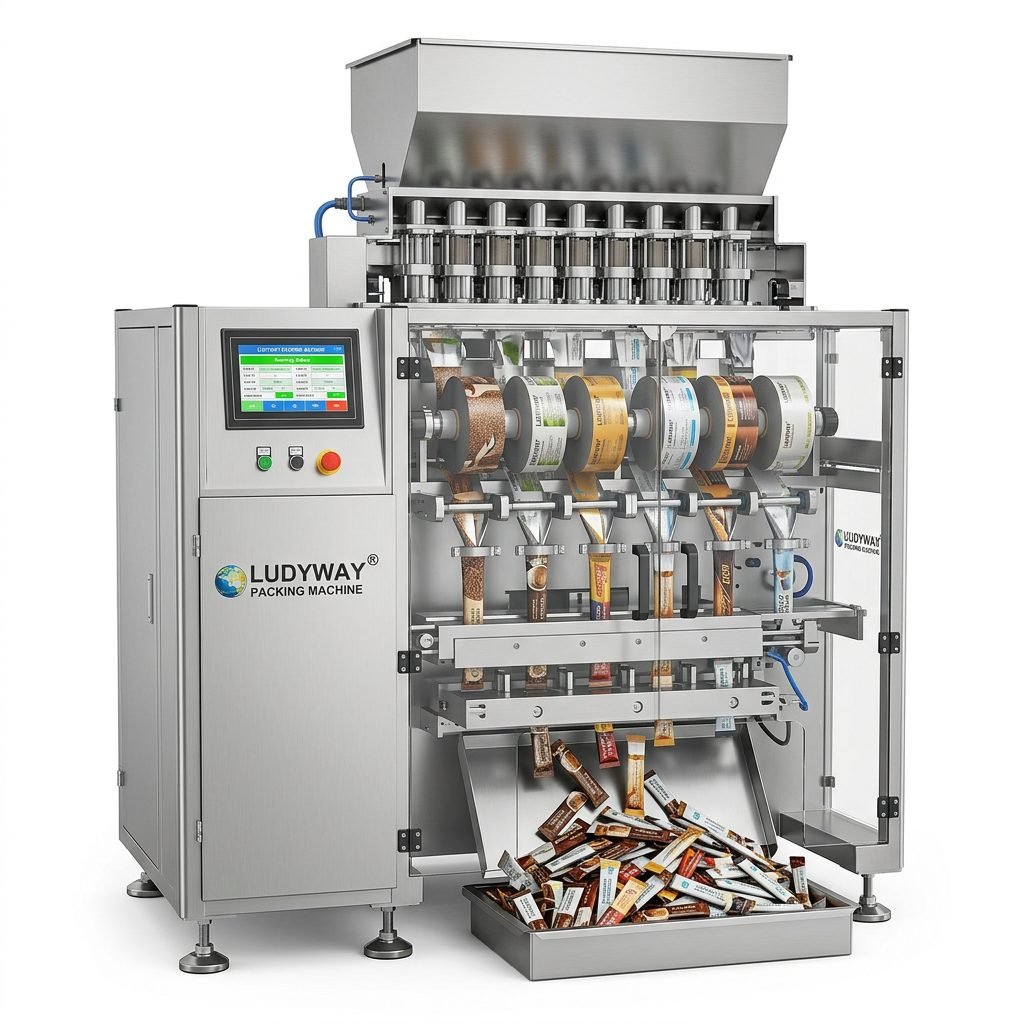
Multi-Lane Machine
- Ideal for high-volume production
- Higher output per minute
- Lower labor cost per sachet
- Suitable for standardized formulas and stable demand
If you supply supermarkets, export markets, hotels, healthcare chains, or contract packaging services, a multi-lane system usually offers stronger long-term value. If you are still validating a product line, a single-lane system may reduce investment risk.
Check Sachet Format and Seal Quality
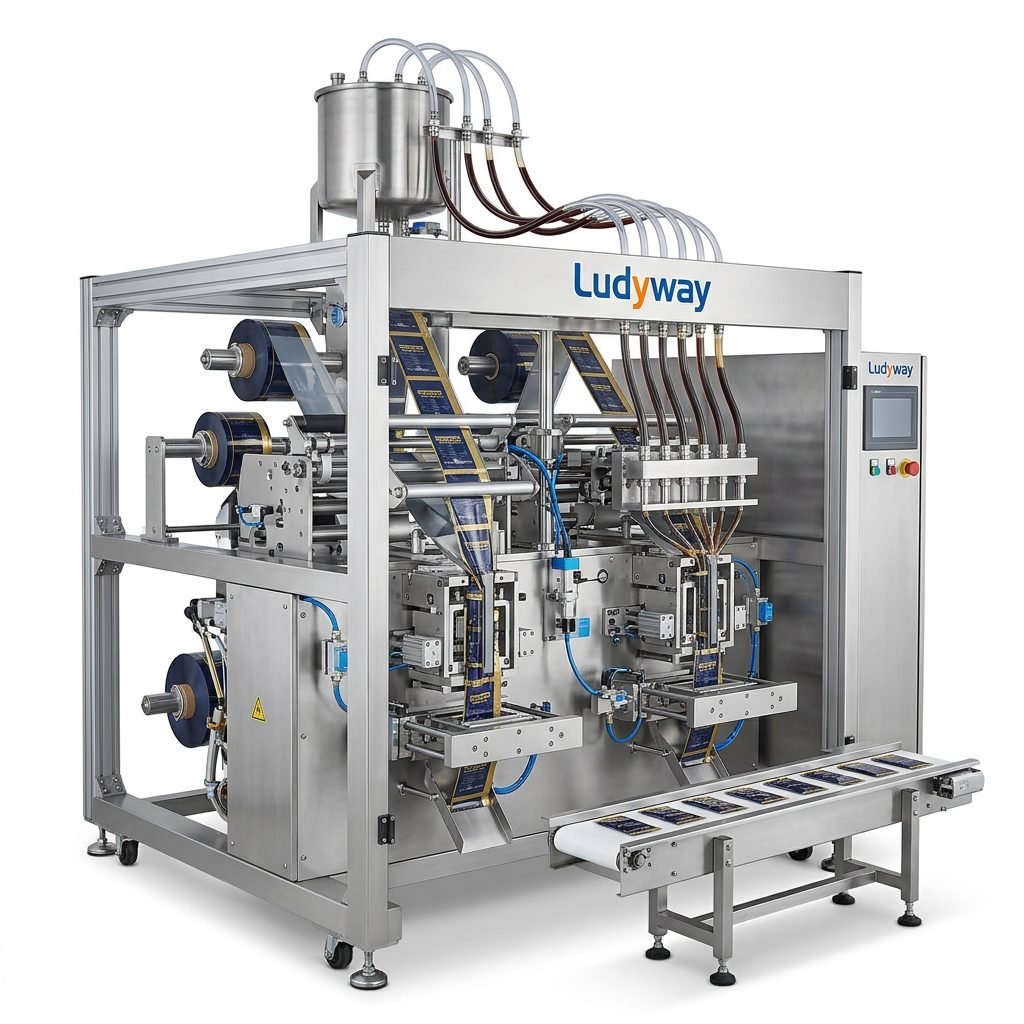
Liquid products demand excellent sealing performance. Even small sealing defects can cause leakage, contamination, transportation damage, or customer complaints.
When evaluating a machine, confirm whether it supports your required packaging format:
- 3-side seal sachets
- 4-side seal sachets
- Back-seal sachets
- Stick packs for liquid products
- Special-shaped or custom sachets
You should also review:
- Seal strength consistency
- Temperature control precision
- Leak-proof design around the seal area
- Anti-drip filling nozzles
- Compatibility with your laminate film structure
Strong sealing matters as much as accurate filling. For many liquid products, the package failure rate depends more on sealing stability than on dosing accuracy alone.
Match the Machine to Sachet Size and Fill Volume
Not all liquid sachet machines handle the same range of bag dimensions and filling capacities. Some are designed for small trial packs like 3 ml to 20 ml, while others can fill larger retail or institutional sachets.
| Application | Typical Fill Range | Important Focus |
|---|---|---|
| Cosmetic samples | 3–15 ml | Appearance and sealing precision |
| Sauce or condiment sachets | 5–30 ml | Leak prevention and viscosity handling |
| Pharma or oral liquid | 5–20 ml | Hygiene and dosing reliability |
| Household cleaners | 20–100 ml | Material compatibility and corrosion resistance |
Ask the supplier to verify the machine’s real operating range, not just the theoretical range. Oversized fill systems often reduce precision at very small volumes.
Evaluate Product Compatibility and Contact Materials
For food, pharmaceutical, cosmetic, and chemical liquids, the machine’s contact parts are critical. Stainless steel grade, gasket material, hose quality, and pump structure all influence safety and durability.
Look for:
- Food-grade or pharma-grade contact materials when required
- Corrosion-resistant parts for aggressive chemicals
- Easy-to-clean hopper and piping design
- Minimal dead corners where residue can build up
- Reliable sealing components that tolerate your product temperature and formula
For acidic, oily, alcohol-based, or corrosive liquids, material mismatch can shorten machine life and create quality risks very quickly.
Consider Hygiene, Cleaning, and Validation Needs
Cleaning convenience is often underestimated during purchase. In real production, it affects downtime, labor cost, sanitation results, and product changeover speed.
For food and beverage liquids
Prioritize smooth surfaces, sanitary pipework, and easy disassembly for washdown.
For cosmetics and personal care
Focus on residue control, neat sealing, and fast cleaning between fragrance or formula changes.
For pharmaceuticals and health products
Confirm documentation, validation support, and hygienic filling design where needed.
If you run multiple SKUs, a machine that allows faster cleaning and shorter changeovers can significantly improve overall equipment efficiency.
Look Beyond Speed: Focus on Stable Output
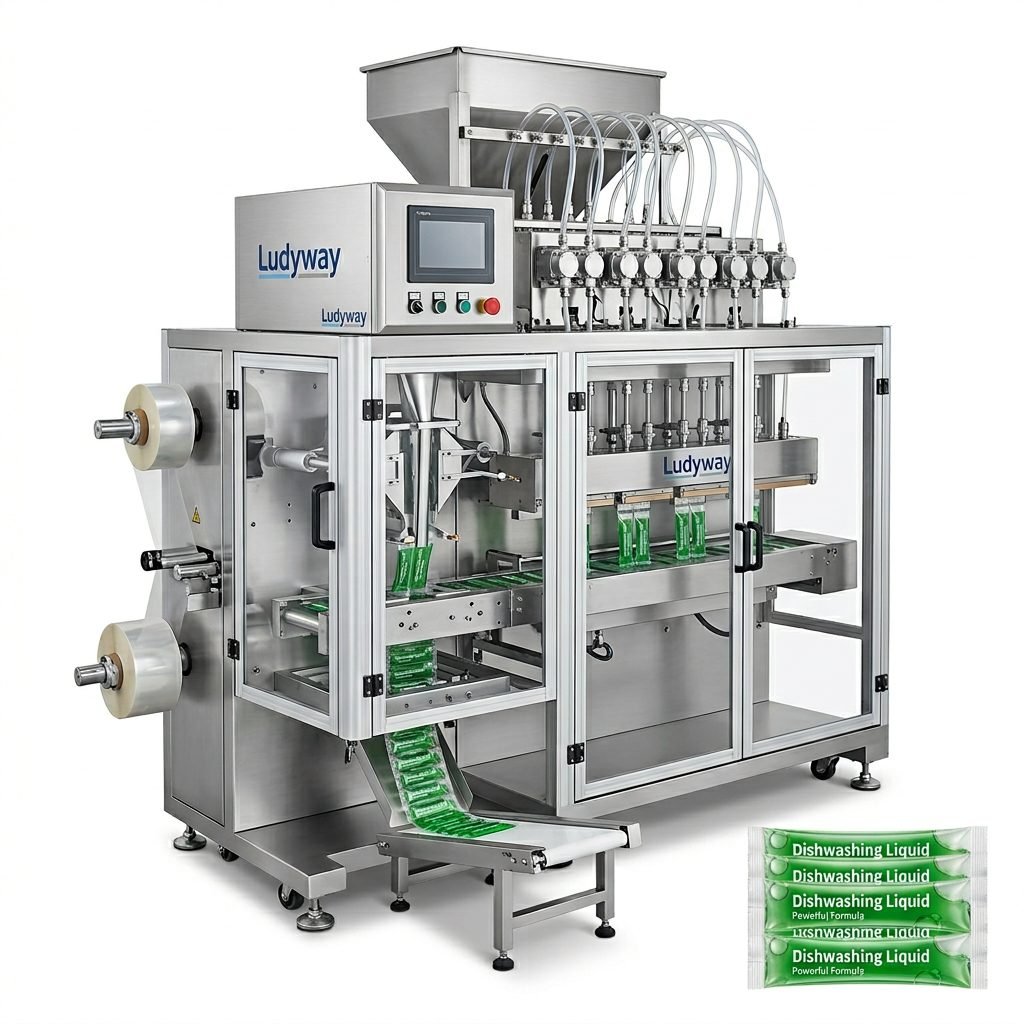
Many buyers first ask about bags per minute. Speed matters, but stable output is more important than peak speed. A machine that claims very high speed but suffers from seal failure, inconsistent dosing, or frequent stoppages will cost more in the long run.
Ask practical questions such as:
- What is the stable speed for my exact liquid?
- What is the leakage rate during continuous production?
- How accurate is the filling at my target volume?
- How often do sealing jaws need maintenance?
- How long does product changeover take?
Reliable long-hour performance matters more than short test-run speed.
Review Automation and Integration Options
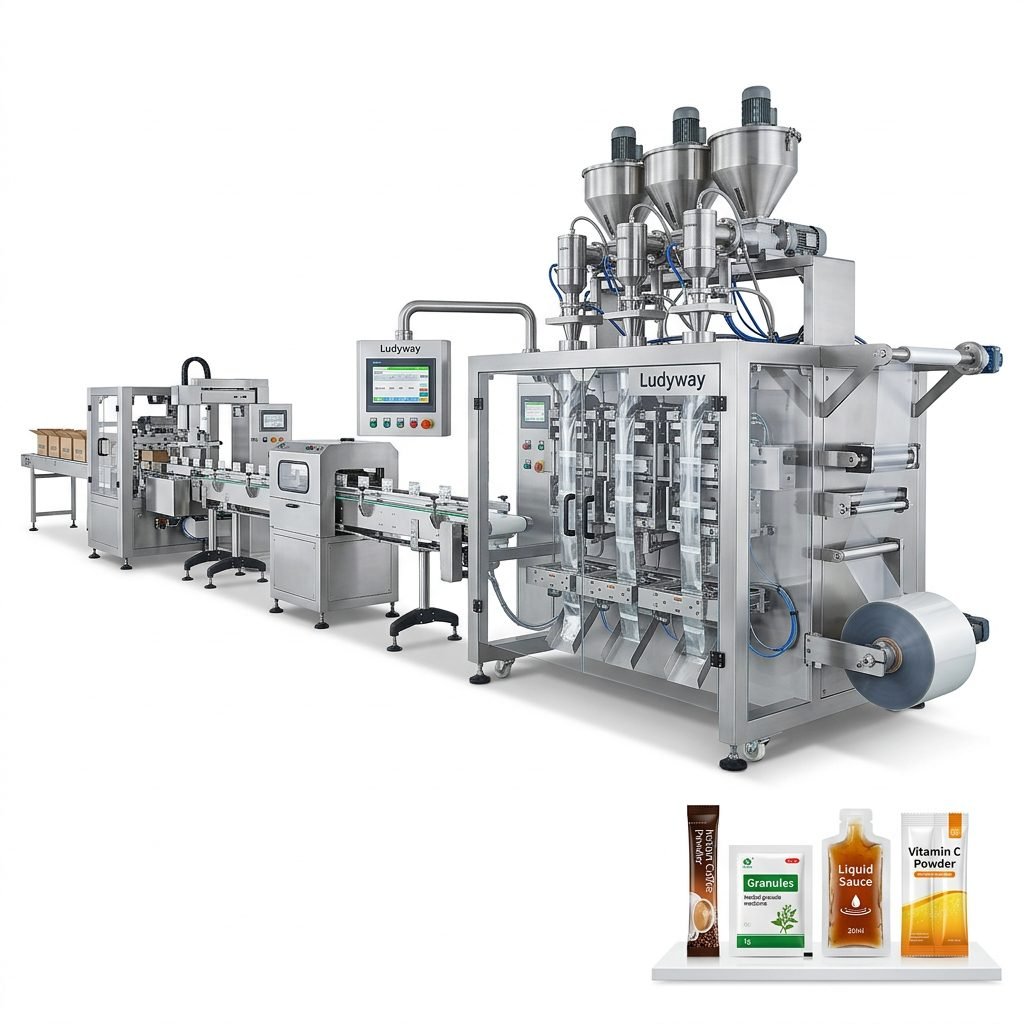
If you are planning to expand, choose a machine that can integrate with upstream and downstream equipment. A sachet packaging machine should not be evaluated in isolation.
Useful integration options may include:
- Mixing or storage tanks
- Heated hoppers for viscous liquids
- CIP or semi-automatic cleaning systems
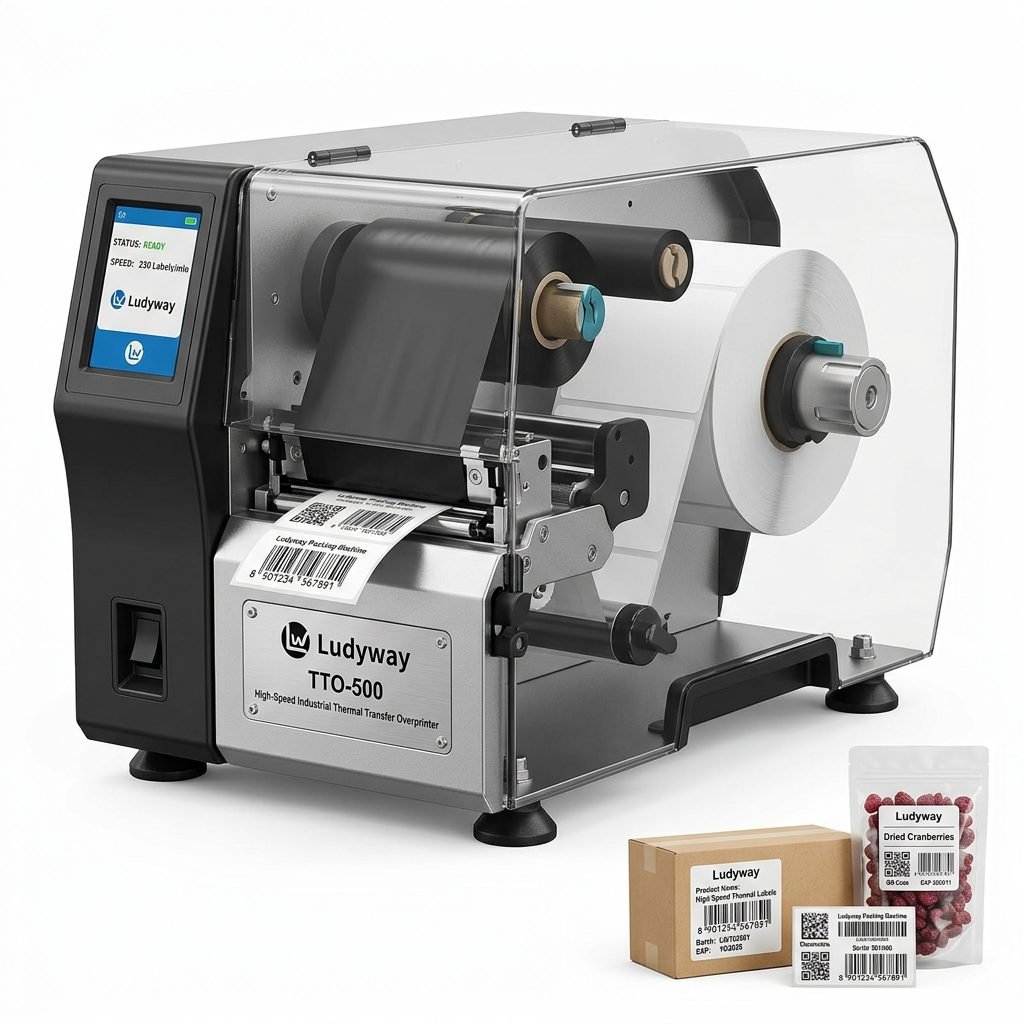
- Date coding or batch printing
- Checkweighers and inspection systems
- Cartoning and case packing
- Conveyors and counting systems
Businesses that plan for future automation usually save more than those that buy a machine with limited upgrade potential.
Pay Attention to Film Compatibility
Your packaging film is part of the machine decision. The machine must work smoothly with the sachet material you use, including laminated rolls for barrier protection, branding, and shelf life.
Confirm the following with your supplier:
- Supported film thickness range
- Suitable seal temperature range
- Tracking accuracy for printed film registration
- Performance with high-barrier laminates
- Compatibility with recyclable or alternative materials if required
If possible, request machine testing with your actual product and your actual film. This gives far more useful results than testing with substitute materials.
Choose a Supplier with Real Liquid Packaging Experience
Supplier experience can be as important as machine specifications. Liquid sachet applications are sensitive to filling control, sealing detail, and product-specific adjustments. An experienced manufacturer can help identify risks early and recommend the right structure instead of simply offering a generic machine.
A dependable partner should provide:
- Application-based machine recommendations
- Sample testing support
- Clear technical drawings and configuration details
- Installation and training support
- Spare parts and after-sales service
- Customization for your liquid and sachet format
Many global buyers work with experienced manufacturers such as Ludyway sachet packaging machine supplier when they need scalable liquid packaging solutions, from standalone machines to complete automated packaging lines.
Questions to Ask Before You Buy
To avoid costly mistakes, ask these questions before confirming the order:
- What liquids has this machine already packed successfully?
- Can you test my product and film on the machine?
- What filling accuracy can you guarantee at my target volume?
- What are the machine contact materials?
- How easy is it to clean and switch formulas?
- What is the stable production speed, not just the maximum speed?
- What spare parts are recommended for the first year?
- Can the machine be upgraded later for coding, cartoning, or multi-lane output?
Common Buying Mistakes to Avoid
- Choosing based only on the lowest price
- Ignoring liquid viscosity and product behavior
- Overlooking seal quality and leakage prevention
- Buying a high-speed machine without checking stability
- Not confirming film compatibility
- Underestimating cleaning and maintenance time
- Skipping live sample testing
These mistakes often create much higher costs after installation than during the initial purchase.
Final Selection Checklist
| Checkpoint | Why It Matters |
|---|---|
| Liquid viscosity and formula | Determines suitable filling system |
| Sachet format and size | Affects forming, sealing, and output |
| Production target | Helps select single-lane or multi-lane |
| Seal reliability | Prevents leakage and rejects |
| Contact materials | Protects safety and machine durability |
| Cleaning and maintenance | Reduces downtime and labor cost |
| Supplier support | Improves startup and long-term operation |
The best sachet packaging machine for liquid products is the one that fits your liquid characteristics, sachet style, output target, and factory workflow. When you choose based on real application needs instead of generic specifications, you gain better packaging consistency, lower risk, and stronger production efficiency over time.