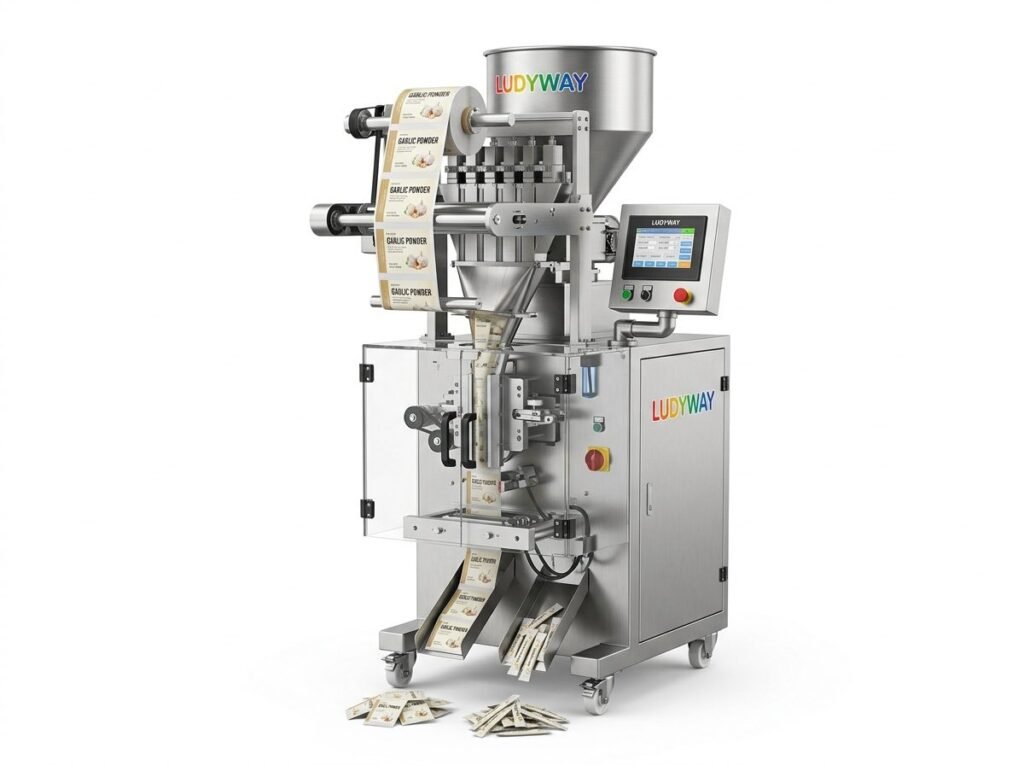
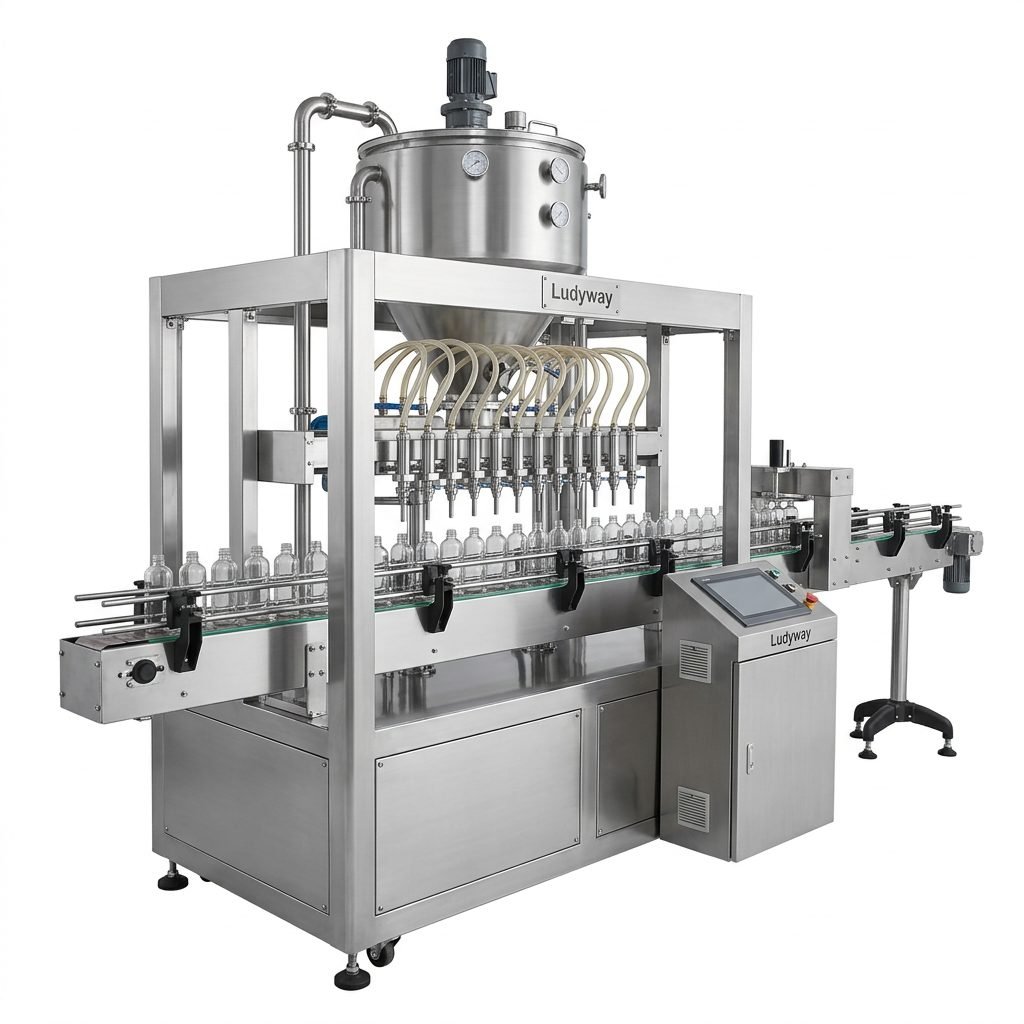
Investing in a tea plastic rope packing machine is a significant decision for tea producers looking to scale operations. Whether you are packaging loose-leaf tea, herbal blends, or traditional tea bags with strings and tags, understanding the cost breakdown helps you plan your budget effectively. Prices for these specialized machines vary widely based on automation level, production capacity, and configuration—typically ranging from $5,000 to over $80,000 for industrial-grade systems.
For context, the global packaging machinery market continues to expand as demand for convenient single-serve and portion-packed tea products grows worldwide. This guide breaks down the key cost drivers and provides realistic price expectations to help you make an informed purchasing decision.

What Is a Tea Plastic Rope Packing Machine?
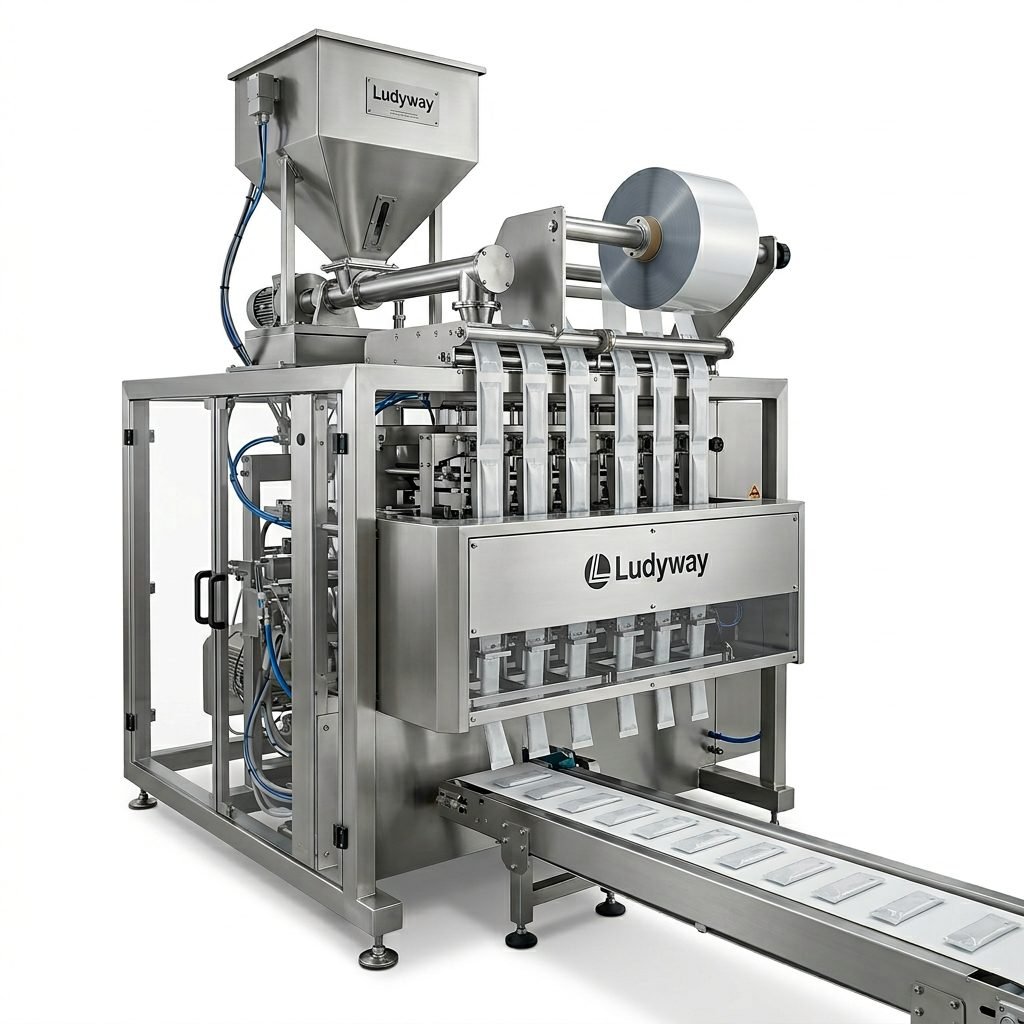
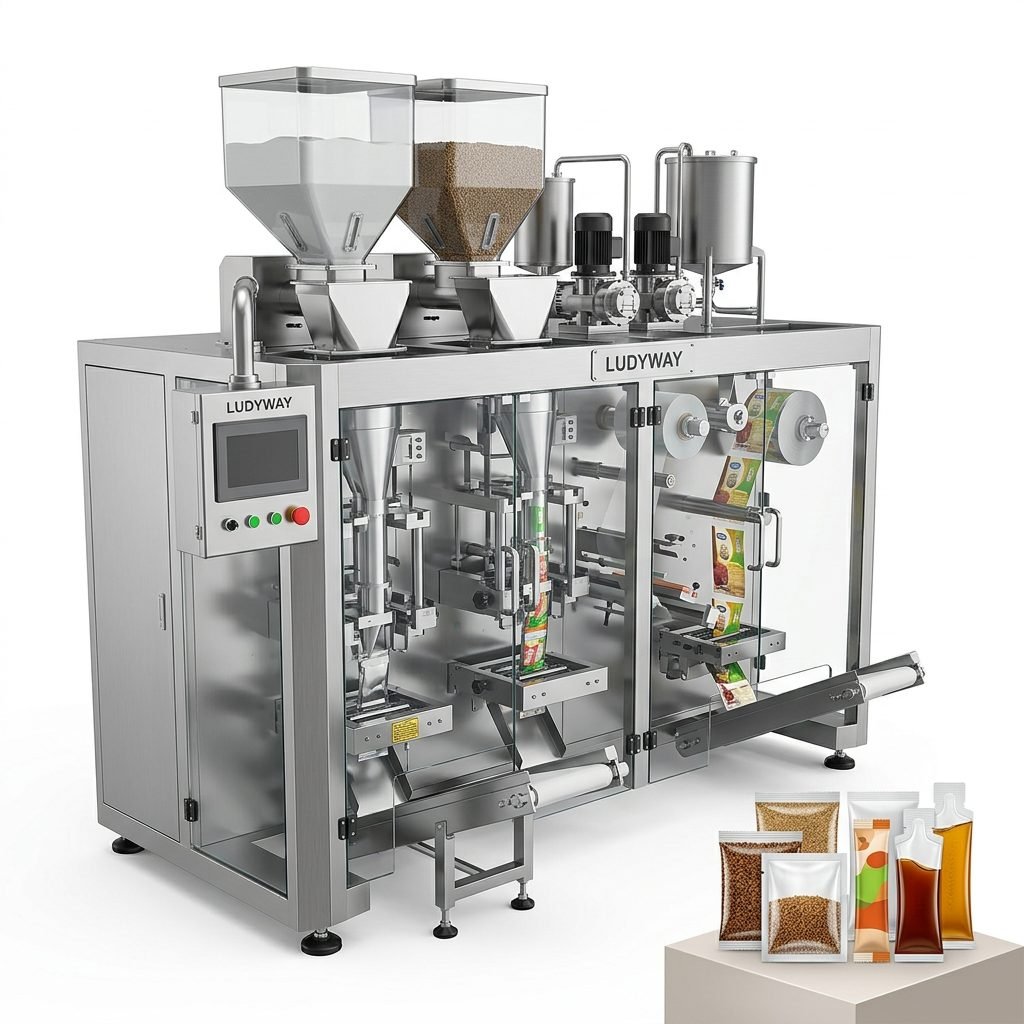
A tea plastic rope packing machine is a specialized packaging system designed to fill and seal tea products—often in sachet or stick pack formats—with an integrated mechanism for attaching a plastic rope, string, or thread used for easy retrieval from hot water. These machines are widely used for packaging traditional tea bags with strings and tags, herbal infusion sachets, and single-serve tea stick packs. Modern systems combine precision dosing, heat sealing, and string-attachment functions into a single automated workflow, significantly boosting production efficiency compared to manual or semi-automatic methods.
According to industry standards outlined by ISO packaging standards, automated tea packaging equipment must meet stringent requirements for seal integrity, fill accuracy, and material compatibility—all of which influence machine design and cost.
Key Factors That Influence the Price
Several critical variables determine the final cost of a tea plastic rope packing machine. Understanding these factors helps you evaluate quotes and avoid overpaying for features you may not need.
Machine Type and Automation Level
The degree of automation is the single largest cost driver. Semi-automatic machines require manual feeding of empty bags and manual collection of finished products, making them more affordable but labor-intensive. Fully automatic systems handle film unwinding, bag forming, filling, sealing, string attachment, tag application, and even cartoning in one continuous operation. These high-end systems command premium prices but deliver unmatched throughput and consistency.
Production Speed and Capacity
Machines rated for higher outputs naturally cost more. A compact model producing 30–60 bags per minute may suffice for small to mid-sized tea brands. In contrast, high-speed multi-lane systems capable of 200–400+ bags per minute are built with robust components, advanced servo drives, and sophisticated control systems—all adding to the price tag. For businesses planning to scale, choosing equipment aligned with packaging industry growth projections ensures long-term viability.
Multi-Lane vs. Single-Lane Configuration
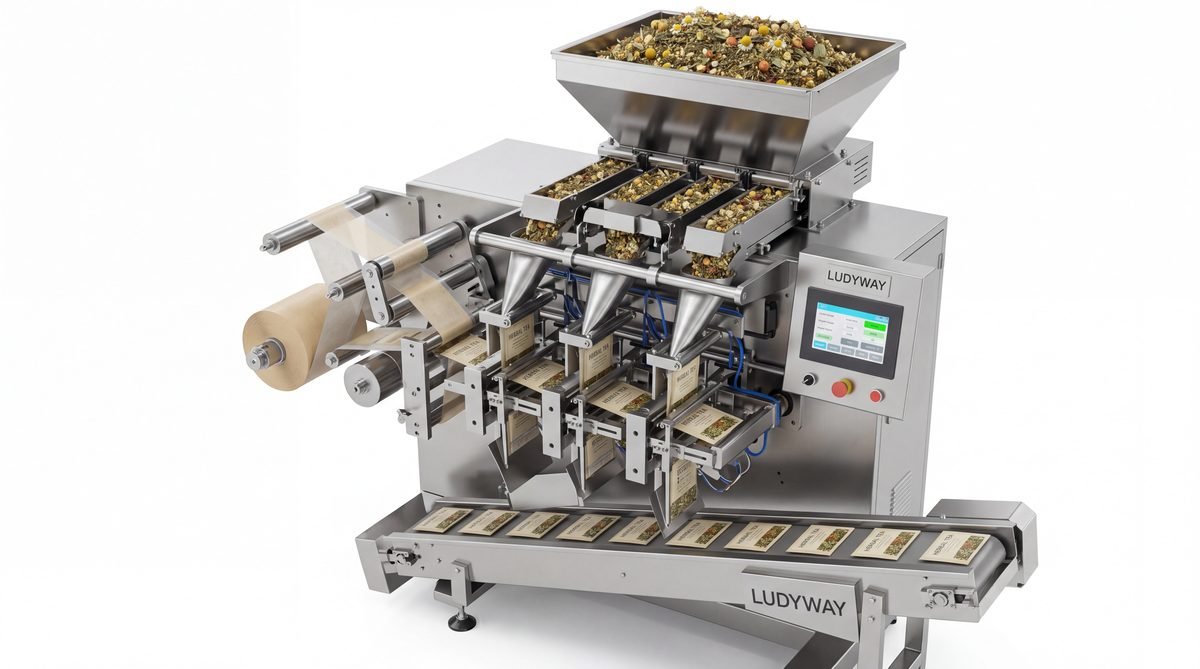
A single-lane machine produces one row of tea bags per cycle, keeping costs lower but limiting output. Multi-lane configurations—ranging from 4 to 12 lanes or more—multiply production volume without proportionally increasing floor space or operator requirements. However, multi-lane systems involve more complex tooling, synchronized filling stations, and advanced tension control for each lane, which significantly increases initial investment.
Filling System and Accuracy
Tea products vary from fine powders to whole-leaf blends, each requiring specific dosing mechanisms. Volumetric cup fillers are cost-effective for uniform granule teas, while auger fillers handle powders with greater precision. Multi-head weighers offer the highest accuracy for premium whole-leaf teas but add considerable cost. The choice of filling technology directly impacts both machine price and ongoing product giveaway rates.
String and Tag Attachment Mechanism
The plastic rope or string attachment system is a defining feature of these machines. Basic models may use a simple heat-seal method to bond the string, while advanced systems incorporate knotting mechanisms, tag punching, and precise string-length control. Machines equipped with ultrasonic sealing technology for the string attachment area often command higher prices due to improved seal quality and reduced material waste.
Price Ranges by Machine Category
The following table provides a general overview of price ranges based on machine type and configuration. Actual prices vary by manufacturer, customization requirements, and regional factors.
| Machine Category | Speed Range | Estimated Price (USD) | Best Suited For |
|---|---|---|---|
| Semi-Automatic Single-Lane | 20–40 bags/min | $5,000 – $12,000 | Small tea brands, startups, artisanal producers |
| Automatic Single-Lane | 40–80 bags/min | $12,000 – $28,000 | Mid-sized tea companies, contract packers |
| Multi-Lane (4–6 Lanes) | 100–200 bags/min | $28,000 – $55,000 | Growing brands scaling production output |
| Multi-Lane (8–12 Lanes) | 200–400+ bags/min | $55,000 – $85,000+ | Large-scale manufacturers, international brands |
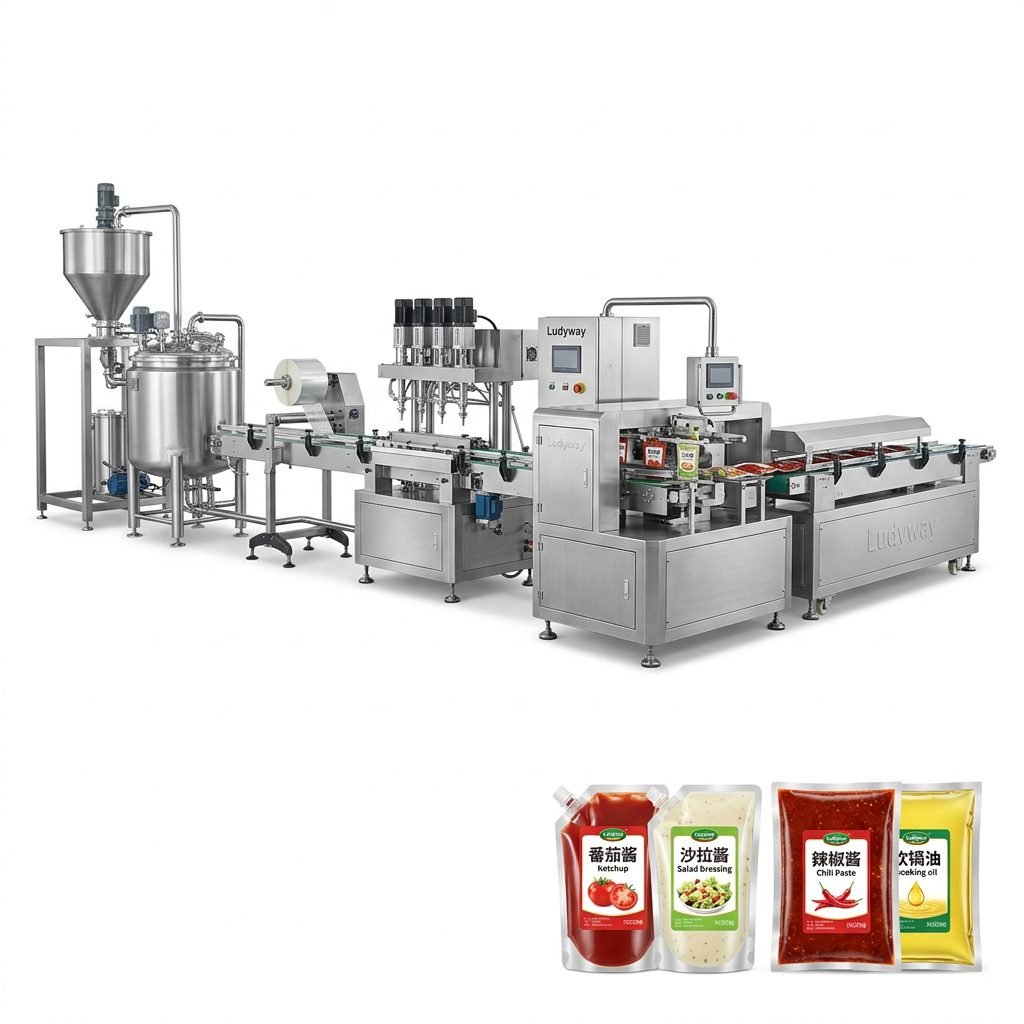
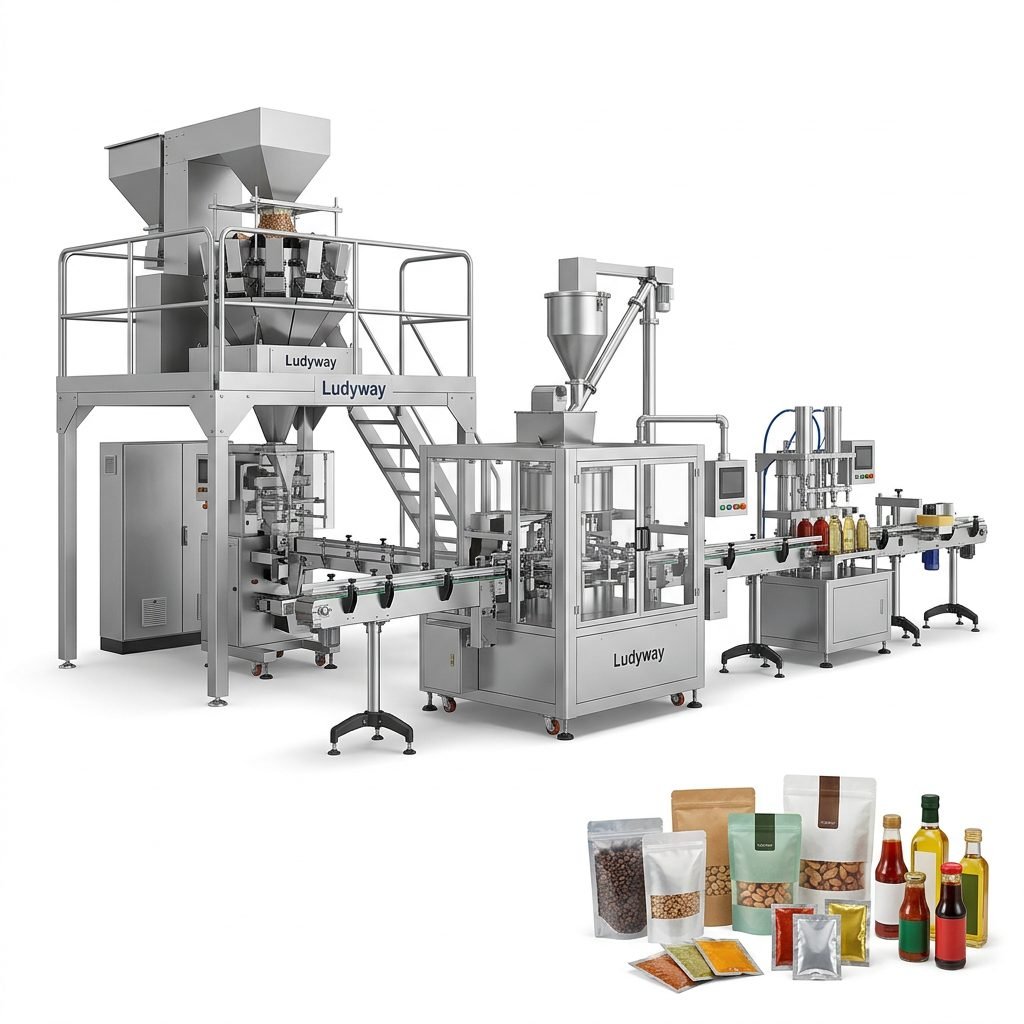
| Fully Integrated Turnkey Line | Customized output | $80,000 – $200,000+ | High-volume production with cartoning and case packing |
Note: Prices are indicative and vary based on specifications, optional features, and regional supplier differences. Always request a detailed quotation tailored to your production requirements.

Additional Costs to Consider
Beyond the base machine price, several supplementary costs should be factored into your total investment calculation:
- Shipping and logistics — International freight, customs duties, and local delivery can add 5–15% to the machine cost depending on origin and destination.
- Installation and commissioning — Professional setup by factory-trained technicians ensures optimal performance; budget $1,500–$5,000 depending on complexity and location.
- Operator training — Comprehensive training reduces downtime and extends machine life; often included in installation packages.
- Spare parts and tooling — Change parts for different bag sizes, string types, and tag formats; initial spare parts kit recommended at $800–$3,000.
- Ongoing maintenance — Annual service contracts or preventive maintenance visits help avoid costly breakdowns during peak production periods.
- Packaging materials — Film rolls, strings, tags, and outer cartons represent recurring costs that vary with production volume and material specifications.
How to Choose the Right Machine for Your Budget
Selecting the appropriate tea plastic rope packing machine requires balancing current needs with future growth plans. Here are practical steps to guide your evaluation:
- Define your production targets — Calculate current daily output requirements and project growth over the next 3–5 years. Choose a machine that can accommodate increased demand without immediate replacement.
- Analyze your product range — If you pack multiple tea varieties with different leaf sizes, densities, and bag formats, prioritize machines with quick-change features and versatile dosing systems.
- Evaluate total cost of ownership — Look beyond the purchase price to consider energy consumption, spare parts availability, maintenance requirements, and expected machine lifespan.
- Request product demonstrations — Whenever possible, visit the manufacturer’s facility or request video demonstrations running your specific tea product to verify performance claims.
- Check compliance with FDA food packaging regulations — For tea products destined for regulated markets, ensure the machine materials and design meet applicable food contact and safety standards.

Why Invest in Quality Tea Packaging Equipment
A reliable tea plastic rope packing machine is more than a production tool—it directly impacts product quality, brand perception, and operational profitability. Consistent seal integrity prevents moisture ingress that can degrade tea freshness. Precise fill accuracy protects your margins by minimizing product giveaway. Smooth string and tag attachment enhances the consumer experience, encouraging repeat purchases. The flexible packaging industry continues to innovate, and investing in quality equipment positions your brand competitively in both domestic and international markets.
When sourcing your equipment, consider working with established manufacturers who offer comprehensive after-sales support, readily available spare parts, and proven expertise in tea packaging applications. Ludyway, one of the leading packaging machine manufacturers with over 30 years of experience and a modern 20,000㎡ production facility, provides advanced tea packaging solutions trusted by customers in more than 100 countries. Evaluating suppliers with a strong track record and global service network helps ensure your investment delivers long-term value.
Frequently Asked Questions About Tea Packing Machine Costs
Can I start with a used or refurbished machine?
Used machines can reduce upfront costs by 30–50%, but they come with trade-offs. Limited or no warranty coverage, potential obsolescence of control systems, reduced availability of spare parts, and unknown maintenance histories are common risks. For critical production equipment where downtime directly impacts revenue, new machines with full manufacturer support often provide better long-term value.
How long does it take to achieve ROI?
Most tea producers recover their machine investment within 12–24 months through a combination of increased output, reduced labor costs, lower product giveaway, and minimized packaging material waste. High-speed multi-lane systems in high-volume operations may achieve payback in as little as 6–9 months.
What certifications should the machine have?
For international markets, look for machines with CE certification for European compliance, UL-listed electrical components for North American acceptance, and food-grade contact parts compliant with FDA and EU regulations. Machines built to recognized ISO packaging and distribution standards generally offer greater reliability and easier regulatory acceptance across multiple markets.
Are there financing options available?
Many equipment manufacturers and third-party leasing companies offer financing arrangements including lease-to-own programs, equipment loans, and deferred payment plans. These options help preserve working capital while enabling businesses to acquire higher-capacity equipment sooner. Request financing details when soliciting machine quotations.

Related Resources and Industry Links
- PMMI – Association for Packaging and Processing Technologies
- Flexible Packaging Association – Industry Resources and Data
- PACK EXPO International – Packaging Industry Trade Show
- FDA – Packaging and Food Contact Substances Guidelines
- European Commission – Packaging and Packaging Waste Regulations
Final Thoughts
The cost of a tea plastic rope packing machine reflects its engineering, capability, and the long-term value it delivers to your production line. By understanding the factors that influence pricing—automation level, speed, lane configuration, and filling technology—you can evaluate options with confidence and select equipment aligned with both your operational needs and financial parameters. Always request detailed proposals, verify manufacturer credentials, and consider total cost of ownership rather than purchase price alone when making this important capital investment.