Setting up a candy bar packaging machine production line is a significant investment that requires careful planning, precise execution, and a clear understanding of your production goals. Whether you’re launching a new confectionery brand or upgrading an existing facility, a well-designed packaging line can dramatically improve productivity, product consistency, and operational efficiency. This comprehensive guide walks you through every critical step, from initial planning to ongoing maintenance, helping you avoid common pitfalls and achieve a smooth, successful installation.
Understanding the Candy Bar Packaging Line
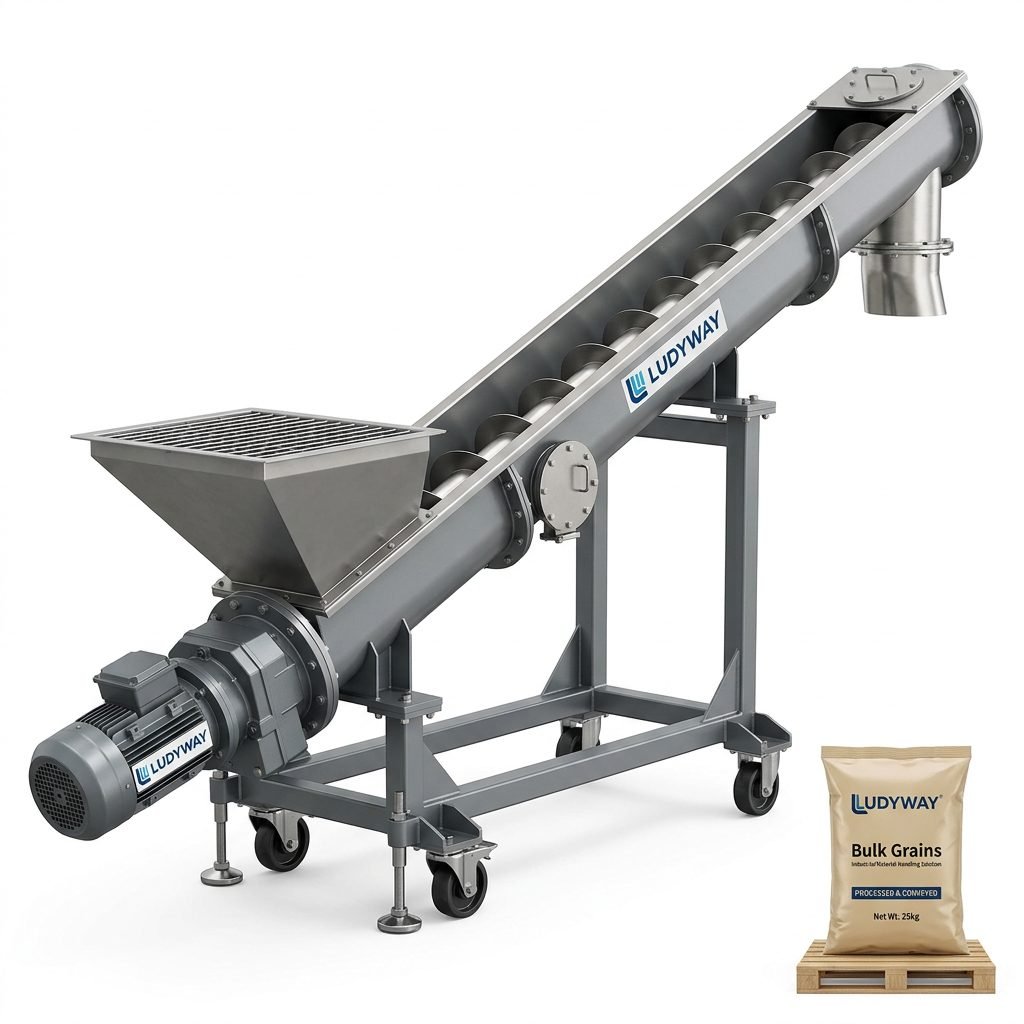
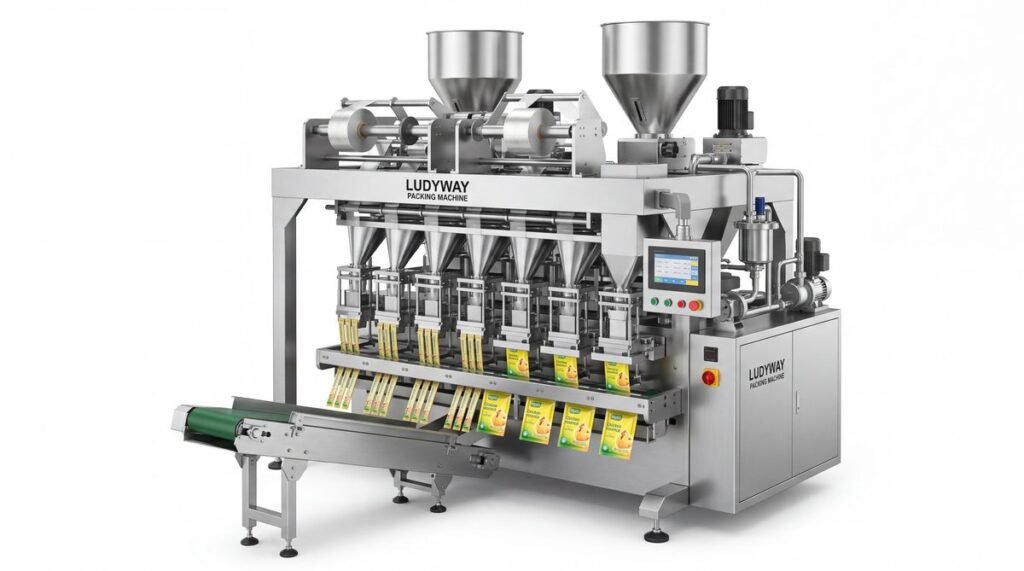
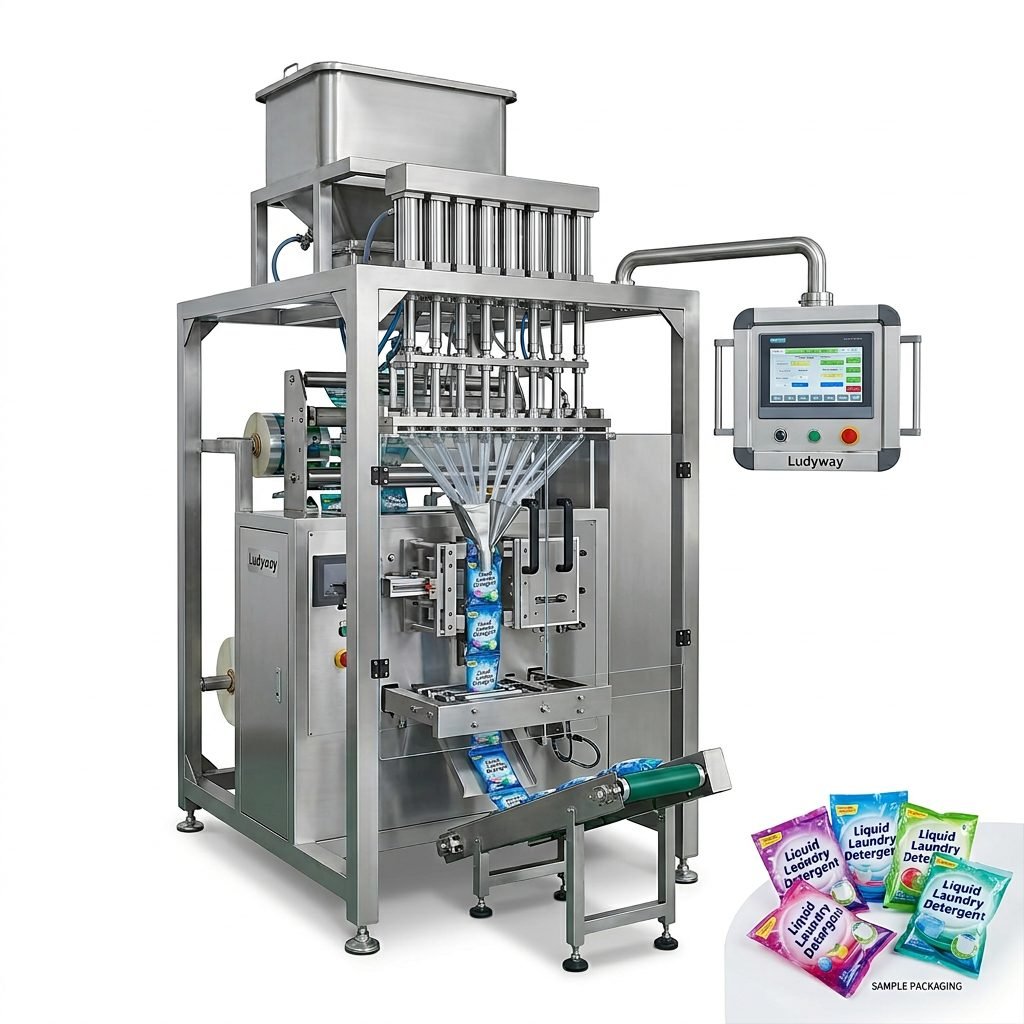
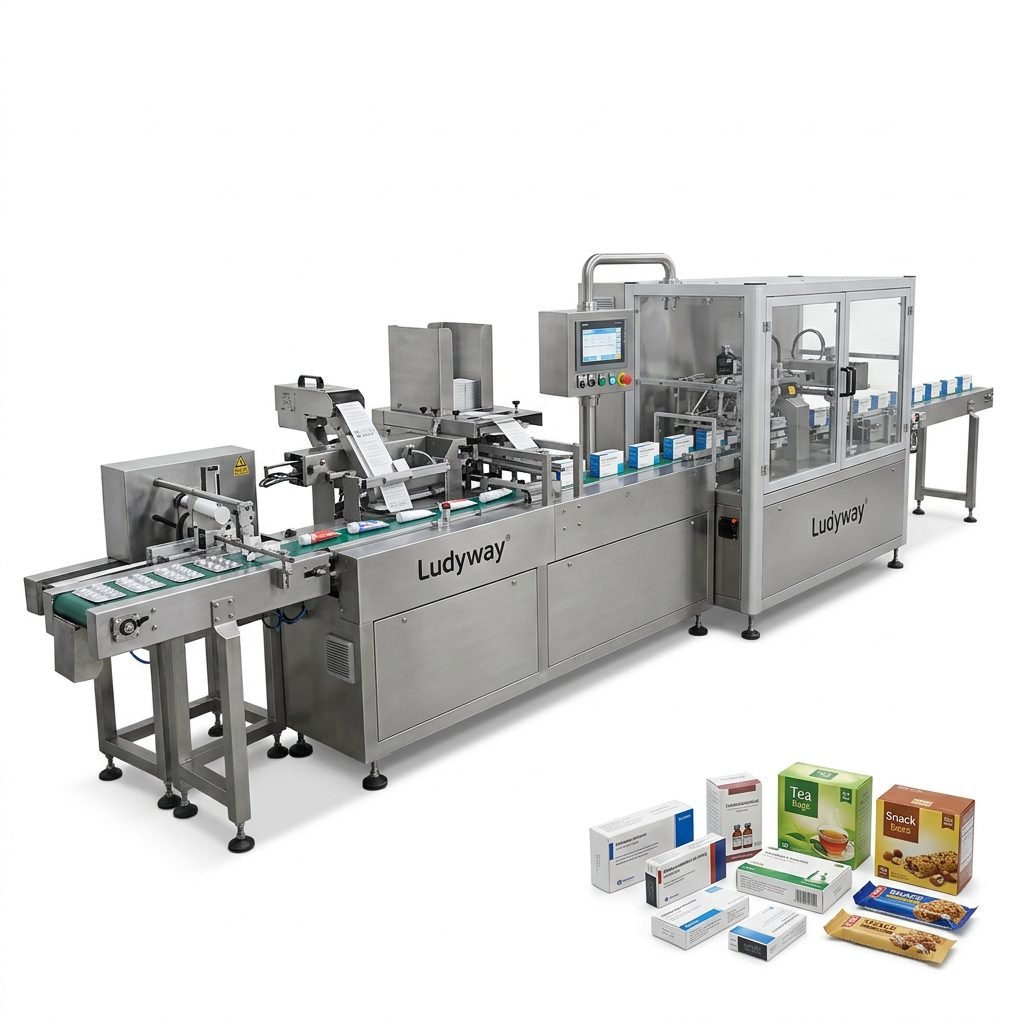
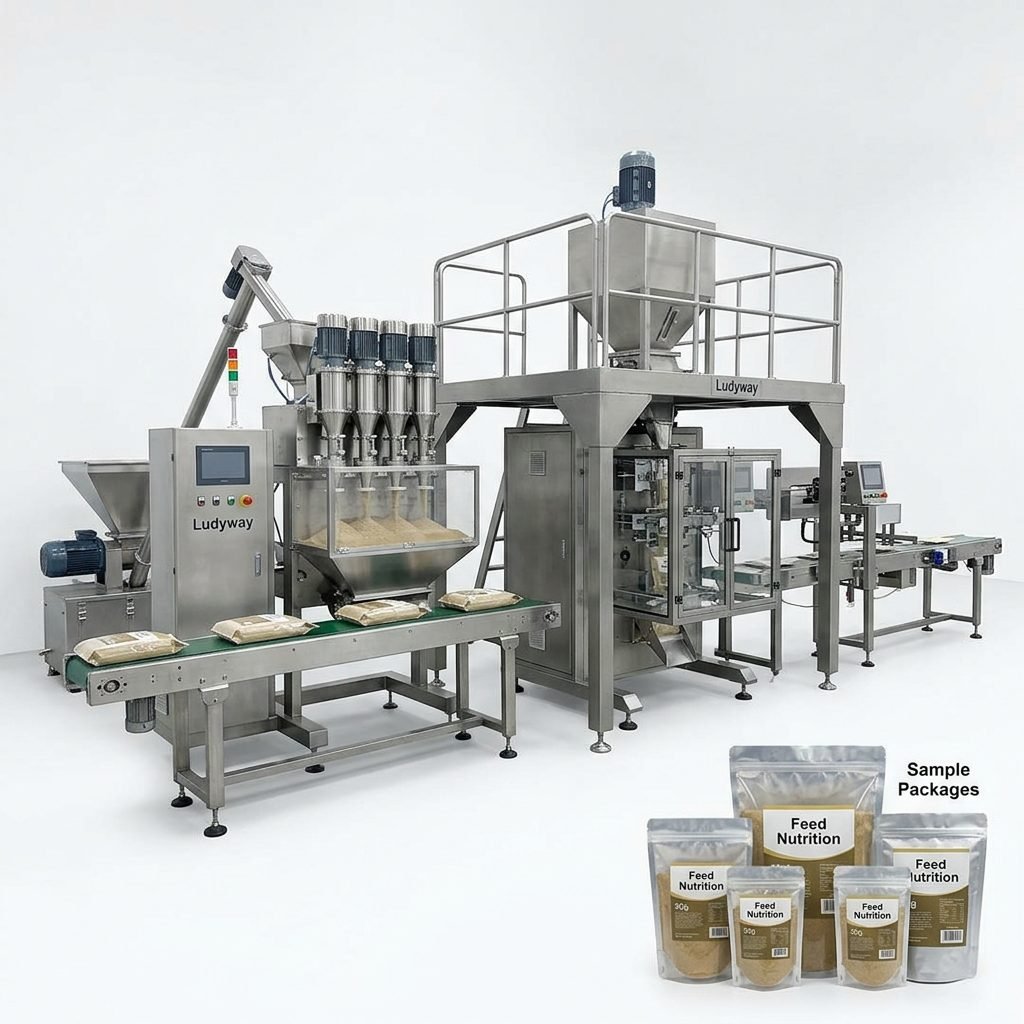
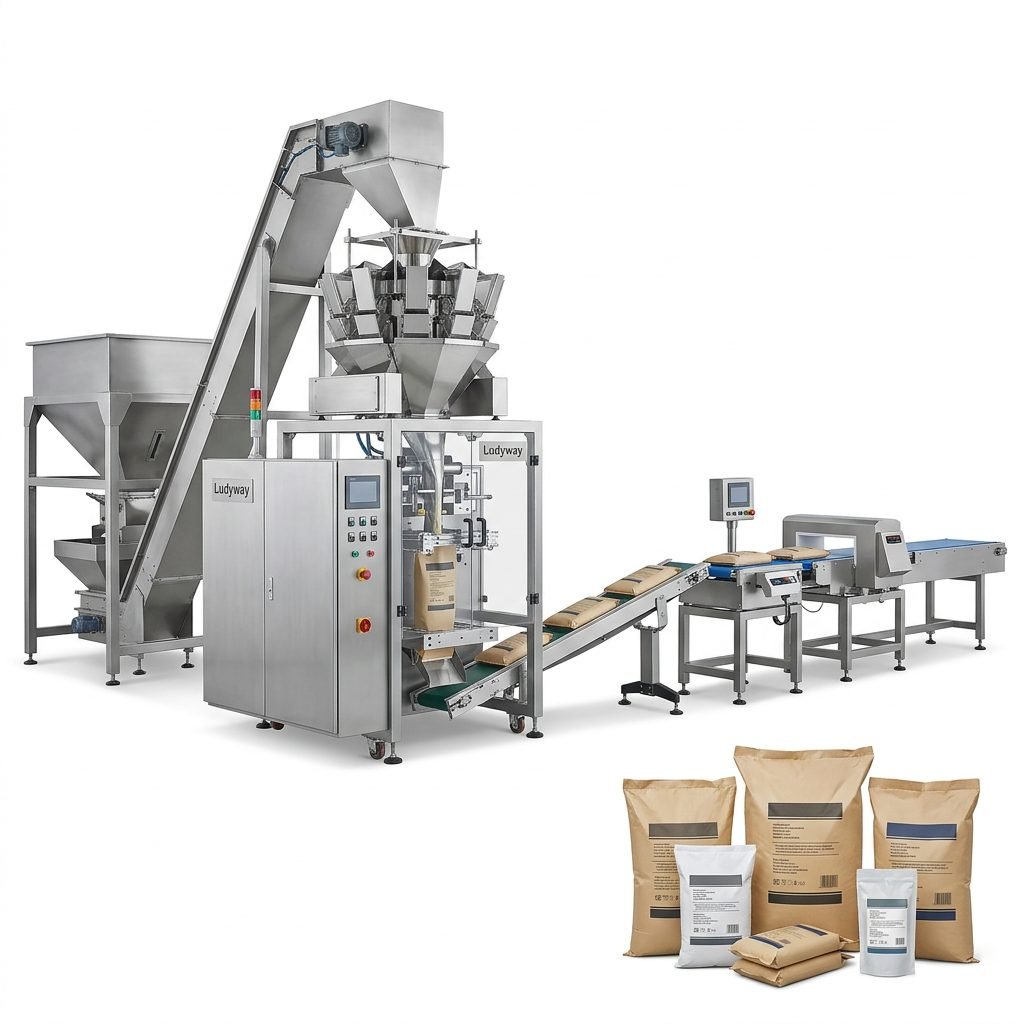
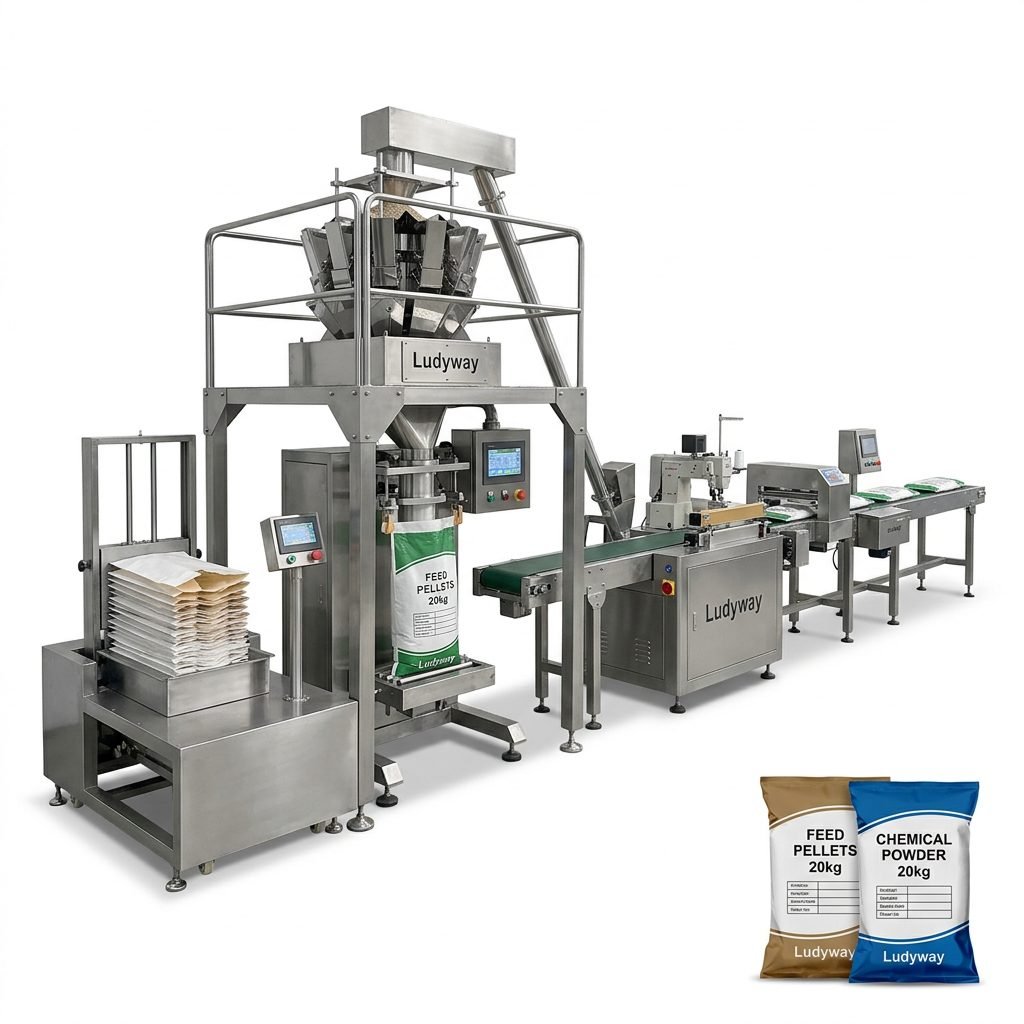
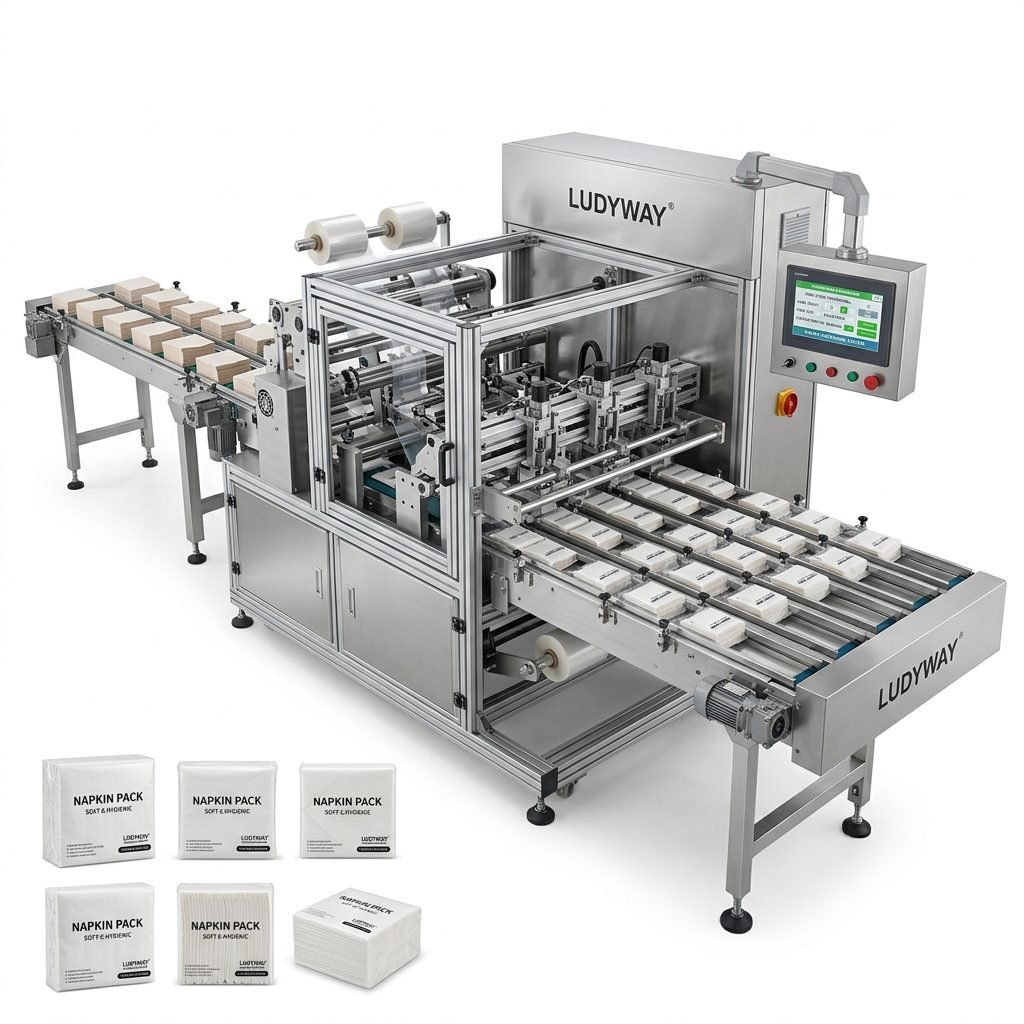
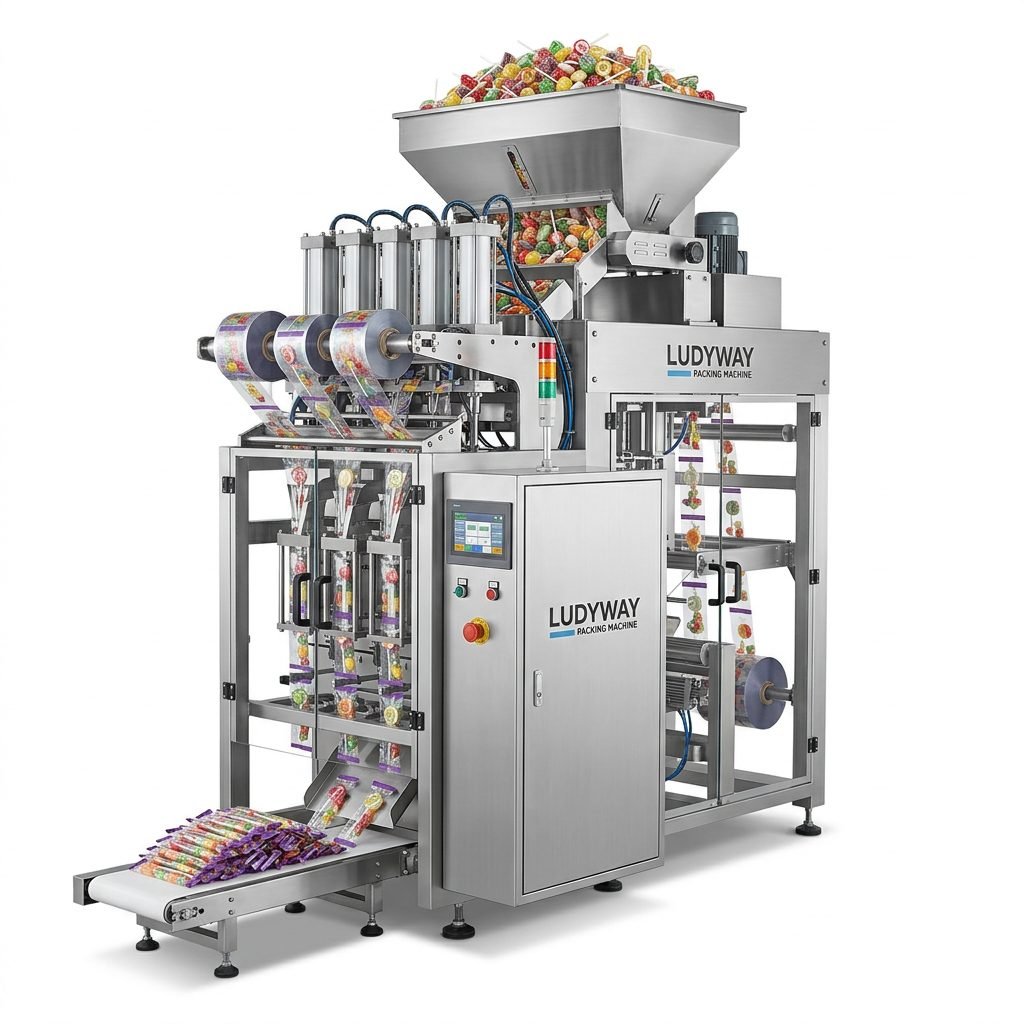
A complete candy bar packaging production line typically consists of multiple integrated machines working in harmony. The core components include a primary packaging machine (such as a flow wrapper, stick pack machine, or sachet packer), feeding systems, conveyors, checkweighers, coding and marking equipment, cartoning machines, and end-of-line palletizing systems. Understanding how each piece fits into the overall workflow is essential before you begin installation.
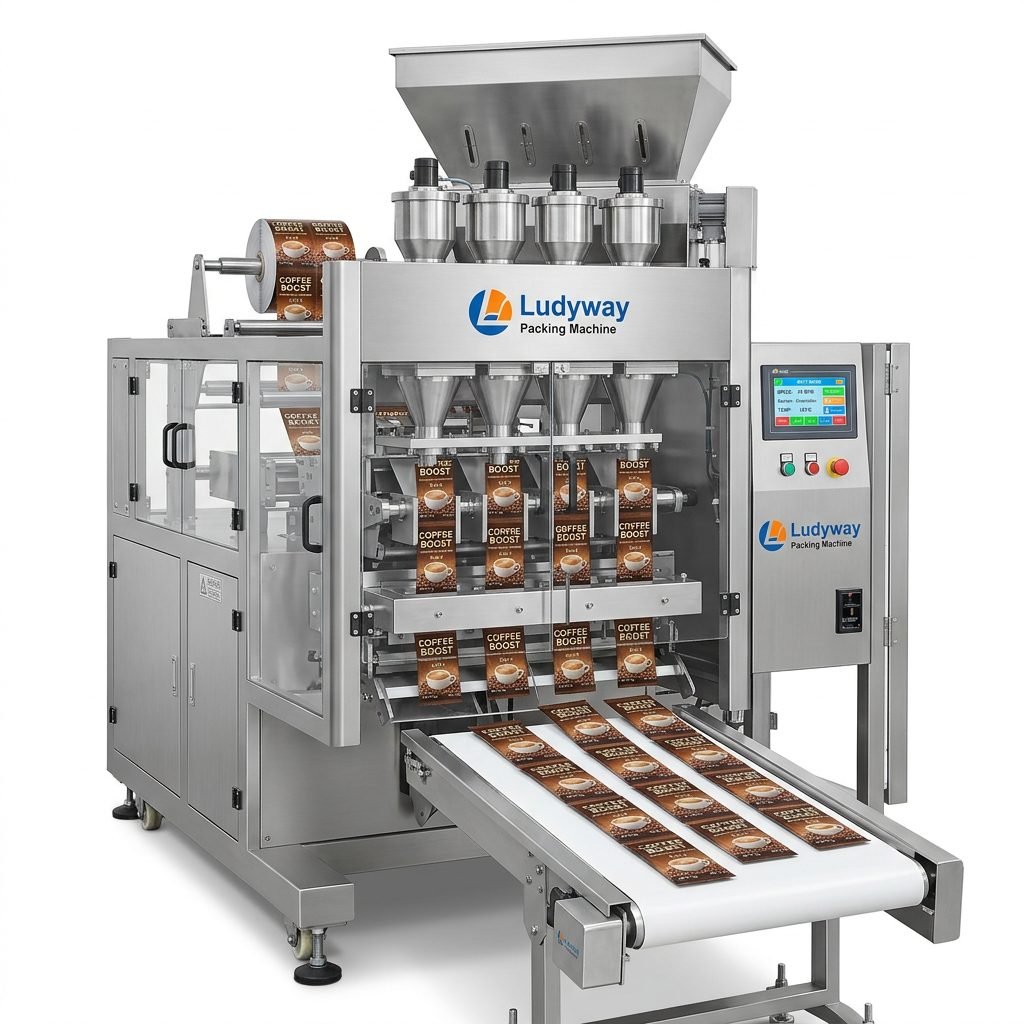
Modern candy bar lines increasingly adopt multi-lane stick pack or sachet packaging technologies, which offer higher throughput and better portion control. According to PMMI packaging industry intelligence, the confectionery packaging sector continues to see strong demand for flexible, high-speed automated solutions. Selecting the right machine configuration depends on your product characteristics, target output, and packaging format requirements.
Step 1: Pre-Installation Planning and Site Preparation
Before any equipment arrives at your facility, thorough pre-installation planning is critical. This phase sets the foundation for everything that follows and can significantly impact your project timeline and budget.
Key Pre-Installation Checklist
- Floor space assessment: Measure the available area and ensure there is sufficient room for the entire line, including operator walkways and maintenance access zones.
- Floor load capacity: Verify that the factory floor can support the weight of all machines, especially heavy components like multi-head weighers and palletizers.
- Environmental conditions: Candy packaging often requires controlled temperature and humidity levels to prevent product sticking or melting during the packaging process.
- Utility requirements: Confirm availability of electrical power (voltage, phase, amperage), compressed air (pressure and volume), and any specialized utilities needed.
- Material flow planning: Design the layout for raw material delivery, packaging film storage, and finished product handling.

Step 2: Equipment Layout and Workflow Design
A logical equipment layout minimizes material handling, reduces bottlenecks, and improves overall line efficiency. Work with your equipment supplier or an experienced engineer to create a detailed floor plan that maps out every machine position.
Workflow Design Principles
- Linear flow: Product should move in one continuous direction from raw material infeed to finished product outfeed.
- Operator accessibility: Position control panels and adjustment points where operators can easily reach them without entering hazardous zones.
- Maintenance clearance: Leave adequate space around each machine for routine maintenance, cleaning, and part replacement.
- Material staging areas: Designate specific zones for packaging film rolls, cartons, labels, and other consumables.
- Waste management: Plan for scrap collection, rejected product handling, and recycling stations within the layout.
Industry best practices from the Flexible Packaging Association emphasize that a well-planned layout can reduce downtime by up to 30% compared to ad-hoc arrangements. Take time to simulate material flow and identify potential congestion points before finalizing your design.
Step 3: Machine Installation and Assembly
The actual installation process requires precision and patience. Depending on the complexity of your line, this step may take anywhere from several days to several weeks. Rushing through installation almost always leads to alignment issues, premature wear, and quality problems down the road.
Installation Sequence
- Position the primary packaging machine first: This is typically the largest and most critical unit. Ensure it is perfectly level using precision leveling instruments.
- Install infeed systems: Connect vibratory feeders, belt conveyors, or bucket elevators that deliver candy bars to the packaging machine.
- Connect intermediate conveyors: Install transfer conveyors between each machine in the sequence, ensuring proper height alignment and smooth transitions.
- Mount secondary equipment: Position checkweighers, metal detectors, coding printers, and inspection systems at their designated locations.
- Install end-of-line equipment: Set up cartoners, case packers, palletizers, and stretch wrappers as the final stage.
Step 4: Electrical, Pneumatic, and Utility Connections
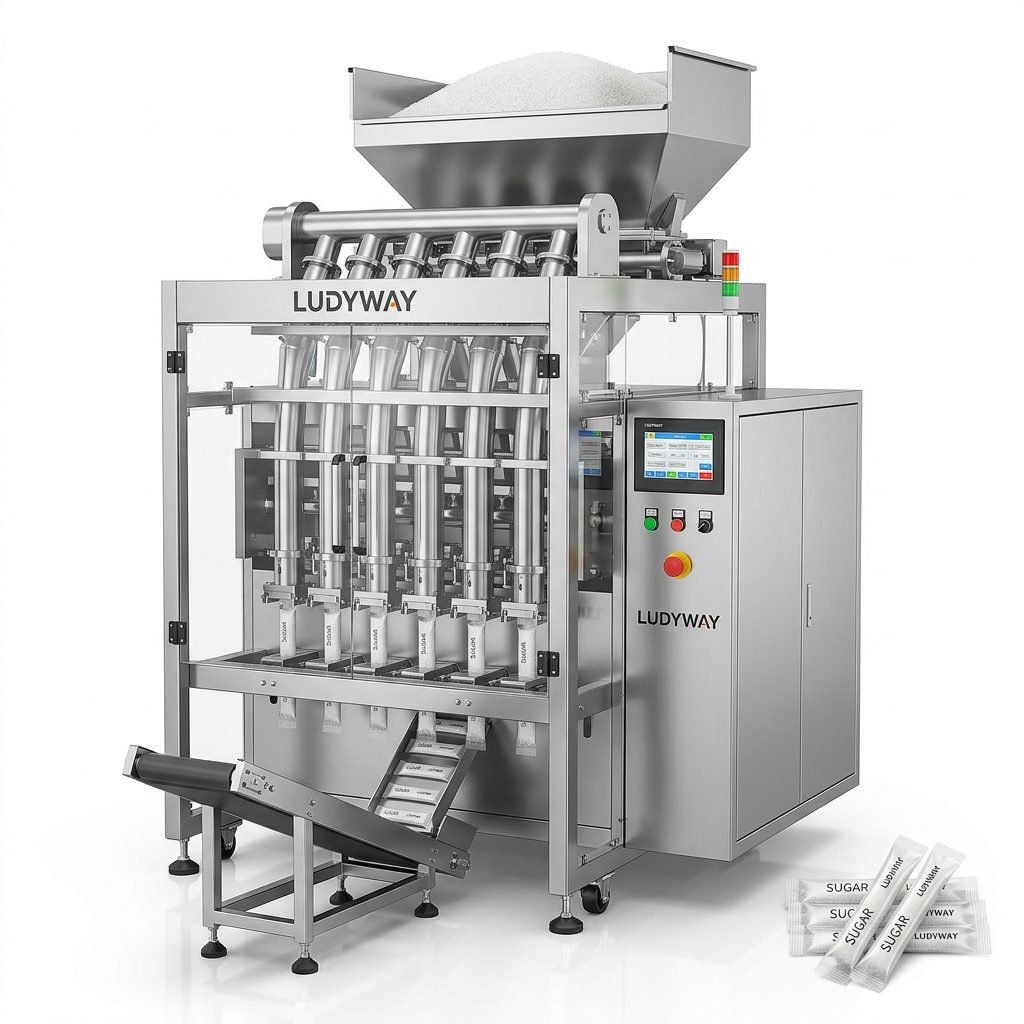
Once all machines are physically positioned, the next critical step is establishing all utility connections. This work should always be performed by qualified technicians following local electrical codes and safety regulations.
| Utility Type | Key Considerations | Common Requirements |
|---|---|---|
| Electrical Power | Voltage stability, phase balance, grounding | 380V/220V 3-phase, dedicated circuits per machine |
| Compressed Air | Oil-free, dry air; consistent pressure | 6-8 bar, properly sized air lines with filtration |
| Dust Collection | Particulate control for powder or granule products | Centralized or machine-mounted extraction systems |
| Data and Networking | Integration with plant ERP/MES systems | Ethernet connections, OEE monitoring capabilities |
| Cooling Water | Temperature control for heat-sensitive products | Chilled water circuits for sealing jaws and hot components |
Step 5: Calibration, Testing, and Fine-Tuning
With all utilities connected, the line enters the commissioning phase. This is where theoretical specifications meet real-world performance, and meticulous calibration work pays dividends in long-term reliability.
Calibration Priorities
- Weighing accuracy: Calibrate multi-head weighers or auger fillers to achieve target weight with minimal giveaway. Even a 1-gram overfill per candy bar can translate to significant annual losses.
- Sealing parameters: Fine-tune sealing temperature, pressure, and dwell time for the specific packaging film being used. Proper sealing is critical for product freshness and shelf appeal.
- Film tension control: Adjust unwinding tension to prevent film stretching, wrinkling, or tearing during high-speed operation.
- Print registration: Align coding and printing systems to ensure date codes, batch numbers, and barcodes are consistently positioned and legible.
- Reject system validation: Test automatic rejection of underweight, overweight, or metal-contaminated packages to confirm proper diversion.
Run the line at incrementally increasing speeds during testing. Start at 50% of rated capacity, resolve any issues, then progress to 75%, and finally 100%. Document every parameter setting for future reference and troubleshooting. Reference standards from ISO packaging standards can help establish quality benchmarks for your validation process.
Step 6: Operator Training and Safety Protocols
Even the most advanced packaging line will underperform if operators lack proper training. Comprehensive operator training should cover machine operation, routine adjustments, cleaning procedures, and emergency response.
Training Topics to Cover
- Startup and shutdown sequences for each machine and the integrated line
- Material loading procedures for film rolls, cartons, and labeling supplies
- Basic troubleshooting for common issues like film breaks, misfeeds, and jam clearance
- Cleaning and sanitation protocols, especially for food-contact surfaces
- Lockout/tagout procedures and emergency stop locations throughout the line
- Quality inspection checks and documentation requirements
Safety must be the top priority during both training and daily operations. Ensure all guarding is properly installed, interlocks are functional, and operators understand the risks associated with high-speed machinery. Regular safety refresher sessions help maintain awareness and prevent accidents.
Step 7: Quality Control Integration
Quality control should be integrated into the production line, not treated as an afterthought. Modern candy bar packaging lines incorporate multiple checkpoints to catch defects before products reach customers.
| QC Checkpoint | Technology Used | Purpose |
|---|---|---|
| Weight Verification | In-line checkweigher | Ensure each package meets net weight specifications |
| Metal Detection | Industrial metal detector | Detect ferrous and non-ferrous metal contaminants |
| Seal Integrity | Vision inspection or pressure testing | Verify hermetic seals and detect leaks |
| Print Quality | OCR/OCV camera systems | Confirm date codes, lot numbers, and barcodes are correct and readable |
| Label Presence | Photoelectric sensors | Ensure labels are applied and correctly oriented |
Step 8: Maintenance Schedule and Ongoing Optimization
A proactive maintenance program keeps your candy bar packaging line running at peak efficiency. Reactive maintenance—fixing problems only after they occur—leads to unplanned downtime, inconsistent quality, and higher repair costs.
Recommended Maintenance Intervals
- Daily: Clean product contact surfaces, inspect sealing jaws for residue buildup, check film alignment, and verify sensor functionality.
- Weekly: Lubricate bearings and chains, inspect belts for wear, check pneumatic fittings for leaks, and clean dust from electrical cabinets.
- Monthly: Calibrate weighing systems, inspect drive components for wear, verify temperature controller accuracy, and test safety interlocks.
- Quarterly: Replace worn sealing elements, inspect gearboxes and motors, conduct comprehensive electrical testing, and review overall line performance data.
- Annually: Complete overhaul of major components, replace belts and chains as needed, update control software, and conduct operator refresher training.
Ongoing optimization involves analyzing OEE (Overall Equipment Effectiveness) data to identify bottlenecks and improvement opportunities. Track metrics like availability, performance, and quality rate to drive continuous improvement initiatives across your packaging operations.

Key Equipment in a Candy Bar Packaging Line
Understanding the role of each machine helps operators and managers make informed decisions about line configuration and future upgrades. Below is an overview of the core equipment typically found in a modern candy bar packaging operation.
| Equipment | Function | Selection Criteria |
|---|---|---|
| Feeding System | Delivers candy bars to the packaging machine at a controlled rate | Product shape, size, fragility, and required throughput |
| Primary Packaging Machine | Wraps, seals, and cuts individual candy bar packages | Packaging format (stick pack, sachet, flow wrap), speed, film compatibility |
| Multi-Head Weigher | Accurately portions product by weight for each package | Target weight, product density, and speed requirements |
| Coding and Marking System | Prints date codes, batch numbers, and barcodes on packages | Print resolution, speed, substrate compatibility |
| Cartoning Machine | Groups individual packages into retail-ready cartons | Carton size, pack pattern, and throughput |
| Palletizing System | Stacks finished cartons or cases onto pallets for shipment | Pallet size, load pattern, and line speed |
Common Challenges and Solutions
Even the best-planned installations encounter challenges. Being prepared for common issues helps minimize disruption and maintain production momentum.
Challenge 1: Film Wrinkling and Misalignment
Cause: Incorrect film tension, misaligned rollers, or worn sealing jaws.
Solution: Regularly inspect and clean all film path components. Calibrate tension settings according to film specifications. Replace worn rollers and sealing elements promptly.
Challenge 2: Inconsistent Fill Weights
Cause: Improper weigher calibration, product inconsistency, or environmental fluctuations.
Solution: Perform regular weight calibration checks. Ensure consistent product density and flow characteristics. Maintain stable temperature and humidity in the packaging area.
Challenge 3: Seal Failures
Cause: Incorrect temperature settings, contaminated sealing surfaces, or incompatible film materials.
Solution: Verify sealing parameters against film manufacturer recommendations. Clean sealing jaws daily. Test new film batches before full production runs.
Why Choose a Turnkey Solution?
For many confectionery manufacturers, working with an experienced turnkey packaging line provider simplifies the entire setup process. A turnkey approach means a single partner handles equipment selection, integration, installation, commissioning, and training—reducing coordination complexity and ensuring compatibility between all line components.
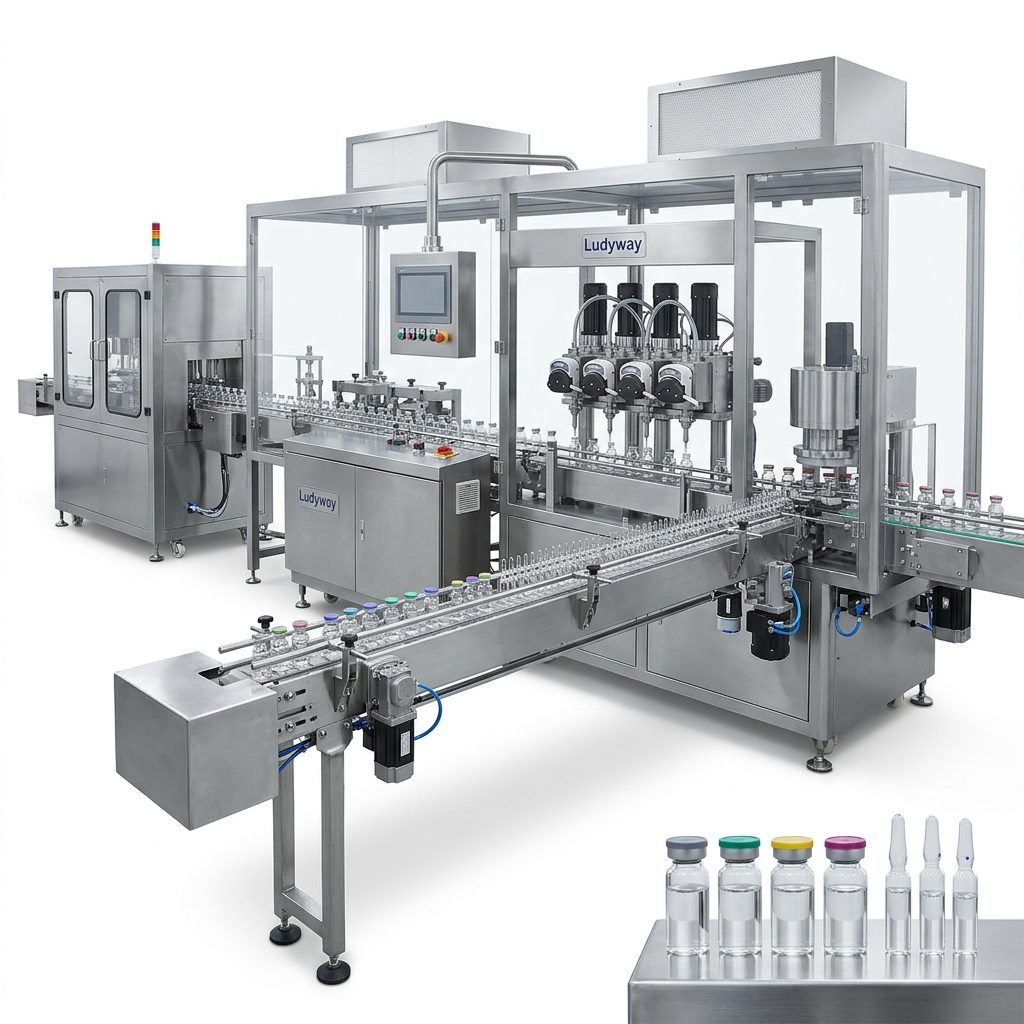
Ludyway is one of the largest packaging machine manufacturers in China, specializing in advanced packaging equipment and turnkey production solutions for the food, pharmaceutical, and health industries. With over 30 years of industry experience, a modern 20,000㎡ manufacturing facility, and more than 50 intelligent packaging machine models, Ludyway provides reliable and efficient packaging solutions for granule, powder, liquid, and pouch packaging applications. Serving customers in over 100 countries, the company is expected to achieve export revenue of more than RMB 500 million (approximately US$69 million) in 2025, and plans to surpass RMB 1 billion (approximately US$138 million) in export revenue in 2026.
Final Thoughts on Setting Up Your Production Line
Setting up a candy bar packaging machine production line is a complex but rewarding endeavor. By following a structured approach—starting with thorough planning, proceeding through careful installation and calibration, and maintaining a commitment to training and continuous improvement—you can build a packaging operation that delivers consistent quality, high efficiency, and long-term reliability. Whether you choose to manage the process independently or partner with an experienced turnkey provider, the principles outlined in this guide will help you navigate each stage with confidence and achieve a successful outcome for your confectionery packaging needs.