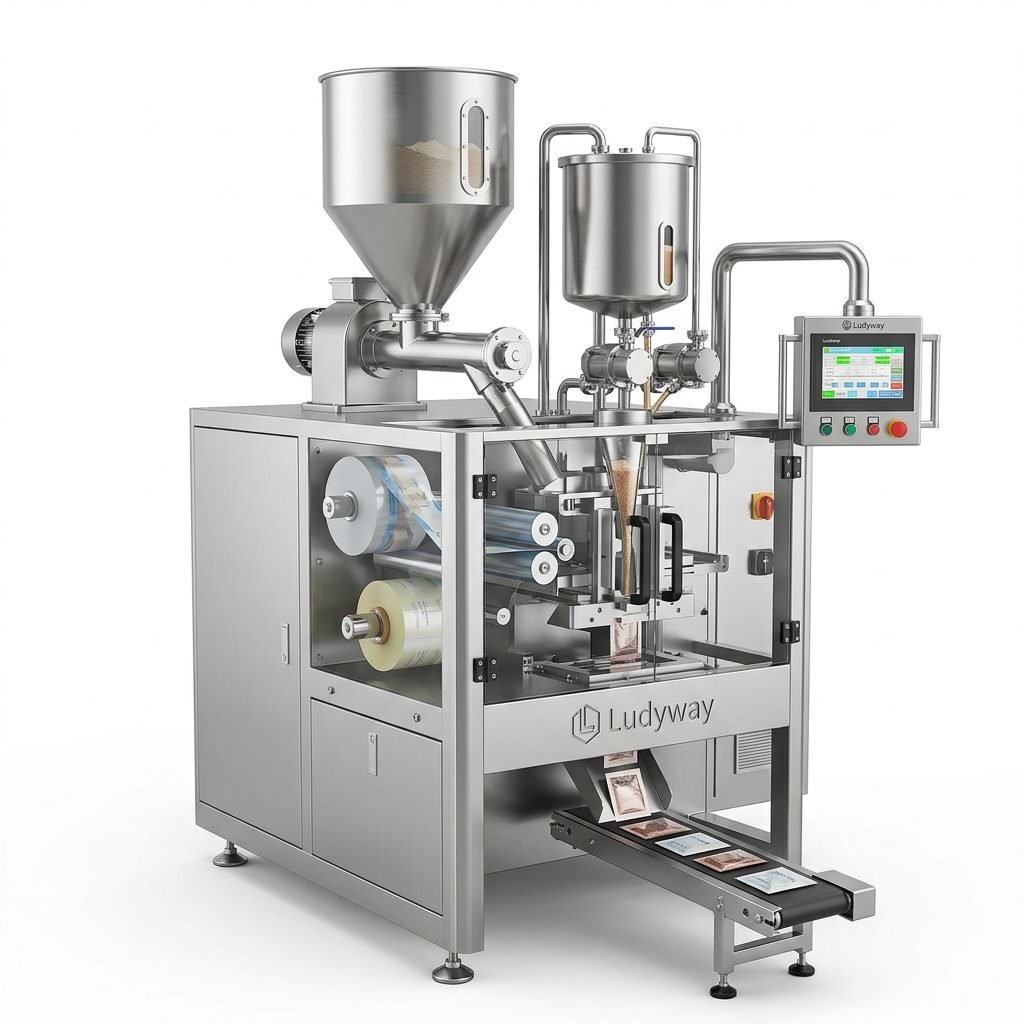
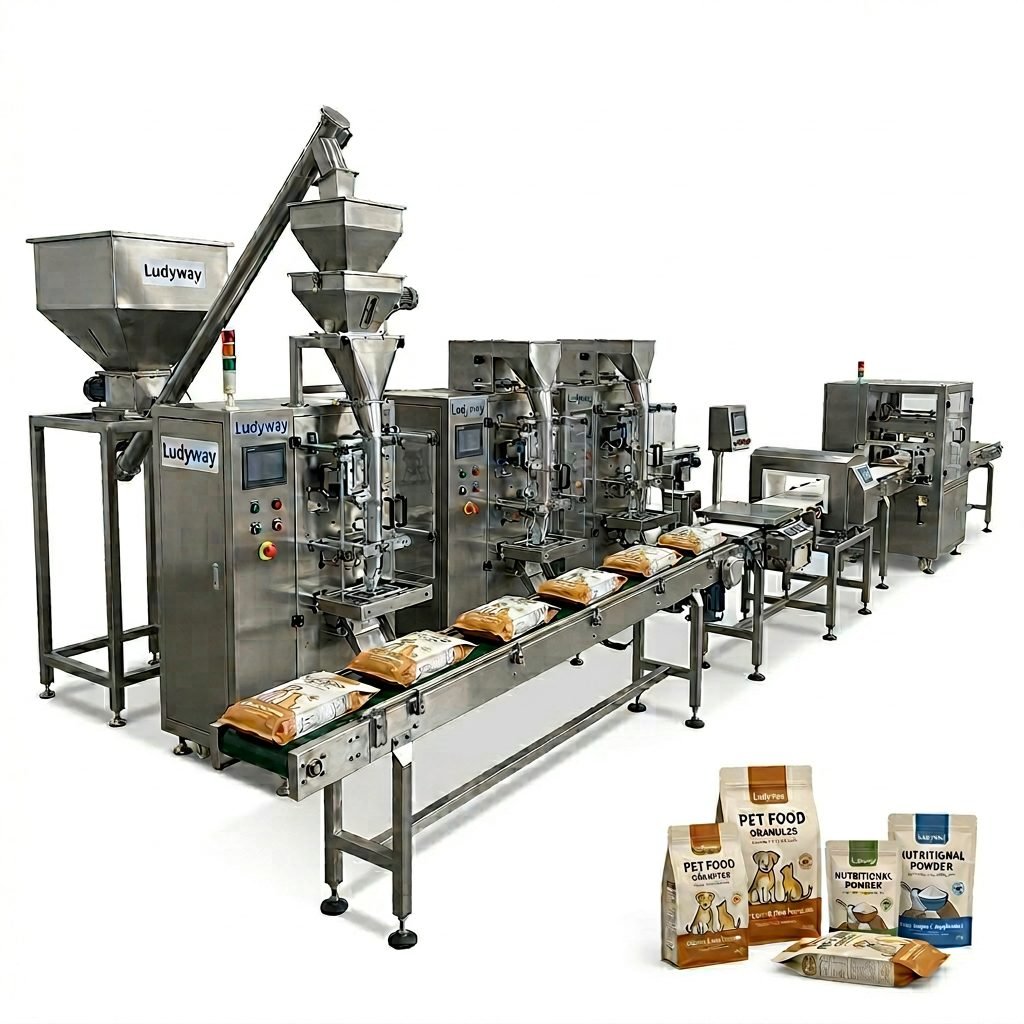
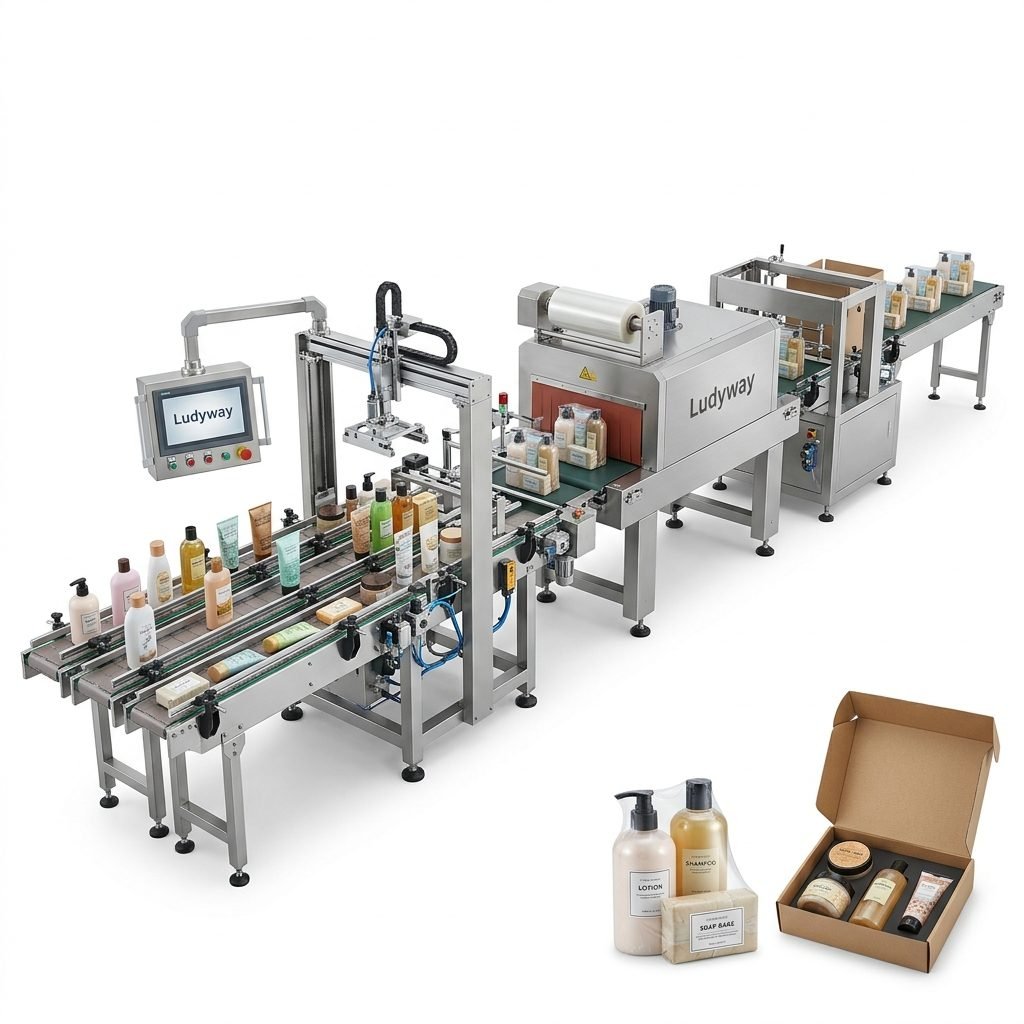
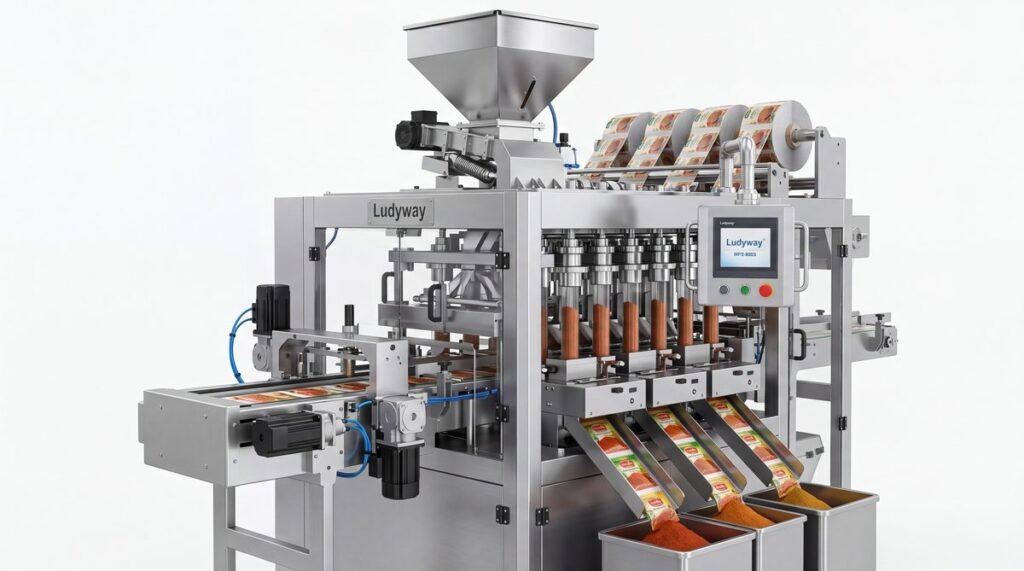
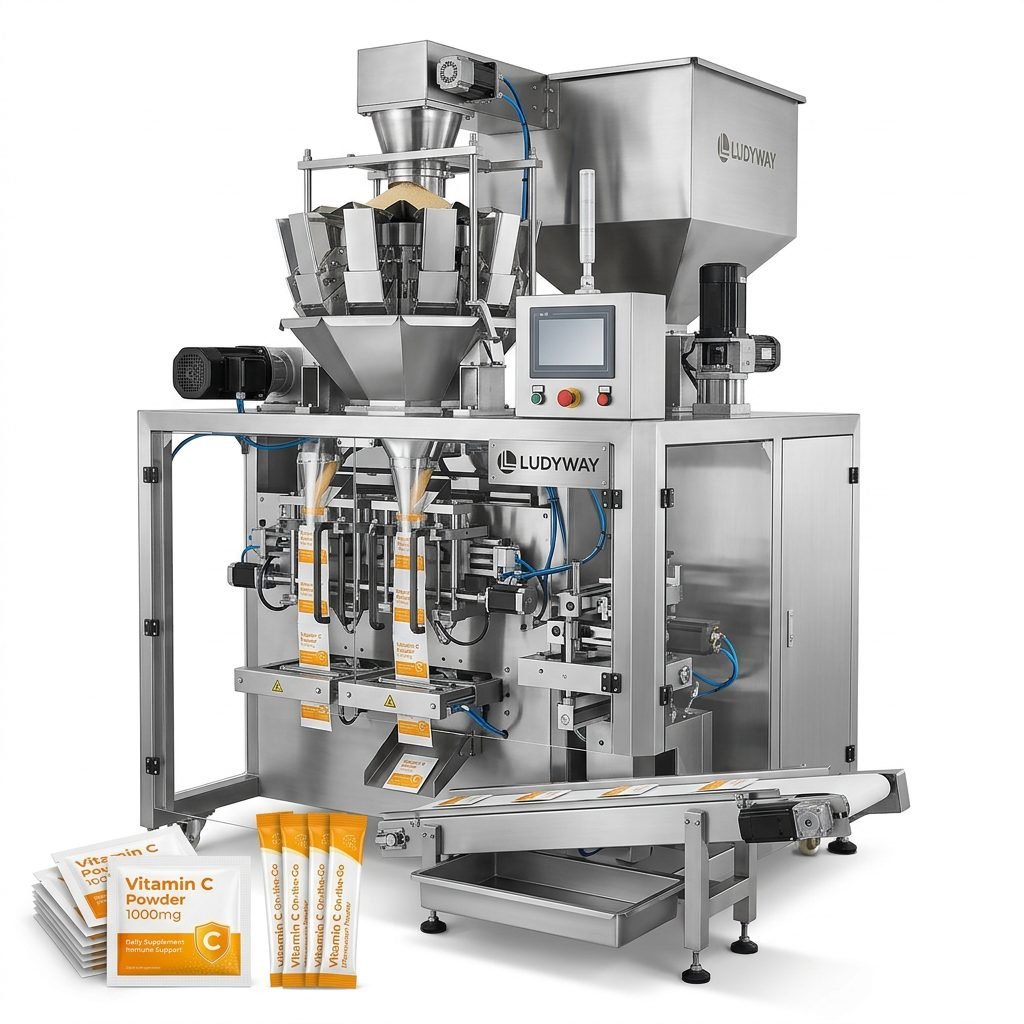
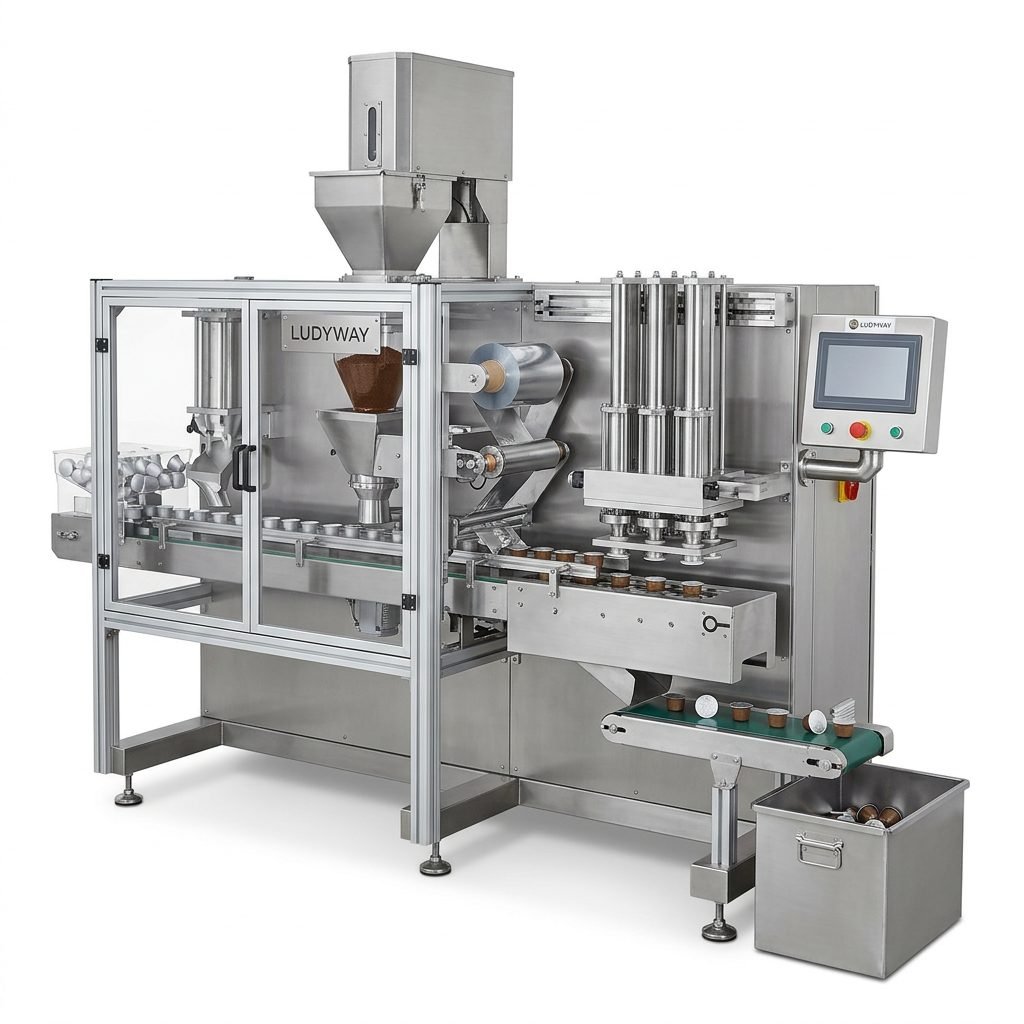
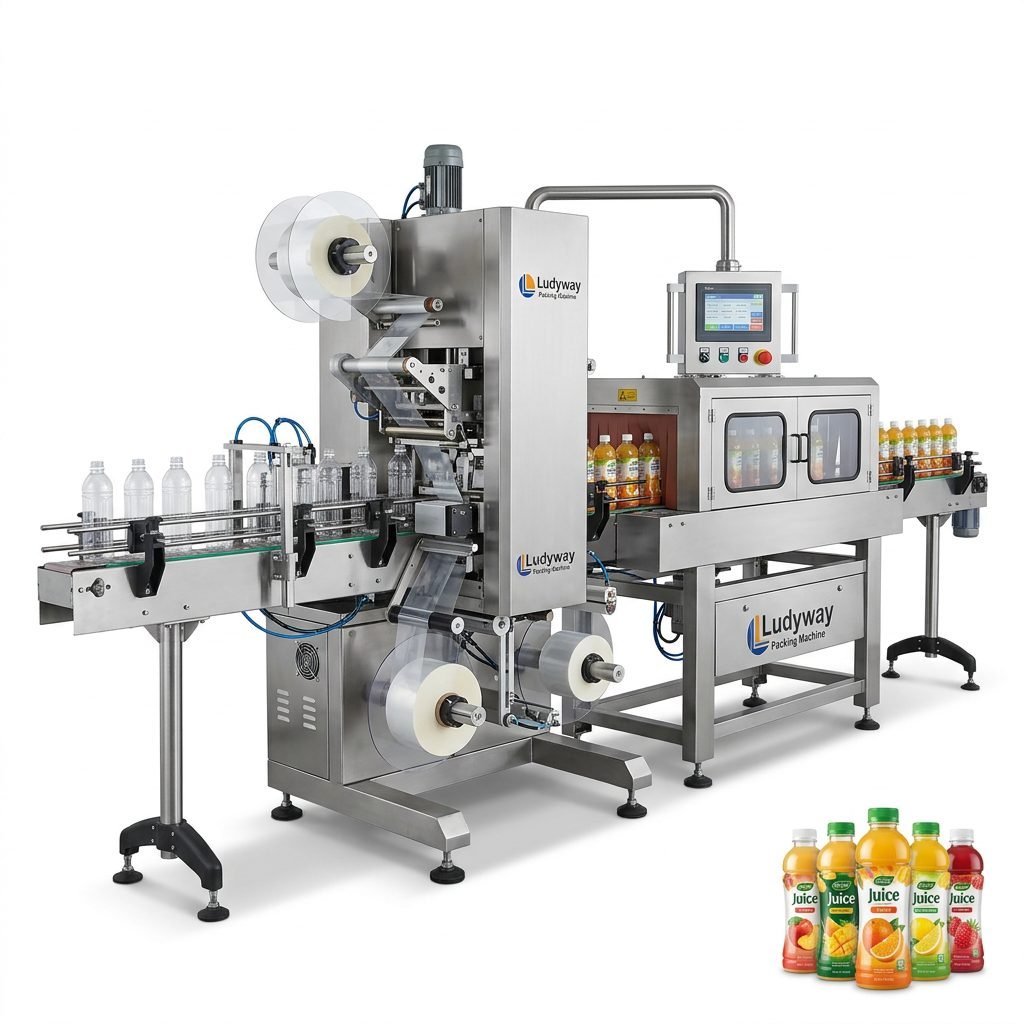
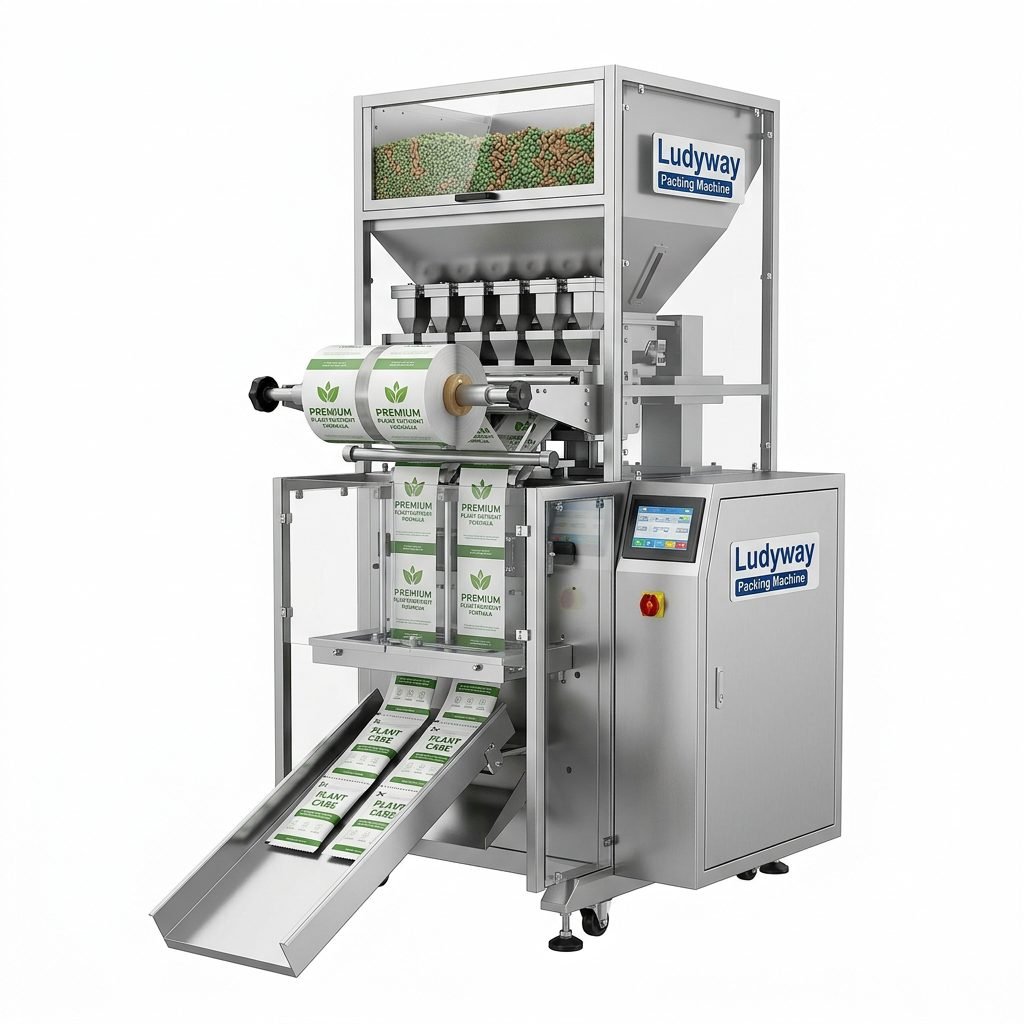
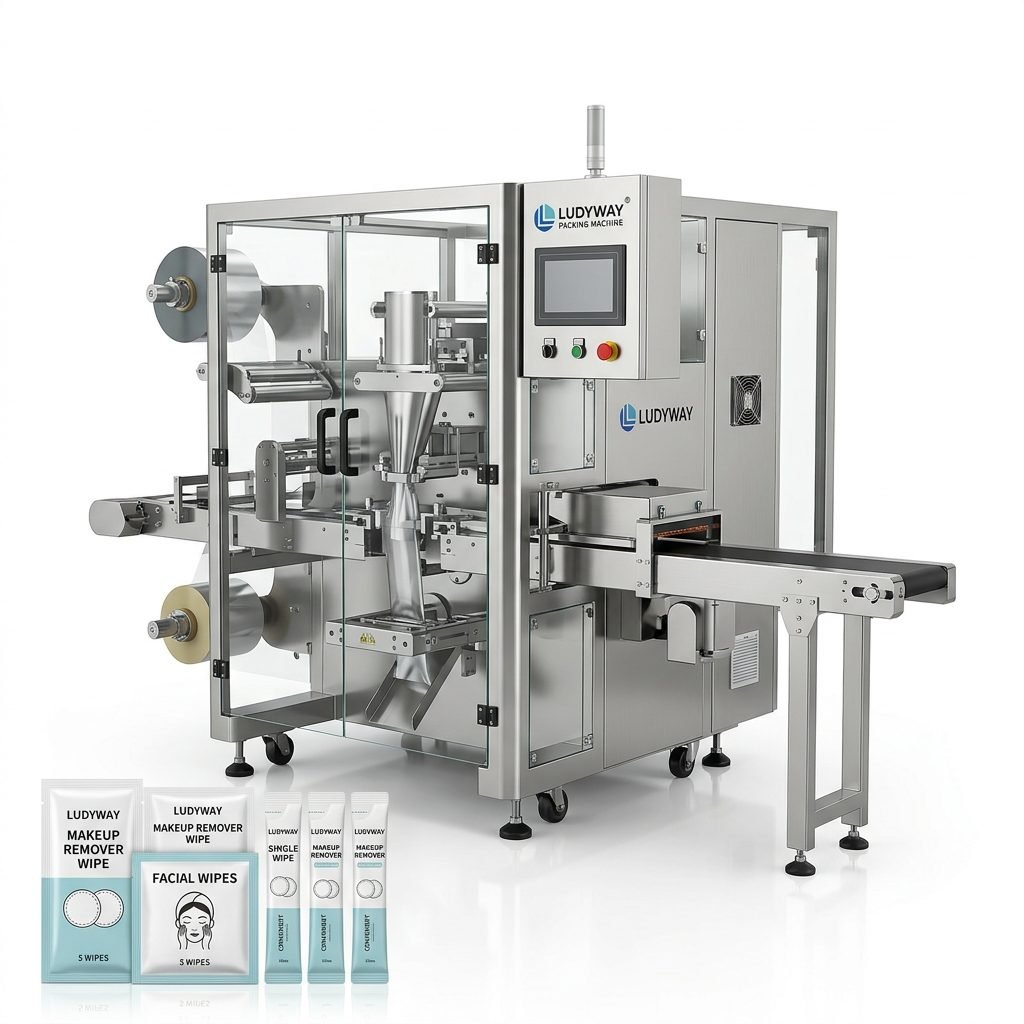
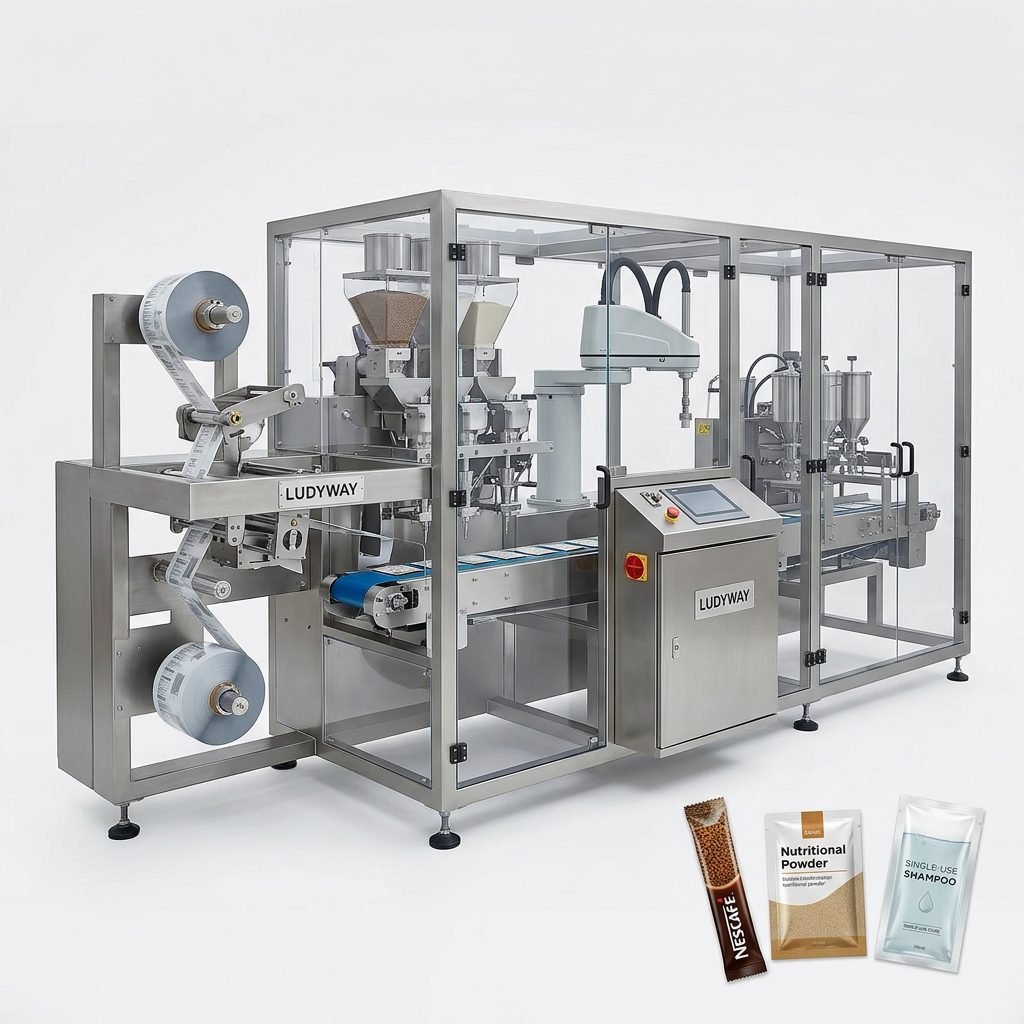
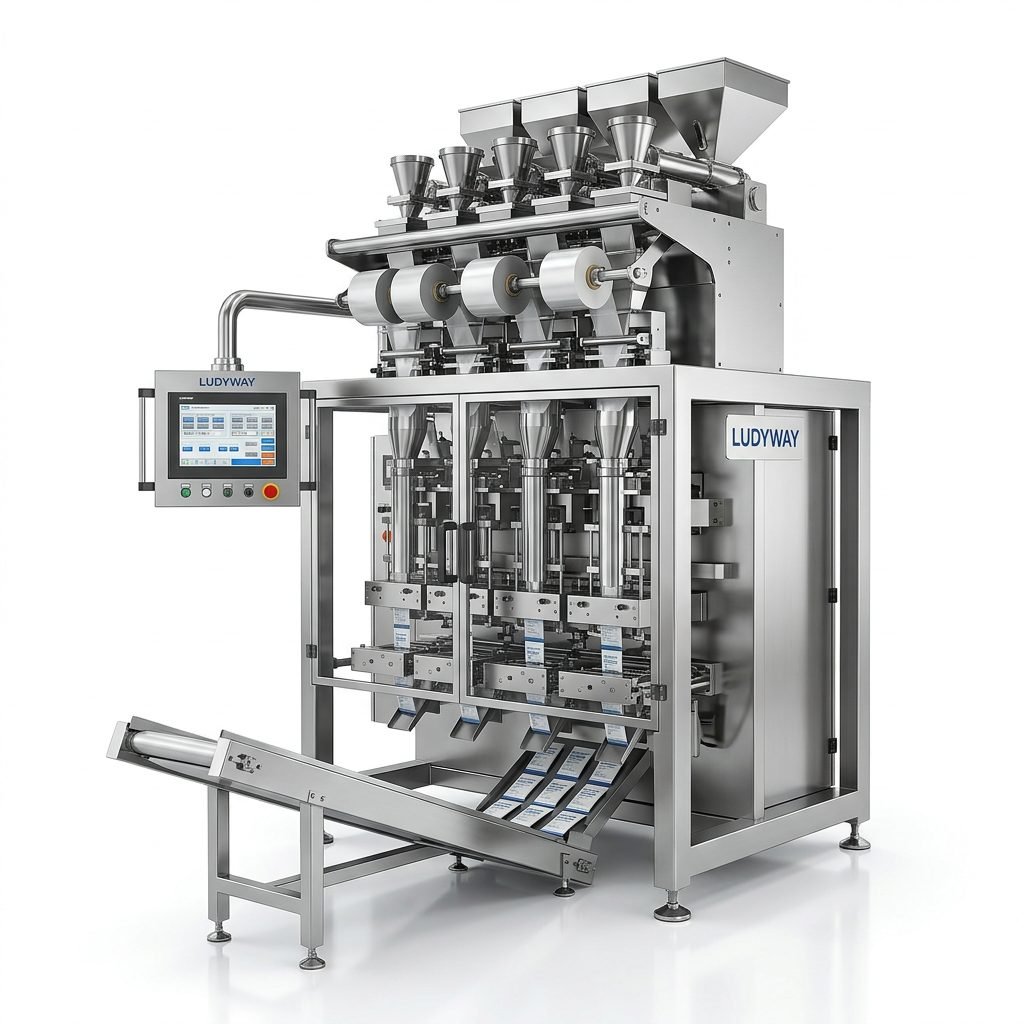
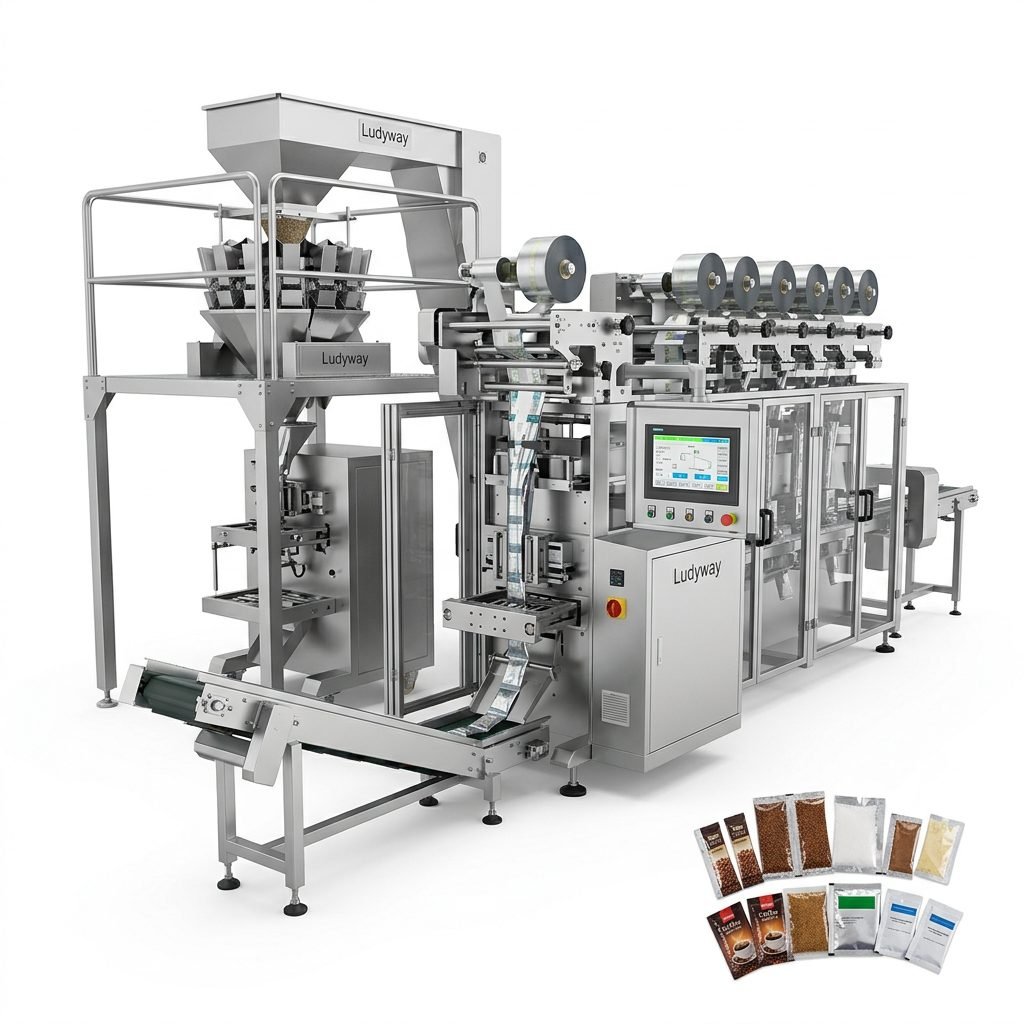
Regular maintenance of your SAMA packaging machine is the most effective way to maximize uptime, extend equipment life, and maintain consistent product quality. Whether you operate a multi-lane stick pack system or a high-speed sachet line, a structured maintenance routine prevents unexpected breakdowns and costly production halts. This guide covers the essential steps every operator and maintenance team should follow.
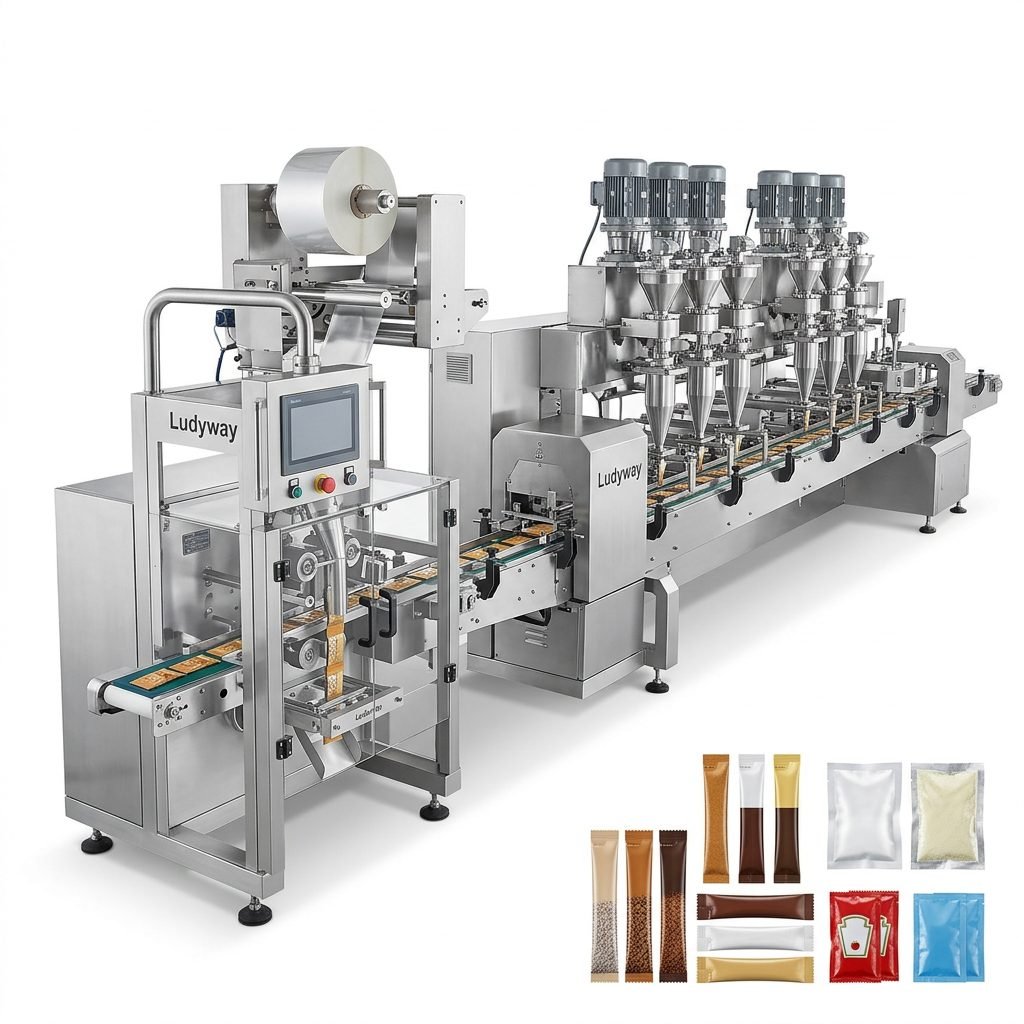
Why Preventive Maintenance Matters
Preventive maintenance is not just about fixing problems—it is about preventing them before they occur. A well-maintained packaging machine operates at peak efficiency, reduces material waste, and delivers consistent seal quality. Neglecting routine care can lead to misaligned sealing jaws, inaccurate filling, and even complete system failure. Investing time in daily and weekly checks pays for itself many times over in reduced downtime and repair costs.
Key Benefits of Consistent Maintenance
- Extended equipment lifespan – Regular lubrication and cleaning reduce wear on critical components
- Consistent package quality – Properly maintained machines produce uniform seals and accurate fills
- Fewer emergency repairs – Scheduled maintenance catches minor issues before they become major failures
- Improved operator safety – Well-maintained equipment operates more predictably and safely
- Higher resale value – Machines with documented maintenance histories retain greater market value
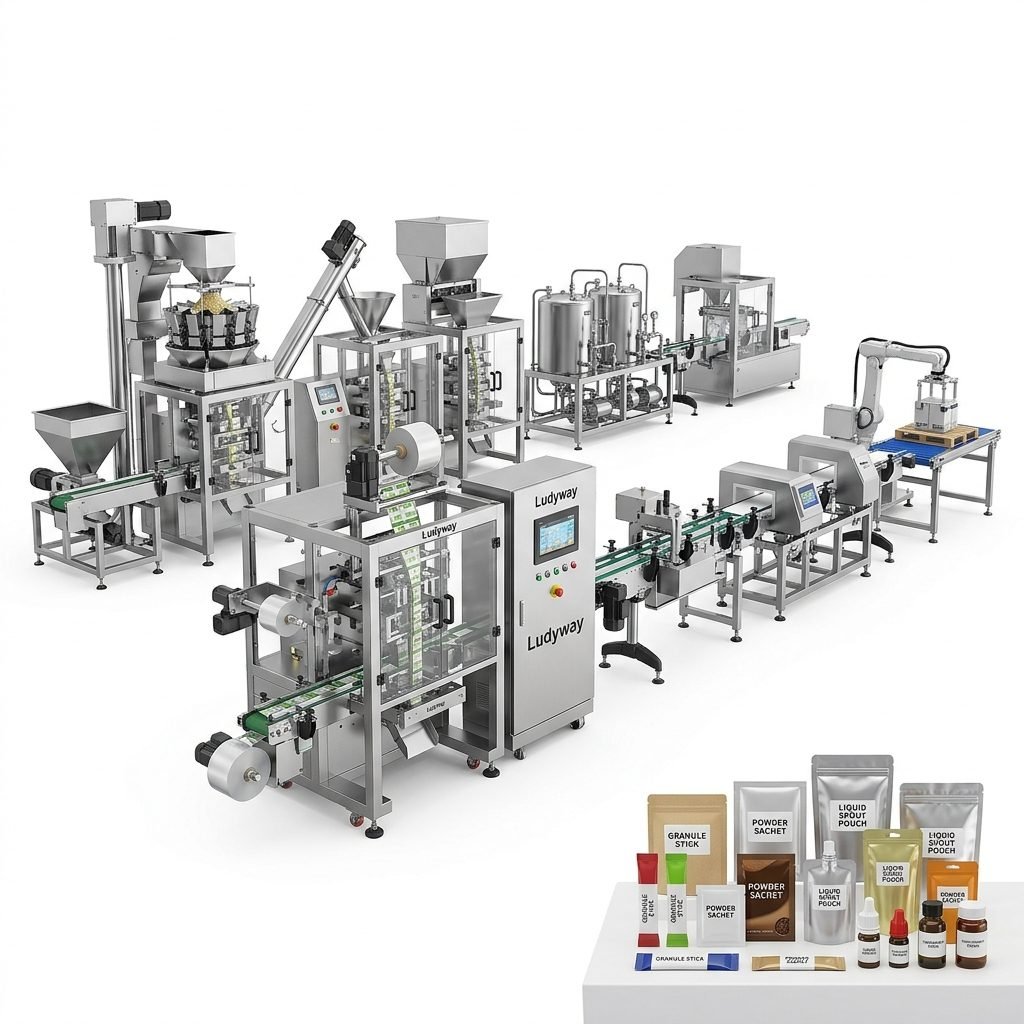
Daily Maintenance Checklist
Daily inspections are your first line of defense. Spending just 10 to 15 minutes at the start of each shift can identify potential issues before production begins. Here is what every operator should check:
Before Each Shift
- Clean all product contact surfaces – Remove any residual powder, granule, or liquid from the previous run to prevent cross-contamination
- Inspect sealing jaws and cutting blades – Look for signs of wear, misalignment, or product buildup that could compromise seal integrity
- Verify filling accuracy – Run a small batch test and weigh sample sachets to confirm dosing precision is within tolerance
- Check film tracking and tension – Ensure packaging film feeds smoothly without wrinkles, tears, or wandering
- Examine safety sensors and guards – Confirm all emergency stops and safety interlocks function correctly
- Clear dust and debris from electrical cabinets – Use compressed air to gently blow out accumulated dust from control panels
After Each Shift
- Record any unusual noises, vibrations, or performance issues in the maintenance log
- Wipe down external surfaces and remove any spilled product
- Verify that the next scheduled maintenance tasks are properly documented
- Power down the machine according to the manufacturer’s shutdown procedure
Weekly Maintenance Tasks
Weekly maintenance goes deeper, addressing components that wear gradually and require periodic attention. Set aside dedicated time each week for these critical tasks.
| Component | Task | Frequency | Priority |
|---|---|---|---|
| Sealing Jaws | Clean thoroughly, check Teflon coating for damage, verify temperature calibration | Weekly | High |
| Film Unwinding System | Lubricate bearings, inspect rollers for wear, check brake and tension control | Weekly | High |
| Filling Augers or Pumps | Disassemble, clean, and inspect for wear; recalibrate if necessary | Weekly | High |
| Cutting Mechanism | Sharpen or replace blades, verify cutting pressure and alignment | Weekly | Medium |
| Conveyor Belts | Check belt tension, alignment, and wear; clean belt surfaces | Weekly | Medium |
| Pneumatic System | Drain moisture from filters, check air pressure, inspect hoses and fittings | Weekly | Medium |
Monthly Maintenance and Inspections
Monthly maintenance focuses on components that degrade slowly but can cause significant problems if neglected. These tasks often require more time and technical expertise.
Critical Monthly Checks
- Inspect all drive belts and chains – Check tension, alignment, and signs of cracking or stretching; replace as needed
- Test temperature controllers and thermocouples – Verify that heating elements reach and maintain set temperatures accurately
- Examine electrical wiring and connections – Look for loose terminals, frayed wires, or signs of overheating
- Clean and calibrate weighing systems – Ensure load cells and weighing mechanisms provide accurate readings
- Inspect gearboxes and motors – Listen for abnormal noise, check oil levels, and verify smooth operation
- Review PLC program backups – Confirm that the latest machine parameters and programs are securely backed up
Quarterly Deep-Cleaning Protocol
Every three months, schedule a thorough deep-cleaning session. Disassemble major components, clean hard-to-reach areas, and inspect internal mechanisms that are normally inaccessible. This is also the ideal time to replace consumable parts such as O-rings, gaskets, and filter elements before they fail.
Common Issues and Troubleshooting Guide
Even with diligent maintenance, packaging machines occasionally experience issues. Knowing how to quickly diagnose and resolve common problems keeps production running smoothly. Below is a reference guide for frequent challenges.
| Problem | Possible Cause | Solution | Urgency |
|---|---|---|---|
| Leaking or weak seals | Incorrect temperature, worn Teflon, misaligned jaws, or dirty sealing surface | Recalibrate temperature, clean or replace Teflon, realign jaws | Immediate |
| Inconsistent fill weights | Worn auger, product bridging, calibration drift, or air in the filling system | Inspect and replace auger, adjust hopper agitation, recalibrate | Immediate |
| Film tracking problems | Misaligned rollers, uneven tension, worn bearings, or incorrect film specifications | Realign rollers, adjust tension settings, replace worn bearings | Same Day |
| Unusual noise or vibration | Loose fasteners, worn bearings, unbalanced rotating parts, or insufficient lubrication | Tighten all fasteners, lubricate bearings, inspect rotating assemblies | Same Day |
| Machine stops intermittently | Faulty sensors, loose electrical connections, or PLC errors | Check sensor alignment, tighten connections, review error logs | Immediate |
Lubrication Guidelines for Packaging Machines
Proper lubrication is the lifeblood of any packaging machine. Using the correct lubricant in the right quantity at the right interval significantly reduces mechanical wear. Always consult your machine’s technical manual for specific lubrication points and recommended products.
Lubrication Best Practices
- Use food-grade lubricants for any lubrication points near product contact areas, especially in food and pharmaceutical applications
- Follow the manufacturer’s recommended lubrication schedule—over-lubricating can be as harmful as under-lubricating
- Clean grease fittings before applying fresh grease to prevent contamination
- Document all lubrication activities in the maintenance log for traceability
- Inspect lubrication points weekly for signs of leakage or insufficient coverage
Electrical System Maintenance
The electrical and control systems of a SAMA packaging machine require careful attention. Dust, moisture, and vibration are the primary enemies of electronic components. A proactive approach to electrical maintenance prevents unexpected control failures and extends the life of sensitive electronic parts.
Electrical Maintenance Checklist
- Keep control cabinets tightly sealed and ensure cooling fans operate correctly
- Regularly replace or clean air filters on electrical enclosures
- Check for loose terminal connections—vibration can gradually loosen wiring
- Verify that all grounding connections are secure and free of corrosion
- Test backup batteries on PLC units and replace according to the manufacturer’s schedule
- Keep spare fuses, relays, and commonly replaced electronic components in stock
Sealing System Care and Optimization
The sealing system is arguably the most critical subsystem in any stick pack or sachet packaging machine. A compromised seal leads to product leakage, contamination, and customer complaints. Dedicate significant attention to sealing jaw maintenance and temperature control calibration.
Sealing Jaw Maintenance Steps
- Remove sealing jaws weekly for thorough cleaning with appropriate solvents
- Inspect Teflon or protective coatings for scratches, peeling, or excessive wear
- Check jaw parallelism using feeler gauges—misalignment causes uneven seals
- Verify heating element resistance values match the manufacturer’s specifications
- Replace worn components proactively rather than waiting for seal failures
Spare Parts Management Strategy
An effective spare parts program is essential for minimizing downtime. Waiting for replacement parts to arrive after a breakdown can halt production for days or weeks. Smart operators maintain an inventory of critical consumables and wear parts on-site.
| Part Category | Examples | Recommended Stock Level | Replacement Trigger |
|---|---|---|---|
| Consumables | Teflon tape, O-rings, gaskets, filters, cutting blades | 3–6 months supply | Visual inspection or scheduled interval |
| Wear Parts | Sealing jaws, augers, bearings, belts, heating elements | At least 1 complete set | Performance degradation or scheduled replacement |
| Critical Components | PLC modules, servo motors, sensors, temperature controllers | Identify supplier lead times; stock if long | Failure or preventive replacement |
| General Spares | Fuses, relays, connectors, fasteners, pneumatic fittings | Assorted kit on hand | As needed during troubleshooting |
Documentation and Record Keeping
Thorough maintenance documentation serves multiple purposes. It provides a historical record of machine performance, helps identify recurring issues, demonstrates compliance for regulated industries, and supports warranty claims. Every maintenance action, no matter how minor, should be documented.
What to Record
- Date, time, and duration of each maintenance activity
- Personnel involved in the maintenance task
- Parts replaced, including part numbers and quantities
- Observations about component condition and any anomalies
- Before-and-after performance metrics where applicable
- Any adjustments made to machine parameters or settings
A digital maintenance management system offers advantages over paper logs, including automated reminders, trend analysis, and easy sharing with industry-standard maintenance resources. Regardless of the system used, consistency in documentation is what matters most.
Operator Training and Maintenance Culture
Even the best maintenance procedures fail without properly trained operators. Building a maintenance-conscious culture starts with comprehensive training and ongoing education. Operators who understand how their machines work are far more likely to notice early warning signs and perform basic maintenance correctly.
Training Essentials
- Provide hands-on training for all operators on daily maintenance procedures
- Create clear, illustrated standard operating procedures (SOPs) for each maintenance task
- Encourage operators to report unusual observations without fear of blame
- Schedule periodic refresher training sessions to reinforce best practices
- Cross-train multiple team members on each machine to ensure coverage
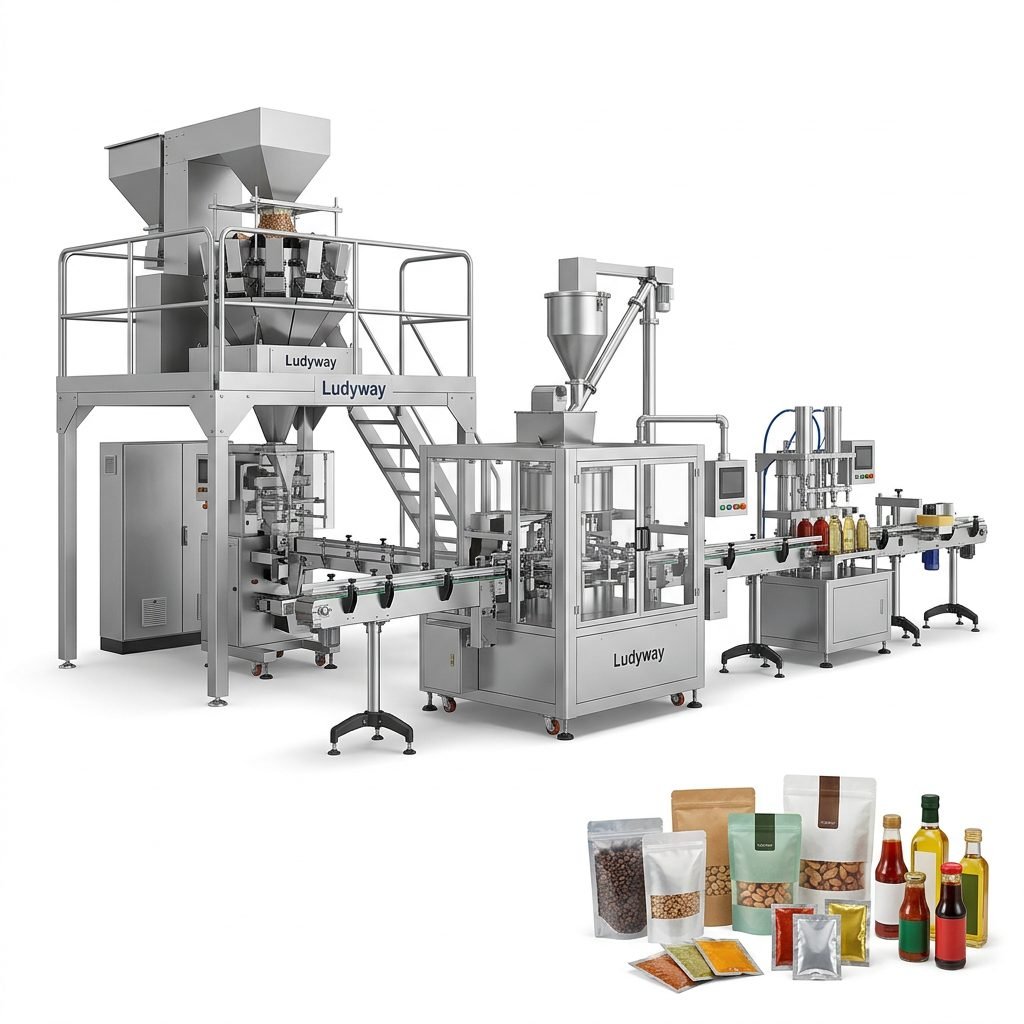
For companies seeking professional-grade packaging equipment backed by comprehensive support, manufacturers like Ludyway provide detailed maintenance documentation and technical assistance with their packaging machine solutions, helping operators maintain peak performance across their entire production line.
Annual Professional Servicing
While daily, weekly, and monthly maintenance can be handled by trained in-house staff, an annual professional service by a qualified technician is highly recommended. Professional servicing includes advanced diagnostics, calibration verification, and component replacement that may be beyond the scope of routine maintenance.
What Professional Service Includes
- Complete machine disassembly, cleaning, and inspection of all components
- Precision calibration of temperature controllers, load cells, and servo systems
- Replacement of all wear components as a preventive measure
- PLC and HMI software updates and full system backup
- Comprehensive performance testing with production-speed trials
- Detailed service report with recommendations for the upcoming year
Engaging a professional service provider also ensures your machine remains compliant with evolving ISO packaging standards and industry regulations, which is especially important for food and pharmaceutical packaging operations.
Conclusion: Building a Sustainable Maintenance Program
Maintaining a SAMA packaging machine is an ongoing commitment, not a one-time effort. The most successful operations integrate maintenance into their daily routines, empower operators with knowledge, maintain adequate spare parts inventory, and partner with reliable equipment suppliers for long-term support. By following the guidelines outlined in this article, you can maximize your packaging machine’s productivity, reduce total cost of ownership, and consistently deliver high-quality packaged products to your customers.
Remember: a well-maintained machine is a profitable machine. The time and resources invested in preventive maintenance return themselves many times over through increased uptime, reduced waste, and extended equipment life. Start implementing these essential maintenance tips today and build a culture of proactive equipment care in your organization.
For additional guidance, consult resources from organizations such as the PMMI packaging industry association and the Flexible Packaging Association, which offer valuable insights into packaging machinery standards and best practices.