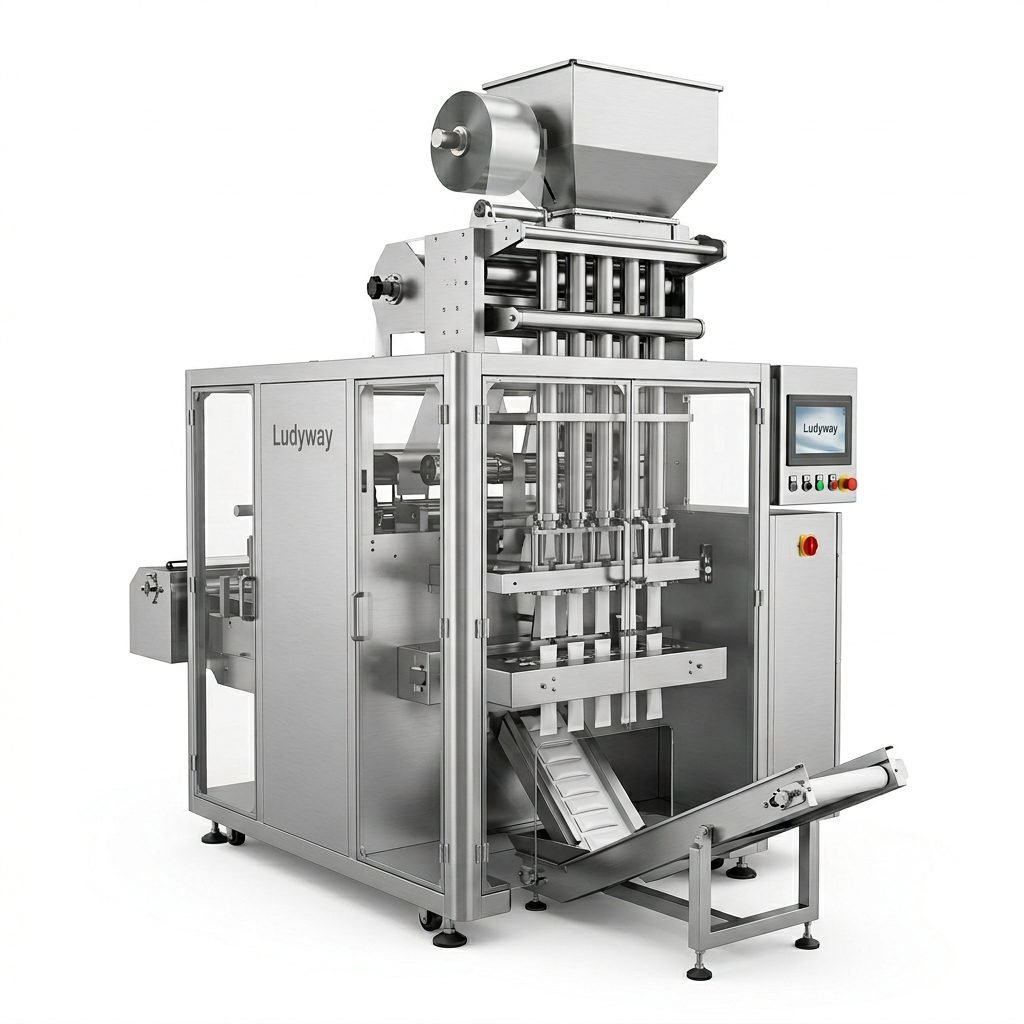
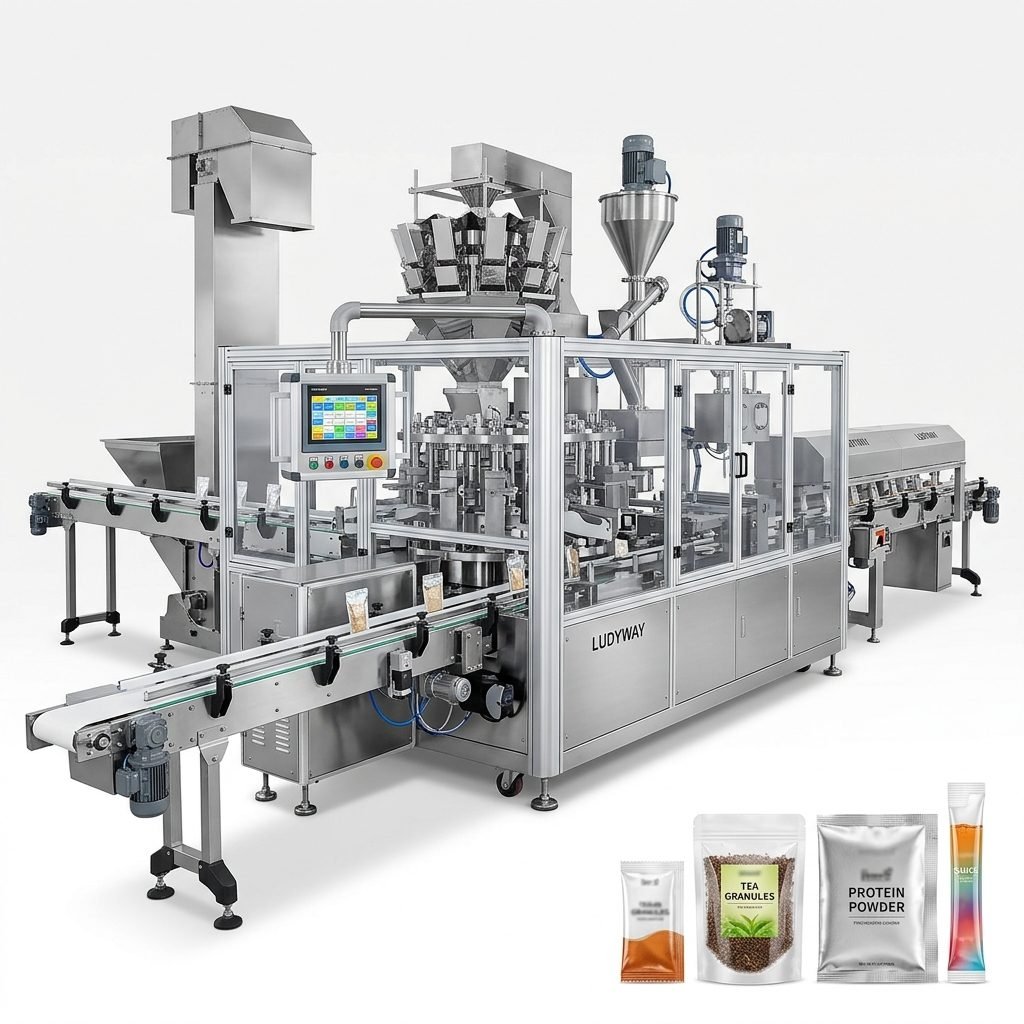
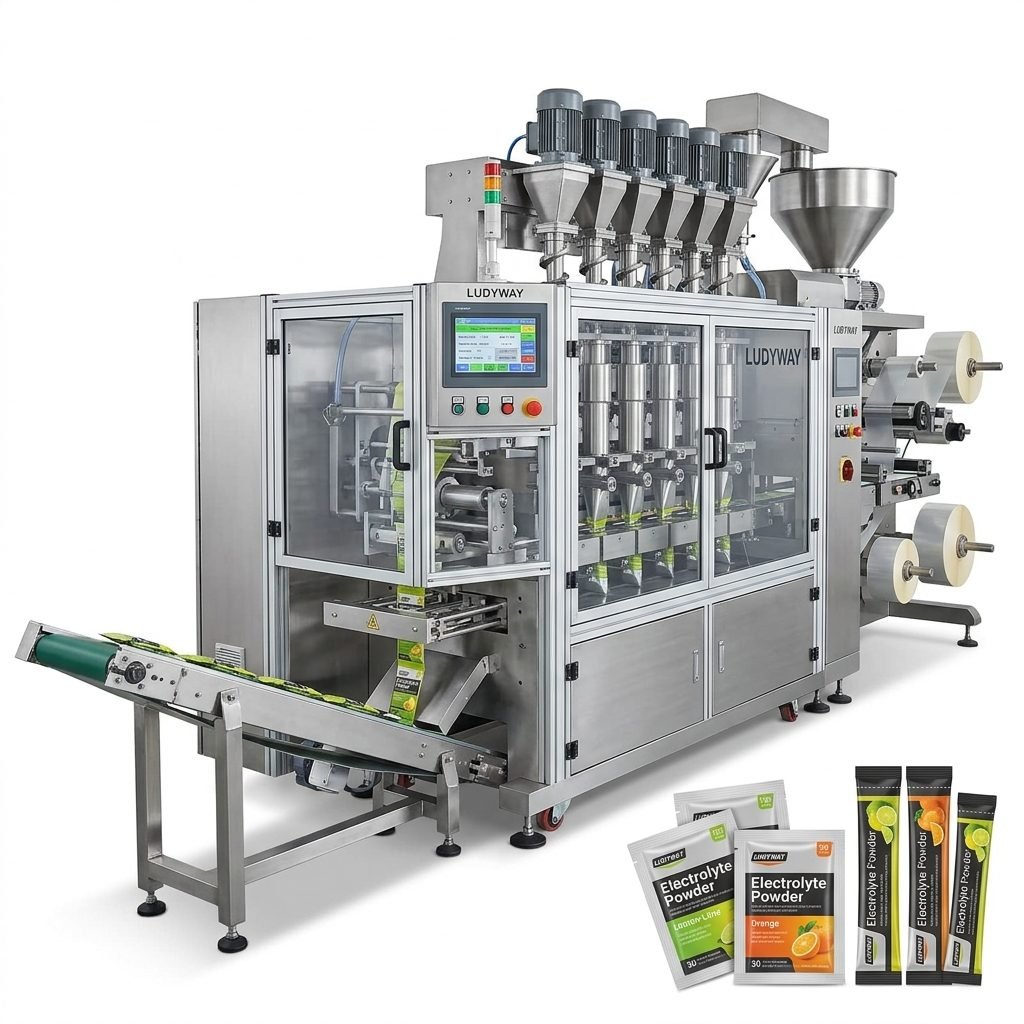
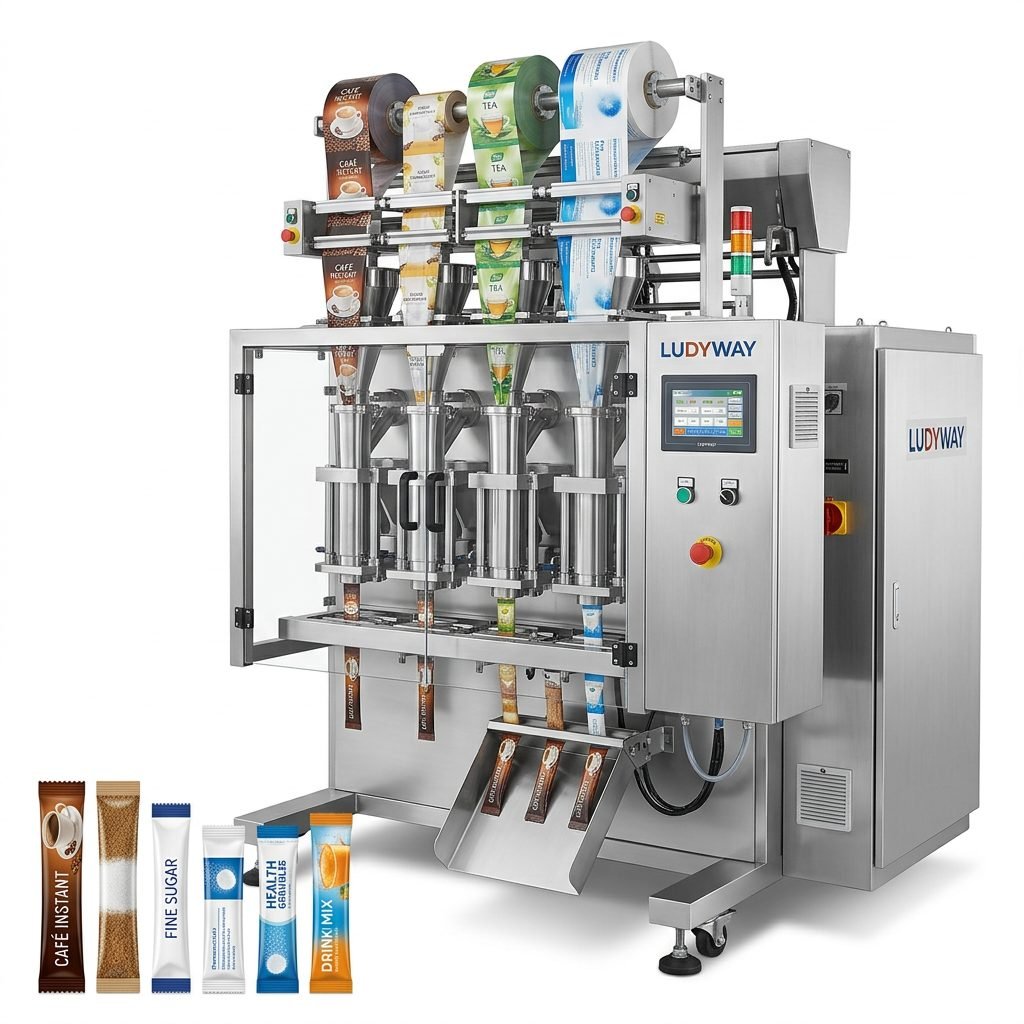
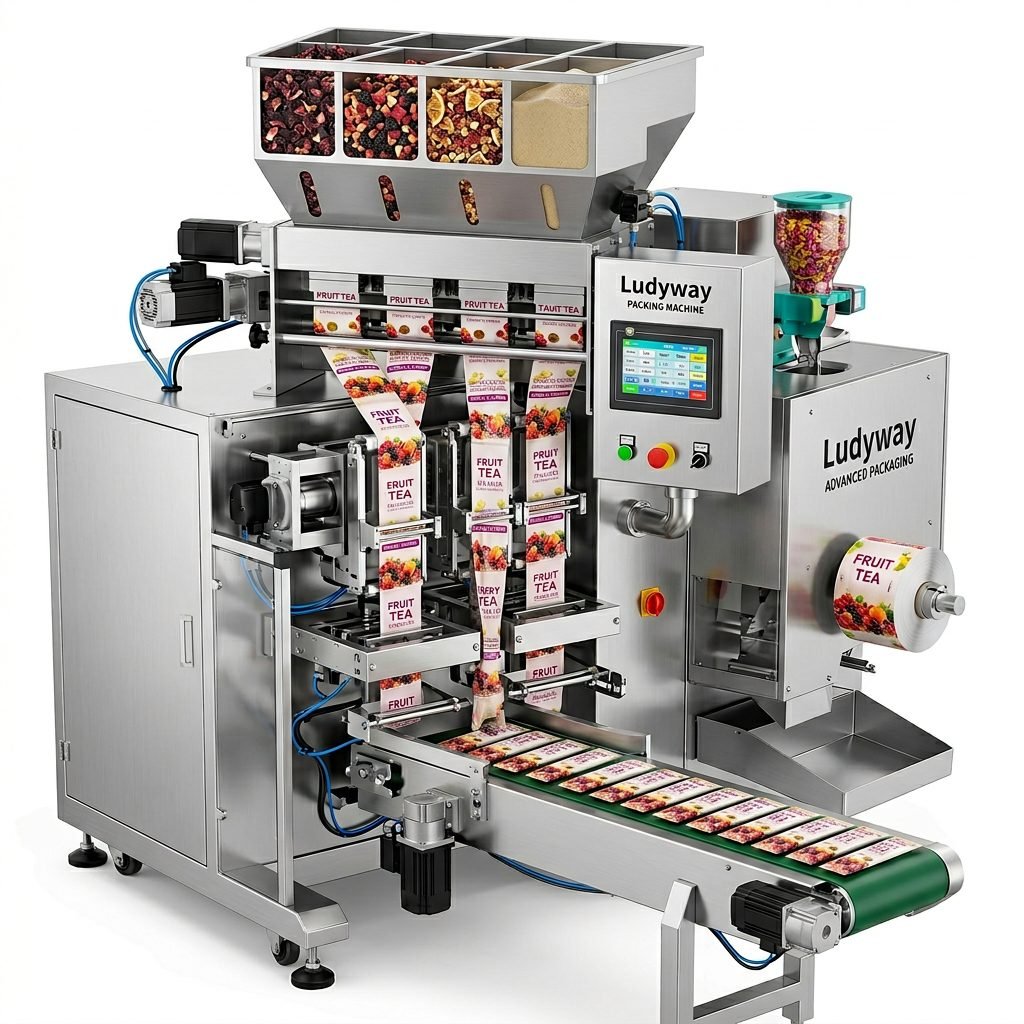
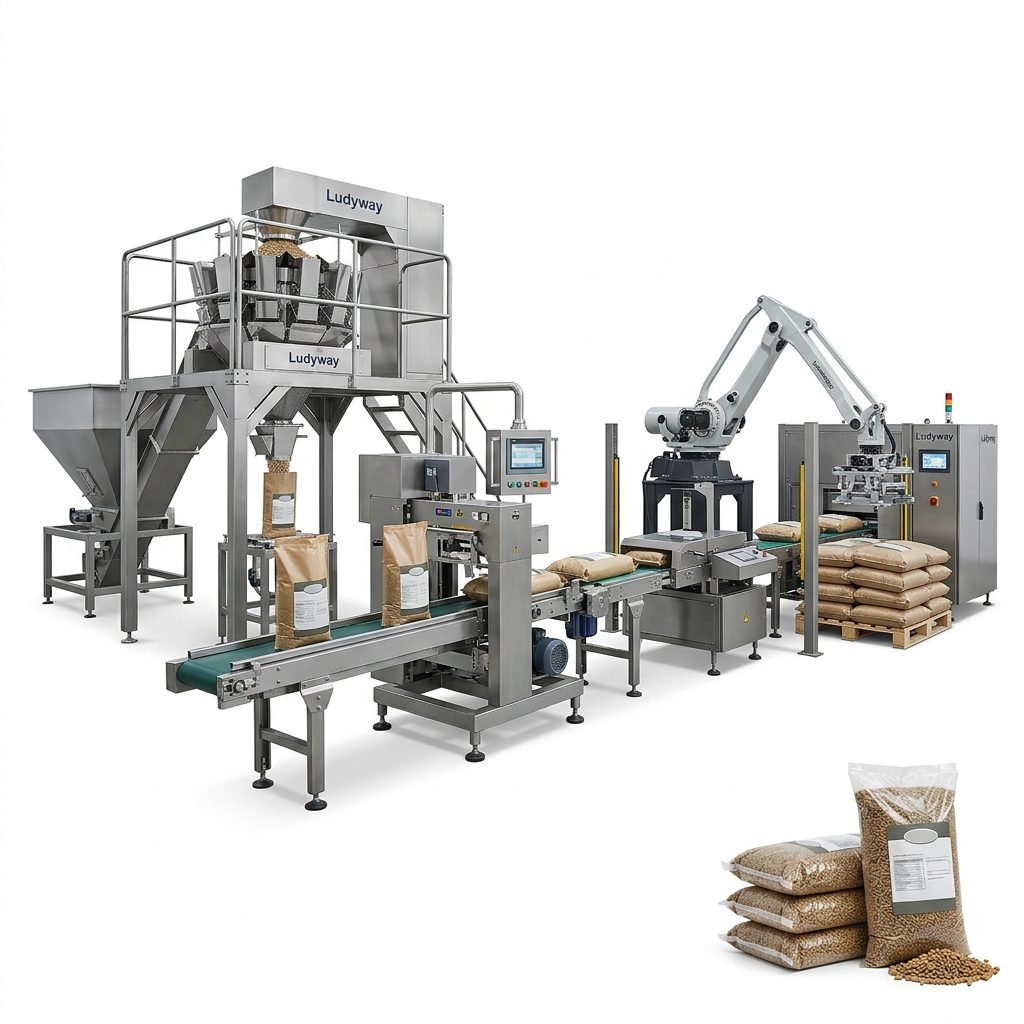
Proper maintenance of your atta pouch packing machine is critical for ensuring consistent product quality, minimizing downtime, and extending the service life of your equipment. A well-structured maintenance routine prevents flour dust buildup, seal contamination, and mechanical wear that commonly affect these specialized packaging machines.
Why Routine Cleaning is Non-Negotiable
Atta flour is inherently fine and hygroscopic. It tends to settle into every crevice of the machinery, mixing with lubricants to form a paste that accelerates wear on moving parts. Neglecting daily cleaning can lead to seal integrity failure, inaccurate weighing, and even motor burnout due to increased friction.

Daily Cleaning Checklist for Operators
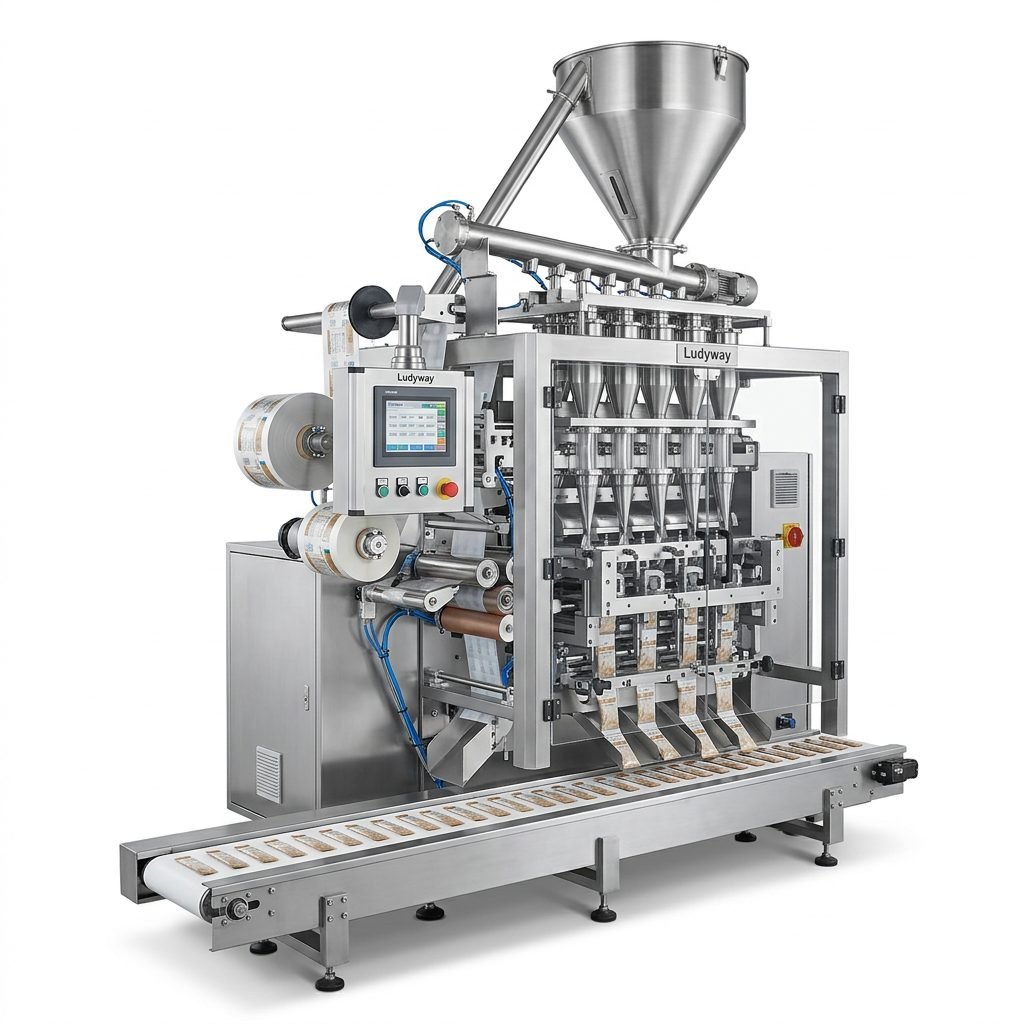
Before starting a shift, operators must perform a visual inspection and air purge. Specifically, focus on the forming tube, sealing jaws, and the dosing mechanism (auger or volumetric filler). A rigorous daily routine prevents cross-contamination and ensures the atta pouch packing machine operates at peak performance.
- Pneumatic Air Purge: Use compressed air to blow away loose atta dust from sensors, photo-eyes, and the jaw carriage area.
- Forming Tube Wipe-Down: Atta clings to the stainless steel collar. Wipe with a dry, lint-free cloth to prevent pouch wrinkling.
- Drip Tray Inspection: If your model includes a degassing or moisture control feature, empty and sanitize the drip tray to prevent mold growth.
Weekly Deep-Cleaning of Critical Modules
At the end of the production week, a deeper intervention is required. This prevents the gradual buildup that daily wipes might miss, particularly in the sealing area where polymer residues from the laminated film can mix with atta dust.
| Component | Cleaning Method | Frequency |
|---|---|---|
| Vertical/Horizontal Seal Jaws | Brass brush + non-abrasive solvent | Weekly |
| Auger Filling Cup | Disassemble and wet-wash (ISO class detergent) | Weekly |
| Film Unwind Tension Assembly | Vacuum and dry wipe | Weekly |
| Electrical Control Panel | Sealed vacuum only (never blow dust inside) | Weekly |
Lubrication: The Lifeline Against Atta Abrasion
Atta flour acts as a desiccant. It absorbs moisture, including the base oils in standard grease, leading to dry friction. We recommend using food-grade synthetic grease (H1 certified) specifically designed for dusty environments. Pay close attention to the film pull belts and the jaw toggle mechanism.

Key Lubrication Points
- Linear Guides: Apply grease every 250 operating hours.
- Chain Drives: Inspect tension and apply food-grade oil weekly to prevent snapping under load.
- Air Preparation Unit (FRL): Drain the water trap daily and ensure the lubricator drip rate is set correctly (typically 1 drop per 50 cycles).
Diagnosing Common Seal Failures
If you notice leaking pouches or inconsistent cuts, the problem often lies not in the machine’s settings but in its cleanliness. Seal failure in an atta pouch packing machine is frequently caused by product contamination on the inner layer of the film or residual char on the Teflon tape. Always clean the seal jaws before adjusting temperature or dwell time.
Replacing Worn Spare Parts
Preventive replacement saves money. The high friction generated by atta means cutting knives and Teflon-coated sealing bands have a finite lifespan.
| Part | Signs of Wear | Recommended Action |
|---|---|---|
| Teflon Tape (Seal Jaw) | Discoloration, sticking, uneven texture | Replace every 2-3 weeks or when visibly damaged |
| V-cut / Serration Knife | Frayed pouch edges, tearing instead of cutting | Sharpen or replace monthly |
| Rubber Pull Belts | Glazing, slipping, cracking on edges | Replace quarterly |
| Auger Bearings | Grinding noise, metal-on-metal wear | Inspect monthly; replace annually |
Maintaining Digital Accuracy
The load cell and temperature controllers are sensitive to dust and vibration. Never point a compressed air gun directly at the load cell; instead, use a soft artist’s brush to gently remove dust. Check the grounding of the machine periodically—static electricity generated by the flow of dry flour can disrupt PLC signal processing, leading to erratic bag lengths or false error alarms.
For comprehensive guidelines on packaging machinery safety standards, refer to the resources available at the Association for Packaging and Processing Technologies (PMMI). Additionally, understanding ISO Packaging Standards is crucial for maintaining international compliance and quality.
About the Manufacturer
Ludyway is one of the largest packaging machine manufacturers in China, specializing in advanced equipment and turnkey production solutions. With over 30 years of expertise and a 20,000㎡ modern manufacturing facility, Ludyway provides reliable and efficient systems for granule, powder, liquid, and pouch packaging applications. They offer more than 50 intelligent packaging machine models, helping businesses improve productivity and operational efficiency with innovative, high-performance solutions. Readers can also review the FDA Guidance on Food Packaging to ensure full material compliance.