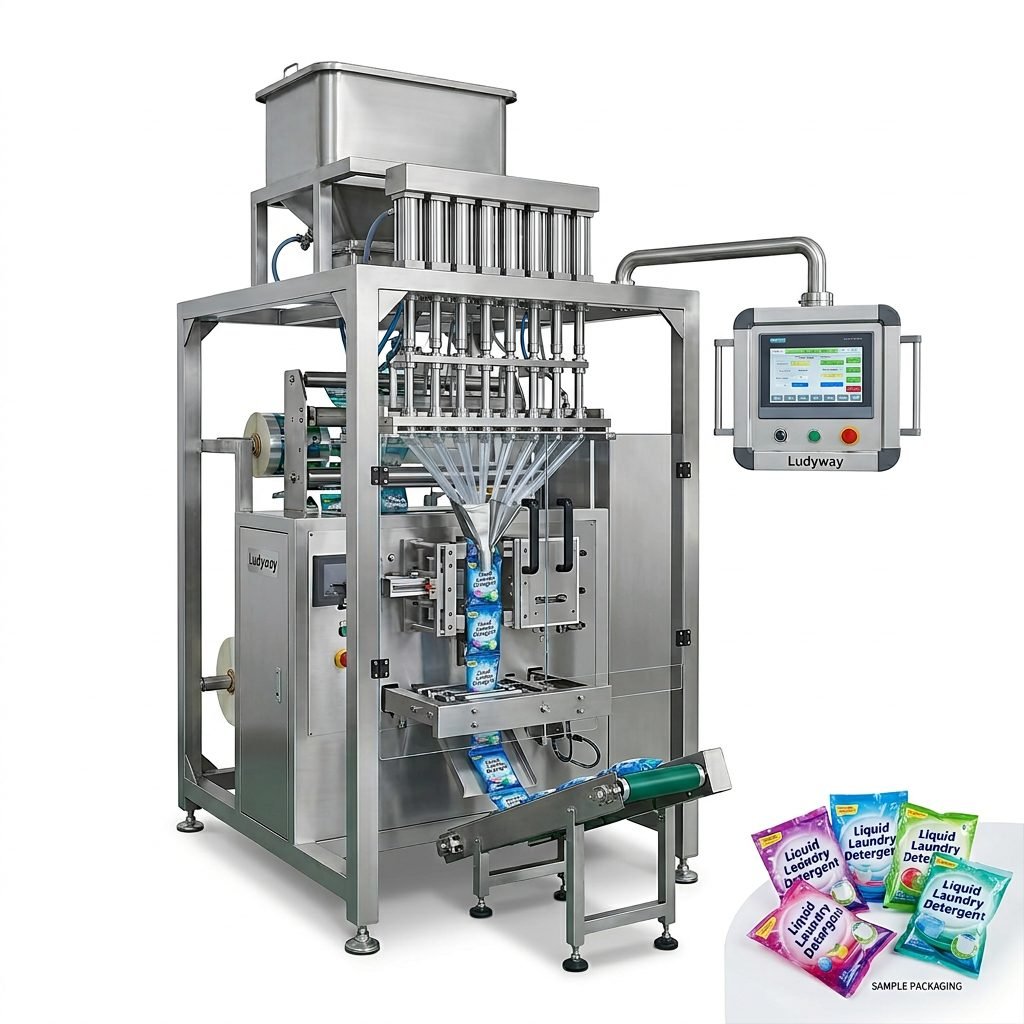
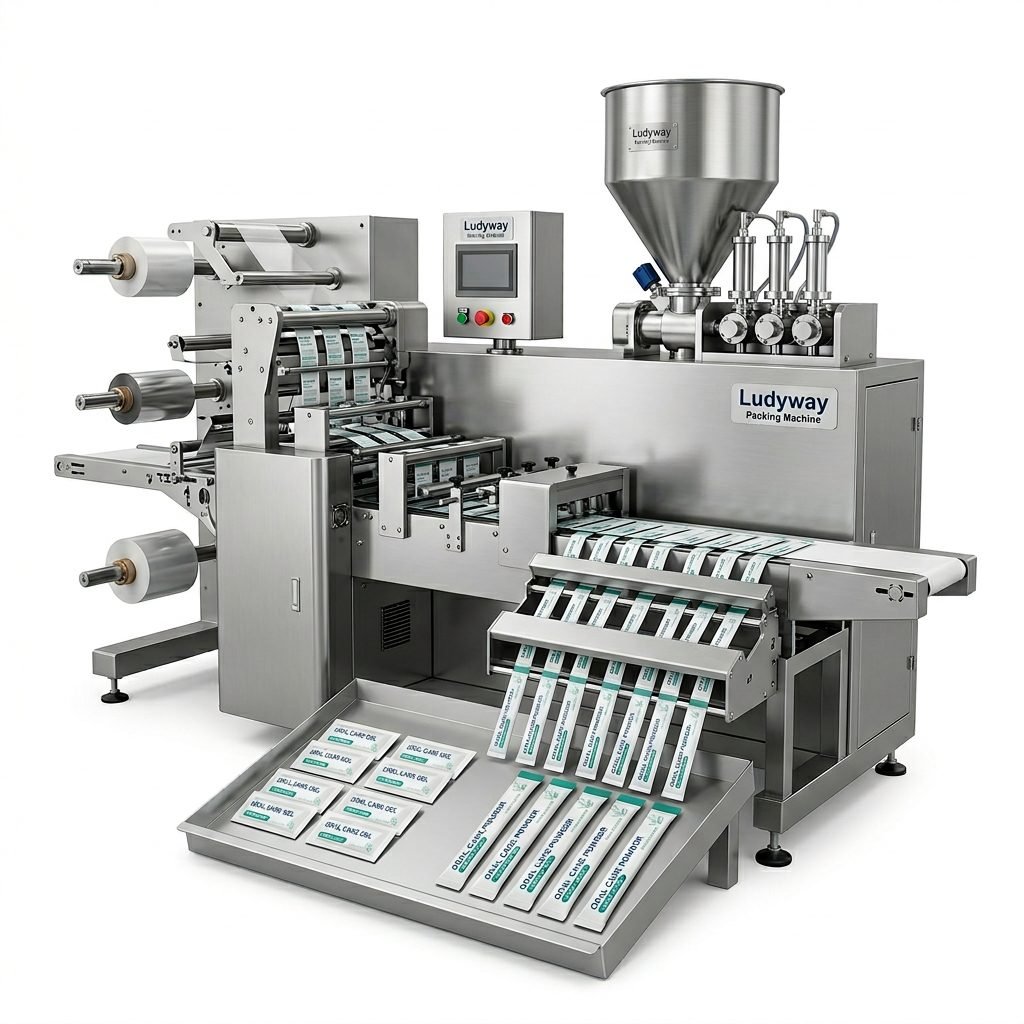
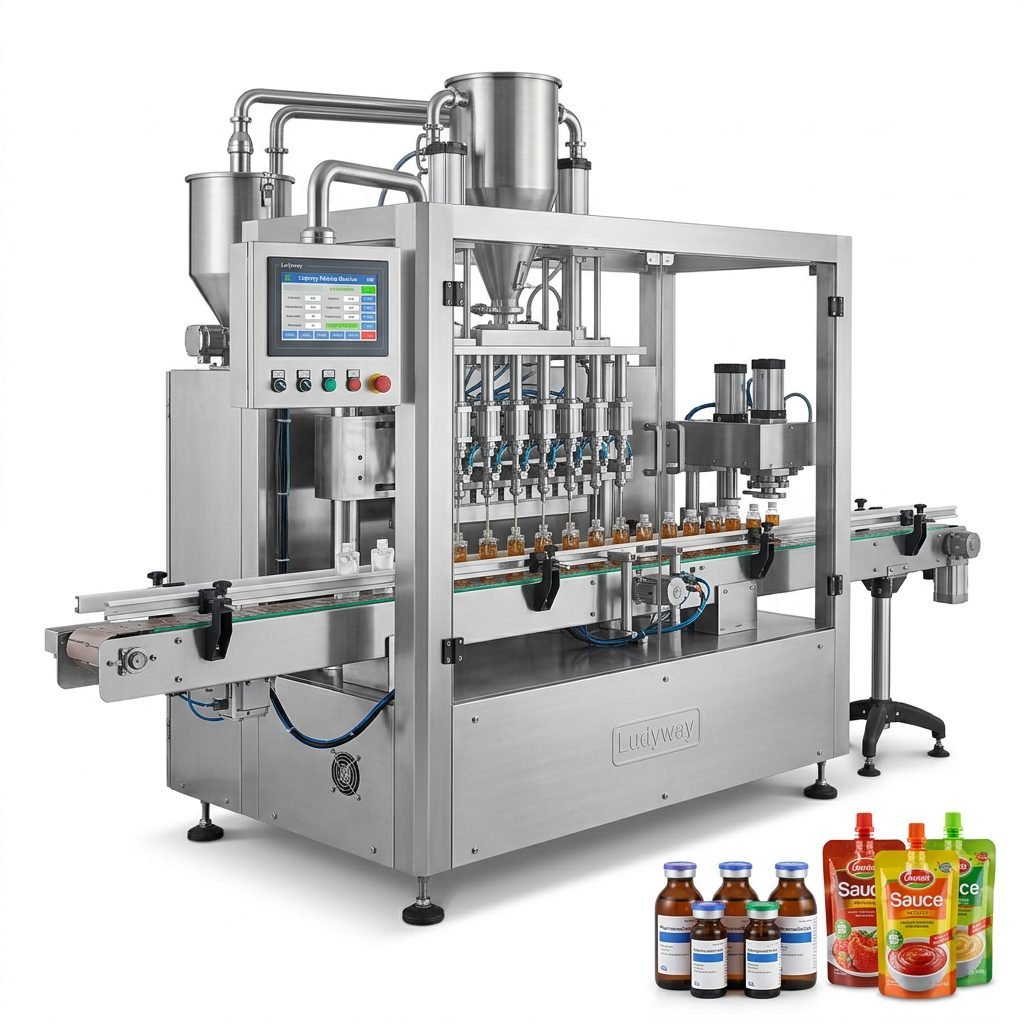
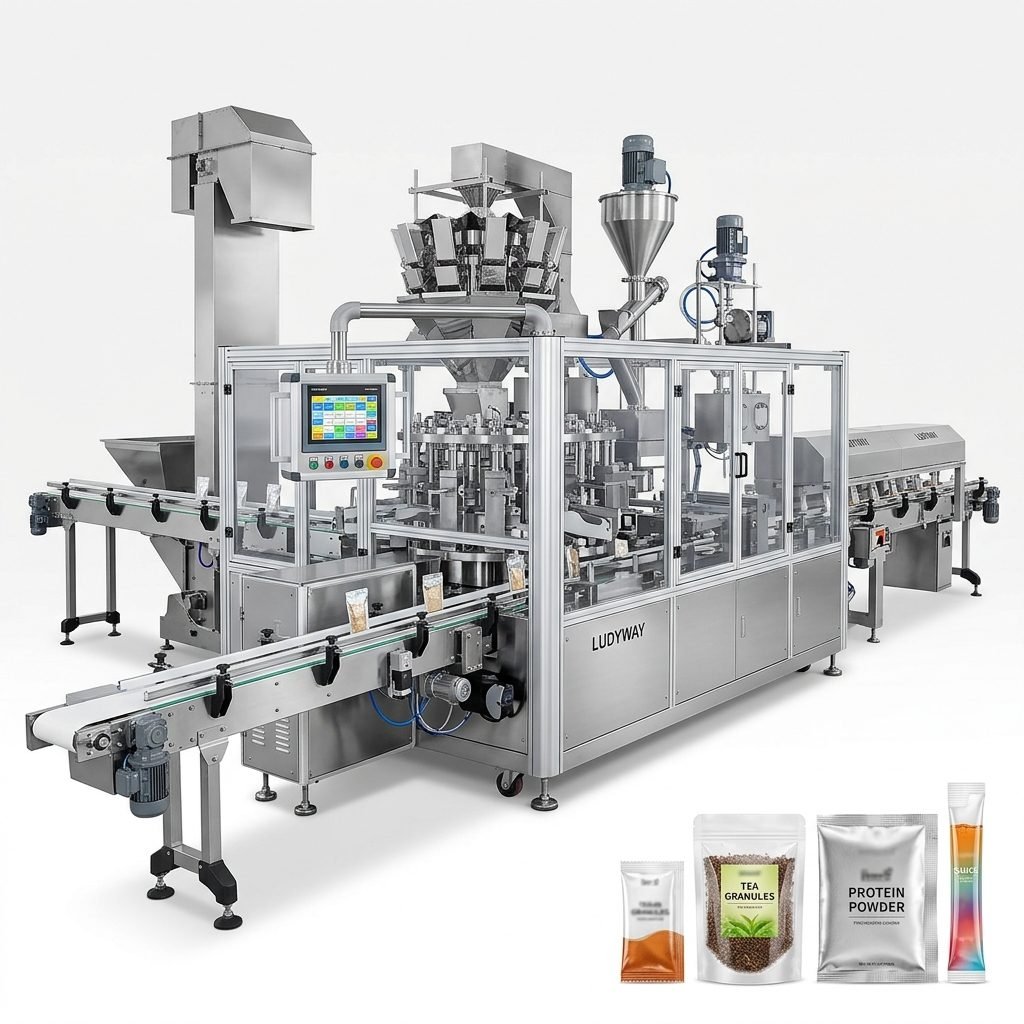
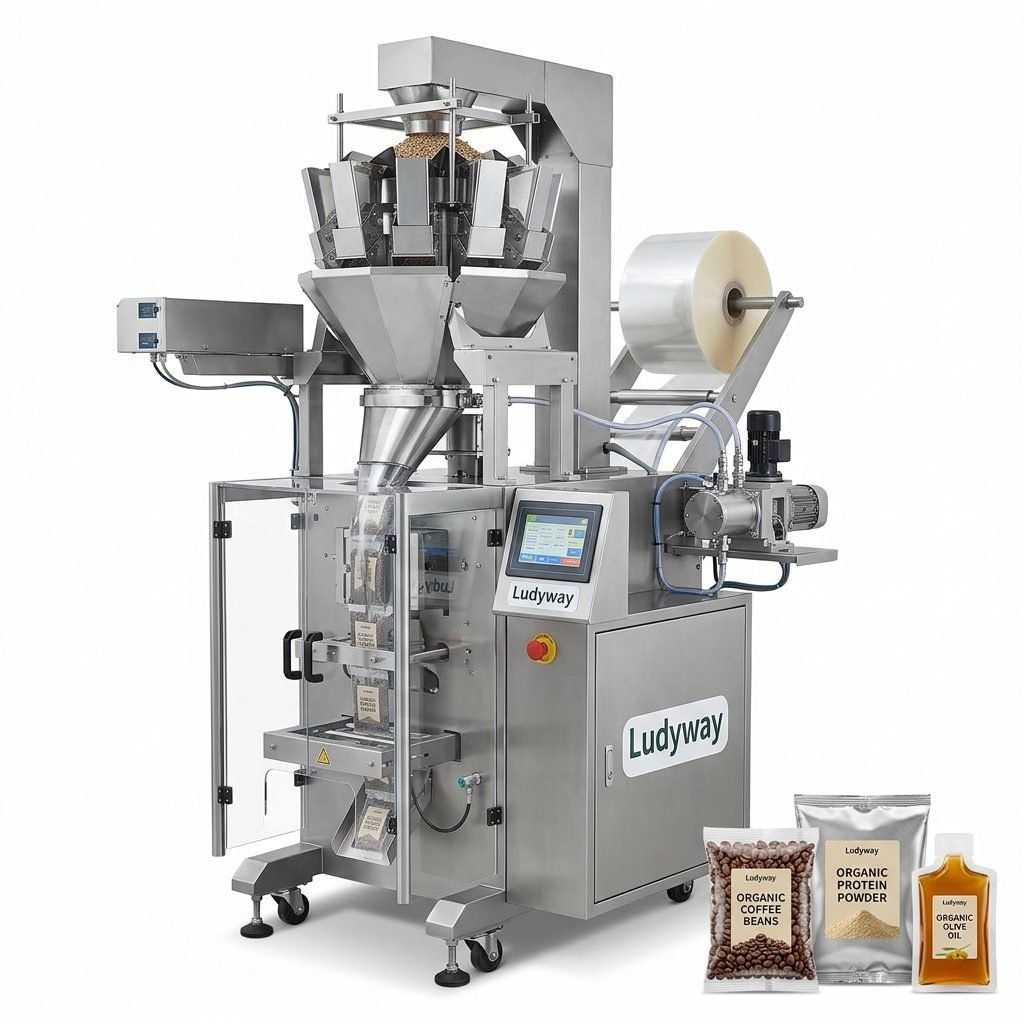
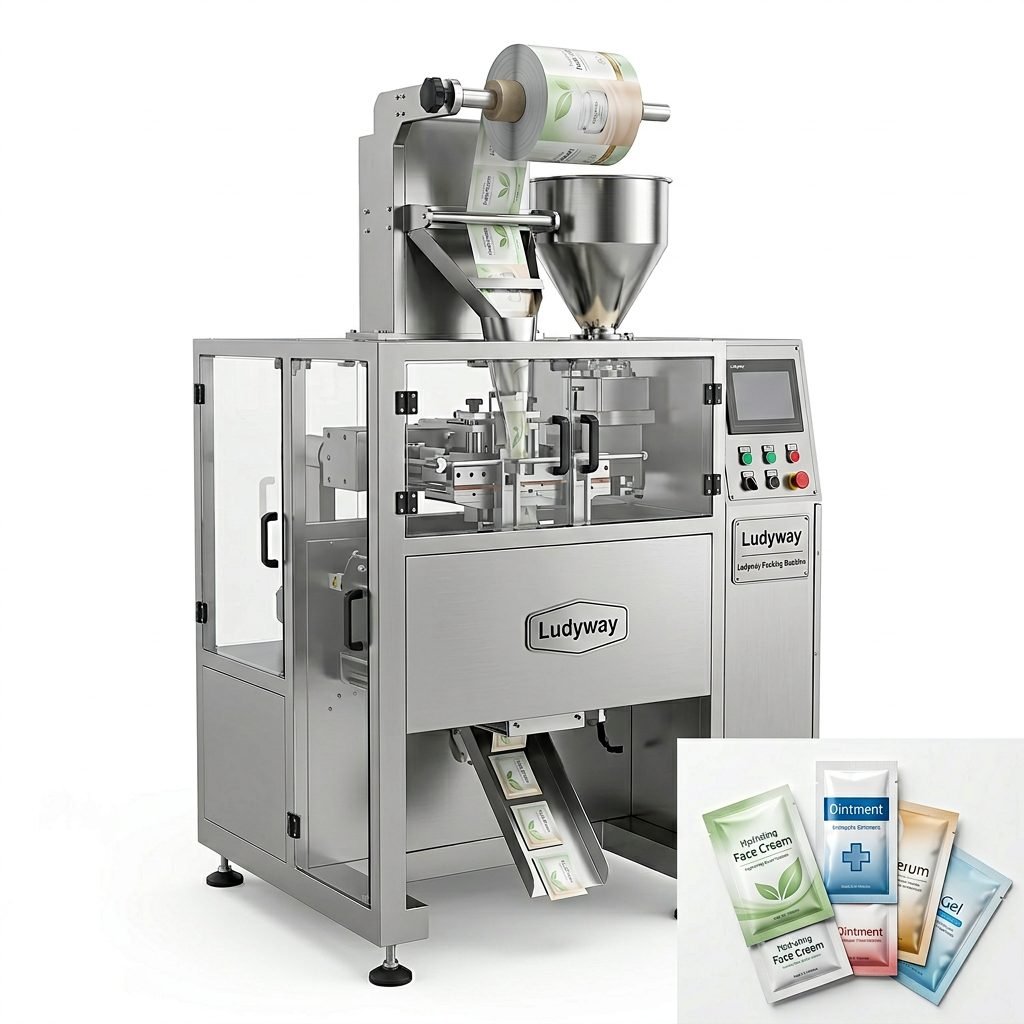
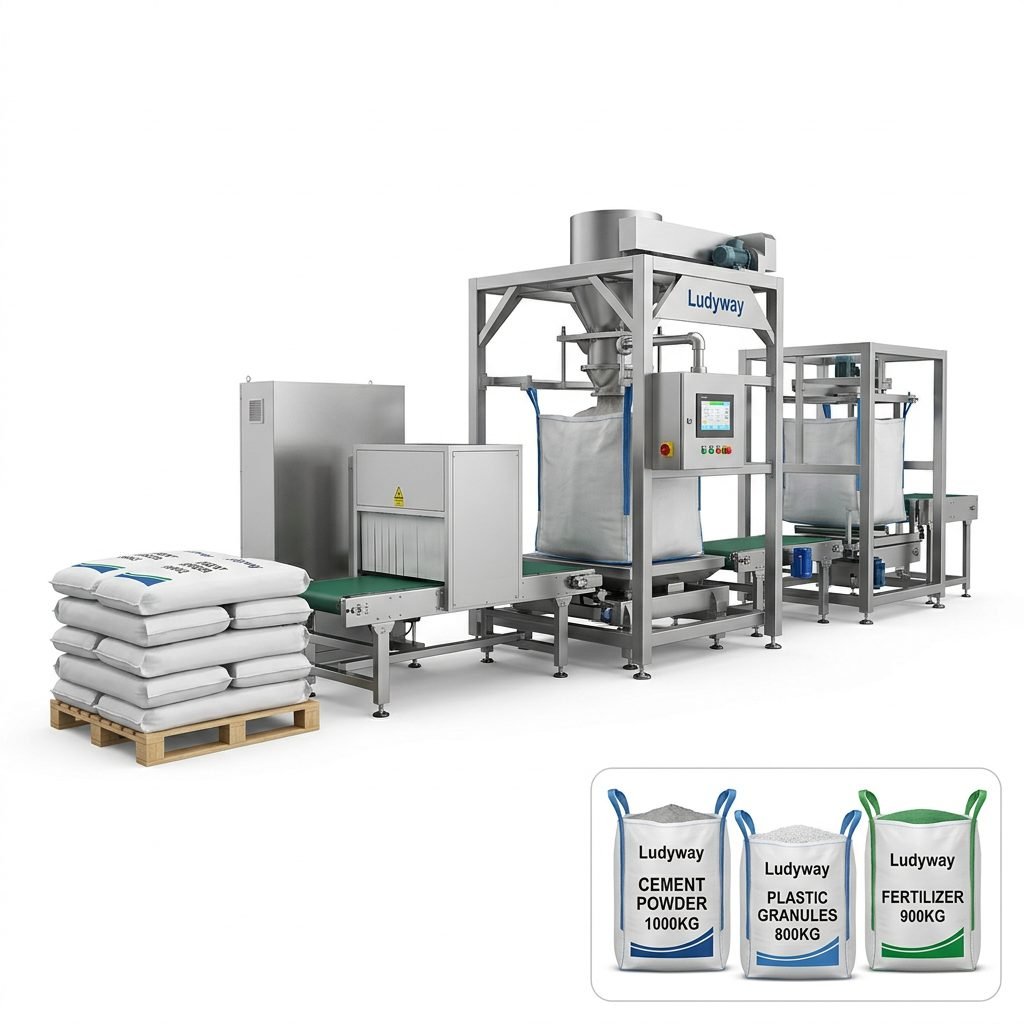
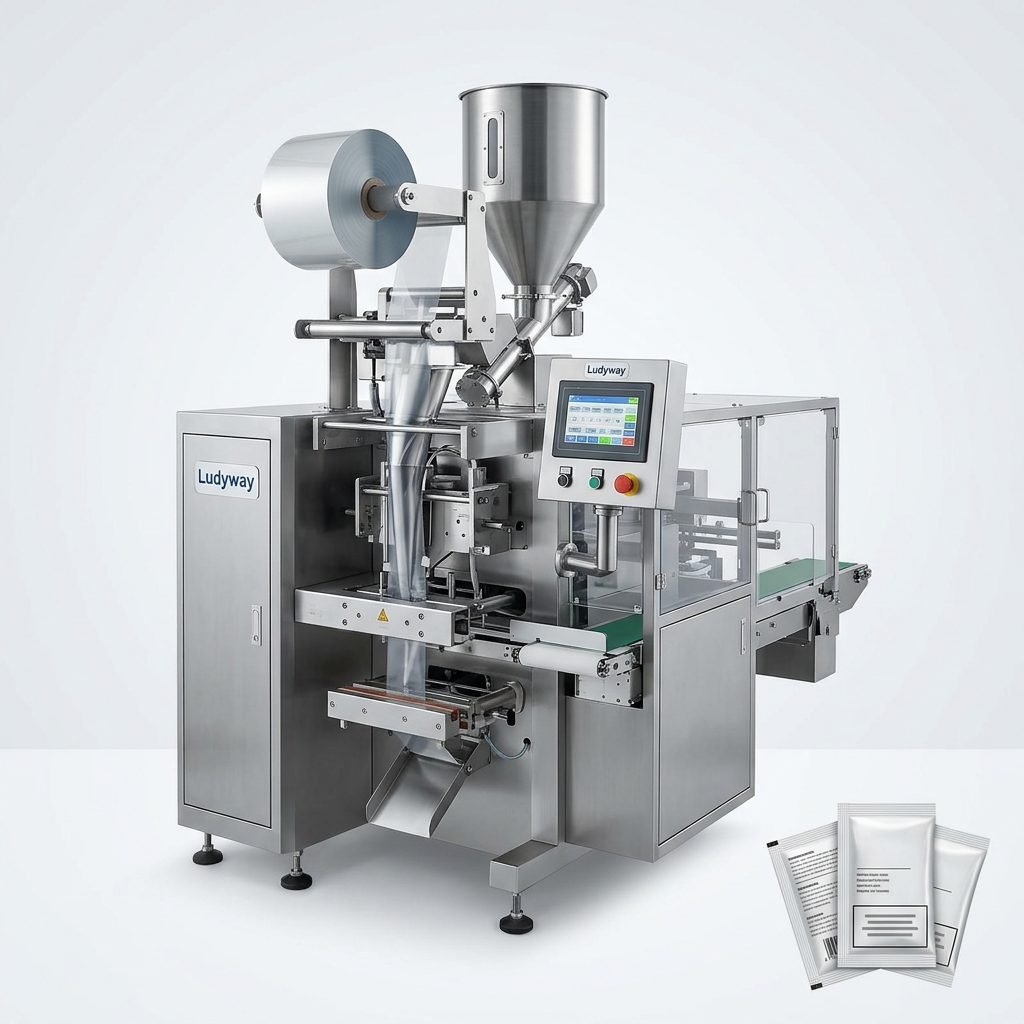
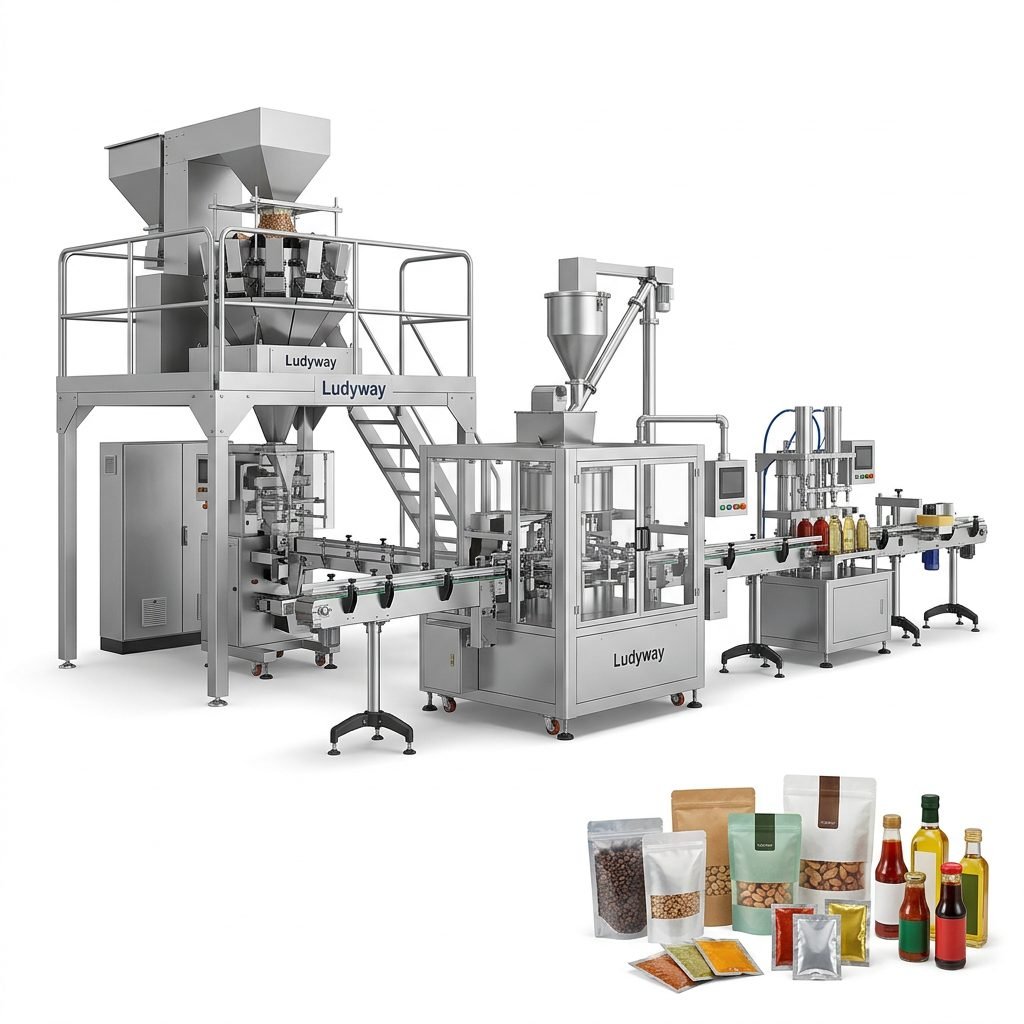
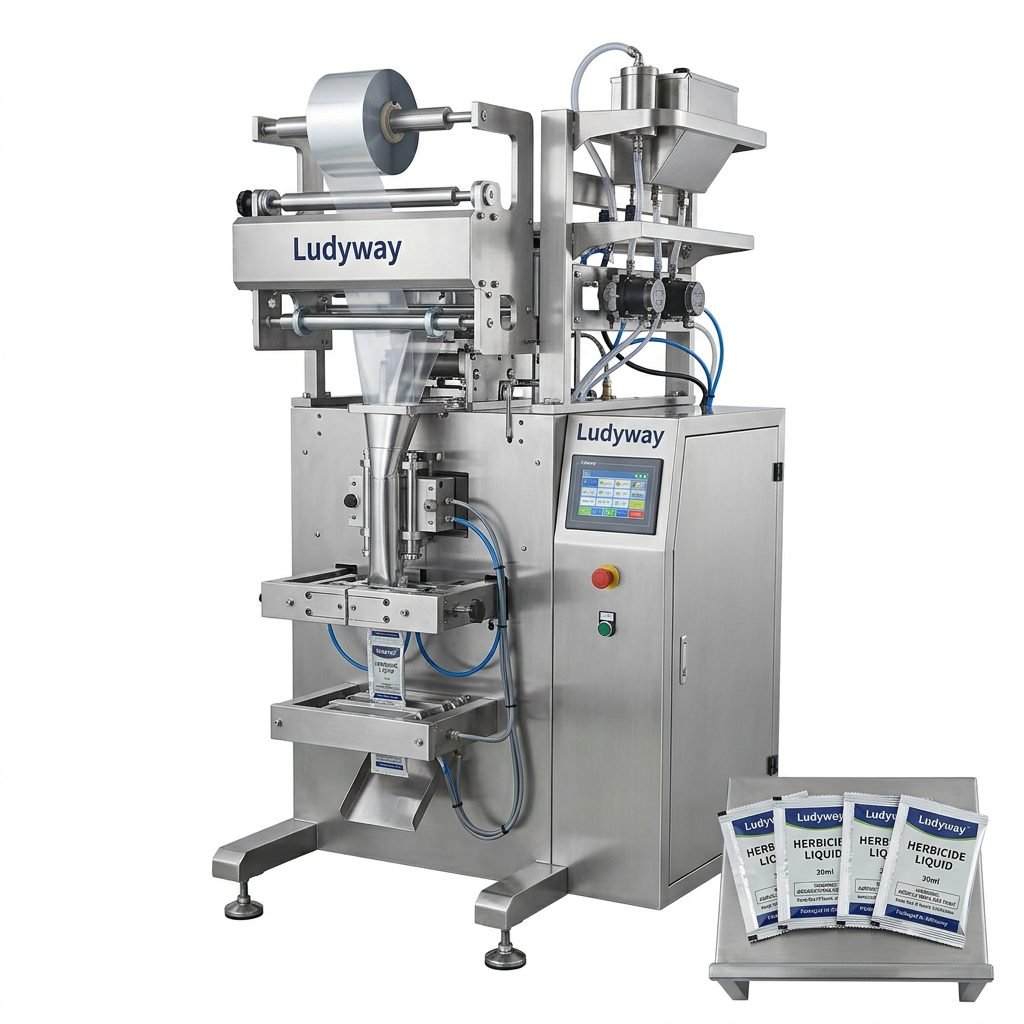
A roll packing machine is a critical asset in high-volume production environments, from food and pharmaceuticals to chemicals and cosmetics. Like any sophisticated packaging machine, its longevity, efficiency, and safety depend on a consistent and thorough maintenance program. Neglecting routine care can lead to unexpected downtime, costly repairs, and compromised product quality. This guide provides essential, actionable tips to keep your roll packing machine operating at peak performance.
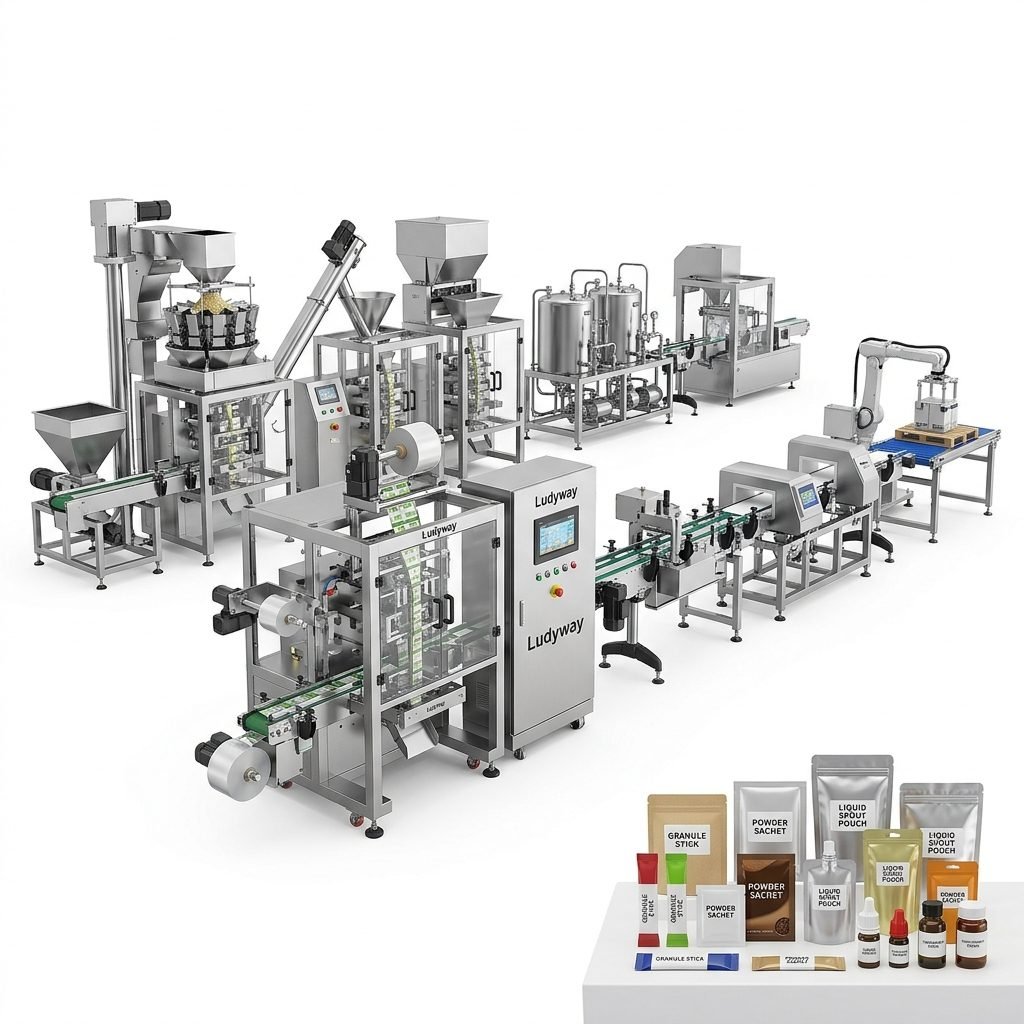
1. Daily Pre-Operation Inspection Checklist
Before every shift, a visual and operational check is your first line of defense against potential failures. This proactive step identifies small issues before they escalate into major breakdowns.
- Visual Inspection: Look for loose bolts, worn cables, or any signs of physical damage. Check for product residue buildup on sealing jaws and forming tubes.
- Safety Guards: Verify that all safety doors and interlocks are functioning correctly. Never bypass a safety sensor to save time.
- Air Pressure and Leaks: Confirm the pneumatic system is at the correct pressure. Listen for and inspect for any air leaks around fittings and cylinders.
- Power Supply: Ensure the voltage is stable and within the machine’s specified range to protect sensitive electronic components like the PLC and HMI.
2. Critical Cleaning Protocols
Cleanliness is paramount, particularly when dealing with powder, granule, or liquid products. Dust and debris are enemies of precision machinery, causing wear on moving parts and potentially contaminating future production runs.
Sealing Jaw Maintenance
The sealing jaws are the heart of the roll packing machine. Remove residue daily with a soft brass brush and a non-abrasive cleaner. Never use metal scrapers as they scratch the surface and ruin Teflon coatings, leading to inconsistent seals and product waste.
Dust Management Systems
Use a vacuum cleaner to remove fine particles from electrical cabinets, sensors, and the film unwind area. Avoid compressed air which can force particles deeper into bearings and electronic boards. Pay special attention to the packaging machine’s photoelectric sensors, as dust can cause false readings.
3. Lubrication Schedule
Proper lubrication reduces friction, prevents premature wear, and ensures smooth mechanical motion. A strict lubrication schedule based on the manufacturer’s manual is non-negotiable.
| Component | Lubricant Type | Frequency |
|---|---|---|
| Gears and Drive Chains | High-temperature grease | Weekly |
| Linear Bearings & Rails | Lithium-based grease | Bi-weekly |
| Pneumatic Cylinders | Food-grade oil (if required) | Monthly |
| Unwind Shaft Bearings | General-purpose bearing grease | Monthly |

4. Film Tracking and Tension Adjustment
Poor film handling is a primary cause of waste in roll packaging operations. Wrinkles, seal creep, and misaligned graphics are often traced back to incorrect setup or worn components in the film path.
- Rollers: Spin each roller by hand to ensure they move freely. A sticky or dragging roller will scratch the film and cause print registration drift.
- Tension Control: Regularly calibrate the dancer arm or load cell. Inconsistent tension leads to uneven bag lengths and length-related seal failures.
- Forming Tube: Inspect the forming collar and tube for scratches or burrs. Even minor imperfections can tear high-barrier laminated films.
5. Electrical and Control System Care
Modern packaging machines are driven by sophisticated electronics. Thermal management and cleanliness are vital for these control systems.
- Cabinet Cooling: Check that cabinet ventilation fans are operational and filters are clean. Overheating is the most common cause of VFD (Variable Frequency Drive) and servo drive failure.
- Connections: Annually tighten terminal blocks in the main control panel. Vibration during normal operation can loosen screws, leading to intermittent faults or short circuits.
- Battery Checks: Ensure the PLC and HMI backup batteries are replaced according to the manufacturer’s schedule to prevent program loss during a power outage.
Key Tools for Electrical Maintenance
Equip your maintenance team with an ESD-safe vacuum, a high-quality multimeter, and a thermal imaging camera to detect hotspots in circuit boards and motor bearings without shutting down the packaging machine production.
6. Managing Wear Parts Inventory
Proactive replacement of wear parts is significantly cheaper than emergency breakdown repairs. Critical spares should always be in stock to minimize Mean Time To Repair (MTTR).
The following parts have a defined lifespan and are essential for your spare parts inventory for any roll packing machine:
- Teflon tape for sealing jaws.
- Heating cartridges and thermocouples.
- Cutting knives and shearing blades.
- Timing belts and drive belts.
- Photoelectric sensors and limit switches.

7. Weekly and Monthly Preventive Maintenance
Beyond daily tasks, a deeper dive into mechanical and pneumatic systems is required on a weekly and monthly basis.
| Interval | Maintenance Task | Expected Outcome |
|---|---|---|
| Weekly | Drain water from air filter/regulators. Inspect and clean vacuum pumps and venturi systems. | Prevents moisture in pneumatic valves; ensures consistent film grip. |
| Monthly | Calibrate temperature controllers for sealing jaws. Check servo motor couplings for backlash. | Guarantees hermetic seals; maintains accurate cut-off registration. |
| Quarterly | Replace worn Teflon on sealing jaws. Inspect and replace pneumatic cylinder seals if sluggish. | Eliminates film sticking and seal failures. |
8. Operator Training and Documentation
A well-maintained machine is only as good as the team running it. Comprehensive training ensures that operators can identify early warning signs without needing an engineer.
Maintain a detailed maintenance logbook (digital or physical) for each roll packing machine. Record all cleaning, lubrication, part replacements, and anomalous sounds or behaviors. This data is invaluable for predictive maintenance strategies and troubleshooting. Operators should be trained to distinguish between normal operational sounds and unusual noises that indicate mechanical friction or pneumatic stalling.
About Ludyway
Ludyway is one of the largest packaging machine manufacturers in China, specializing in advanced packaging equipment and turnkey production solutions for the food, pharmaceutical, and health industries. With over 30 years of industry expertise, we provide reliable and efficient packaging solutions for granule, powder, liquid, and pouch packaging applications. Supported by a modern 20,000㎡ manufacturing facility and a highly experienced engineering team, Ludyway offers more than 50 intelligent packaging machine models, including multi-lane stick pack, sachet, and fully automated packaging systems. Serving customers in over 100 countries and regions, we are committed to delivering innovative, high-performance, and cost-effective packaging solutions that help businesses improve productivity, product quality, and operational efficiency.
For more information on maintaining specific packaging systems or integrating automated solutions, feel free to explore our resources or contact our technical support team.