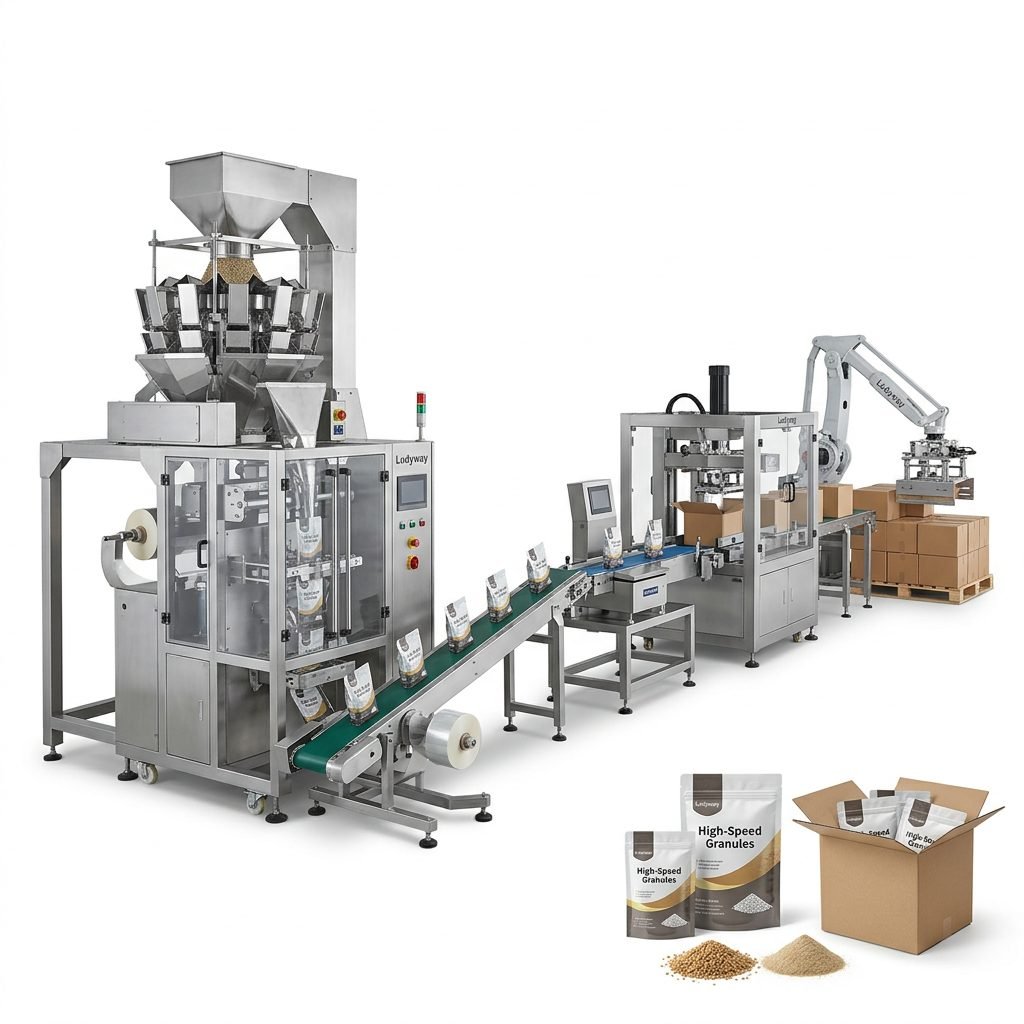
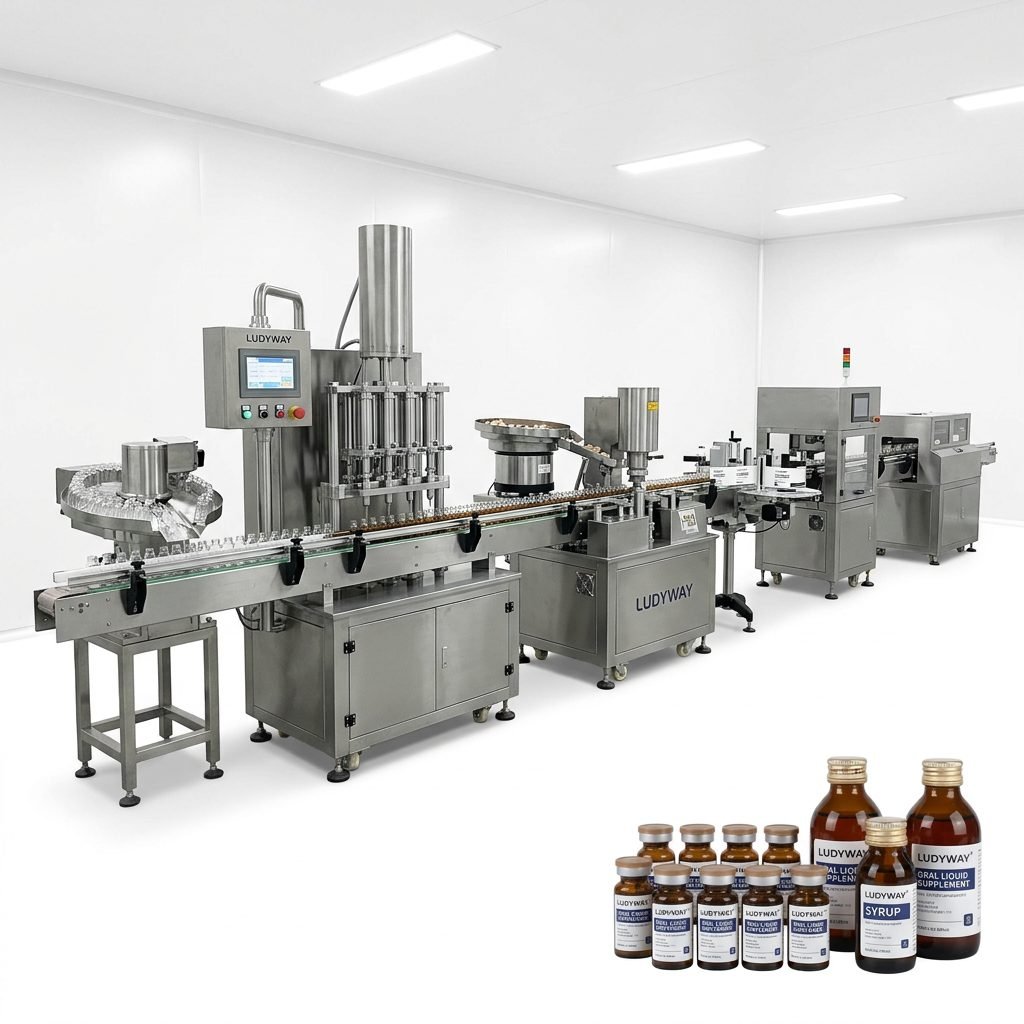
A lollipop packing machine is a critical investment for confectionery manufacturers. To ensure consistent output, minimize downtime, and extend the equipment’s lifespan, a strict maintenance routine is non-negotiable. Neglecting regular upkeep can lead to costly repairs and production bottlenecks. This guide outlines essential maintenance tips to keep your machine running at peak performance.

Whether you operate a single-lane system or a high-speed multi-lane lollipop packaging line, adhering to a structured maintenance plan is essential. For comprehensive machinery insights, the packaging industry standards set by PMMI provide invaluable benchmarks for operational excellence.
1. Daily Cleaning and Sanitation Protocols
Sugar dust and debris are the biggest enemies of a lollipop wrapping machine. Accumulation can jam moving parts and degrade sealing quality. At the end of each shift, operators should perform a thorough wipe-down.
- Remove Sugar Residue: Use compressed air to blow dust out of hard-to-reach areas, particularly around the jaws and sealing plates.
- Wipe Down Surfaces: Use food-grade sanitizers on all contact surfaces to prevent cross-contamination.
- Inspect the film path for glue buildup that can cause film tracking errors.
2. Lubrication of Moving Components
Friction is a primary cause of wear in high-cycle sealing mechanisms. Proper lubrication ensures smooth operation of the rotary sealing jaws and forming tubes.
Critical Lubrication Points:
- Cam followers and linear bearings
- Chain drives and tensioners
- Sealing jaw pivot pins
Always use food-grade lubricants specified by the packaging machine manufacturer to avoid product contamination.
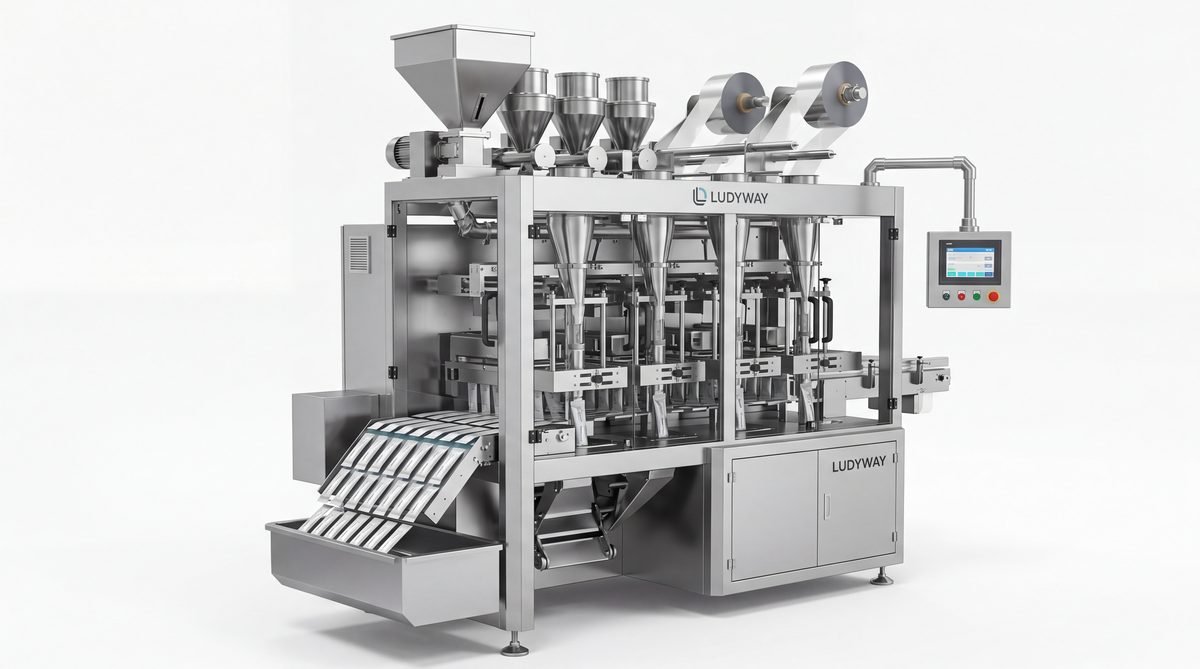
Weekly Inspection Checklist
A mid-level inspection should be conducted weekly to catch issues before they escalate. Here is a summary of key checkpoints:
| Component | Check Point | Action |
|---|---|---|
| Sealing Jaw | Wear and Teflon coating | Replace if scratched |
| Film Feed Rollers | Alignment and tension | Adjust/clean |
| Cutting Knife | Sharpness | Sharpen/replace |
3. Electrical and Sensor Calibration
Modern lollipop packing machines rely heavily on sensors for film registration and product counting. Loose connections or dusty sensors account for a significant percentage of unplanned stops.
Best practices include:
- Photocell Cleaning: Gently clean the registration mark sensor with a lint-free cloth weekly.
- Wiring Inspection: Check for frayed wires near moving chains to prevent short circuits.
- Thermocouple Verification: Heat control is vital. Verify that the actual temperature matches the setpoint to avoid inconsistent sealing.
For comprehensive guidelines on electrical safety and manufacturing standards, the ISO packaging standards provide detailed benchmarks.
4. Pneumatic System Maintenance
Air-powered systems drive the cutting and stick-inserting mechanisms. Moisture in the air lines is a common hidden problem.
- Drain the Water Trap: The air filter/regulator unit should be drained of water accumulation daily.
- Check Air Pressure: Low pressure can cause the machine to miss insertion cycles. Keep the pressure stable as per the manual.
- Inspect cylinders for air leaks during the cycle; a hissing sound often indicates a failing seal.
Monthly Preventive Measures
Deeper mechanical checks are required on a monthly basis. This includes inspecting the integrity of the main drive belts and gearboxes.
| System | Task | Frequency |
|---|---|---|
| Gearbox | Oil level check | Monthly |
| Timing Belt | Tension and crack check | Monthly |
| Safety Guards | Interlock function test | Monthly |
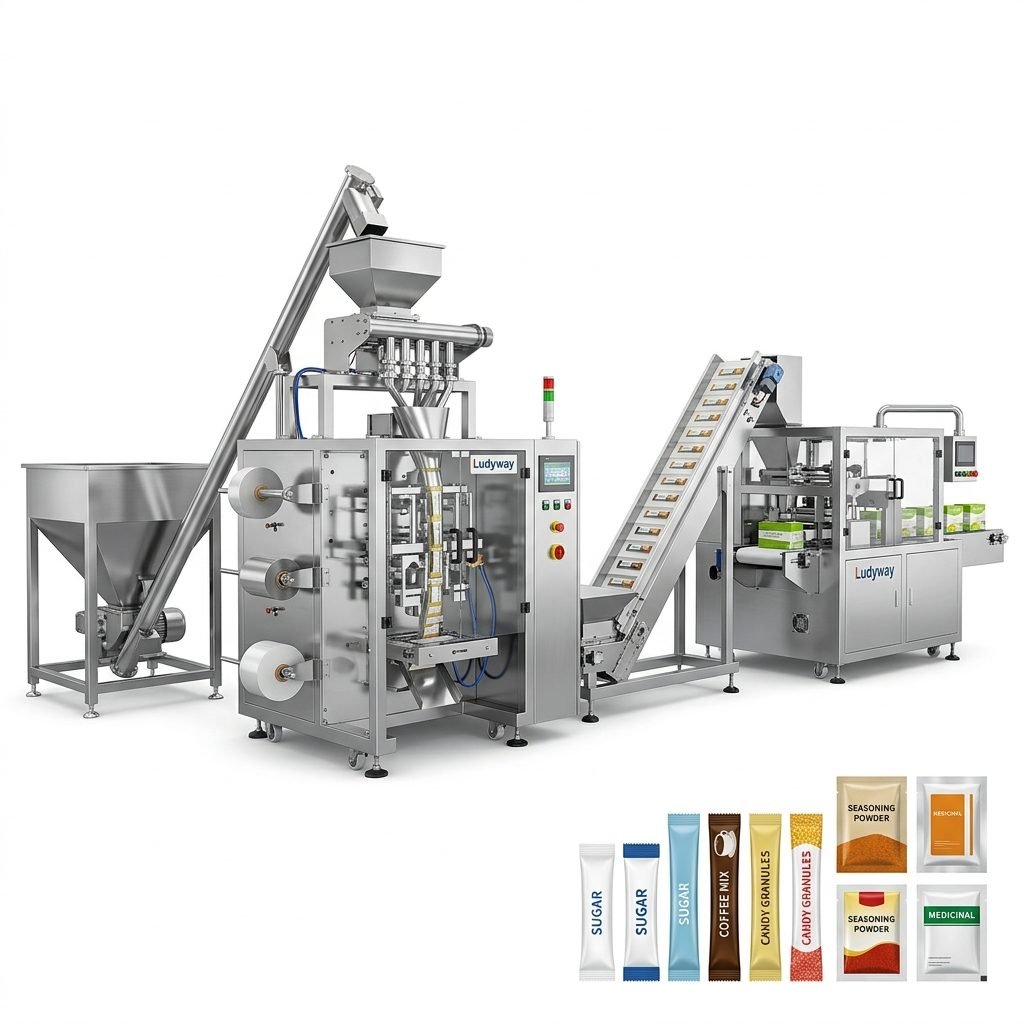
5. Stick Insertion and Wrapping Zone Care
The stick insertion unit is unique to lollipop machinery and requires special attention. A misaligned stick can jam the machine and damage the sealing dies.
- Stick Magazine Alignment: Ensure the tracks are clear and the vibrator bowl is dust-free.
- Gripper Finger Tension: If the gripper fingers loosen, sticks will drop or insert crookedly. Check tightness daily.
- Film Folding Box: For twist-wrapping or tuck-wrapping, the folding box must be polished and free of scratches that might tear the film.
6. Spare Parts Inventory Management
Waiting weeks for a replacement part halts revenue generation. A well-managed inventory is a strategic advantage. Keep at least the following in stock:
- Heating cartridges and thermocouples
- Sealing jaw Teflon tape and cutting blades
- Drive belts and sensor units
- Stick gripper springs
As a leading packaging equipment supplier, Ludyway ensures that critical spare parts and technical support are readily available to global clients to minimize potential downtime, supported by a modern manufacturing facility spanning over 20,000 square meters.
7. Operator Training and Documentation
Even the best machinery will fail if operated incorrectly. Comprehensive training reduces operator-induced errors. Ensure every operator understands the Human-Machine Interface (HMI) alarms and the emergency stop procedures.
Documentation is vital: Keep a detailed logbook covering:
- Daily output and scrap rates.
- Any unscheduled stops and their root cause.
- Dates of last lubrication and part replacement.
Refer to the state of the packaging industry reports for benchmarking your operational efficiency against market averages.
Quick Troubleshooting Reference
Here is a quick reference guide for common issues found in lollipop wrapping operations:
| Problem | Possible Cause | Solution |
|---|---|---|
| Film Wrinkling | Incorrect tension or misaligned rollers | Adjust dancer arm tension |
| Seal Not Holding | Low temperature or dirty jaws | Increase temp/clean jaws |
| Missing Sticks | Empty magazine or jammed chute | Refill and clear obstruction |
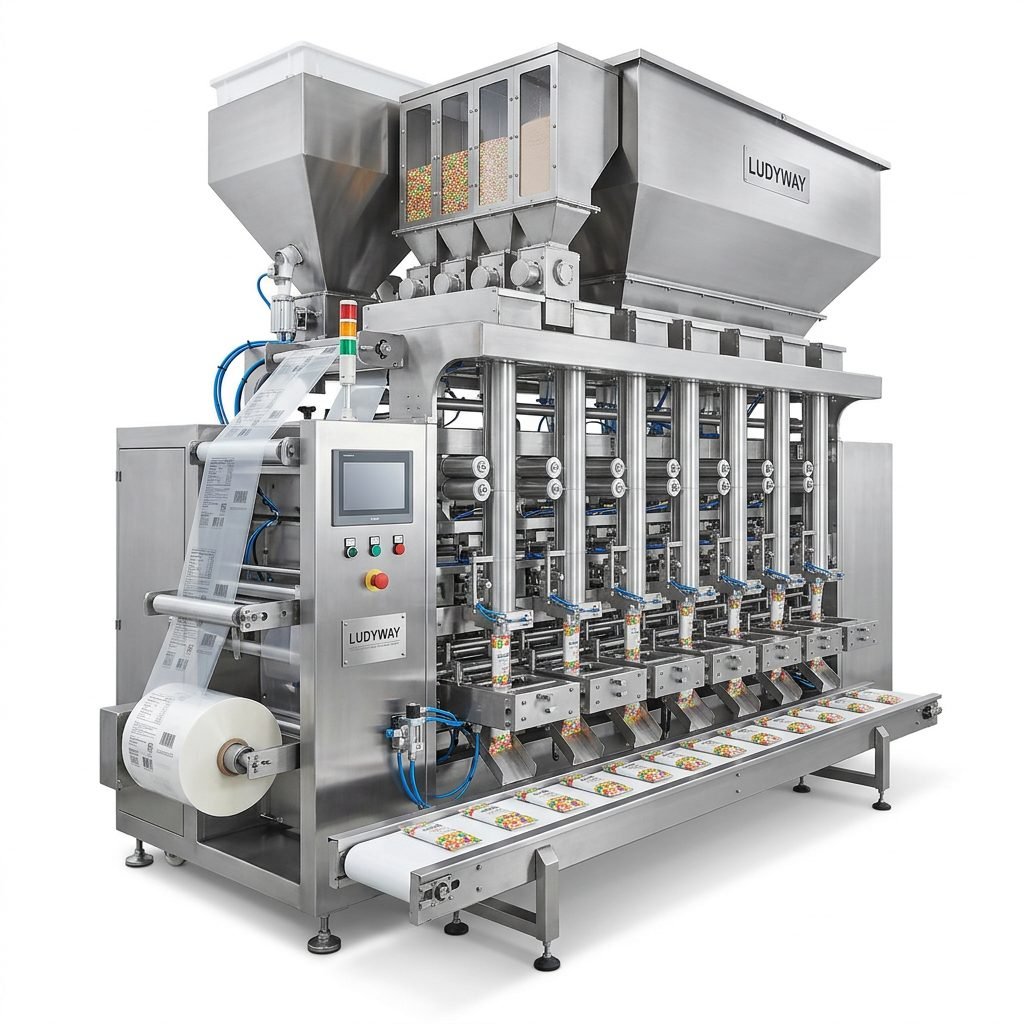
A proactive approach to maintenance is the key to maximizing the return on your packaging equipment investment. By systematically cleaning, lubricating, and inspecting your machine, you ensure consistent product quality and extend operational longevity. For advanced lollipop packing machine solutions and support, leveraging experienced manufacturers ensures you have the backup needed for complex automation challenges in the confectionery sector.