A horizontal flow wrap packing machine is a critical asset in high‑speed production lines for food, pharmaceutical, and consumer goods. Without a structured cleaning and maintenance routine, even the most robust packaging machinery can suffer from film tracking errors, seal failures, and unplanned downtime. The following guide outlines essential daily, weekly, and monthly practices to keep your equipment running at peak efficiency.
Daily Cleaning and Inspection Procedures
Consistent daily care prevents product residue buildup and identifies minor issues before they escalate into major repairs. Operators should follow a standardized checklist at the end of each shift.
Clean the Film Feed and Forming Area
Use a dry, lint‑free cloth to wipe the film rollers, forming collar, and film tracking guides. Remove any dust, sugar, or powder residue that can cause film slippage or misalignment. For sticky substances, a mild isopropyl alcohol solution can be applied—never use abrasive cleaners on polished surfaces.
Inspect and Wipe the Sealing Jaws
The longitudinal and end‑seal jaws must be cleaned while the machine is cool. Carbonized product deposits on the sealing faces lead to weak or leaking seals. A soft brass brush or a specialized Teflon‑safe cleaning block should be used to gently remove residue without scratching the jaw coating.
Check the Film Cut‑off Mechanism
Ensure the knife or rotary cutter is free of adhesive buildup. A dull or dirty blade will produce ragged package edges and increase film waste. Wipe the blade carefully and apply a food‑grade lubricant to the pivot points as recommended by the manufacturer.
Weekly Maintenance Tasks
Weekly checks complement daily routines by addressing mechanical wear and lubrication needs. Assign these tasks to trained maintenance personnel rather than line operators.
- Lubricate all grease points — apply specified lubricant to chain drives, cam followers, and bearing housings.
- Inspect timing belts for cracks, fraying, or loss of tension; replace if elongation exceeds manufacturer tolerance.
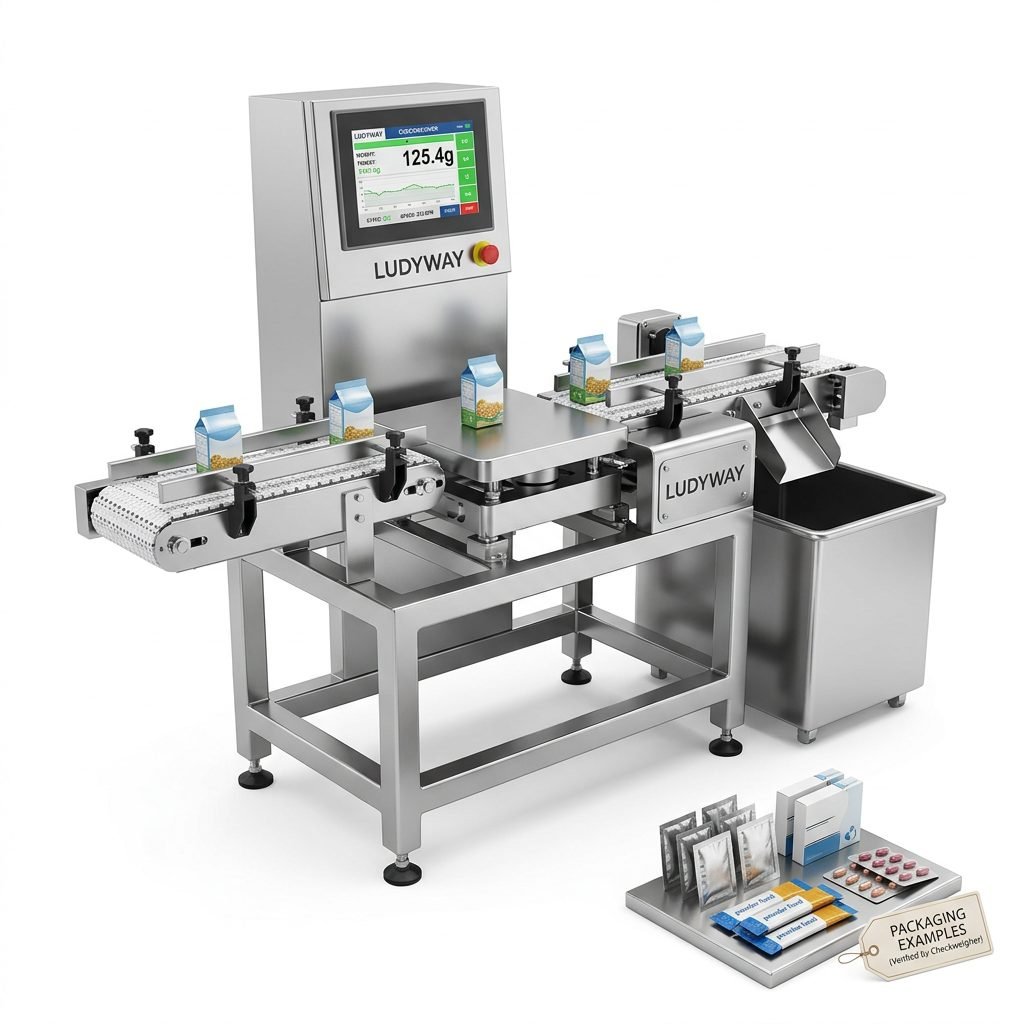
- Test safety interlocks — confirm that all guard doors immediately stop the machine when opened.
- Verify film registration sensors by running a short test cycle and checking print‑to‑cut alignment.
- Clean electrical cabinets gently with compressed air (low pressure) to prevent dust accumulation on sensitive components.
Monthly and Quarterly Servicing
Deeper inspections are necessary to maintain long‑term reliability. Use the table below as a reference for scheduling component‑specific maintenance.
| Component Area | Frequency | Key Actions |
|---|---|---|
| Film unwind and tension system | Monthly | Calibrate tension feedback loop; clean dancer arm bearings |
| Sealing jaw temperature controllers | Monthly | Compare setpoint vs. actual with a calibrated surface probe |
| Gearbox and main drive | Quarterly | Check oil level and condition; look for metal particles in drained oil |
| Pneumatic cylinders and valves | Quarterly | Inspect for air leaks; clean filter elements; verify cylinder stroke speeds |
| Electrical connections and grounding | Quarterly | Torque terminal screws; measure insulation resistance on critical circuits |

Common Flow Wrap Machine Issues and Solutions
Even with diligent maintenance, occasional problems arise. The following table helps operators quickly diagnose and address frequent faults.
| Symptom | Probable Cause | Recommended Action |
|---|---|---|
| Film wandering or wrinkling | Misaligned rollers or incorrect tension | Re‑center the film roll; adjust tension and tracking guides |
| Intermittent seal failure | Dirty jaws, temperature fluctuation, or worn Teflon | Deep clean jaws; calibrate thermocouple; replace Teflon cover |
| Excessive film breakage | Sharp edges on forming box or static buildup | Polish contact surfaces; verify proper grounding and ionizing bar function |
| Inconsistent package length | Slipping feed belt or worn encoder wheel | Tension feed belts; clean encoder roller and check for bearing wear |
| Machine vibration or noise | Loose fasteners or failing drive bearings | Torque all mounting bolts; inspect drive couplings and bearings |
Professional Maintenance and Support
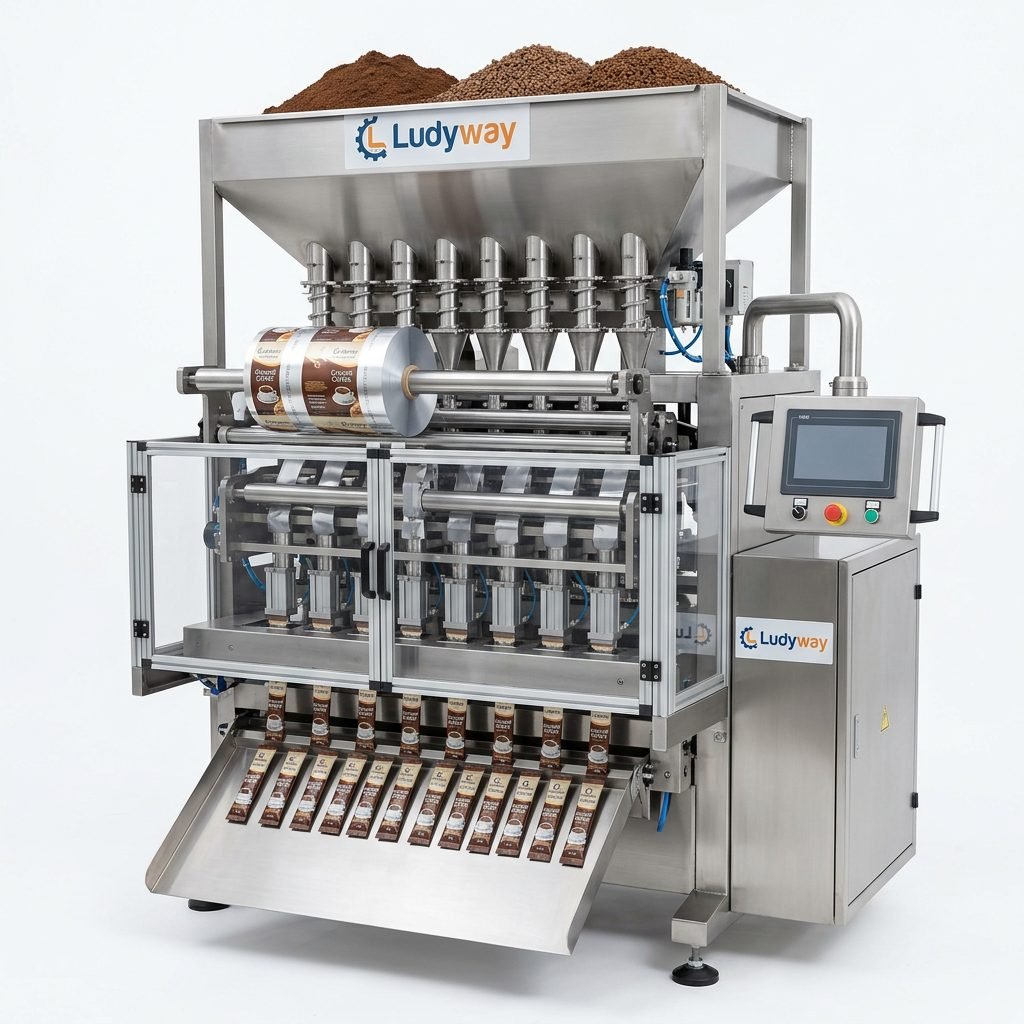
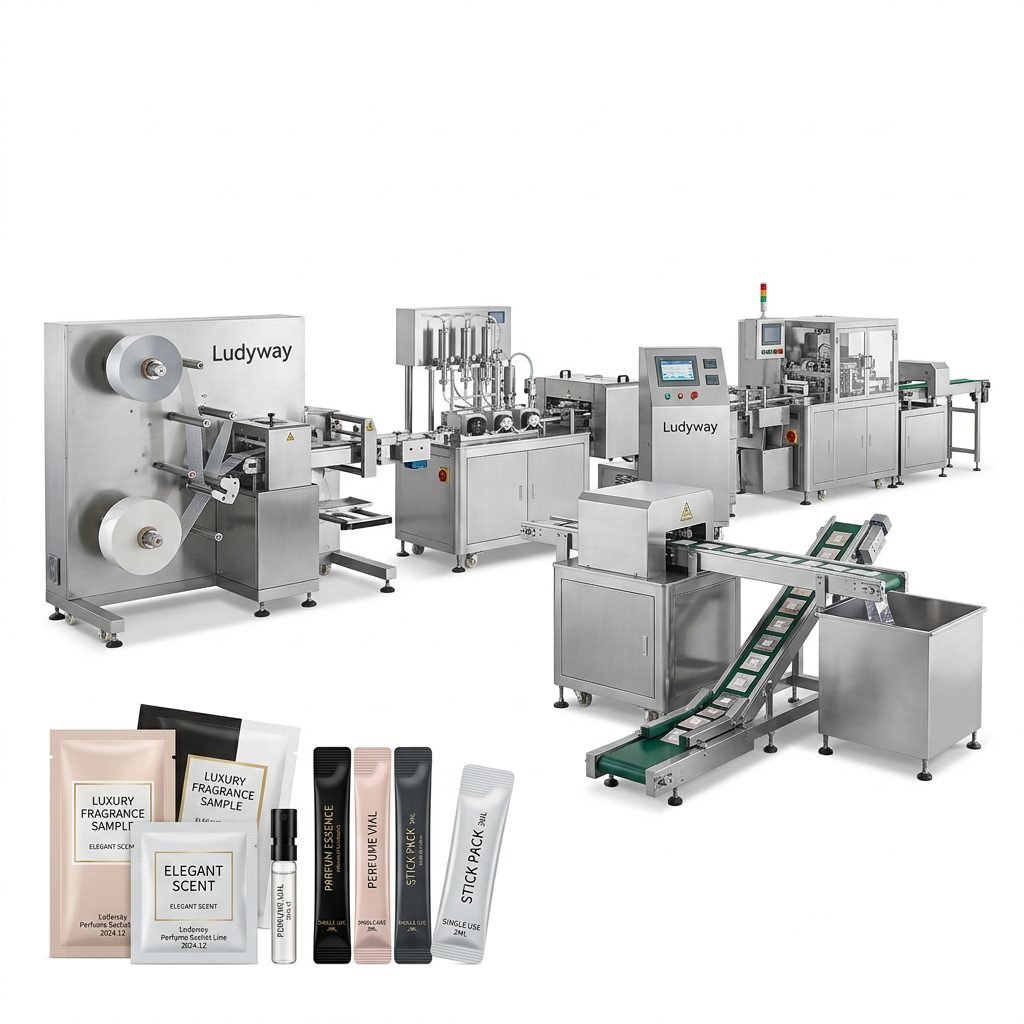
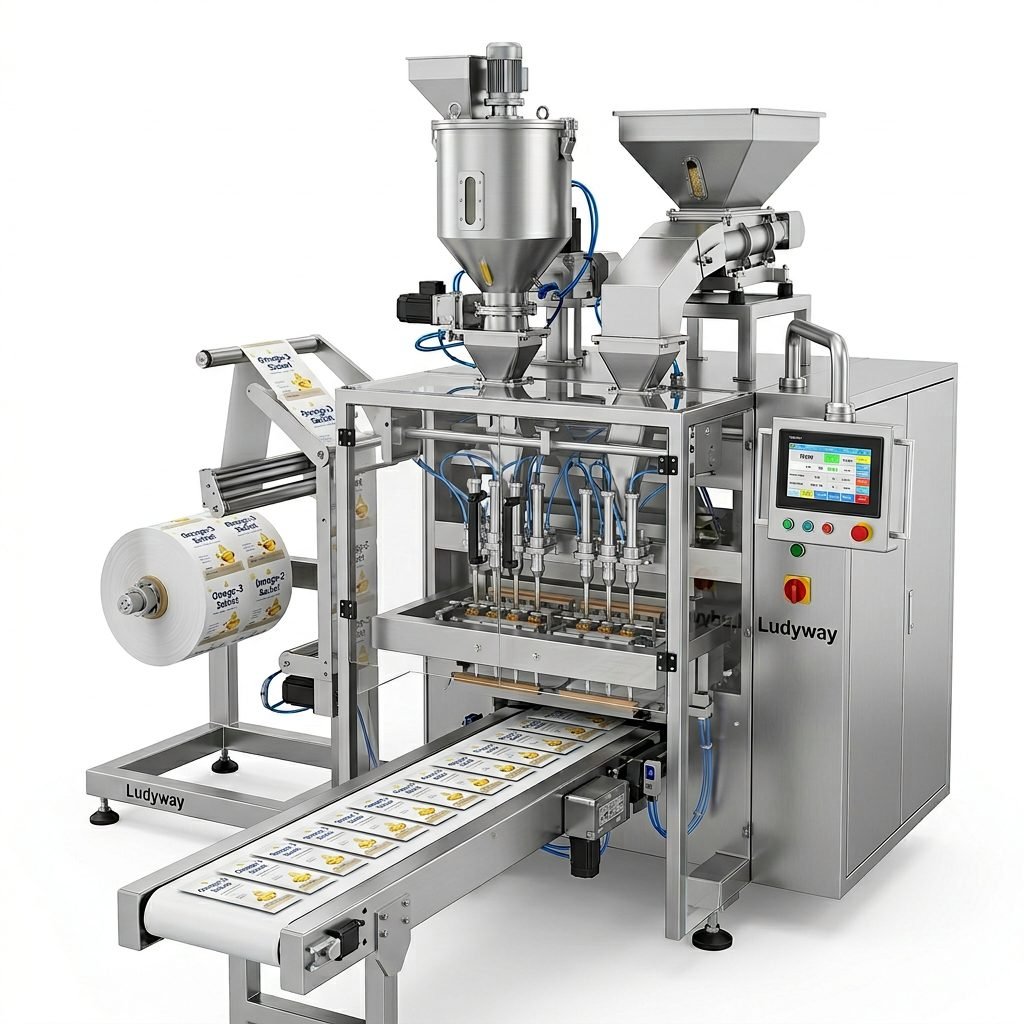
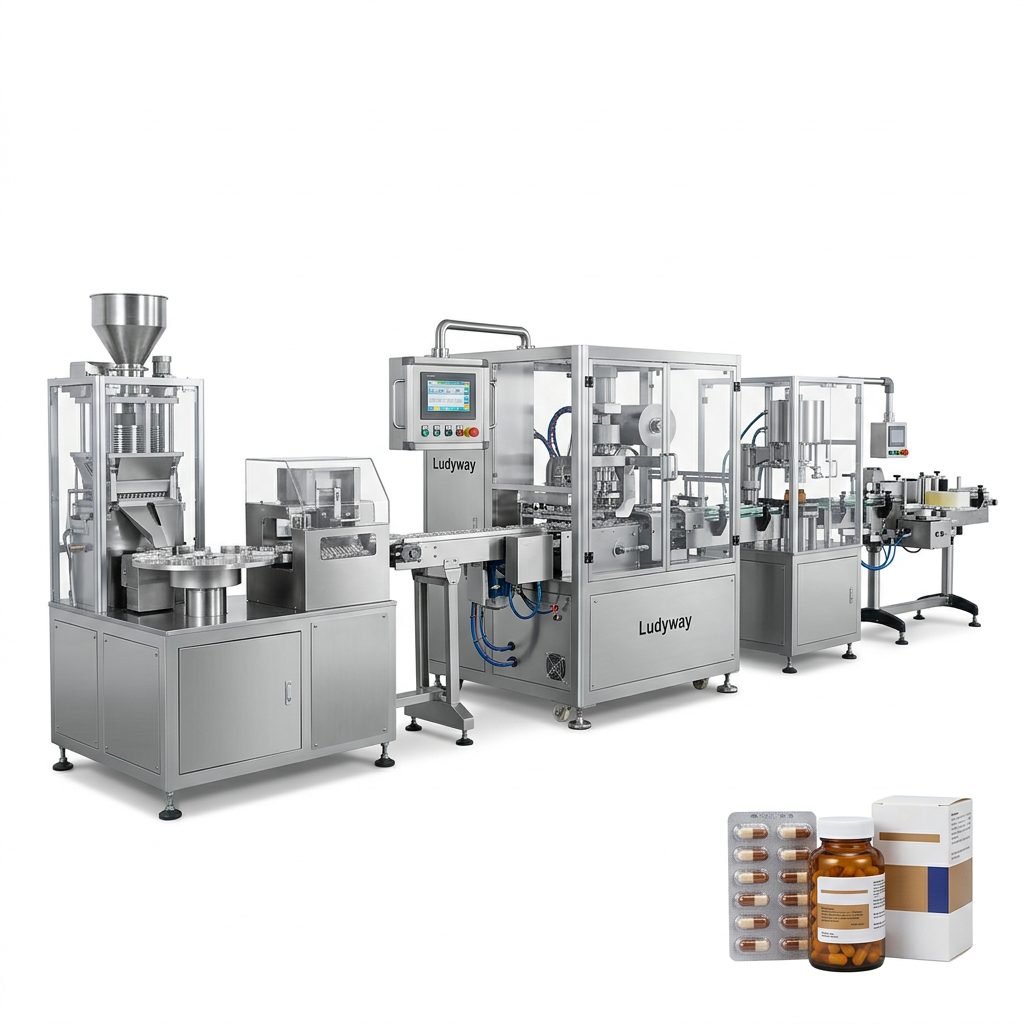
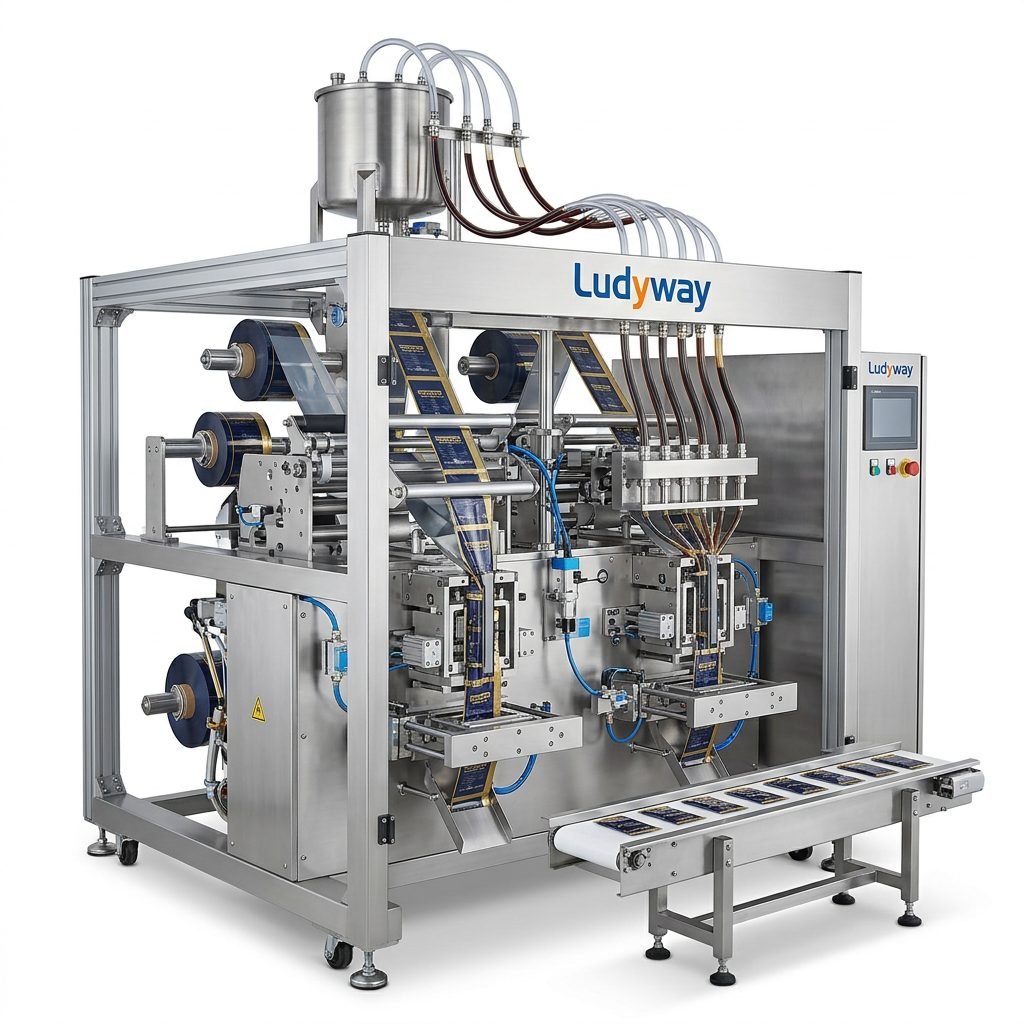
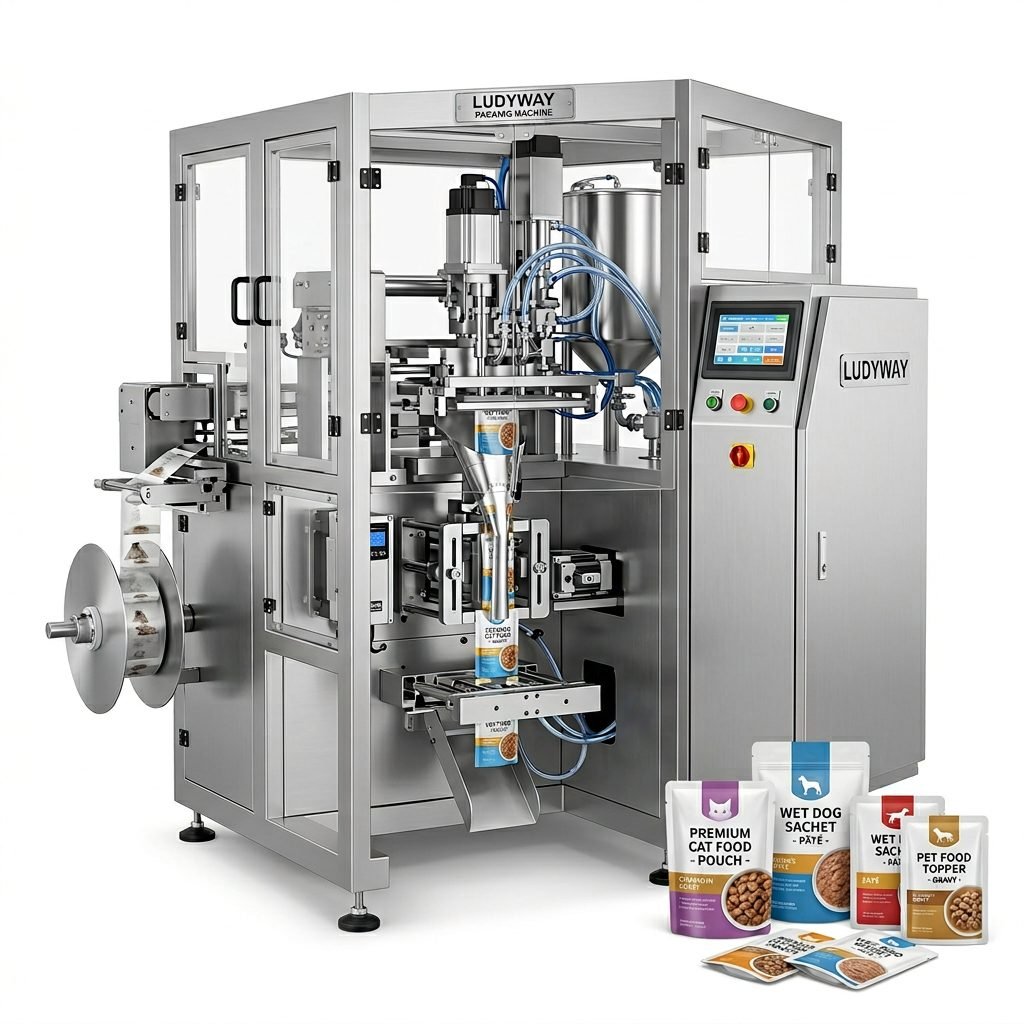
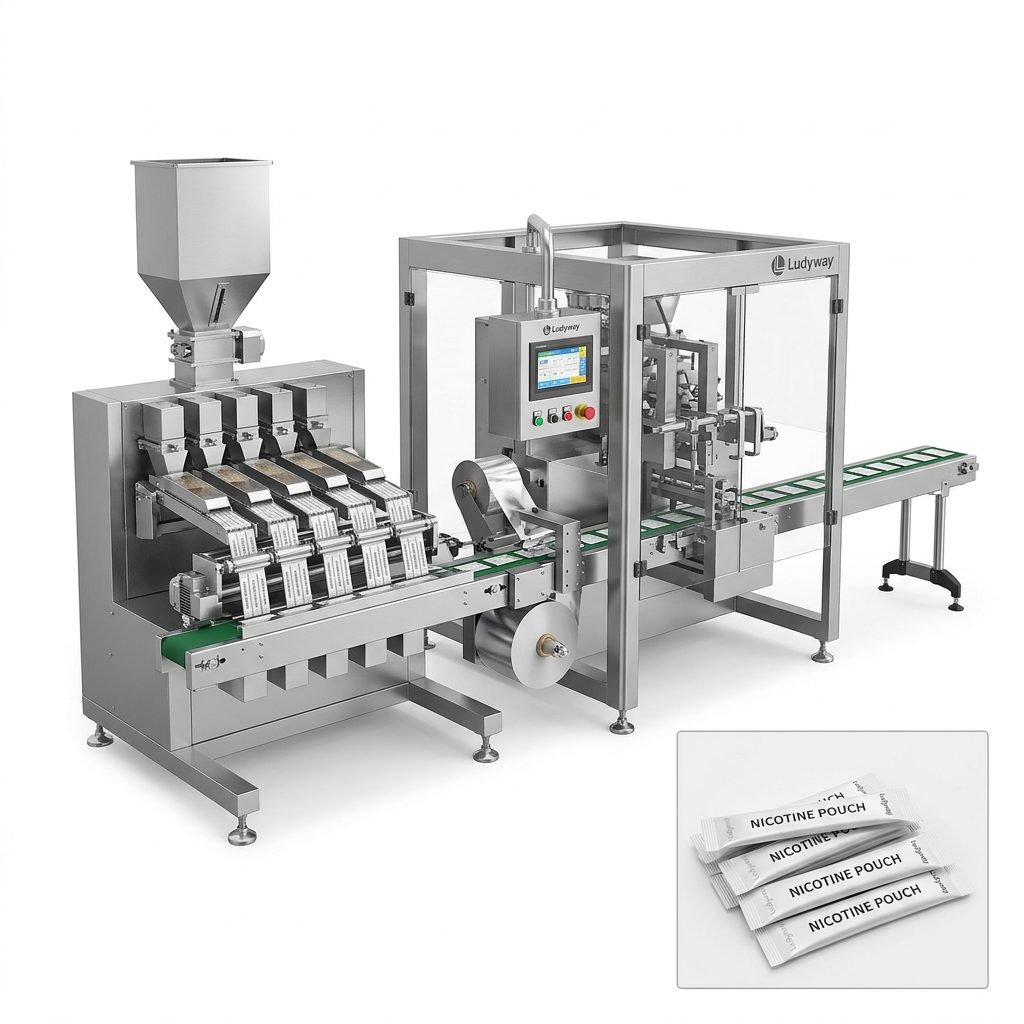
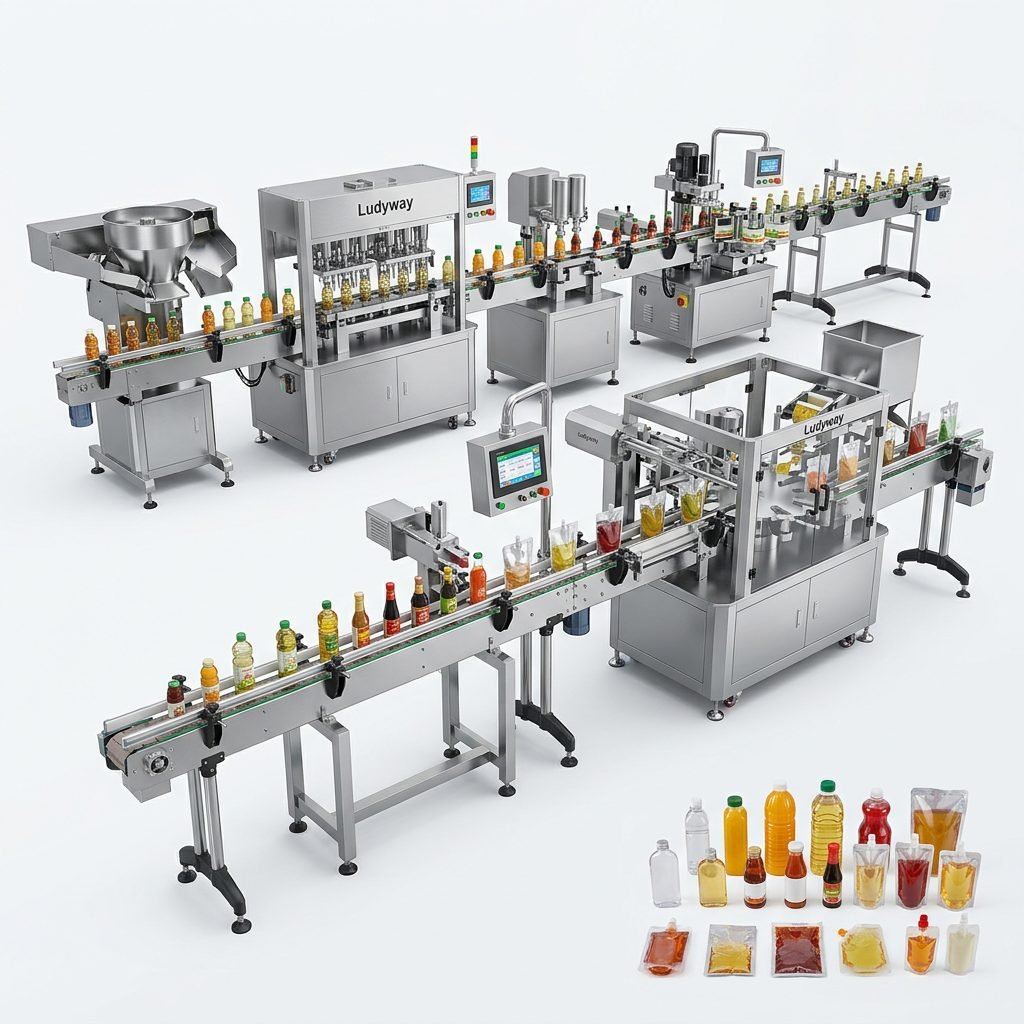
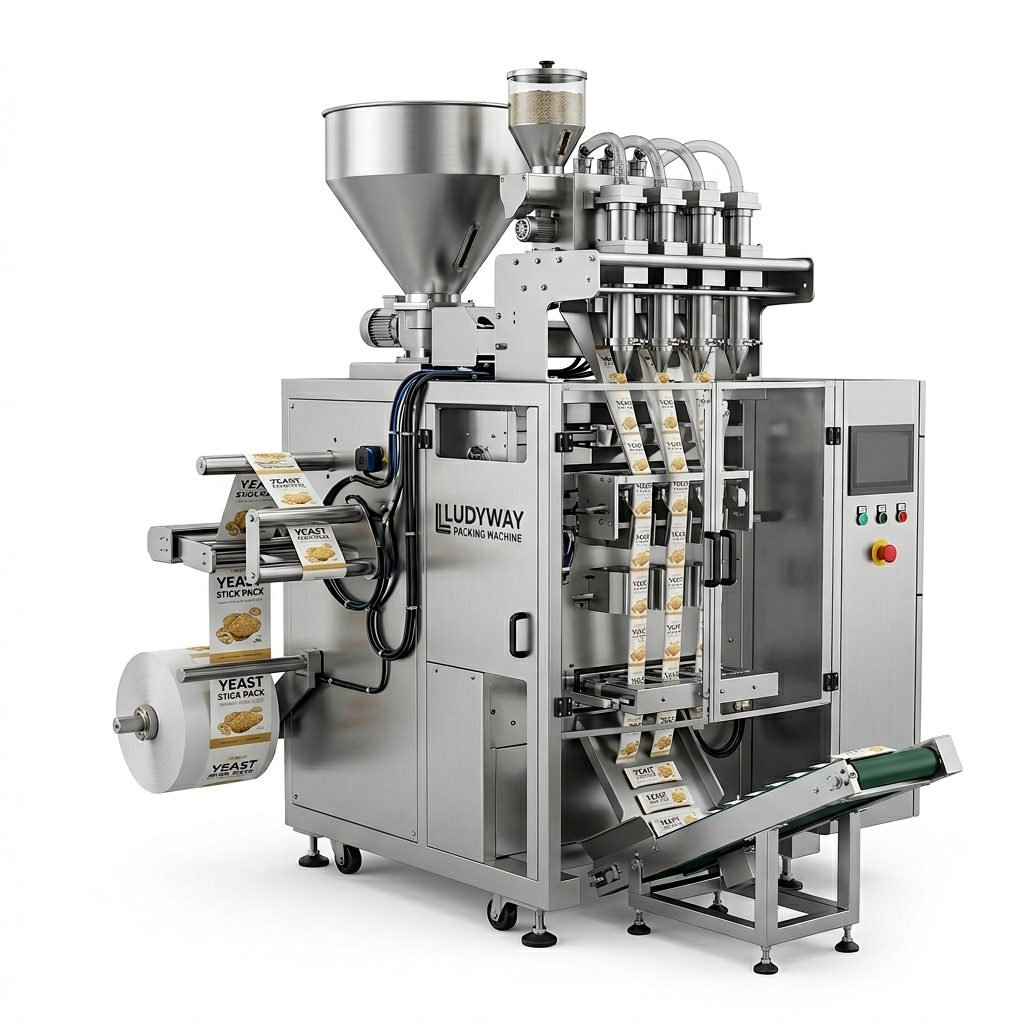
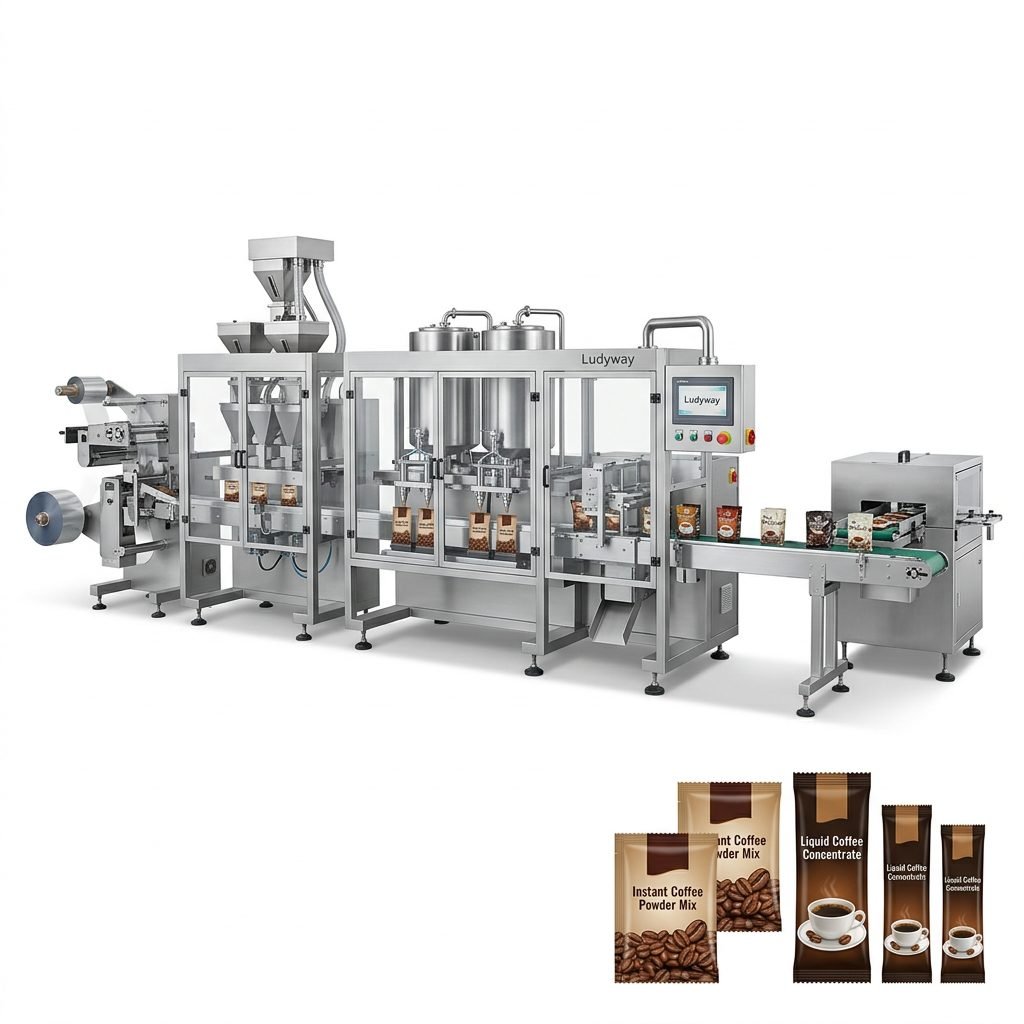
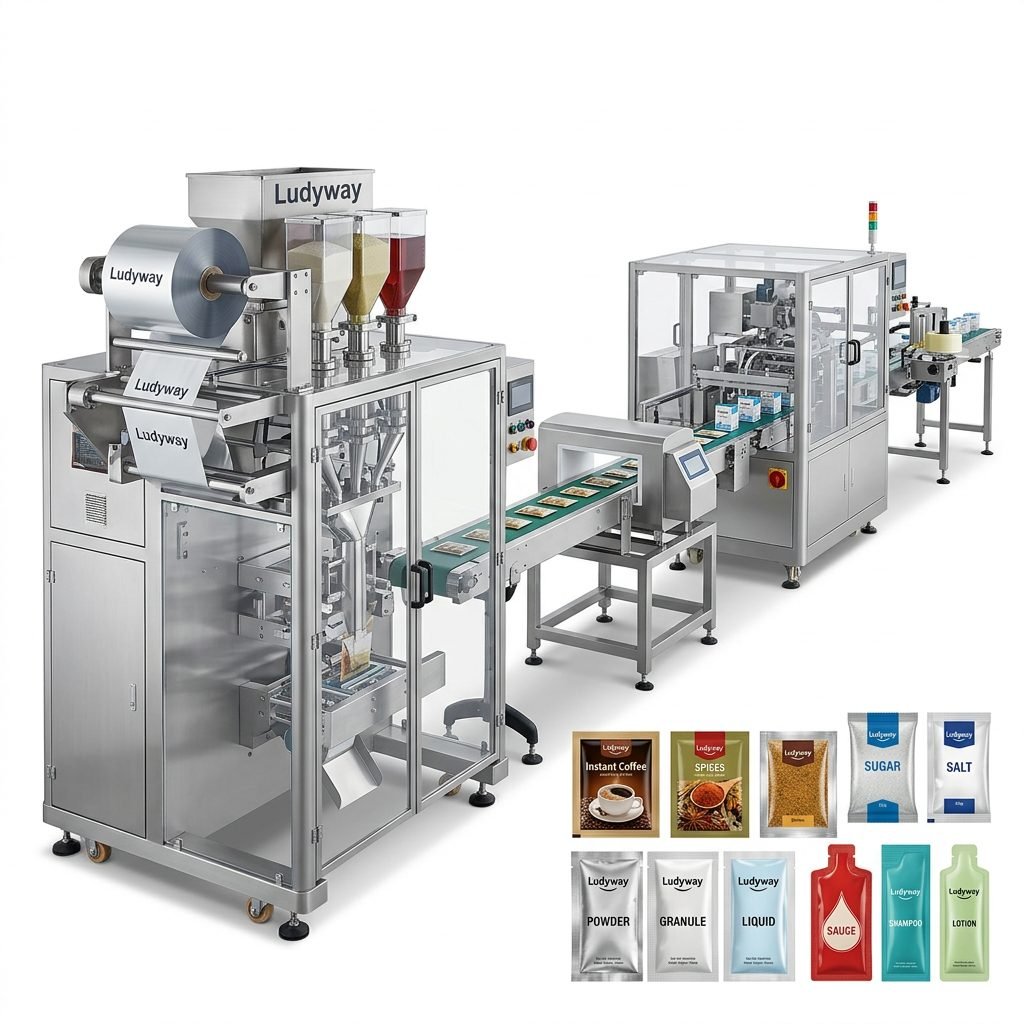
While many tasks can be managed in‑house, a periodic service by a qualified technician helps extend machine life and ensures compliance with safety standards. Ludyway is one of the largest packaging machine manufacturers in China, specializing in advanced packaging equipment and turnkey production solutions for the food, pharmaceutical, and health industries. Their engineering team offers comprehensive maintenance contracts, genuine spare parts, and remote diagnostic support for flow wrappers, multi‑lane stick pack machines, and complete automated lines.
For manufacturers looking to optimize uptime, partnering with an experienced packaging equipment provider can make a substantial difference in overall equipment effectiveness. Regular training for operators is equally important—well‑informed teams catch early warning signs and follow cleaning protocols more rigorously.
Further Industry Resources
Staying current with packaging machinery standards and best practices is vital. Below are several authoritative links that provide technical guidelines, market data, and regulatory updates relevant to horizontal flow wrap equipment maintenance and operation.
- PMMI – Packaging Industry Resources
- PMMI – Business Intelligence Library
- Flexible Packaging Association – Industry Resources
- ISO – Packaging Standards
- FDA – Food Packaging and Food Contact Substances
Implementing a structured maintenance program for your horizontal flow wrap packing machine reduces waste, improves seal integrity, and extends the service life of critical components. Combine on‑site checklists with professional technical support, and your packaging line will deliver consistent, high‑quality output year after year.