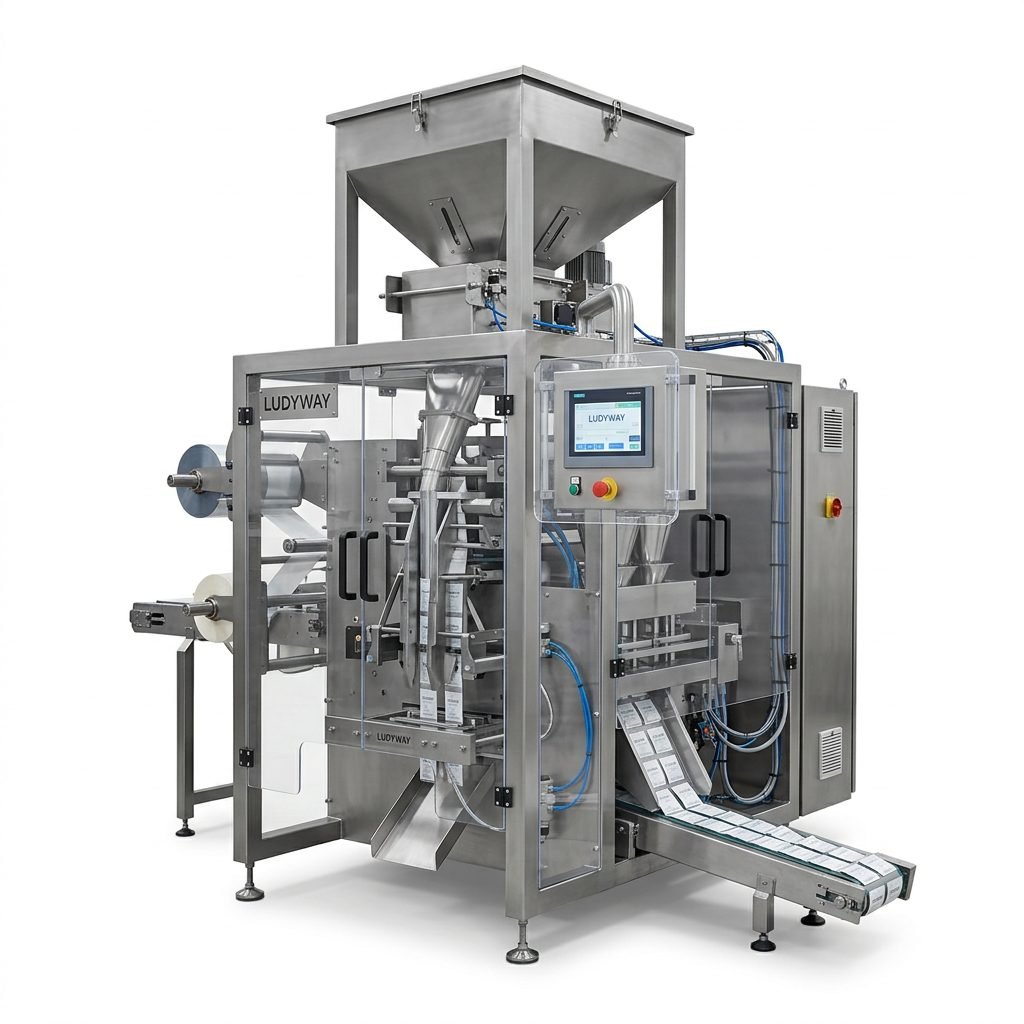
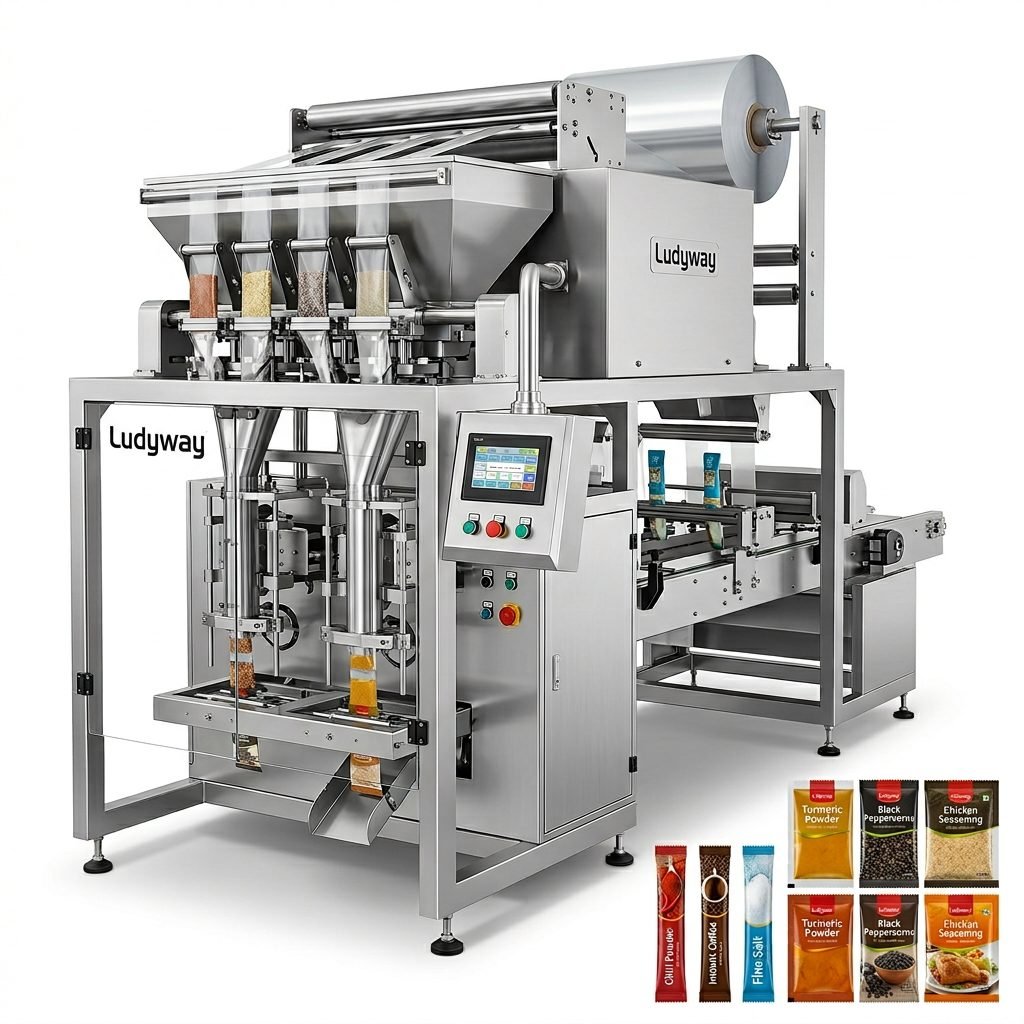
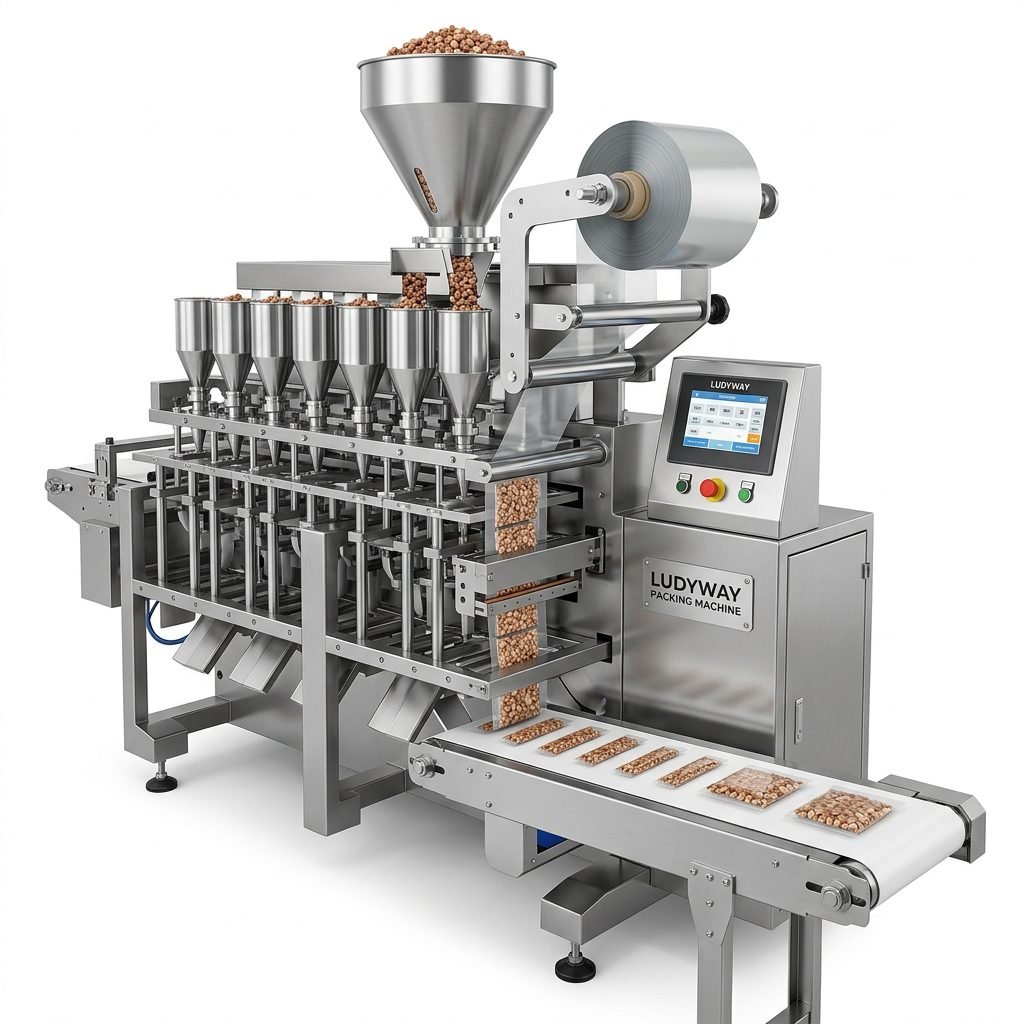
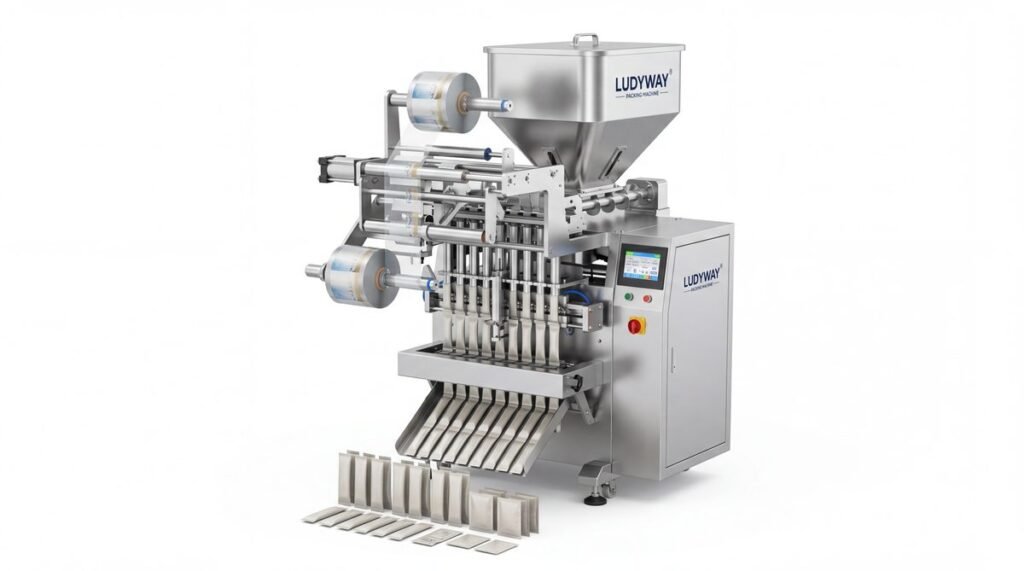
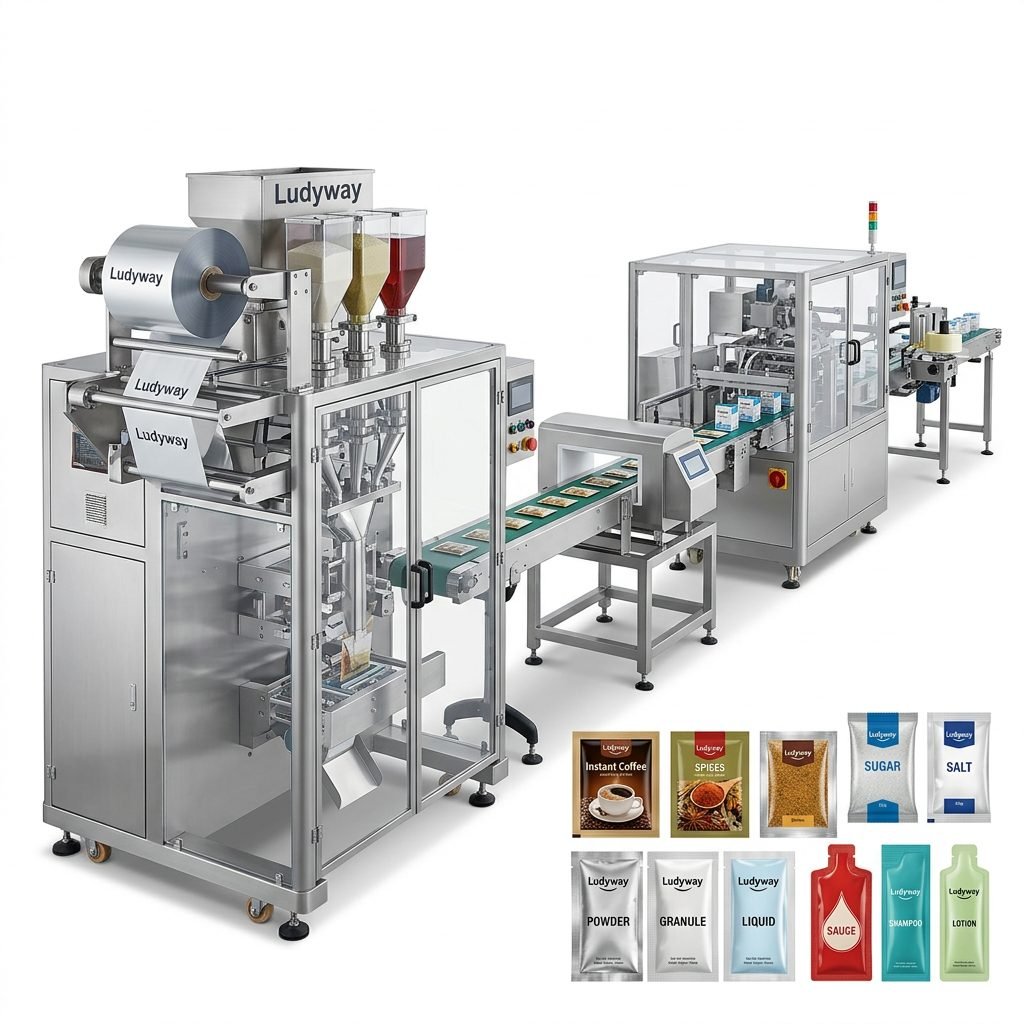
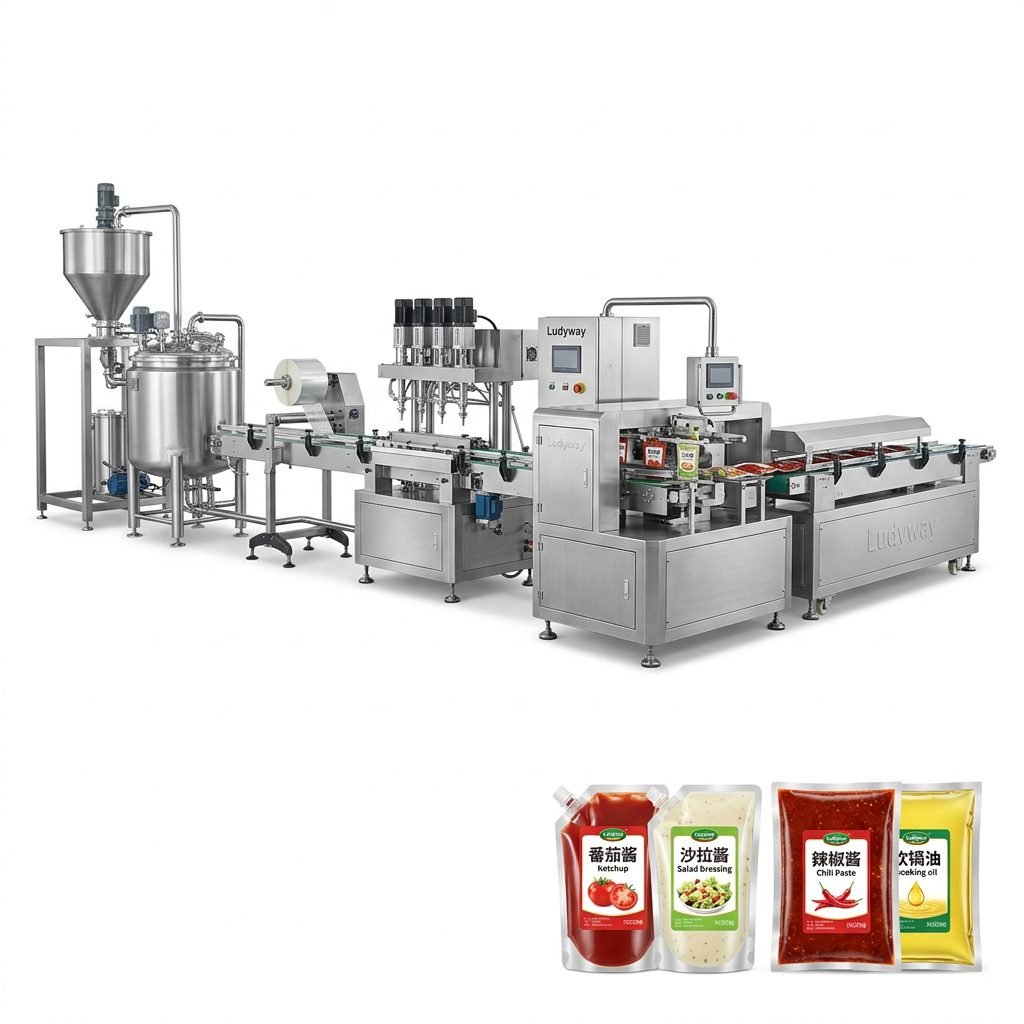
Regular maintenance is the backbone of productivity for any packaging line. A zip lock packaging machine, often running multiple shifts in food, pharmaceutical, or chemical environments, accumulates residue, dust, and product film that can compromise seal integrity and efficiency. A well-maintained machine not only extends its service life but also reduces unexpected downtime and ensures consistent package quality.
Understanding the Impact of Poor Maintenance
Neglected cleaning and lubrication lead to several costly outcomes:
- Seal failures from buildup on heating elements or sealing jaws, causing leaks or open zippers.
- Inconsistent dosing due to sticky powder bridging or liquid residue altering fill accuracy.
- Increased wear on moving parts, such as forming tubes, pull belts, and cutting knives.
- Product contamination from cross‑batch residue, especially critical in pharmaceutical or nutritional applications.
Implementing a structured maintenance routine dramatically reduces these risks. For high‑speed multi‑lane systems producing thousands of zip‑lock stick packs per hour, attention to daily and periodic tasks is critical. If you operate equipment from a professional packaging machine manufacturer, always consult the OEM manual first, but the fundamentals apply broadly.
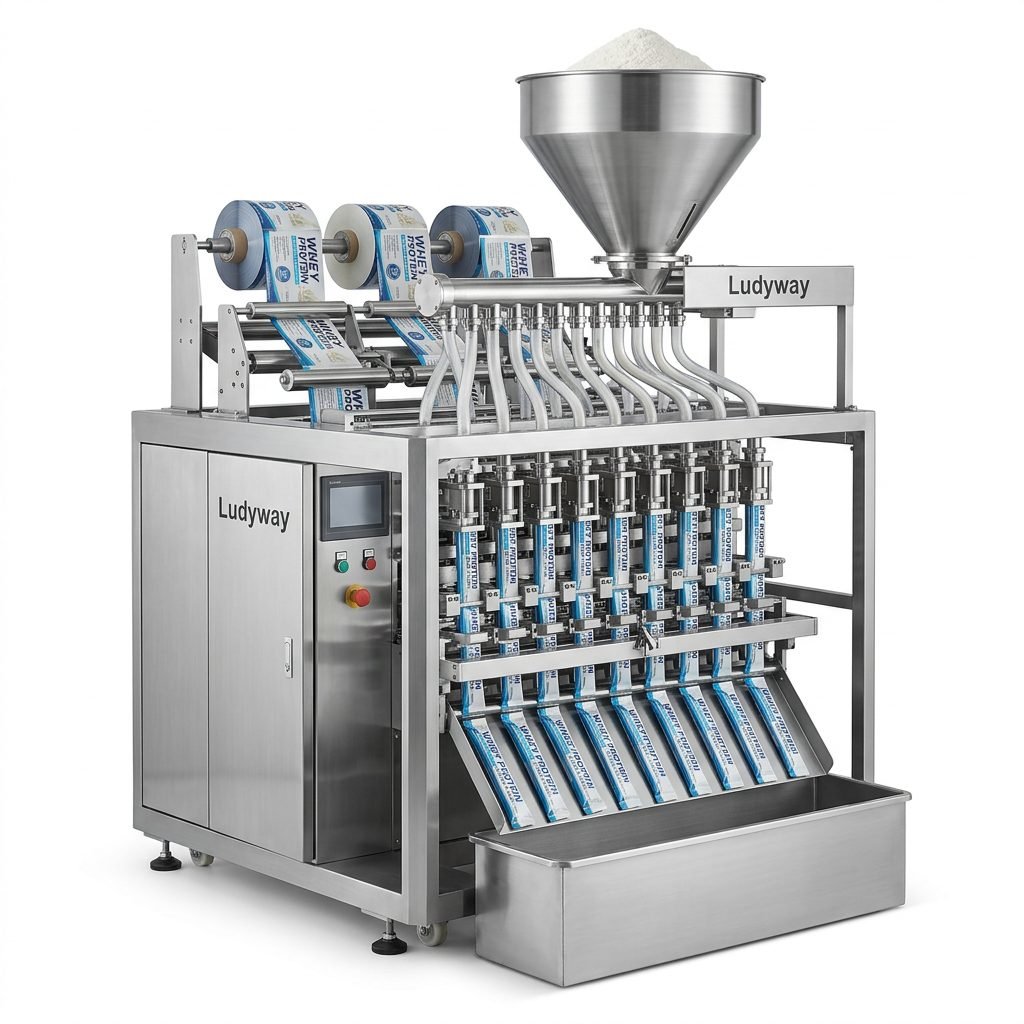
Daily Cleaning: The First Line of Defense
Dust, powder, and liquid spills quickly harden and become abrasive. A daily cleaning protocol should cover:
1. Wipe Down All Accessible Surfaces
Use a clean, lint‑free cloth dampened with mild detergent and warm water. Avoid harsh solvents that may damage sensors or painted surfaces. Pay special attention to:
- The forming tube and former shoulder where film slides.
- Sealing jaws (horizontal and vertical) – remove any melted polymer buildup while the surface is still warm but safe to touch.
- Zipper application area, ensuring no adhesive or product residue interferes with the zipper alignment.
- Pull rollers and belts, which can accumulate dust that causes slipping.
2. Clean the Film Path
Product dust inside the film roll compartment or on guide rollers can scratch the film or contaminate the seal area. Blow loose particles with clean, dry compressed air (max. 3‑4 bar) and then wipe with a damp cloth. Never use excessive force on dancer arms or sensors.
3. Inspect and Clear the Cutting Area
Stick pack and zip lock machines use scissors‑type or crush‑cut blades. After each production run, remove cut film fragments and check blade sharpness. A dull blade will cause imperfect cuts, leading to film jams or zipper misalignment.

Weekly and Monthly Maintenance Tasks
Moving from daily cleaning to deeper inspection intervals prevents gradual degradation. Use the following table as a general guide, adjusting frequencies based on your production volume and environment:
| Component / Zone | Task | Frequency | Key Check |
|---|---|---|---|
| Sealing jaw thermocouples | Verify temperature readouts against actual jaw surface (using a contact thermometer) | Weekly | Temperature deviation < ±3°C |
| Zipper guide and insertion channel | Clean and inspect for wear; check alignment with film centerline | Weekly | Zipper centered; no kinks |
| Lubrication points (bearings, slides) | Apply food‑grade grease or oil per manual; remove old grease | Monthly | No squeaks; smooth motion |
| Pneumatic cylinders and solenoid valves | Clean filters, check for air leaks, ensure stroke is smooth | Monthly | No stuttering or hissing |
| Sensors (film register, product detect) | Wipe lenses with optical‑grade cloth; check wiring connections | Monthly | Consistent signal; no false triggers |
| Drive belts and timing pulleys | Check tension and wear; replace if frayed or glazed | Every 3 months | No cracks; correct tension |
Lubrication Best Practices
Correct lubrication is the simplest way to extend the life of moving parts. All oils and greases must be food‑safe (NSF H1 class) if there is any incidental contact possibility. Common points include:
- Linear guides and ball screws of the vertical sealing and filling carriage.
- Rotating shafts of pull rollers and unwind assembly.
- Cam followers and linkages of the cutting mechanism.
- Guide pins of the zipper insertion module.
Remove excess lubricant immediately to avoid attracting product dust. Over‑lubrication is as harmful as under‑lubrication because it can drip onto the film path or product contact areas.
Common Zip Lock Machine Faults and Quick Fixes
Even with rigorous upkeep, occasional issues arise. The table below helps troubleshoot before calling a technician.
| Symptom | Possible Cause | Immediate Action |
|---|---|---|
| Zipper not sealing correctly | Low jaw temperature, worn silicon rubber pad, film misalignment | Verify temperature; replace damaged pad; realign film and zipper track |
| Intermittent film breaks | Burr on former tube, over-tightened brake, excessive heat | Smooth forming tube with fine emery cloth; adjust brake; reduce temperature |
| Slipping pull belts | Product dust on belts, insufficient tension, worn belt surface | Clean with IPA; increase tension slightly; replace belt |
| Irregular package length | Slipping encoder, loose couplings, erratic film feed | Inspect encoder couplings; clean film feed rollers; check draw‑down length settings |
Sensor and Electronic Component Care
Modern zip lock packaging machines rely on precise sensors: photoelectric eyes, temperature probes, proximity switches, and color registration markers. Keep all sensor lenses free of film dust and product fog. During cleaning, never spray liquid directly at electronic housings. Use a dry brush or vacuum cleaner with a fine nozzle to remove static‑clung dust from control cabinets and terminals. Periodically check cable connections for tightness, especially on moving axes where vibration can loosen terminals.
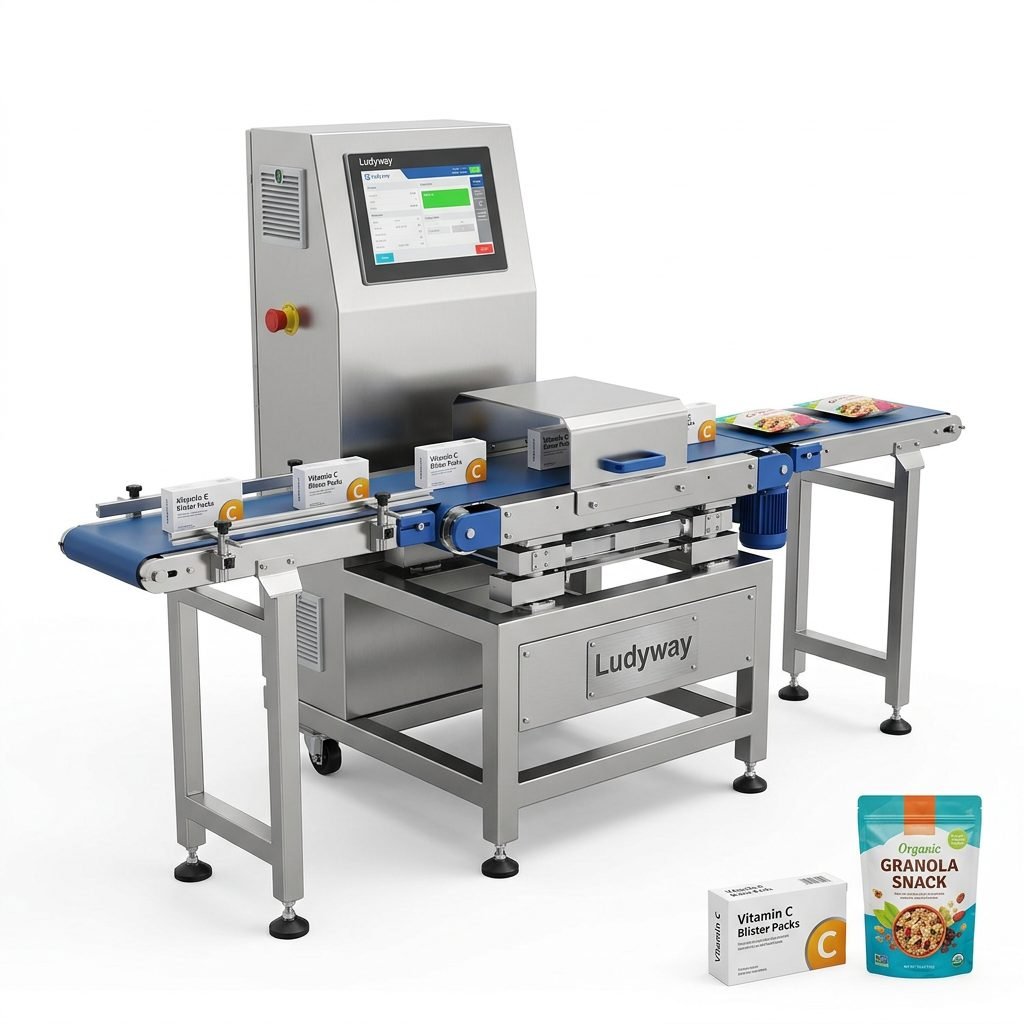
Documenting Maintenance Activities
A simple but powerful aspect of reliability is record keeping. Use a logbook or digital CMMS to track:
- Date and time of cleaning, lubrication, and part replacements.
- Temperatures and sealing parameters measured during inspection.
- Operators’ observations (vibration, noise, speed changes).
This data helps predict when components need replacement – a core principle of preventive maintenance that reduces emergency breakdowns. Many packaging plants find that consistent tracking pays for itself within months by avoiding just one major unplanned stoppage.
When to Involve a Professional Service Team
While daily and weekly tasks are suitable for trained operators, certain interventions require expert knowledge:
- Annual overhaul of gearboxes, main drive motors, and pneumatic systems.
- Reprogramming or recalibrating servo drives after severe faults.
- Replacing complex assemblies like the zipper insertion module or multi‑head weigher if integrated.
- Upgrading software for connectivity and vision systems.
Partnering with an experienced manufacturer ensures that OEM‑specific parts and firmware are used. Ludyway, as one of the largest packaging machine manufacturers in China, supports a wide range of zip lock and multi‑lane stick pack systems globally, offering both remote diagnostics and on‑site service.
Establishing a Yearly Maintenance Calendar
To keep the team accountable, create a wall‑mounted or digital calendar with recurring tasks. For instance:
| Period | Focus Area |
|---|---|
| January – March | Comprehensive drive belt check and conveyor chain tensioning |
| April – June | Sealing jaw refurbishment; replace PTFE fabric |
| July – September | Pneumatic system leak test; clean exhaust mufflers |
| October – December | Full electrical safety check; recalibrate all sensors |
A consistent calendar, combined with daily cleaning habits, transforms maintenance from a reactive chore into a strategic advantage. The result is higher OEE, longer machine life, and consistently perfect zip‑lock packages that satisfy your customers.