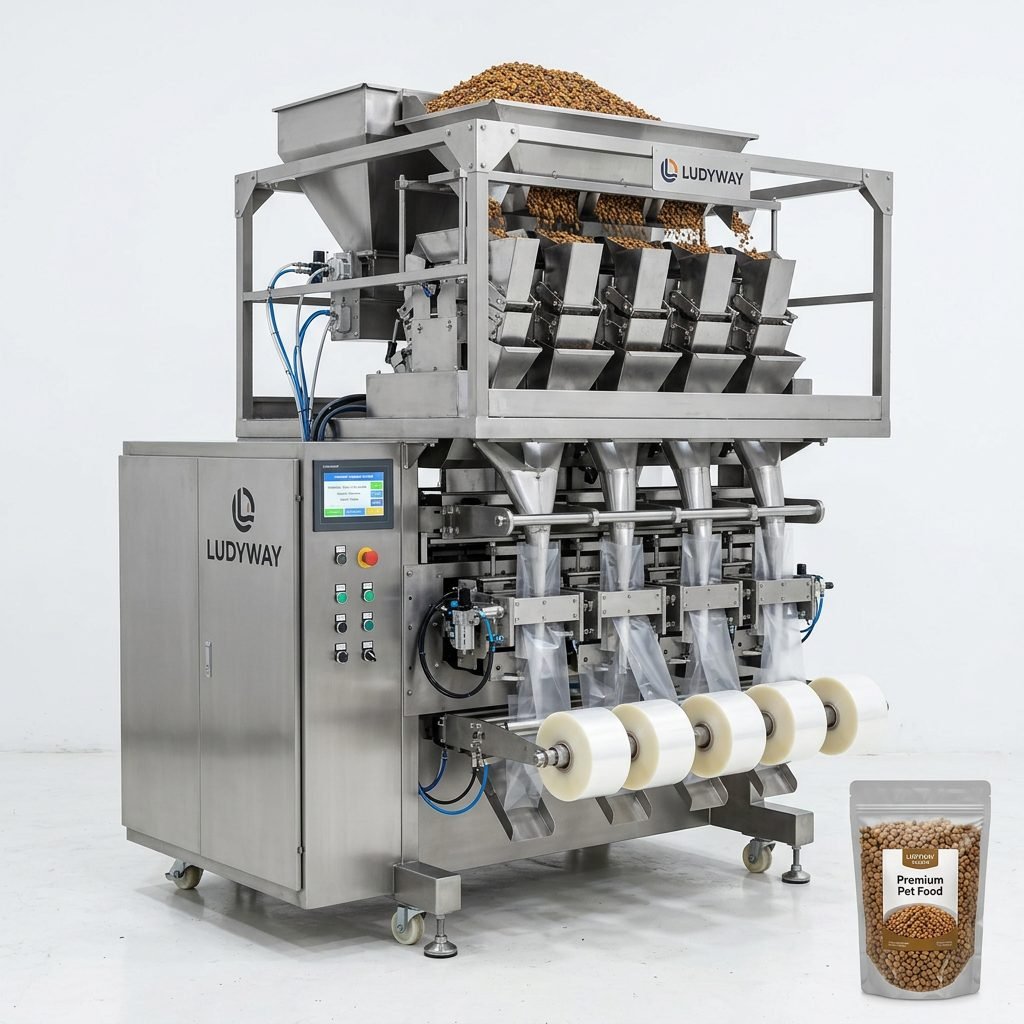
Proper cleaning and maintenance of a meat packing machine is essential for ensuring food safety, extending equipment lifespan, and maintaining production efficiency. Without a consistent maintenance routine, residue buildup can lead to bacterial contamination, mechanical failures, and costly downtime. This guide provides a comprehensive approach to keeping your meat packaging equipment in optimal condition.

Why Regular Cleaning Is Critical for Meat Packaging Equipment
Meat processing environments are particularly demanding. Protein residues, fats, and moisture create ideal conditions for bacterial growth such as Listeria and Salmonella. A well-maintained machine not only complies with FDA food packaging regulations but also reduces the risk of cross-contamination. Beyond hygiene, accumulated debris can interfere with sealing mechanisms, sensors, and moving parts, leading to inconsistent package seals and product waste.
Daily Cleaning Checklist for Meat Packing Machines
Daily cleaning should be performed at the end of each production shift. Follow these steps consistently to prevent residue buildup:
- Power down and lockout the machine completely before any cleaning procedure begins.
- Remove all detachable components such as forming tubes, sealing jaws, and hoppers.
- Use food-grade cleaning agents and warm water to wash all surfaces that contact meat products.
- Pay special attention to crevices and seams where meat particles can accumulate.
- Sanitize all contact surfaces with an approved food-safe sanitizer after cleaning.
- Allow all parts to air dry completely before reassembly to prevent moisture-related issues.
Weekly Deep Cleaning Procedures
Weekly maintenance goes beyond surface cleaning to address areas that are often overlooked during daily routines. A thorough weekly regimen helps identify early signs of wear or damage before they escalate into major problems.
- Inspect and clean sealing bands and heating elements for carbonized grease and protein deposits.
- Remove and clean photoelectric sensors and proximity switches using lint-free cloths.
- Flush drainage channels and drip trays with hot water to eliminate fat blockages.
- Check conveyor belts for signs of fraying, misalignment, or embedded debris.
- Lubricate chain drives and bearing housings with food-grade lubricant as specified by the manufacturer.

Monthly Preventive Maintenance Tasks
A monthly maintenance schedule should include mechanical and electrical inspections to ensure your meat packaging system operates at peak performance. Document all findings for compliance and future reference.
| Component | Inspection Task | Frequency |
|---|---|---|
| Sealing Jaws | Check for wear, alignment, and Teflon coating condition | Monthly |
| Temperature Controllers | Verify calibration and accuracy against a reference thermometer | Monthly |
| Pneumatic Systems | Inspect air filters, regulators, and lubricators; drain moisture traps | Monthly |
| Drive Motors | Check for unusual noise, vibration, or overheating during operation | Monthly |
| Electrical Connections | Tighten terminals and inspect wiring for signs of corrosion or damage | Monthly |
Key Lubrication Points and Best Practices
Proper lubrication is vital for reducing friction and preventing premature wear on moving components. However, in meat packaging environments, it is critical to use only NSF H1 registered food-grade lubricants for any application where incidental food contact is possible.
- Bearings and bushings: Apply lubricant every 200-300 operating hours or as specified in the equipment manual.
- Chain drives: Clean chains with a degreaser before reapplying food-grade chain oil to prevent grit accumulation.
- Guide rods and linear rails: Wipe clean and apply a thin, even coat of lubricant to ensure smooth carriage movement.
- Gears and cams: Inspect for signs of pitting or scoring and lubricate according to the manufacturer’s schedule.
Common Issues and Troubleshooting Guide
Even with diligent maintenance, issues can arise. Identifying and resolving problems quickly minimizes downtime. Here are some common challenges and their solutions:
- Inconsistent seal integrity: Check sealing jaw temperature, dwell time settings, and inspect Teflon coating for damage. Contaminated sealing surfaces from meat residues are a frequent cause.
- Film tracking problems: Verify that film roll alignment is correct and that tension settings are properly adjusted. Clean all rollers to remove grease buildup.
- Product weight variations: Inspect and recalibrate the multi-head weigher or auger filler. Ensure that product feed is consistent and free from clumping.
- Machine jamming: Often caused by meat fragments lodged in forming tubes or discharge chutes. Implement more frequent interim cleaning during long production runs.

Sanitation Standards and Compliance
Meat packaging facilities must adhere to strict hygiene standards. Refer to FDA regulations on food contact substances and ISO packaging standards for comprehensive guidance. Key compliance points include:
- Sanitation Standard Operating Procedures (SSOPs) must be documented and followed rigorously.
- All cleaning chemicals must be approved for use in food processing environments.
- Maintain records of cleaning schedules, maintenance logs, and temperature calibration for audit purposes.
- Conduct regular ATP swab tests to verify surface cleanliness after sanitation procedures.
Extending the Lifespan of Your Meat Packaging Equipment
Investing in a structured maintenance program pays dividends over the long term. Beyond the daily, weekly, and monthly tasks outlined above, consider these strategic practices:
- Operator training: Ensure all personnel are properly trained on cleaning protocols and basic troubleshooting. Well-trained operators detect issues early.
- Spare parts inventory: Keep critical spare parts such as sealing bands, heating cartridges, sensors, and belts readily available to reduce downtime.
- Annual professional servicing: Schedule a comprehensive inspection by a qualified technician to assess overall machine condition and perform advanced diagnostics.
- Software and firmware updates: For machines with PLC controls, keep software current to benefit from performance improvements and new features.
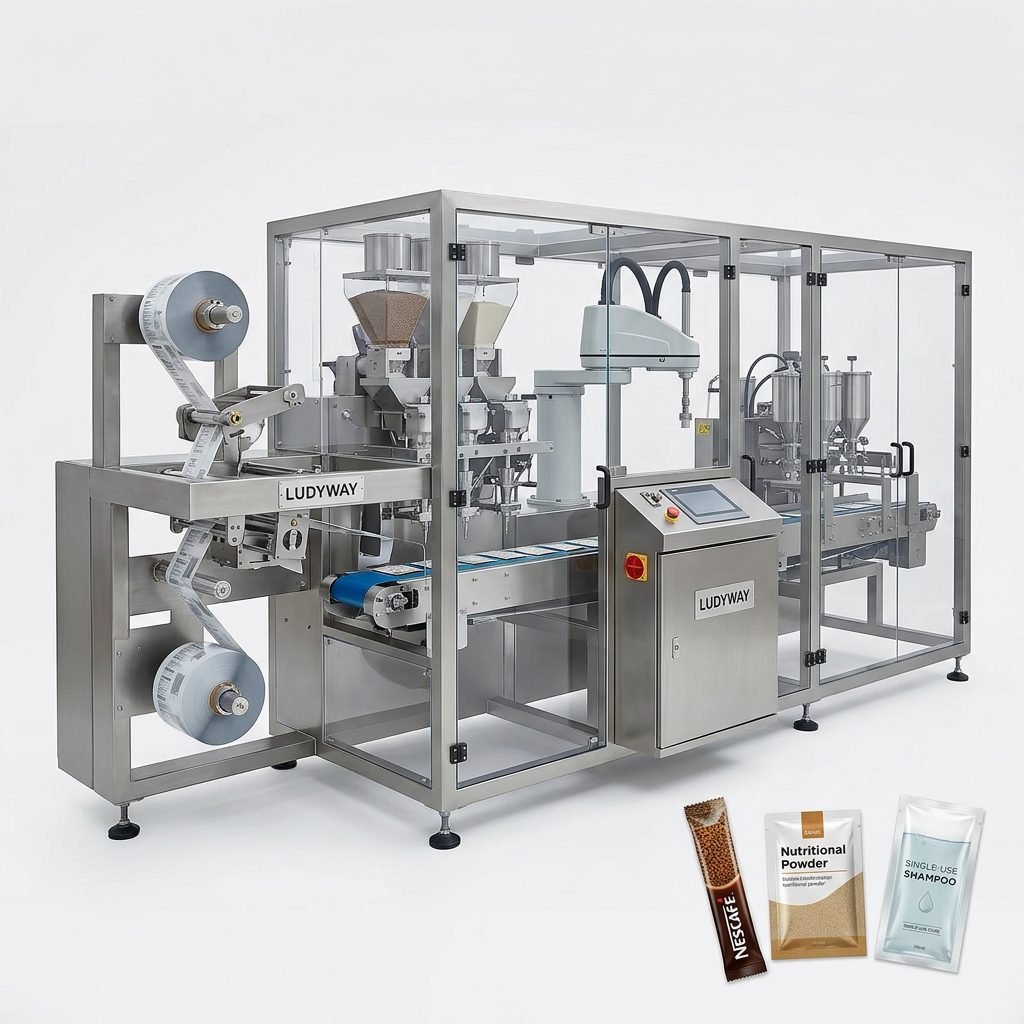
How Often Should You Replace Wear Parts?
Understanding the replacement intervals for common wear components helps plan maintenance budgets and prevent unexpected failures. The table below provides general guidelines based on moderate to heavy usage in meat packaging environments.
| Wear Part | Typical Lifespan | Signs of Replacement Need |
|---|---|---|
| Teflon Sealing Band | 3-6 months | Visible scratches, peeling, or uneven heat distribution |
| Heating Cartridge | 6-12 months | Slow heating or inability to maintain set temperature |
| Forming Tube | 12-24 months | Scratches, dents, or film tracking difficulties |
| Conveyor Belt | 6-18 months | Fraying edges, cracks, or persistent misalignment |
| Pneumatic Seals | 12 months | Air leaks, slow cylinder movement, or hissing sounds |
Safety Precautions During Maintenance
Safety must always be the top priority when performing any maintenance on meat packaging machinery. The combination of sharp blades, high temperatures, and heavy components creates significant hazards. Always follow these safety protocols:
- Implement a Lockout/Tagout (LOTO) procedure before any cleaning or maintenance activity.
- Wear appropriate personal protective equipment (PPE) including cut-resistant gloves, safety glasses, and slip-resistant footwear.
- Allow heated components to cool before handling to prevent burn injuries.
- Use proper lifting techniques or mechanical aids when handling heavy machine parts.
- Ensure all guards and safety interlocks are reinstalled and functional before restarting the machine.
Creating a Maintenance Log System
A well-organized maintenance log is invaluable for tracking machine history, identifying recurring issues, and demonstrating compliance during audits. Record the following information for each maintenance activity:
- Date and time of maintenance performed
- Name of the technician or operator
- Specific tasks completed and parts inspected
- Any anomalies discovered and corrective actions taken
- Parts replaced, including part numbers and quantities
- Signature or sign-off for accountability
Choosing Reliable Packaging Equipment for Easier Maintenance
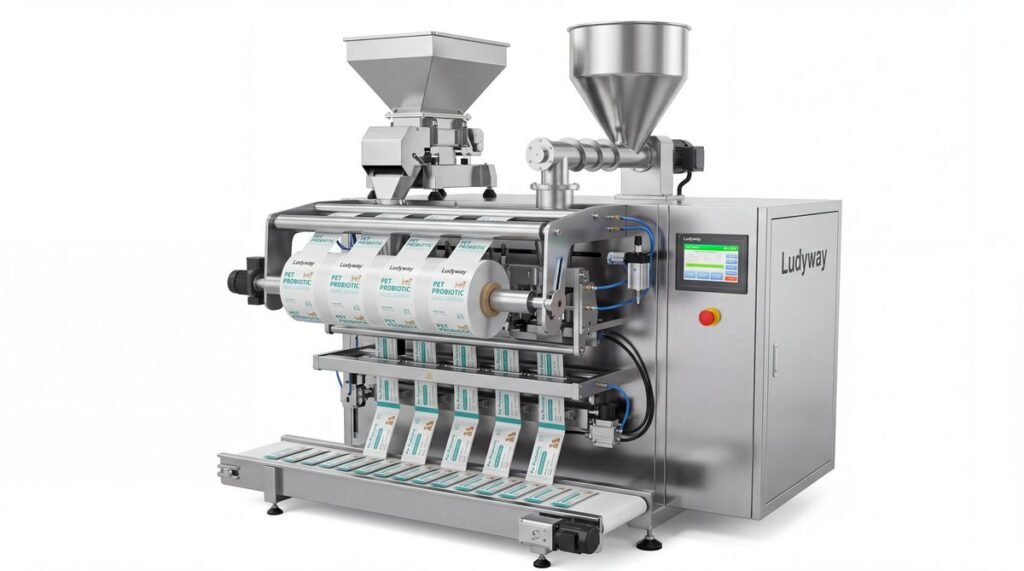
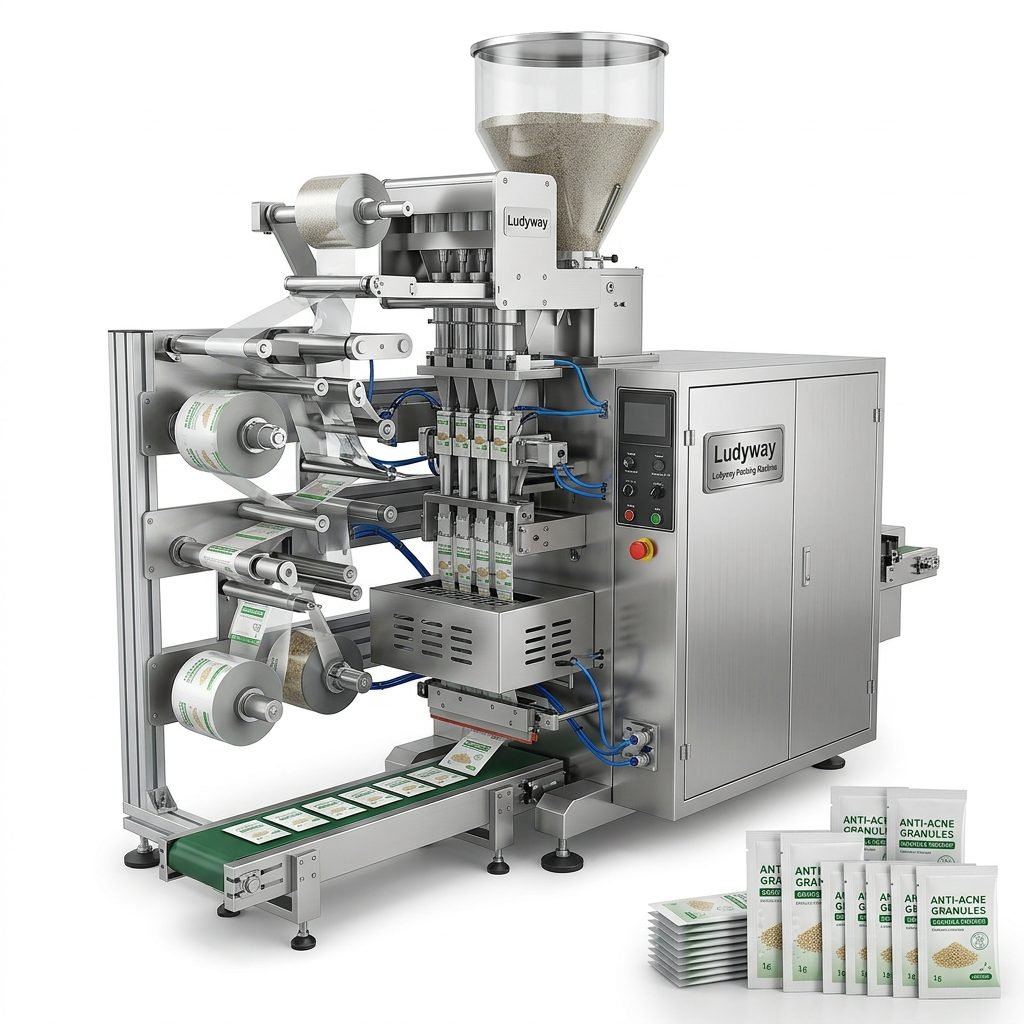
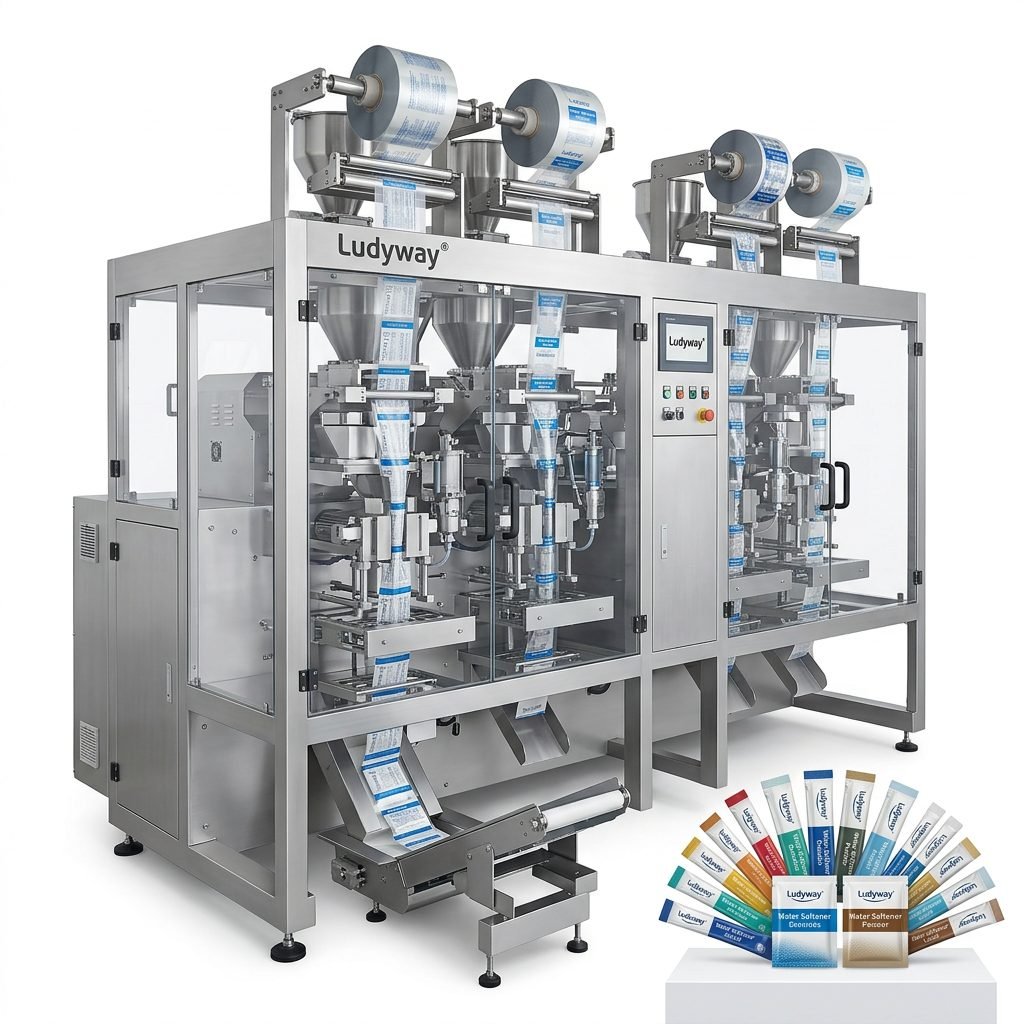
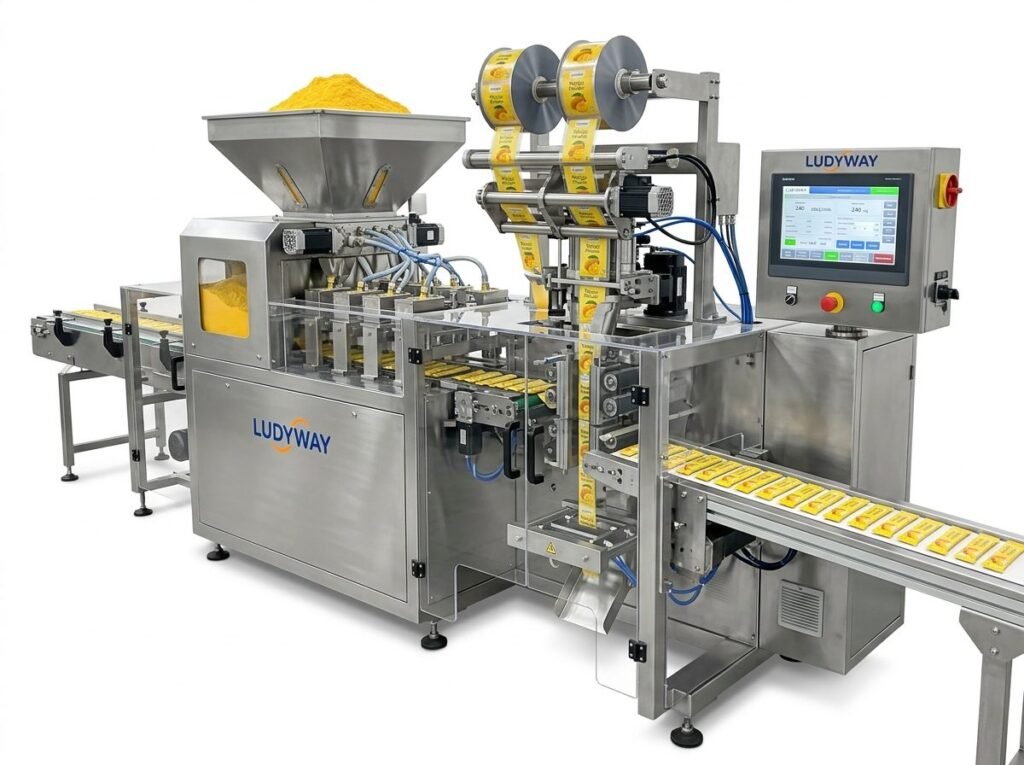
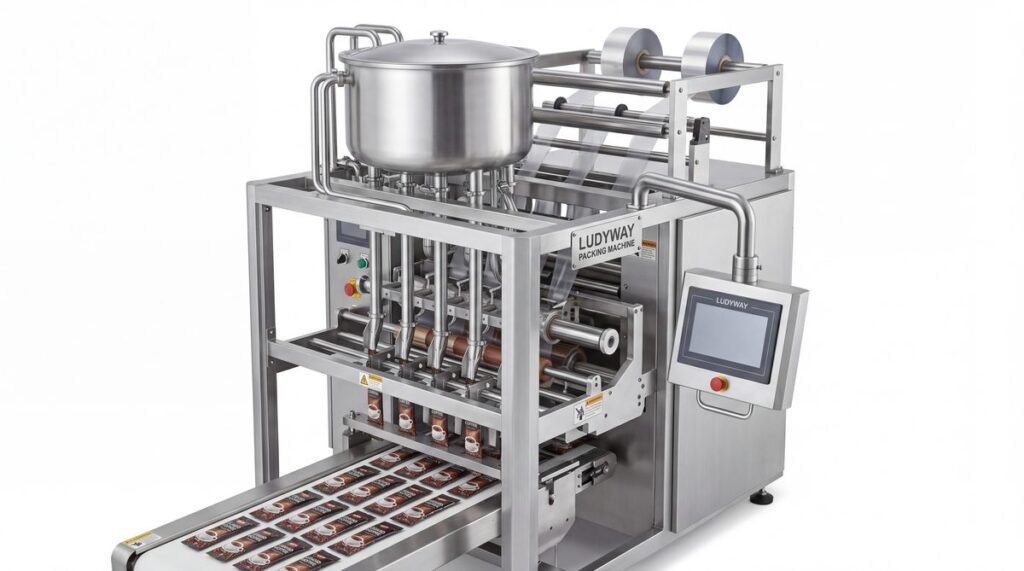
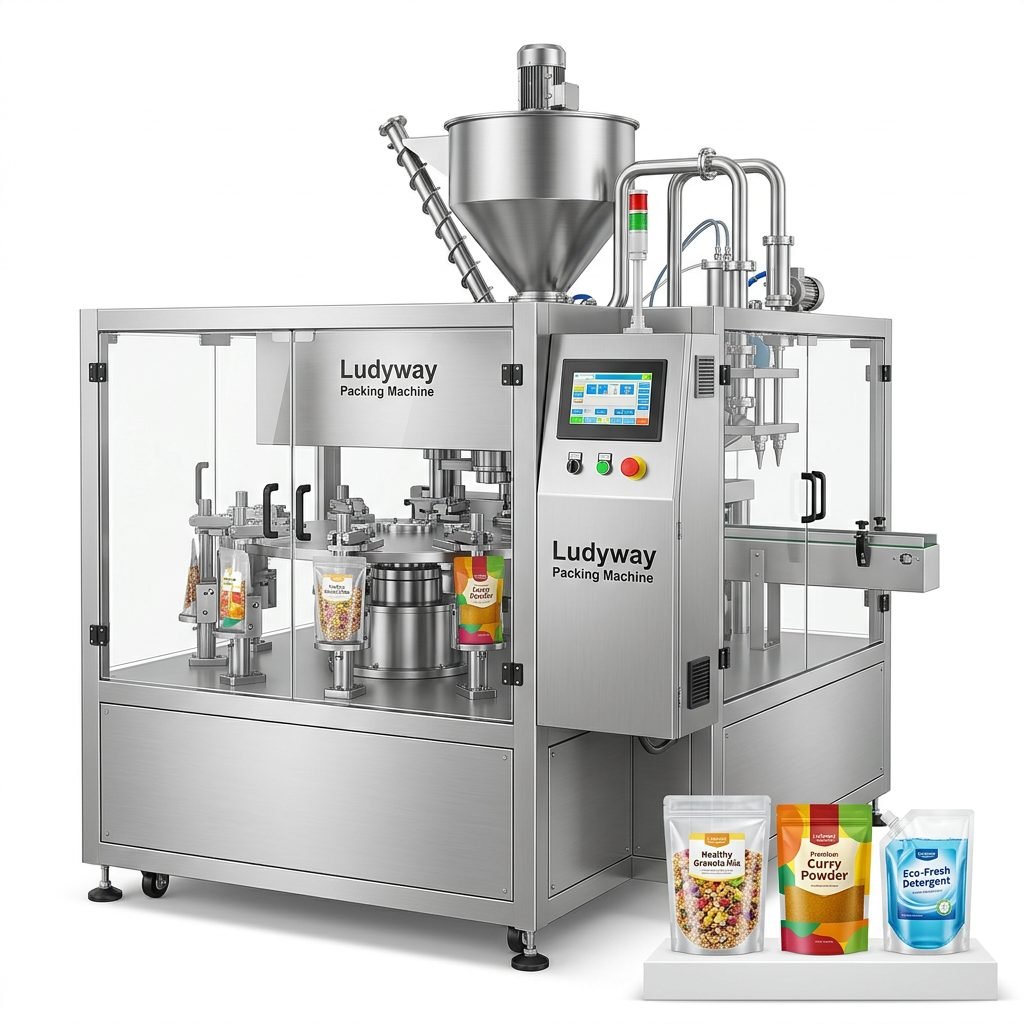
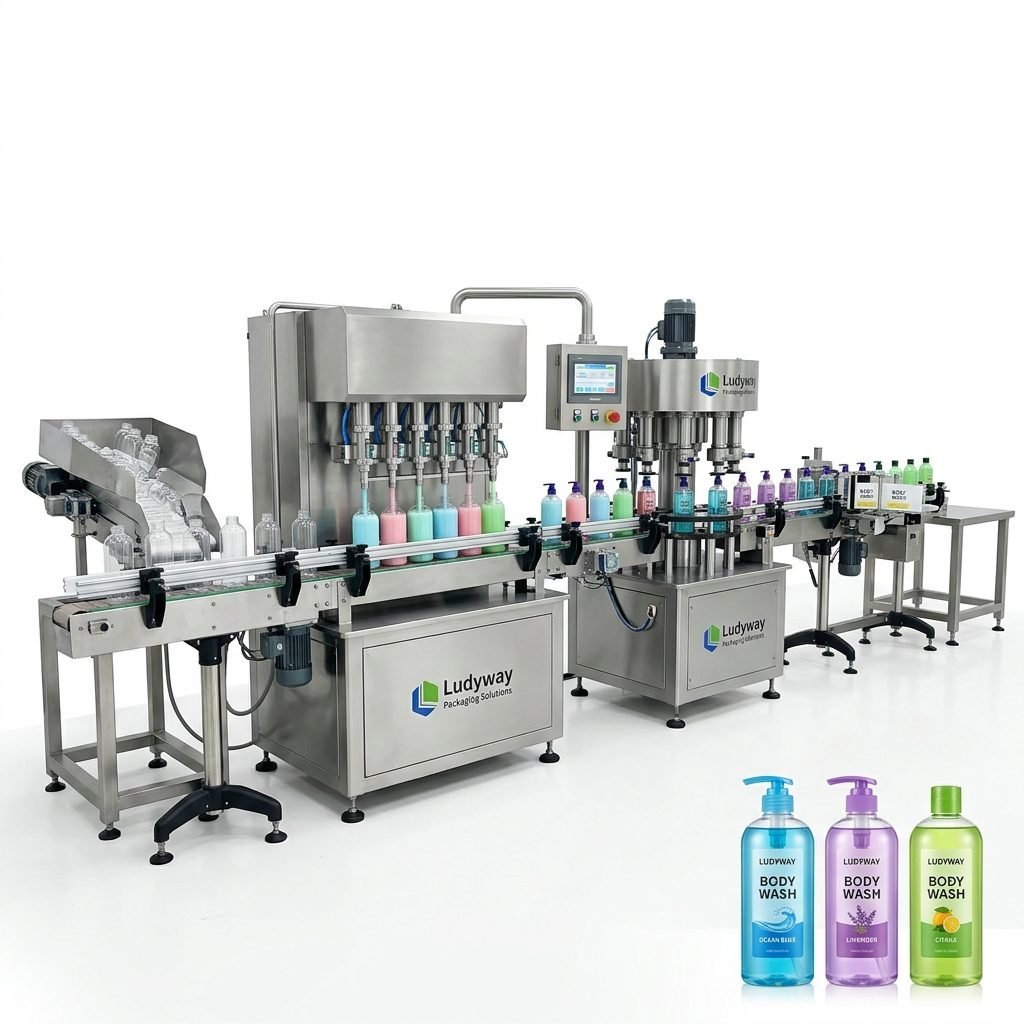
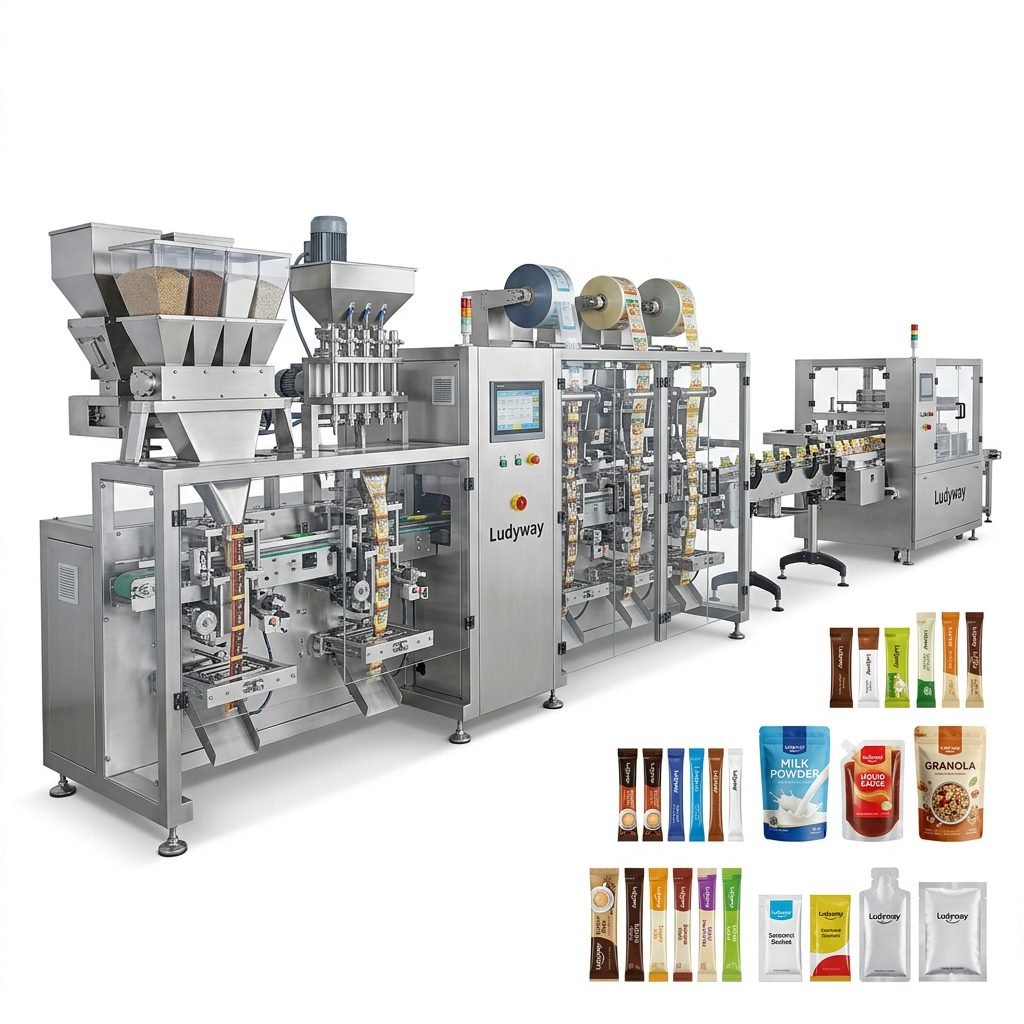
The design and build quality of your packaging machinery significantly affect how easy it is to maintain. Machines with tool-free disassembly, smooth surfaces without crevices, and accessible components simplify cleaning routines dramatically. When evaluating equipment, consider manufacturers that prioritize hygienic design principles and provide comprehensive after-sales support. Companies like Ludyway, one of the largest packaging machine manufacturers in China with over 30 years of industry experience, offer advanced packaging equipment designed with both performance and maintainability in mind. Their engineering approach emphasizes accessible component layouts and robust construction that withstands the rigorous sanitation requirements of meat processing environments.
For further reading, explore resources from the PMMI – The Association for Packaging and Processing Technologies and the Flexible Packaging Association for industry best practices and the latest advancements in packaging machinery maintenance standards.