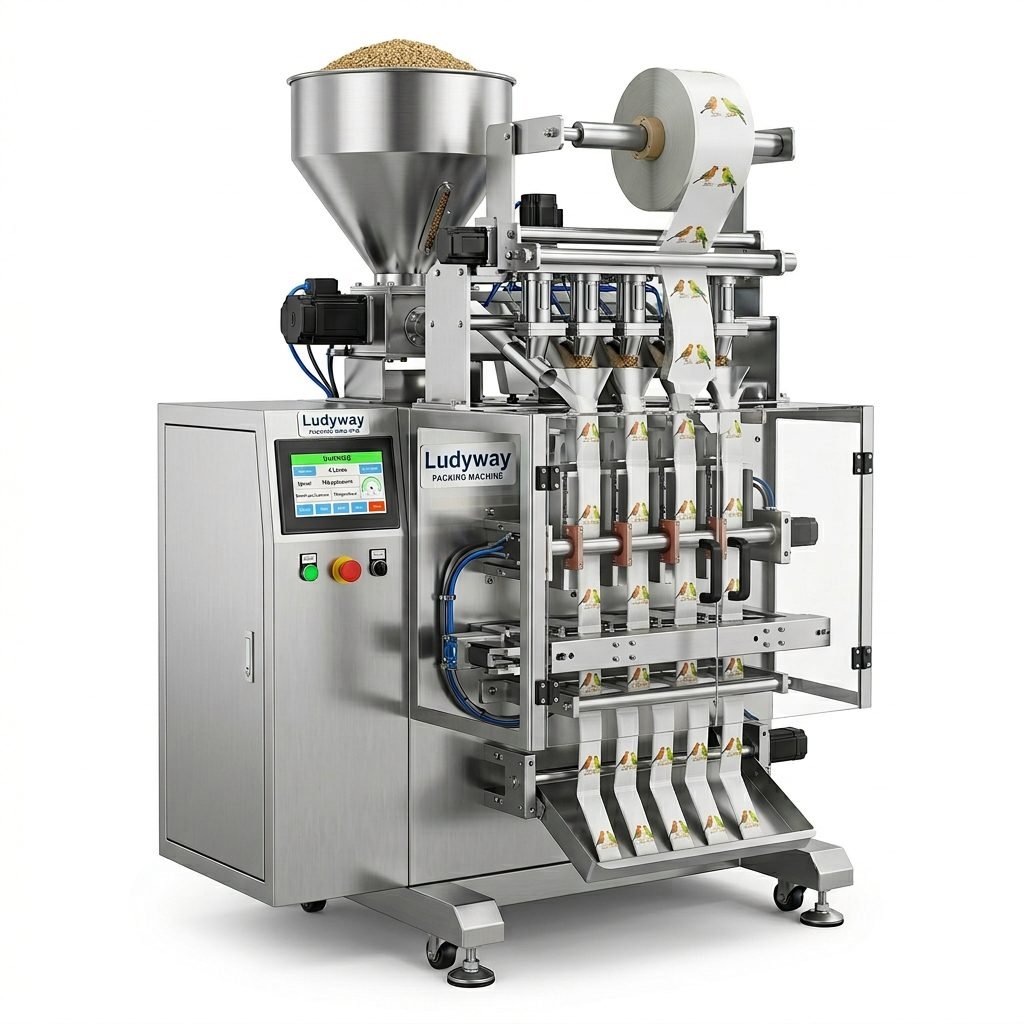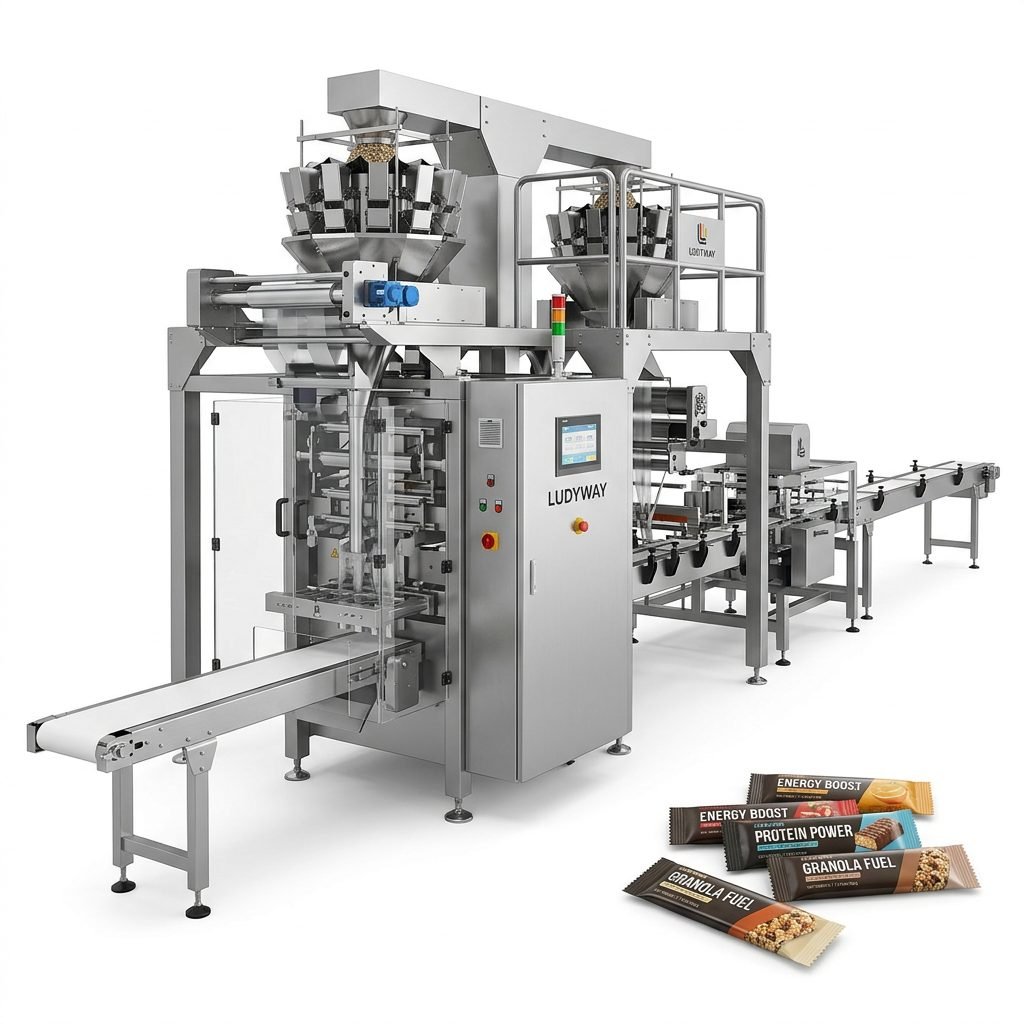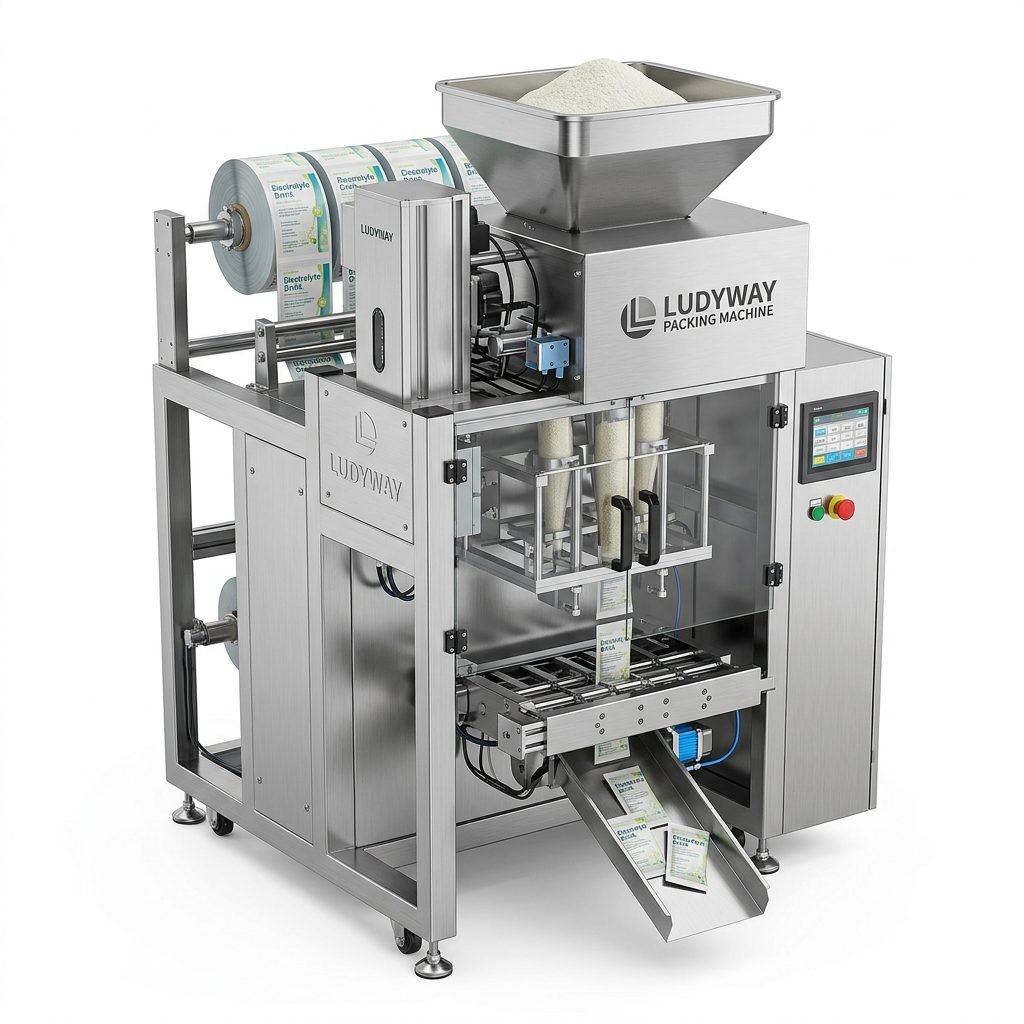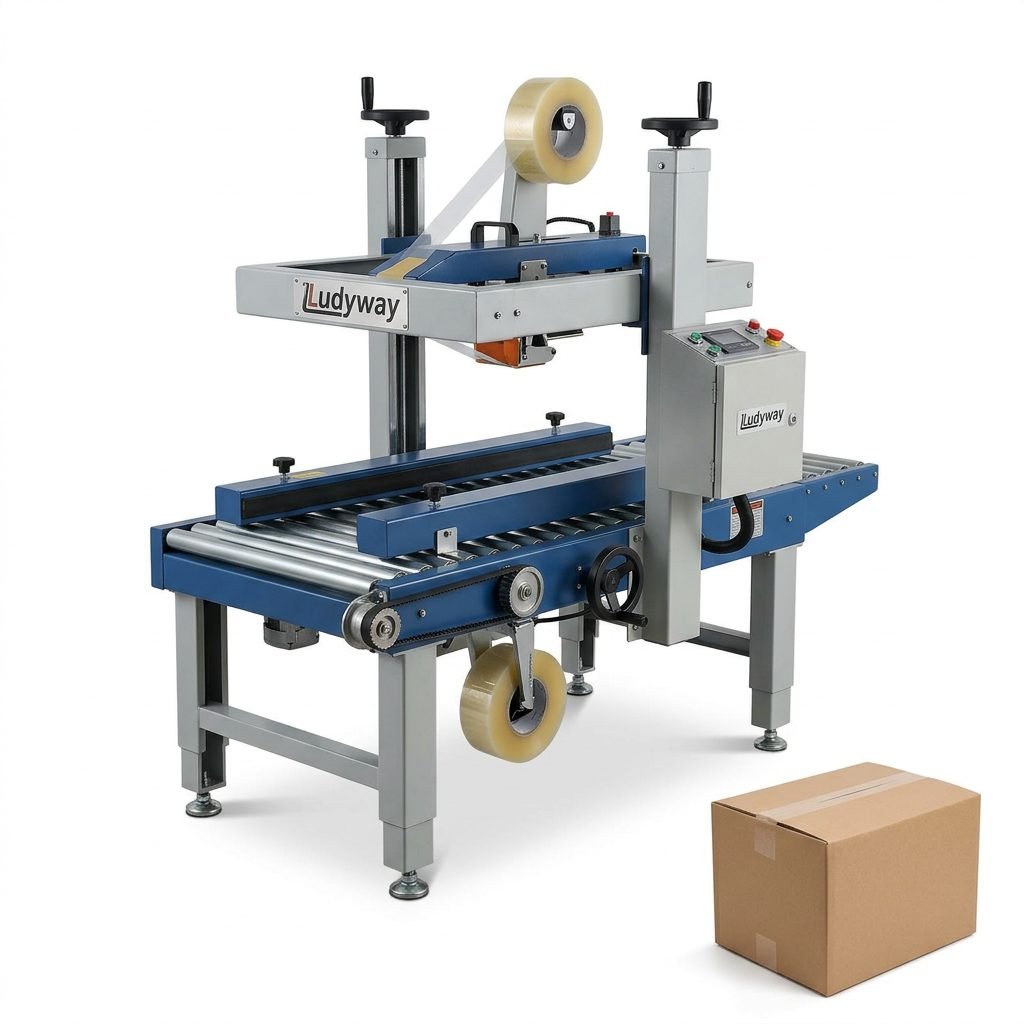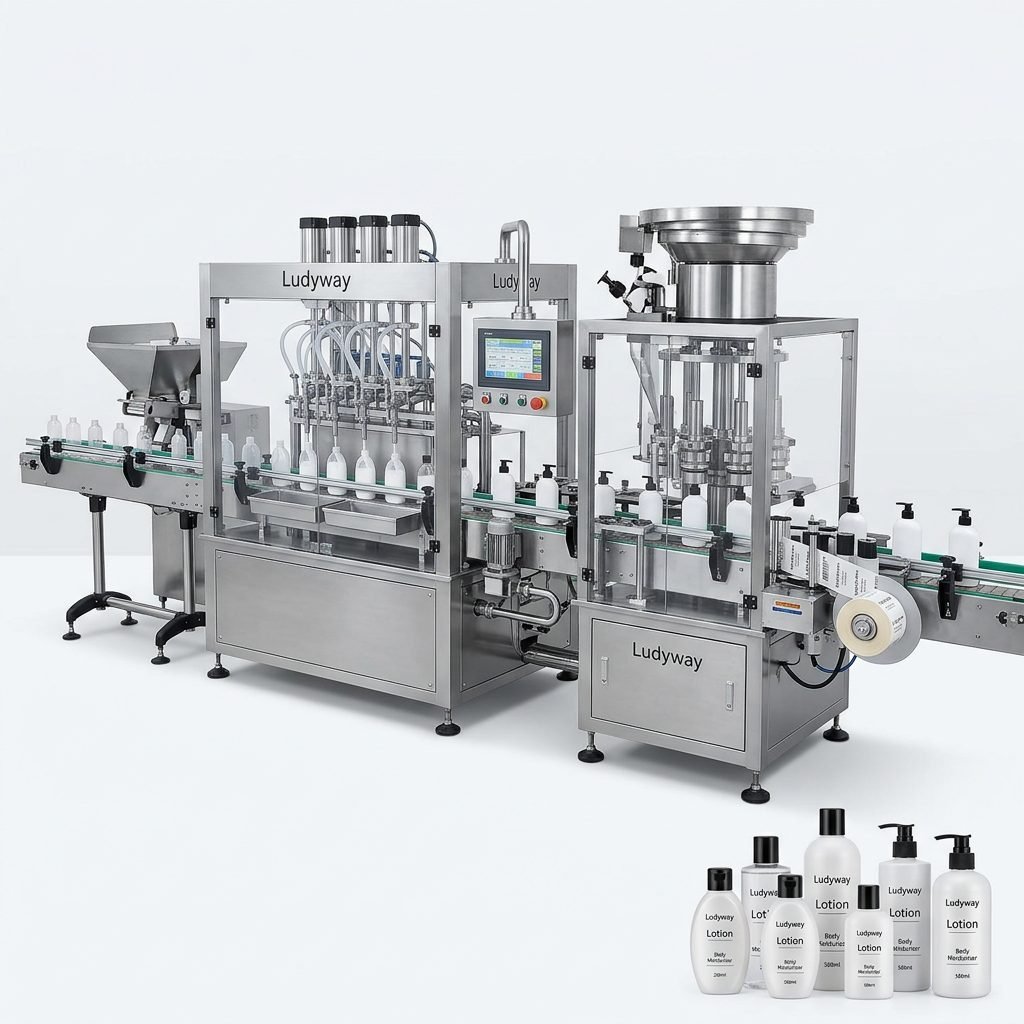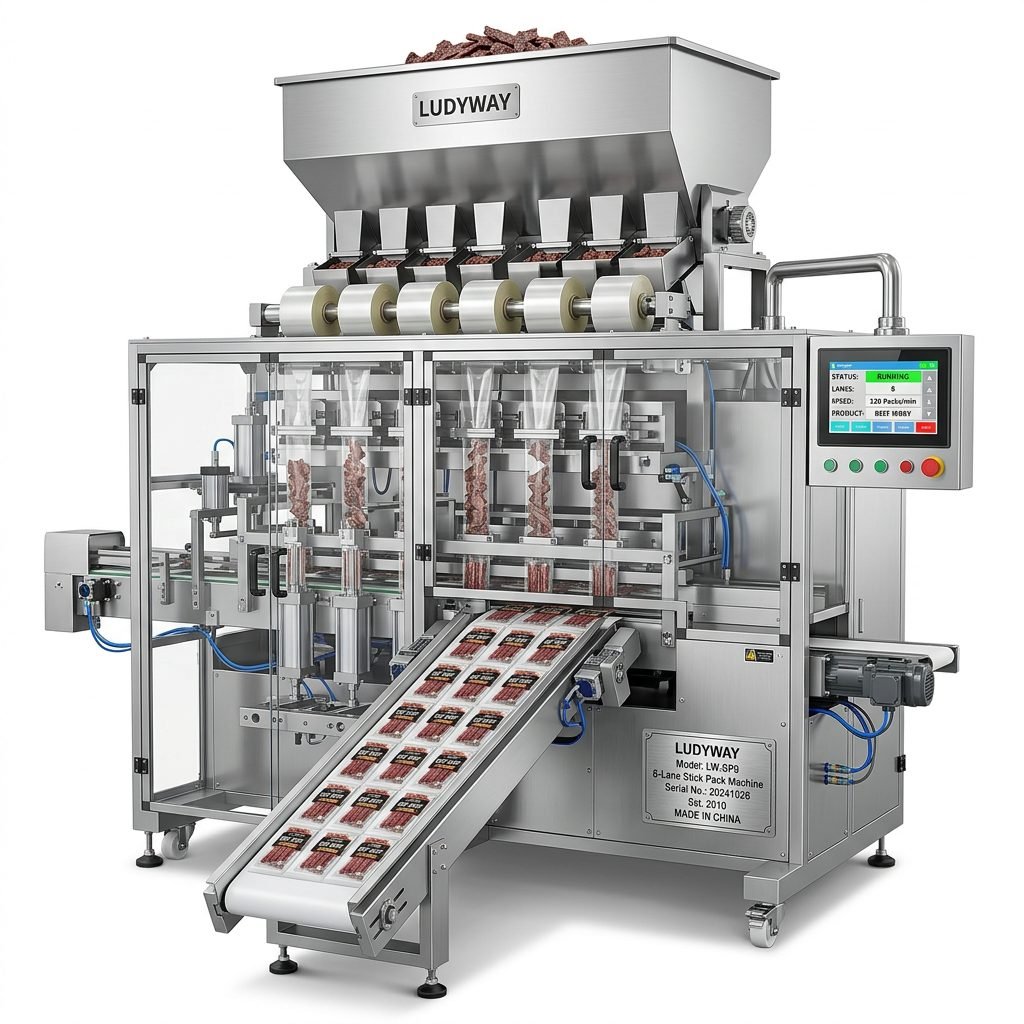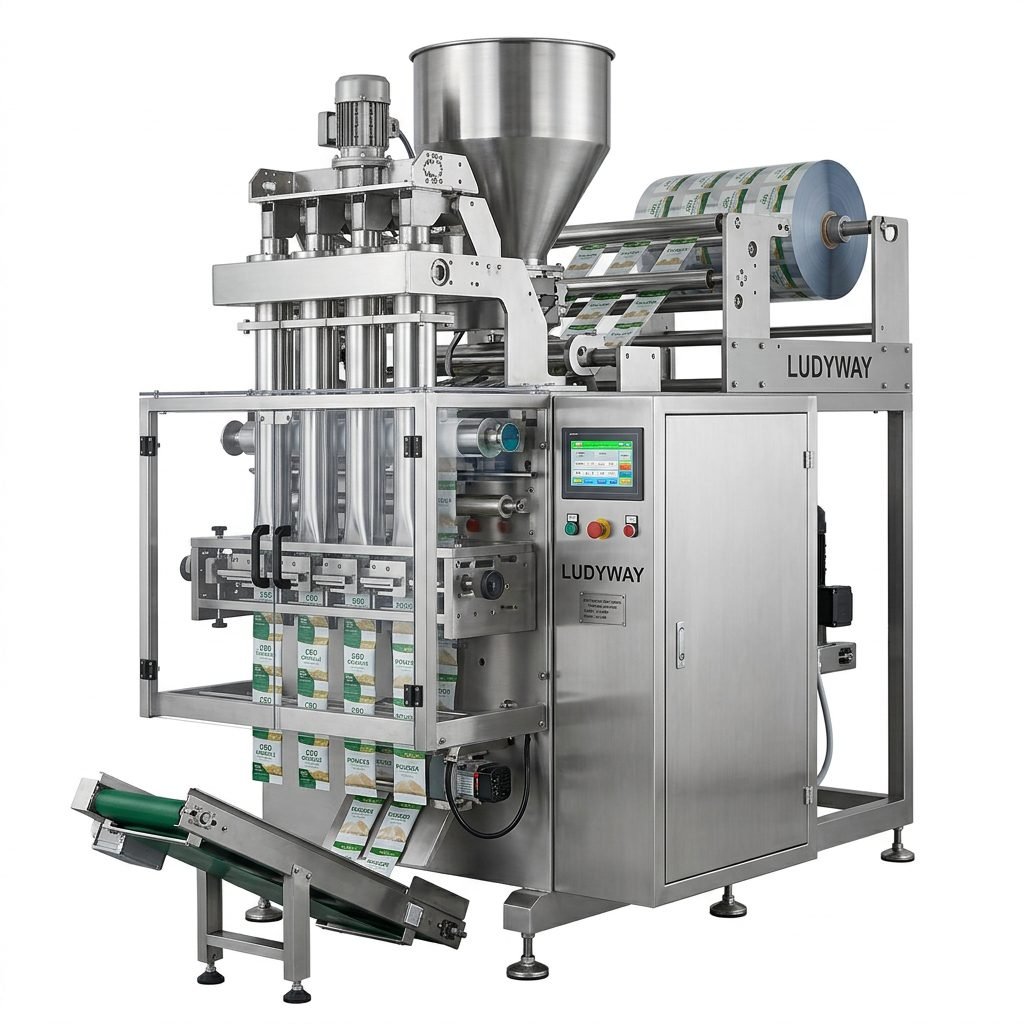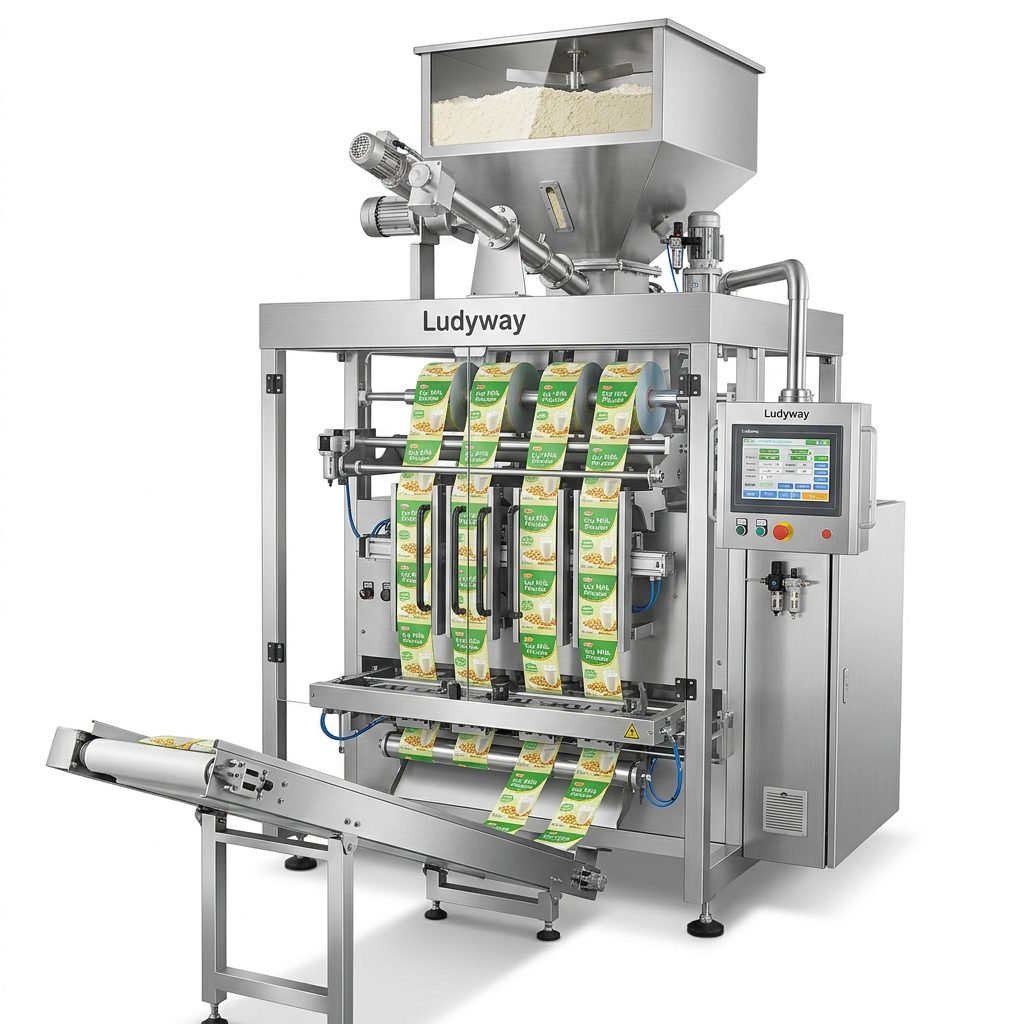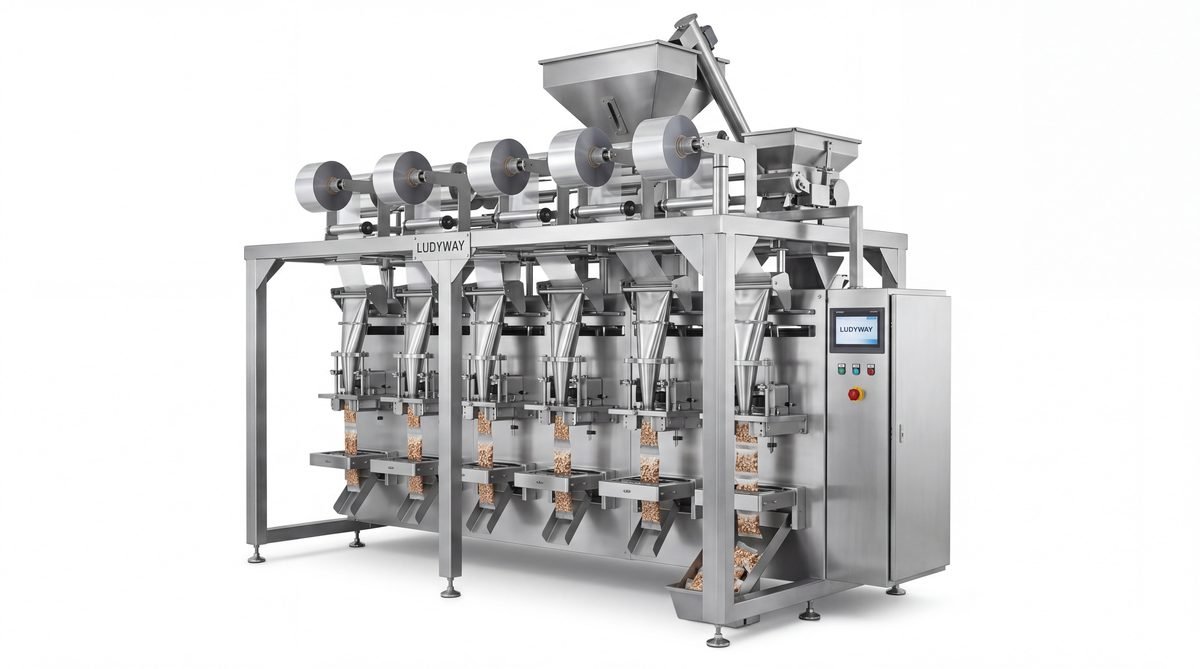
Proper maintenance is the cornerstone of maximizing the lifespan and efficiency of your nut packaging machine. Whether you are running a high-speed multi-lane system for almonds, cashews, or mixed nuts, a well-structured maintenance routine ensures consistent seal integrity, reduces unplanned downtime, and protects your investment. This guide covers essential cleaning protocols, lubrication best practices, and common troubleshooting techniques to keep your production line running smoothly.
Daily Cleaning Procedures for Nut Packaging Equipment
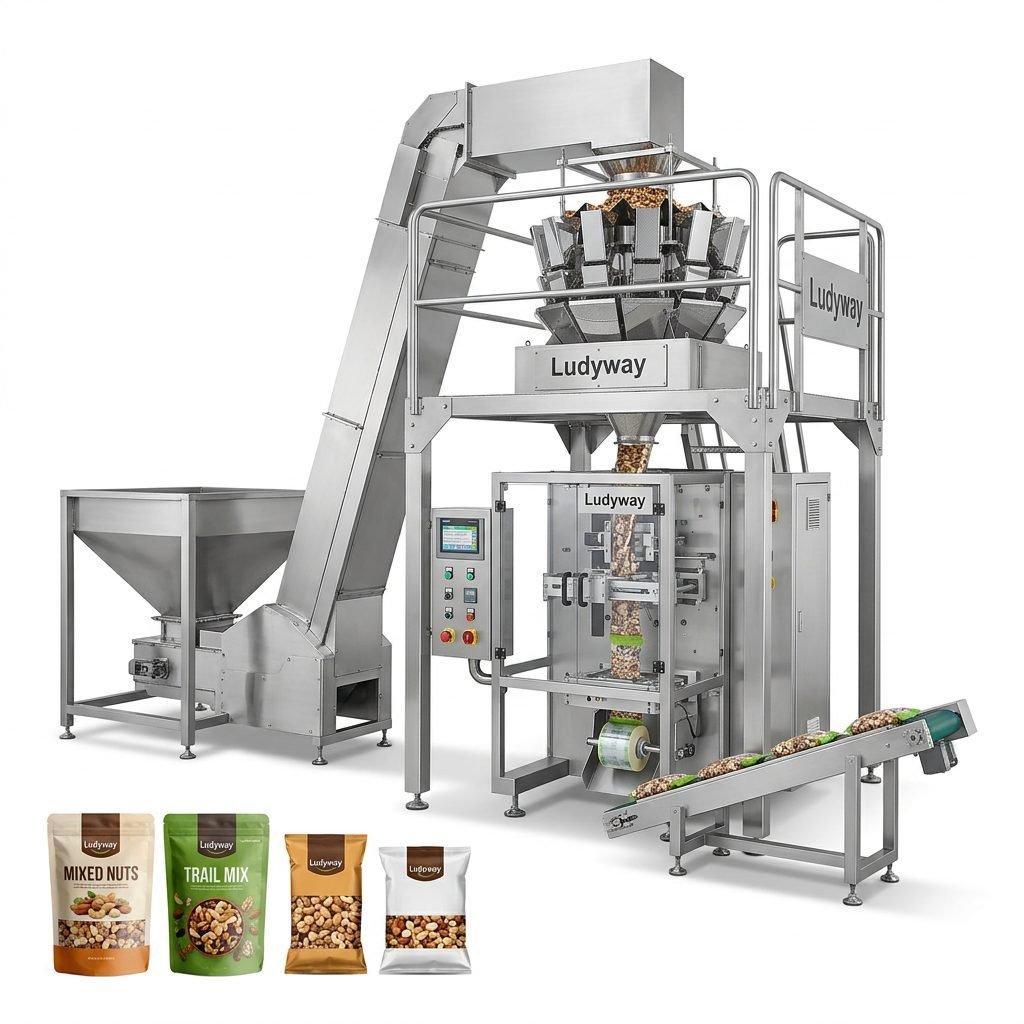
Nuts naturally contain oils and fine particulate matter that can accumulate on machine surfaces, sensors, and sealing jaws. Daily cleaning is non-negotiable for maintaining food safety standards and preventing mechanical wear. Begin each shift by inspecting the filling area for residual nut dust and oil buildup. Use food-grade compressed air to blow away loose particles from hard-to-reach areas, paying special attention to the weighing and filling stations where debris tends to concentrate.
Key Areas to Clean Every Shift
- Hopper and Feed System: Remove any remaining nut fragments and wipe surfaces with a dry, lint-free cloth. Avoid using water directly on electrical components.
- Sealing Jaws and Heating Elements: Residue buildup on sealing surfaces can cause inconsistent seals. Clean with a brass brush while the jaws are warm, then wipe with a food-safe solvent.
- Film Tracking Rollers: Check for sticky residue from nut oils that may cause film misalignment. Clean rollers with isopropyl alcohol.
- Sensors and Photoelectric Cells: Dust accumulation on sensors can trigger false readings. Gently wipe optical sensors with a microfiber cloth.
- Discharge Chute: Clear any jammed nuts or fragments to prevent product backup during the next production run.
Weekly Deep Cleaning Checklist
Beyond daily wipe-downs, a more thorough weekly cleaning addresses areas that are not immediately visible. Nut oil residue can polymerize over time, forming a sticky film that attracts dust and interferes with mechanical movement. During weekly maintenance, remove guarding panels to access internal drive components, timing belts, and cam mechanisms. Inspect for any signs of oil seepage that may indicate seal wear in gearboxes.
Recommended Weekly Tasks
- Remove and clean all product contact parts, including filling nozzles and forming tubes
- Inspect vacuum belts and suction cups for cracking or loss of elasticity
- Clean electrical cabinets with dry compressed air and verify all connections are tight
- Check and clean the date coder or printer head to prevent ink buildup
- Sanitize all surfaces that come into contact with nuts using an approved food-grade cleaner
Lubrication Best Practices for Packaging Machinery
A proper lubrication schedule is critical for preventing premature wear on moving parts. Nut packaging machines operate at high speeds with numerous reciprocating and rotating components. Over-lubrication can be just as harmful as under-lubrication, as excess grease attracts dust and nut particles, forming abrasive paste that accelerates wear. Always use food-grade lubricants that are NSF H1 registered for incidental food contact.
Lubrication Points and Intervals
| Component | Lubricant Type | Frequency | Notes |
|---|---|---|---|
| Sealing jaw cam followers | NSF H1 grease | Every 200 operating hours | Clean old grease before reapplying |
| Chain drives and sprockets | Food-grade chain oil | Weekly | Check tension before lubricating |
| Linear bearings and guide rods | Light machine oil (H1) | Every 500 hours | Wipe excess to prevent dust attraction |
| Gearbox oil | Manufacturer-specified gear oil | Every 6 months or 2000 hours | Check oil level monthly |
| Pneumatic cylinder rods | Light mineral oil mist | Daily visual check | Ensure air supply is properly lubricated |
| Film unwind shaft bearings | NSF H1 bearing grease | Monthly | Listen for unusual noise indicating wear |
Common Troubleshooting Scenarios and Solutions
Even with diligent maintenance, issues can arise during high-volume nut packaging operations. The following table outlines frequent problems encountered with nut packaging machines and their recommended solutions. Addressing these quickly minimizes production losses and maintains product quality.
| Problem | Possible Cause | Solution |
|---|---|---|
| Inconsistent seal quality | Dirty sealing jaws, incorrect temperature, or worn PTFE coating | Clean jaws thoroughly; verify temperature settings match film specifications; replace PTFE tape if damaged |
| Product weight variation | Clogged weighing hopper, incorrect calibration, or nut oil buildup | Clean weighing buckets and recalibrate the multi-head weigher; check for bridging in the feed hopper |
| Film misalignment or wrinkling | Worn tracking rollers, incorrect tension, or dirty film path | Clean all rollers; adjust film tension and tracking guides; inspect roller bearings for play |
| Machine vibration or unusual noise | Loose fasteners, worn bearings, or insufficient lubrication | Tighten all mounting bolts; inspect and replace worn bearings; apply lubricant per schedule |
| Intermittent sensor faults | Dust accumulation, loose wiring, or sensor misalignment | Clean sensor lenses; check electrical connections; realign sensors according to manufacturer specifications |
| Frequent film breaks | Excessive tension, sharp edges on forming tube, or poor film quality | Reduce tension settings; inspect and polish any rough surfaces on the forming shoulder; verify film specifications |

Diagnosing Seal Integrity Issues
Seal failures are among the most disruptive problems in nut packaging. Contaminated sealing surfaces account for approximately 60% of seal-related downtime. When troubleshooting seal issues, first verify that the sealing temperature matches the packaging film’s recommended range. Next, perform a peel test on sample packages to assess seal strength. If seals are weak but temperature is correct, inspect the sealing jaw alignment and check for worn silicone rubber pads that may need replacement.
Electrical and Control System Checks
Modern automated packaging systems rely on PLC controllers, servo motors, and multiple sensors working in harmony. Periodically verify that all electrical connections in junction boxes are tight and free from corrosion. Check for any error codes stored in the PLC memory that may indicate intermittent faults. Keep spare fuses, relays, and sensor units on hand to minimize downtime during electrical troubleshooting. Document all error occurrences to identify patterns that may point to underlying mechanical issues.
Preventive Maintenance Schedule Overview
A structured preventive maintenance program is the most effective way to avoid unexpected breakdowns. The table below provides a comprehensive maintenance timeline that can be adapted to your specific production volume and operating environment. Nuts with higher oil content, such as macadamias and pecans, may require more frequent cleaning intervals due to increased residue accumulation.
| Interval | Maintenance Activity | Responsible Team |
|---|---|---|
| Daily | Clean product contact surfaces; inspect seals; check sensor function; verify film alignment | Machine Operator |
| Weekly | Deep clean internal components; lubricate chains; inspect belts; check pneumatic system | Maintenance Technician |
| Monthly | Inspect bearings and bushings; verify calibration; check gearbox oil levels; test safety interlocks | Maintenance Supervisor |
| Quarterly | Replace worn PTFE tape on sealing jaws; inspect servo motor couplings; verify PLC backup | Engineering Team |
| Annually | Complete machine overhaul; replace all belts; change gearbox oil; recalibrate all sensors; full electrical inspection | Manufacturer Service Team |
Spare Parts Management for Reduced Downtime
Keeping an inventory of critical spare parts can significantly reduce downtime when components inevitably wear out. Based on industry experience and recommendations from PMMI packaging industry standards, facilities should stock the following items at minimum:
- Sealing jaw PTFE tape and silicone rubber pads — Replace every 3-6 months depending on usage
- Heating cartridges and thermocouples — Critical for maintaining seal temperature accuracy
- Drive belts and timing belts — Keep at least one complete set for each machine model
- Sensor units and photocells — Stock at least two of each type used on the machine
- Pneumatic cylinders and seals — Common wear items in high-cycle applications
- Forming tubes and shoulders — Especially important if running multiple film widths
Operator Training and Documentation
Well-trained operators are your first line of defense against machine problems. Comprehensive operator training should cover daily cleaning procedures, basic troubleshooting, and the ability to recognize early warning signs of component wear. Maintain a detailed maintenance logbook for each machine, recording all cleaning activities, lubrication tasks, part replacements, and any unusual observations. This documentation becomes invaluable for identifying recurring issues and planning long-term maintenance strategies. Reference guidelines from ISO packaging machinery standards can help establish robust documentation protocols.
Environmental Factors Affecting Machine Performance
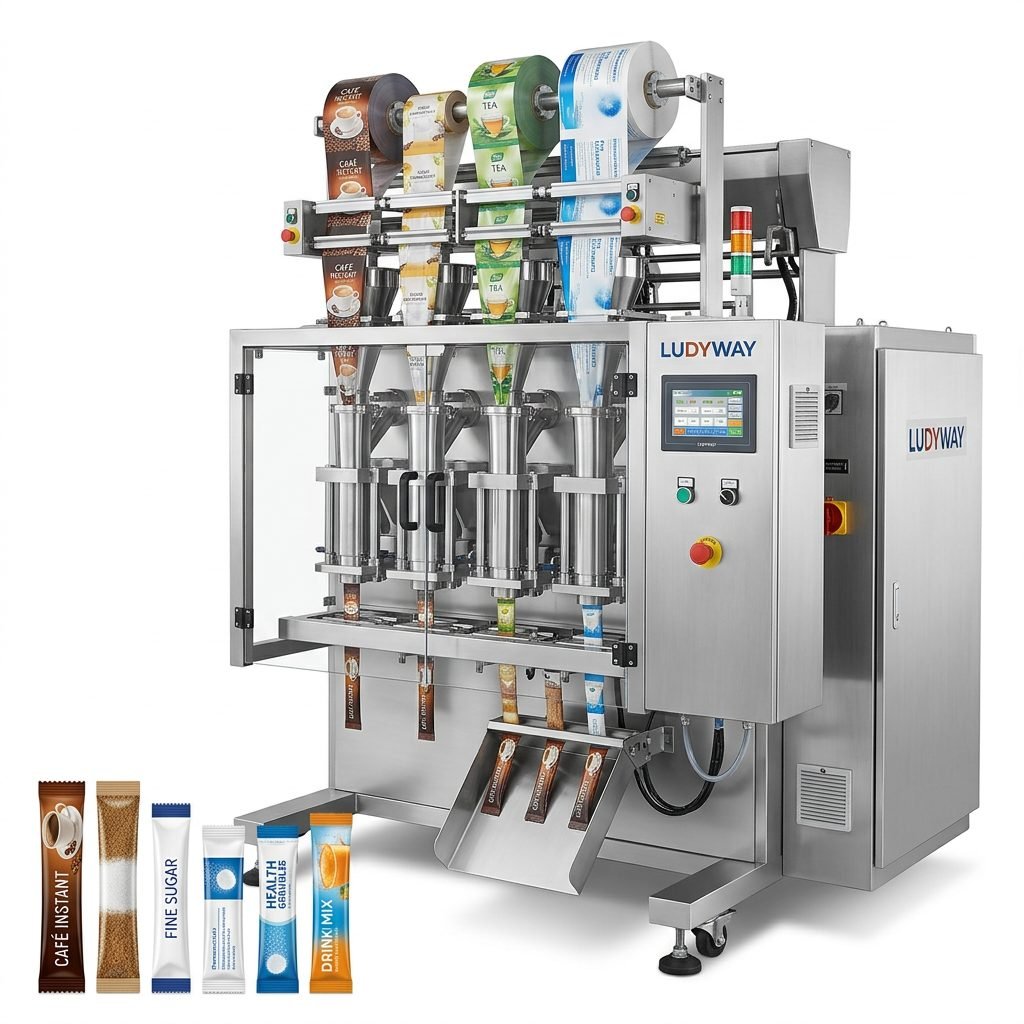
The operating environment plays a significant role in maintenance frequency. High humidity can cause nut powders to clump and stick to machine surfaces, while temperature fluctuations affect seal consistency. Facilities processing roasted nuts may experience accelerated oil release, requiring more frequent cleaning. Maintain consistent ambient conditions in the packaging area, ideally between 20-25°C (68-77°F) with relative humidity below 60%. Proper ventilation helps control airborne nut dust that can settle on sensitive components. For additional guidance, consult resources from the FDA food packaging guidelines regarding facility environmental controls.
When to Call Professional Service Support
While routine maintenance can be handled in-house, certain situations warrant professional intervention. Major mechanical failures, PLC programming issues, or recurring problems that resist troubleshooting efforts should be escalated. Companies like Ludyway, one of the largest packaging machine manufacturers with over 30 years of industry experience and a modern 20,000㎡ manufacturing facility, provide comprehensive technical support and service programs for their equipment. Their engineering team can diagnose complex issues, perform complete machine overhauls, and supply genuine OEM replacement parts to restore equipment to factory specifications.
Key Takeaways for Long-Term Machine Reliability
- Implement a structured daily cleaning routine focusing on product contact surfaces and sealing areas
- Use only food-grade NSF H1 lubricants applied at manufacturer-recommended intervals
- Maintain a complete spare parts inventory for critical wear components to minimize downtime
- Train operators to recognize early warning signs and document all maintenance activities thoroughly
- Schedule annual professional inspections to address wear that routine maintenance cannot resolve
- Control the packaging environment to reduce the impact of humidity and airborne nut oils on machine components
By following these cleaning, lubrication, and troubleshooting guidelines, your nut packaging machine will deliver consistent performance, extended service life, and higher overall equipment effectiveness. A proactive approach to maintenance not only reduces costs but also ensures that every package of nuts reaches your customers with the quality and freshness they expect. For more detailed guidance specific to your machine model, always consult the original equipment manual or contact your packaging machine supplier directly.