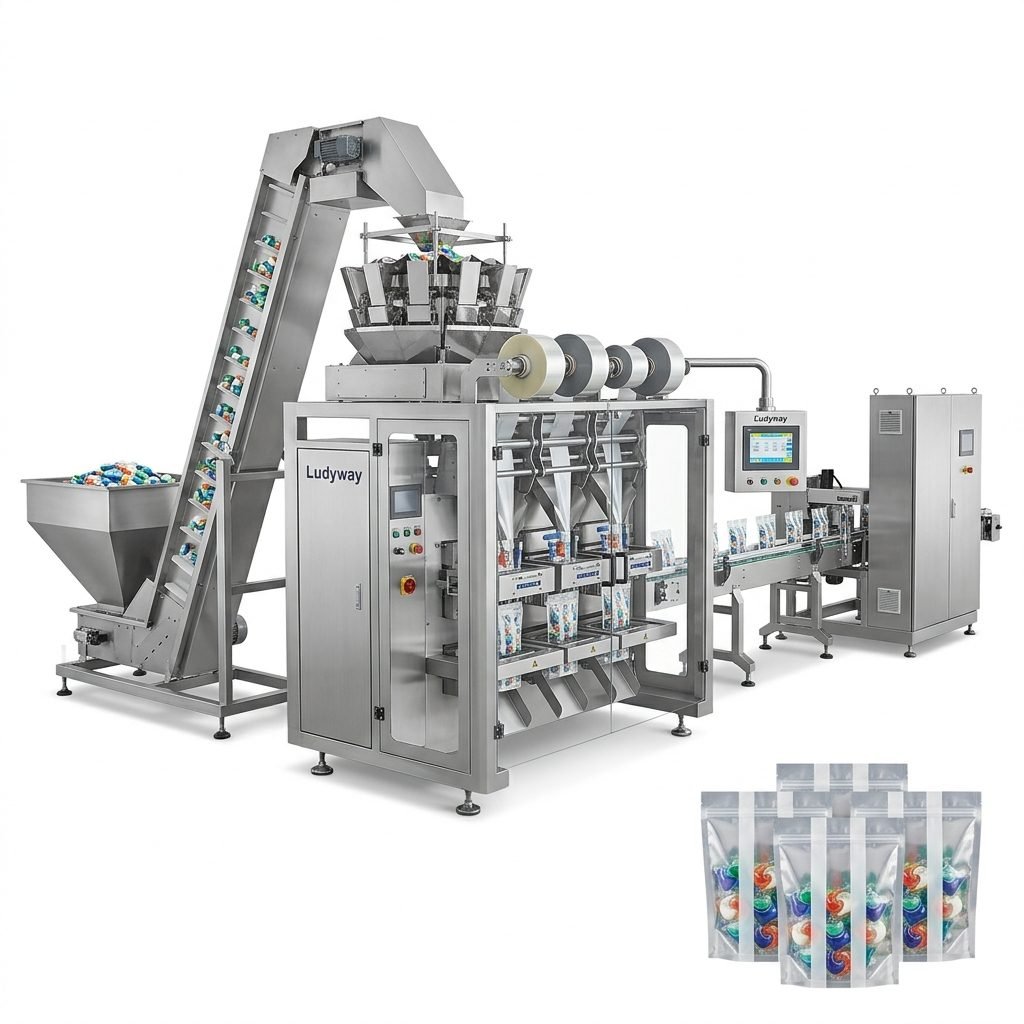
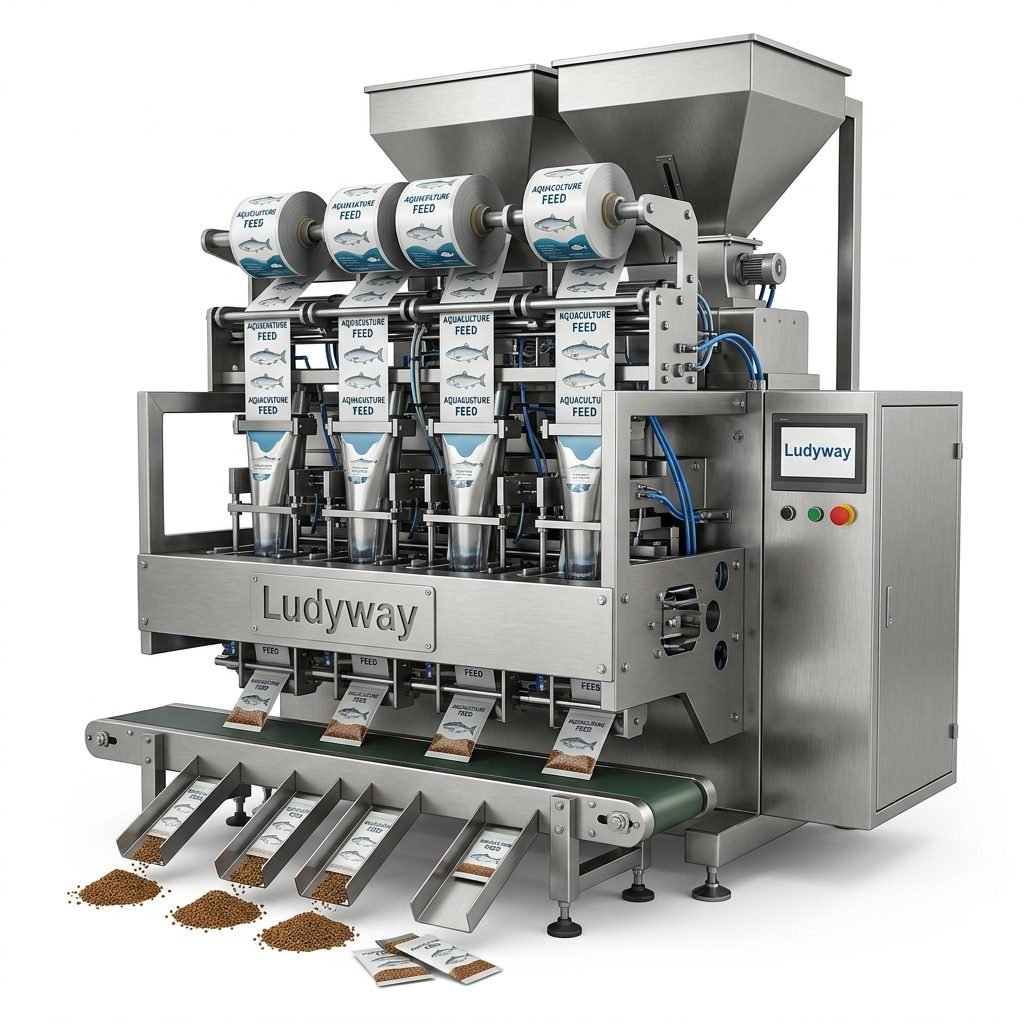
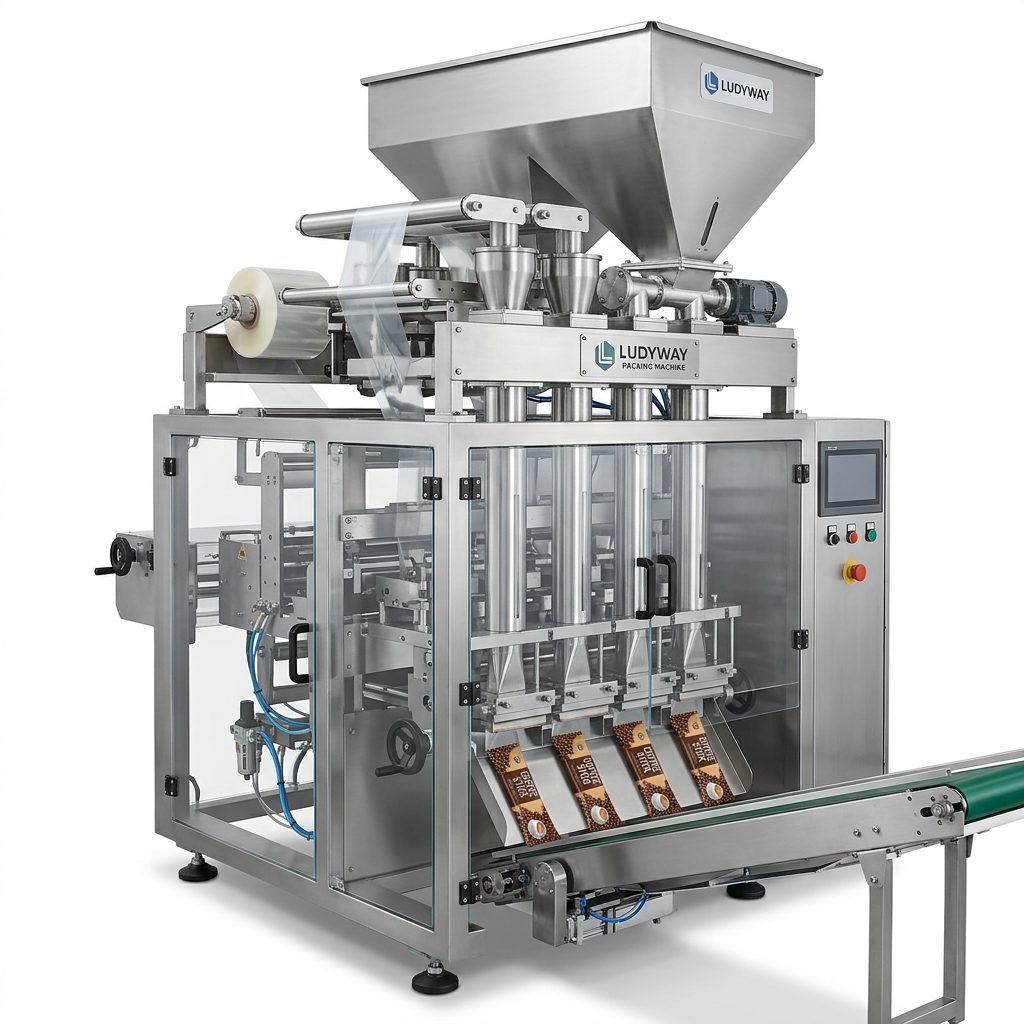
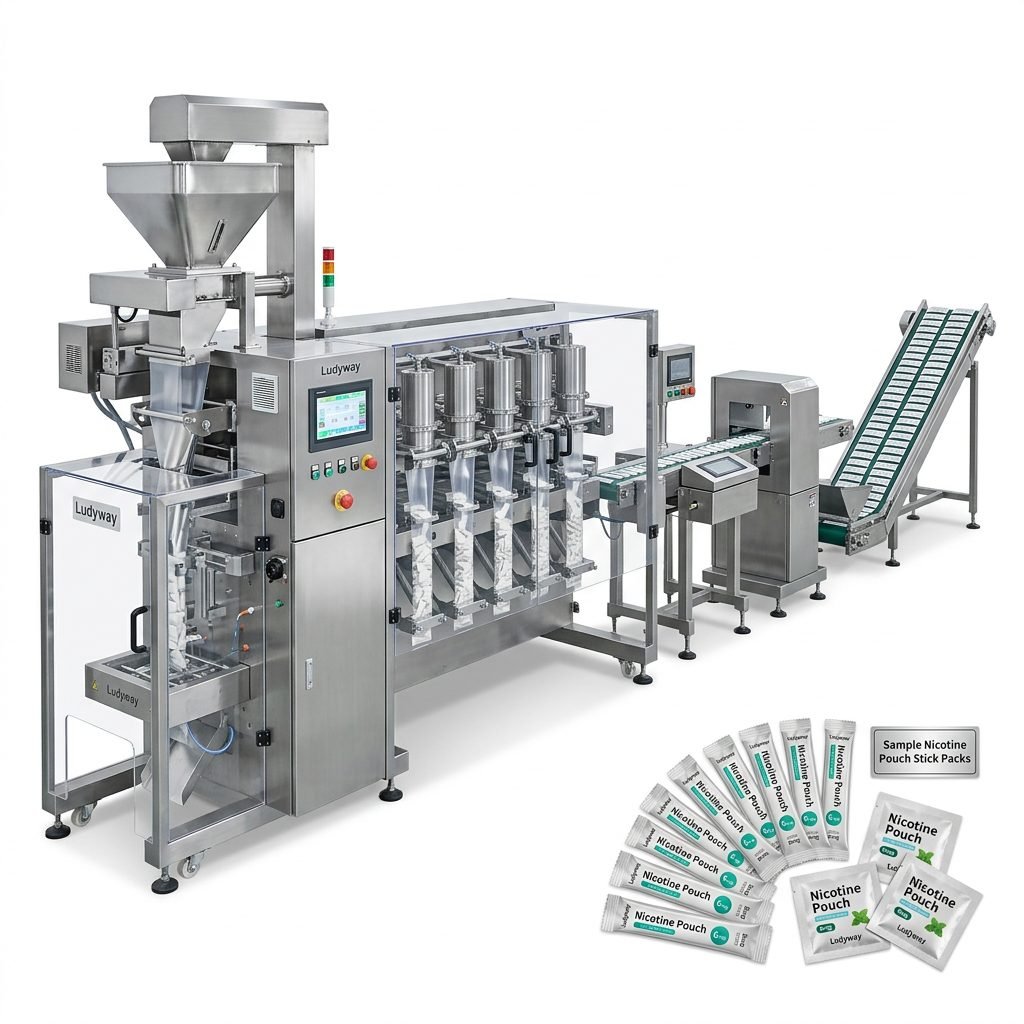
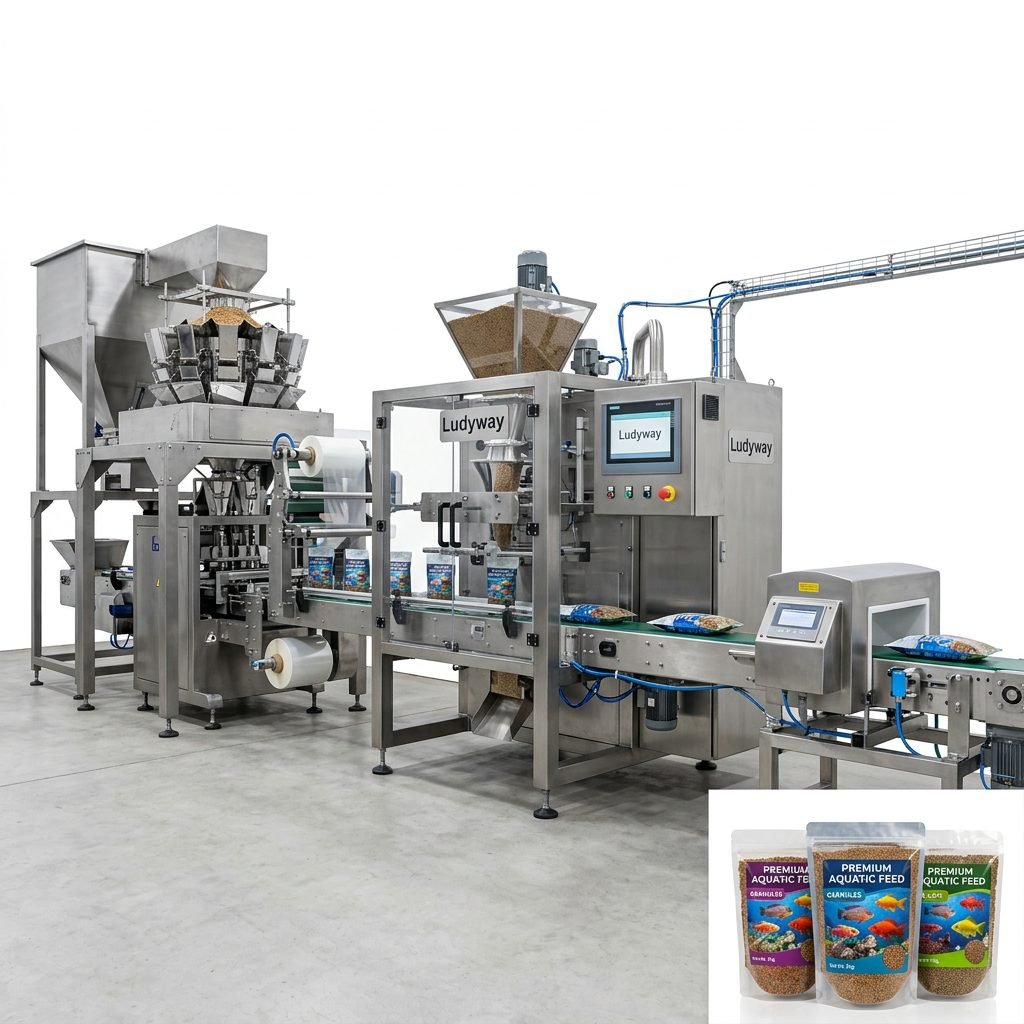
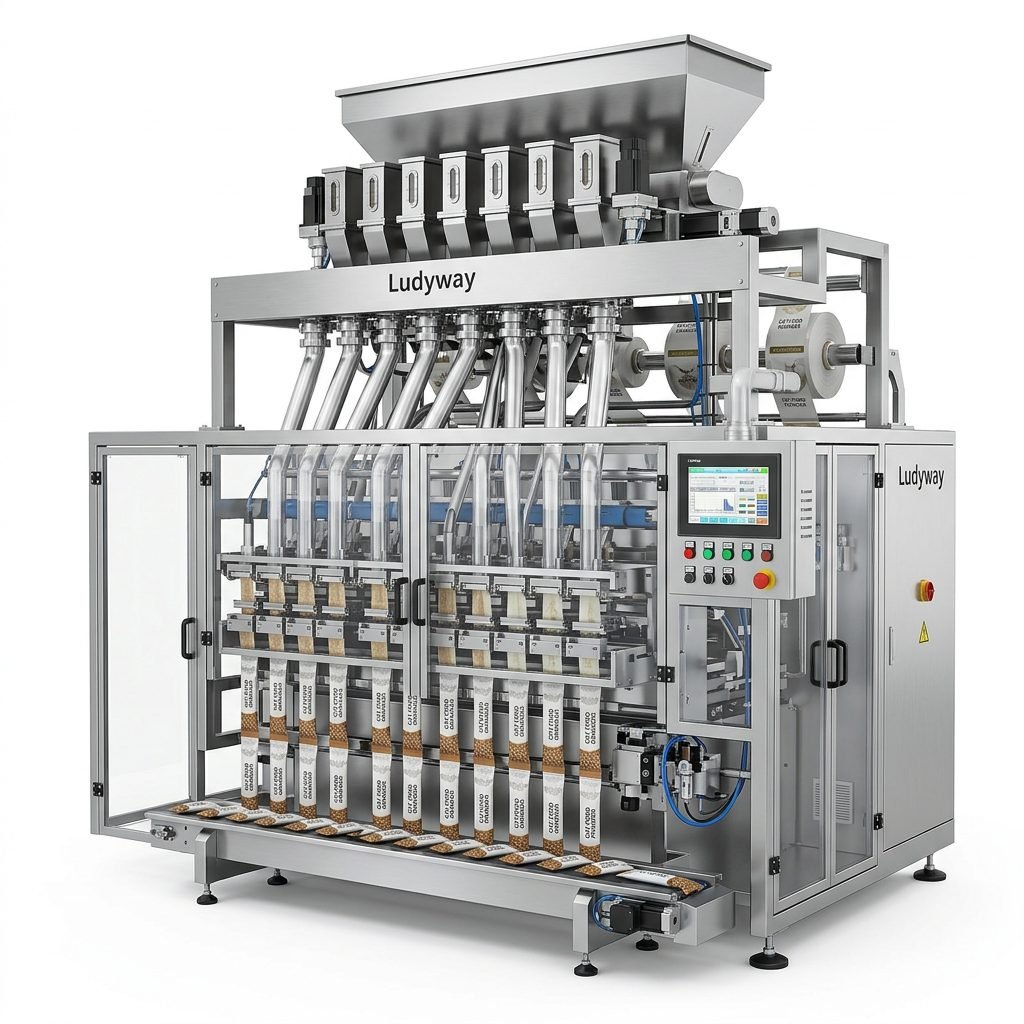
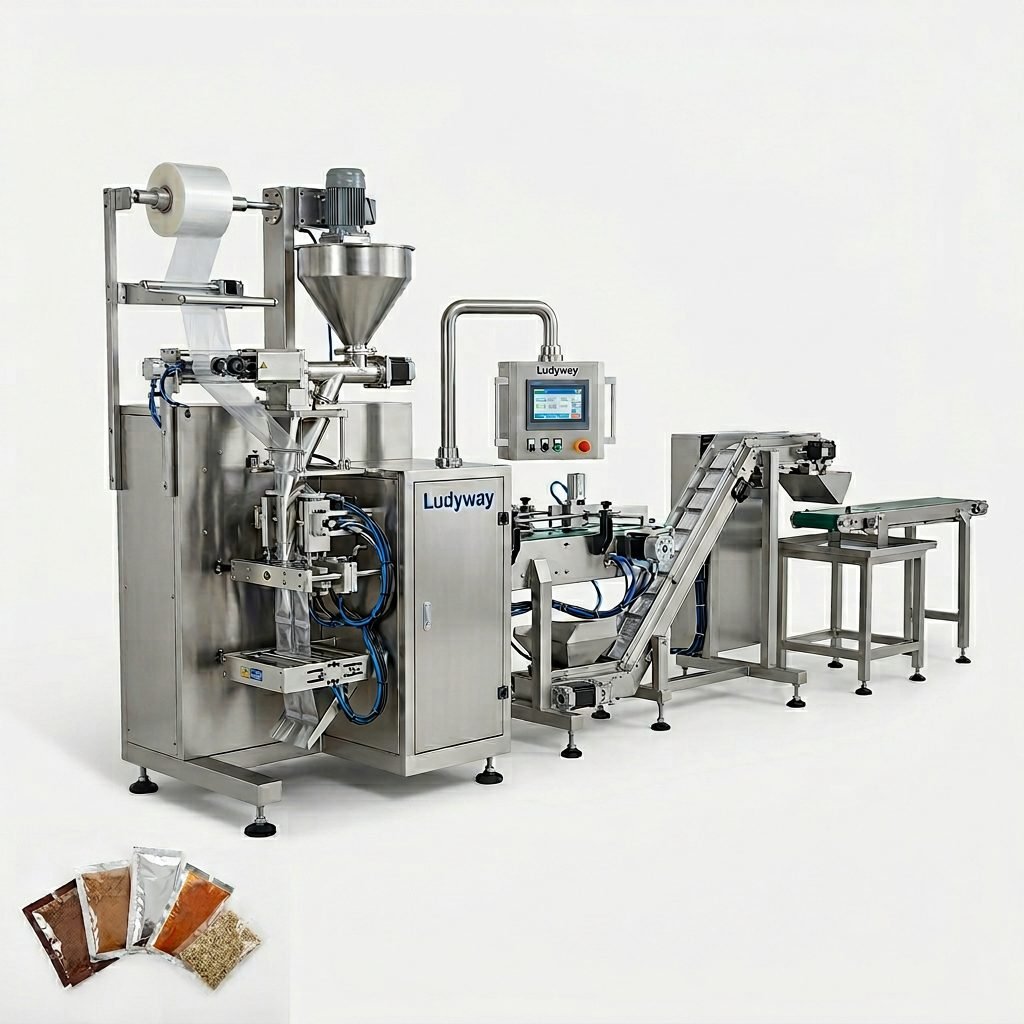
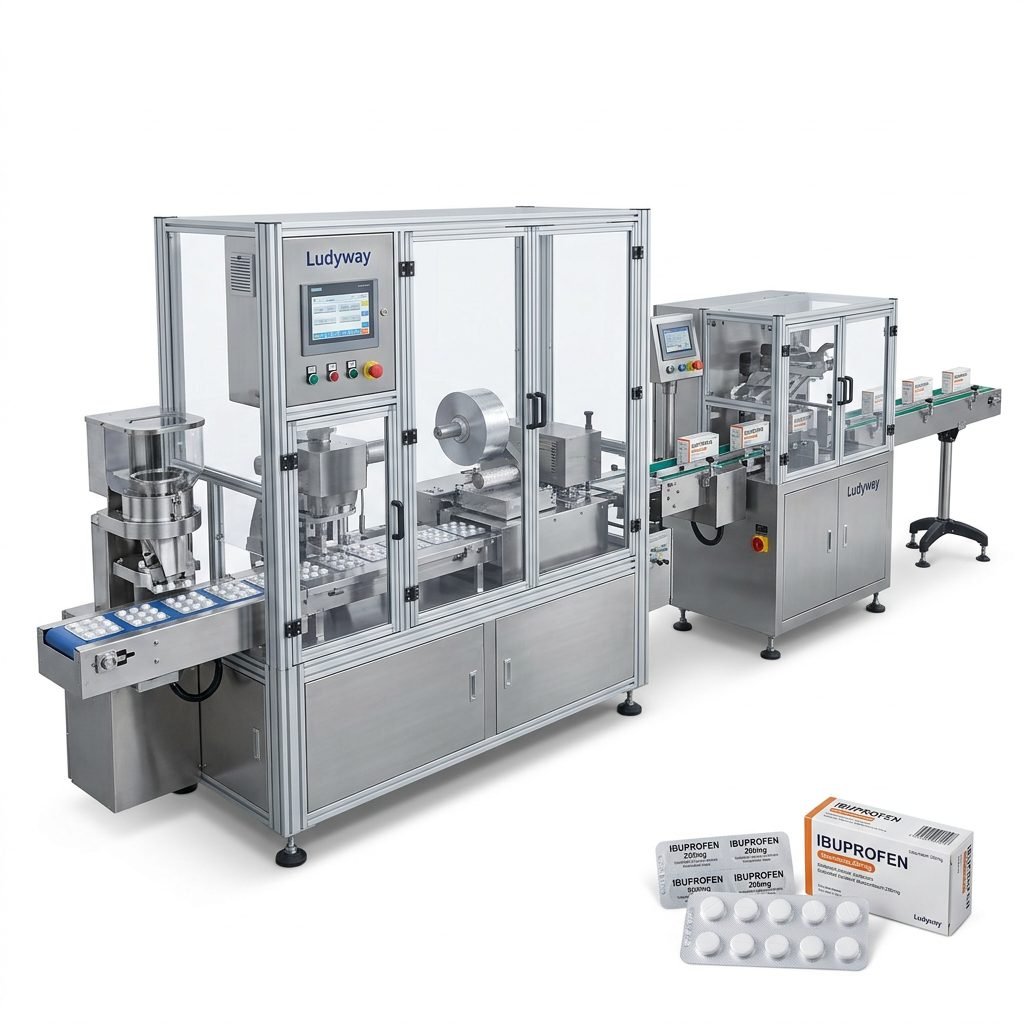
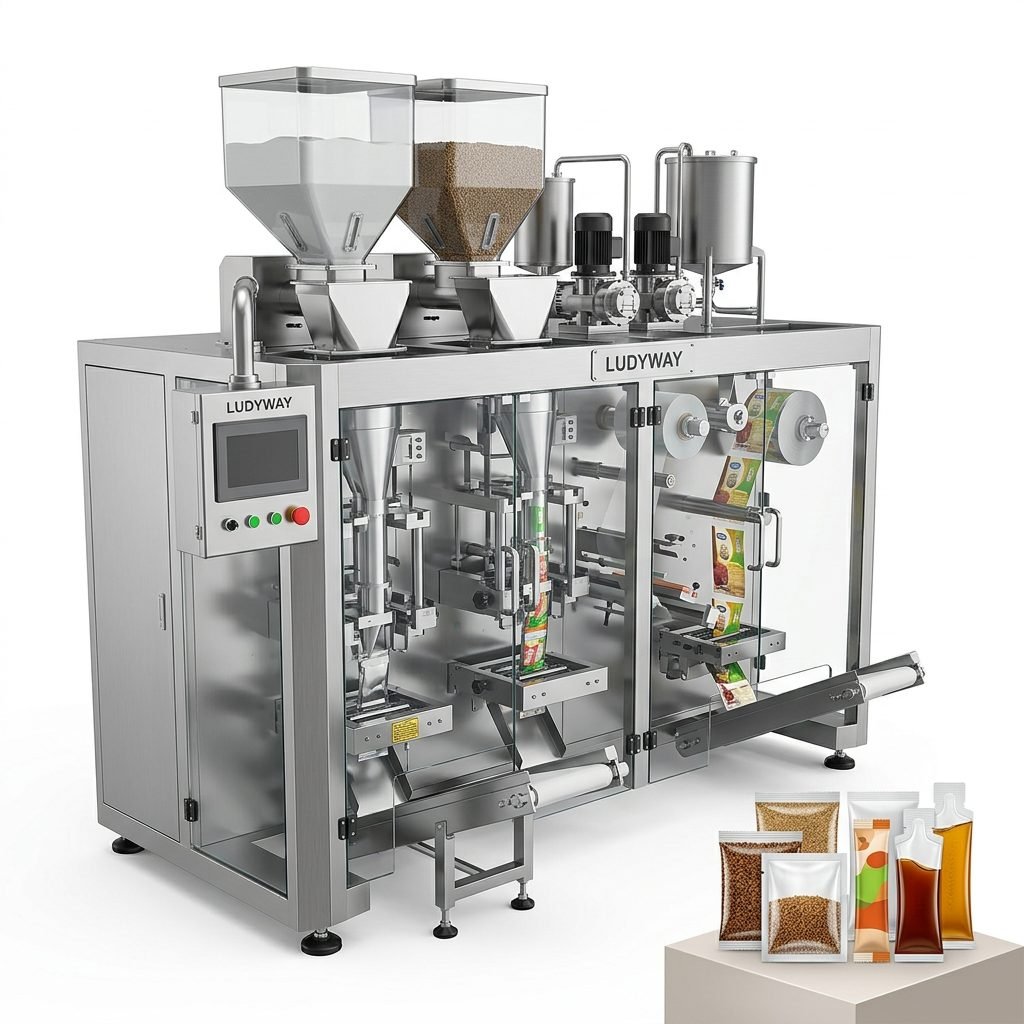
Maintaining a fully automatic powder packing machine is not just about fixing issues when they arise—it’s about preventing them from happening in the first place. A proactive maintenance strategy ensures consistent high-speed filling accuracy, minimizes downtime, and extends the lifespan of your equipment. Whether you are handling sticky milk powder, fine pharmaceutical granules, or dusty chemical powders, the principles of care remain critical for operational success.
Why Routine Maintenance Matters
Neglecting regular upkeep can lead to inaccurate fill weights, sealing defects, and catastrophic machine failure. Dusty environments, which are common with powder products, pose a significant risk to sensitive electronic components and pneumatic systems. A well-maintained machine guarantees product consistency and safety.
Key Benefits of a Strict Maintenance Regimen
- Extended Machinery Lifespan: Prevents premature wear of forming tubes and sealing jaws.
- Consistent Seal Integrity: Avoids product leakage and contamination.
- Optimized Weighing Precision: Maintains the accuracy of auger fillers and multi-head weighers.
- Reduced Energy Consumption: Clean gears and lubricated parts run more efficiently.
Daily Cleaning and Inspection Protocols
At the end of every shift, a rigorous cleaning procedure is mandatory. Powder residues, especially hygroscopic ones, can absorb moisture and harden, causing mechanical blockages. Never use water to clean electrical panels; instead, use a vacuum cleaner and dry compressed air.
Daily Checklist for Operators
| Area of Focus | Action Required | Criticality |
|---|---|---|
| Forming Tube & Collar | Remove film dust and product buildup. | High |
| Sealing Jaws | Inspect Teflon coating for scratches; clean debris. | High |
| Powder Hopper | Empty and wipe down to prevent cross-contamination. | Medium |
| Photo-Electric Sensors | Wipe with a lint-free cloth to ensure registration accuracy. | High |
Advanced Lubrication and Component Care
Lubrication is the lifeblood of any moving machinery, but it requires strict adherence to food-grade standards. Over-greasing bearings can attract dust, creating an abrasive paste that accelerates wear. Follow the manufacturer’s lubrication chart strictly.
Lubrication Best Practices
Use only food-grade H1 lubricants for parts that might incidentally contact the product. Pay special attention to the reciprocating sealing head bearings and the linear guides of the pull belt system. A dry or sticky slide can cause film tracking errors and uneven seals.
Preventative Maintenance Scheduling
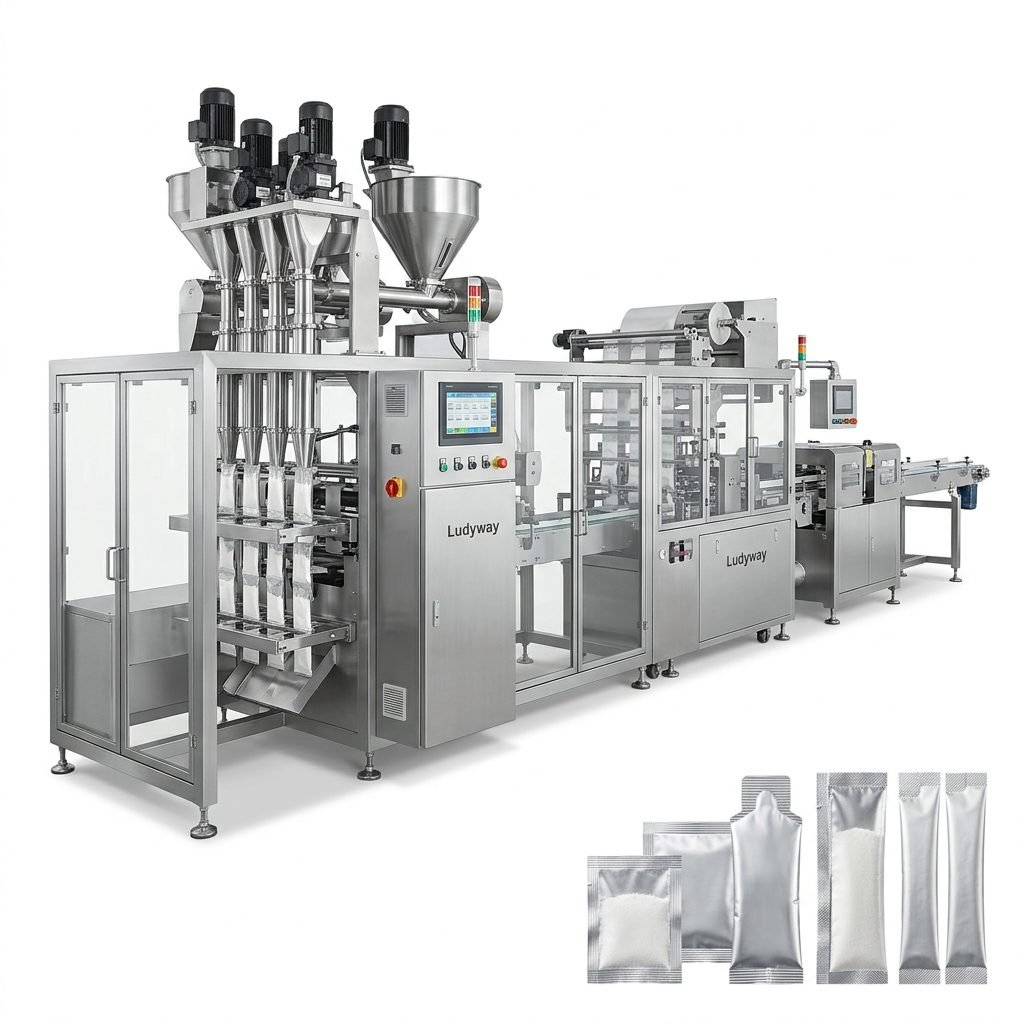
Reactive repairs are costly. A structured preventative maintenance (PM) schedule based on operating hours is essential. This is particularly true for multi-lane packaging systems where synchronized movements demand peak performance.
Suggested Maintenance Intervals
| Interval | Task | Responsible Party |
|---|---|---|
| Weekly | Inspect vacuum belts and festoon dancer arm springs. | Operator |
| Monthly | Check pneumatic cylinder seals for air leaks; calibrate load cells. | Technician |
| Quarterly | Replace worn gripper anvils and inspect servo motor connections. | Engineer |
| Annually | Full gearbox overhaul and control system backup. | Manufacturer/Specialist |
Managing Common Powder Challenges
Powder packaging presents unique challenges like dusting, bridging, and rat-holing inside the hopper. To maintain a fully automatic powder packing machine effectively, you must manage these physical properties.
- Dust Control: Install a dust extraction hood near the filling area. Dust settling on the machine frame can infiltrate electrical cabinets, leading to short circuits.
- Agitation Systems: Ensure the internal agitator or vibrator plates are functioning correctly to prevent powder bridging, which causes inconsistent fills.
- Static Electricity: Powder films often generate static. Verify that the static elimination bars are clean and properly grounded to prevent film from clinging to the forming tube.
The Role of Spare Parts Management
Downtime is often prolonged due to waiting for parts. Keep a critical spares kit on hand. Essential spares include thermocouples, heating cartridges, Teflon tape, cutting knives, and a full set of sensor reflectors. Running a machine with a slightly chipped sealing jaw just to finish a batch can cost you thousands in wasted film and product rejects.
Electrical System Integrity
Electronic failures account for a significant percentage of breakdowns. Vibrations from the machine can loosen terminal blocks. A quarterly check inside the control cabinet—tightening all screw terminals, especially on servo drives and inverters—saves hours of troubleshooting ghost faults.
Sensor Calibration
The film registration sensor (optical fiber or contrast sensor) and temperature controllers must be verified. A drifting thermocouple can burn the film or cause weak seals. Always keep calibration certificates for your weighing and temperature instruments accessible.
Operator Training and Documentation
Even the best maintenance protocol fails without trained personnel. Operators must differentiate between a mechanical clunk and a normal cycle sound. They should log all maintenance activities. A clear logbook helps identify patterns, like a heating element burning out every three months, indicating a deeper issue like contamination or wrong voltage input.
Key Performance Indicators (KPIs) to Track
- Mean Time Between Failures (MTBF): Tracks the reliability of your machine.
- Overall Equipment Effectiveness (OEE): Measures availability, performance, and quality.
- Rejection Rate: A spike often indicates a dull cutter or failing seal band.
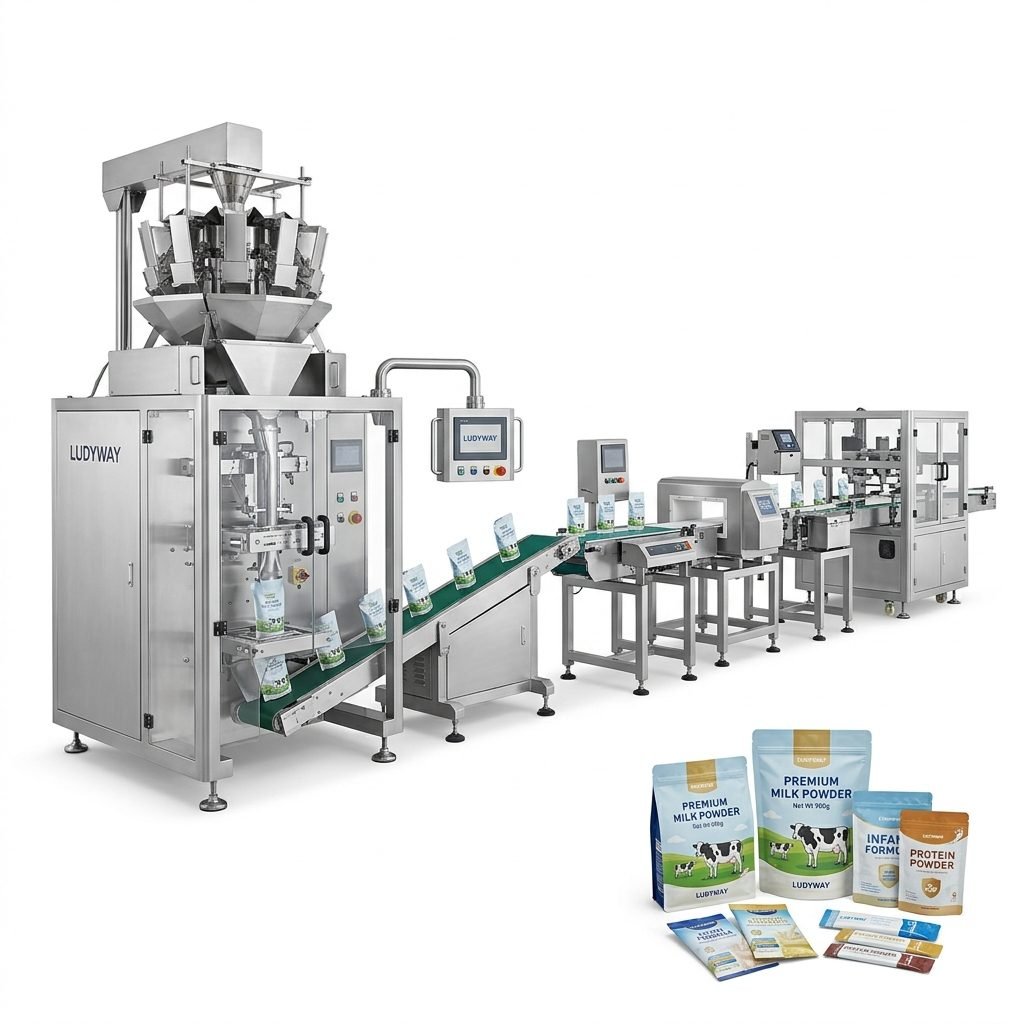
For businesses scaling up production, partnering with a reputable engineering firm like Ludyway ensures that you not only get robust equipment but also comprehensive after-sales guidance. Their expertise in turnkey powder packaging lines helps clients establish proper maintenance frameworks from day one, avoiding costly mistakes during installation and commissioning.
Conclusion: Consistency Through Care
Maintaining a fully automatic powder packing machine requires a disciplined approach that blends daily cleaning, predictive replacements, and technical know-how. By protecting your investment with proactive care, you ensure that every sachet, stick pack, or pouch meets the highest standards of quality and weight accuracy. Remember, a clean machine is not just a cosmetic requirement—it is a performance necessity in the modern packaging industry.