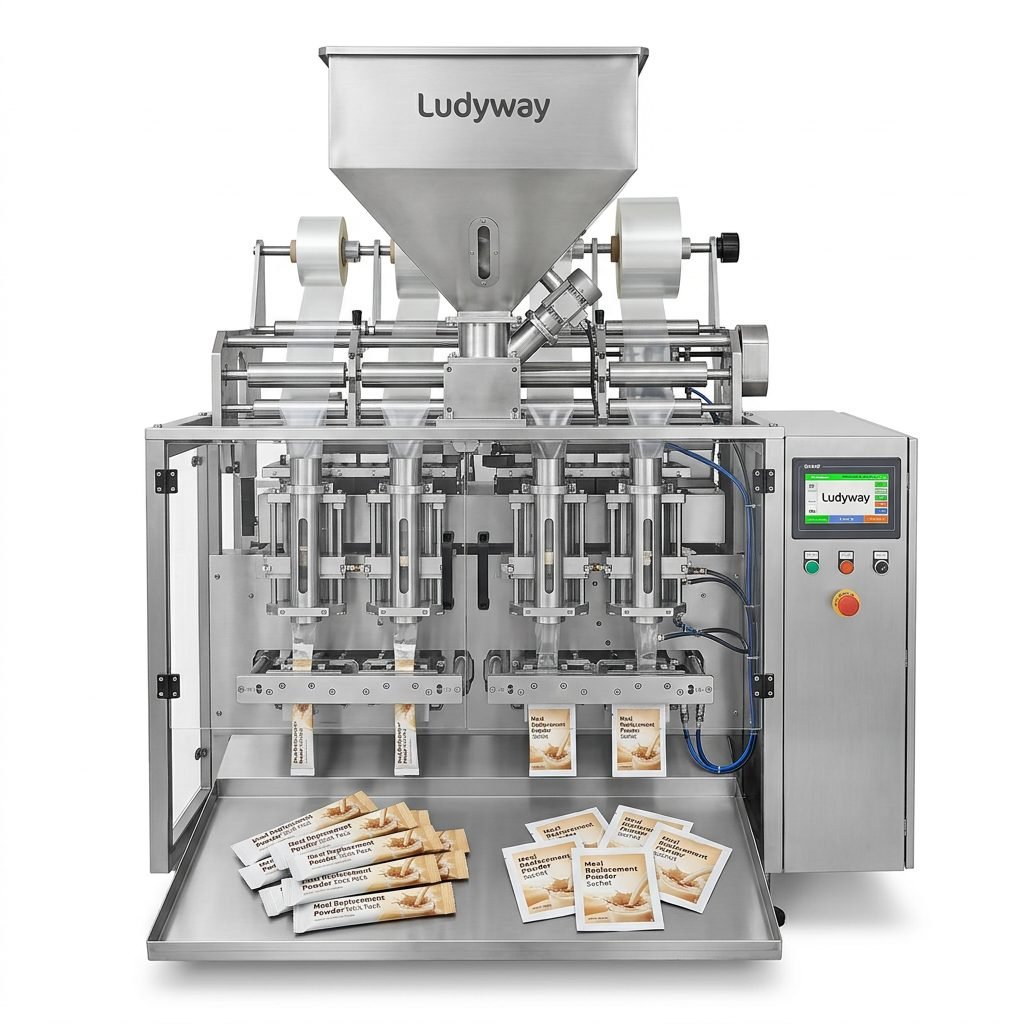
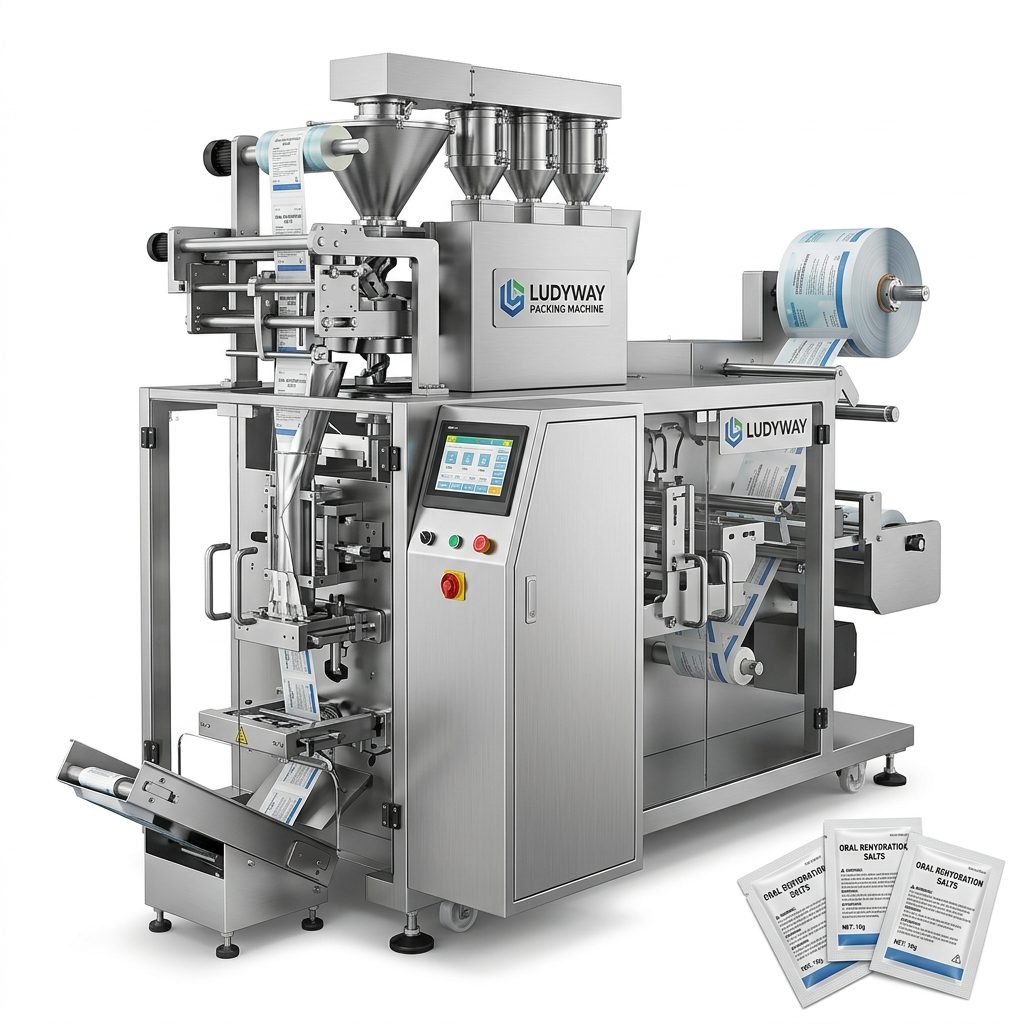
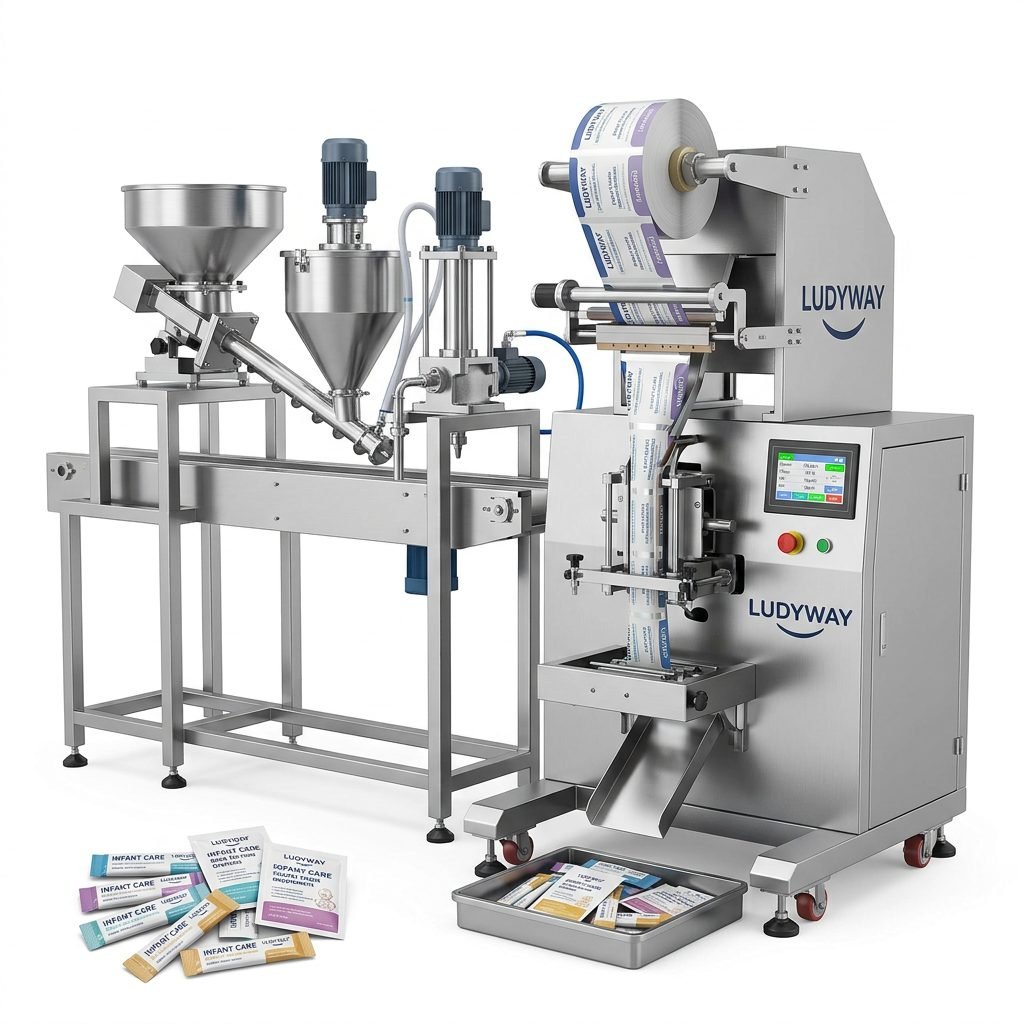
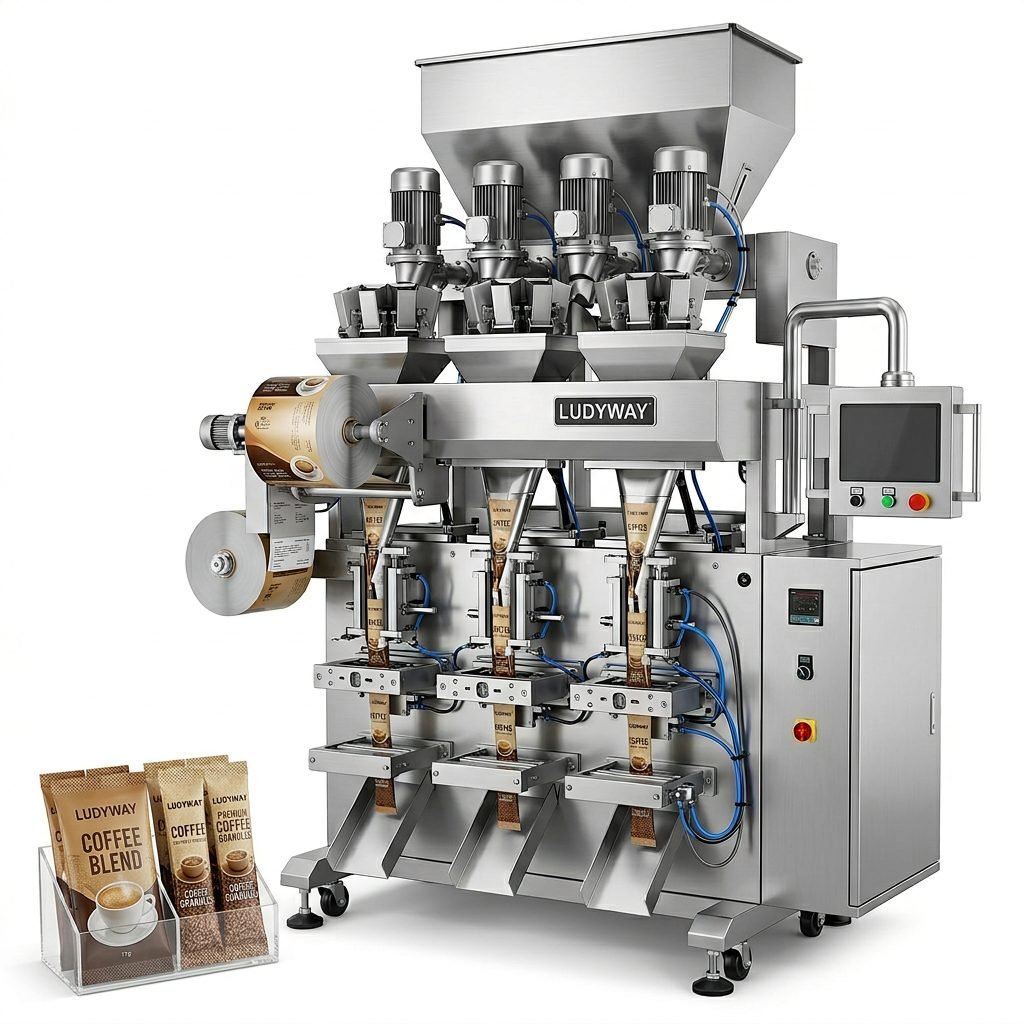
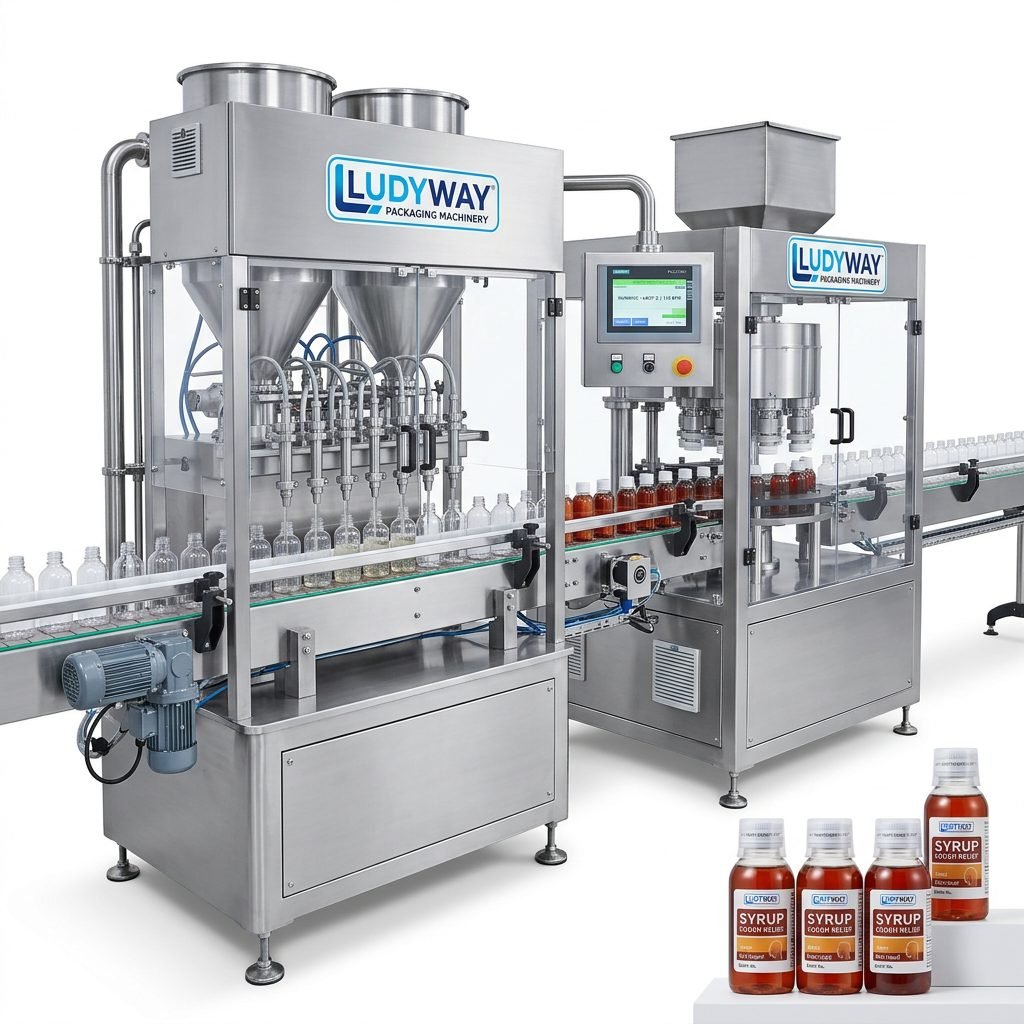
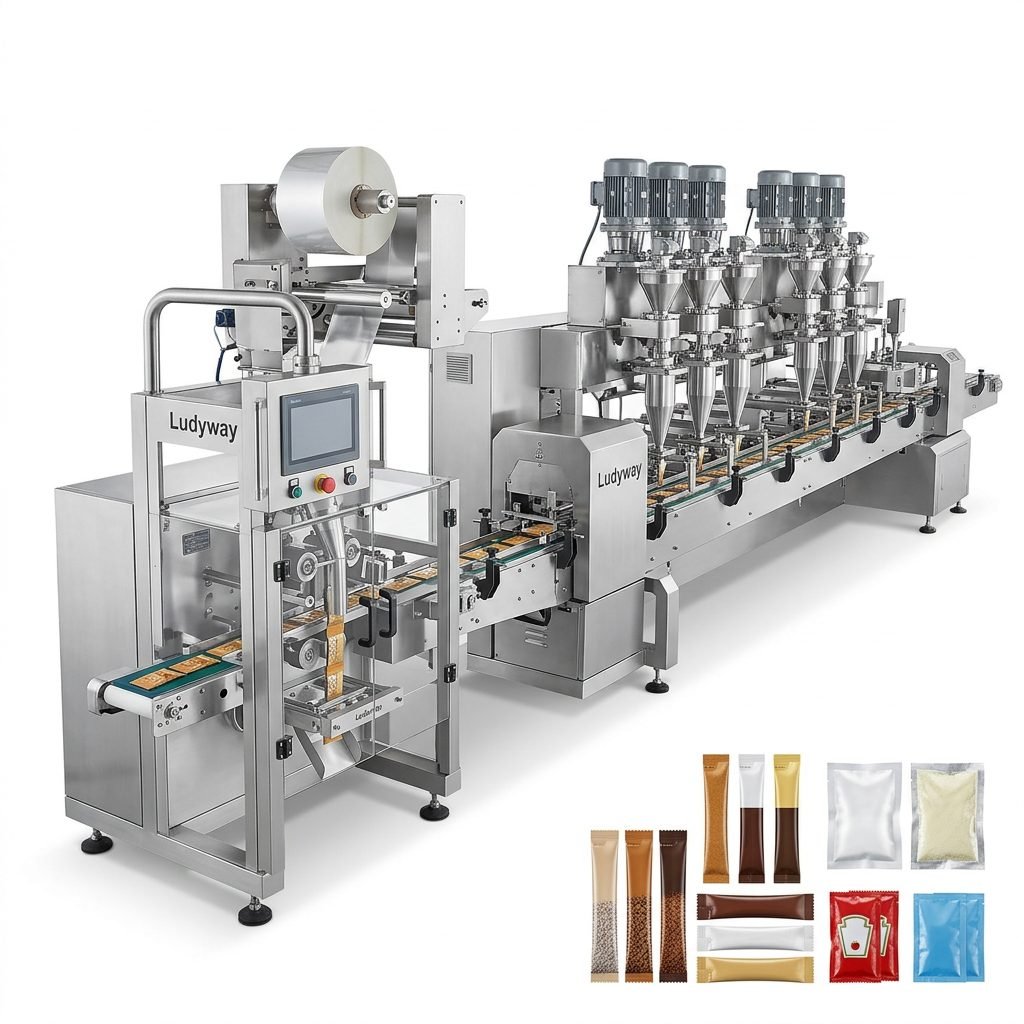
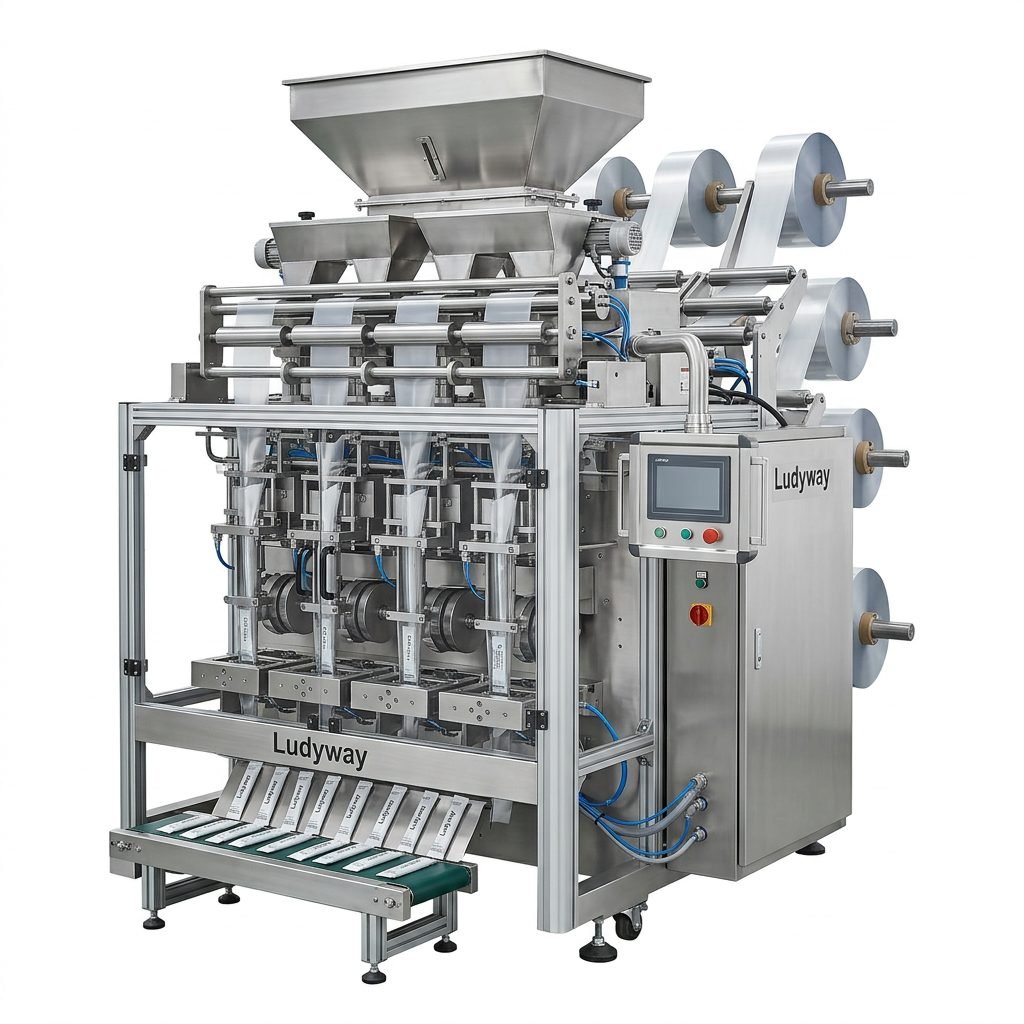
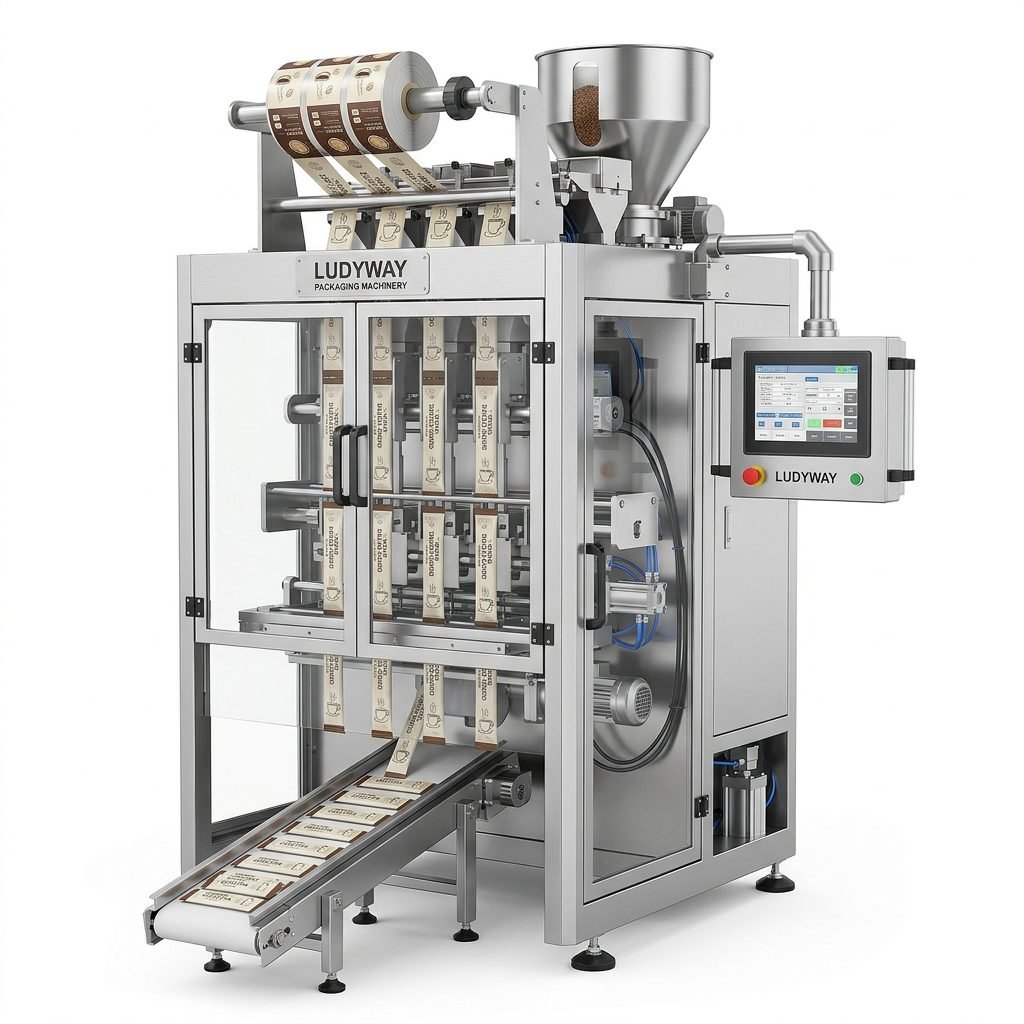
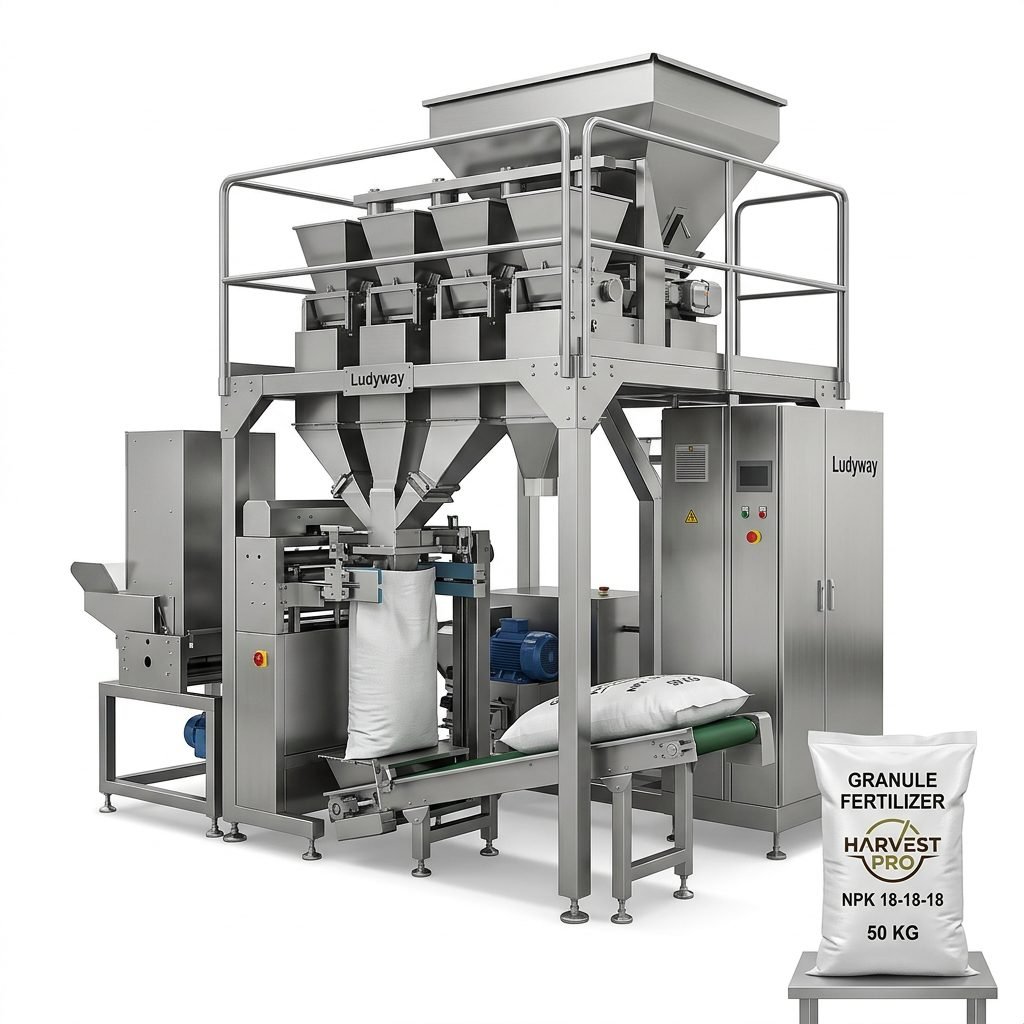
Proper maintenance of your ice packaging machine is critical to ensuring consistent performance, extending equipment lifespan, and avoiding costly downtime. Whether you are running a high-speed packaging line or a compact sachet filler, a structured cleaning and maintenance routine protects both your product quality and your bottom line. Neglecting seals, forming tubes, or temperature controls can lead to film jams, seal failures, and even food safety risks. This guide breaks down the essential steps every operator and maintenance team should follow to keep the machine running at peak efficiency.
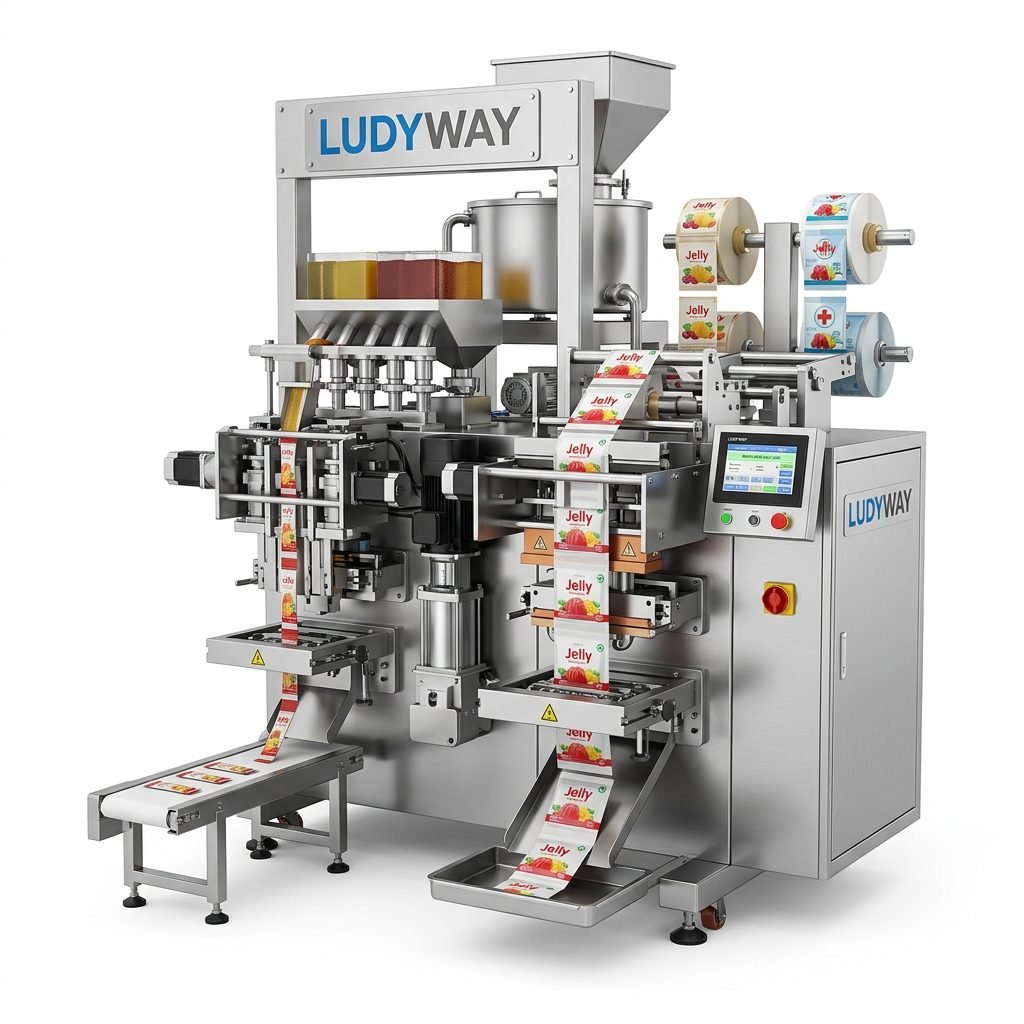
The Importance of a Daily Cleaning Routine
A consistent daily cleaning protocol forms the foundation of any effective maintenance plan for an ice packaging machine. After each production run, product residue, especially fine powder or moisture from ice products, can accumulate on critical components. If left unattended, this buildup causes friction, misalignment, and bacterial growth. Daily tasks should focus on removing visible debris and sanitizing product contact surfaces to meet hygiene standards.
Key daily steps include:
- Wiping down all stainless steel surfaces with food-grade sanitizer to remove condensation and product dust.
- Inspecting sealing jaws for sticky residue or carbonized material that can compromise seal integrity.
- Brushing off forming tubes and shoulder areas to prevent film tracking issues caused by ice crystal buildup.
- Checking the film path for any trapped particles that could tear the packaging material during high-speed runs.
Operators should log daily cleaning activities and flag any abnormal findings immediately. This proactive approach helps maintain the reliability of the packaging equipment and reduces the frequency of unplanned interventions.
Weekly and Monthly Deep Cleaning Tasks
While daily cleaning addresses surface contamination, deeper weekly and monthly procedures are necessary to prevent long-term wear and tear on the ice packaging machine. These tasks involve partial disassembly of key units and a thorough check of electrical and pneumatic systems. All power sources must be locked out and tagged out before starting any deep cleaning work.
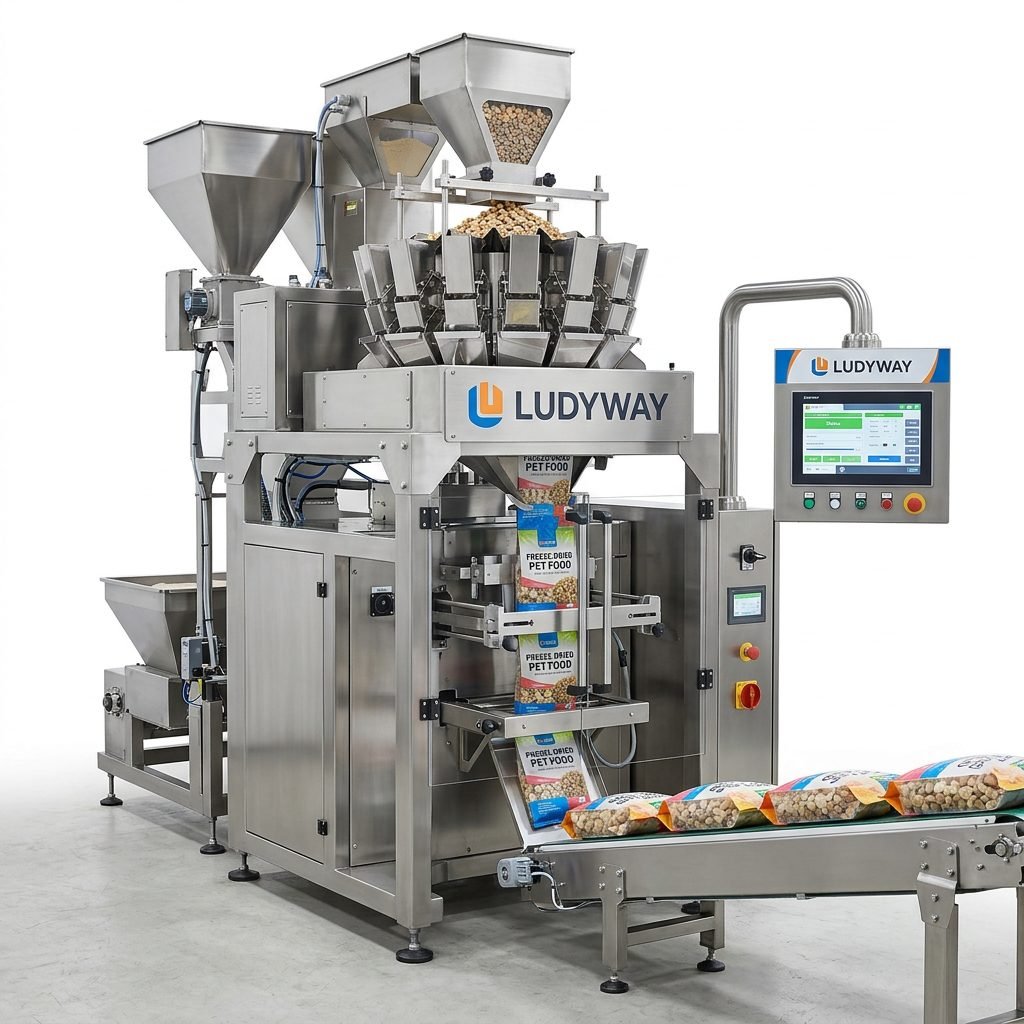
Focus areas for periodic deep cleaning include:
- Dosing and filling unit: Disassemble cups, augers, or volumetric fillers to remove hardened residue. For ice products, even a thin layer of frozen dust can affect fill accuracy.
- Film unwind and tension assembly: Clean rollers, dancer arms, and tension sensors to prevent erratic film feeding that leads to misaligned pouches.
- Cooling and refrigeration vents: Clear condenser fins and fan guards of lint and dust to maintain thermal efficiency. Overheating can degrade seal quality in ice packaging applications.
- Electrical cabinets: Use dry compressed air to remove dust from PLCs, drives, and wiring terminals. Moisture ingress in cold environments demands extra vigilance.
Lubrication and Mechanical Inspection
A well-lubricated machine is a long-lasting machine. For an ice packaging machine, selecting the correct food-grade lubricant is crucial because the low operating temperatures can thicken standard greases. Following the manufacturer’s recommended lubrication schedule prevents bearing failures and chain stretching under continuous duty cycles.
Your mechanical inspection checklist should cover these points:
- Apply food-grade grease to cam followers, linear guides, and main drive bearings according to the manual intervals.
- Check timing belts for cracks, fraying, or signs of stretching. Replace belts in sets to maintain synchronous motion.
- Inspect chain tension and sprocket wear. Loose chains cause registration drift between the film feed and the sealing station.
- Verify that all pneumatic cylinders operate smoothly without sticking. Cold condensation can wash away protective lubrication.
Seal System and Temperature Control Calibration
The sealing system is the heart of any ice packaging machine. Because ice products often introduce cold shock and moisture near the sealing area, consistent jaw temperature and pressure are non-negotiable. A seal that looks intact but fails during distribution can ruin an entire batch and damage brand reputation.
To maintain seal quality, schedule these checks regularly:
- Use a calibrated pyrometer to verify that jaw temperatures match the controller setpoints. Deviations over ±2°C should be investigated.
- Clean thermocouple contacts and ensure they are firmly seated against the heating element.
- Measure seal jaw alignment and parallelism with feeler gauges. Uneven pressure creates weak spots along the seal width.
- Replace protective Teflon tape or coatings on sealing jaws as soon as wear becomes visible. Damaged coatings cause film sticking and inconsistent heat transfer.
- Test peel strength on sample pouches using a tensile tester to confirm seal integrity after any temperature or pressure adjustment.
For detailed industry guidelines on packaging machinery validation and seal testing, refer to resources from the Flexible Packaging Association.
Creating a Preventive Maintenance Schedule
Moving from reactive repairs to preventive maintenance transforms the operational efficiency of your ice packaging machine. A structured schedule eliminates guesswork and ensures that no component exceeds its service life without inspection. The table below outlines a recommended maintenance framework that can be adapted to your production volume and shift patterns.
| Interval | Maintenance Action | Responsible Person |
|---|---|---|
| Daily | Surface cleaning, visual jaw inspection, log fill weights | Operator |
| Weekly | Clean film path sensors, check lubrication levels, inspect air filters | Shift Technician |
| Monthly | Deep clean dosing unit, calibrate temperature controllers, test seal strength | Maintenance Engineer |
| Quarterly | Replace wear parts (Teflon tape, cutters), grease bearings, inspect belts | Maintenance Supervisor |
| Annually | Full mechanical overhaul, PLC backup, safety system verification | OEM or Authorized Service |
Spare Parts Management and Inventory
Unplanned downtime often extends far beyond the actual repair time because a critical spare part was not in stock. For an ice packaging machine, certain components are more prone to wear due to cold and moisture exposure. Maintaining a strategic spare parts inventory is a key element of a mature maintenance program.

Essential spares to keep on hand include:
- Sealing jaw elements and thermocouples — these degrade fastest under thermal cycling.
- Forming tubes and collars sized for your primary pouch formats.
- Teflon-coated fabric and silicone rubber rolls for jaw protection.
- Pneumatic cylinder seal kits and solenoid valve coils.
- Drive belts, timing pulleys, and key sensor units (registration mark sensors, temperature probes).
- Emergency stop buttons and safety relay modules to maintain compliance.
Building a relationship with a reliable equipment partner ensures fast access to OEM parts and technical expertise. Ludyway supports customers in over 100 countries with comprehensive spare parts catalogs and remote diagnostic assistance, helping reduce mean time to repair when issues arise during critical production windows.
Training and Documentation Best Practices
Even the most advanced ice packaging machine will underperform if operators and maintenance technicians lack proper training. Comprehensive training programs should cover both operational procedures and basic troubleshooting, while detailed documentation creates a knowledge base that improves over time.
Building a training and documentation system involves:
- Developing standard operating procedures (SOPs) for cleaning, changeover, and startup/shutdown sequences with clear photographs of correct setups.
- Creating digital logs that track maintenance actions, fault codes, and parts replacements. This data becomes invaluable for predicting failure patterns.
- Conducting refresher training sessions quarterly, focusing on seal troubleshooting, film tracking alignment, and hygienic design principles.
- Ensuring that all safety training includes lockout/tagout procedures specific to packaging machinery used in cold or wet environments.
- Encouraging operators to share observations during shift handovers. Subtle changes in machine sound, vibration, or seal appearance often precede major failures.
A well-trained team, combined with a rigorous maintenance schedule, consistently achieves higher overall equipment effectiveness (OEE) and extends the productive life of the ice packaging machine well beyond typical industry benchmarks.