这是为您生成的一篇符合谷歌SEO最佳实践、且适配多设备阅读的英文文章HTML代码。内容聚焦水果包装机的维护核心,采用了清晰的标题层级、重点突出(主题色#B30006)排版、实用的维护计划表格以及相关配图,旨在提升专业性和可读性。
Effective maintenance of a fruit packing machine is essential for ensuring consistent product quality, minimizing production downtime, and extending the lifespan of your equipment. Whether you operate a small-scale orchard line or a high-speed automated facility, a structured maintenance program directly impacts your operational efficiency and profitability. Neglecting routine care can lead to inaccurate weighing, seal failures, film misalignment, and costly emergency repairs. This comprehensive guide covers essential maintenance tips and best practices to keep your fruit packaging equipment running at peak performance.
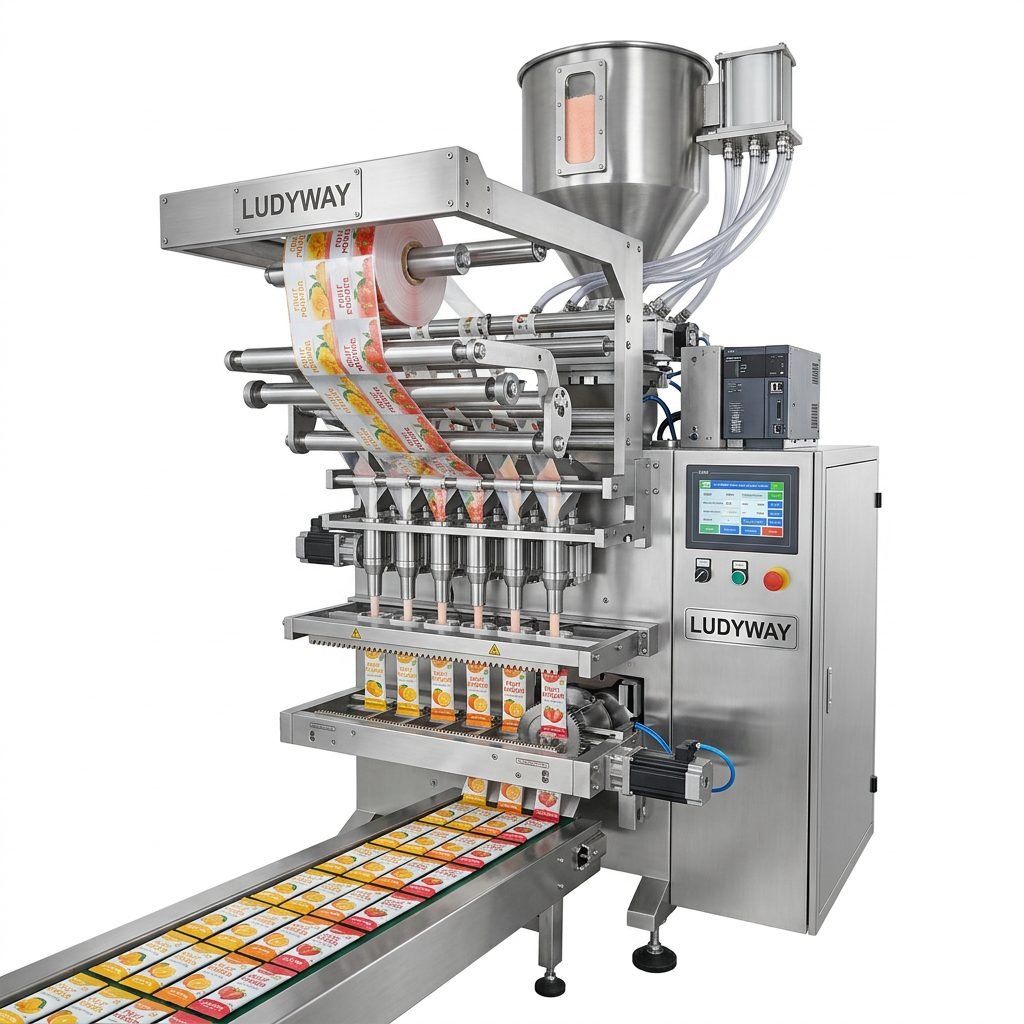
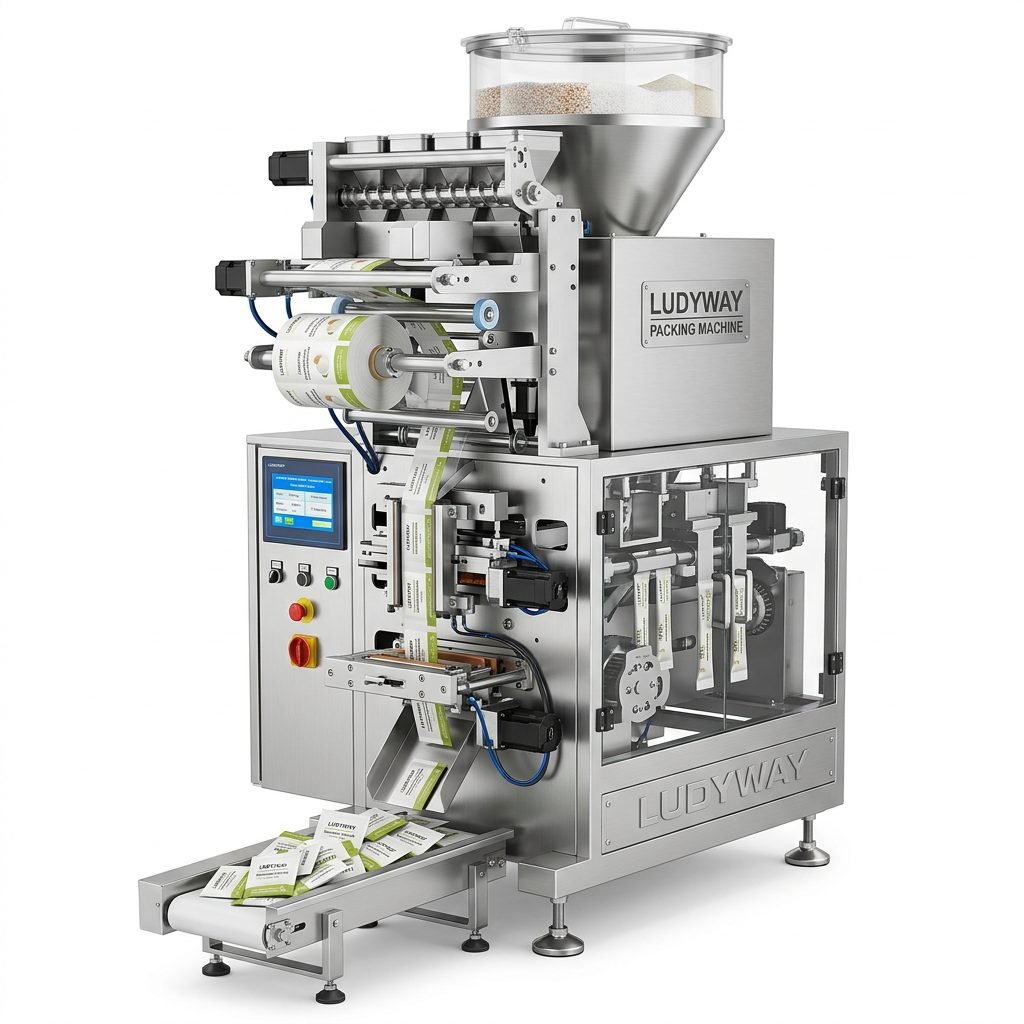
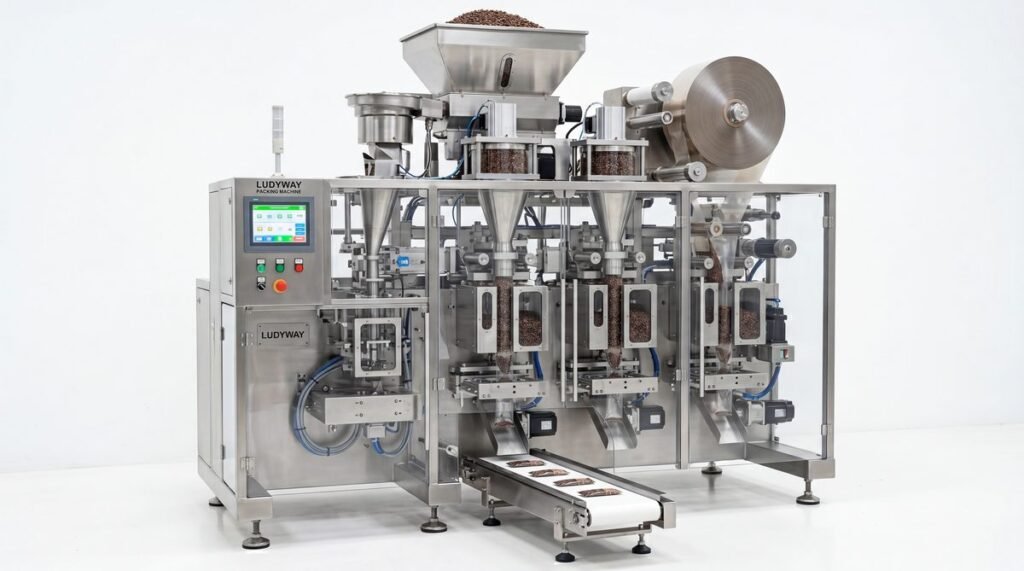
Modern multi-lane fruit packaging equipment requires systematic maintenance to ensure reliable output.
Why Regular Maintenance Matters for Fruit Packing Equipment
Fruit packing machinery handles delicate products that vary in size, weight, and moisture content. Residue from fruit sugars, acids, and pulp can accumulate on critical components, leading to premature wear and hygiene risks. A well-maintained machine delivers consistent seal integrity, accurate portion control, and reduced film waste. Regular inspections also help you comply with FDA food packaging regulations and international safety standards. Investing time in preventive maintenance significantly reduces the total cost of ownership over the machine’s service life.
Daily Maintenance Checklist
Daily tasks form the foundation of your maintenance routine. These quick checks should be performed at the beginning of each shift and periodically throughout production runs to catch potential issues early.
- Clean product contact surfaces: Remove fruit residue, dust, and debris from weighing buckets, filling nozzles, and sealing jaws using food-grade cleaning solutions.
- Inspect sealing elements: Check the temperature and condition of heat-sealing bars. Uneven heating can cause leaking or weak seals that compromise product freshness.
- Verify sensor functionality: Test photoelectric sensors and registration mark detectors to ensure accurate film positioning and cut placement.
- Check air pressure and lubrication: Confirm that pneumatic systems maintain proper pressure levels and that all moving parts are adequately lubricated per the manufacturer’s specifications.
- Examine film path alignment: Walk the film path from unwinding to cutting to identify any misalignment, wrinkles, or tension issues that could cause jams.
Weekly Maintenance Tasks
Weekly maintenance goes deeper into mechanical and electrical systems. Allocate dedicated time for these procedures to prevent cumulative wear from escalating into major failures. Following guidelines from the packaging and processing industry association can help establish robust weekly protocols.
- Deep-clean conveyor belts and rollers: Fruit sugars and acids can degrade belt materials over time. Use approved detergents and inspect for fraying or stretching.
- Inspect drive chains and sprockets: Look for elongation, corrosion, or misalignment. Replace worn components before they snap during production.
- Test emergency stop circuits: Verify that all safety interlocks and emergency stops function correctly to protect operators and equipment.
- Calibrate weighing and dosing systems: Use certified test weights to confirm accuracy. Even minor drift can result in significant product giveaway over thousands of packs.
- Review error logs: Modern machines store diagnostic data. Analyze recurring faults to identify underlying issues requiring attention.
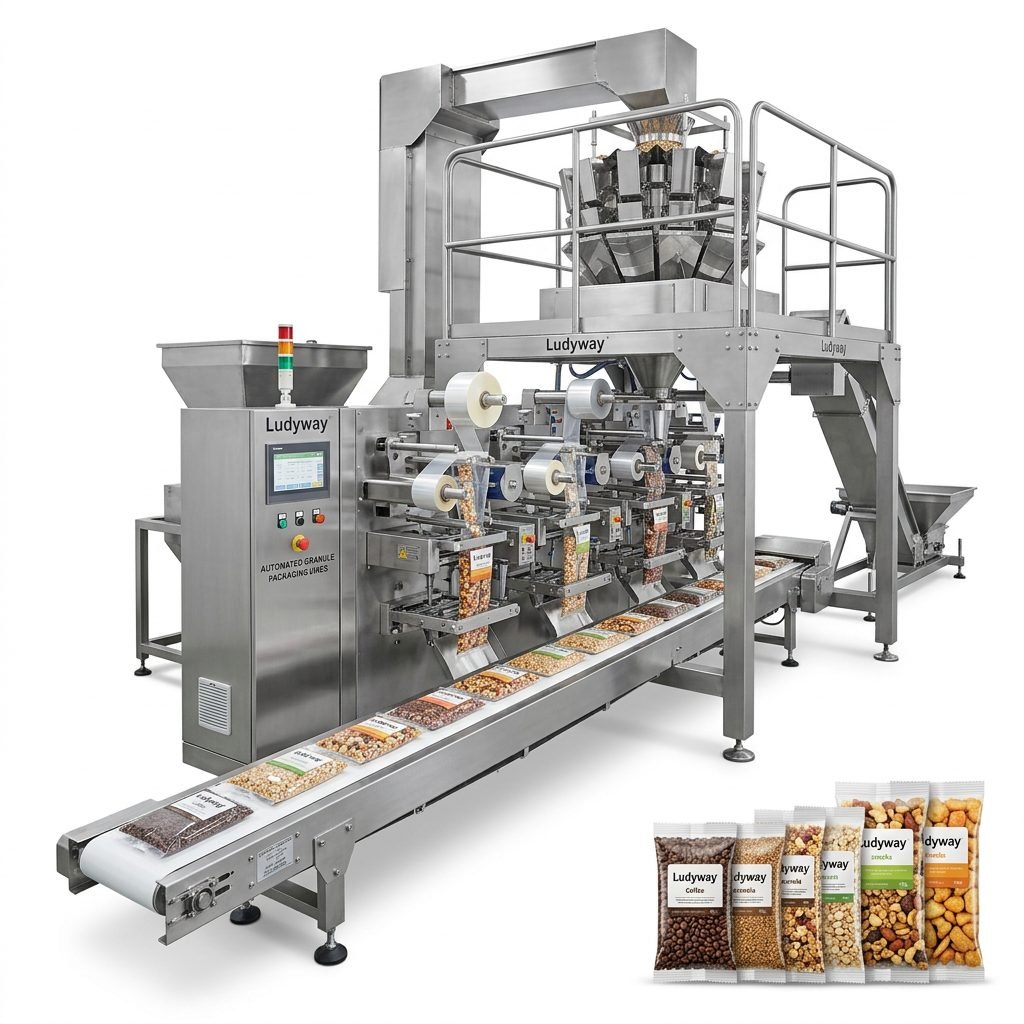
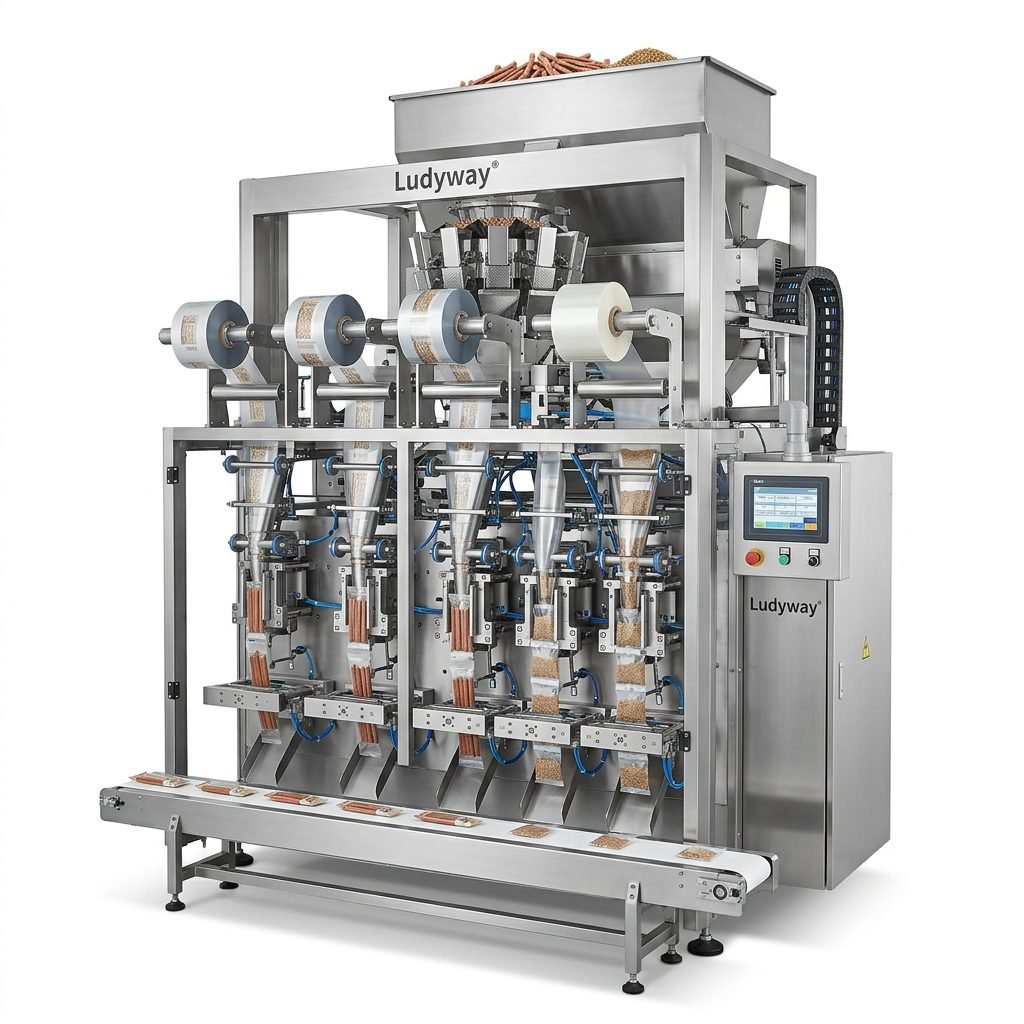
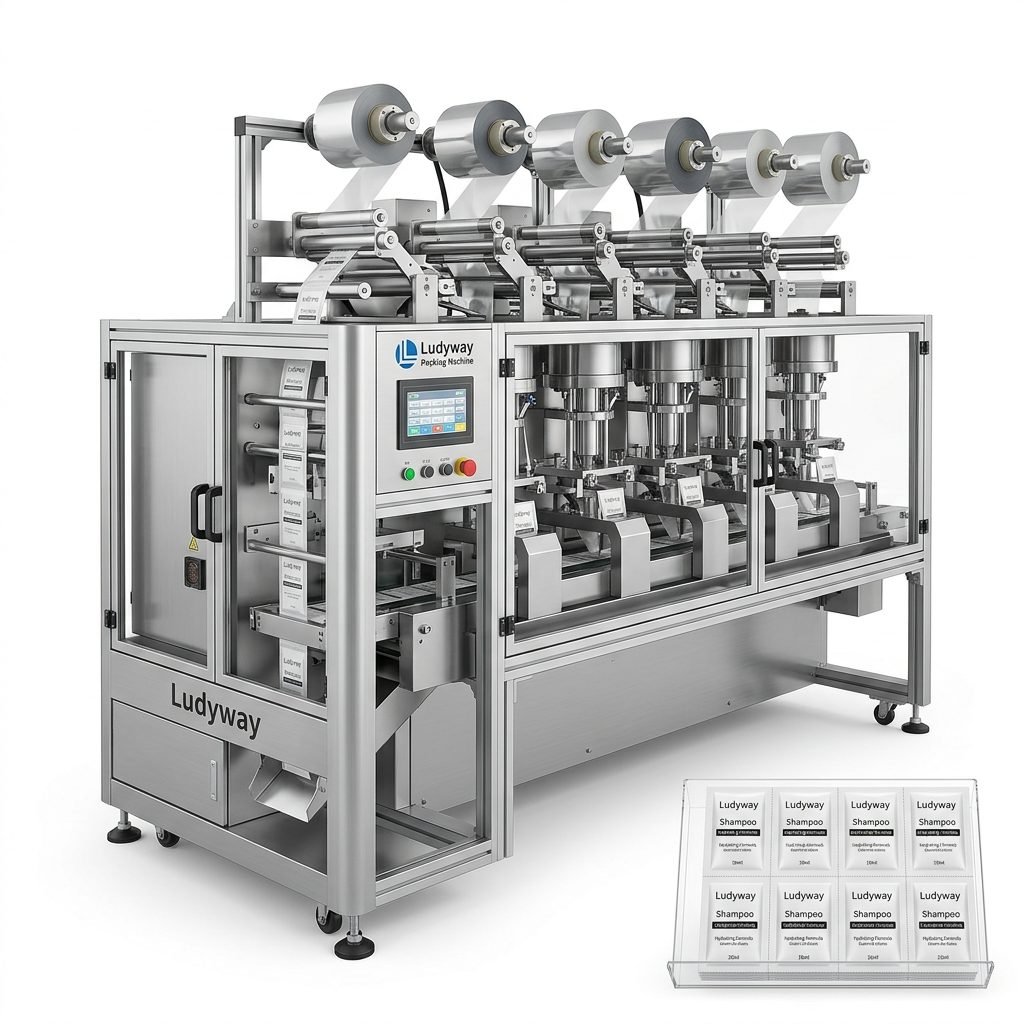
Automated food packaging lines require consistent weekly attention to maintain high throughput and product quality.
Monthly Maintenance Plan
Monthly procedures focus on comprehensive component inspection and replacement of consumable parts. This schedule aligns with recommendations from ISO packaging standards for equipment reliability and performance consistency.
- Replace worn sealing elements: Teflon-coated sealing bands, heating cartridges, and thermocouples degrade with use. Proactive replacement ensures consistent seal quality.
- Service pneumatic cylinders and valves: Disassemble, clean, and lubricate cylinders. Replace worn seals and check solenoid valves for proper actuation.
- Inspect gearboxes and motors: Check oil levels, listen for unusual noise, and verify that mounting bolts remain tight and vibration-free.
- Clean and tighten electrical connections: Dust and vibration can loosen terminal connections. Retighten and check for signs of overheating or corrosion.
- Evaluate overall machine alignment: Use precision measurement tools to verify that all stations remain square and properly aligned.
Quarterly and Annual Maintenance
Long-interval maintenance tasks require planned downtime but deliver significant returns in reliability and longevity. These comprehensive procedures should be documented and scheduled well in advance to avoid disrupting production commitments.
Quarterly Procedures
- Complete gearbox oil changes and inspect internal gears for pitting or abnormal wear patterns.
- Perform full calibration of all temperature controllers, pressure sensors, and load cells against certified reference instruments.
- Inspect and clean vacuum pumps and associated plumbing if your machine uses vacuum-assisted film handling or product transfer.
Annual Overhaul Tasks
- Replace all timing belts, drive belts, and critical bearings regardless of apparent condition.
- Conduct a complete electrical safety audit including insulation resistance testing and ground continuity verification.
- Retrofit or upgrade control software and firmware to the latest stable versions provided by the equipment manufacturer.
- Perform a full teardown cleaning of all product contact zones, including disassembly of multi-head weighers and filling stations.
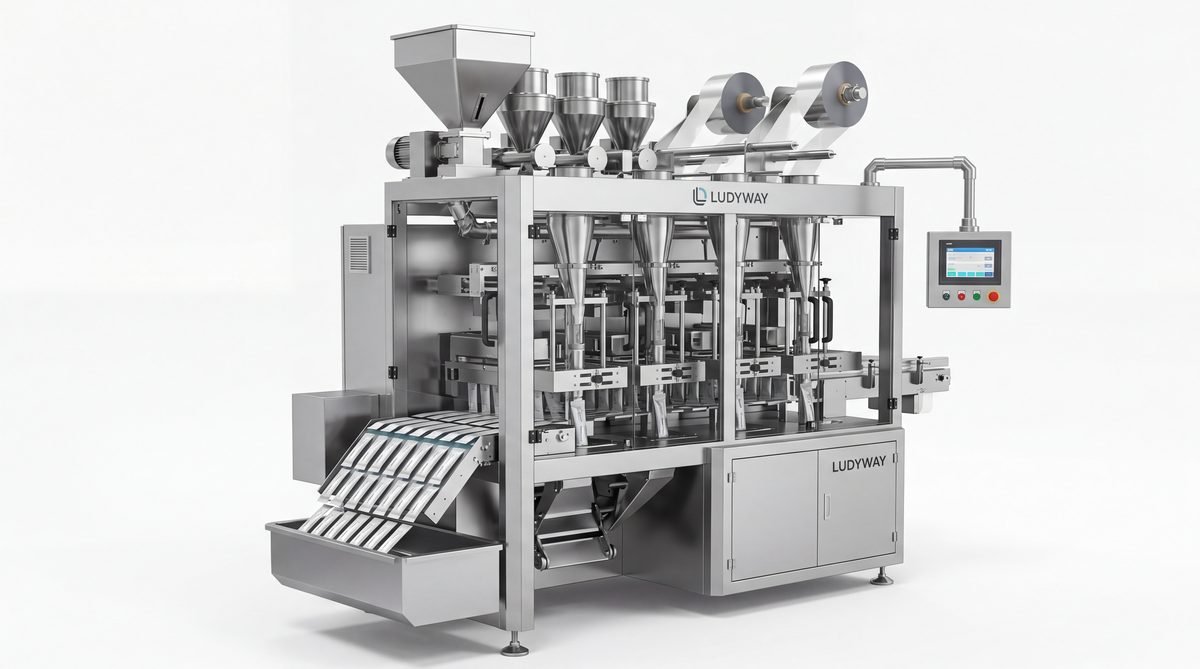
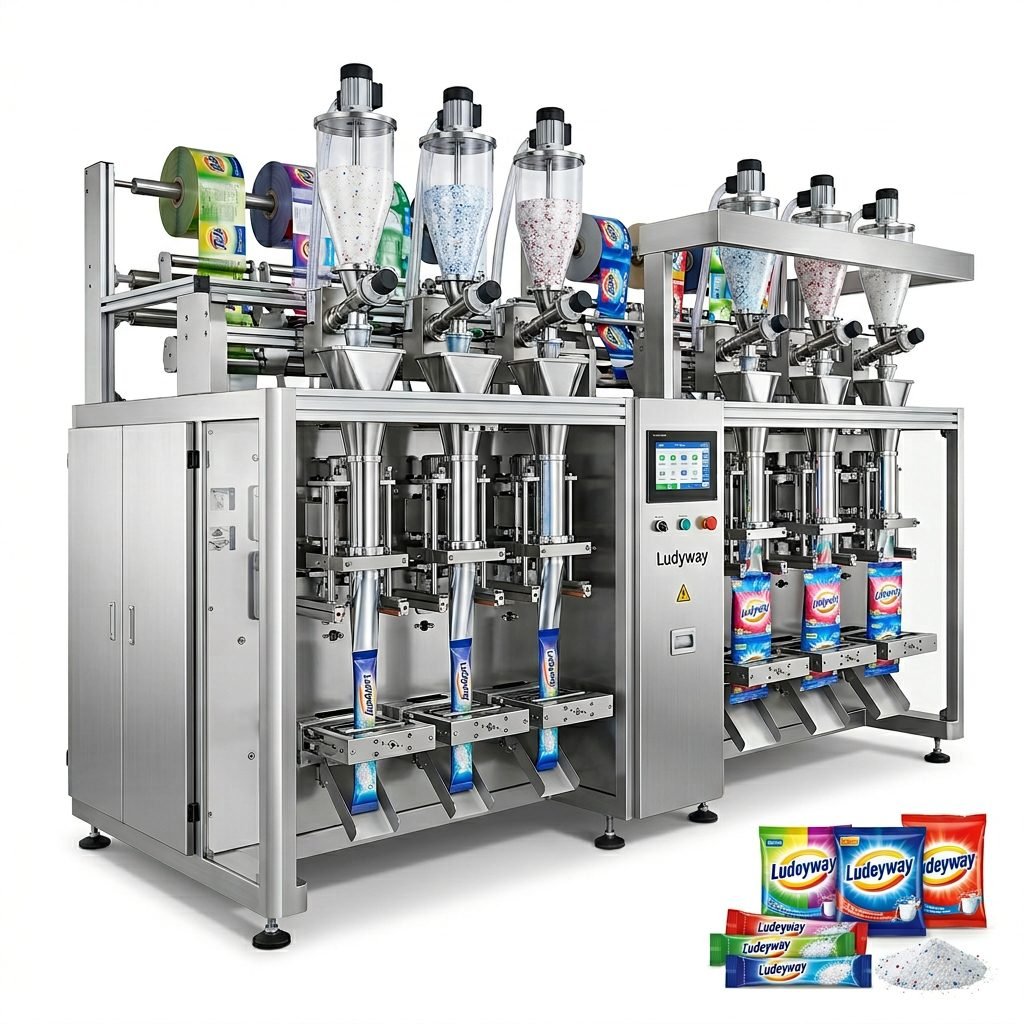
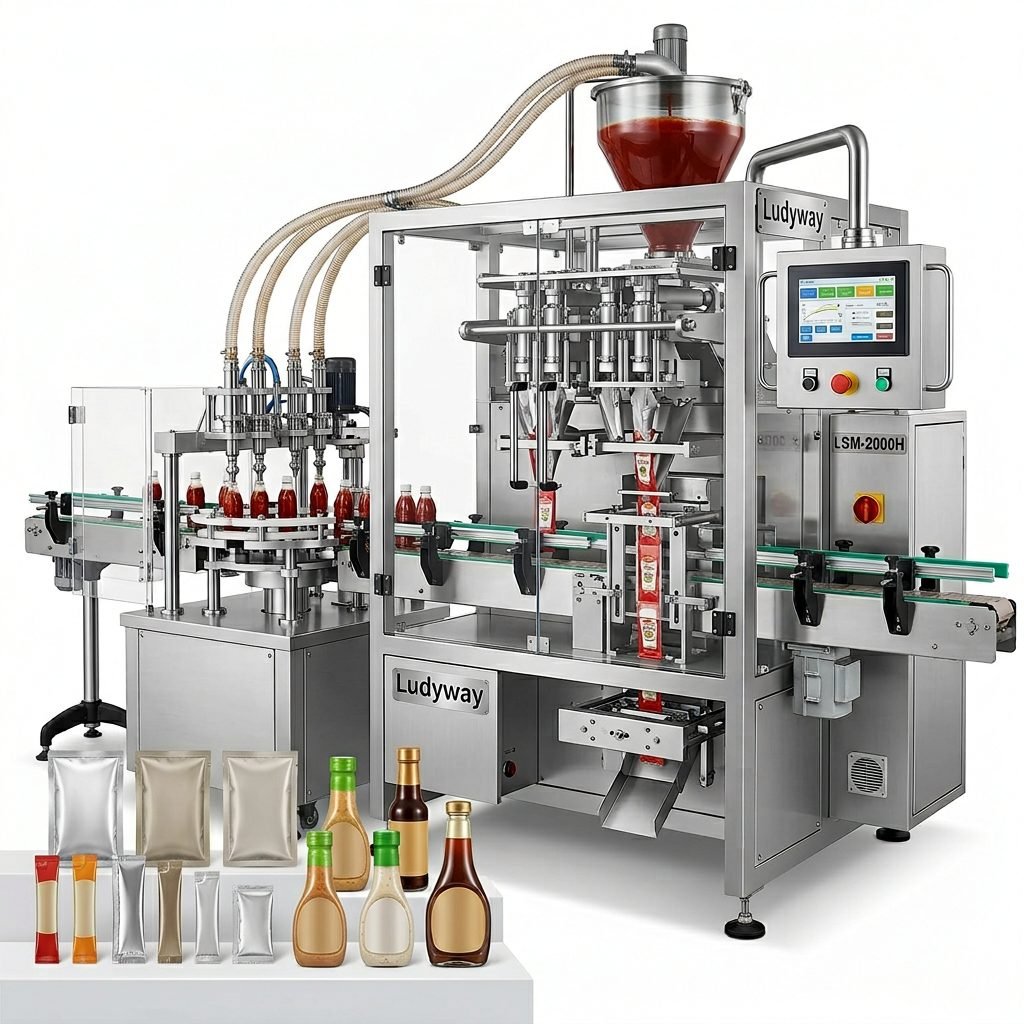
Scheduled maintenance of multi-lane packaging machinery is critical for food production line efficiency.
Maintenance Schedule Overview
The following table summarizes recommended maintenance intervals for key components of your fruit packing machine. Use this as a quick reference for planning your maintenance calendar.
| Component / Task | Daily | Weekly | Monthly | Quarterly | Annually |
|---|---|---|---|---|---|
| Product contact surface cleaning | ● | ||||
| Sealing jaw inspection | ● | ||||
| Sensor and registration check | ● | ||||
| Conveyor belt deep cleaning | ● | ||||
| Weighing system calibration | ● | ||||
| Sealing element replacement | ● | ||||
| Pneumatic system service | ● | ||||
| Gearbox oil change | ● | ||||
| Full electrical safety audit | ● | ||||
| Belt and bearing replacement | ● |
Common Issues and Troubleshooting
Even with diligent maintenance, occasional issues arise in fruit packing operations. Understanding common problems and their root causes enables faster resolution and less downtime. The flexible packaging industry resources provide additional technical guidance for troubleshooting film-related challenges specific to fruit products.
- Inconsistent seal integrity: Often caused by worn Teflon coatings, incorrect temperature settings, or product residue on sealing surfaces. Clean thoroughly and verify temperature calibration before replacing components.
- Film tracking and wrinkling issues: Misaligned rollers, uneven tension, or worn bearings typically cause this. Walk the entire film path methodically to isolate the source.
- Inaccurate product weights: Vibration during operation, sticky product buildup in weigh buckets, or load cell drift can affect accuracy. Regular calibration and cleaning resolve most weight-related problems.
- Intermittent machine stoppages: These often trace back to dirty sensors, loose wiring connections, or fluctuating air supply pressure. Systematic diagnostic checks usually reveal the root cause quickly.
- Excessive film waste: Poor registration mark detection, incorrect tension settings, or worn cutting blades contribute to film waste. Optimize these parameters during scheduled maintenance windows.
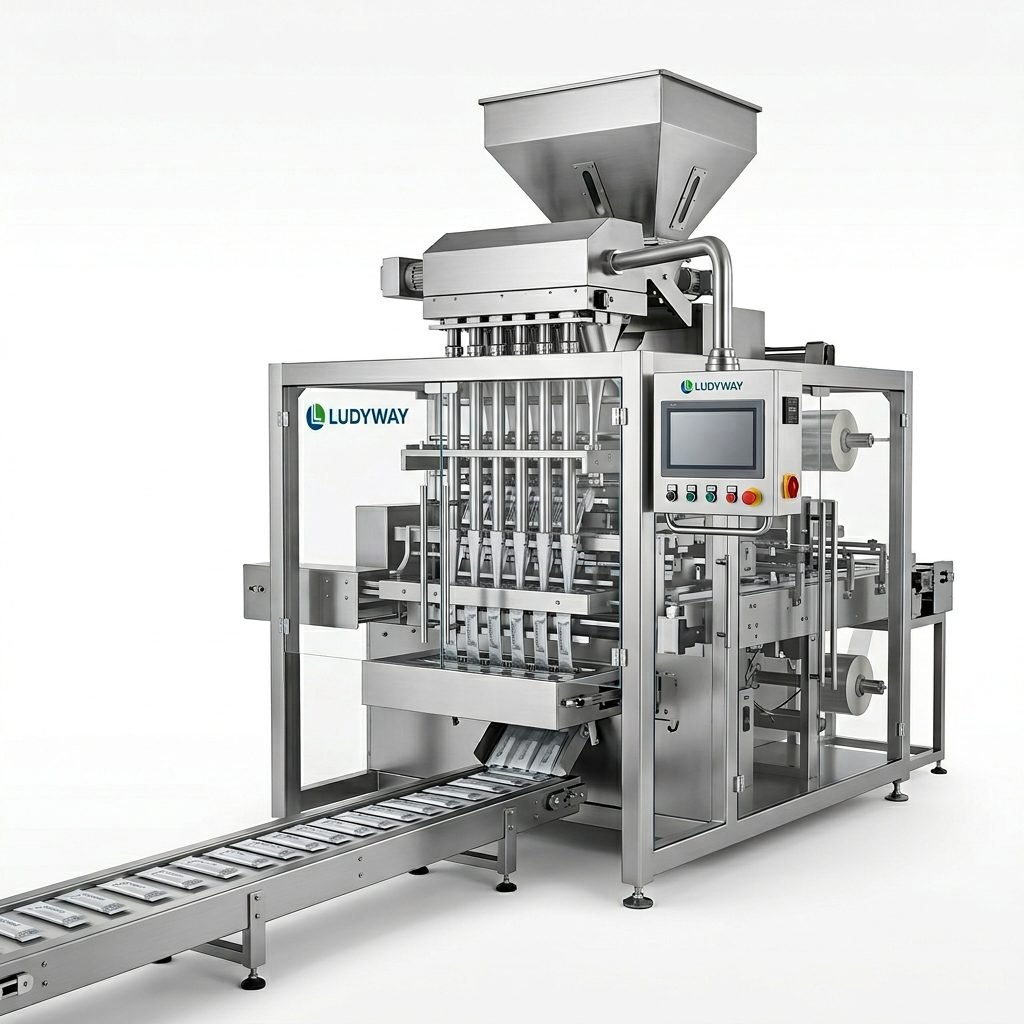
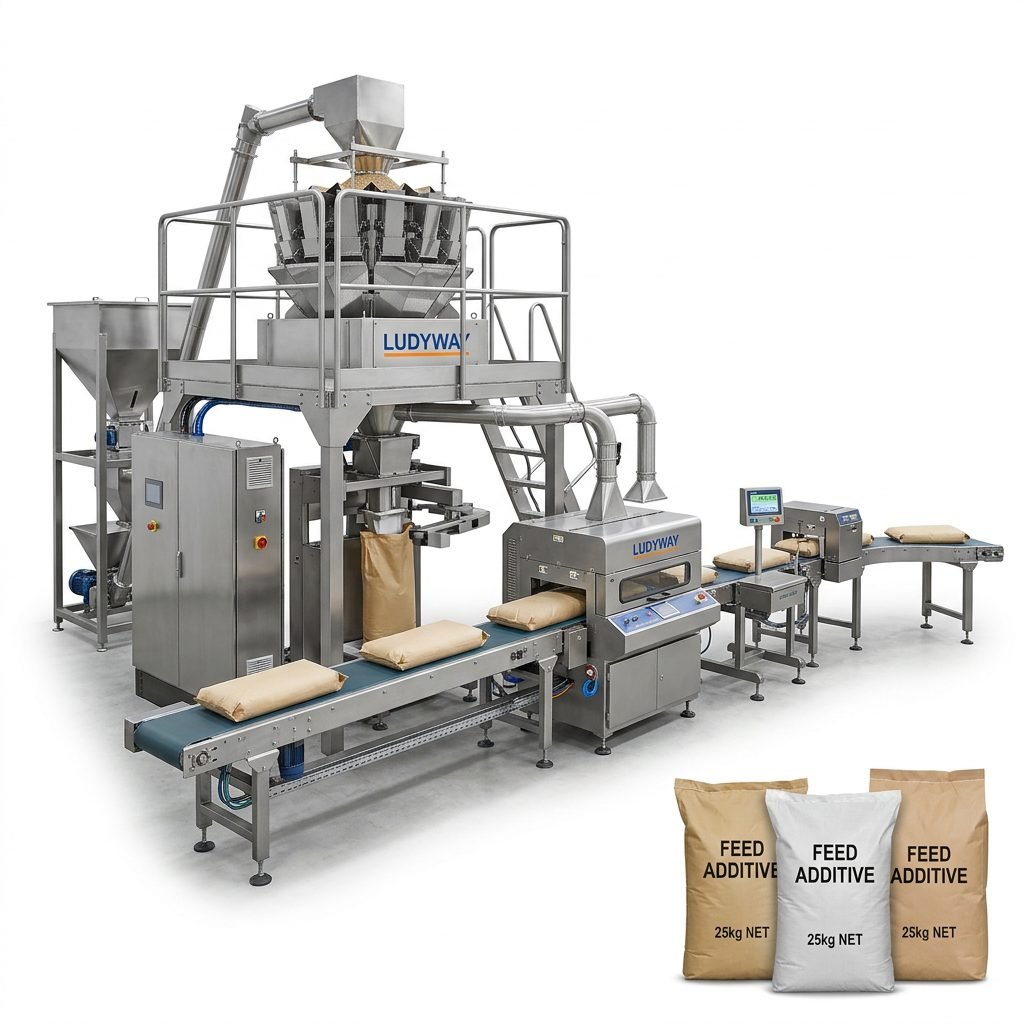
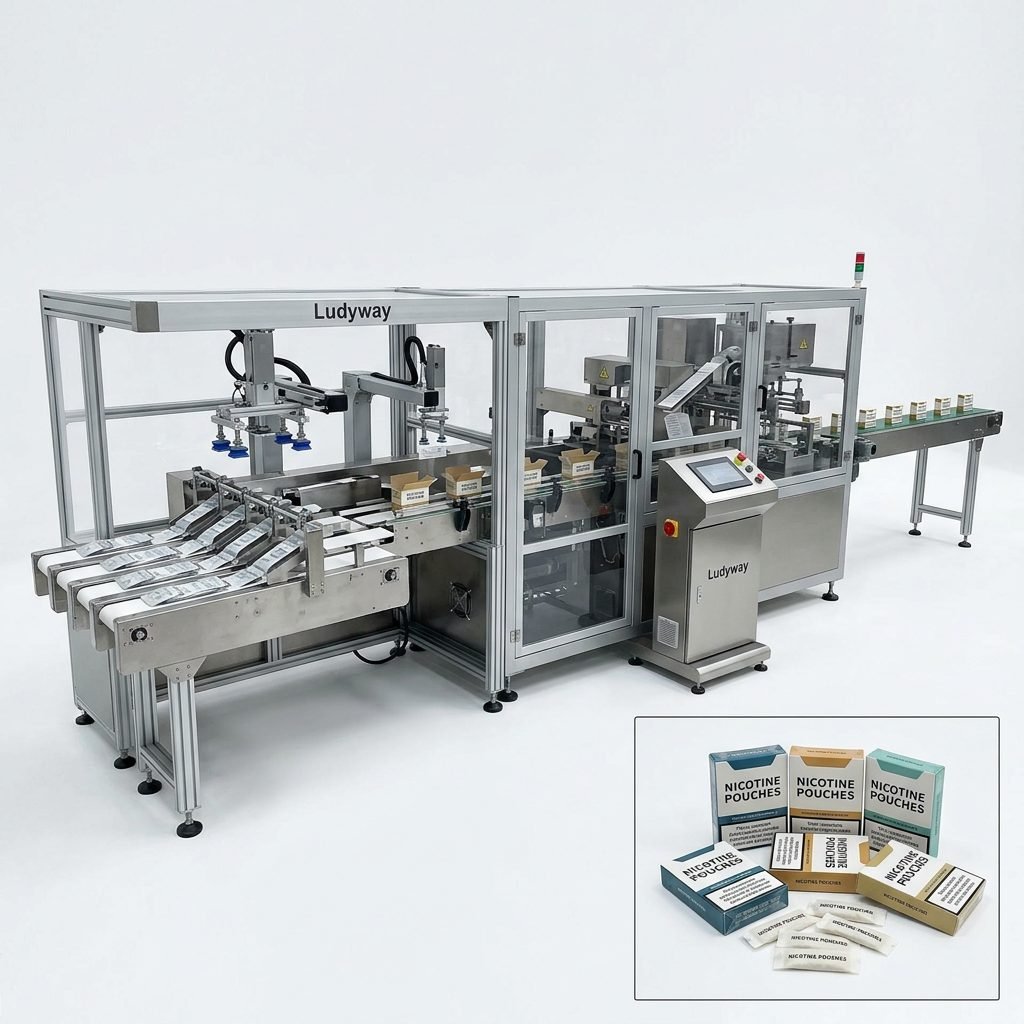
High-speed packaging systems benefit significantly from proactive troubleshooting and preventive maintenance.
Best Practices for Long-Term Equipment Reliability
Adopting a culture of proactive maintenance yields the highest return on your packaging equipment investment. The following best practices, drawn from decades of industry experience, help ensure that your fruit packing machine delivers consistent performance year after year.
- Maintain detailed service records: Document every maintenance action, including date, procedure performed, parts replaced, and technician notes. These records become invaluable for warranty claims, trend analysis, and planning future upgrades.
- Train operators thoroughly: Well-trained operators spot early warning signs before they become failures. Invest in comprehensive training that covers daily checks, basic troubleshooting, and proper cleaning procedures.
- Stock critical spare parts: Maintain an inventory of essential consumables and wear parts, including sealing elements, sensors, belts, bearings, and filters. This minimizes downtime when replacements are needed urgently.
- Use genuine OEM parts: Counterfeit or incompatible components can cause secondary damage and void equipment warranties. Always source replacement parts from authorized suppliers.
- Schedule maintenance during planned downtime: Coordinate with production planning to allocate specific windows for preventive maintenance. This reduces the temptation to postpone critical tasks due to production pressure.
Partnering with Equipment Manufacturers for Support
Your equipment manufacturer is a valuable resource for maintenance support, technical expertise, and genuine spare parts. Established manufacturers offer service contracts, remote diagnostics, and on-site technical assistance that can significantly reduce your maintenance burden. Companies like Ludyway, with over 30 years of industry experience and a 20,000㎡ modern production facility, provide comprehensive after-sales support including professional technical assistance and readily available spare parts for their complete range of packaging machinery. Building a strong relationship with your equipment supplier ensures you receive timely support when complex issues arise and helps you stay informed about packaging machinery market research updates and technological advancements that could benefit your operation.
Conclusion
A well-executed maintenance program for your fruit packing machine is an investment that pays dividends in reliability, product quality, and overall equipment effectiveness. By implementing daily, weekly, monthly, and annual maintenance routines—and partnering with experienced equipment manufacturers for technical support—you can maximize productivity while minimizing unexpected downtime and repair costs. Remember that consistent, documented maintenance practices not only protect your equipment investment but also support compliance with evolving food contact substance regulations and international packaging and distribution standards, positioning your operation for long-term success in the competitive fruit packaging industry.