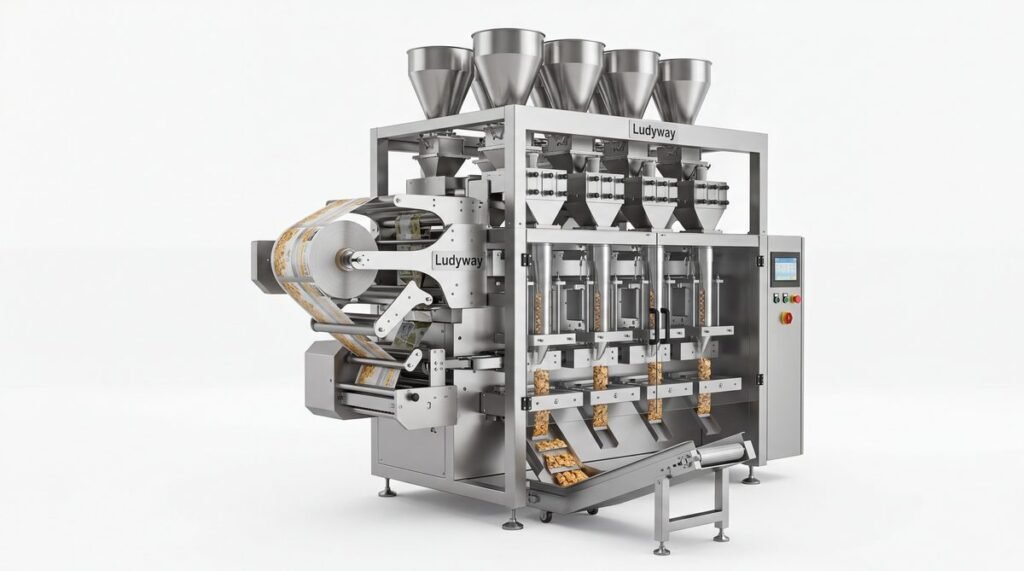
Investing in a tea FFS packaging machine is a significant decision for any tea producer or contract packager. The cost can vary widely—from under $15,000 for a basic single-lane model to over $250,000 for a fully automated, high-speed multi-lane system with integrated auxiliary equipment. Understanding what drives these price differences is essential for making an informed purchasing decision.
What Is a Tea FFS Packaging Machine?
A tea FFS (Form-Fill-Seal) packaging machine is an automated system that forms packaging material into a pouch or stick pack, fills it with tea—whether loose leaf, granulated, or powdered—and then seals it, all in one continuous process. These machines are widely used for producing single-serve stick packs, sachets, and pillow pouches for the global tea market.
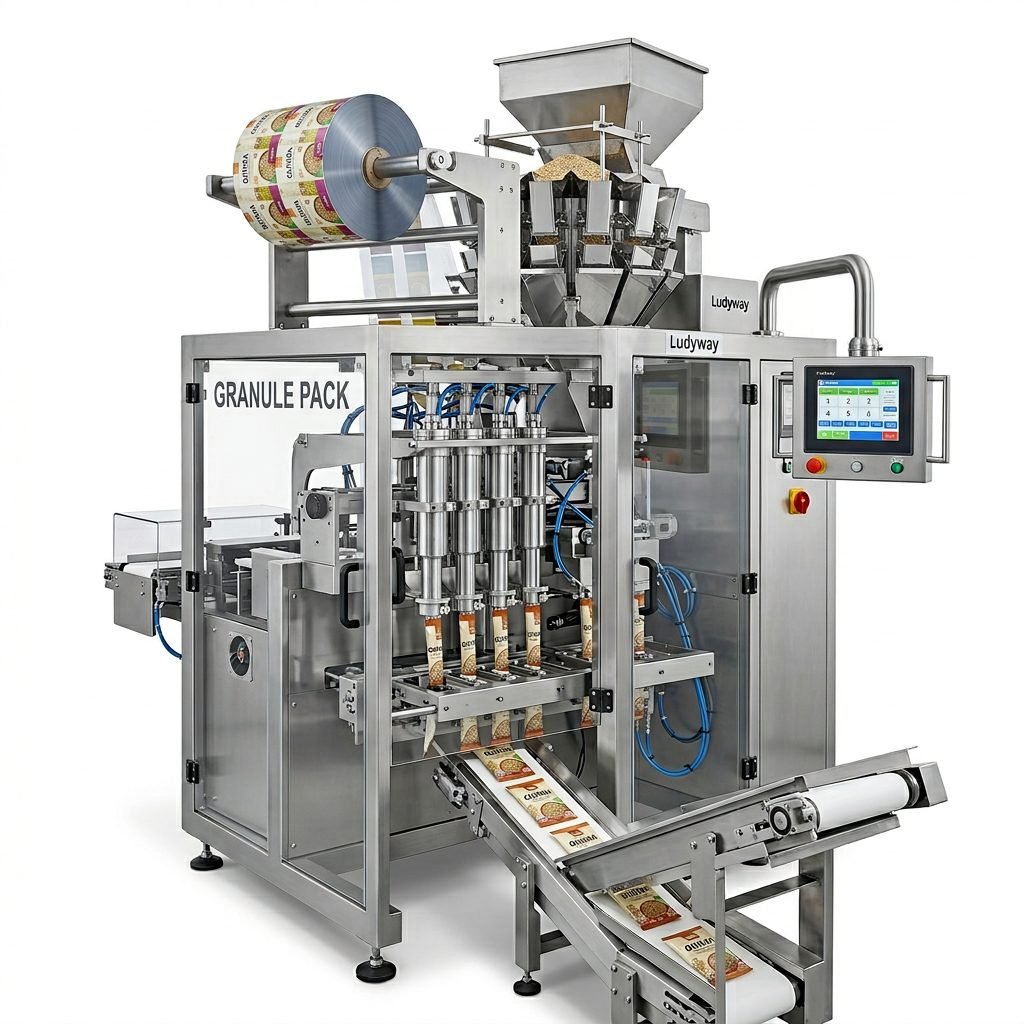
Key Factors That Influence Tea FFS Packaging Machine Pricing
Several critical variables determine the final cost of a tea packaging system. Below are the most impactful factors to consider when budgeting for your investment.
1. Automation Level and Lane Configuration
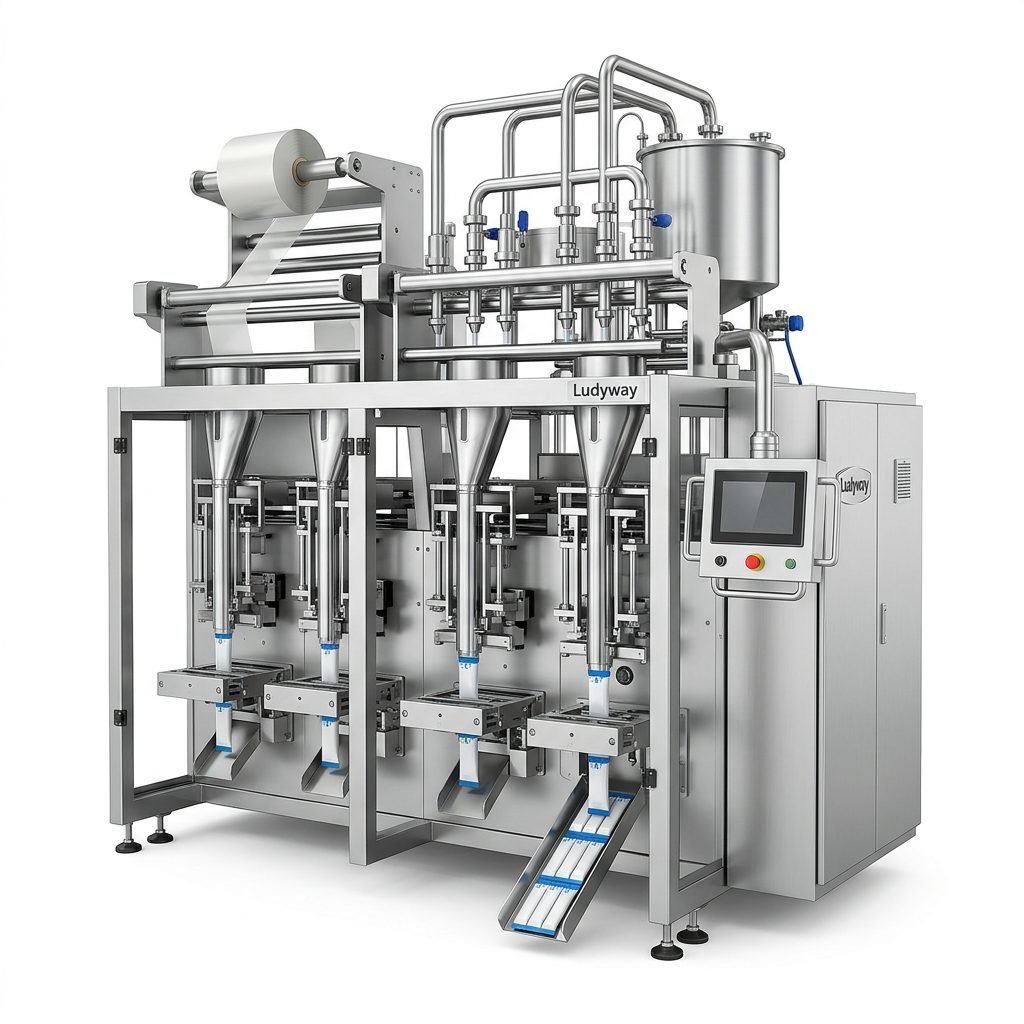
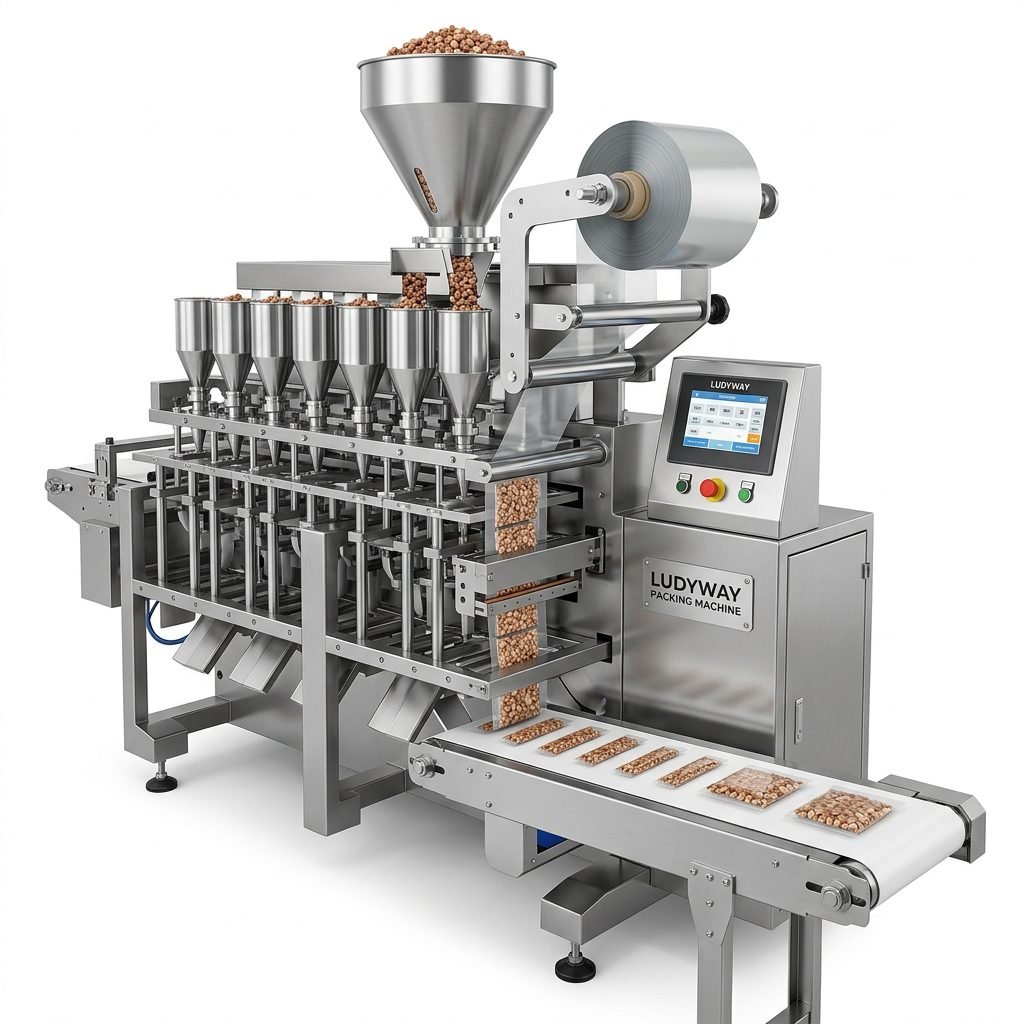
The number of lanes directly correlates with output capacity and cost. A single-lane machine may produce 30–60 packs per minute, while a 10-lane or 12-lane high-speed model can exceed 400 packs per minute. Multi-lane multi-lane packaging machines require more sophisticated filling systems, servo-driven controls, and precision engineering, significantly increasing the initial investment.
2. Filling Technology and Precision
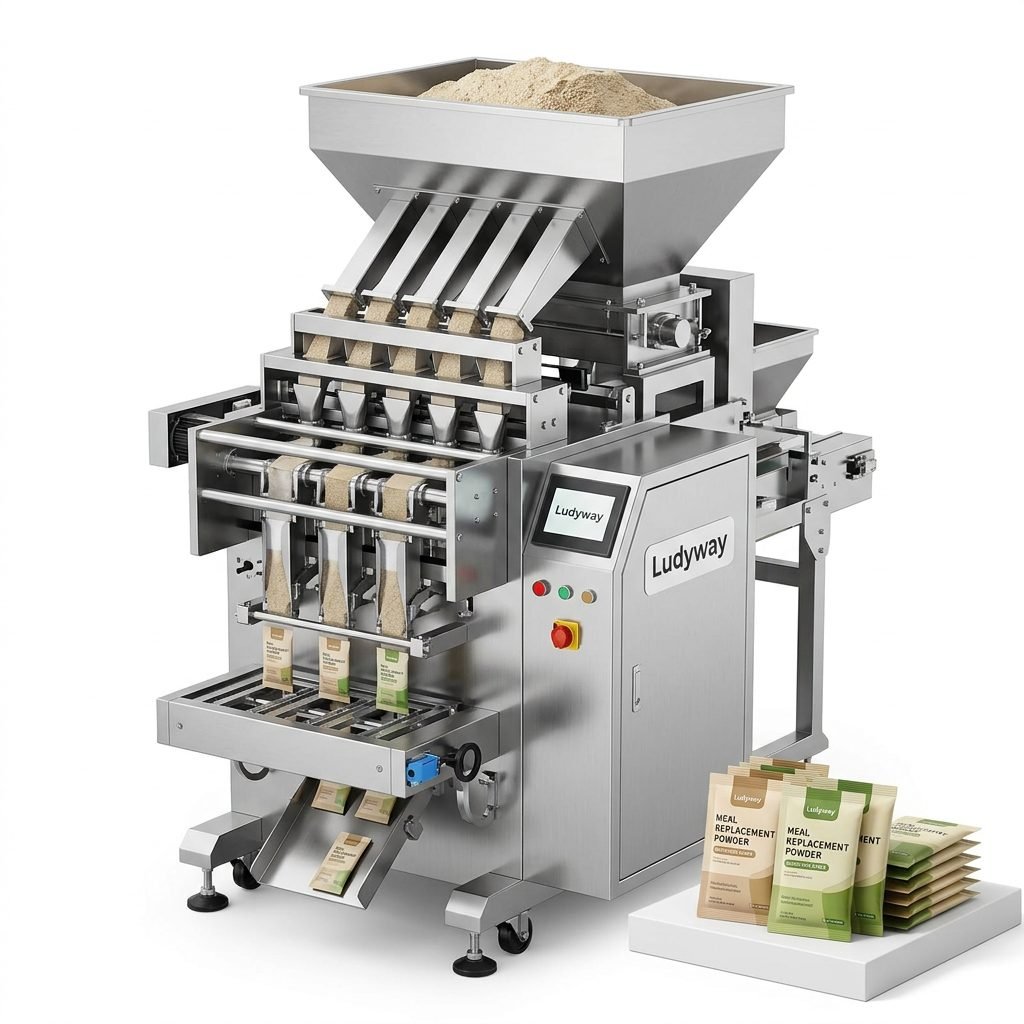
Tea products vary in density and flow characteristics. Volumetric cup fillers are cost-effective for consistent granule sizes, while auger fillers handle powdered tea more accurately. High-precision multi-head weighers offer the best accuracy for premium teas but add considerable cost. The choice of filling technology should match your product specifications and target fill weight consistency.
3. Construction Materials and Build Quality
Machines built with stainless steel 304 or 316L frames and food-grade contact parts command higher prices but are essential for food safety compliance. If your facility requires IP65 or IP67 washdown ratings, expect additional costs for sealed electrical enclosures and specialized components.
4. Auxiliary and Integration Features
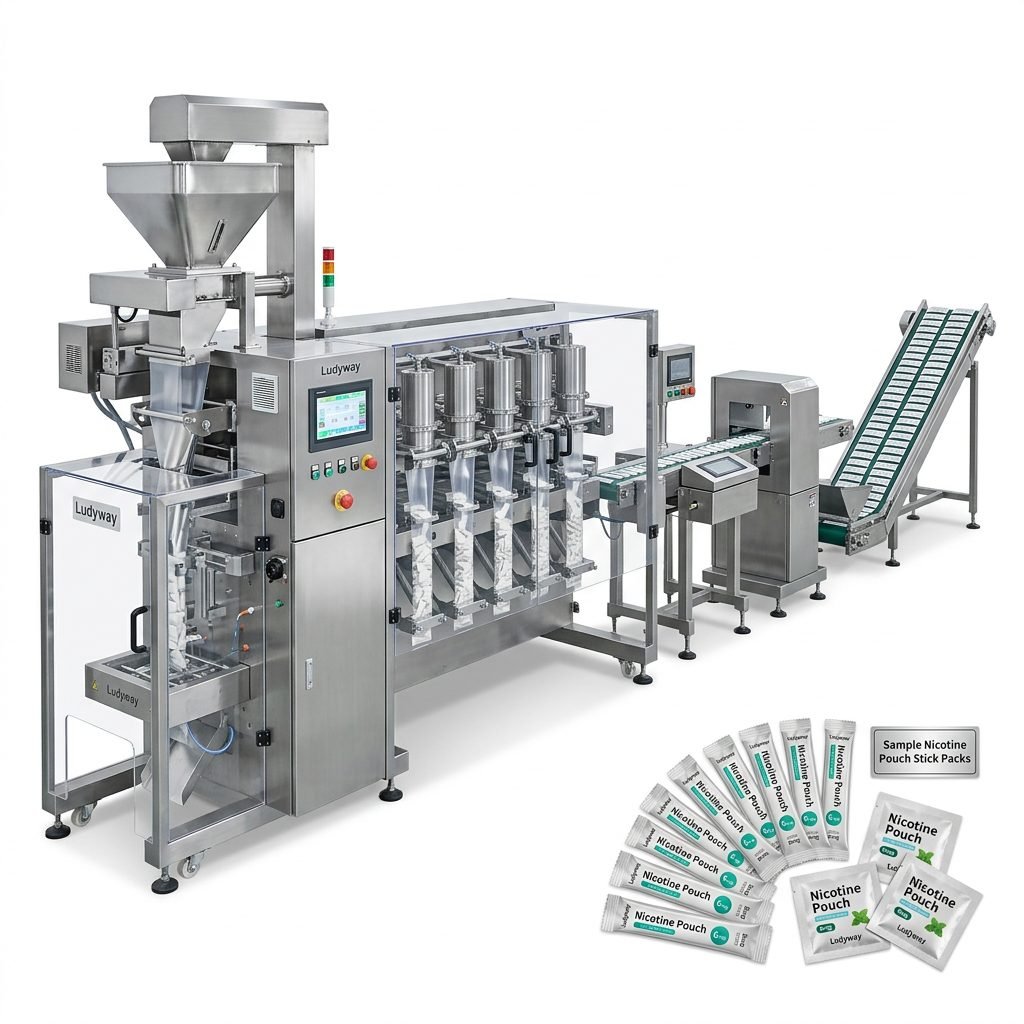
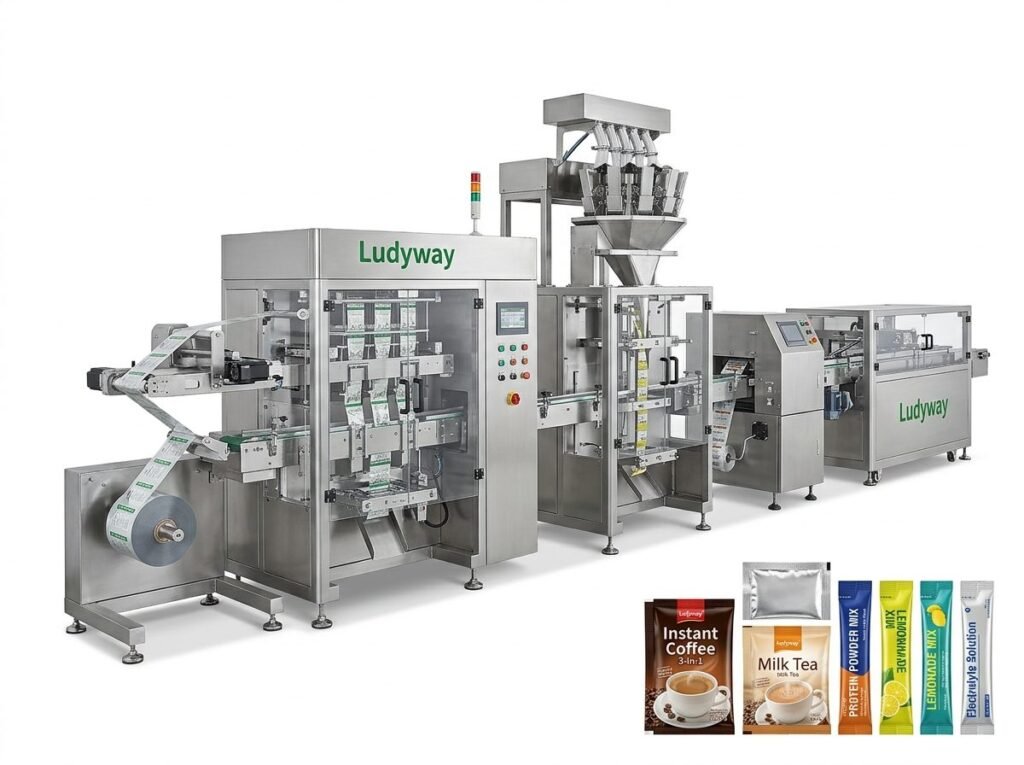
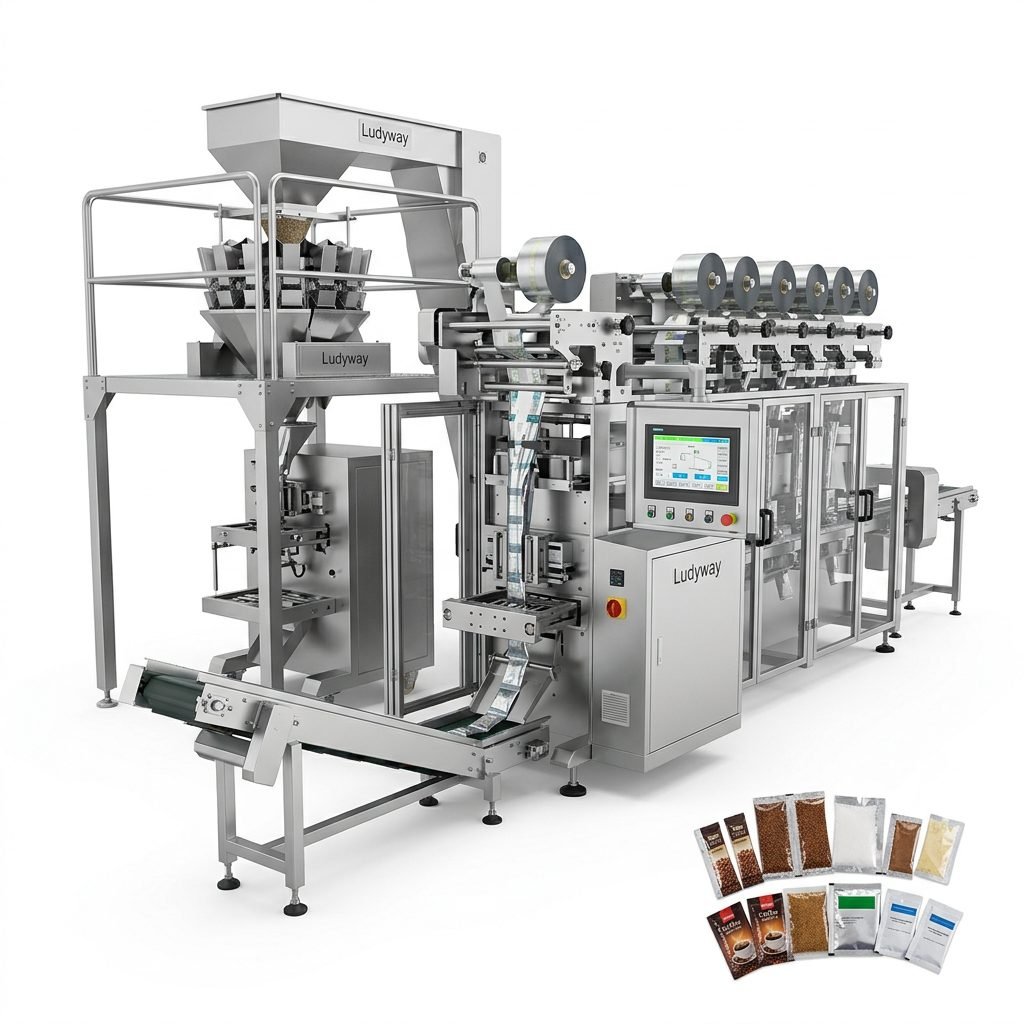
Optional add-ons such as gas flushing (nitrogen), checkweighers, metal detectors, reject systems, coding printers, and automatic cartoning each add to the total system price. A fully integrated turnkey packaging line with all these features will naturally cost significantly more than a standalone machine.
Tea FFS Packaging Machine Price Ranges
The table below provides a general overview of price brackets based on machine type and configuration. Actual pricing depends on specific requirements and customizations.
| Machine Type | Speed Range | Estimated Price (USD) | Best Suited For |
|---|---|---|---|
| Single-Lane Stick Pack | 30–60 packs/min | $12,000 – $35,000 | Small businesses, startups |
| 4–6 Lane Stick Pack | 120–250 packs/min | $40,000 – $90,000 | Mid-scale production |
| 8–12 Lane High-Speed | 300–500+ packs/min | $100,000 – $200,000 | Large-scale manufacturers |
| Sachet / Pillow Pouch | 40–200 packs/min | $18,000 – $120,000 | Loose leaf, specialty tea |
| Fully Integrated Turnkey Line | Custom | $150,000 – $350,000+ | Full automation, high volume |
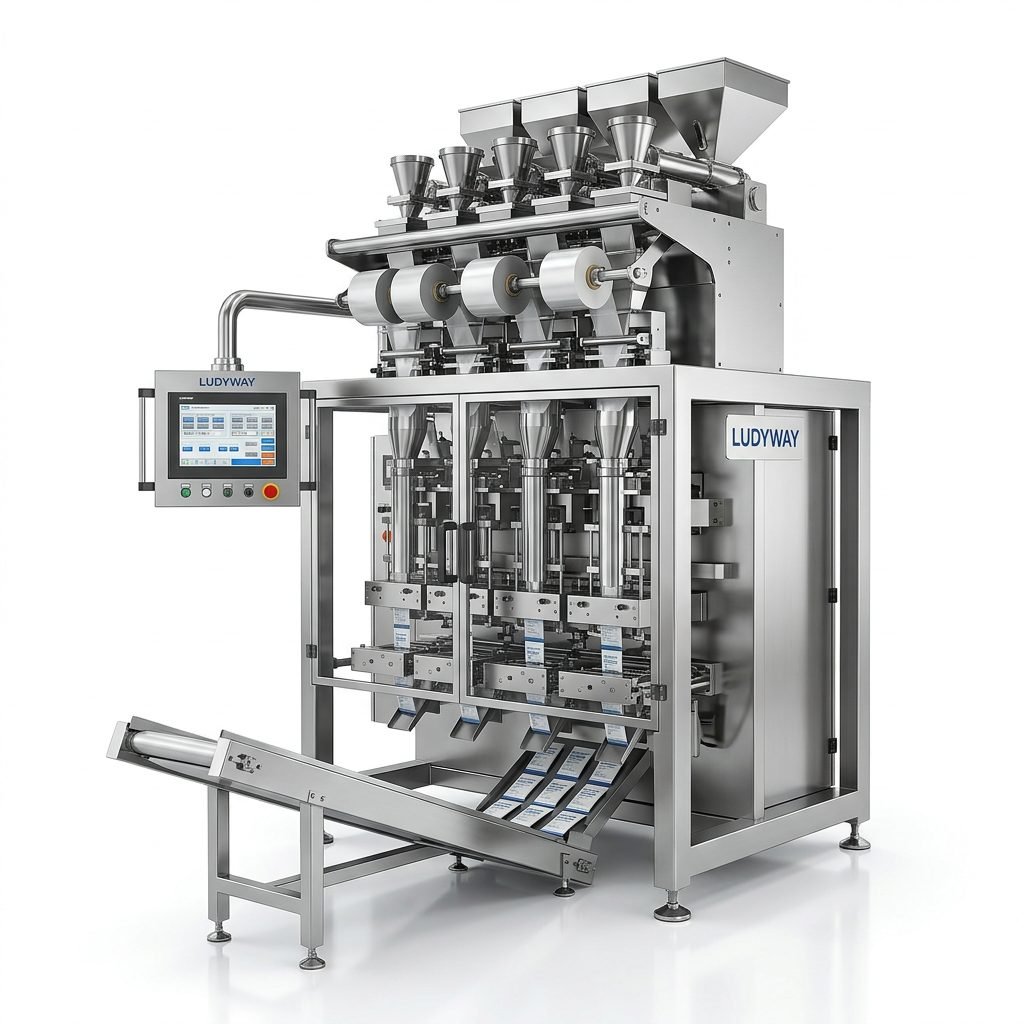
Additional Costs to Consider Beyond the Machine Price
When planning your budget, remember that the machine purchase price is only part of the total investment. The following expenses should be factored into your calculations:
- Shipping and import duties: International freight, customs clearance, and tariffs can add 5%–15% to the equipment cost.
- Installation and commissioning: Budget for technician travel, on-site setup, and calibration—typically $2,000–$8,000 depending on location.
- Operator training: Comprehensive training ensures efficient operation and reduces downtime. Some manufacturers include basic training in the purchase price.
- Spare parts inventory: Maintaining a stock of critical wear parts—such as sealing jaws, cutting blades, and forming tubes—is essential for minimizing production interruptions.
- Ongoing maintenance: Annual maintenance contracts or periodic service visits should be considered for packaging machine maintenance.
- Facility requirements: Compressed air, electrical upgrades, and dust extraction systems may need to be installed or upgraded.
Evaluating ROI: When Does a Higher-Priced Machine Make Sense?
A higher upfront investment often translates to lower per-unit packaging costs over time. Consider these scenarios:
Scenario A: Small Artisanal Tea Brand
A single-lane stick pack machine at $18,000 producing 40 packs per minute may be sufficient for volumes under 500,000 packs annually. The lower capital outlay keeps risk manageable while testing market demand.
Scenario B: Mid-Tier National Brand
A 6-lane machine at $70,000 producing 200 packs per minute can handle 2–5 million packs per year. Labor savings and increased throughput typically deliver payback within 12–18 months.
Scenario C: High-Volume Export Manufacturer
A 10-lane high-speed system with full automation at $180,000 can produce 400+ packs per minute. For volumes exceeding 10 million packs annually, the per-pack cost drops dramatically, and ROI can be achieved in under 12 months due to labor reduction and higher output.
Choosing the Right Packaging Machine Supplier
Price is important, but it should not be the only deciding factor. Evaluate potential suppliers based on the following criteria:
- Industry experience: How long has the manufacturer been building sachet packaging machines specifically for tea or similar granule products?
- After-sales support: Does the supplier offer remote troubleshooting, on-site service, and readily available spare parts?
- Customization capabilities: Can they adapt the machine to your specific packaging material, pouch dimensions, and production environment?
- Compliance certifications: Look for CE, ISO, and food-grade material certifications relevant to your target markets.
- References and case studies: Ask for examples of existing tea packaging installations and speak with current customers.
As one of the largest packaging machine manufacturers in China, Ludyway specializes in advanced packaging equipment for the food, pharmaceutical, and health industries, with over 30 years of experience and more than 50 intelligent packaging machine models serving customers in over 100 countries.
Industry Standards and Resources
Staying informed about packaging industry standards helps ensure your equipment investment aligns with regulatory requirements and market trends. The following resources provide valuable guidance:
- PMMI – Business Intelligence Library for packaging machinery market research
- Flexible Packaging Association – Industry Resources for flexible packaging data
- FDA – Food Packaging and Food Contact Substances for compliance guidelines
- ISO – Packaging Standards for international quality benchmarks
Frequently Asked Questions About Tea FFS Machine Costs
What is the cheapest tea FFS packaging machine available?
Entry-level single-lane stick pack machines for tea start around $12,000. These are typically semi-automatic or basic automatic models suitable for small batches and limited production runs.
How much does a multi-lane tea stick pack machine cost?
A quality 4–6 lane tea stick pack machine generally ranges from $40,000 to $90,000, while 8–12 lane high-speed models range from $100,000 to $200,000+, depending on features and customization.
Are there hidden costs when importing a packaging machine?
Yes. Beyond the machine price, budget for shipping, customs duties, installation, training, and spare parts. These can add 15–30% to the total landed cost depending on your location and specific requirements.
Can I finance a tea packaging machine purchase?
Many manufacturers and third-party equipment financing companies offer leasing or installment payment options. Discuss financing terms directly with your supplier during the quotation phase.
How long does it take to receive a tea FFS machine after ordering?
Standard models may ship within 30–60 days, while customized or high-capacity systems can take 90–180 days for manufacturing, testing, and delivery. Always confirm lead times with your supplier before placing an order.