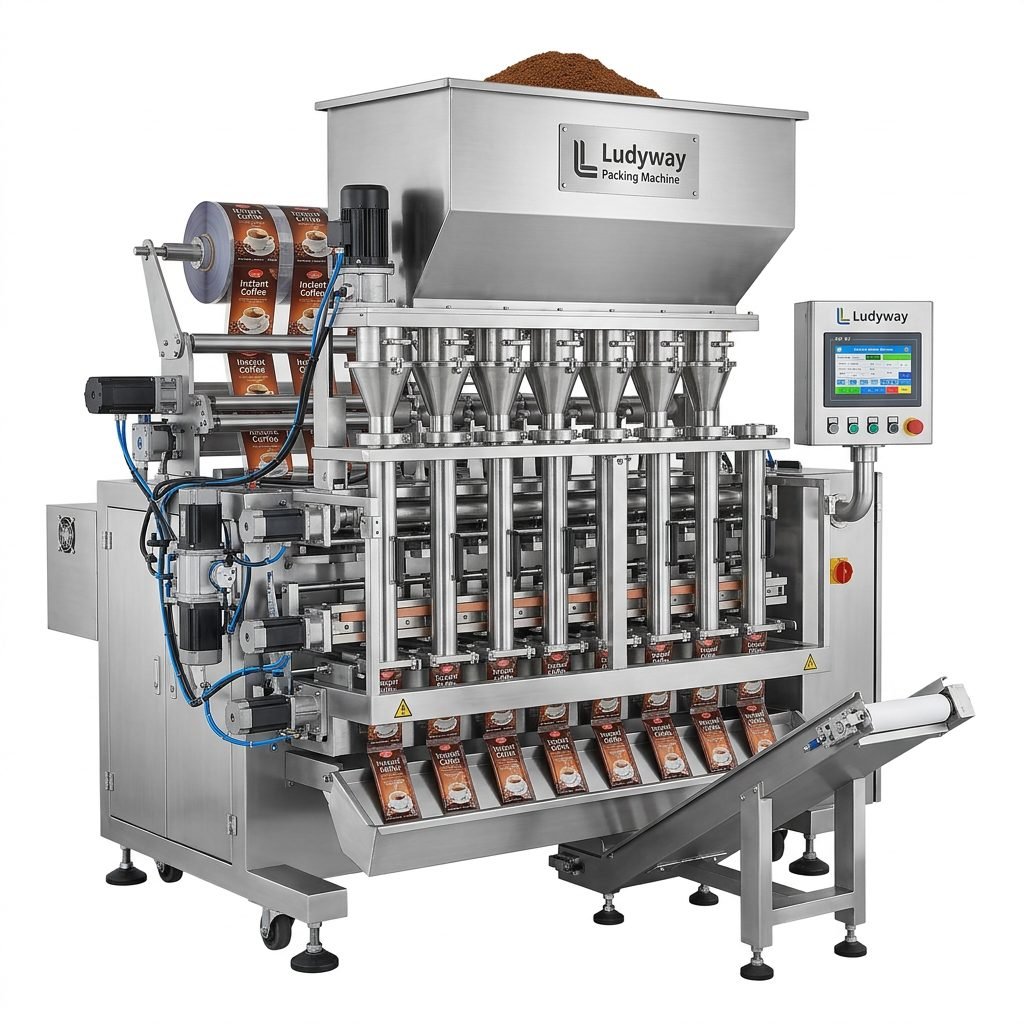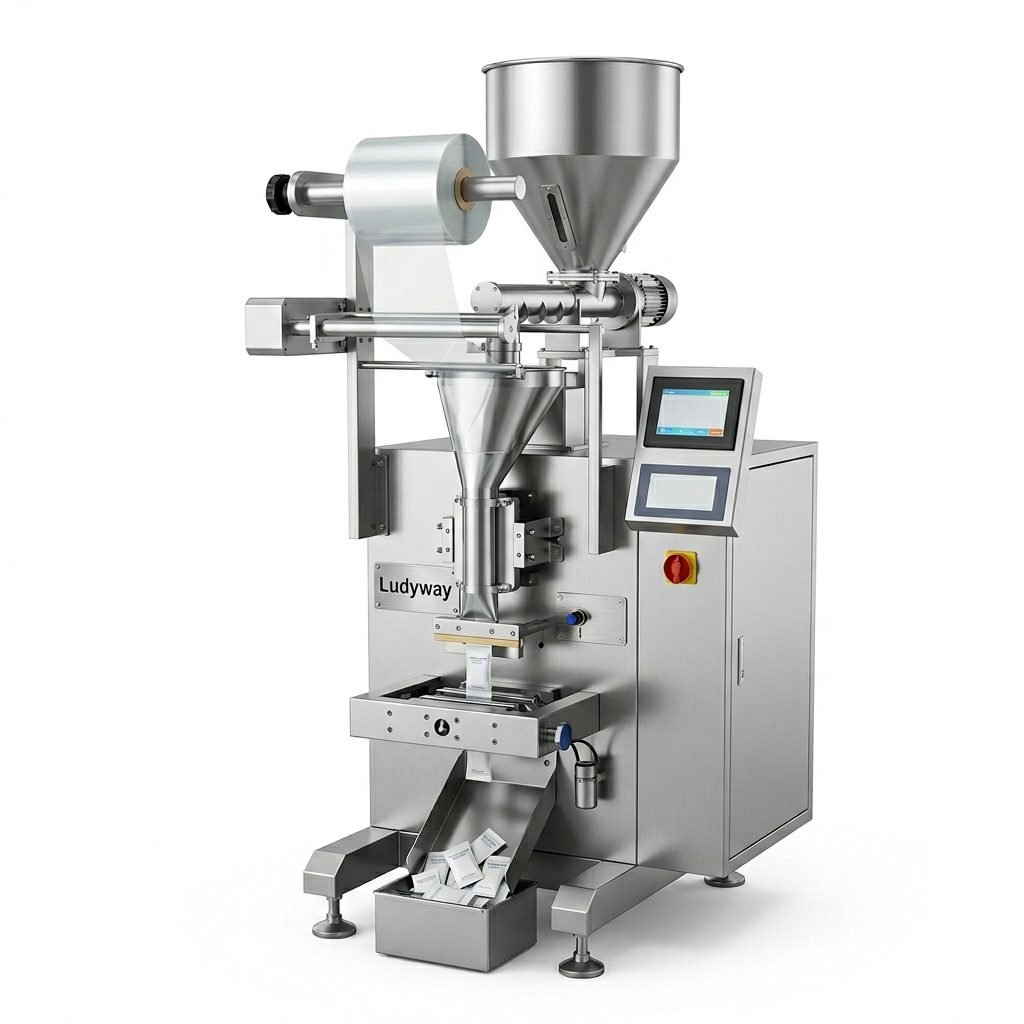
Investing in a pharmaceutical sachet packaging machine is a critical decision that directly impacts production efficiency, product integrity, and regulatory compliance. Whether you are packaging single-dose powders, granules, or liquid formulations, selecting the right equipment requires a thorough understanding of your product characteristics, production goals, and the regulatory landscape governing pharmaceutical packaging.
This comprehensive buyer’s guide walks you through the essential factors to evaluate when choosing a sachet packaging solution for pharmaceutical applications, helping you make an informed investment that aligns with both current needs and future growth. For manufacturers seeking pharmaceutical packaging machinery solutions, understanding these criteria is the first step toward a successful implementation.
Understanding Pharmaceutical Sachet Packaging Requirements
Pharmaceutical sachet packaging differs significantly from food or industrial packaging. The stakes are higher — patient safety, product stability, and strict adherence to Good Manufacturing Practices (GMP) are non-negotiable. Before evaluating specific machines, you need to clearly define your packaging parameters.
Product Characteristics That Influence Machine Selection
The physical and chemical properties of your pharmaceutical product will largely determine the type of dosing system, sealing technology, and material handling configuration required. Key product attributes to assess include:
- Flow characteristics: Free-flowing powders, cohesive powders, granules, or liquid formulations each require different filling mechanisms
- Particle size distribution: Fine powders may require dust containment systems, while larger granules may need different feeding approaches
- Hygroscopicity: Moisture-sensitive products demand enhanced sealing integrity and possibly nitrogen flushing
- Density and compressibility: These factors affect fill accuracy and the type of dosing system required
- API concentration and potency: Potent compounds may require contained handling systems to protect operators

Key Technical Specifications to Evaluate
Once you have characterized your product, the next step is matching it to the right machine configuration. The following table outlines the critical technical specifications that should guide your evaluation process.
| Specification | Why It Matters | Key Questions to Ask |
|---|---|---|
| Filling System Type | Determines dosing accuracy and product compatibility | Auger, volumetric, or gravimetric? What fill weight range? |
| Production Speed | Directly affects throughput and ROI | How many sachets per minute? Single-lane or multi-lane? |
| Sealing Technology | Critical for product protection and shelf life | Heat seal, ultrasonic, or impulse? Is hermetic sealing required? |
| Bag Format Flexibility | Supports product line extensions and market adaptation | Stick pack, three-side seal, four-side seal, or gusseted? |
| Changeover Time | Impacts overall equipment effectiveness (OEE) | How quickly can the machine switch between products or formats? |
| Automation Level | Affects labor requirements and process consistency | Fully automated or semi-automatic? Integrated with upstream/downstream systems? |
Regulatory Compliance and Quality Standards
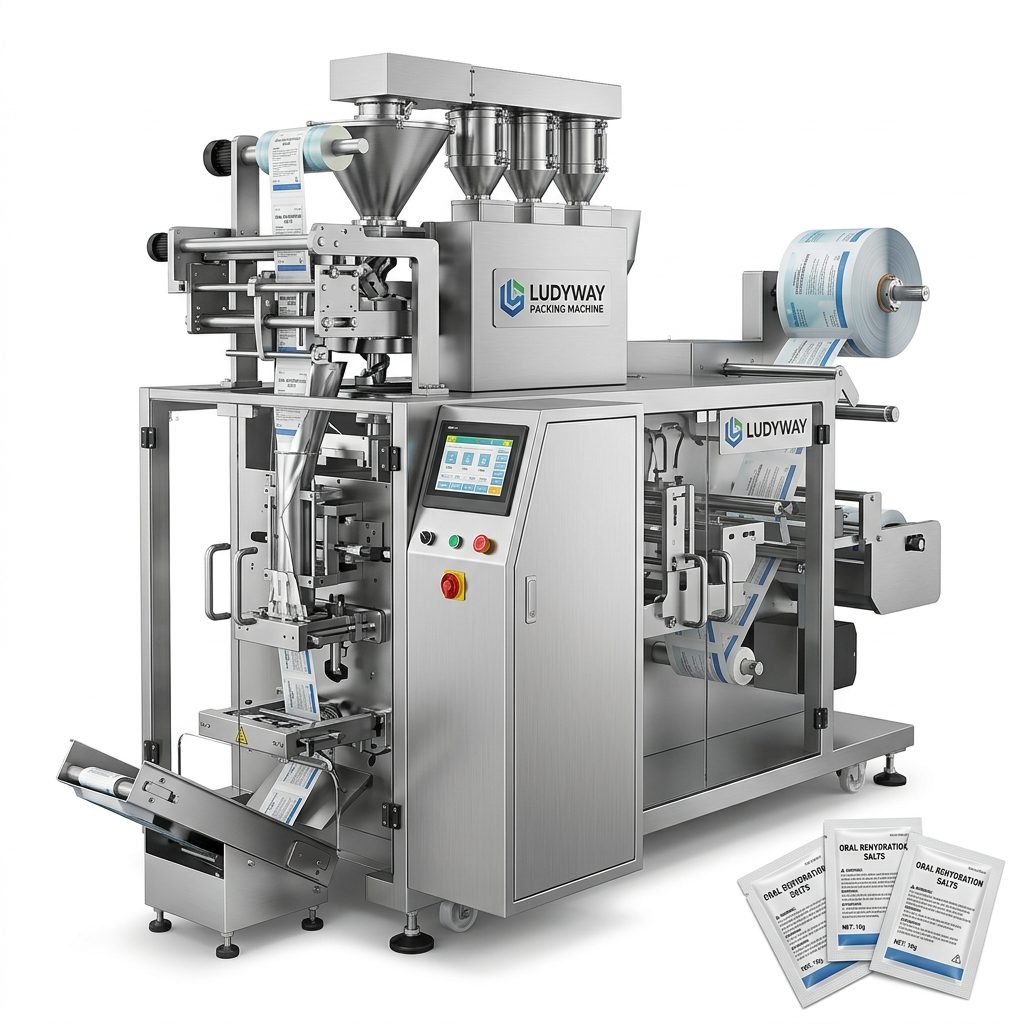
Pharmaceutical packaging equipment must meet stringent regulatory requirements across different markets. According to PMMI packaging industry resources, compliance with applicable standards is one of the most important considerations when selecting pharmaceutical packaging machinery. Key compliance areas include:
GMP and Validation Requirements
Your sachet packaging machine should be designed to support cGMP compliance, with features such as:
- Validatable dosing systems with documented accuracy and repeatability
- Clean-in-place (CIP) and sanitization-friendly design for washdown environments
- Material traceability and batch record documentation capabilities
- Access-controlled HMI with audit trail functionality (21 CFR Part 11 compliance where applicable)
- Stainless steel construction with appropriate surface finishes for pharmaceutical environments
Packaging Material Compatibility
The machine must be compatible with FDA-compliant food contact substances and pharmaceutical-grade packaging materials. Verify that the equipment can handle your chosen laminate structures, including aluminum foil, PET, PE, and specialized barrier films. The sealing system must create reliable, tamper-evident seals that maintain product stability throughout the stated shelf life.
International Standards
For manufacturers exporting to global markets, equipment should be configurable to meet relevant international standards including ISO packaging standards and regional regulations such as EU packaging and packaging waste regulations. Discuss certification requirements with your equipment supplier early in the selection process.
Single-Lane vs. Multi-Lane Sachet Machines
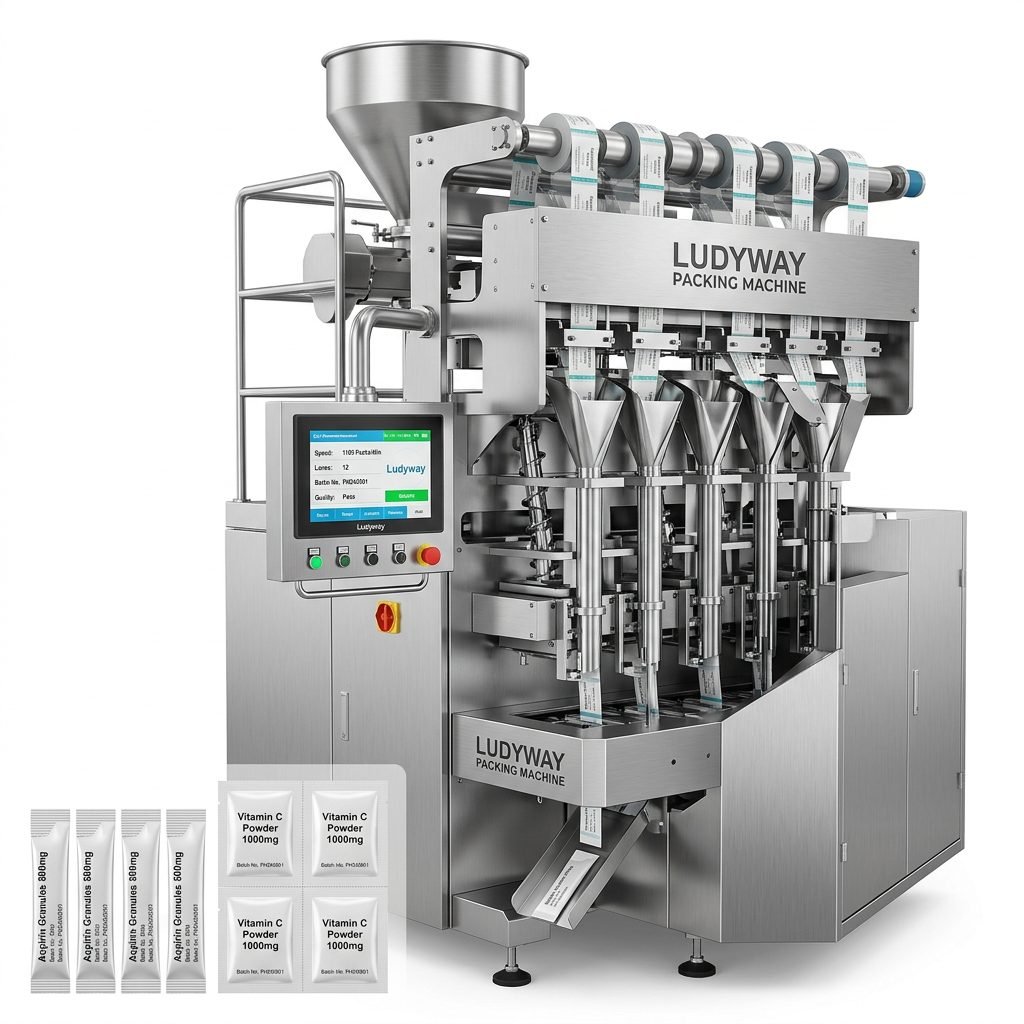
One of the most significant configuration decisions is choosing between single-lane and multi-lane packaging systems. Each approach has distinct advantages depending on your production requirements.
| Feature | Single-Lane | Multi-Lane |
|---|---|---|
| Output Capacity | Lower, typically 30-80 sachets/min | Higher, up to 600+ sachets/min across lanes |
| Initial Investment | Lower upfront cost | Higher initial investment but lower per-unit cost |
| Flexibility | Easier changeovers, good for smaller batches | More complex changeovers, optimized for long runs |
| Floor Space | Compact footprint | Larger footprint, higher space utilization efficiency |
| Best For | R&D, clinical trials, niche products, lower volumes | Established commercial products, high-volume production |
Integrated Packaging Lines and Turnkey Solutions
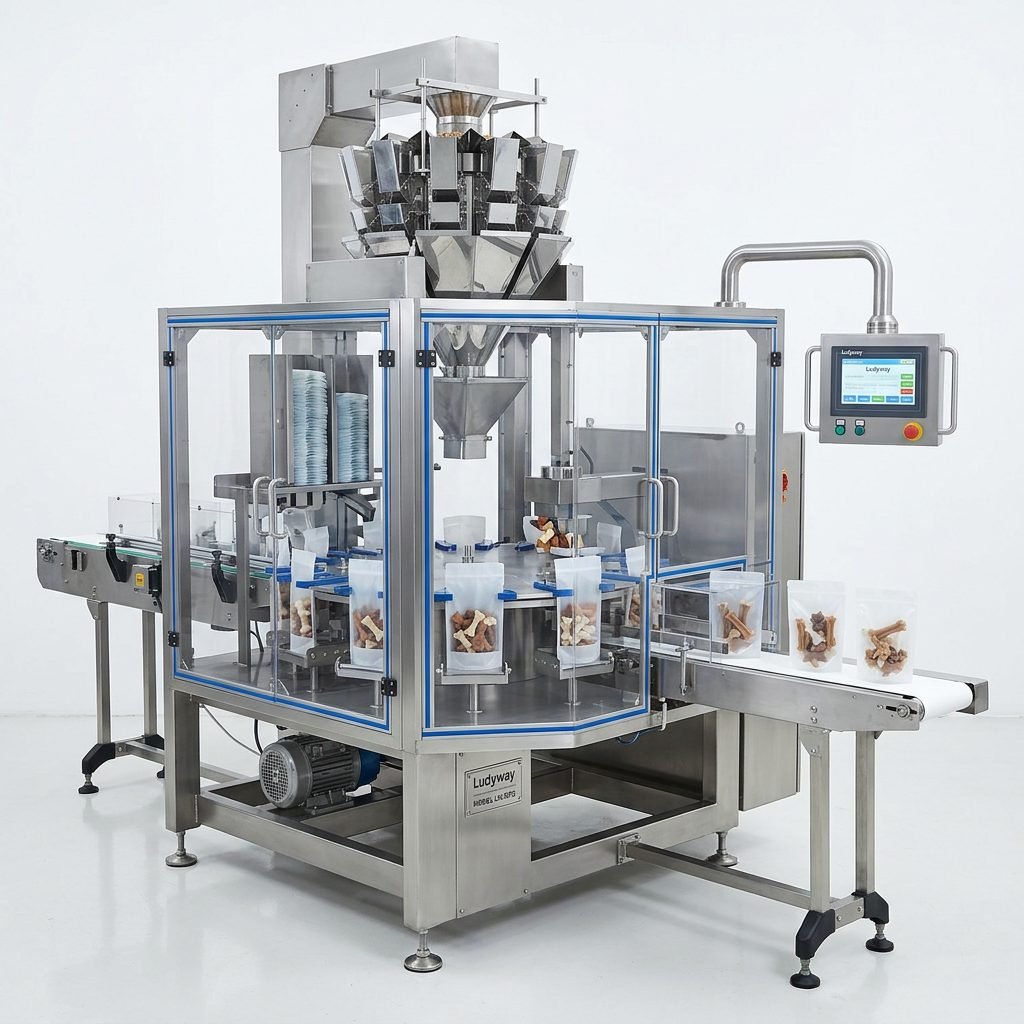
Beyond the sachet packaging machine itself, consider whether you need an integrated system that connects multiple packaging stages. An integrated line can include automatic feeding systems, checkweighers, vision inspection systems, cartoning machines, and end-of-line packaging equipment. According to data from PMMI business intelligence, the trend toward integrated packaging lines continues to grow as manufacturers seek to improve operational efficiency and reduce manual handling.
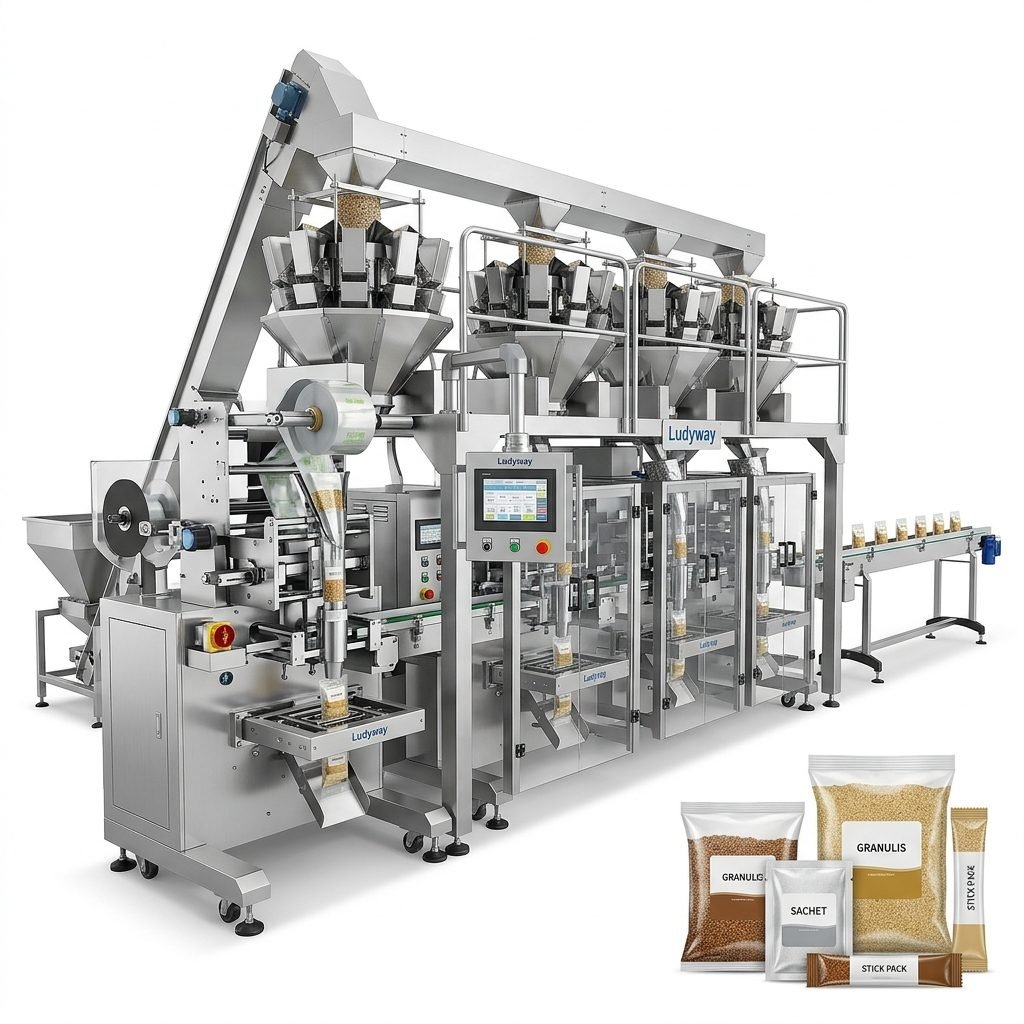
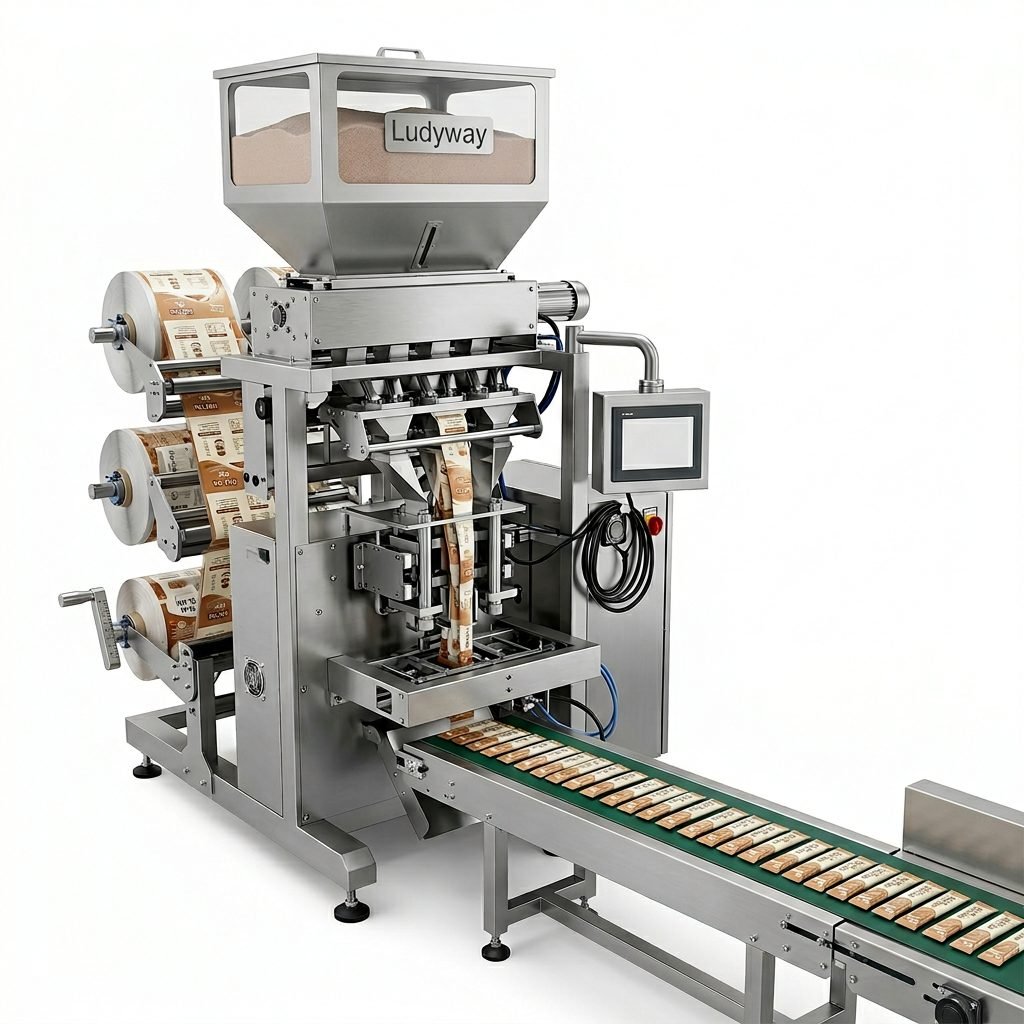
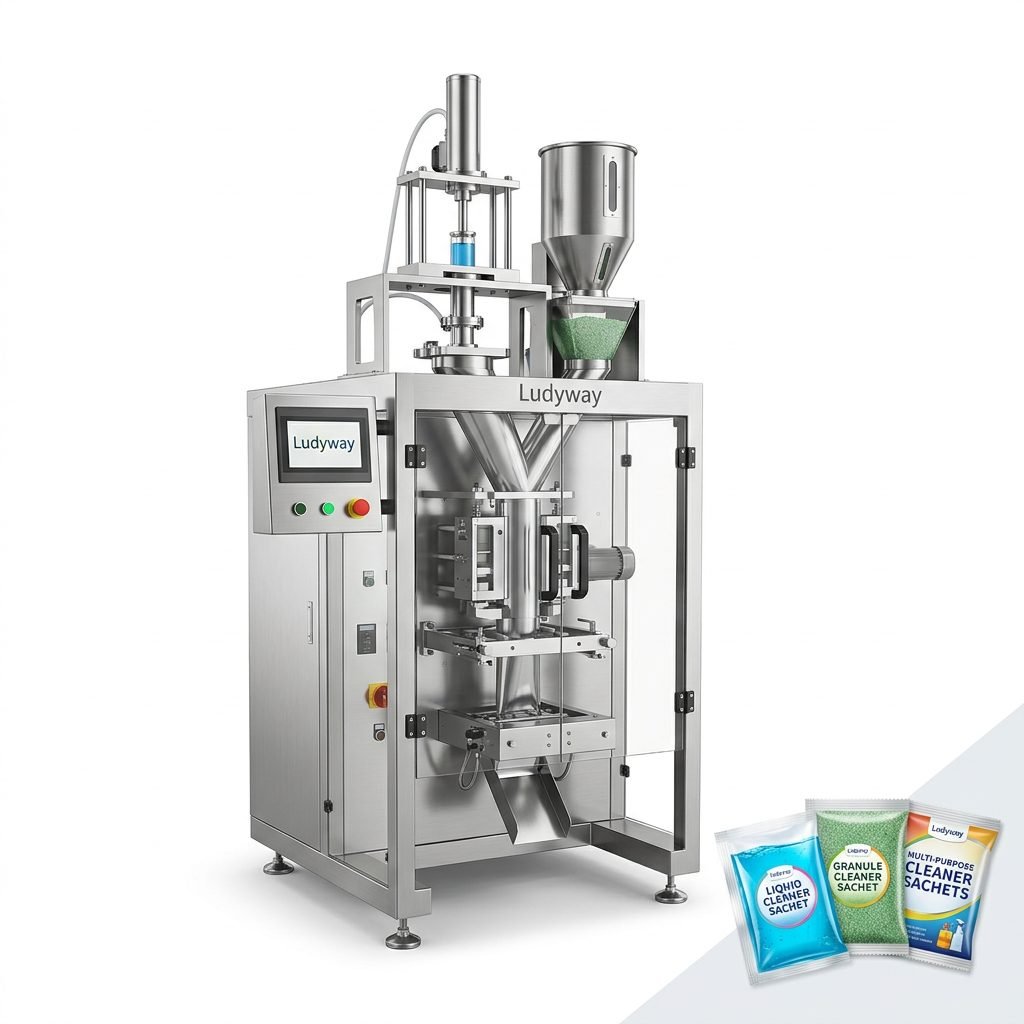
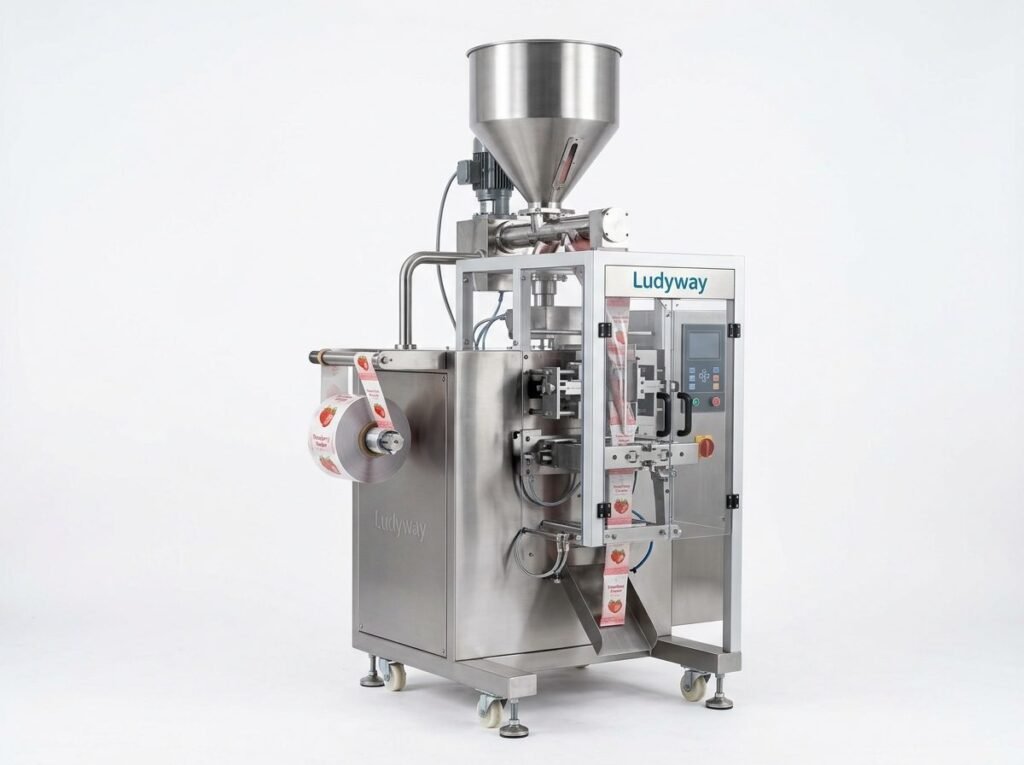
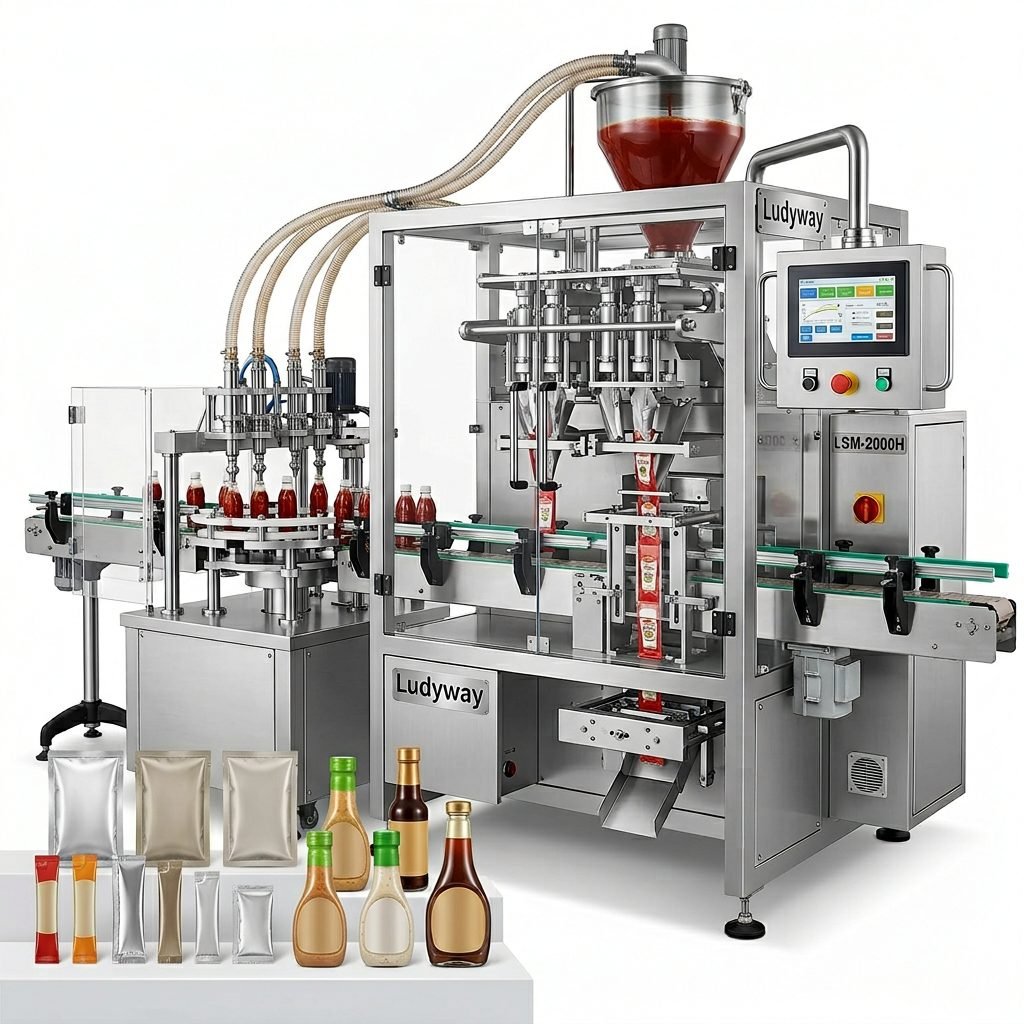
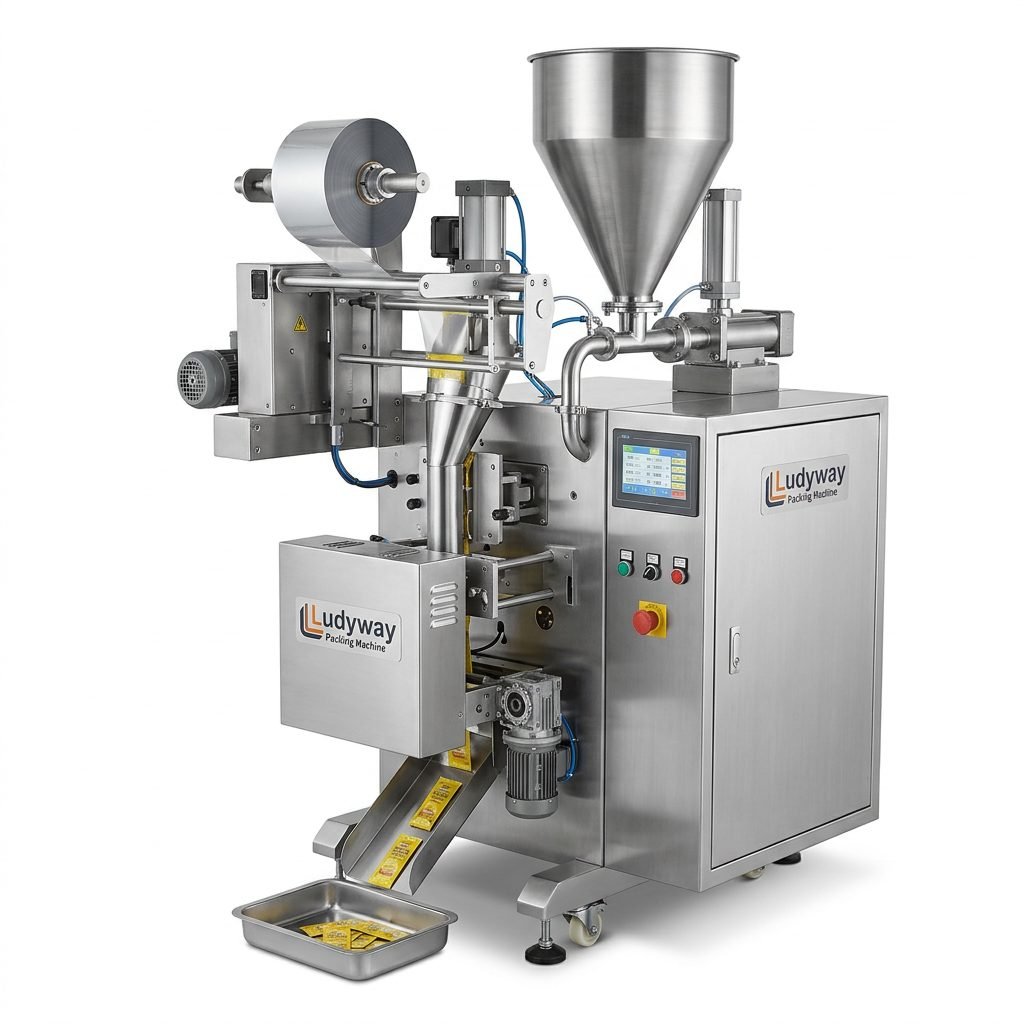
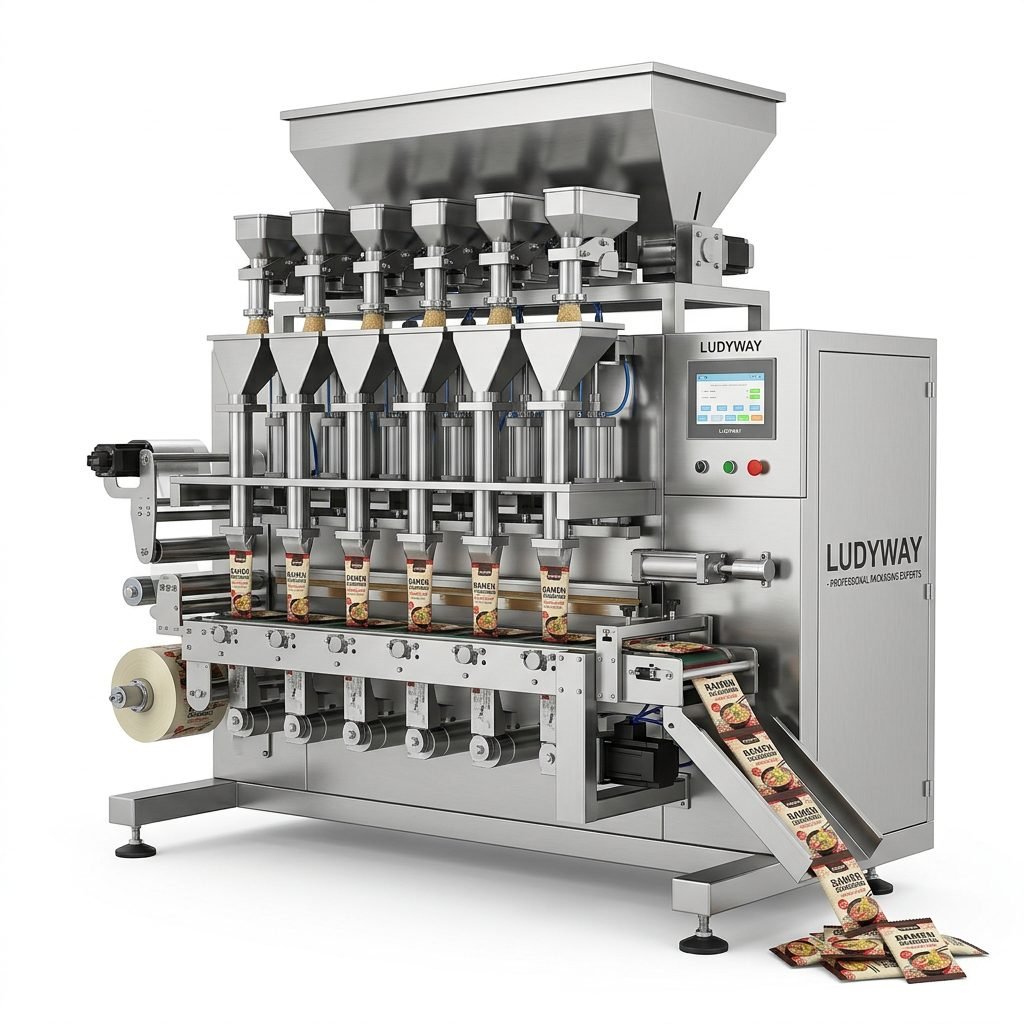
Working with a single equipment partner that can provide a complete packaging line simplifies project management, integration, and ongoing technical support. For example, Ludyway Machinery, with over 30 years of experience, offers both individual sachet packaging machines and complete turnkey packaging lines that can be configured for pharmaceutical applications including powder dosing, granule filling, liquid sachet packaging, and multi-lane stick pack production.
Total Cost of Ownership Considerations
When evaluating pharmaceutical sachet packaging machines, look beyond the initial purchase price. A comprehensive total cost of ownership (TCO) analysis should account for these key factors:
- Equipment reliability and maintenance requirements: Downtime in pharmaceutical production can be extremely costly
- Spare parts availability and cost: Ensure critical components are readily available from the manufacturer
- Energy consumption: More efficient machines reduce ongoing operational costs
- Operator training requirements: Complex machines may require more extensive training investment
- Packaging material waste rates: Precise machines minimize material waste during startup and changeovers
- Validation support: Equipment suppliers that provide validation documentation can reduce your internal compliance burden
Service and Technical Support
The availability of responsive technical support is particularly important for pharmaceutical manufacturers operating in regulated environments. Evaluate potential suppliers based on their service capabilities, including installation support, operator training programs, remote troubleshooting assistance, and the availability of field service engineers in your region. The Flexible Packaging Association highlights that long-term equipment partnerships often deliver better outcomes than transactional equipment purchases.
Making the Final Decision: A Structured Evaluation Approach
With multiple factors to consider, a structured evaluation framework helps ensure you select the most appropriate pharmaceutical sachet packaging machine for your operation. Follow these steps to guide your decision-making process:
- Define your requirements: Document product characteristics, target production volumes, packaging format, and regulatory requirements
- Research potential suppliers: Look for manufacturers with pharmaceutical packaging experience and relevant certifications
- Request detailed proposals: Provide product samples and request machine configurations tailored to your needs
- Conduct factory acceptance testing (FAT): Test the machine with your actual product before shipment
- Evaluate total cost of ownership: Consider all costs over the expected equipment lifecycle
- Verify after-sales support: Confirm the supplier’s service infrastructure in your region
- Review validation documentation: Ensure the supplier can provide necessary qualification and validation support
Selecting the right pharmaceutical sachet packaging machine is a significant investment that shapes your manufacturing capabilities for years to come. By thoroughly evaluating product requirements, machine specifications, regulatory compliance, and supplier capabilities, you can make a confident decision that supports efficient, compliant, and scalable pharmaceutical packaging operations. For manufacturers looking to explore custom pharmaceutical packaging solutions, working with an experienced equipment partner can help navigate the complexity of machine selection and implementation.