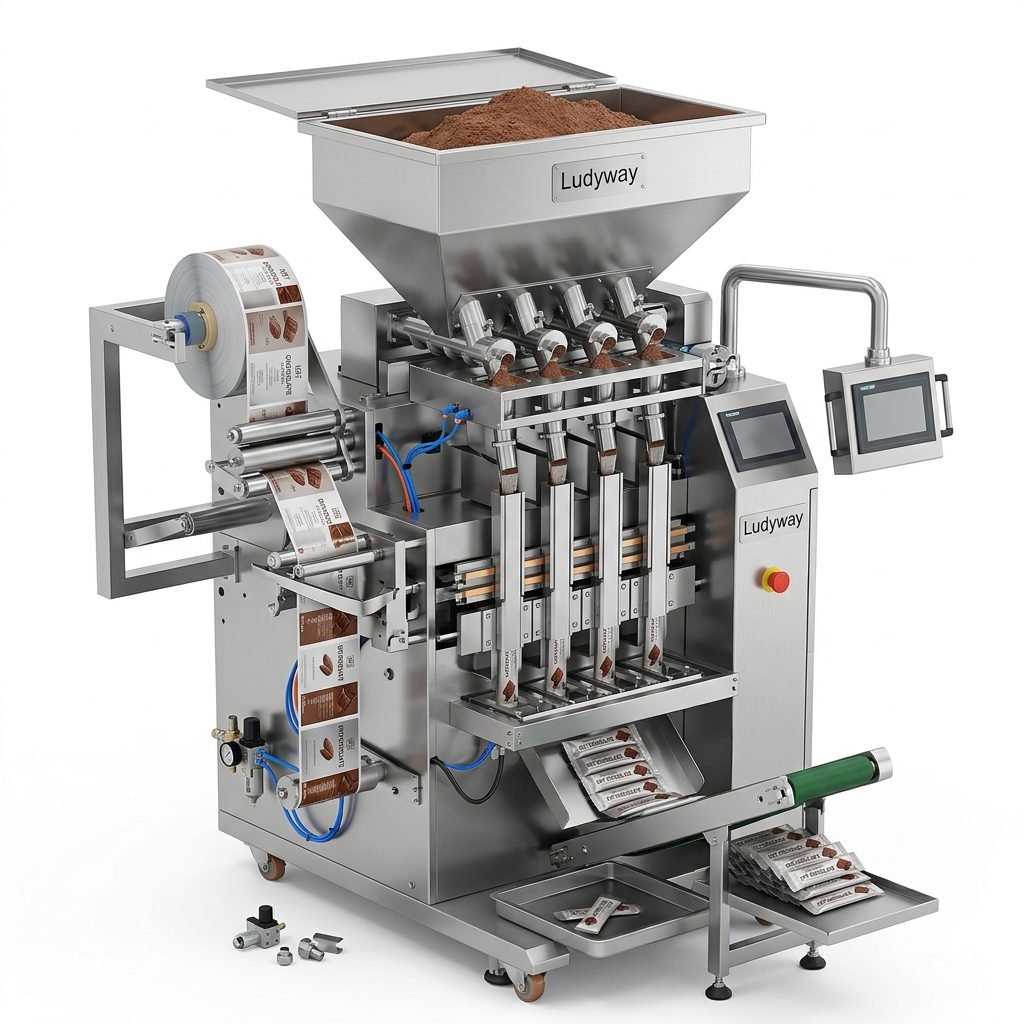
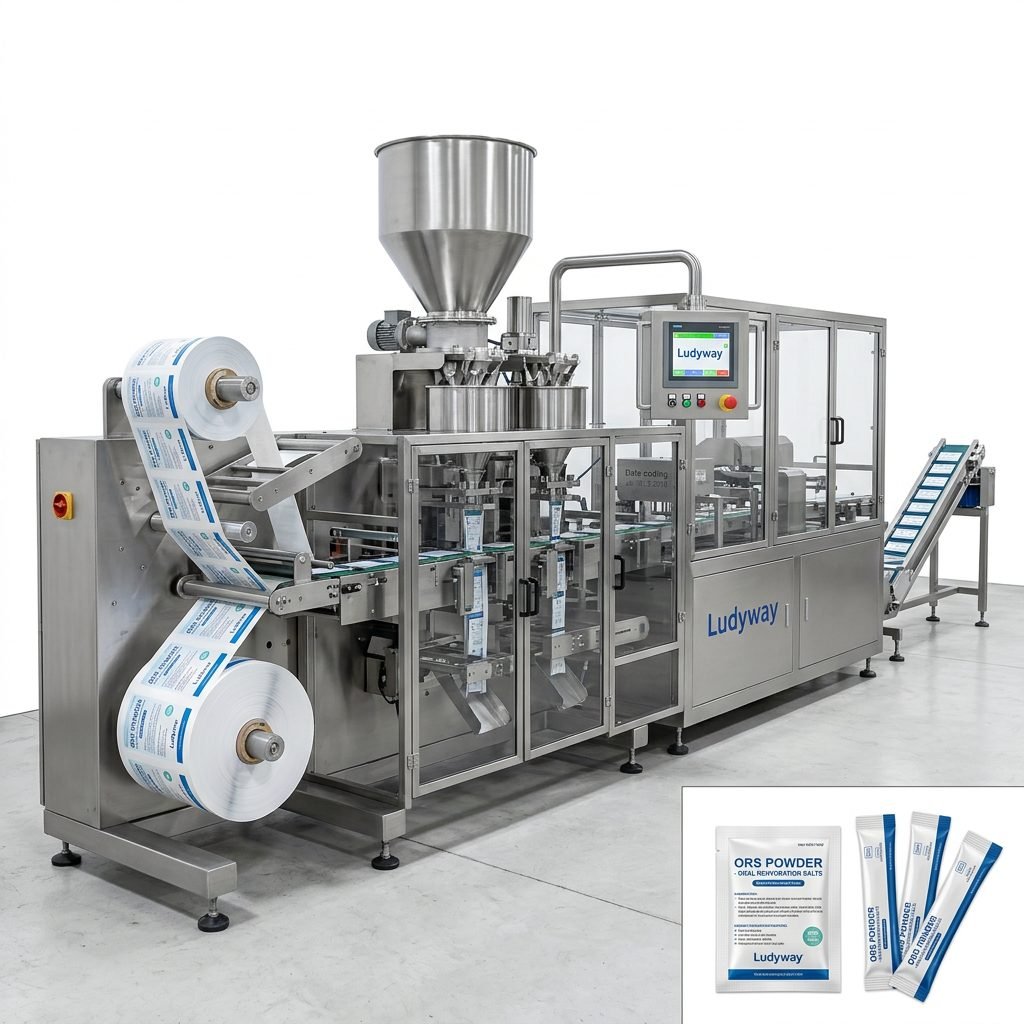
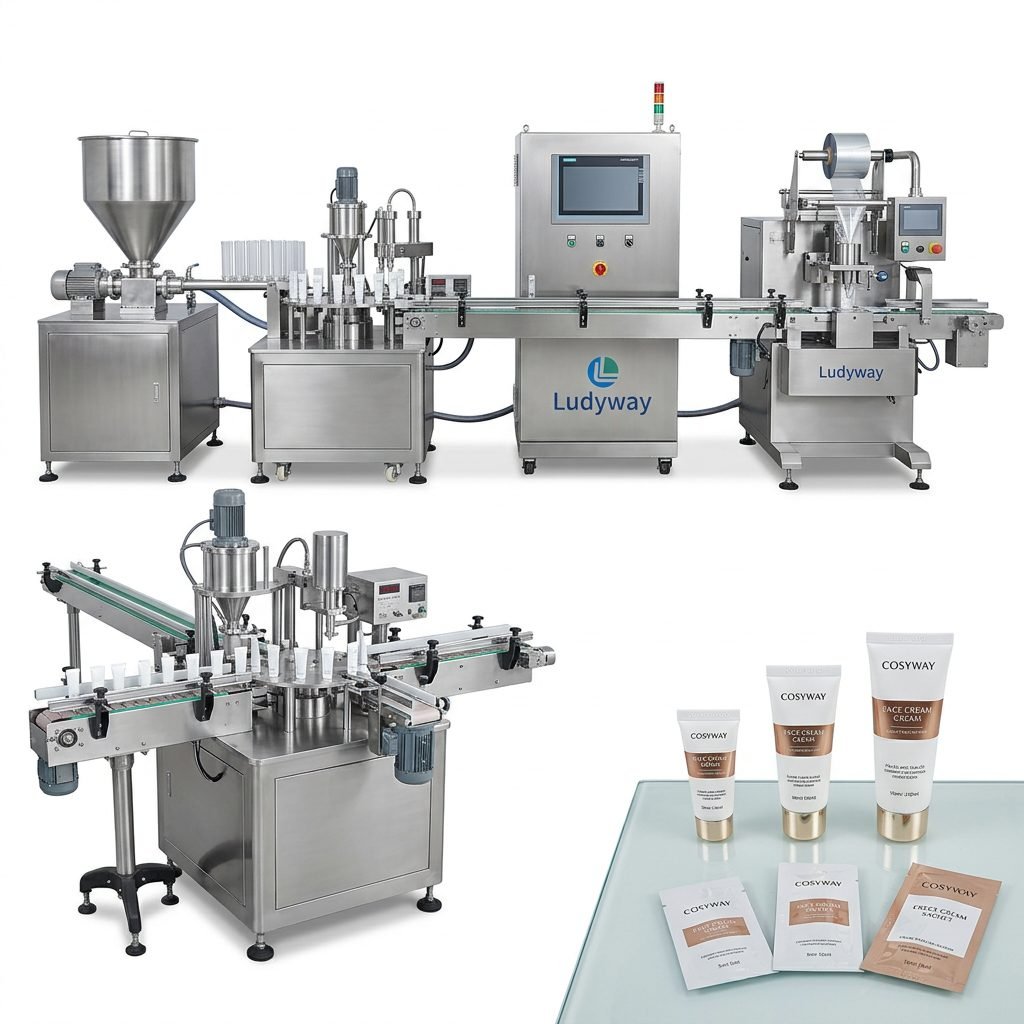
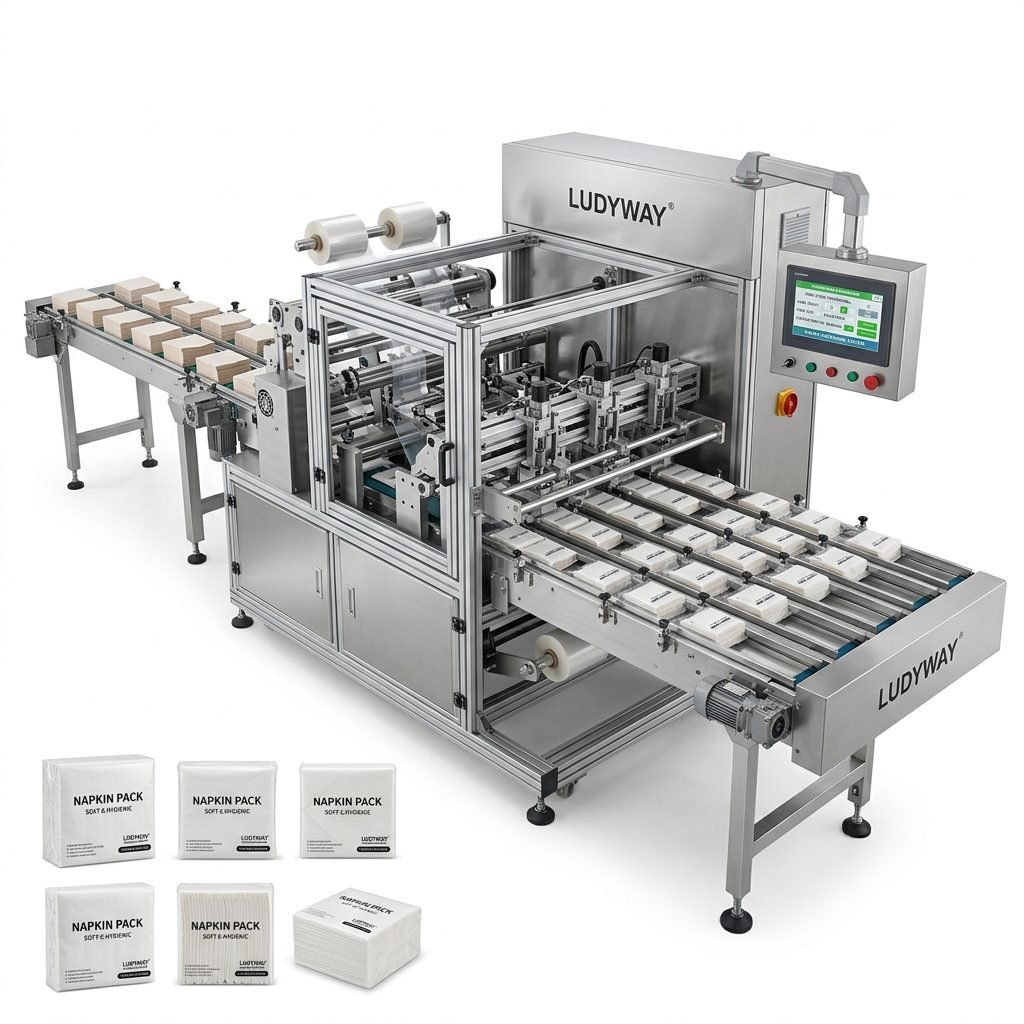
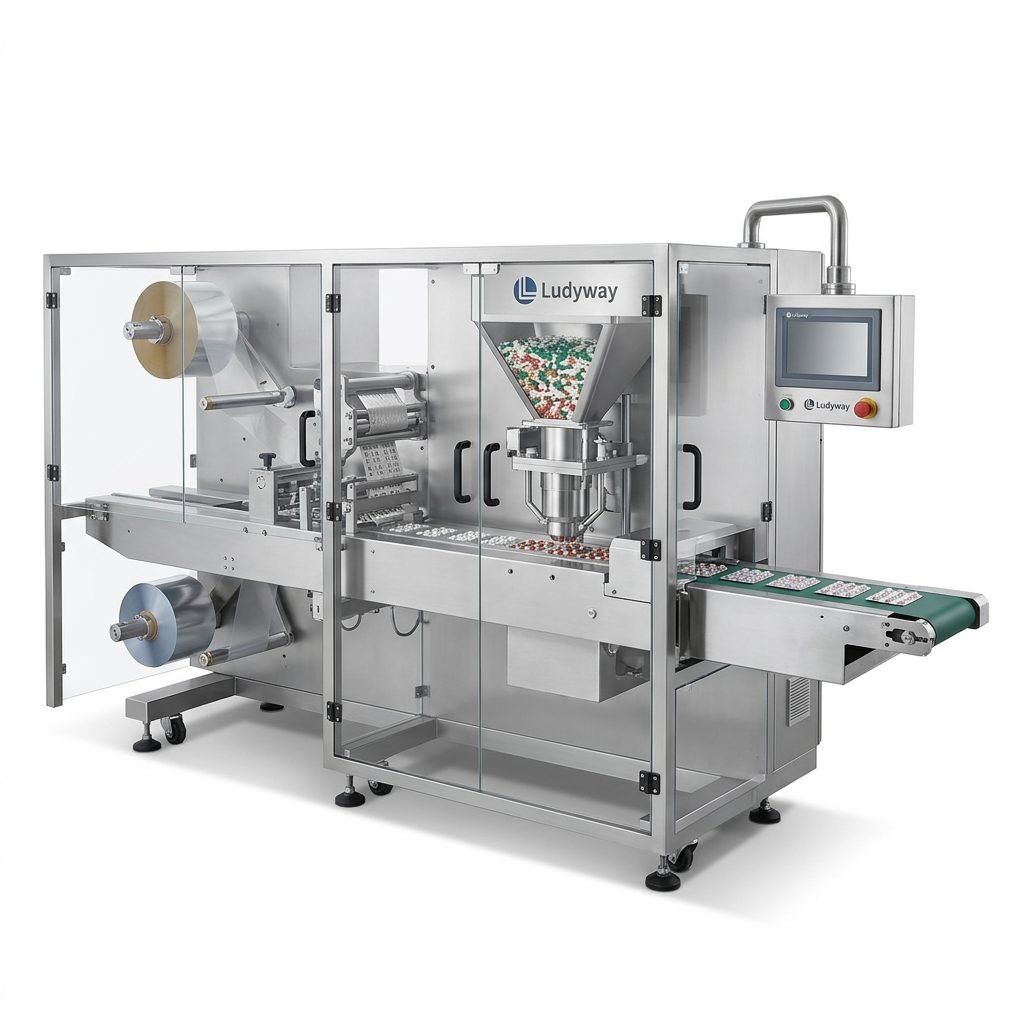
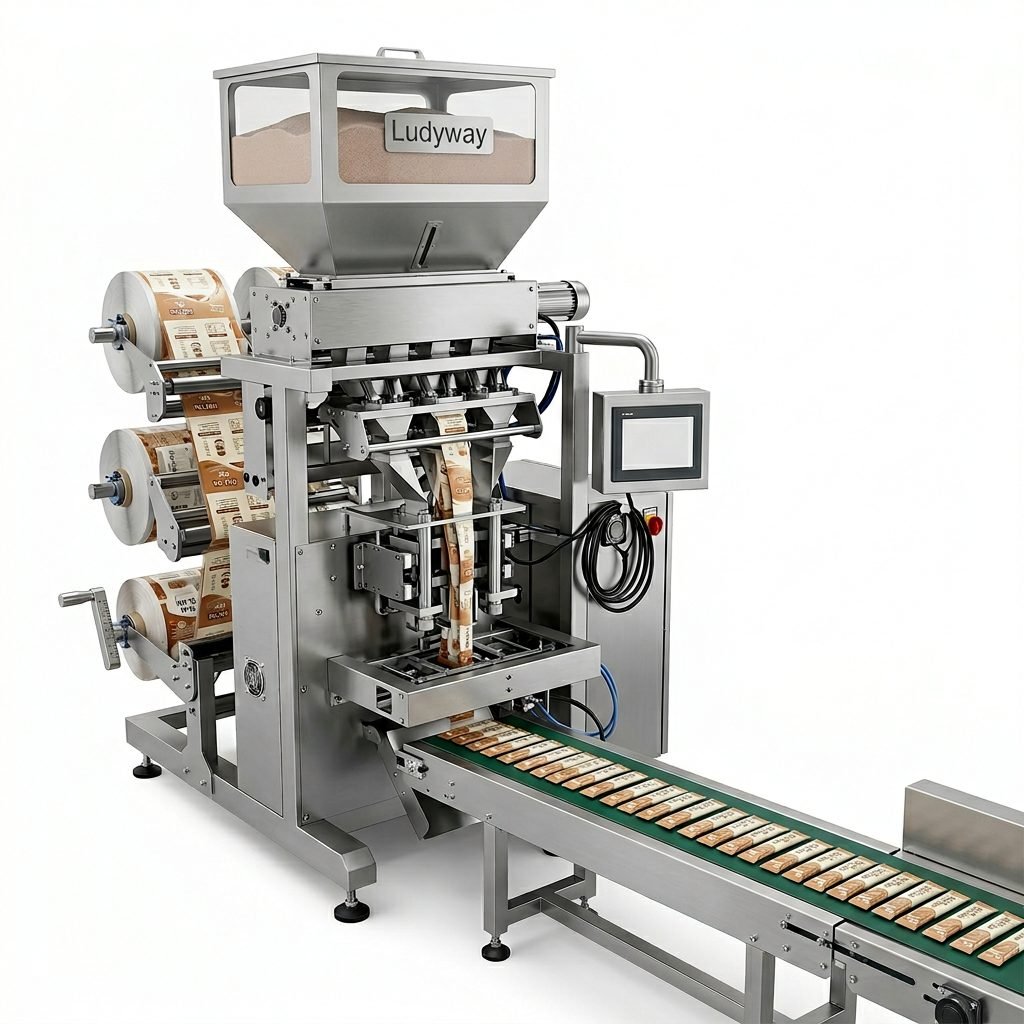
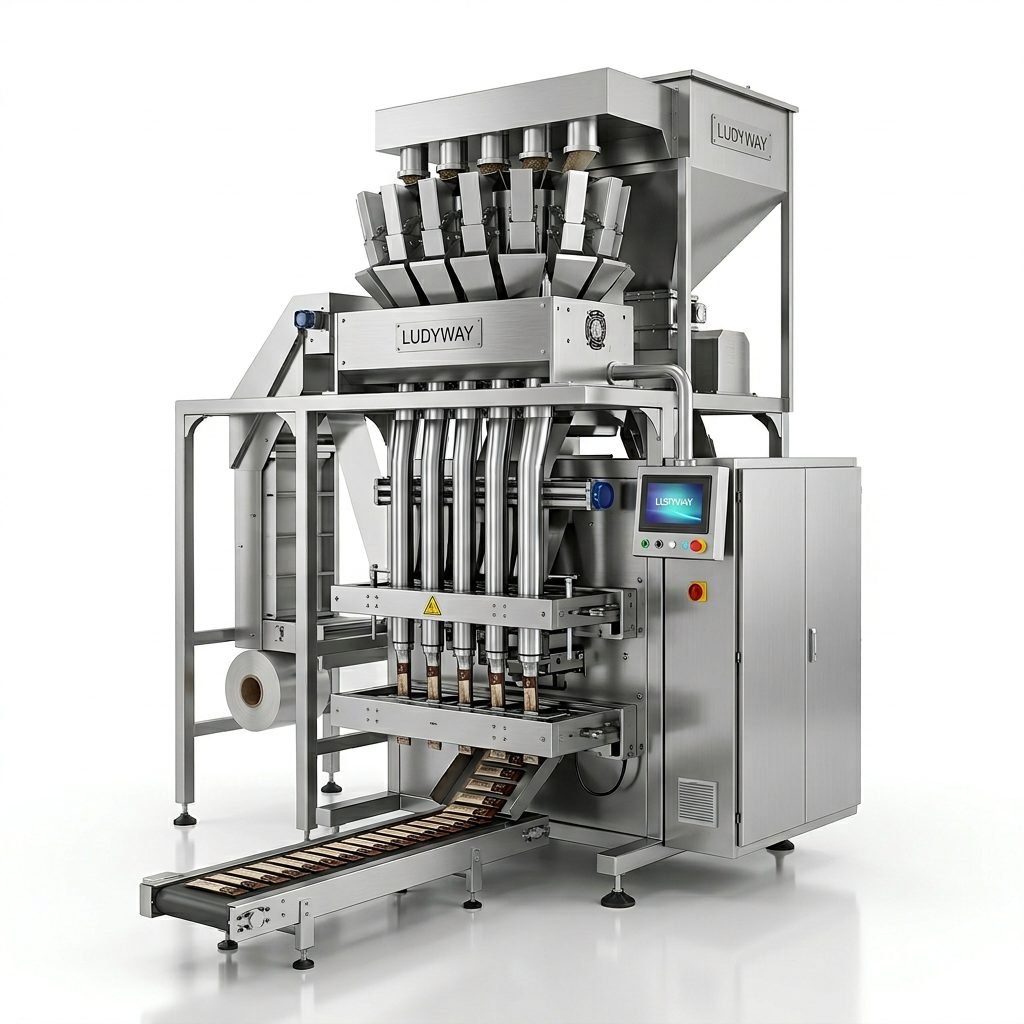
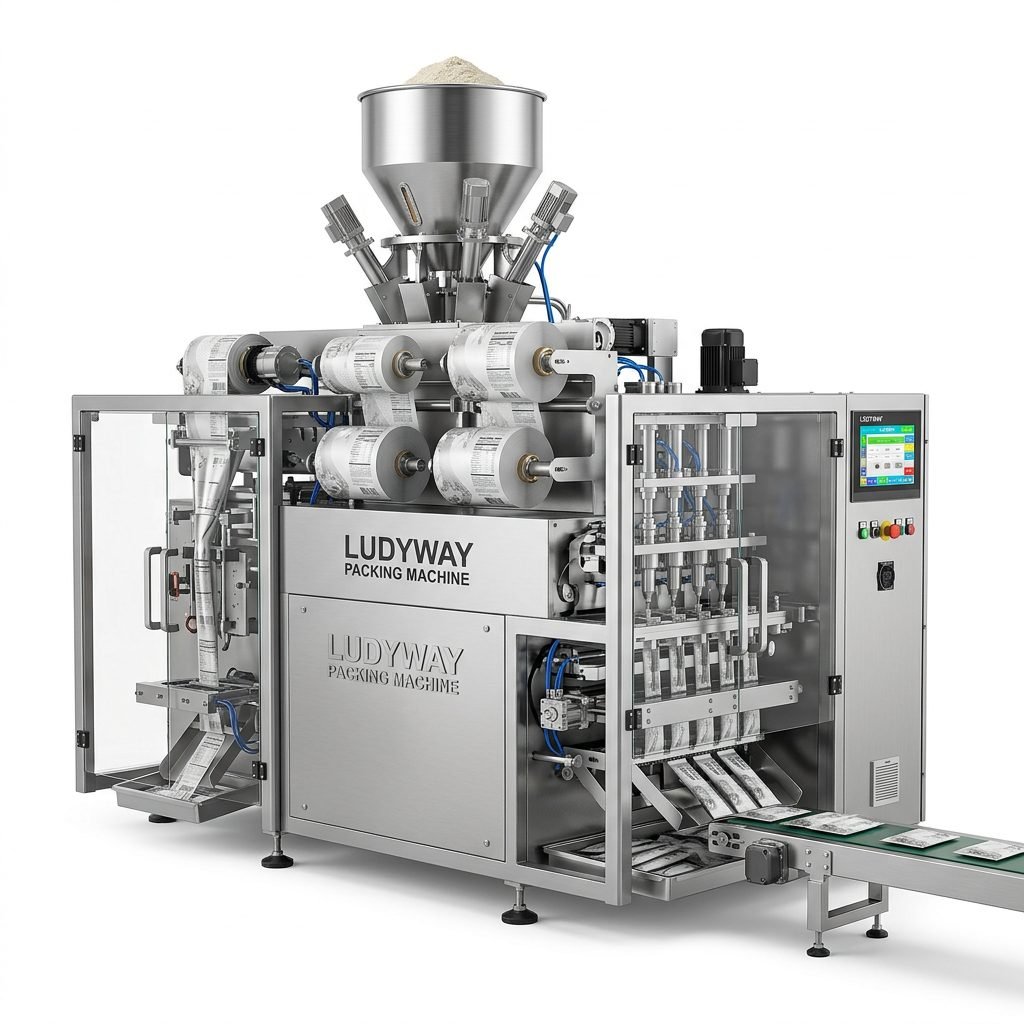
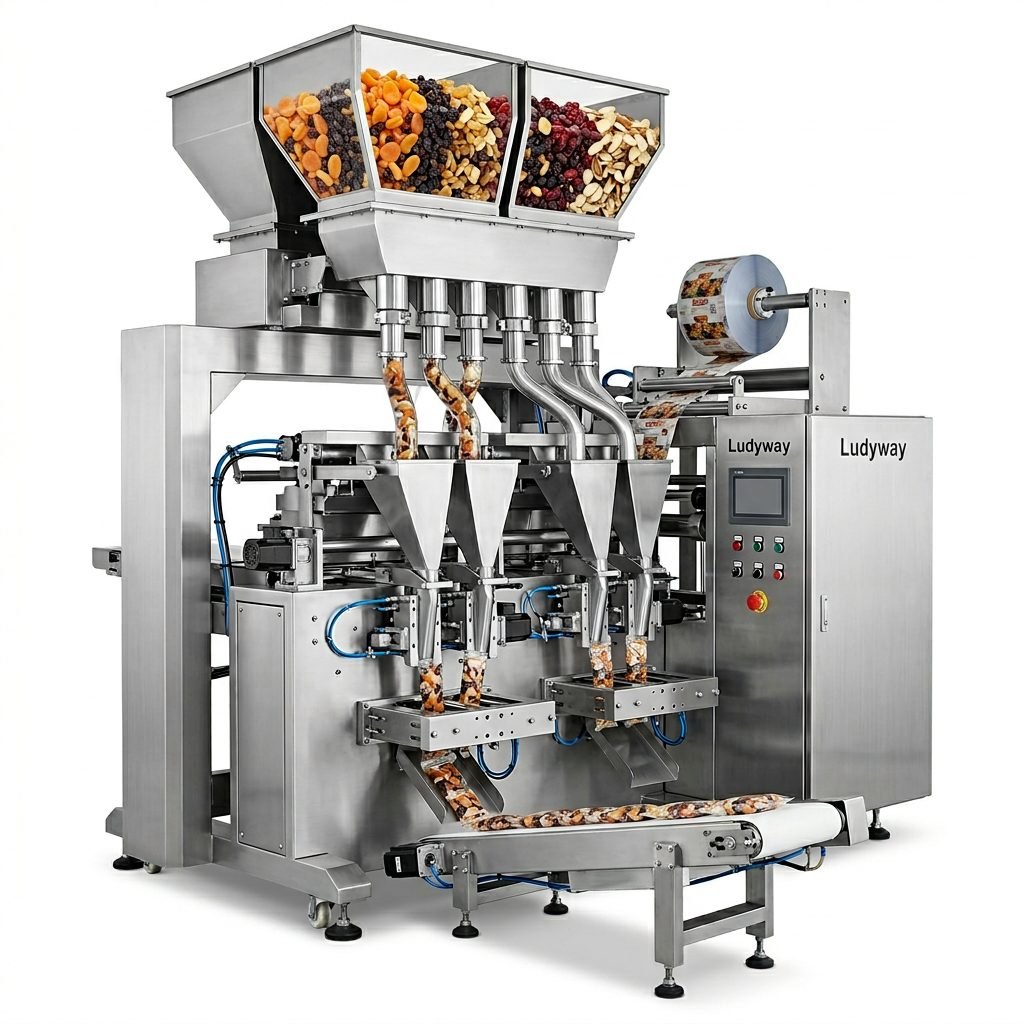
An automatic Pepsi packing machine is a vital asset in high-speed beverage production lines. To maximize your return on investment, a proactive maintenance strategy is essential. Consistent upkeep not only ensures reliable performance but also significantly extends the service life of your equipment, preventing costly downtime.
Neglecting routine care leads to inconsistent fill rates, packaging material waste, and unexpected mechanical failures. This guide outlines a structured approach to maintaining your machine, focusing on critical inspection points and preventive measures.

Why Preventive Maintenance Matters
Implementing a regular preventive maintenance schedule transforms your operations from reactive to proactive. The benefits include enhanced production efficiency, reduced spare parts consumption, and consistent packaging quality. Critically, it minimizes the risk of catastrophic breakdowns that can halt an entire shift, safeguarding your output targets and protecting your brand reputation.
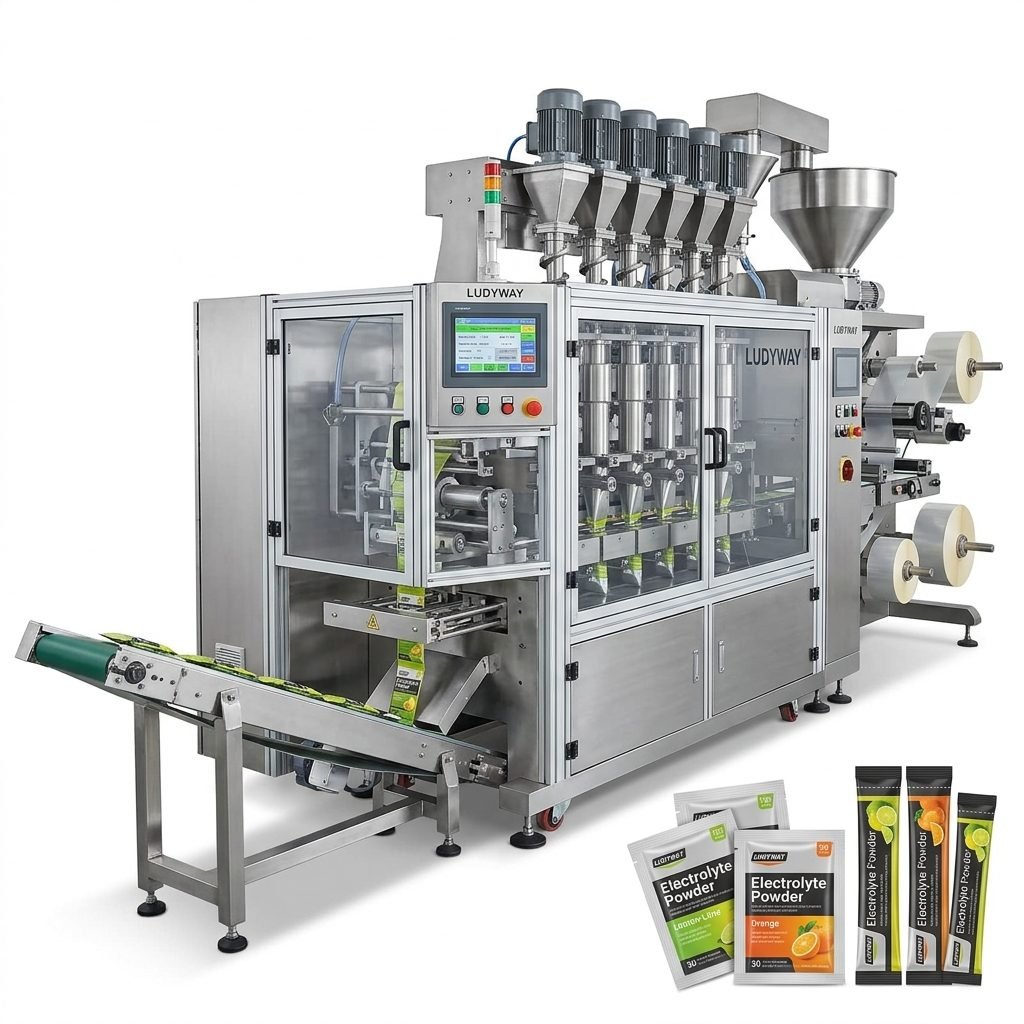
Daily Cleaning and Inspection Checklist
Daily housekeeping is your first line of defense. Operators should follow a clear checklist at the start and end of each shift to spot minor issues before they escalate.
- Remove Product Residue: Pepsi syrup and spillage are corrosive and attract pests. Thoroughly wipe down all surfaces, paying close attention to the filling nozzles and sealing jaws.
- Inspect Sealing Components: Check the heating elements and Teflon-coated sealing bands for carbon buildup or damage. Worn bands lead to defective seals and product leaks.
- Clear Film Path: Ensure the film unwind, forming tube, and drive belts are free of dust and adhesive residue that can cause film tracking errors.
- Check Safety Features: Test the emergency stop buttons and safety interlocks to verify they are fully functional.
Focus on the Filling System
For liquid products, the pump and nozzle integrity is paramount. Inspect O-rings and seals for early signs of wear. Dried syrup can clog nozzles, causing inaccurate fills. Flush the system with a proper cleaning solution as recommended by the manufacturer to maintain optimal packaging accuracy, a standard well-documented by leading industry associations.
Weekly Mechanical Lubrication
Friction is the enemy of any high-cycle machine. A strict lubrication schedule protects moving parts and ensures smooth power transmission.
| Component | Action | Frequency |
|---|---|---|
| Drive Chains & Gears | Apply food-grade grease | Weekly |
| Linear Bearings | Inject lithium-based grease | Weekly |
| Air Cylinder Rods | Wipe clean, light oil film | Bi-weekly |
Always use the specified lubricants from your equipment manual. Over-greasing can attract dust and create a grime that accelerates wear, especially around the jaw mechanisms of a Pepsi sachet packing machine.
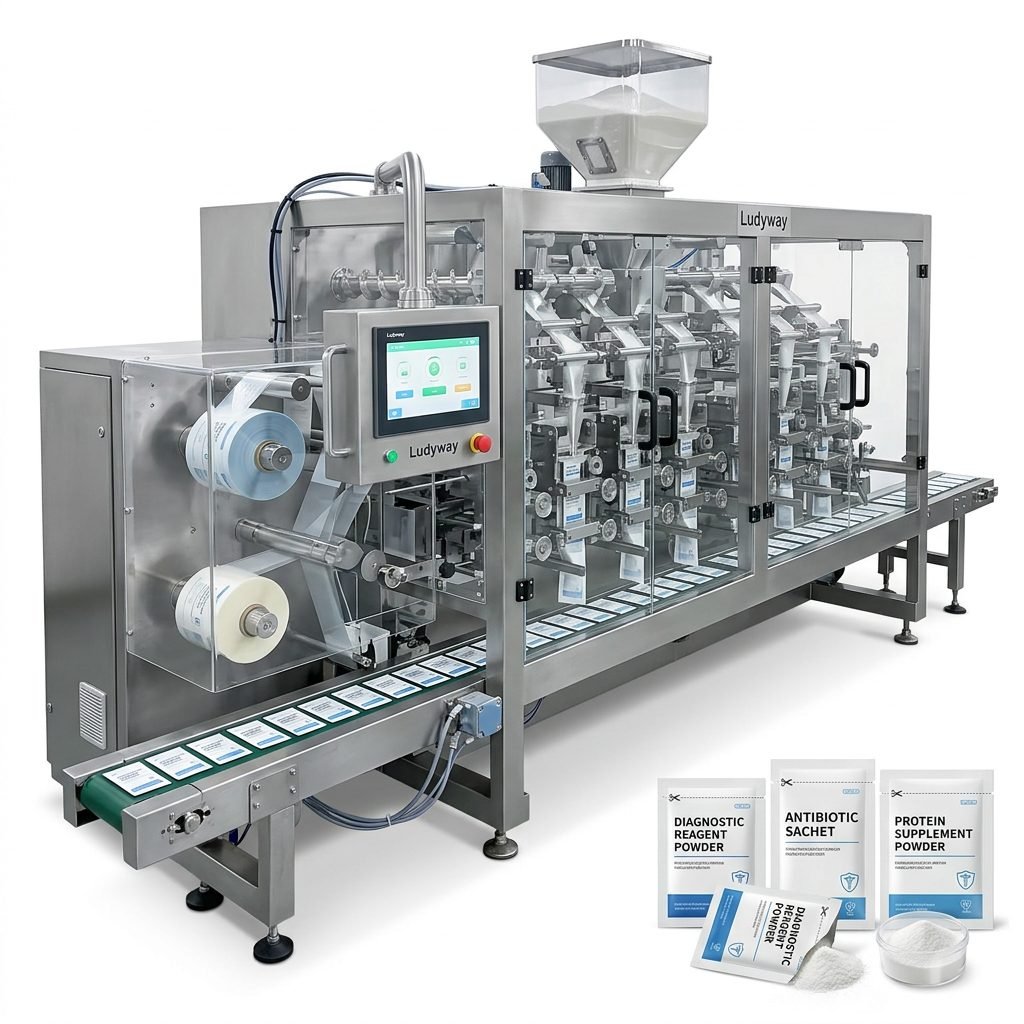
Monthly Electrical System Audit
Electrical stability is non-negotiable for automated systems. A monthly walkthrough prevents signal interference and heat damage.
- Tighten Terminal Screws: Vibration during high-speed operation loosens connections. Re-tighten screws on power supplies, PLCs, and sensor terminals.
- Inspect Wiring: Look for frayed wires or heat-damaged insulation near hot sealing surfaces.
- Photoelectric Sensors: Clean the lenses of film registration and fill-level sensors to prevent false readings that cause film waste.
- Ventilation Filters: Clean or replace cooling fan filters on electrical cabinets to prevent overheating of critical controllers.
Managing Wear Parts Inventory
A common source of extended downtime is waiting for replacement parts. Stock critical spares like forming tubes, sealing wires, belts, and specific sensors. When ordering replacements, ensure you source high-quality components compatible with your model. Partnering with a reputable supplier like Ludyway ensures you get precision-engineered parts that maintain original equipment standards, protecting your machine’s long-term value.
Quarterly Deep Dive: Kinematics and Calibration
Every three months, a deeper mechanical inspection and recalibration should be scheduled, ideally by a senior technician.
Check the timing synchronization between the film pull belts and the sealing jaws. If the film advances slightly off-sequence, it causes print registration drift. Use a dial indicator to measure the jaw alignment. A parallelism error of just a few millimeters results in wrinkled seals and product entrapment.
Furthermore, validate the temperature controllers. An inaccurate PID setting can overheat the Teflon, cutting its life in half. Use an external probe thermometer to cross-reference the actual jaw temperature with the displayed value.
Understanding Flexible Packaging Standards
Maintaining machine calibration is directly tied to material quality. Referencing standards from organizations like the Flexible Packaging Association helps you understand the seal-strength requirements and ensures your machine settings are optimized for the specific film substrates used in beverage packaging.

Long-Term Reliability Best Practices
For a machine expected to perform reliably over a decade, consider these advanced maintenance strategies:
- Vibration Analysis: Annual monitoring of main drive motors can predict bearing failure months in advance.
- PLC Program Backups: After any parameter change, immediately back up the PLC program. Corrupted data can take days to rebuild manually.
- Operator Training: Empower operators with basic troubleshooting skills. They should understand the state of the industry in terms of machine capabilities and maintenance protocols.
By embedding these maintenance rituals into your standard operating procedures, your automatic packing equipment will deliver consistent output year after year, maintaining peak performance and stabilizing your total cost of ownership.