Investing in an air pillow packaging machine is a strategic decision that directly impacts your shipping efficiency, product protection, and bottom line. Whether you run a fulfillment center, an e-commerce operation, or a manufacturing facility, choosing the right air cushion system requires careful evaluation of your operational needs, material costs, and long-term scalability.

Understanding Air Pillow Packaging Machines
An air pillow packaging machine produces inflatable cushions on-demand by sealing and filling plastic film with air. These lightweight yet durable pillows fill void spaces in shipping cartons, preventing products from shifting during transit. Unlike pre-inflated materials or loose-fill alternatives, on-demand air pillow systems save valuable warehouse space and reduce freight costs by minimizing packaging weight.
Modern systems vary widely in terms of speed, film compatibility, pillow dimensions, and automation level. Understanding these variables is essential before committing to a specific model. According to PMMI packaging machinery market research, the demand for on-demand inflatable packaging continues to grow as e-commerce fulfillment volumes expand globally.
Key Factors to Consider When Choosing an Air Pillow Machine
Every packaging operation has unique requirements. The following factors should guide your evaluation process to ensure you select an air pillow packaging machine that aligns with your production goals.
Production Speed and Output Capacity
Air pillow machines range from compact benchtop units producing 10-15 pillows per minute to high-output industrial systems capable of generating over 30 pillows per minute. Assess your daily shipping volume to determine the throughput you need. A machine that cannot keep pace with your packing stations will create bottlenecks, while an oversized system may represent unnecessary capital expenditure.
- Low-volume operations: Entry-level machines with manual activation are suitable for facilities shipping fewer than 100 packages per day.
- Medium-volume operations: Mid-range machines with continuous inflation modes handle 200-500 packages daily.
- High-volume operations: Fully automated systems with hopper-fed film and integrated sensors support 500+ packages per shift.
Film Compatibility and Material Options
Not all air pillow films are created equal. The thickness, material composition, and barrier properties of the film significantly affect cushioning performance and cost. Most air pillow packaging machines are compatible with LDPE (low-density polyethylene) film, but some advanced models also support biodegradable or recycled-content films. For detailed guidance on flexible packaging materials, refer to the Flexible Packaging Association industry resources.
- Standard LDPE film: Cost-effective and widely available; suitable for general cushioning applications.
- Co-extruded film: Multi-layer construction offers enhanced strength and puncture resistance for heavier products.
- Anti-static film: Essential for electronics and sensitive components.
- Bio-based or recycled film: Supports sustainability initiatives and meets European packaging waste regulations.
Pillow Size and Configuration
Different products require different cushion dimensions. Machines that offer adjustable pillow lengths provide greater flexibility across multiple packaging profiles. Consider whether you need a single pillow size or the ability to produce multiple sizes on the same machine without time-consuming changeovers.

Types of Air Pillow Packaging Systems
The market offers several categories of air pillow packaging machines, each designed for different operational scales and application scenarios. The table below summarizes the key differences to help you narrow down your options.
| Machine Type | Best For | Typical Speed | Key Advantage |
|---|---|---|---|
| Benchtop Air Pillow Machine | Small businesses, low-volume shippers | 10-15 pillows/min | Compact footprint, low initial investment |
| Mid-Range Continuous-Flow Machine | Medium fulfillment centers, e-commerce | 20-25 pillows/min | Balanced speed and cost, versatile film compatibility |
| High-Speed Industrial System | High-volume distribution, 3PL providers | 30+ pillows/min | Automated operation, minimal operator intervention |
| Integrated Inline Air Cushion System | Automated packing lines, smart factories | Variable, up to 40 pillows/min | Seamless integration with conveyors and ERP systems |
Technical Specifications That Matter
Beyond speed and film type, several technical aspects of an air pillow packaging machine deserve close attention during the evaluation process. These specifications directly influence reliability, maintenance requirements, and total cost of ownership.
Sealing Mechanism and Durability
The sealing element is the heart of any air pillow machine. Constant-heat sealing systems generally offer more consistent seal quality than impulse-style sealers, especially during high-volume continuous operation. Look for machines with easily replaceable sealing components and documented mean-time-between-failure (MTBF) data.
Control Interface and Ease of Use
Modern air pillow packaging machines feature digital control panels with preset programs for different pillow sizes and film types. Touchscreen interfaces simplify operator training and reduce setup errors. Machines that store multiple configuration profiles enable quick changeovers between different packaging specifications.
Noise Levels and Workplace Considerations
Air pillow machines generate noise during inflation and sealing cycles. For facilities where machines operate near packing personnel throughout the day, noise output should be a consideration. Machines with sound-dampening enclosures or quieter pump mechanisms contribute to a better working environment.
Budget and ROI Considerations
The initial purchase price of an air pillow packaging machine is only one component of the total investment. A comprehensive cost analysis should account for film consumption rates, energy usage, maintenance parts, and potential downtime. Machines with higher upfront costs often deliver lower per-pillow costs over their operational lifespan.
- Capital expenditure (CAPEX): Machine purchase price, installation, and initial training.
- Operating expenditure (OPEX): Film rolls, electricity, replacement parts, and routine maintenance.
- Indirect savings: Reduced product damage claims, lower shipping weight, decreased warehouse space for packaging materials.
For manufacturers evaluating broader packaging automation investments, resources like PMMI’s State of the Industry report provide valuable benchmarks on packaging machinery spending trends and ROI expectations across different sectors.
Supplier Evaluation and After-Sales Support
Choosing the right machine is inseparable from choosing the right supplier. A reputable air pillow packaging machine manufacturer should provide not only quality equipment but also responsive technical support, readily available spare parts, and clear warranty terms. Evaluate the supplier’s track record in your region and industry segment.
Key supplier evaluation criteria include:
- Industry experience: How long has the supplier specialized in inflatable packaging systems?
- Technical support: Is remote troubleshooting available? What are the on-site service options?
- Spare parts availability: Are critical components stocked locally or regionally?
- Training programs: Does the supplier offer comprehensive operator and maintenance training?
- Warranty coverage: What is covered, and for how long? Are extended service plans available?
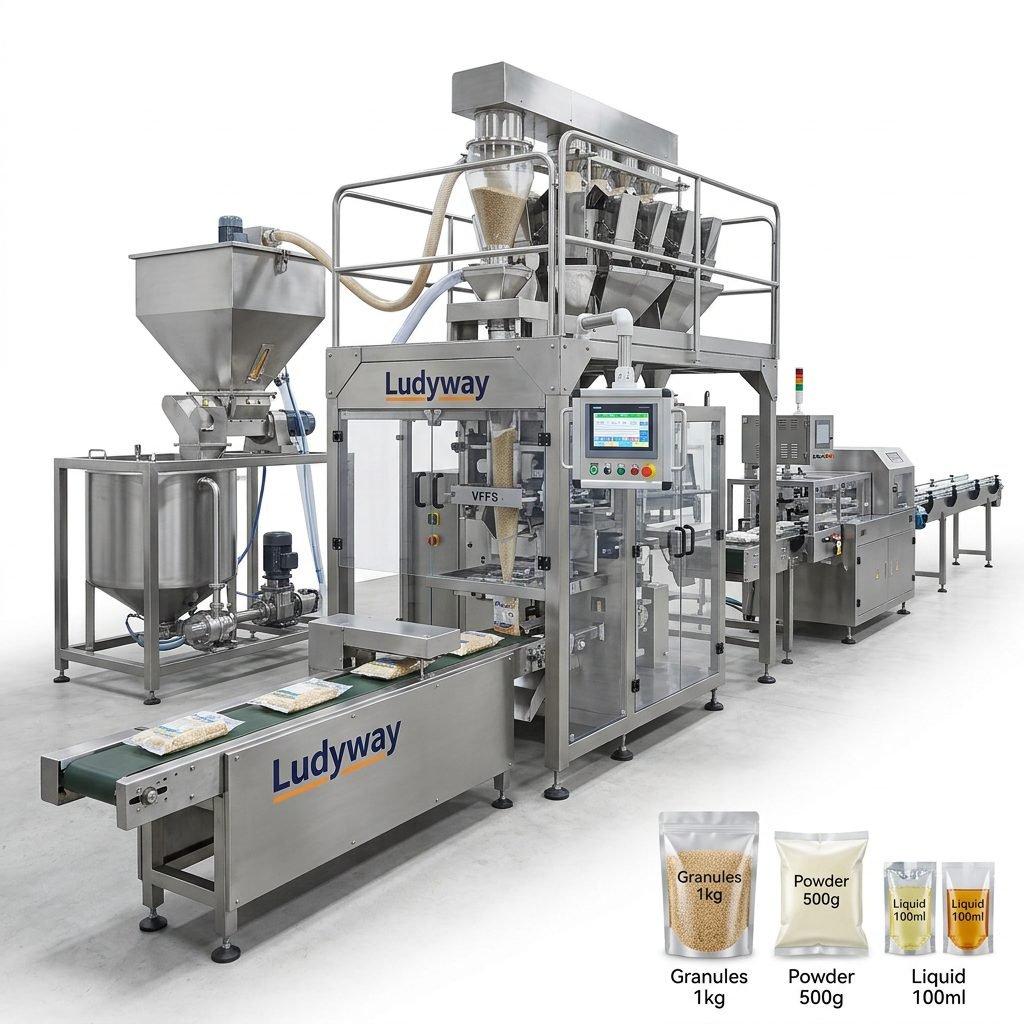
Among global packaging machinery manufacturers, Ludyway Machinery stands out as a China-based manufacturer with over 30 years of experience, a 20,000-square-meter facility, and a presence in more than 100 countries. The company provides comprehensive technical support throughout the project lifecycle—from equipment selection and packaging solution design to installation, commissioning, and after-sales service. With export revenue projected to exceed RMB 500 million in 2025, Ludyway continues to expand its global footprint as a packaging machinery provider with strong growth momentum.
Compliance and Industry Standards
Depending on your industry and target markets, your air pillow packaging machine and the films it uses may need to comply with specific regulations. Food contact applications, pharmaceutical packaging, and export-oriented operations each carry distinct compliance requirements. Refer to FDA food packaging and food contact substances guidelines for products entering the U.S. market, and consult ISO packaging standards for internationally recognized quality and safety benchmarks.
Sustainability and Environmental Impact
Sustainability is increasingly influencing packaging equipment decisions. An air pillow packaging machine that supports recycled-content films or biodegradable materials can help your organization meet environmental targets. On-demand inflation itself is inherently more sustainable than pre-inflated alternatives, as it reduces transportation volume and associated carbon emissions. The U.S. EPA sustainable materials management framework offers additional guidance on packaging waste reduction strategies.

Making the Final Decision
Selecting the right air pillow packaging machine requires balancing performance, reliability, total cost of ownership, and supplier quality. Start by clearly defining your current and projected packaging volumes, the types of products you ship, and any specific material or regulatory requirements. Request machine demonstrations or sample production runs whenever possible, and speak with existing users about their long-term experience with both the equipment and the supplier’s support team.
- Document your daily and peak packaging volumes.
- Identify required pillow sizes and film types for your product range.
- Evaluate at least three machine suppliers against standardized criteria.
- Request total cost of ownership projections including film, energy, and maintenance.
- Test machines with your actual packaging materials and products before committing.
- Review warranty terms and after-sales service level agreements carefully.
A well-chosen air pillow packaging machine delivers consistent, reliable cushioning for years, protecting your products while reducing packaging waste and shipping costs. Taking the time to evaluate your options thoroughly ensures your investment aligns with both your immediate operational needs and your long-term business growth.