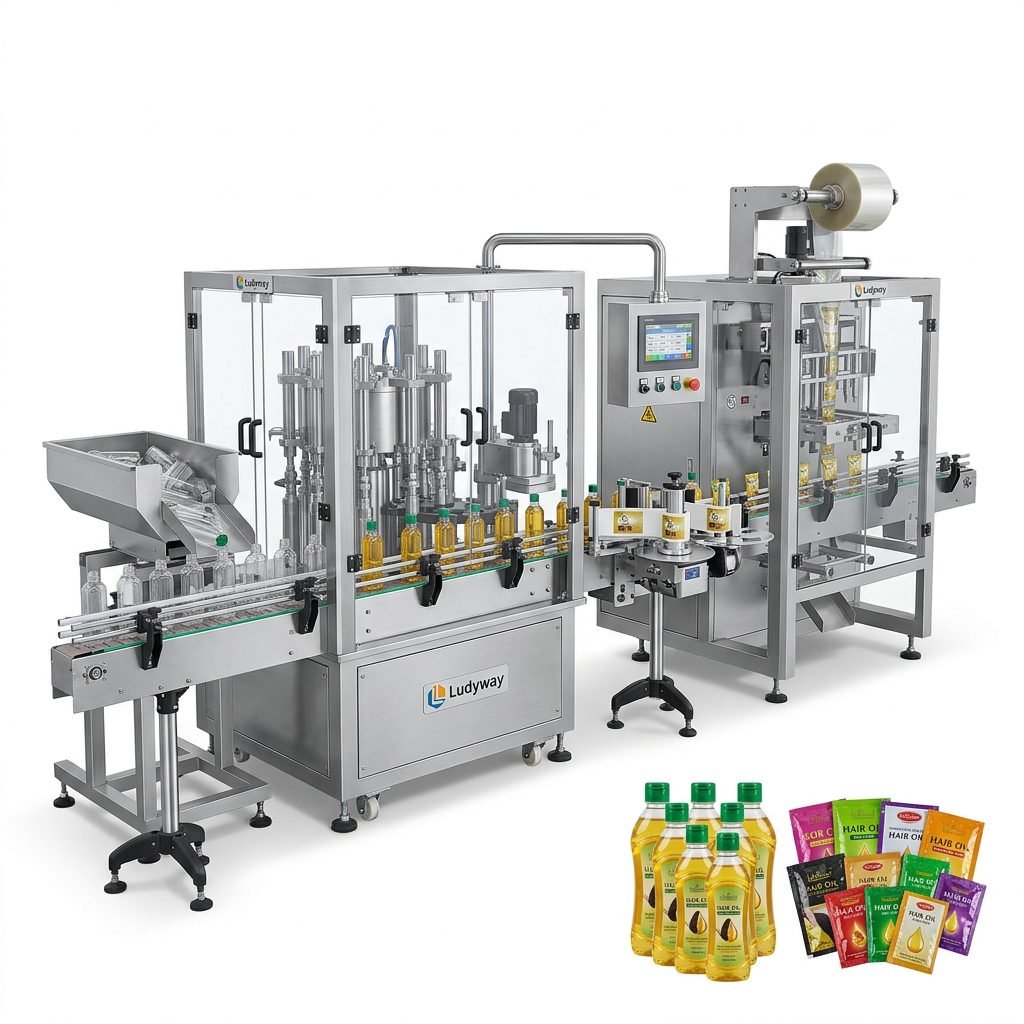
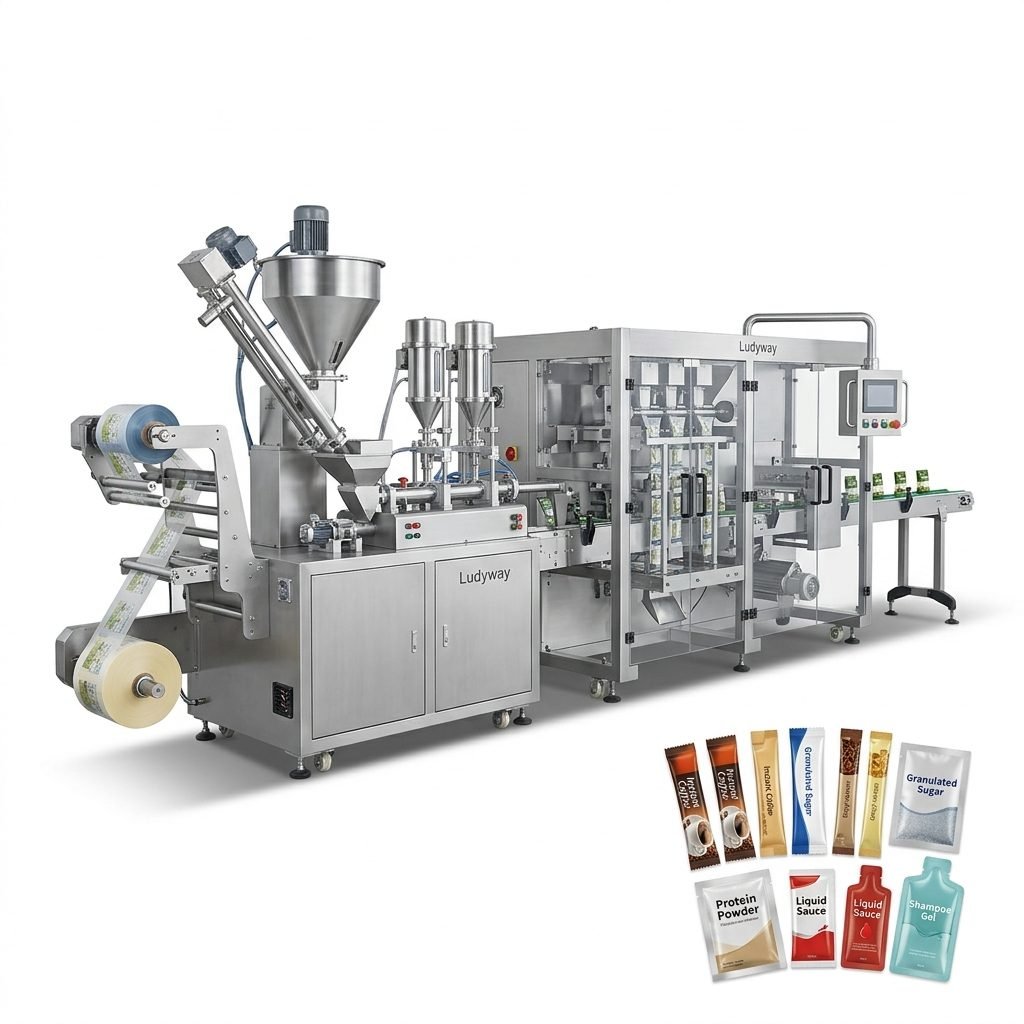
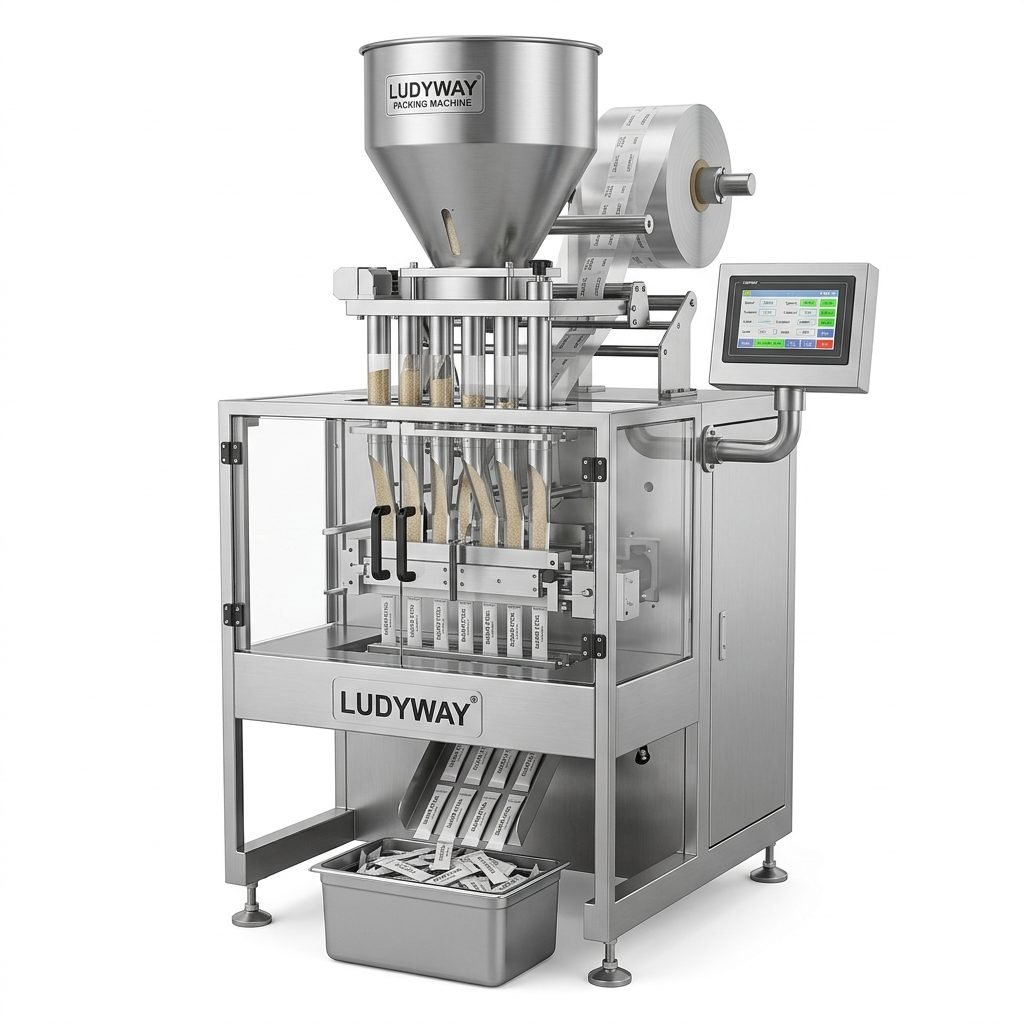
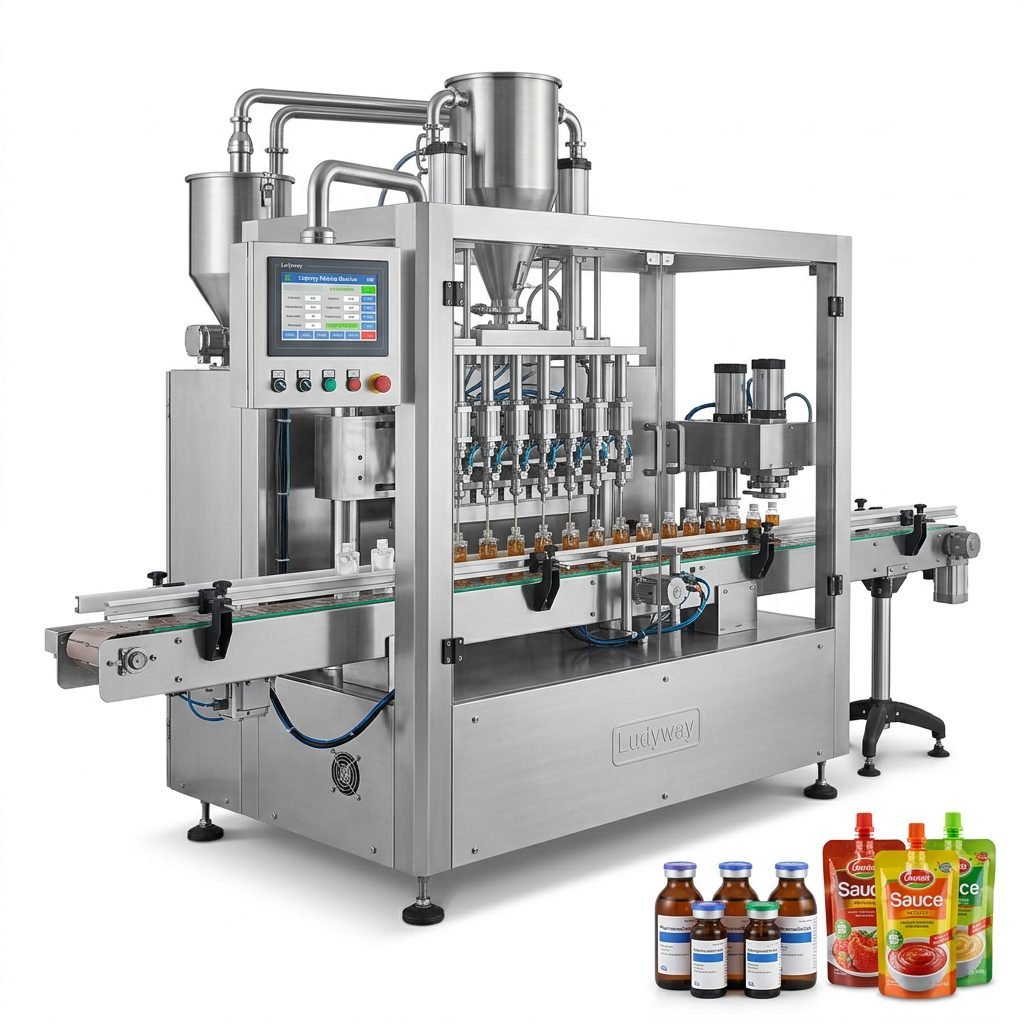
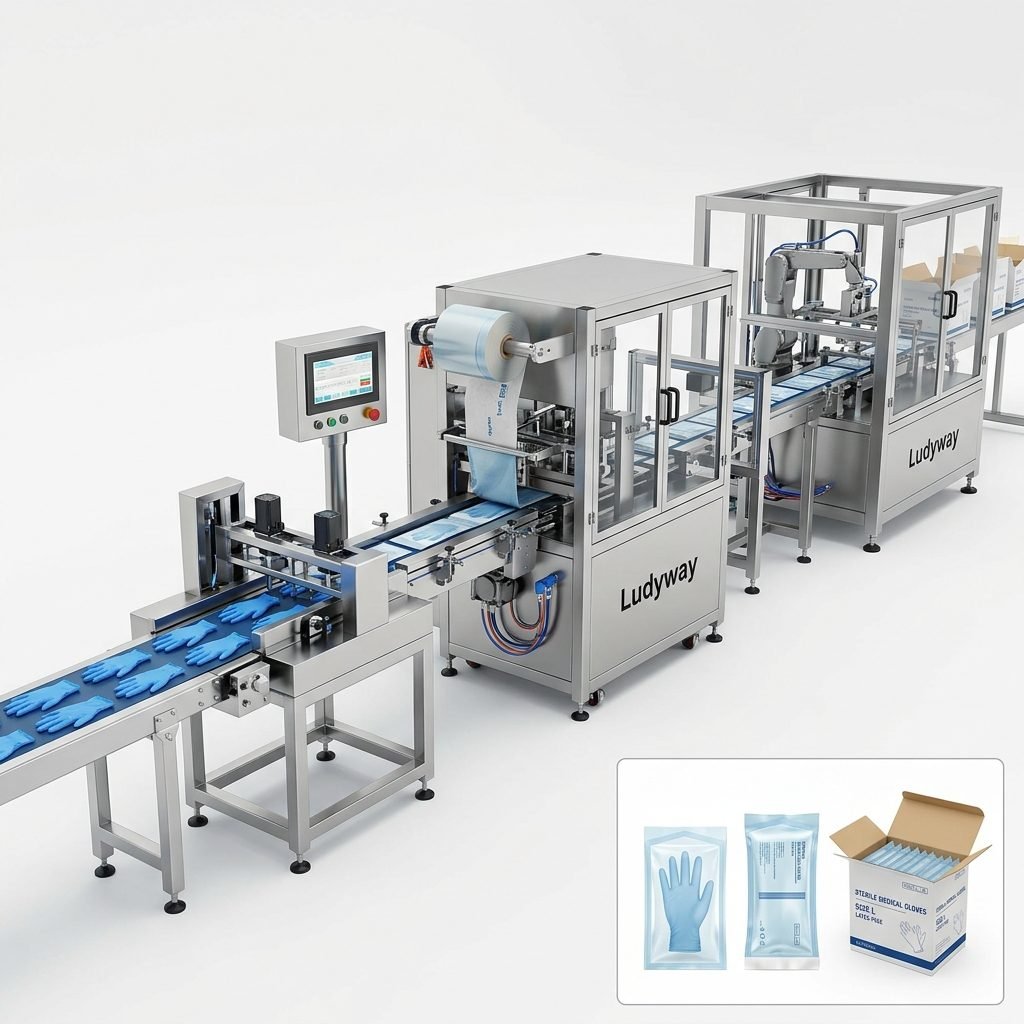
Investing in a tea gas packaging machine is a significant decision for any tea producer, distributor, or co-packer. Whether you are packaging loose leaf tea, herbal blends, or instant tea powder, the right tea packaging machine equipped with nitrogen flushing technology can dramatically extend product shelf life, preserve delicate aromas, and enhance your brand’s premium positioning. But how much does one actually cost? The answer depends on several critical factors including automation level, production speed, packaging format, and additional features such as gas flushing systems and multi-lane configurations.

In this comprehensive pricing guide, we break down the real-world cost ranges for tea gas packaging machines, examine the variables that impact pricing, and help you make an informed purchasing decision. From entry-level single-lane models to fully automated multi-lane turnkey packaging lines, understanding the cost landscape is essential for budgeting and ROI planning. According to PMMI packaging industry data, the global packaging machinery market continues to grow steadily, driven by increasing demand for flexible packaging solutions and extended shelf-life technologies.
What Factors Determine Tea Gas Packaging Machine Pricing?
Before diving into specific price figures, it is important to understand the key variables that influence the final cost of a tea nitrogen flushing packaging machine. No two packaging projects are identical, and manufacturers typically configure machines based on your unique production requirements. The following elements play a decisive role in shaping the overall investment:
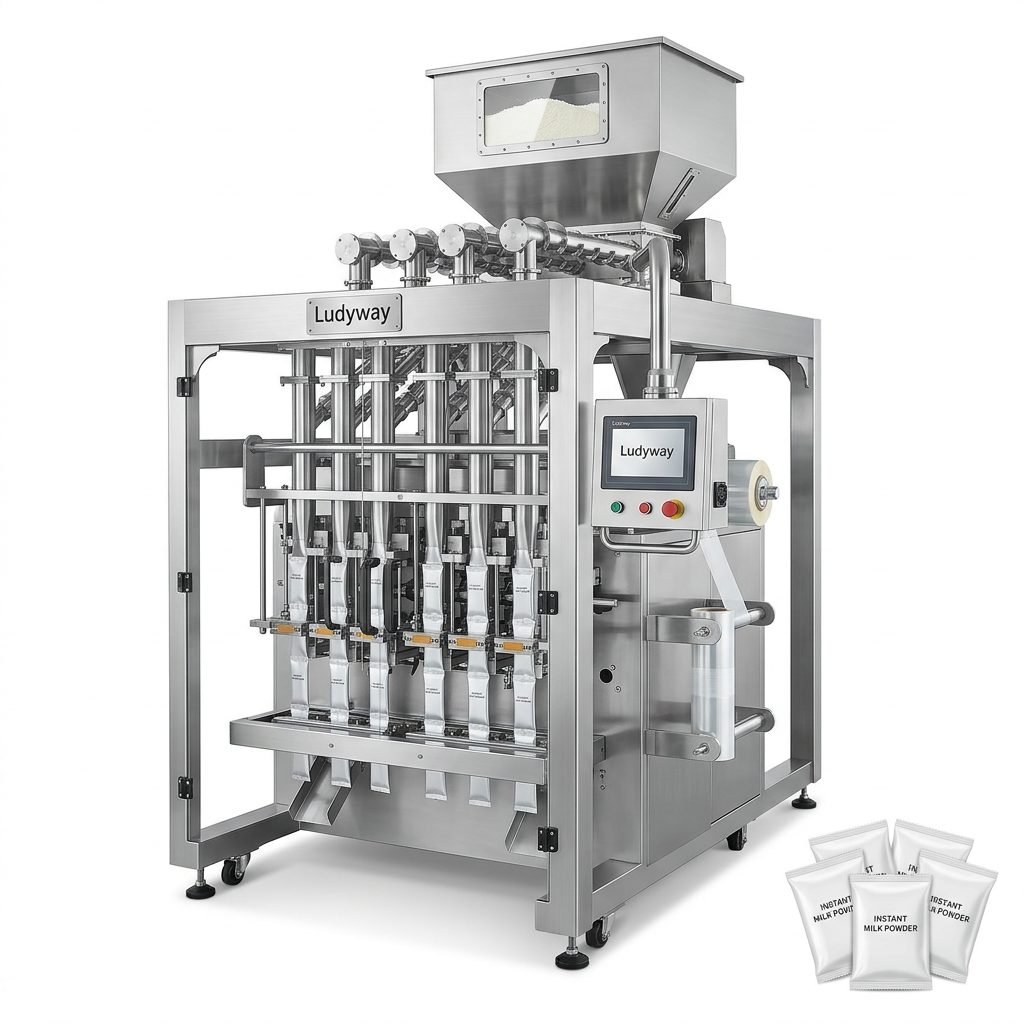
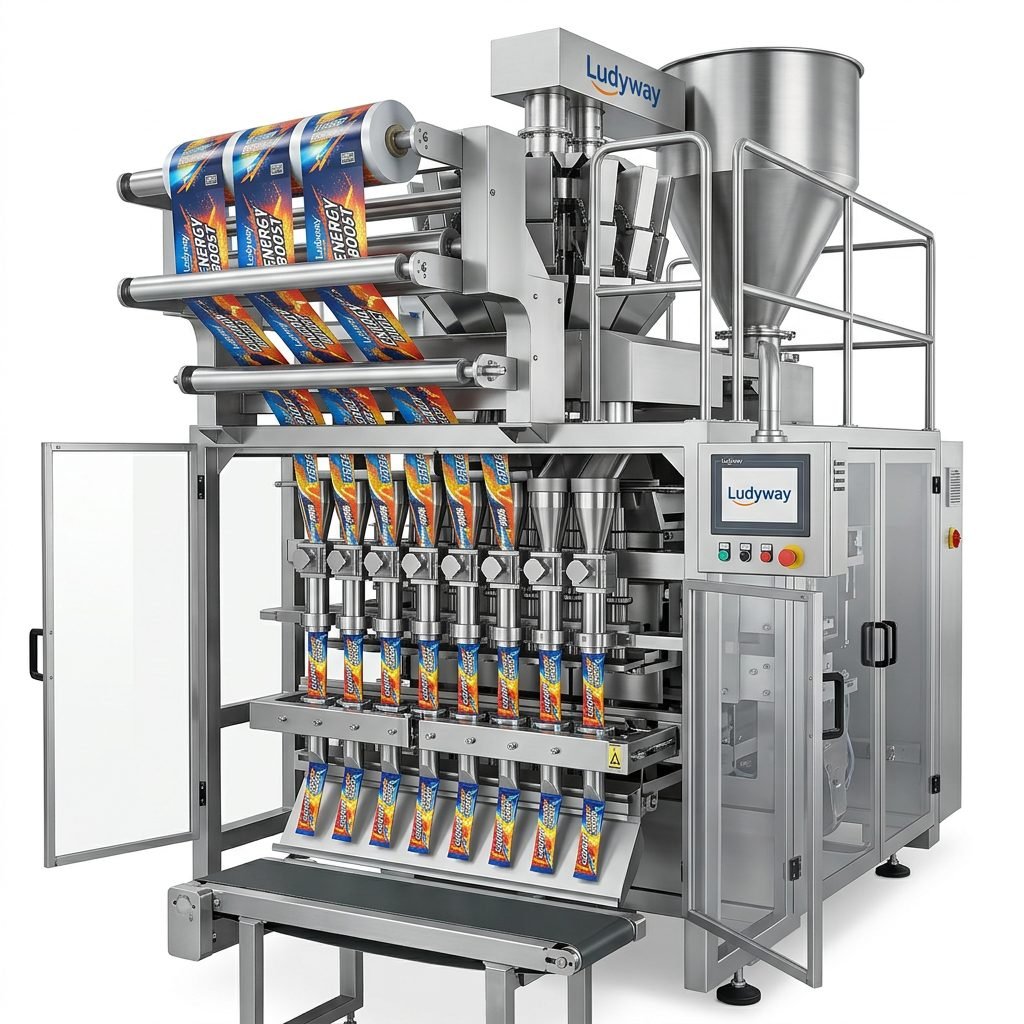
- Number of packaging lanes — Single-lane machines are more affordable, while 4-lane, 6-lane, 8-lane, and 10-lane configurations significantly increase throughput and cost.
- Level of automation — Manual, semi-automatic, and fully automatic systems each occupy different price tiers, with fully automated packaging lines commanding the highest investment.
- Gas flushing capability — Integrated nitrogen flushing or modified atmosphere packaging (MAP) systems add to the machine cost but are critical for preserving tea quality and extending shelf life.
- Packaging format — Stick packs, sachets, flat pouches, and gusseted bags each require different forming, filling, and sealing mechanisms.
- Filling system type — Auger fillers, volumetric cup fillers, multi-head weighers, and liquid dosing pumps vary in price and precision.
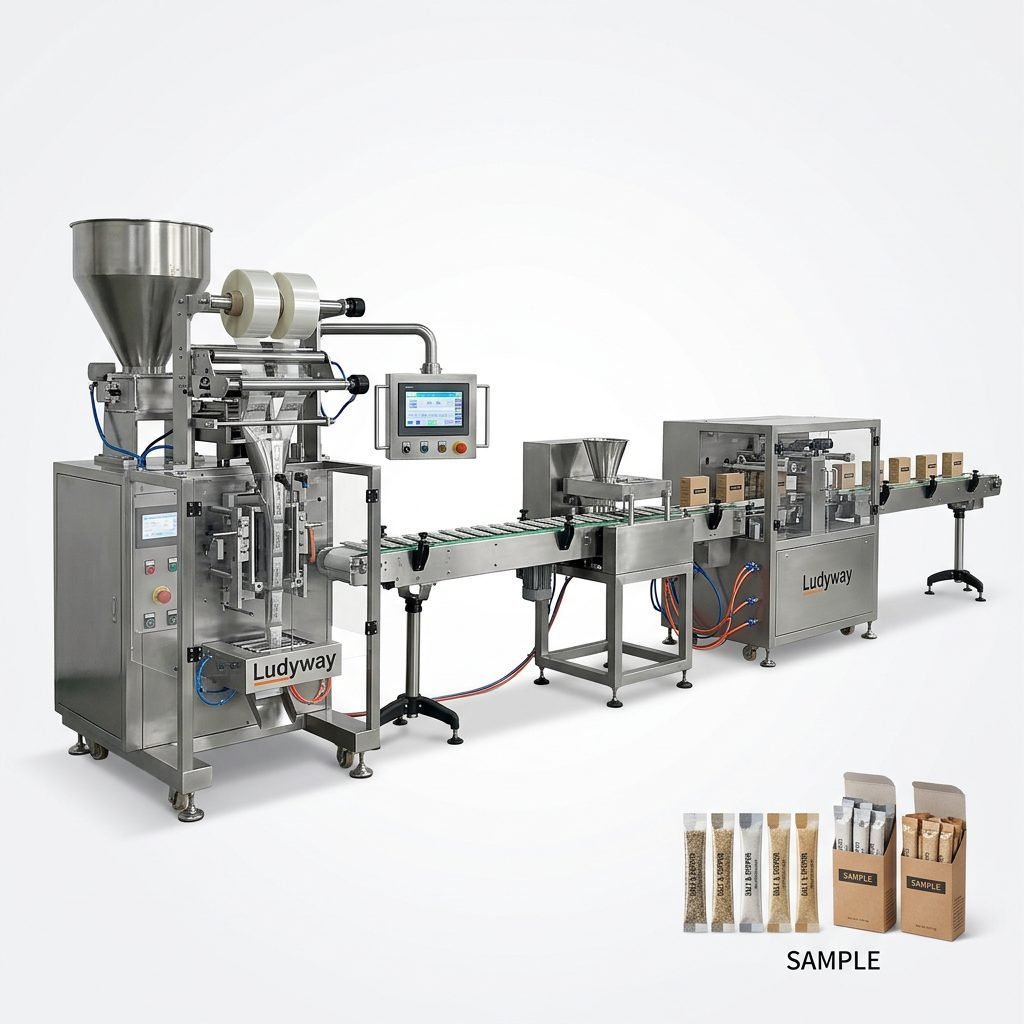
- Additional modules — Options such as automatic cartoning machines, checkweighers, metal detectors, and coding systems add to the total investment.

Tea Gas Packaging Machine Price Ranges by Type
The following table provides a general pricing framework based on machine type, configuration, and production capacity. Actual quotes may vary depending on the manufacturer, customization requirements, and regional factors. Prices below reflect ex-factory estimates for mid-to-high-quality equipment commonly used in commercial tea packaging operations.
| Machine Type | Lane Configuration | Estimated Price Range (USD) | Best Suited For |
|---|---|---|---|
| Single-Lane Stick Pack Machine | 1 Lane | $8,000 – $25,000 | Small-scale production, startups |
| 4-Lane Stick Pack Machine with Gas Flush | 4 Lanes | $35,000 – $65,000 | Medium-volume tea producers |
| 6-Lane Sachet Packaging Machine | 6 Lanes | $50,000 – $90,000 | Established tea brands, co-packers |
| 8-Lane High-Speed Stick Pack Line | 8 Lanes | $75,000 – $130,000 | High-volume commercial production |
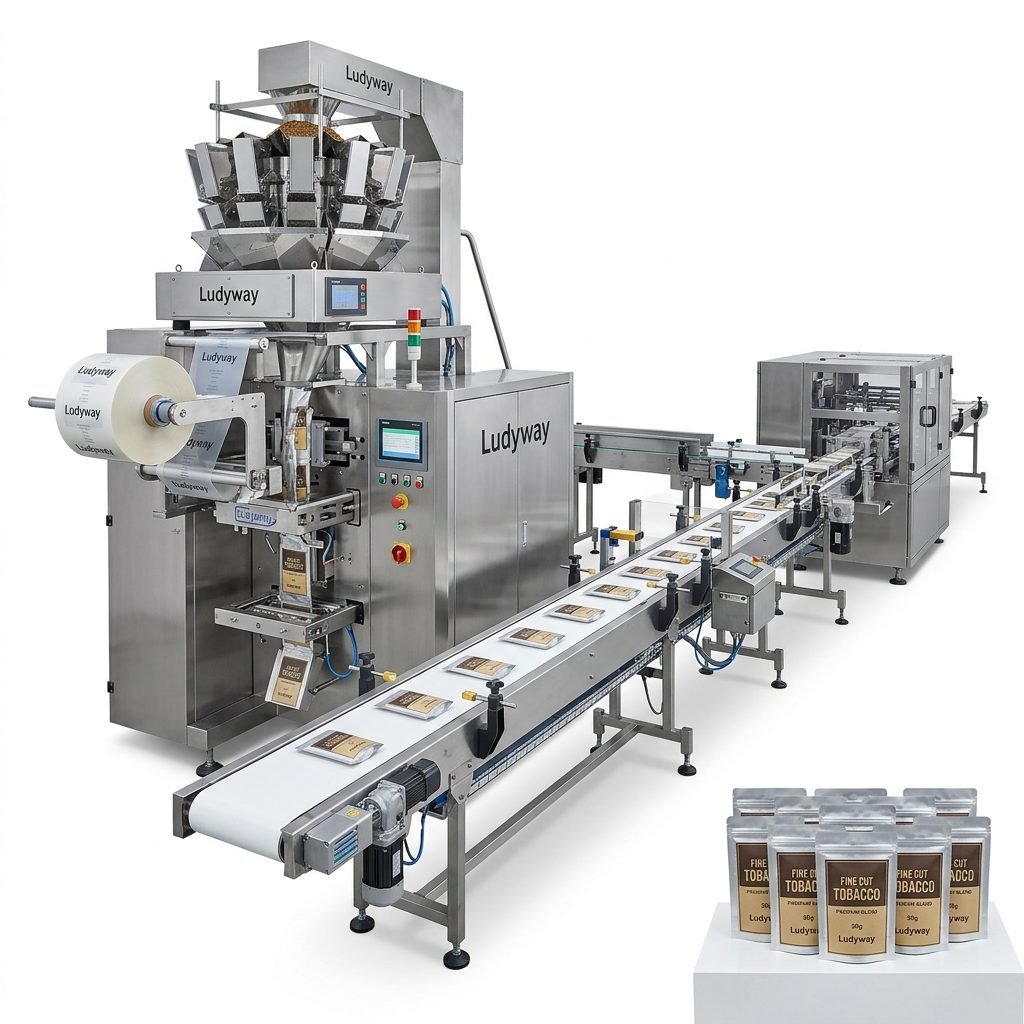
| 10-Lane Fully Automated Packaging Line | 10+ Lanes | $120,000 – $250,000+ | Large-scale industrial operations |
| Complete Turnkey Tea Packaging Line | Custom Configuration | $200,000 – $500,000+ | Fully integrated factory solutions |
Note: Prices are approximate and based on standard configurations. Machines with advanced gas flushing systems, servo-driven controls, and integrated quality inspection modules will fall toward the higher end of each range. For accurate pricing tailored to your specific requirements, it is always recommended to request a customized quotation directly from reputable manufacturers.

Key Technical Features That Impact Cost
Beyond the basic machine type and lane count, several technical specifications and optional features can substantially influence the final price of your tea gas packaging equipment. Understanding these features helps you prioritize what matters most for your production goals and avoid paying for capabilities you do not need.
Nitrogen Flushing and Gas Purging Systems
The gas flushing mechanism is arguably the most critical component for tea packaging. A high-quality nitrogen injection system ensures that residual oxygen levels inside each package are reduced to below 1-2%, effectively preventing oxidation and preserving the tea’s natural flavor, color, and aroma. Machines equipped with precision gas flow controllers, multi-stage purging, and oxygen analyzers cost more but deliver superior packaging integrity. Learn more about industry standards from flexible packaging resources provided by the Flexible Packaging Association.
Servo-Driven vs. Mechanical Operation
Machines utilizing servo motor technology offer greater precision, faster changeover times, and reduced maintenance compared to mechanically driven alternatives. While servo-driven systems add to the upfront cost, they typically provide better long-term value through increased efficiency and reduced downtime.
Filling Accuracy and Weighing Systems
For tea products where portion consistency is critical, the choice of filling system matters greatly. Multi-head combination weighers deliver the highest accuracy for granule and loose leaf tea but represent a significant cost adder. Auger fillers and volumetric cup fillers are more economical options suitable for powder and uniform granule applications.
HMI and Control Systems
Modern touchscreen HMI interfaces with recipe storage, remote monitoring capabilities, and multi-language support contribute to a higher price point but greatly enhance operational convenience. Basic PLC controls with limited functionality are standard on entry-level models.

How to Choose the Right Tea Gas Packaging Machine for Your Budget
Selecting the optimal machine involves balancing your production requirements, budget constraints, and long-term growth plans. Here is a structured approach to guide your decision-making process:
Step 1: Define Your Production Volume
Calculate your expected daily or hourly output in terms of packages per minute. This metric directly determines the lane configuration you need. A single-lane machine producing 30-60 packs per minute may suffice for a small tea brand, while a 6-lane or 8-lane system capable of 200-400 packs per minute is necessary for large-scale operations.
Step 2: Identify Your Packaging Format
Stick packs, flat sachets, and gusseted pouches each require specific forming shoulders and sealing mechanisms. Ensure the machine you select supports your desired packaging style and dimensions. Some machines offer quick-change parts for multiple formats, which adds flexibility but also increases the initial investment.
Step 3: Evaluate Gas Flushing Requirements
If your tea products are sensitive to oxidation — as most premium teas are — nitrogen flushing is non-negotiable. Verify that the machine’s gas flushing system meets your target residual oxygen levels and includes proper gas management features to minimize nitrogen consumption and ongoing operational costs.
Step 4: Consider Future Scalability
Investing in a machine that can be upgraded or expanded — such as adding more lanes or integrating downstream automation modules — can save significant costs as your business grows. While the initial price may be higher, the long-term value often justifies the additional expenditure.
Additional Costs to Factor Into Your Budget
The purchase price of the machine itself is only one component of the total investment. Savvy buyers account for the following additional expenses when planning their packaging line budget:
- Shipping and logistics — International freight, customs duties, and insurance can add 5-15% to the equipment cost.
- Installation and commissioning — On-site setup by factory-trained technicians ensures optimal performance but involves travel and labor fees.
- Operator training — Comprehensive training for your production team is essential for safe and efficient operation.
- Spare parts inventory — Maintaining a stock of critical wear components minimizes downtime and protects your production schedule.
- Ongoing maintenance — Routine servicing, lubrication, and periodic replacement of seals and belts are part of the total cost of ownership.
- Nitrogen supply system — A nitrogen generator or bulk gas supply contract is required for continuous gas flushing operations.
- Facility modifications — Electrical, compressed air, and ventilation upgrades may be needed to accommodate the new equipment.
Why Nitrogen Flushing Matters for Tea Packaging
Tea leaves and powders are highly susceptible to oxidation, moisture absorption, and volatile aroma loss. When tea is exposed to ambient air inside a package, it begins to degrade almost immediately — losing its vibrant color, delicate fragrance, and fresh taste. Nitrogen gas flushing addresses this problem by displacing oxygen from the package before sealing, creating an inert atmosphere that locks in freshness for 12 to 24 months or more without the need for artificial preservatives. According to PMMI’s State of the Industry report, modified atmosphere packaging technologies continue to gain adoption across food sectors, with tea and coffee leading the trend.
The investment in a quality nitrogen flushing packaging machine pays for itself through reduced product returns, longer shelf life, enhanced brand reputation, and the ability to command premium pricing for gas-flushed products. For tea exporters shipping products across long supply chains, nitrogen packaging is practically mandatory to ensure product quality upon arrival at distant markets.
Comparing Suppliers and Getting Accurate Quotes
When evaluating different manufacturers, look beyond the headline price and examine the total value proposition. A lower-priced machine may lack critical features, use inferior components, or come with limited after-sales support. Key considerations when comparing suppliers include:
- Manufacturing quality — Materials such as 304 or 316 stainless steel for food contact parts are essential for hygiene and durability.
- Warranty terms — A comprehensive warranty covering parts and labor provides peace of mind and protects your investment.
- Technical support availability — Responsive remote and on-site support is invaluable when production issues arise.
- Spare parts accessibility — Fast delivery of replacement parts minimizes production downtime.
- References and case studies — Reviewing installations similar to your application provides real-world insight into machine performance.
Ludyway is one of the largest packaging machine manufacturers in China, offering a wide range of nitrogen flushing packaging systems including multi-lane stick pack and sachet machines specifically configured for tea, herbal blends, and related products. With manufacturing capabilities spanning over 20,000 square meters and serving customers in more than 100 countries, the company provides cost-effective packaging solutions tailored to diverse production scales. For authoritative packaging machinery standards, refer to ISO packaging standards that govern quality and safety requirements.
Frequently Asked Questions About Tea Gas Packaging Machine Costs
What is the cheapest tea gas packaging machine available?
Entry-level single-lane stick pack machines with basic nitrogen flushing capability typically start around $8,000 to $15,000. These are suitable for small artisan tea producers or startups testing the market. However, they offer limited output and fewer automation features compared to industrial-grade equipment.
How much does a multi-lane tea packaging machine cost?
A 4-lane to 6-lane machine with integrated gas flushing generally ranges from $35,000 to $90,000, while 8-lane and 10-lane high-speed systems can exceed $130,000. The exact price depends on the specific configuration, filling system, and optional modules selected.
Is nitrogen flushing worth the extra cost?
For premium tea products where freshness, aroma, and shelf appeal directly impact sales, nitrogen flushing is absolutely worth the investment. The extended shelf life alone — often doubling or tripling the product’s viable retail window — generates a strong return on investment through reduced waste and expanded distribution opportunities.
Can I upgrade my existing machine with gas flushing?
In many cases, existing packaging machines can be retrofitted with nitrogen injection systems. The feasibility and cost depend on the machine’s design, available space for gas nozzles, and compatibility with the existing sealing mechanism. Retrofitting is generally more economical than purchasing a new machine, though results may not match the performance of a purpose-built gas flushing system.
What ongoing costs should I expect?
Beyond the initial purchase, budget for nitrogen gas supply (or generator maintenance), electricity consumption, routine spare parts replacement, and periodic professional servicing. Annual operating costs typically range from 3% to 8% of the machine’s purchase price, depending on usage intensity and local utility rates.

Understanding the cost structure of tea gas packaging machines empowers you to make a confident purchasing decision aligned with your production goals and financial parameters. By carefully evaluating your throughput requirements, packaging format preferences, and gas flushing needs, you can identify the machine configuration that delivers the best balance of performance, quality, and value. For further reading on packaging machinery market trends and technology developments, explore resources from the PMMI packaging industry resource library and the Flexible Packaging Association.