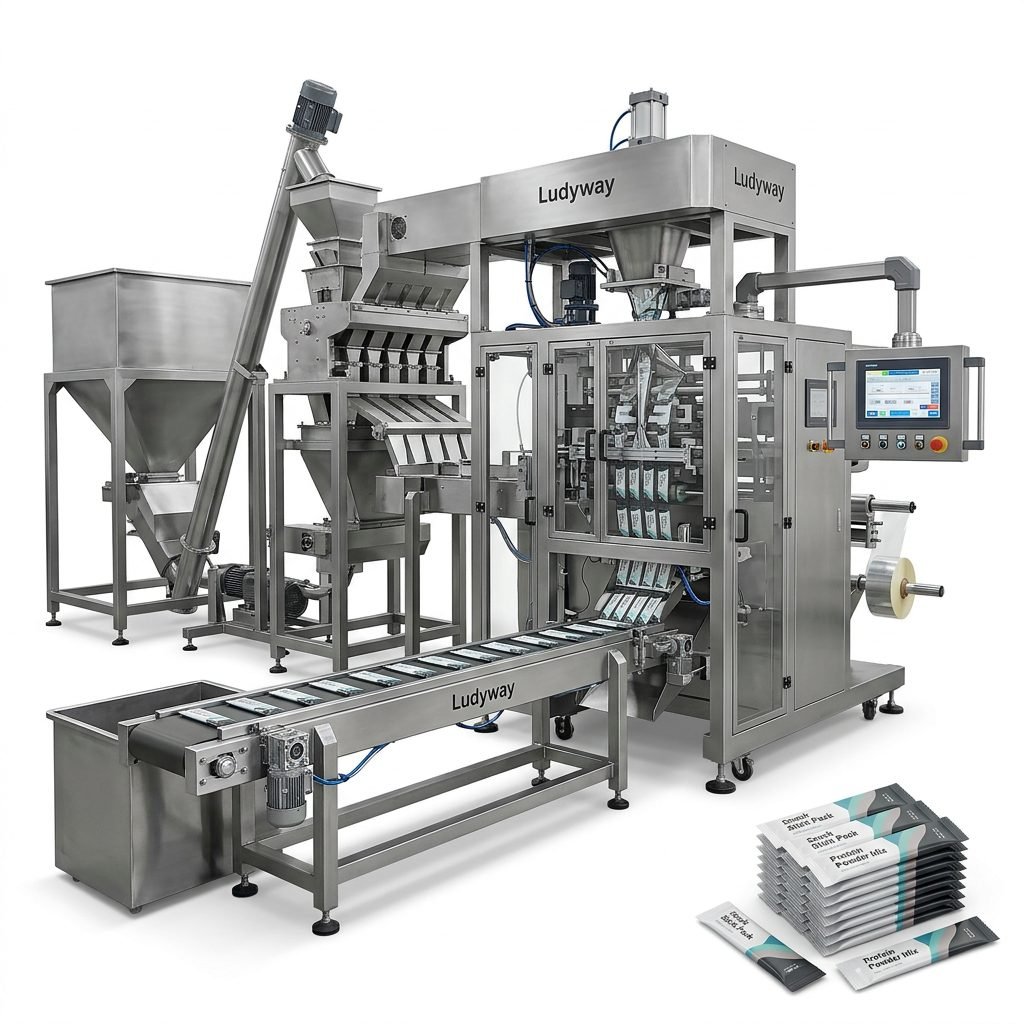
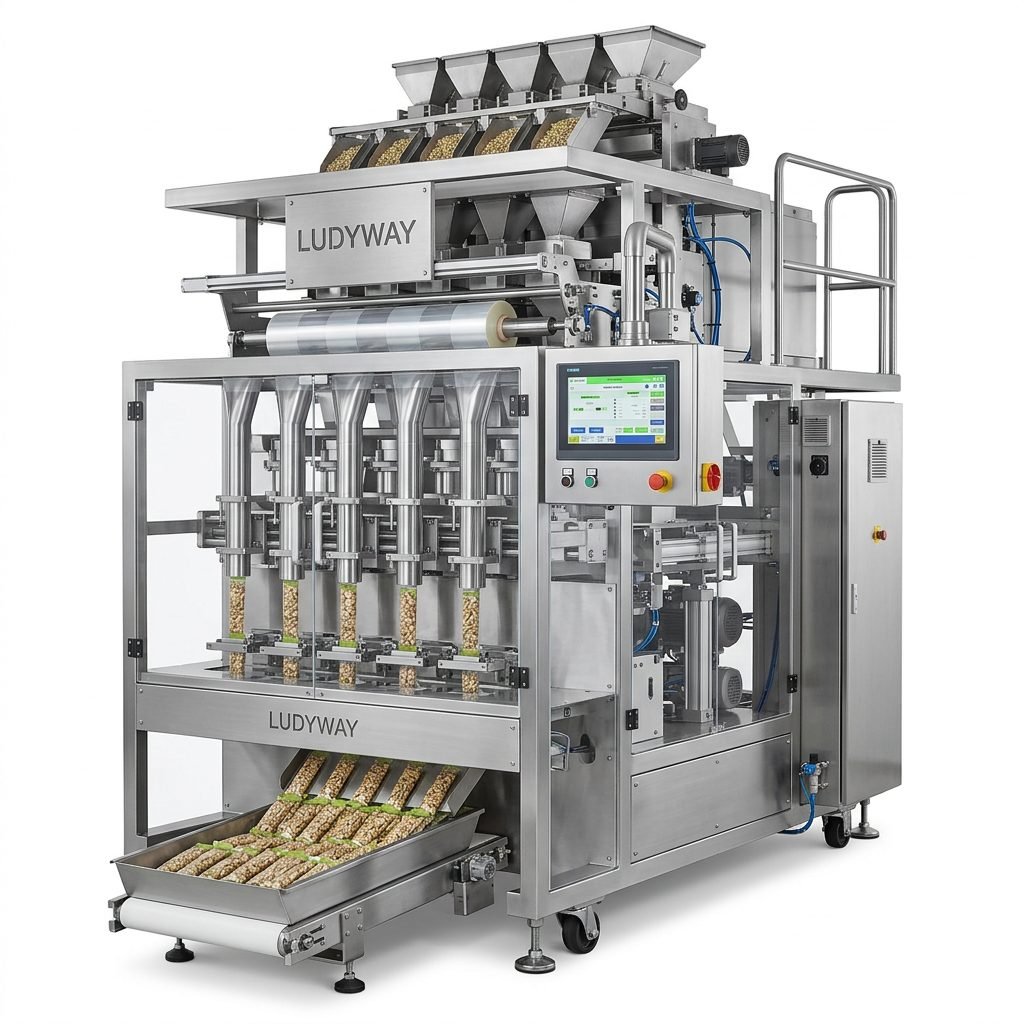
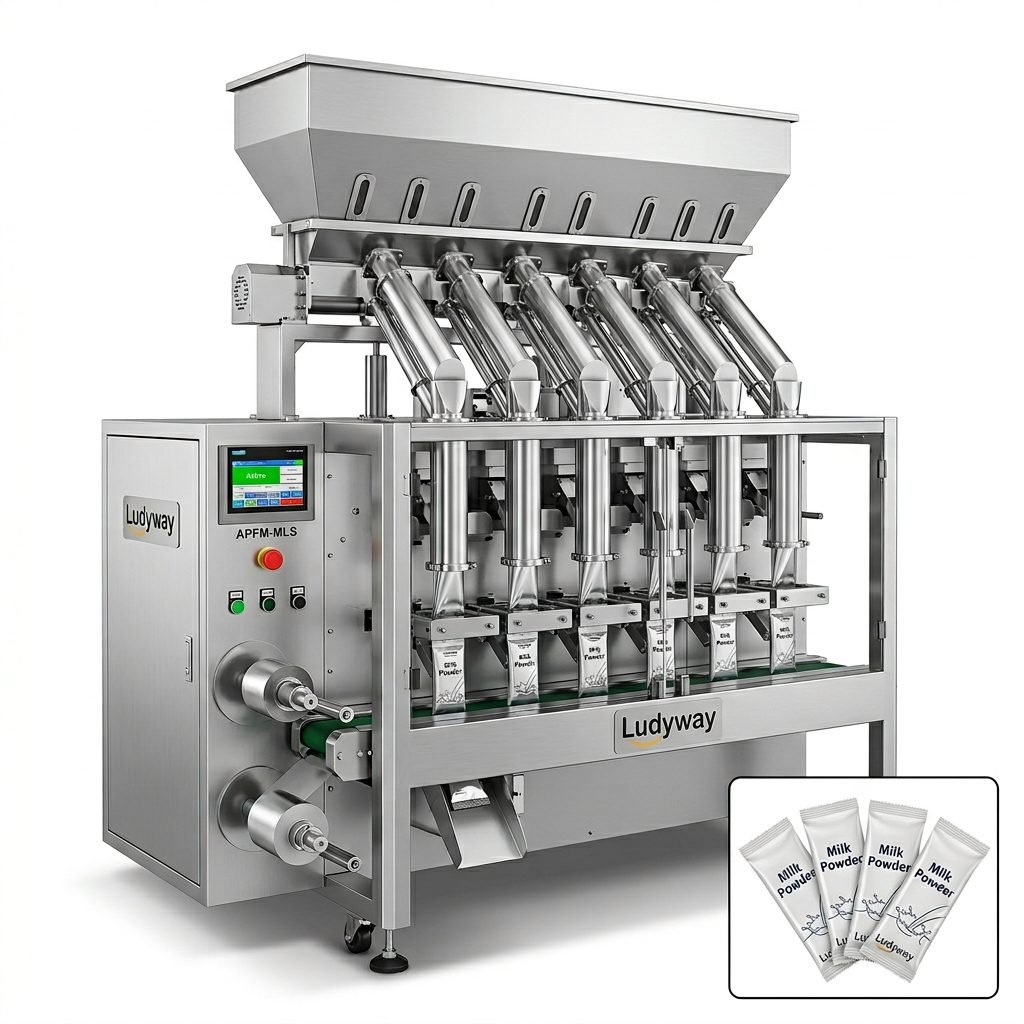
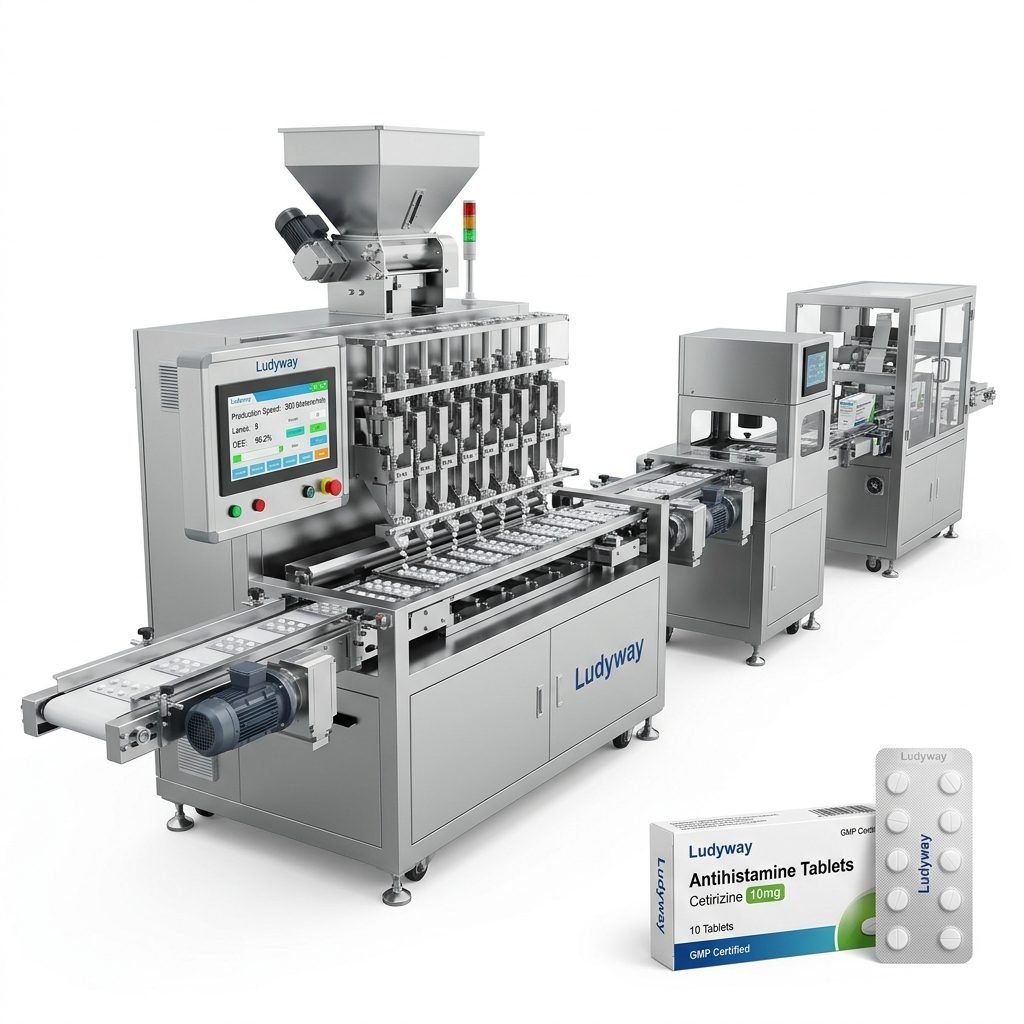
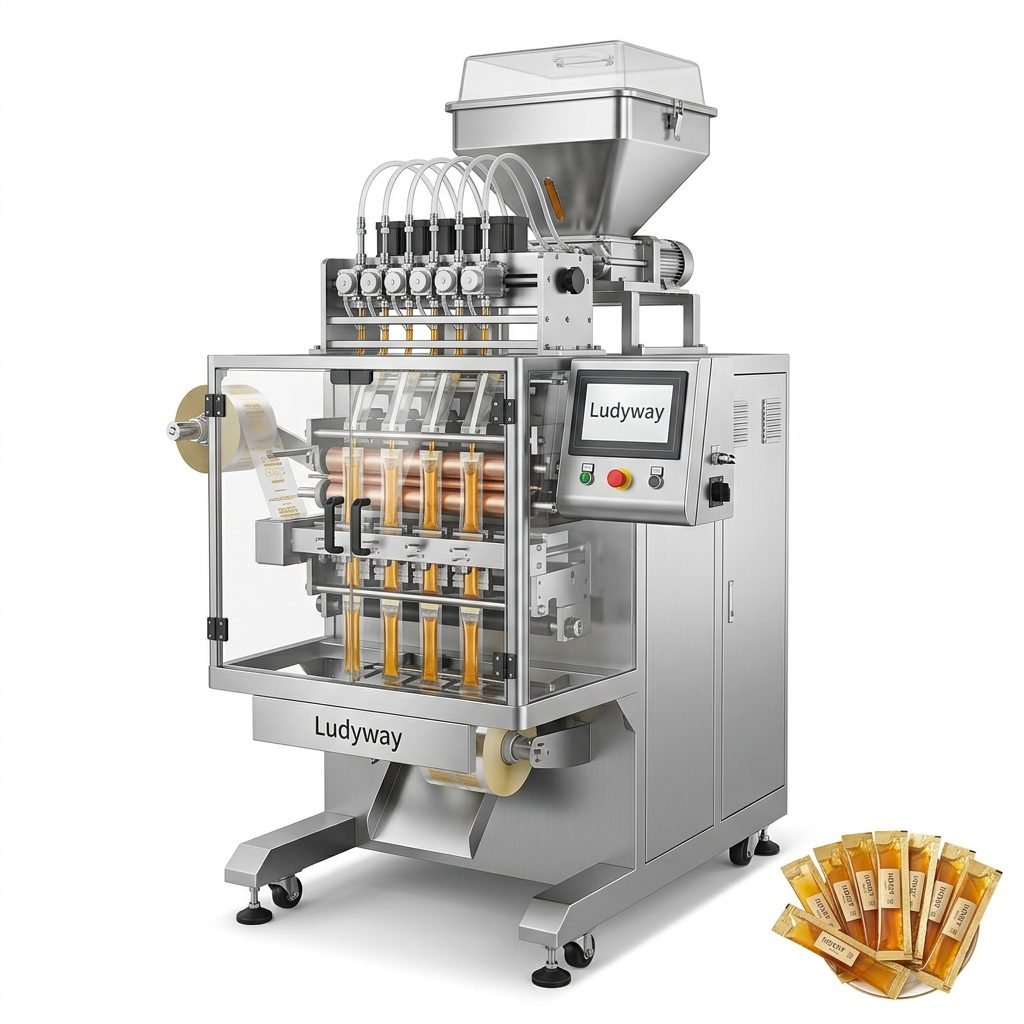
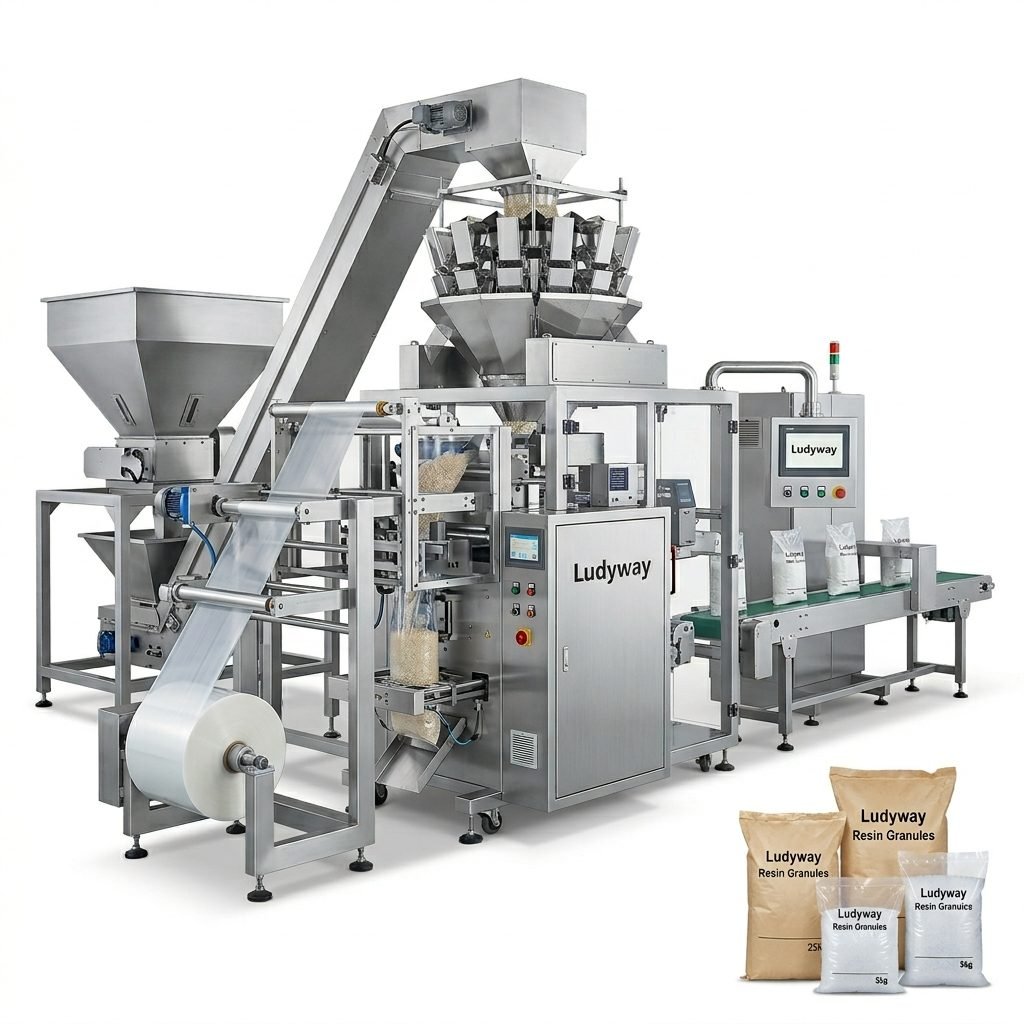
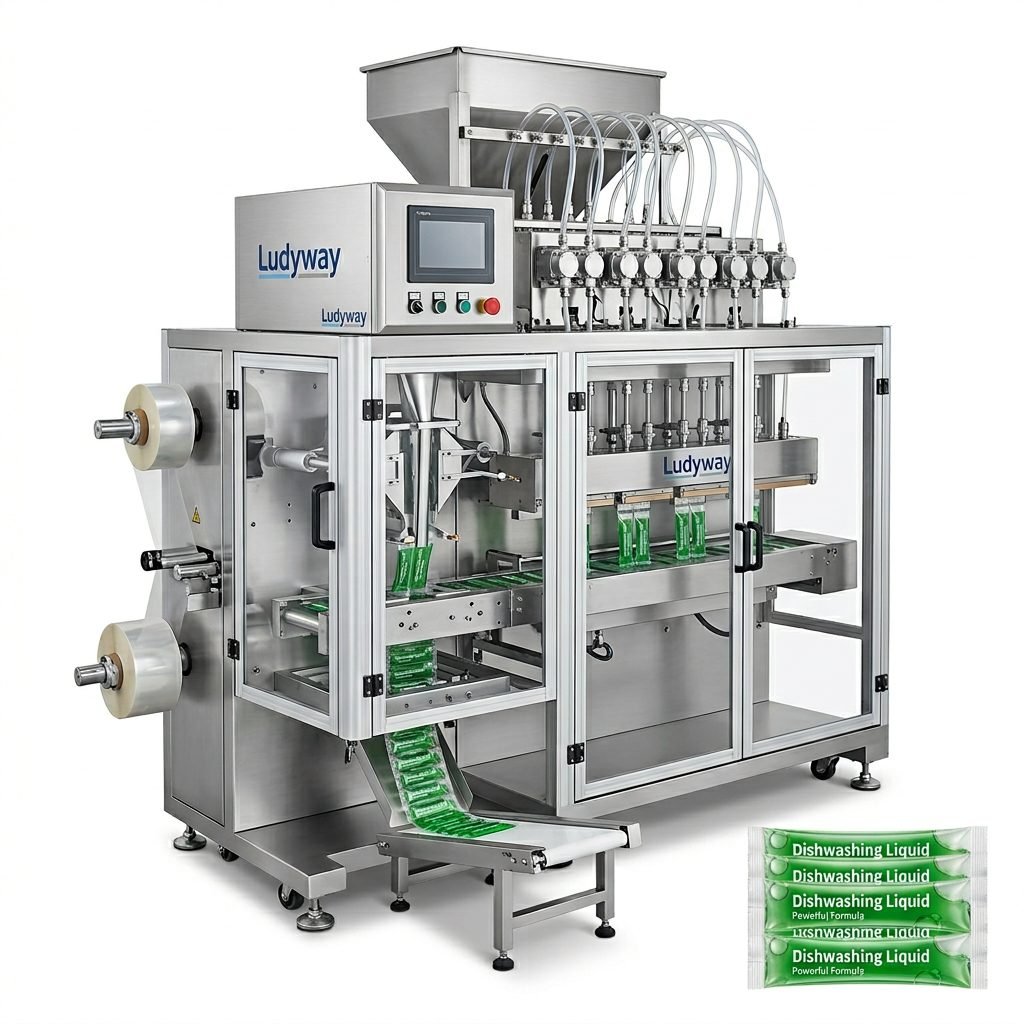
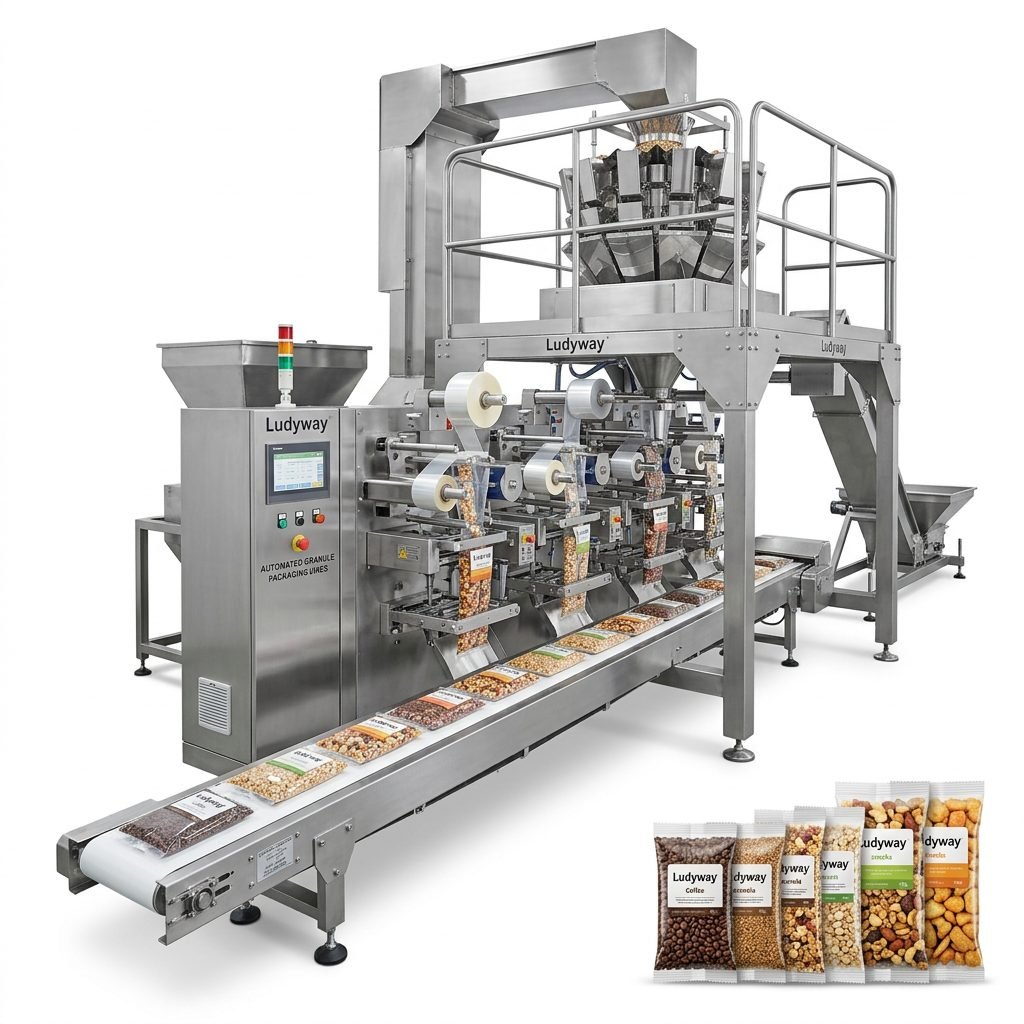
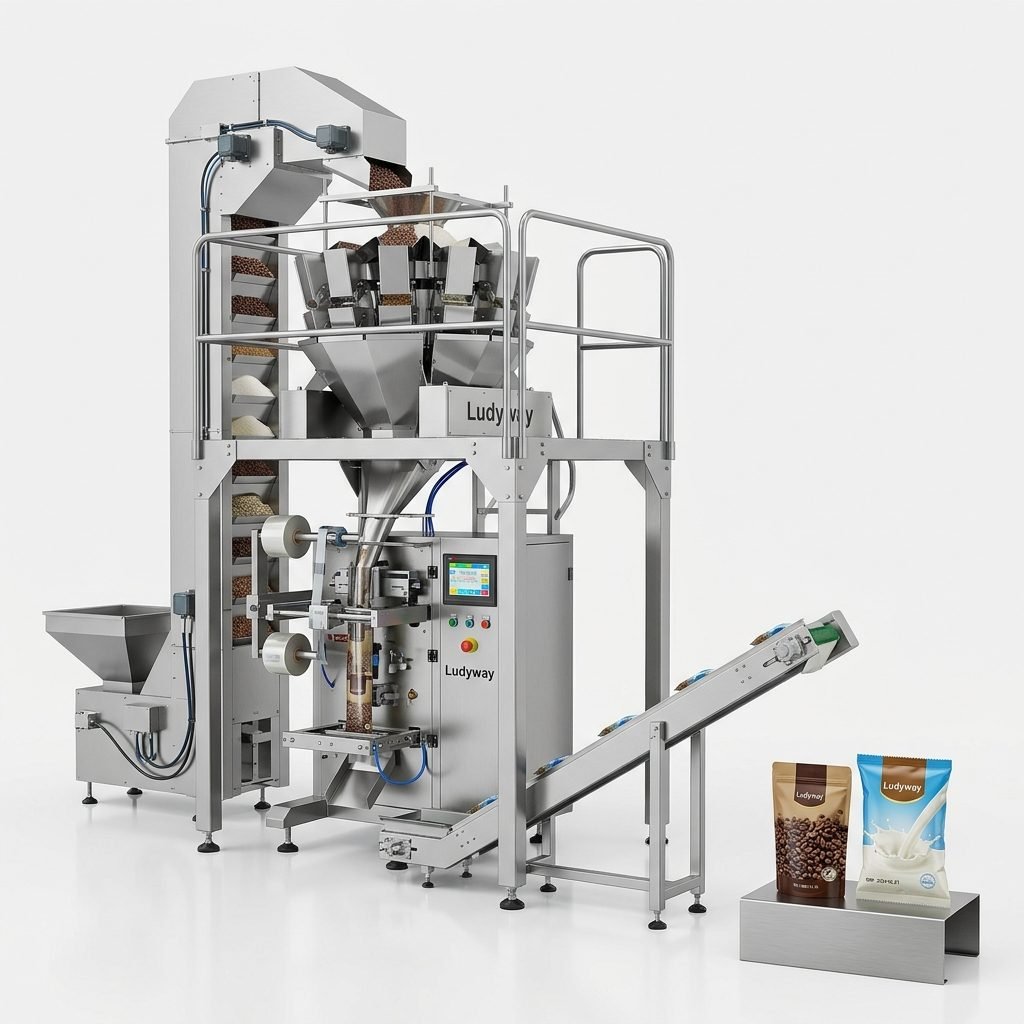
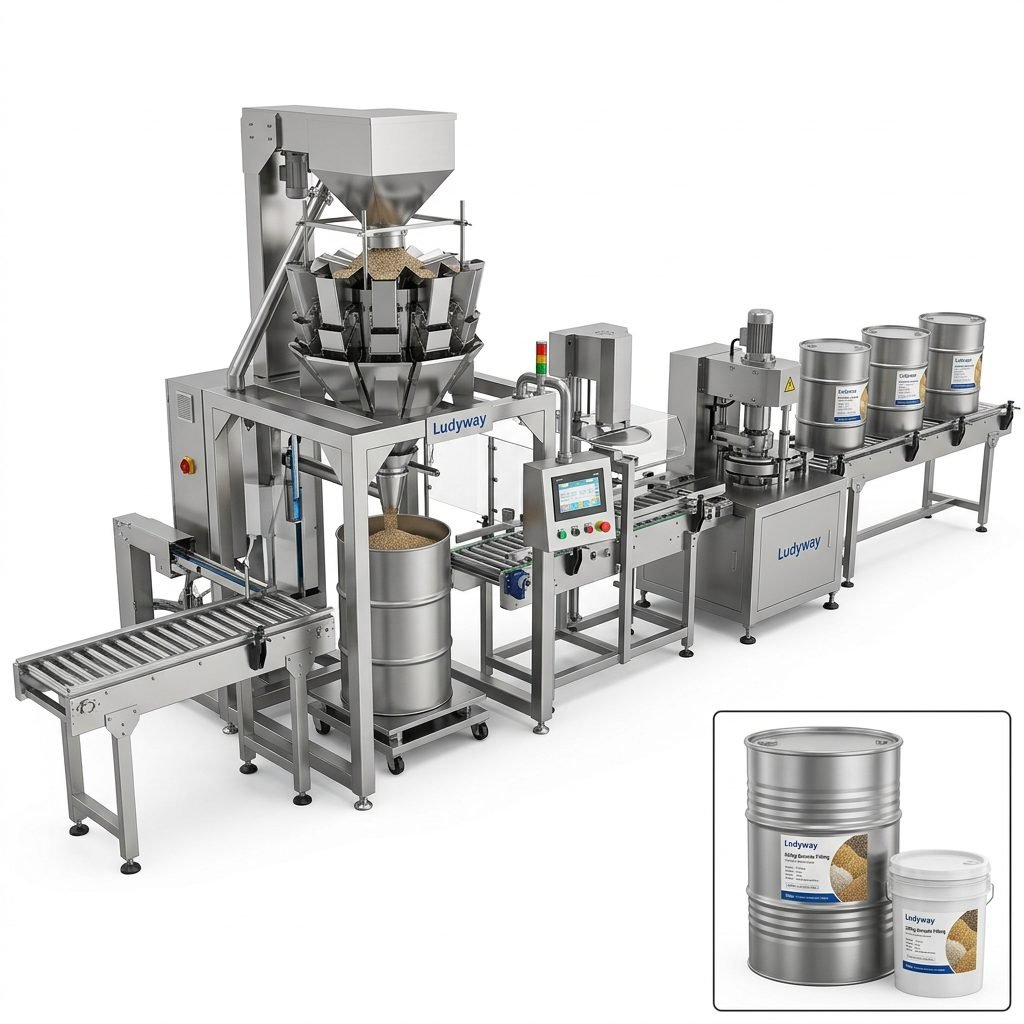
A water pouch packing machine is an ideal choice for brands that need fast, hygienic, and cost-effective liquid packaging. From startup drinking water businesses to large-scale contract manufacturers, this equipment helps improve output, reduce manual handling, and maintain consistent pouch quality. With growing demand for affordable packaged water in retail, events, emergency supply, schools, and community distribution, pouch packaging has become a practical solution for many businesses.
Modern systems are designed to handle the full process automatically, including film forming, liquid filling, sealing, coding, and discharge. This makes them highly suitable for purified water, mineral water, flavored water, electrolyte drinks, and other low-viscosity liquid products packed in compact pouch formats.
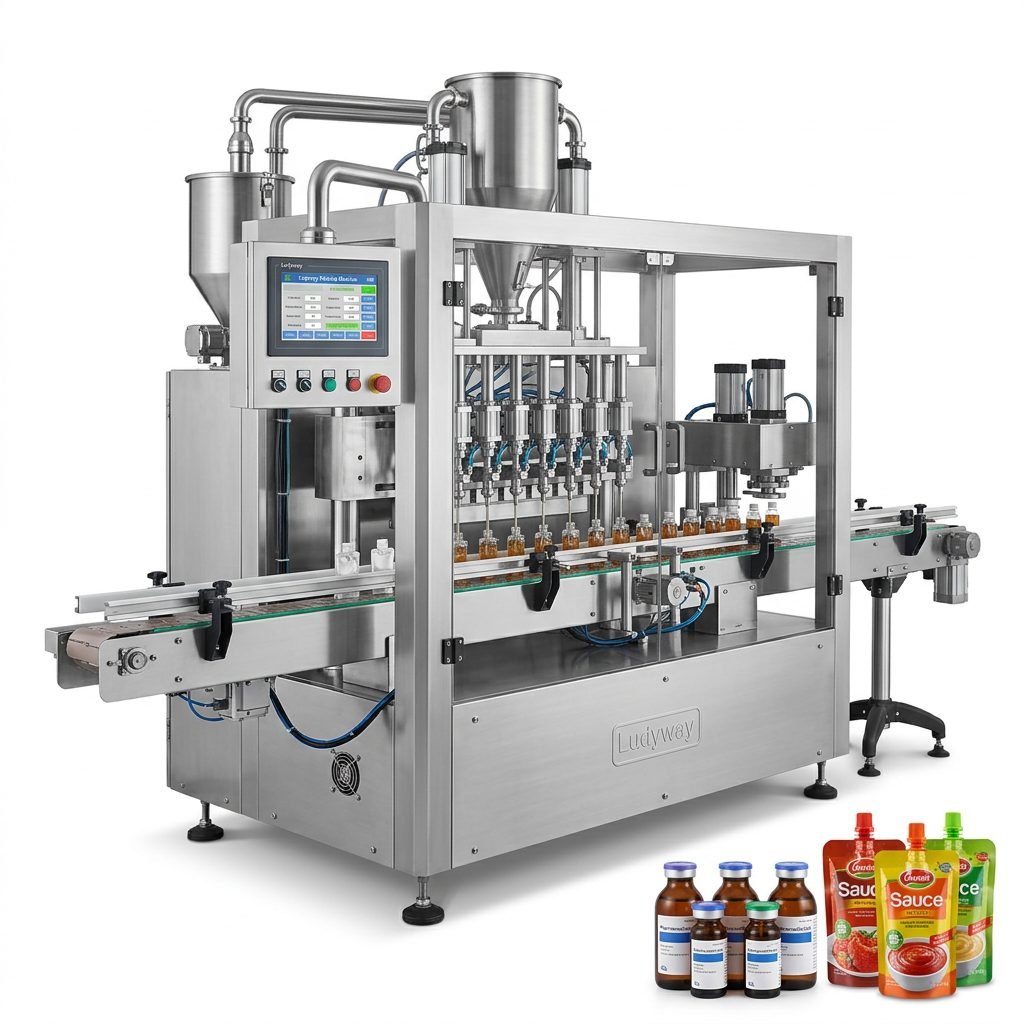
Why Water Pouch Packaging Is Growing Fast
Water pouches are lightweight, economical, and easy to distribute. Compared with rigid bottles, pouch packaging generally uses less material and can lower transportation and storage costs. For many companies, especially those serving price-sensitive markets or high-volume channels, pouch-packed water offers a strong business advantage.
- Lower packaging cost than many rigid container options
- Convenient for mass distribution and short-term consumption
- Suitable for high-speed production environments
- Compact format for retail, events, travel, and relief supply
- Simple sealing structure with reliable leak control when properly configured
How a Water Pouch Packing Machine Works
A typical water pouch packing machine uses roll film to create pouches, doses a pre-set amount of liquid, and seals the package in one continuous process. Depending on the machine structure, the operation can be semi-automatic or fully automatic. For businesses looking to scale, automatic systems are usually preferred because they reduce labor dependence and deliver more stable filling accuracy.
- Packaging film is unwound and guided into the forming section
- The pouch shape is created through heat sealing
- Water is filled by a controlled dosing system
- The pouch is sealed securely to prevent leakage
- Date or batch code can be printed if needed
- Finished pouches are discharged for collection or secondary packing
Key Benefits for Small Businesses
For small and medium-sized enterprises, choosing the right machine can dramatically improve efficiency without creating unnecessary overhead. A compact water pouch machine allows new brands to enter the market faster while controlling initial investment.
Small businesses often value:
- Easy operation and simple maintenance
- Moderate production speed for local demand
- Affordable spare parts and consumables
- Flexible pouch sizes for market testing
- Low space requirement for smaller workshops
If your company is launching a new drinking water brand, supplying regional stores, or serving schools and institutions, a well-matched machine can help you stay competitive while keeping packaging quality consistent.
Advantages for Large-Scale Manufacturers
Large businesses usually focus on throughput, automation integration, and long-term stability. In these environments, a high-speed water pouch packing line can connect with water treatment, storage tanks, conveyors, coding units, inspection devices, and final case packing equipment.
The biggest advantages include:
- High-volume output for continuous production schedules
- Improved consistency across every pouch
- Reduced labor cost through automation
- Better traceability with coding and inspection systems
- Scalable line design for future expansion
Important Features to Look For
Not all water pouch packing machines offer the same performance. Before purchasing, it is important to evaluate both the machine design and the support behind it.
| Feature | Why It Matters |
|---|---|
| Filling accuracy | Helps control product loss and ensures consistent pouch volume |
| Seal quality | Reduces leakage risk and protects product integrity during transport |
| Production speed | Determines whether the machine can meet your sales volume goals |
| Machine material | Stainless steel construction supports hygiene and easier cleaning |
| Control system | User-friendly controls make adjustments quicker and reduce operator error |
| Maintenance access | Simplifies servicing and reduces downtime |
| Customization options | Supports different pouch sizes, film types, and line configurations |
Industries and Applications Beyond Drinking Water
Although widely used for drinking water, the same packaging principle can also support other liquid products with similar flow characteristics. This makes the equipment valuable for manufacturers that may diversify in the future.
Common applications include:
- Purified water
- Mineral water
- Flavored water
- Electrolyte drinks
- Liquid supplements
- Functional beverages
- Small-dose liquid consumer products
Choosing the Right Machine Capacity
Machine selection should be based on your real production target, not just the highest possible speed. Overbuying can increase investment and energy consumption, while underbuying can limit your growth. The right balance depends on daily output, number of shifts, packaging size, and expected future demand.
A practical buying checklist:
- How many pouches do you need per hour?
- What pouch volume will you produce?
- Do you need date coding or batch printing?
- Will the machine run as a standalone unit or part of a full line?
- What level of after-sales support is available?
- Do you need room for future expansion?
Hygiene and Safety Standards Matter
Water packaging requires a clean processing environment and dependable contact parts. The machine should be easy to sanitize, designed to minimize contamination risk, and compatible with the sanitary standards required in your target market. Reliable sealing, stable filling, and properly selected food-grade materials are all essential.
Businesses serving retail, public institutions, or export markets should also consider:
- Water treatment compatibility
- Food-grade contact surfaces
- Cleanable filling path design
- Leak prevention and seal verification
- Batch coding for product traceability
Manual, Semi-Automatic, or Fully Automatic?
The best choice depends on your budget and production goals.
| Machine Type | Best For | Main Advantage |
|---|---|---|
| Manual | Very small-scale testing or micro production | Lowest initial cost |
| Semi-automatic | Growing local businesses | Balance of cost and productivity |
| Fully automatic | Large-scale commercial production | Highest efficiency and stable output |
How Turnkey Solutions Improve Efficiency
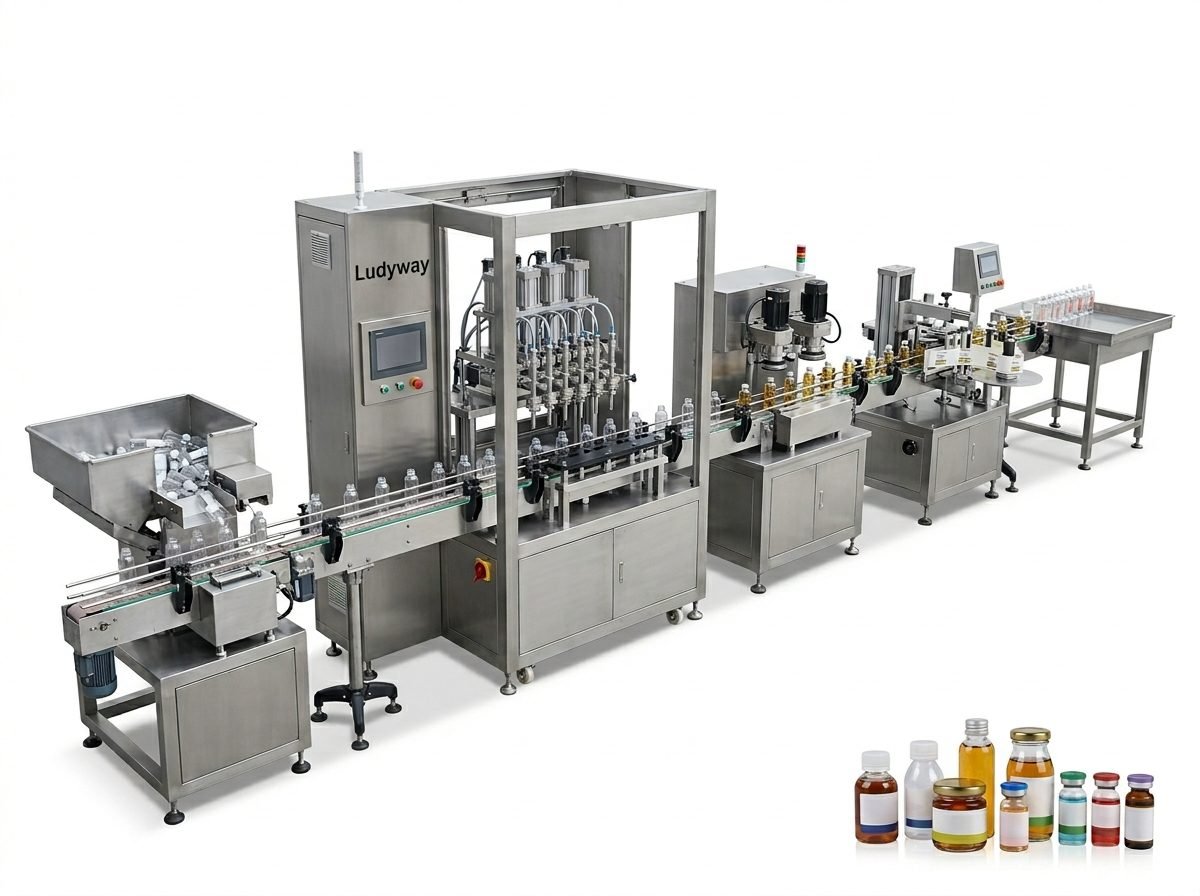
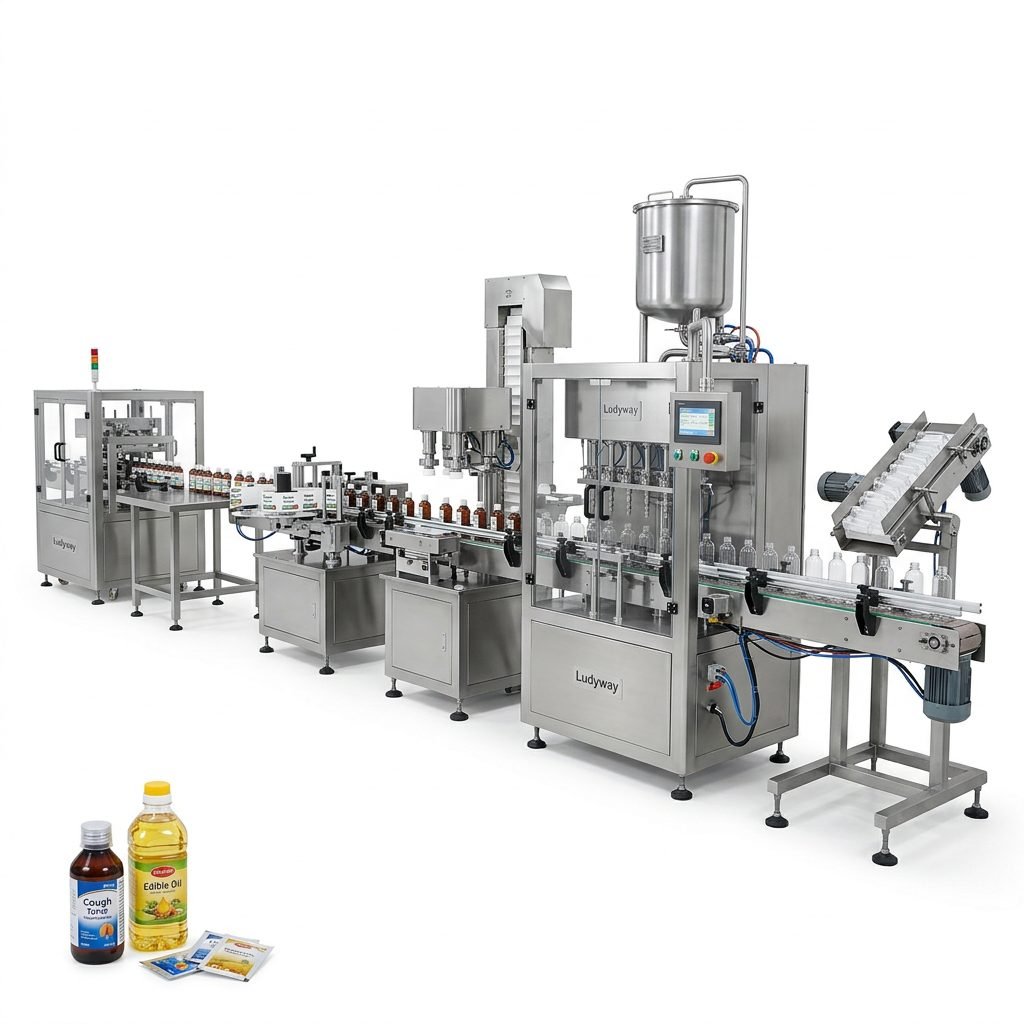
Many buyers now prefer complete packaging solutions rather than purchasing a single machine alone. A turnkey line can include liquid storage, feeding, filling, sealing, coding, conveying, inspection, collection, and end-of-line packing. This approach reduces compatibility problems and shortens installation time.
For companies seeking a reliable supplier, water pouch packing machine manufacturer Ludyway offers packaging machinery and turnkey packaging line solutions backed by more than 30 years of industry experience, broad export coverage, and strong customization capabilities.
Common Problems a Good Machine Helps Prevent
- Pouch leakage caused by weak sealing
- Inconsistent fill volume
- Film tracking errors
- Frequent downtime from unstable components
- Excessive manual handling and labor cost
- Difficulty scaling production when orders increase
Final Buying Tips for Business Owners
Before making a final decision, ask for machine specifications, material details, production range, sample testing support, and after-sales service information. It is also wise to confirm lead time, spare parts availability, and whether the supplier can adapt the equipment to your pouch size, water type, and plant layout.
Focus on these priorities:
- Stable sealing performance
- Accurate liquid dosing
- Simple operation for your team
- Scalability for future demand
- Reliable technical support
A well-chosen water pouch packing machine can help both small and large businesses improve packaging speed, lower operating costs, and deliver dependable liquid packaging quality. Whether you are entering the packaged water market or upgrading an existing production line, the right equipment investment can create long-term value across production, logistics, and customer satisfaction.