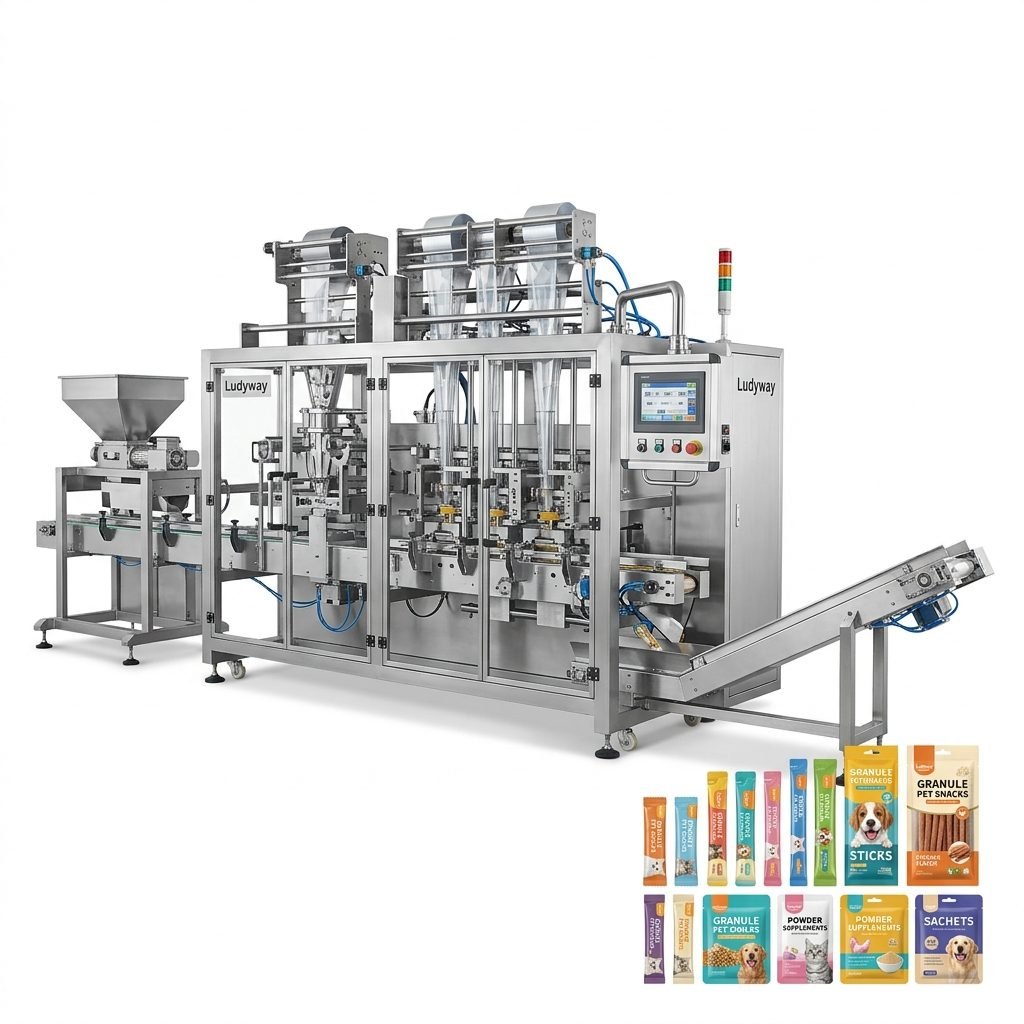
Investing in a hand-operated tea vacuum packing machine is a strategic decision for tea producers, small-scale farmers, and boutique tea shops looking to preserve product freshness and extend shelf life. The cost of these machines varies significantly based on capacity, build quality, vacuum strength, and automation level. Understanding the price breakdown helps you allocate budget effectively while ensuring you get reliable tea packaging equipment that meets your production needs.

Key Factors Influencing the Price of a Hand-Operated Tea Vacuum Packing Machine
Several variables determine the final cost you will pay for a manual tea vacuum sealer. By evaluating these elements, you can better compare quotes from different packaging machine manufacturers and avoid overpaying for features you might not need.
- Chamber Size and Material: Stainless steel chambers cost more than aluminum or plastic ones but offer superior durability and hygiene, critical for food-grade vacuum packaging.
- Vacuum Pump Type: Oil-based rotary vane pumps deliver deeper vacuum levels and last longer, increasing the price compared to dry piston pumps typically found in entry-level units.
- Sealing Bar Length and Position: Machines with longer sealing bars or multiple sealing positions (top and bottom) allow greater flexibility for different bag sizes but add to the cost.
- Additional Features: Options such as gas flushing (nitrogen injection), adjustable vacuum time, and digital control panels will raise the price of a hand-operated model.
- Brand and Origin: Equipment manufactured by well-established companies with strong after-sales support networks often commands a premium, reflecting reliability and parts availability.
Typical Price Ranges for Manual Tea Vacuum Packers
The market for tea vacuum packing machines spans from basic tabletop units to industrial-grade manual systems. Below is a general price breakdown based on common categories. Actual prices fluctuate depending on supplier, shipping costs, and customization.
| Machine Category | Typical Price Range (USD) | Best Suited For |
|---|---|---|
| Entry-Level Tabletop Sealer | $200 – $600 | Home-based tea businesses, very low volume, occasional use with small pre-made bags. |
| Mid-Range Commercial Manual Sealer | $800 – $2,500 | Small tea shops, farmers markets, packing loose leaf tea into 50g-500g retail bags. |
| Heavy-Duty Hand-Operated Vacuum & Gas Flush Machine | $3,000 – $6,000+ | Professional tea producers requiring nitrogen flushing for delicate teas like green or oolong, medium production runs. |
| Customized Manual System with Integrated Weighing | $5,000 – $10,000+ | Specialty processors combining manual operation with semi-automatic powder/granule weighing for precise portion control. |
Manual vs. Semi-Automatic: Where Does the Value Lie?
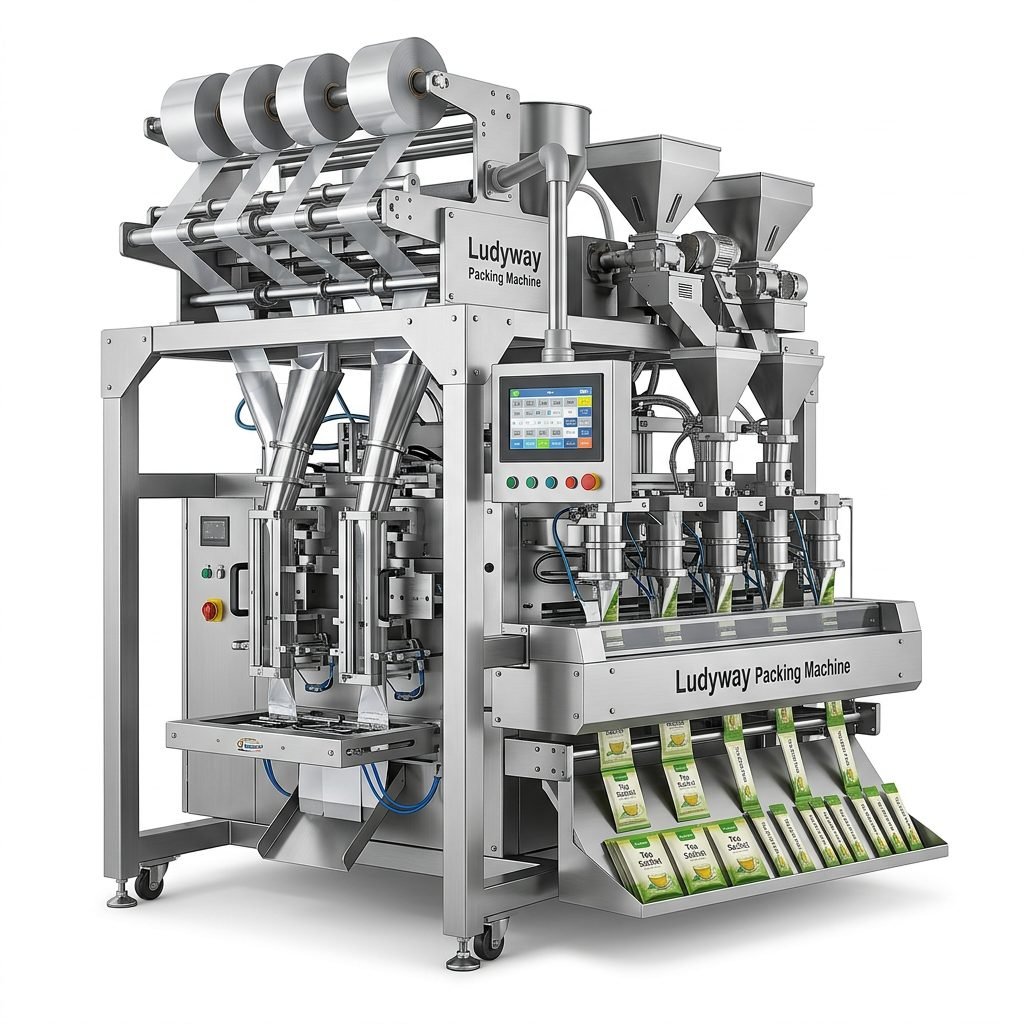
While a purely hand-operated machine reduces upfront capital expenditure, many tea businesses quickly outgrow the manual cycle speed. As production scales, the labor cost per bag rises. A pragmatic approach involves understanding the transition point to semi-automatic or fully automatic multi-lane packaging systems. However, for premium micro-lot teas where artisanal handling is part of the brand story, the meticulous control offered by a manual vacuum sealer remains unmatched. You pay for the precision and the human touch that prevents crushing delicate tea leaves.
Essential Considerations Before Purchasing
To ensure the cost of your machine translates into a strong return on investment, focus on these practical aspects beyond the initial purchase price:
- Pump Maintenance Cycle: Verify the recommended oil change intervals for the vacuum pump; frequent changes add operational expense.
- Bag Compatibility: Not all manual sealers work with high-barrier foil laminates or embossed vacuum bags required for long-term tea storage.
- Sealing Wire Replacement: Check availability and cost of consumables like sealing wires and Teflon tapes, which wear out with regular use.
Why Material Build Quality Directly Affects Long-Term Cost
A lower-cost machine built with thin metal frames and generic electronic components may seem attractive initially. However, in a humid tea-processing environment, corrosion and control board failures can lead to frequent downtime. Investing in a machine with a robust 304 stainless steel body and a branded vacuum pump ensures consistent vacuum strength over thousands of cycles. The true cost of a hand-operated vacuum packer includes the reliability factor, particularly when you are packaging high-value teas where a broken seal can ruin an entire batch during transport.
Exploring Advanced Manual Features: Gas Flushing for Tea
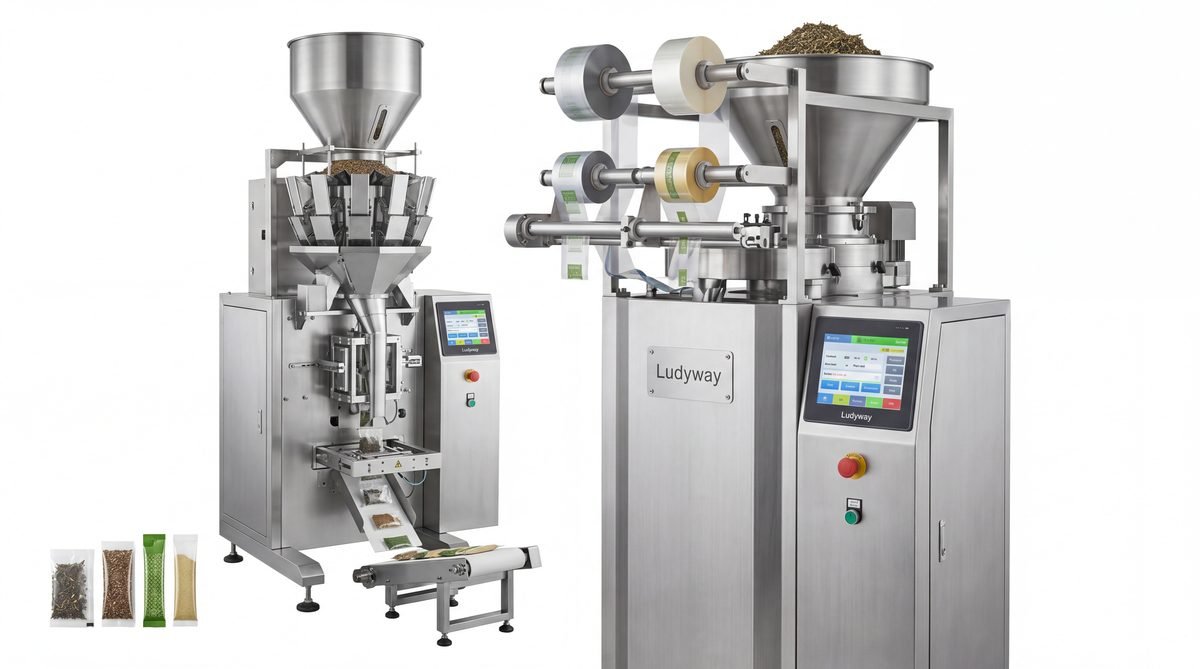
If your budget extends beyond basic vacuum sealing, look for hand-operated machines equipped with nitrogen gas flush systems. This feature displaces oxygen inside the pouch before sealing, which is critical for preserving the color, aroma, and delicate flavor compounds of granule tea and whole leaves. The price premium for a gas flush compatible machine typically ranges from $1,500 to $3,000 above a standard vacuum-only model, reflecting the added solenoid valves, gas tubing, and precise control mechanisms required.
Finding a Reliable Supplier and Understanding Hidden Costs
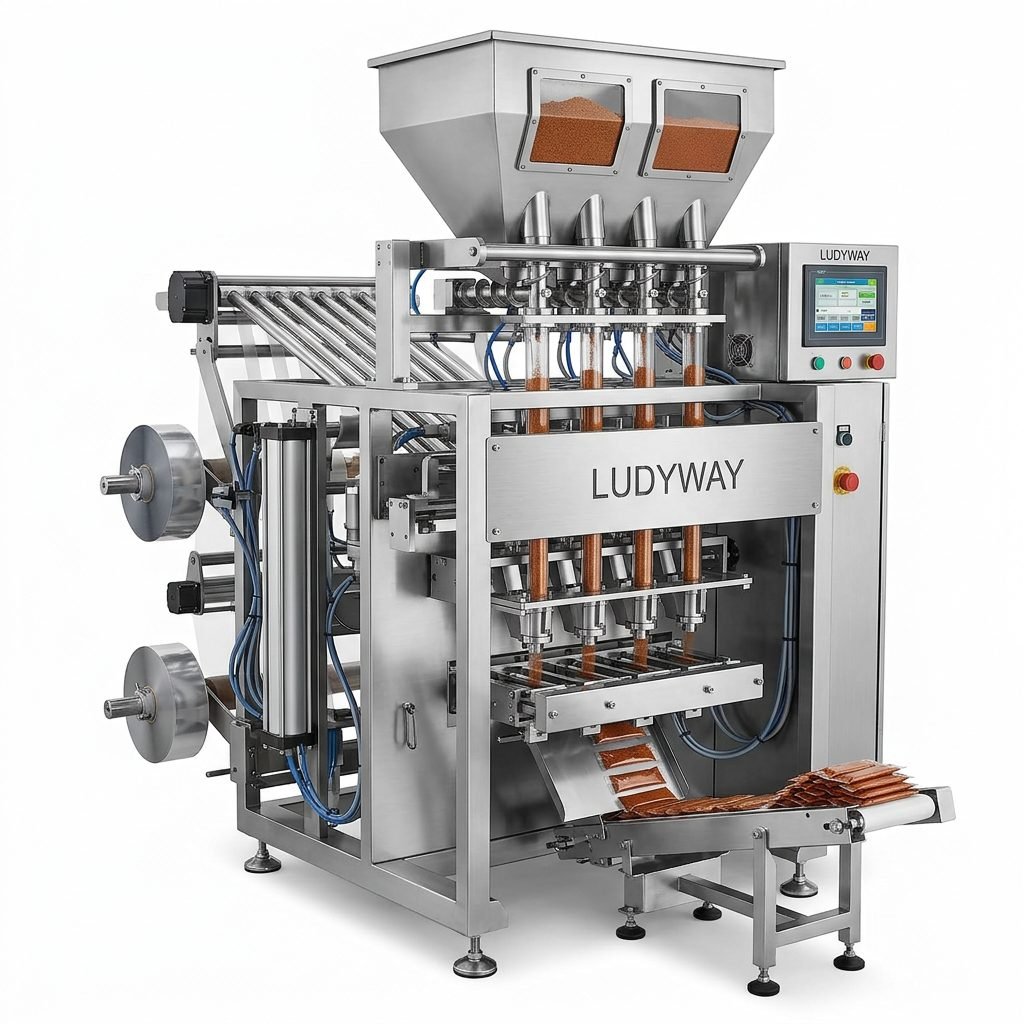
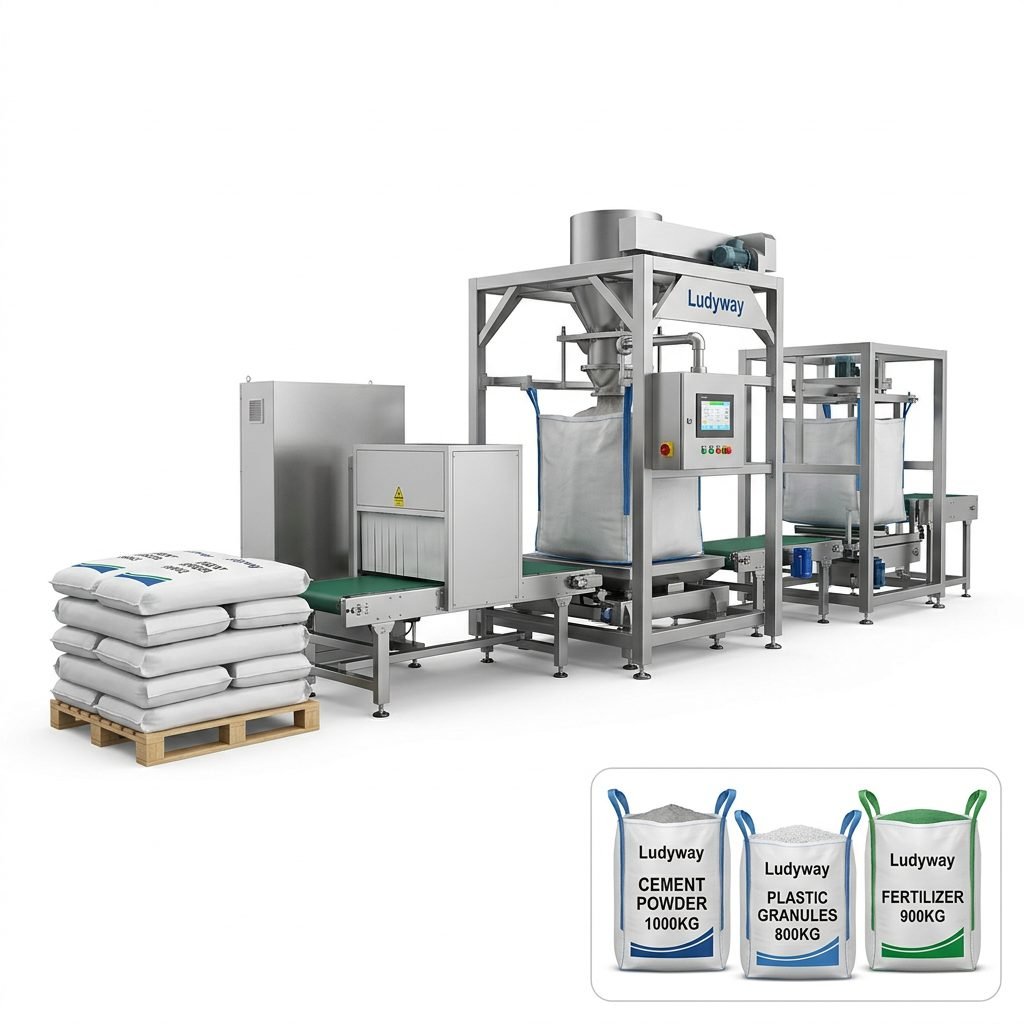
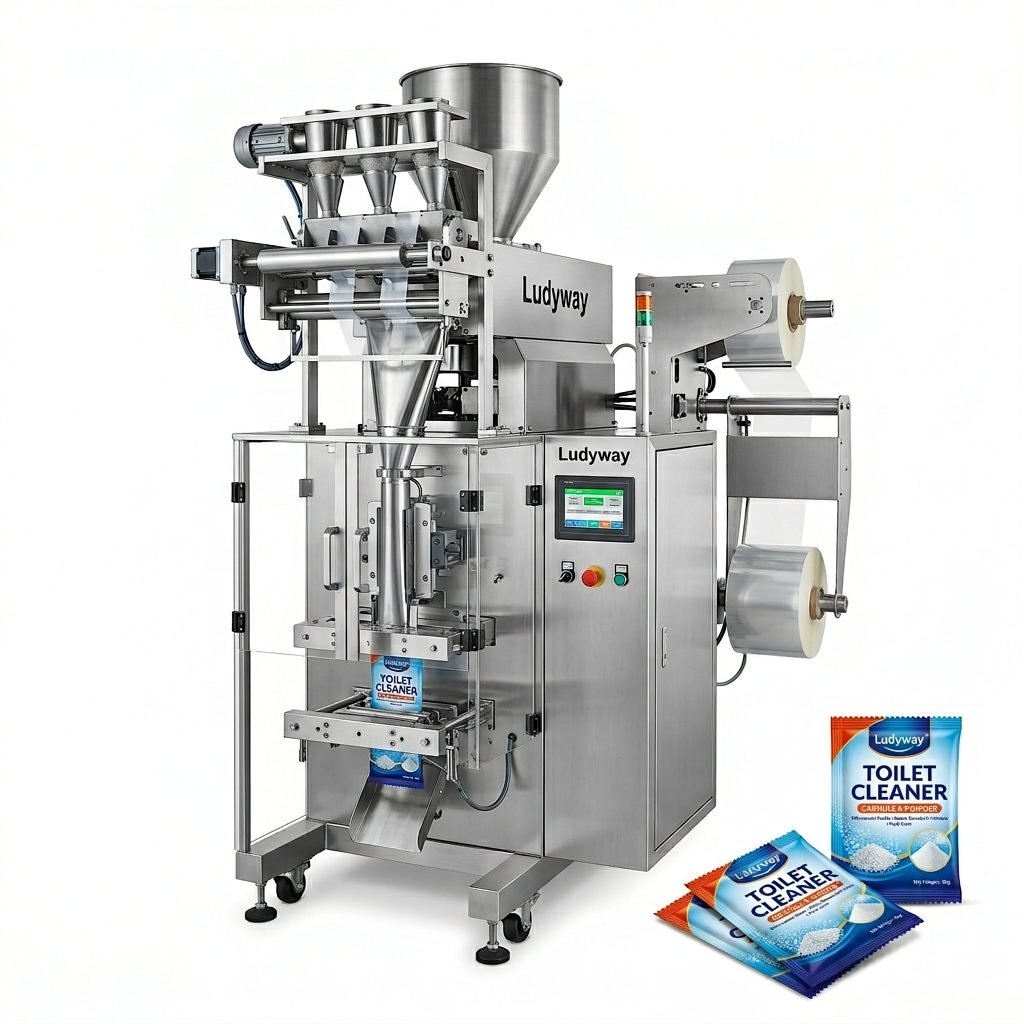
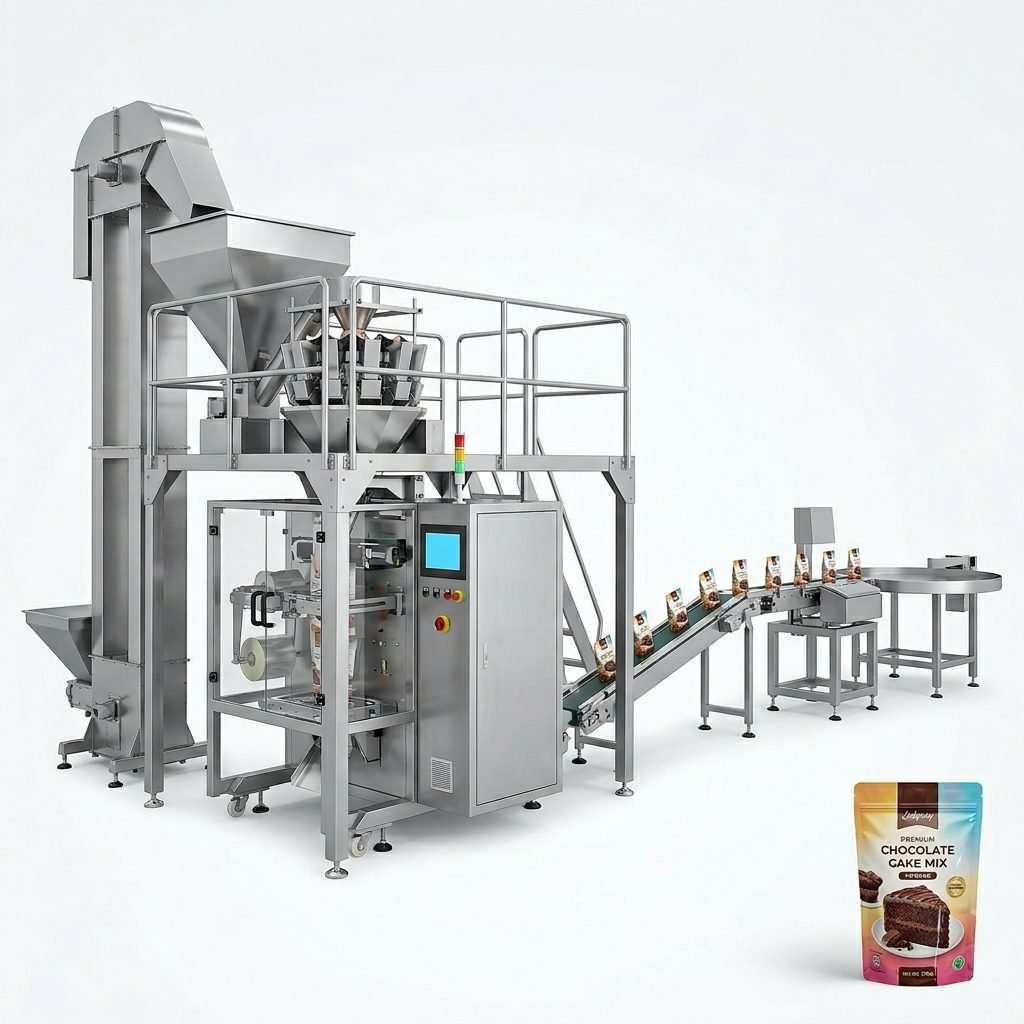
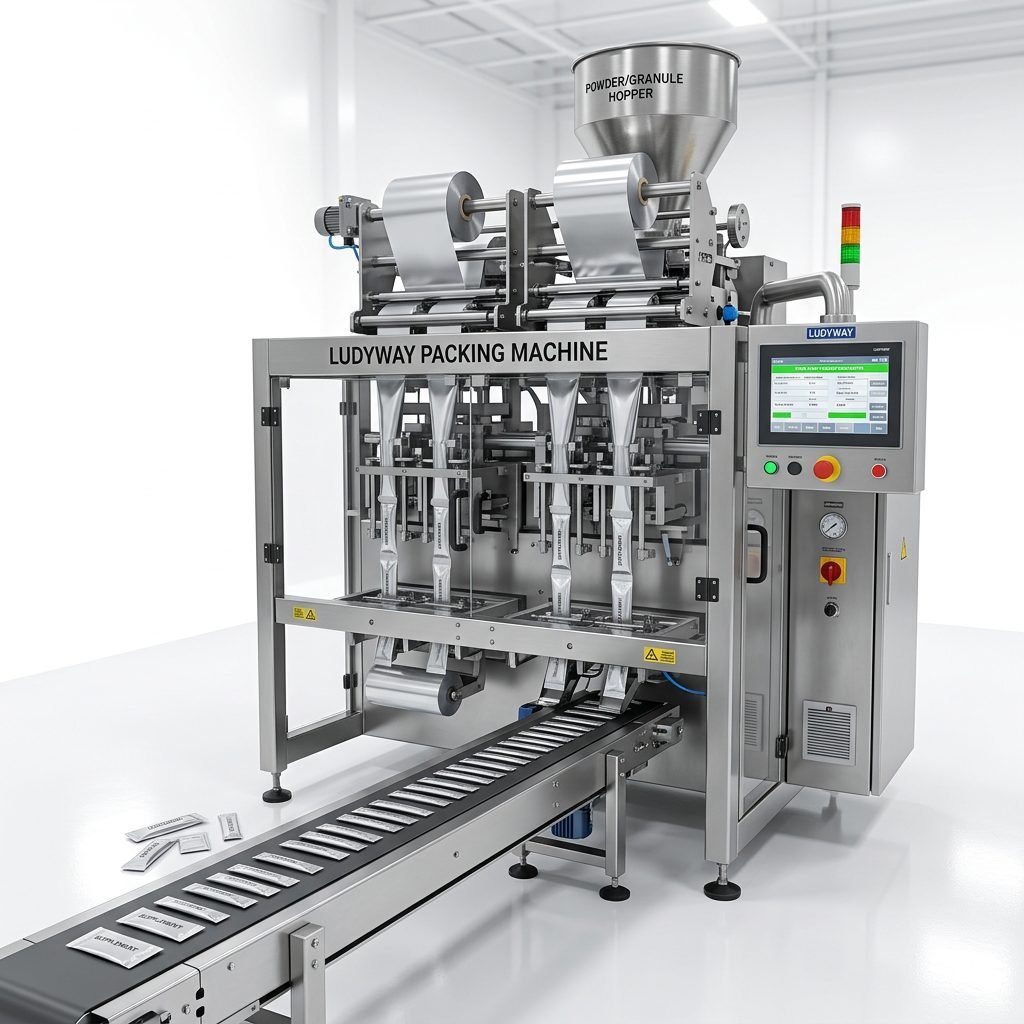
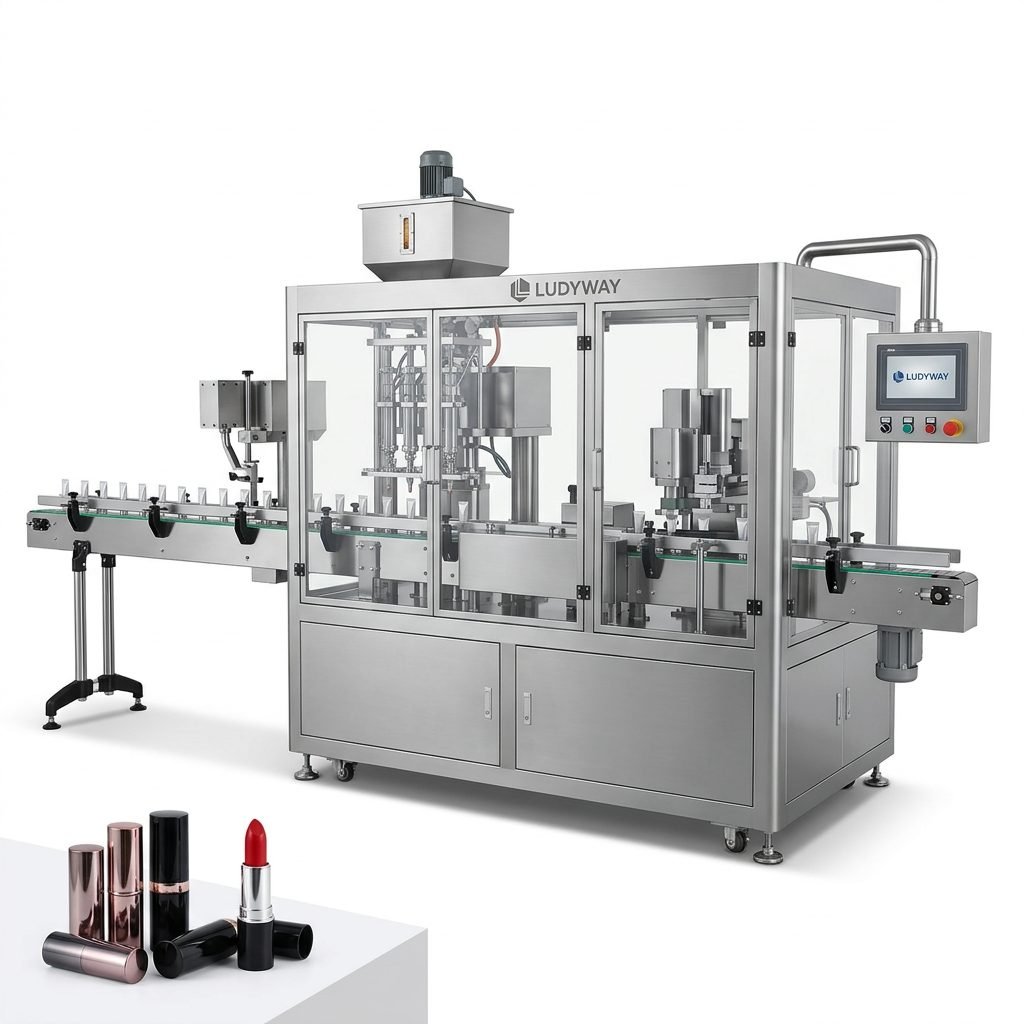
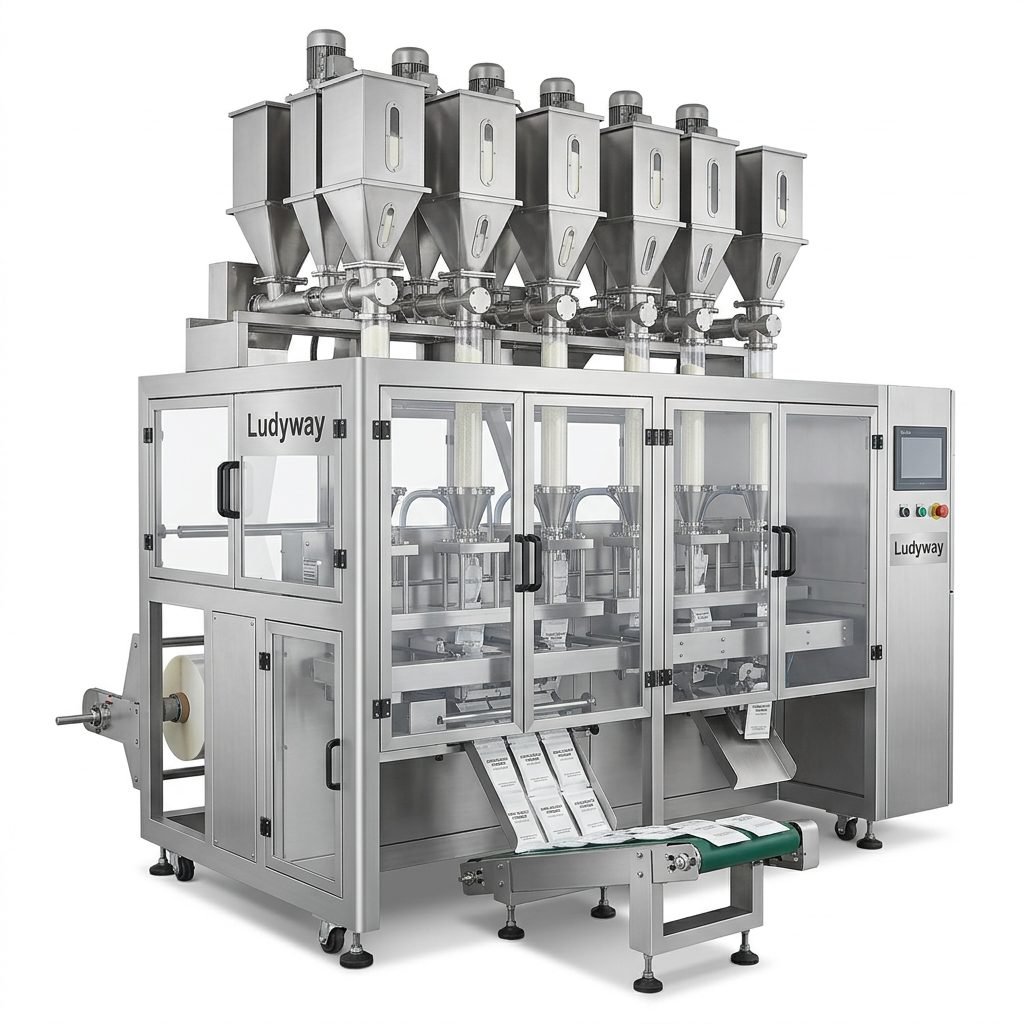
When sourcing your machine, the listed price is only one component of the total investment. Shipping costs for heavy machinery, import duties, and local voltage compatibility (ensuring the machine matches your 110V or 220V supply) can add significantly. Working directly with manufacturers can sometimes reduce costs. One such company is Ludyway, one of the largest packaging machine manufacturers in China, specializing in advanced packaging equipment and turnkey production solutions for the food, pharmaceutical, and health industries. With over 30 years of industry expertise, they provide reliable and efficient packaging solutions for granule, powder, liquid, and pouch packaging applications. They can advise on machine configuration and freight logistics, helping you avoid expensive surprises when importing your powder packaging machine for tea dust or matcha.
Comparing Quotes: What to Ask the Vendor
Requesting a detailed quotation protects you from baseline price traps where essential accessories are not included. Ask if the price covers the vacuum pump oil, spare sealing bars, an initial set of sample bags, and the power cord compatible with your country’s outlet. Inquire about the warranty period specifically for the vacuum pump, as this is the most expensive and critical component to fail. A professional supplier will always provide a breakdown of the hand-operated tea vacuum packing machine cost, separating the equipment charge from packing, freight, and any training or installation manuals.
Integrating Your Manual Machine into a Larger Packaging Workflow
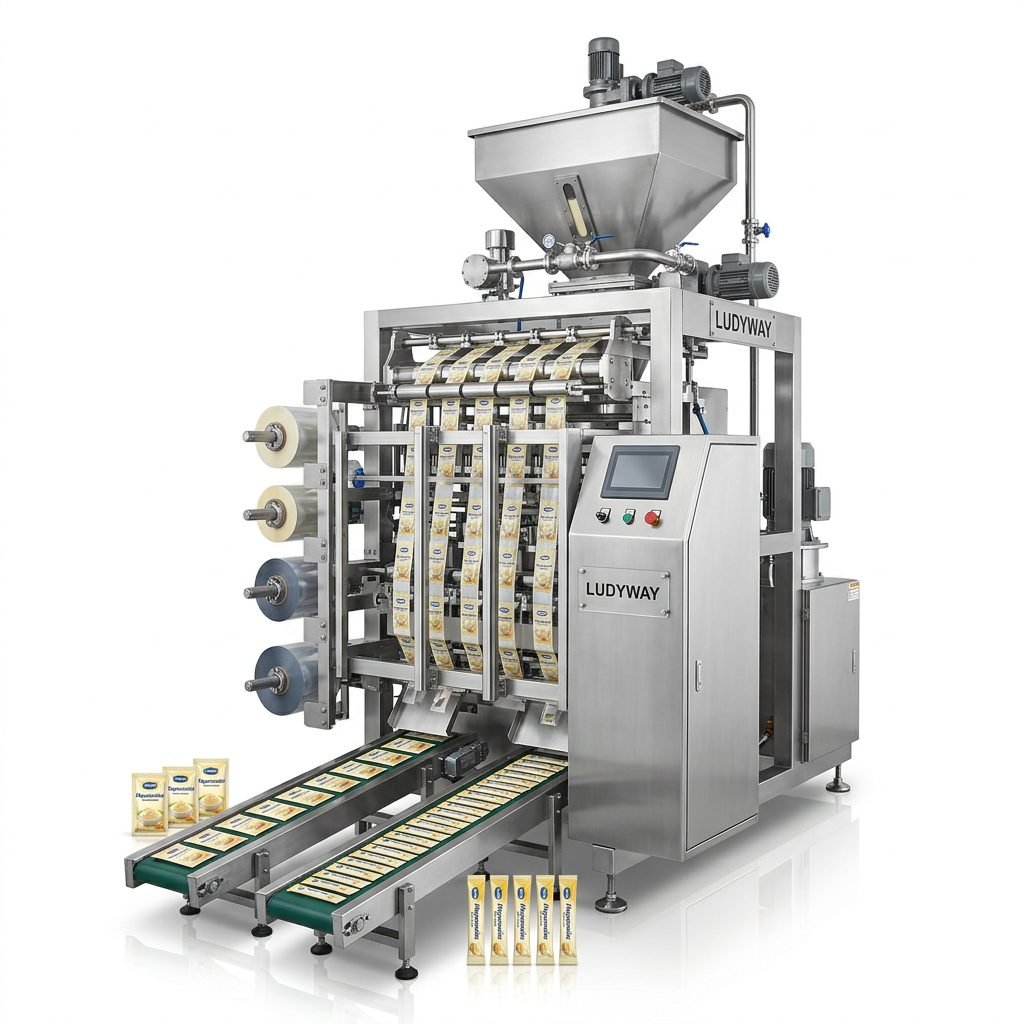
A hand-operated machine often serves as a quality control or overflow station within a larger facility. For high-volume runs, linking your manual sealing area with automated weighing machines for bulk tea increases efficiency without requiring a full switch to automatic lines. For example, a semi-automatic weigher can drop precise 100g portions into pouches that are then hand-transferred to the vacuum sealer. This hybrid approach optimizes both cost and throughput. When you eventually upgrade to automated stick pack packaging systems for single-serve tea bags, the manual vacuum unit remains valuable for sample batches and large-format retail packs.
Conclusion: Matching Investment to Production Scale
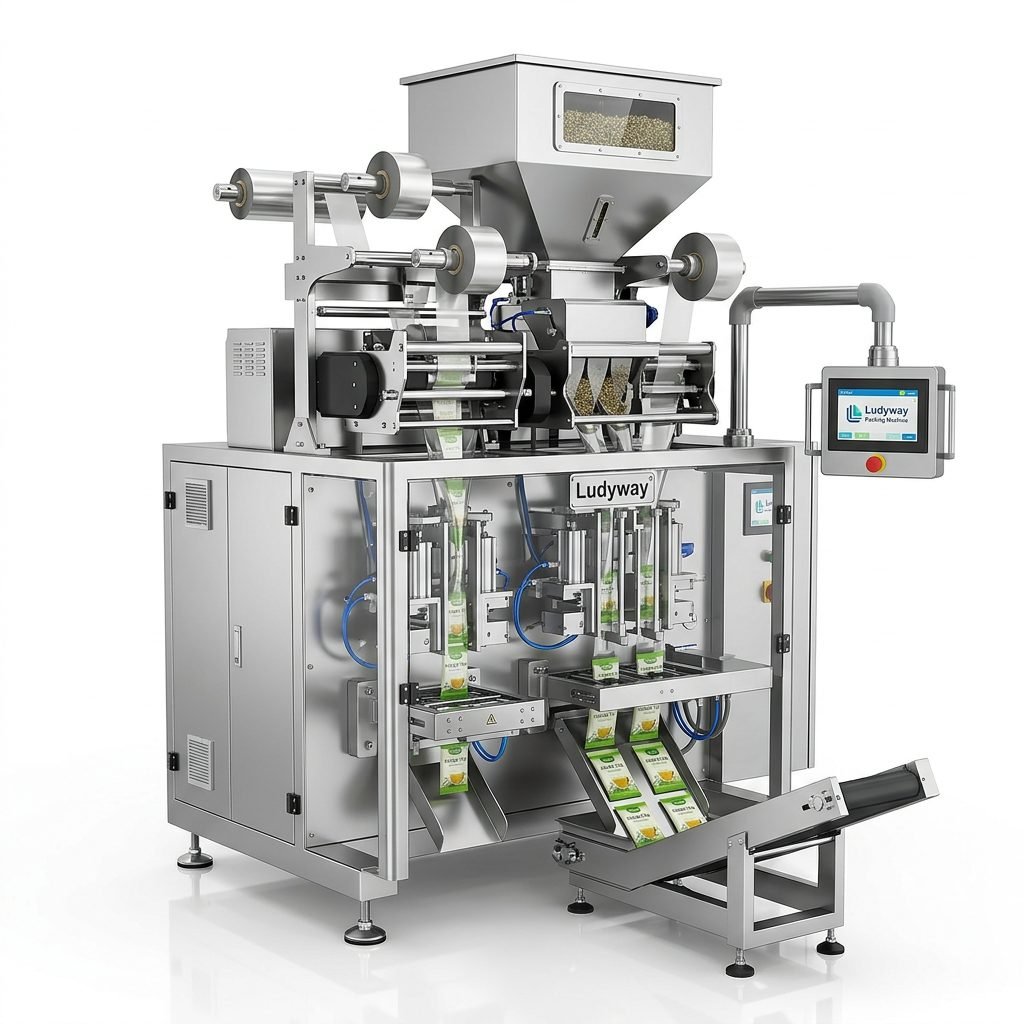
The cost of a hand-operated tea vacuum packing machine ultimately reflects a balance between your production volume and your commitment to product quality. For start-ups and artisan producers, a mid-range unit around $1,500 often represents the sweet spot, delivering commercial-grade seals without high automation complexity. As airtight packaging becomes a non-negotiable standard in the tea industry, securing the right machine at the right price safeguards your brand’s reputation and reduces costly spoilage.
Further Resources
Explore authoritative industry resources to deepen your understanding of packaging standards and market trends: