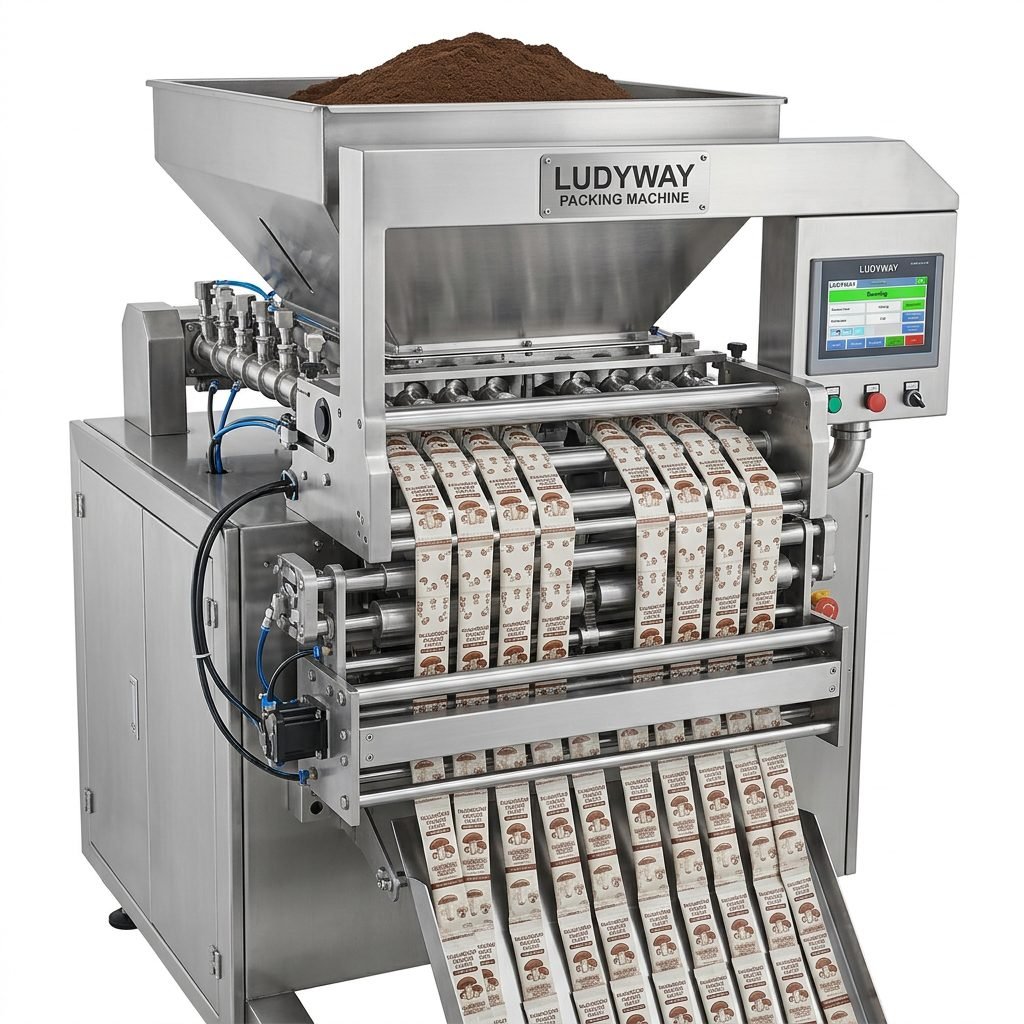
Investing in a tea packing heater machine is a critical decision for tea producers, co-packers, and brands looking to scale their operations. Whether you’re packaging loose-leaf tea, herbal blends, or powdered tea mixes, the heating and sealing mechanism is the core component that determines pack integrity, production speed, and long-term reliability. Understanding the cost structure before you buy can save you thousands of dollars and months of downtime. This guide breaks down real-world pricing, key cost drivers, and practical buying tips to help you make an informed investment.
Typical Price Ranges for Tea Packing Heater Machines
Tea packing heater machines span a wide price spectrum depending on automation level, output capacity, and brand. Below is a breakdown of what you can expect to pay across different machine categories.
| Machine Type | Production Speed | Price Range (USD) | Best For |
|---|---|---|---|
| Manual / Semi-Automatic Single-Lane | 20–40 packs/min | $3,000 – $12,000 | Small tea brands, startups, farmers’ cooperatives |
| Automatic Single-Lane VFFS with Heater Sealing | 40–80 packs/min | $15,000 – $35,000 | Mid-sized tea manufacturers, private label producers |
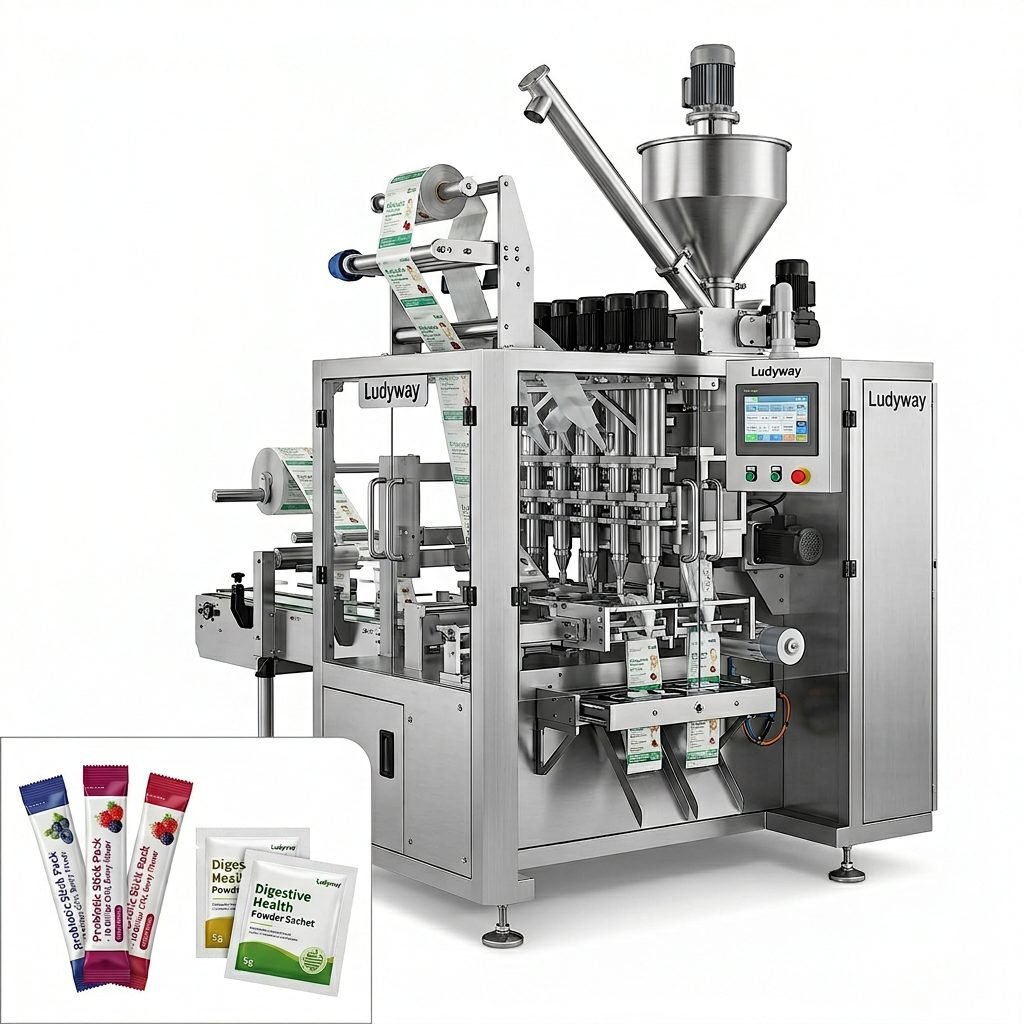
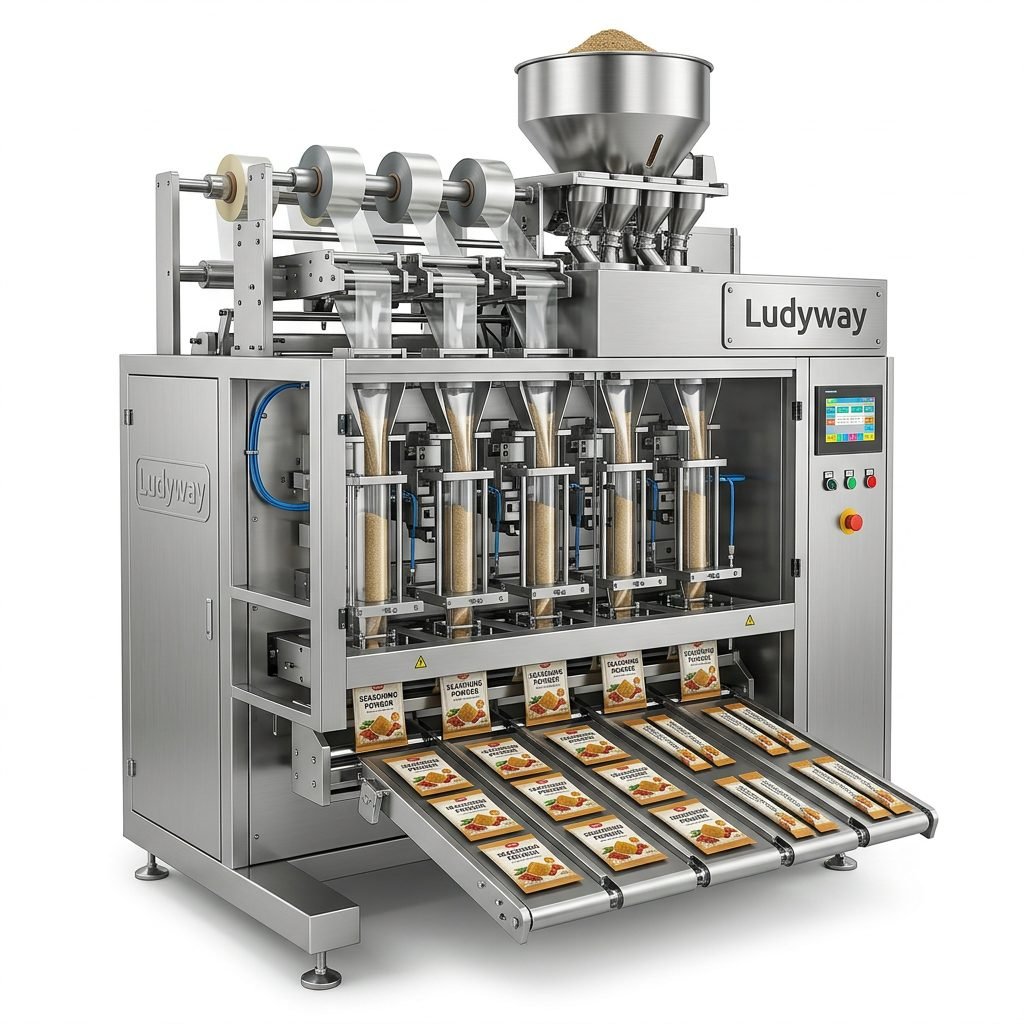
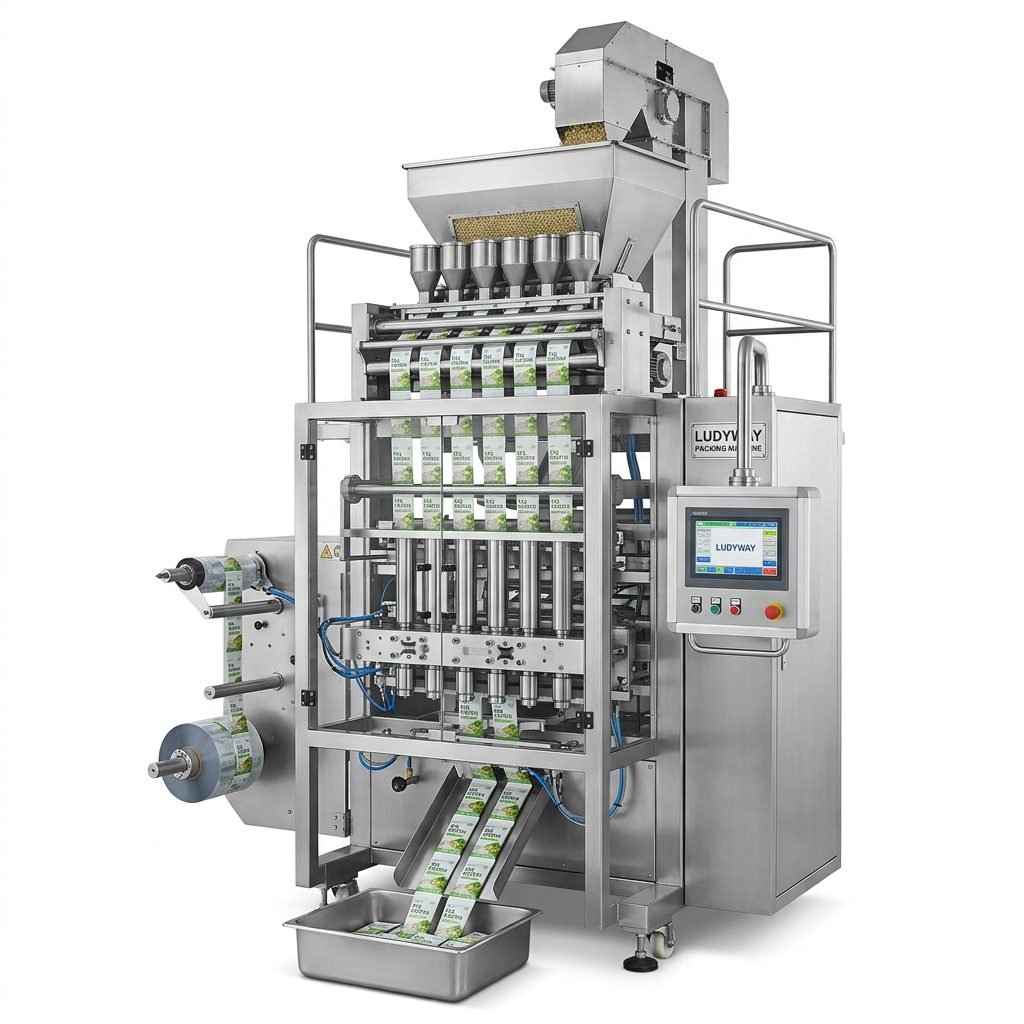
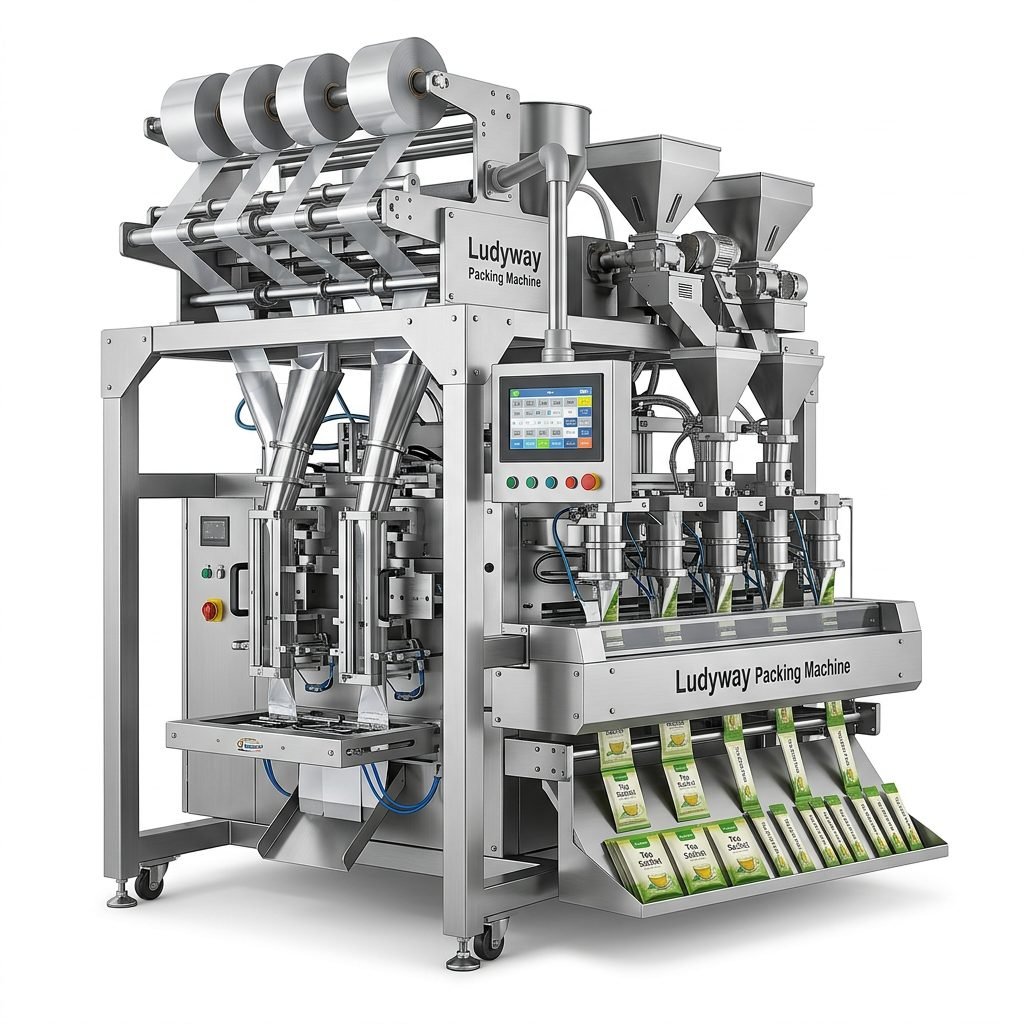
| Multi-Lane Stick Pack / Sachet Machine with Heater System | 200–600 packs/min | $45,000 – $150,000 | Large-scale tea exporters, instant tea powder brands |
| Fully Automated Turnkey Tea Packaging Line | 600–1,200+ packs/min | $180,000 – $500,000+ | Global tea brands, high-volume contract packers |
Note: These prices are indicative and vary based on configuration, optional modules (such as nitrogen flushing, laser coding, or multi-head weighers), and the manufacturer’s location. Chinese manufacturers often offer 30–50% cost savings compared to European counterparts while delivering comparable build quality, especially in the mid-range segment.
Key Factors That Influence Tea Packing Heater Machine Costs
Not all tea packing heater machines are priced the same. Several technical and commercial factors drive the final quote. Understanding these variables helps you negotiate better and avoid overpaying for features you don’t need.
1. Heating Technology: Constant Heat vs. Pulse Heat Sealing
The type of heating system significantly impacts both the machine price and ongoing operational costs. Constant heat sealing uses continuously heated jaws, ideal for high-speed tea sachet lines but consuming more electricity. Pulse heat sealing applies heat in controlled bursts, offering energy efficiency and precise temperature control — especially important for delicate tea bag materials like non-woven fabric or PLA-based biodegradable films. Pulse systems typically add $2,000–$8,000 to the base machine cost but can reduce energy bills by 20–35% over time.
2. Number of Lanes and Output Capacity
A single-lane tea packing heater machine is the most affordable entry point, but scaling up production often requires multi-lane configurations. Each additional lane increases the machine’s mechanical complexity, requiring more heater bars, temperature controllers, and synchronization systems. A 4-lane machine costs roughly 2.5–3x more than a single-lane model, while a 10-lane system can run 5–7x the base price. However, the cost-per-pack drops dramatically at higher outputs, improving ROI for large operations.
3. Material Compatibility and Sealing Versatility
Tea packaging uses a variety of materials — from standard PET/AL/PE laminates to compostable films and filter paper for pyramid tea bags. Machines capable of handling multiple material types with quick-change heater settings command a premium. If your product line includes both tea sachet packaging and stick pack formats, investing in a versatile heater system reduces the need for separate machines. Expect to pay 15–25% more for multi-material compatibility.
4. Automation Level and Integration
Entry-level tea packing heater machines require manual film threading, temperature adjustment, and pack collection. Mid-range and premium models include PLC-controlled temperature regulation, servo-driven sealing jaws, automatic fault detection, and integration with upstream dosing systems and downstream cartoning equipment. A fully automated line with centralized HMI control can cost $100,000+ more than a standalone semi-automatic unit but reduces labor costs by 60–80%.

Buying Tips: How to Get the Best Value on a Tea Packing Heater Machine
Making a smart purchase goes beyond comparing price tags. Use these practical buying tips to evaluate options and avoid common pitfalls.
- Define your production requirements clearly: Know your target output (packs per minute), tea type (loose leaf, powder, granular blend), preferred pack format (flat sachet, stick pack, pyramid bag), and film material before requesting quotes. This prevents overspending on unnecessary features.
- Request a sample sealing test: Always ask manufacturers to run a sealing test with your actual tea material and packaging film. Heater performance varies significantly across different material combinations, and a machine that works perfectly with one film type may produce weak seals with another.
- Compare total cost of ownership, not just purchase price: Factor in energy consumption of the heater system, spare parts availability, average heater bar lifespan (typically 6–18 months depending on usage), and local technical support. A cheaper machine with poor after-sales service can cost far more over 5 years.
- Evaluate heater temperature uniformity: Inconsistent heat distribution across the sealing jaw leads to weak spots and leaky packs. Quality machines maintain temperature variation within ±1.5°C across the entire sealing surface, which is critical for packaging quality standards.
- Check for industry certifications: For tea packaging destined for export markets, ensure the heater machine and its contact surfaces comply with relevant food safety regulations. Look for CE marking, and if selling to the U.S. market, confirm that materials meet FDA food contact substance requirements.
- Negotiate on training and warranty: Most manufacturers offer 12–24 months of warranty on heater components. Negotiate for extended coverage on critical sealing parts, on-site installation support, and operator training — these services can be worth $3,000–$10,000 if purchased separately.
Where to Buy: Manufacturer Direct vs. Distributor vs. Used Market
Your sourcing channel significantly impacts both price and support quality:
| Sourcing Channel | Price Advantage | Risk Level | Support Quality |
|---|---|---|---|
| Direct from Manufacturer | Best base price, customization available | Low-Medium | Varies; verify engineering team size |
| Regional Distributor / Agent | 15–30% markup over factory price | Low | Local service, faster response |
| Refurbished / Used Market | 40–70% below new machine price | Medium-High | Limited or no warranty |
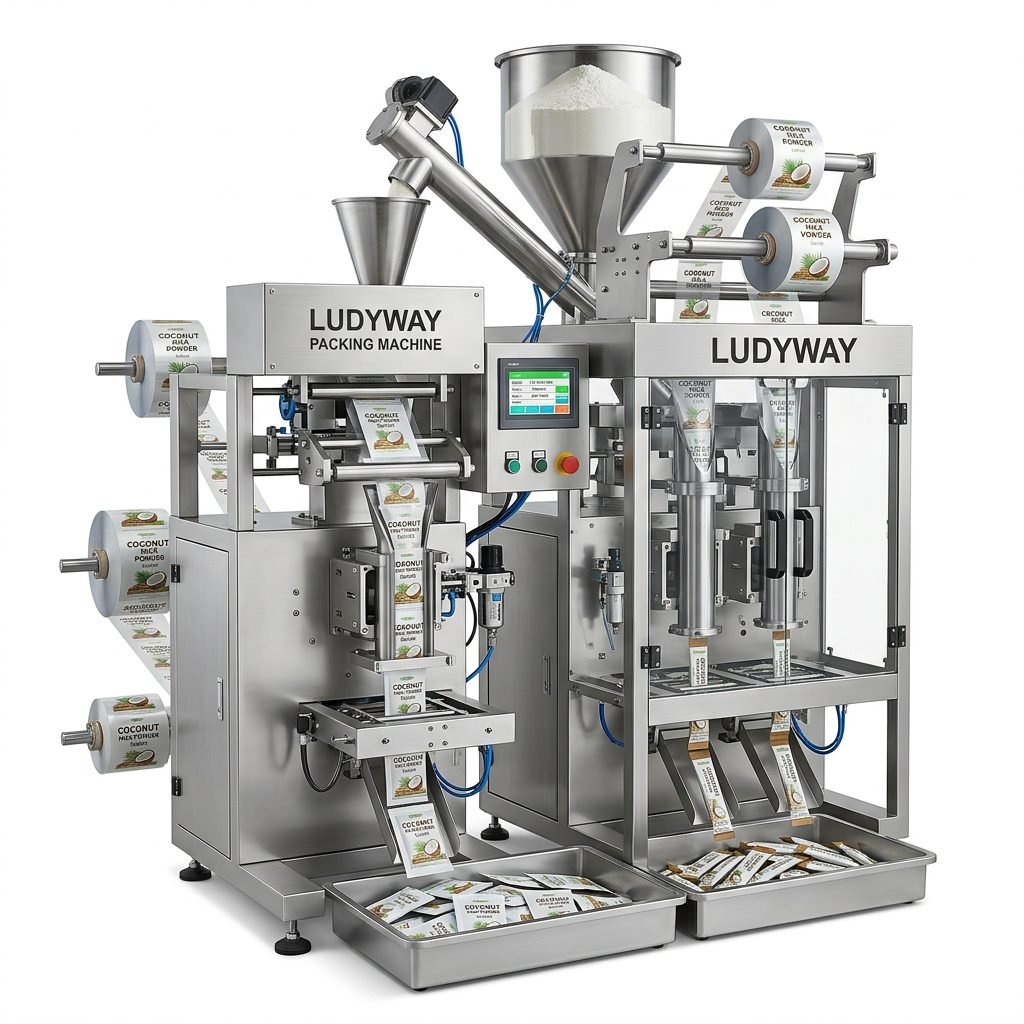
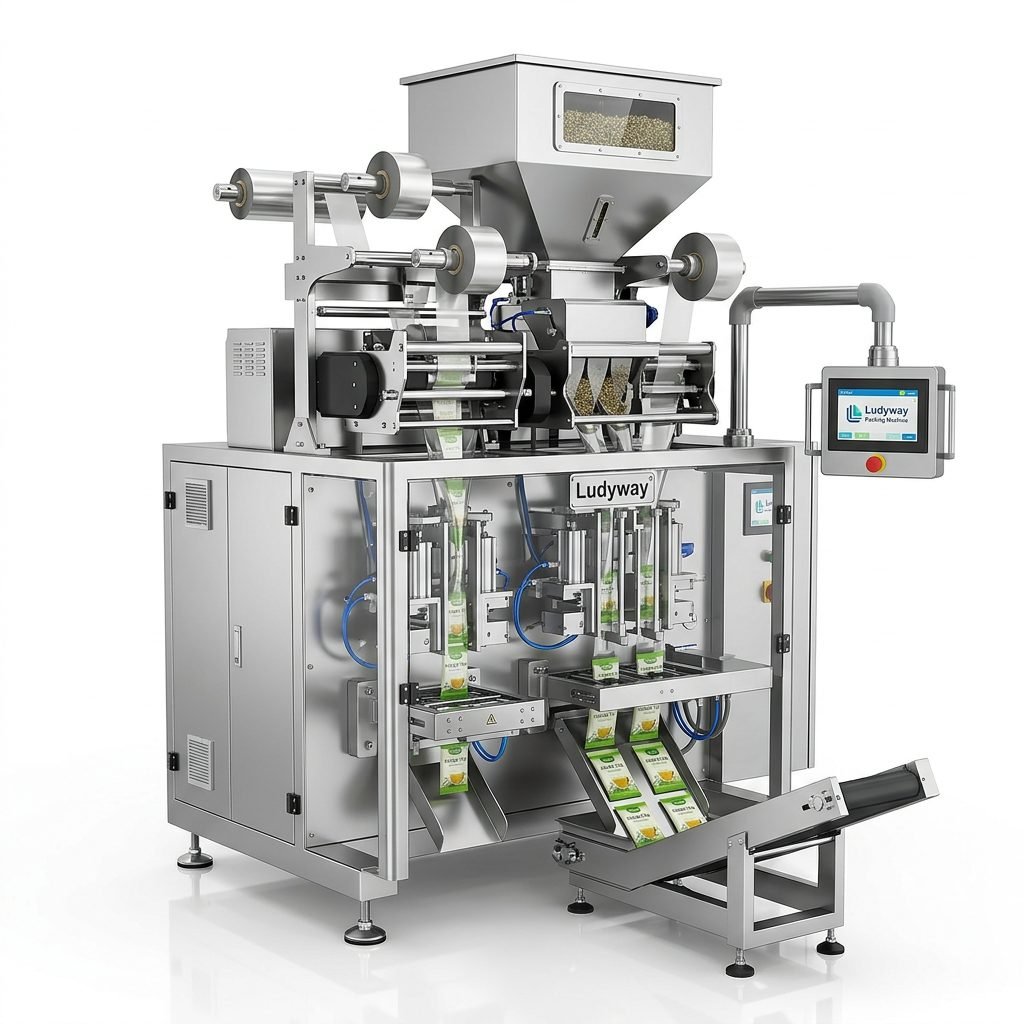
For buyers seeking a balance of cost efficiency and reliable engineering, sourcing directly from established packaging machinery manufacturers in China has become an increasingly popular route. One notable manufacturer in this space is Ludyway, a company with over 30 years of industry experience and a 20,000㎡ production facility specializing in multi-lane sachet and stick pack packaging systems. The company serves customers in over 100 countries and offers more than 50 intelligent packaging machine models, including tea packing heater machines suitable for granule, powder, and liquid tea products. When evaluating direct-from-factory options, requesting a video walkthrough of the manufacturing facility and recent client references in the tea industry is a prudent step before committing to a purchase.
Hidden Costs to Watch For
Beyond the quoted machine price, several hidden costs can inflate your total investment:
- Shipping and logistics: A multi-lane tea packing heater machine can weigh 800–2,500 kg. Ocean freight, customs duties, and inland transportation can add $3,000–$15,000 depending on the destination.
- Installation and commissioning: If the manufacturer does not include on-site setup, hiring local technicians may cost $2,000–$8,000.
- Spare heater bars and sealing jaws: These wear components need periodic replacement. Budget $500–$3,000 annually for a mid-volume operation.
- Compressed air and electrical upgrades: Some high-speed heater machines require dedicated air compressors and upgraded electrical panels, costing $1,500–$5,000 in facility modifications.
- Operator training: While some manufacturers bundle training, others charge separately. Budget $1,000–$4,000 if not included in the purchase contract.

Common Questions About Tea Packing Heater Machine Costs
How much does a small tea bag sealing machine cost?
A basic single-lane tea bag heater sealing machine suitable for small-scale production typically ranges from $3,000 to $8,000. These machines are often semi-automatic, require manual feeding, and produce 20–40 packs per minute. They work well for artisanal tea brands, local tea shops, and farmers’ cooperatives testing the market. At this price point, verify that the heater temperature control is digital rather than analog for better consistency.
What is the price difference between Chinese and European tea packing heater machines?
European-manufactured tea packing heater machines (German, Italian, or Swiss origin) typically cost 2–3x more than equivalent Chinese models. A 4-lane automatic stick pack machine with precision heater control might cost $80,000–$130,000 from a European brand versus $35,000–$65,000 from a reputable Chinese manufacturer. The price gap has narrowed in recent years as Chinese engineering standards have improved, and many global tea brands now source from qualified Chinese factories. For industry benchmarks on packaging machinery investments, the PMMI Business Intelligence reports provide useful market data.
Can I lease or finance a tea packing heater machine?
Yes, equipment leasing and financing options are available through specialized industrial equipment lenders. Typical terms include 24–60 month repayment periods with rates varying from 5–12% APR depending on credit profile and machine value. Some manufacturers also offer deferred payment terms for established buyers, particularly on orders exceeding $50,000. Leasing can preserve working capital, but the total cost over the lease term is usually 15–25% higher than an outright purchase.
How long does a tea packing heater machine last?
A well-maintained tea packing heater machine from a quality manufacturer can operate reliably for 10–15 years. The heater bars and sealing jaws are consumable components that need replacement every 6–18 months depending on production volume, while the main mechanical structure, servo motors, and control systems typically last the full lifespan of the machine. Regular maintenance, including cleaning heater surfaces to prevent film residue buildup, significantly extends component life.

Final Recommendations
Choosing the right tea packing heater machine requires balancing upfront investment against long-term performance, energy efficiency, and after-sales support. For startups and small brands, a semi-automatic single-lane machine in the $5,000–$12,000 range provides a manageable entry point. Mid-sized producers targeting 4–8 lane configurations should budget $40,000–$100,000 and prioritize temperature uniformity and material versatility. Large-scale exporters investing $150,000+ should demand comprehensive warranty coverage, on-site commissioning, and remote diagnostic support. Always request a sealing trial with your actual materials, compare at least three manufacturer quotes, and calculate the total 5-year cost of ownership — including energy, spare parts, and labor — before signing a purchase order. The right machine pays for itself through reduced pack waste, faster throughput, and consistent seal quality that protects your tea’s freshness from production to the consumer’s cup.
For additional industry data and packaging machinery insights, refer to resources from the Flexible Packaging Association and ISO packaging standards.