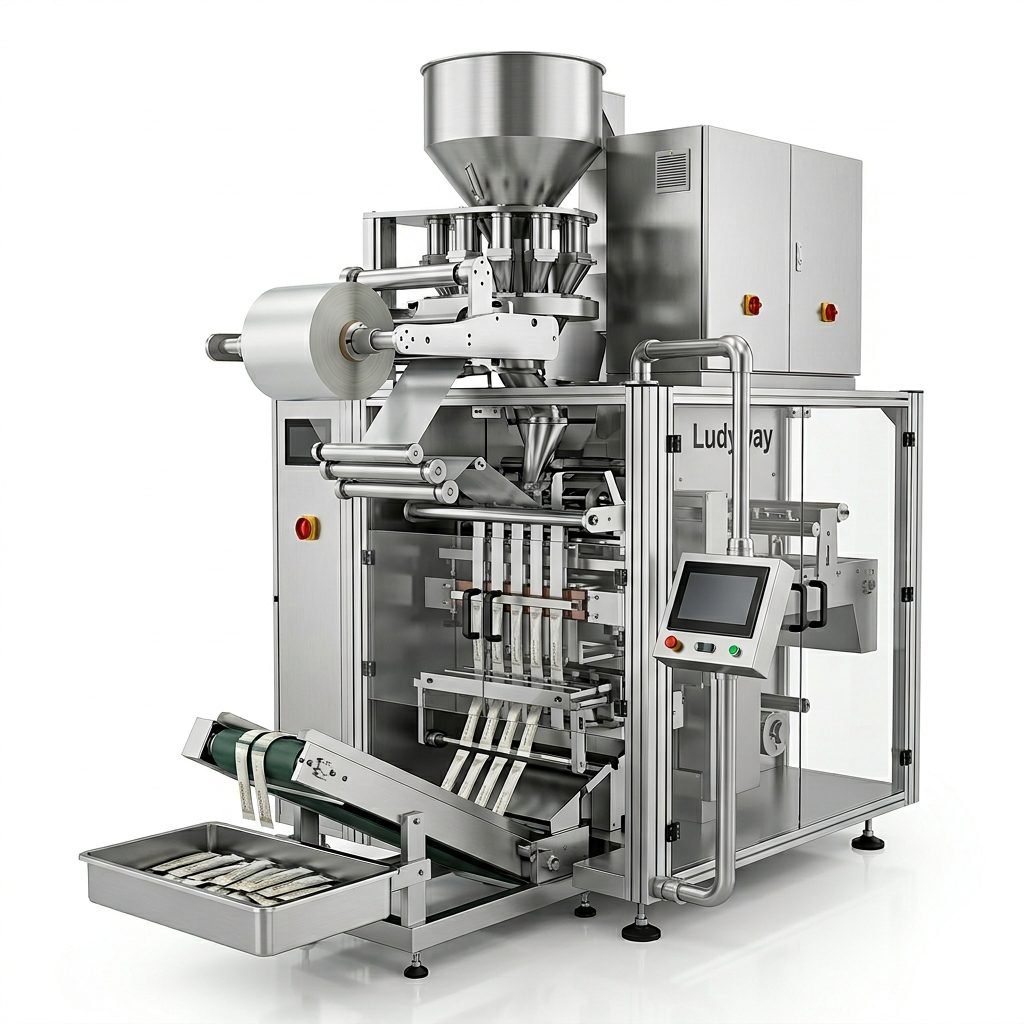
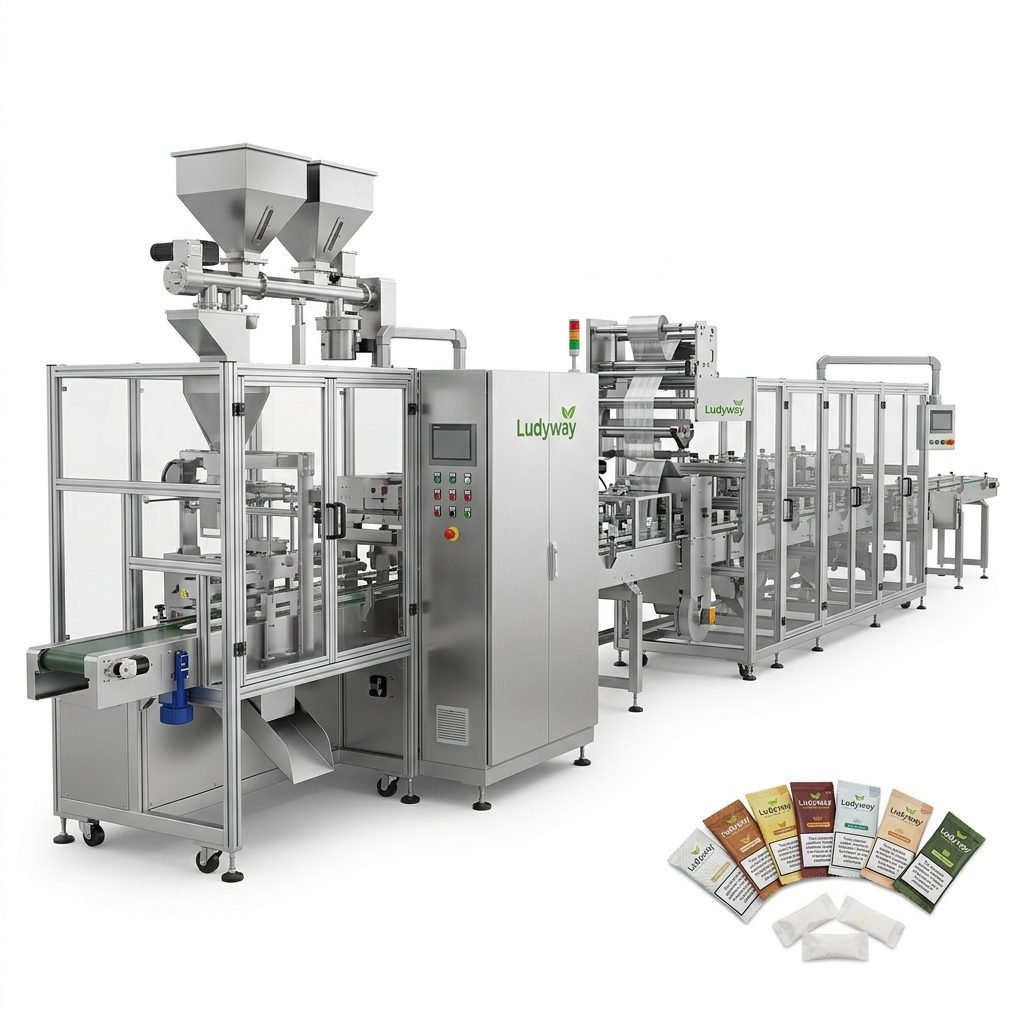
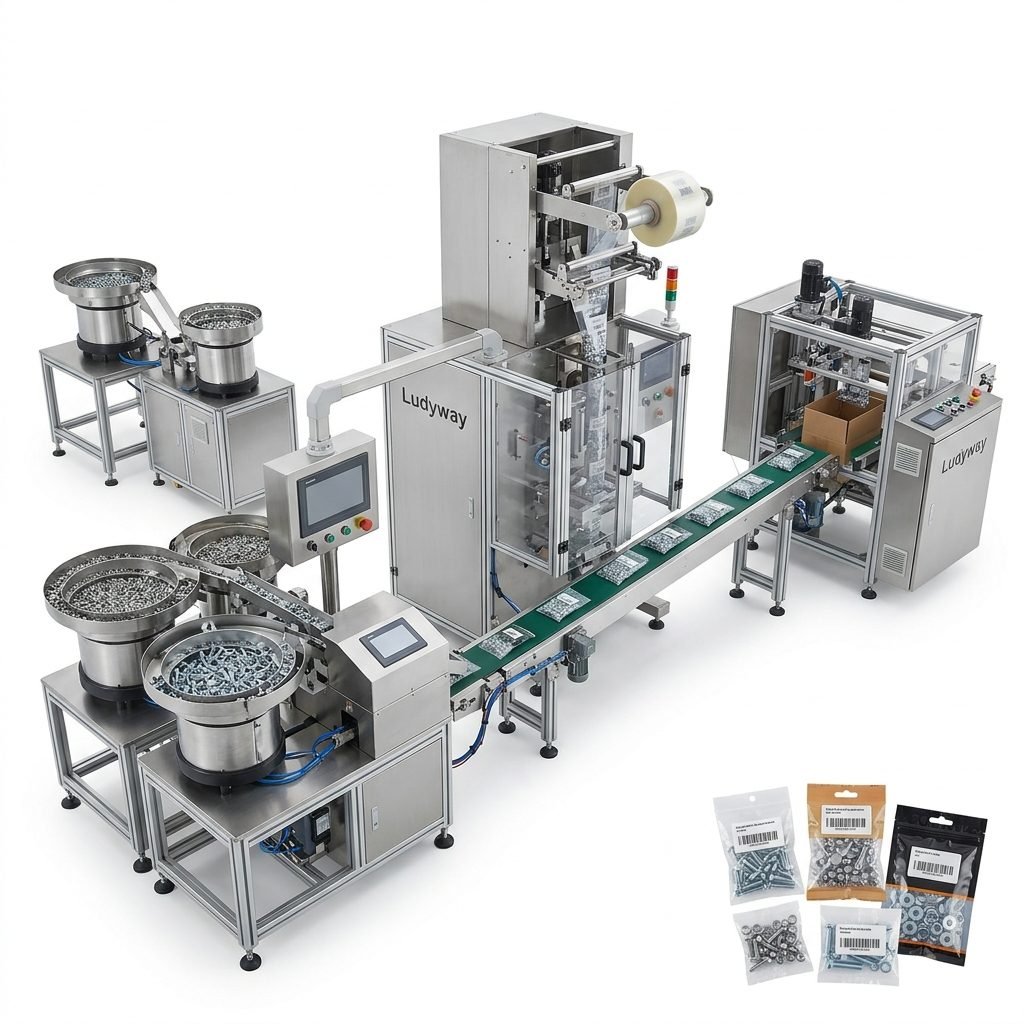
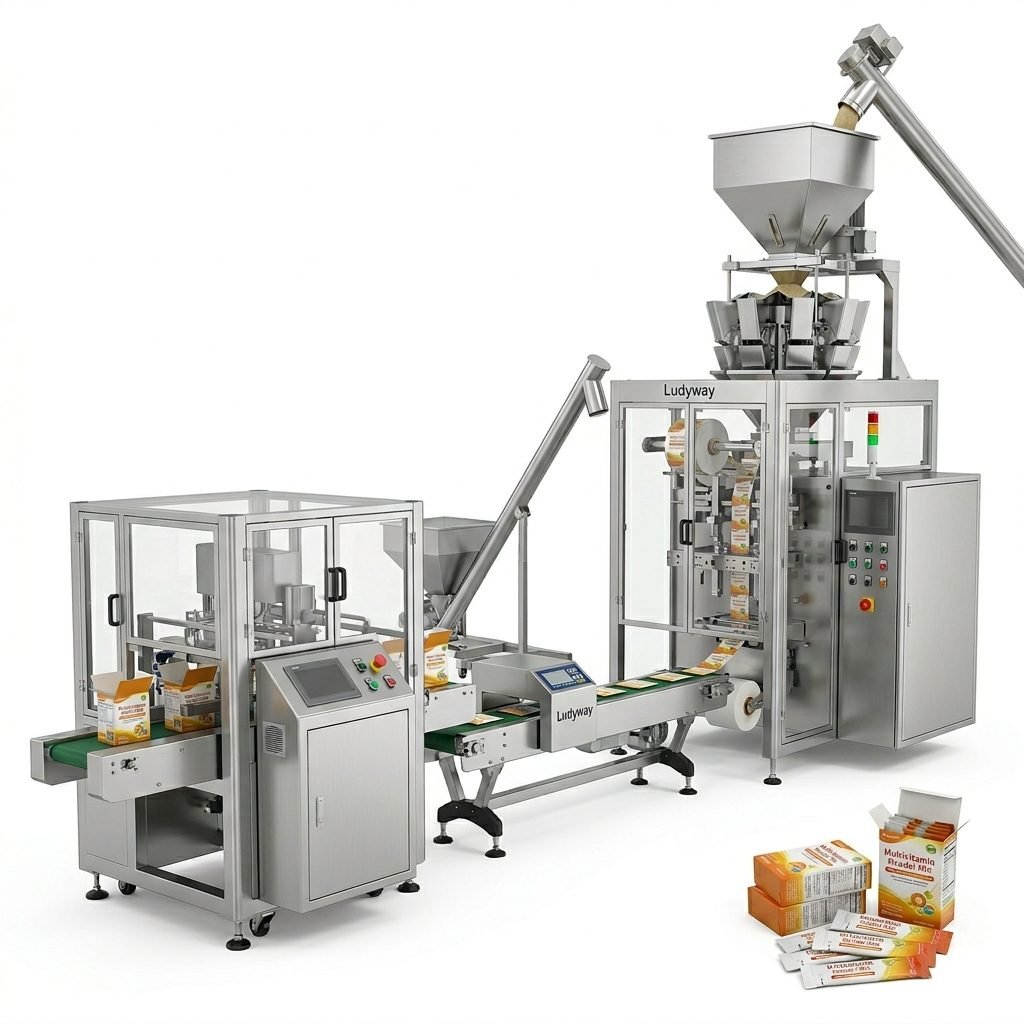
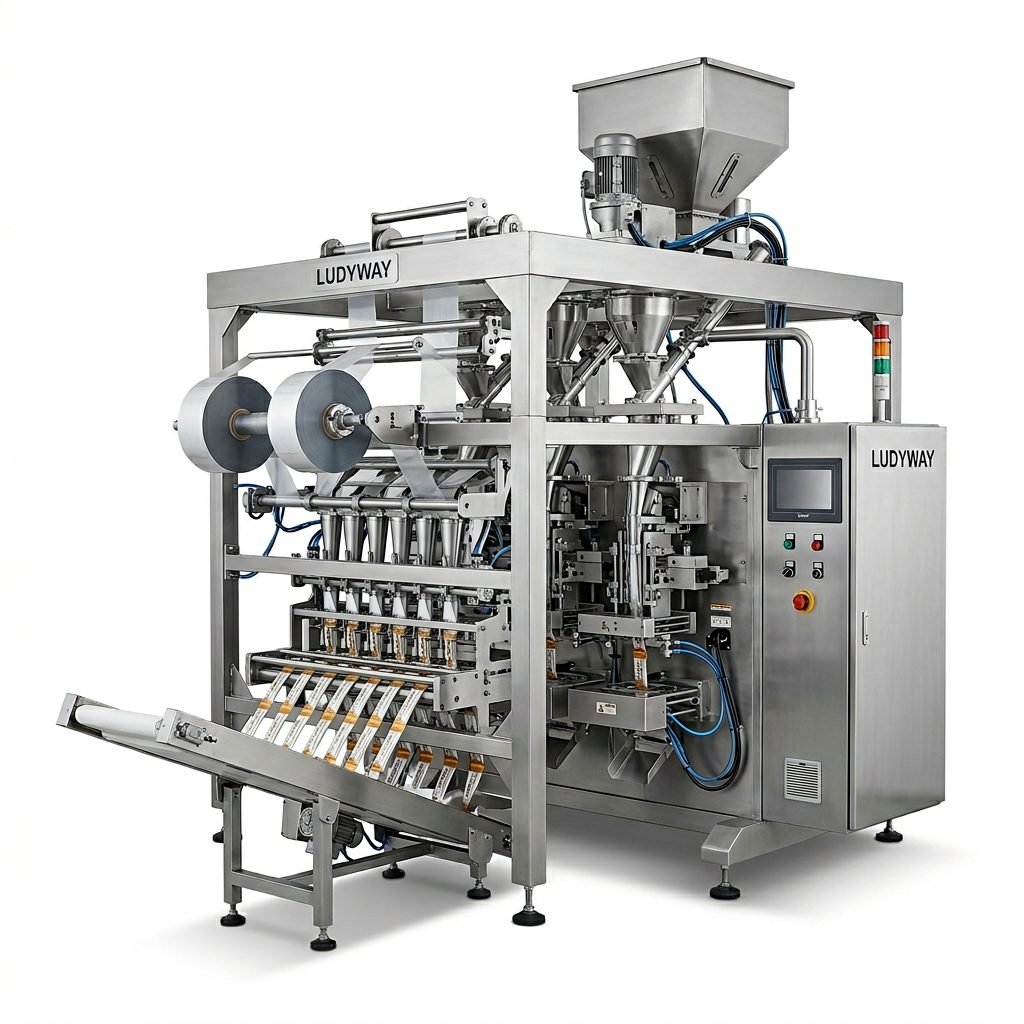
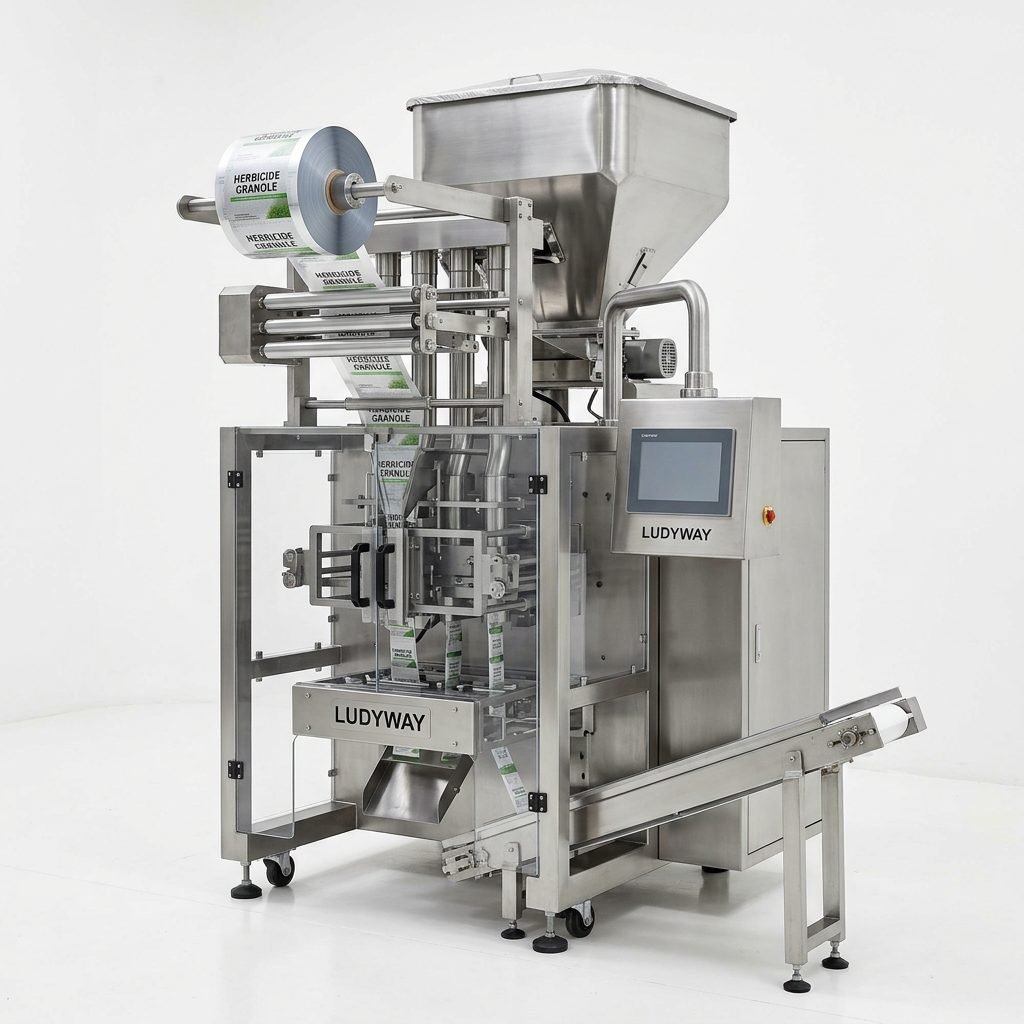
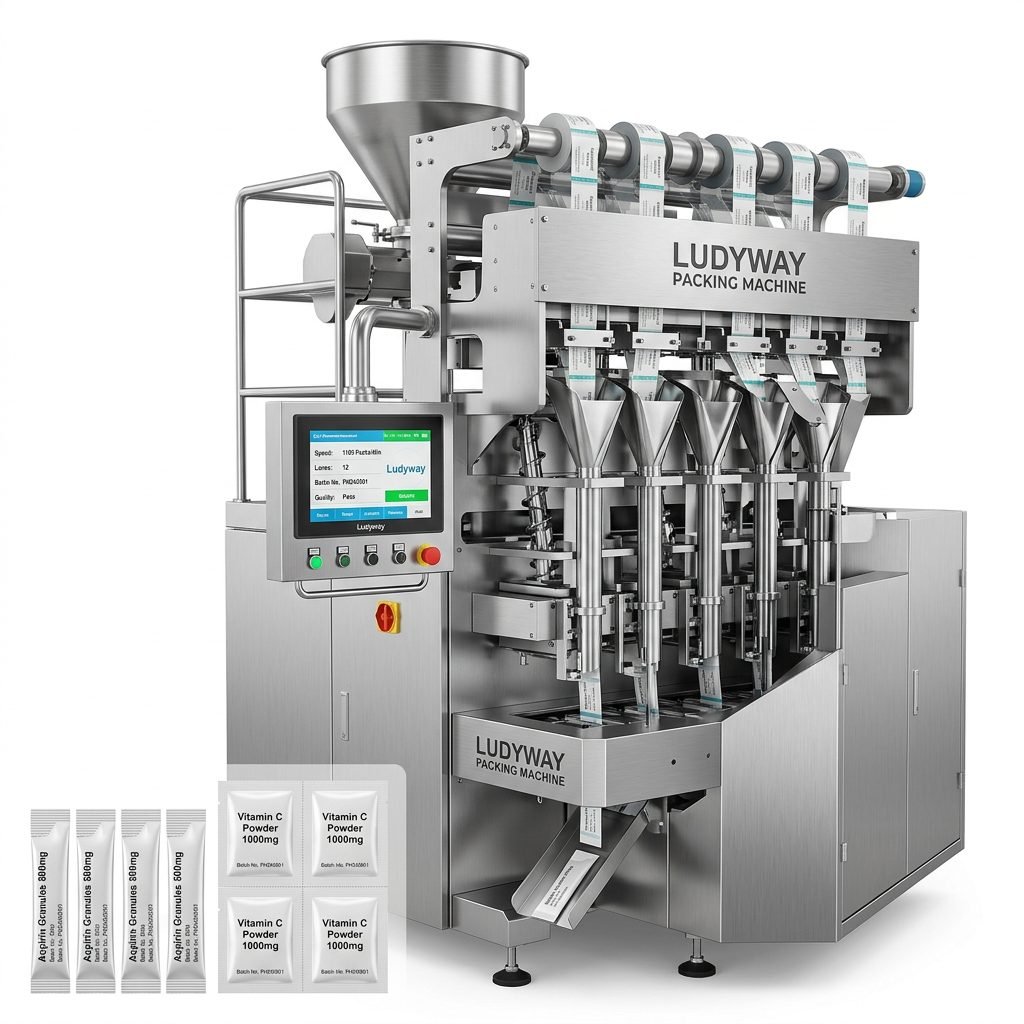
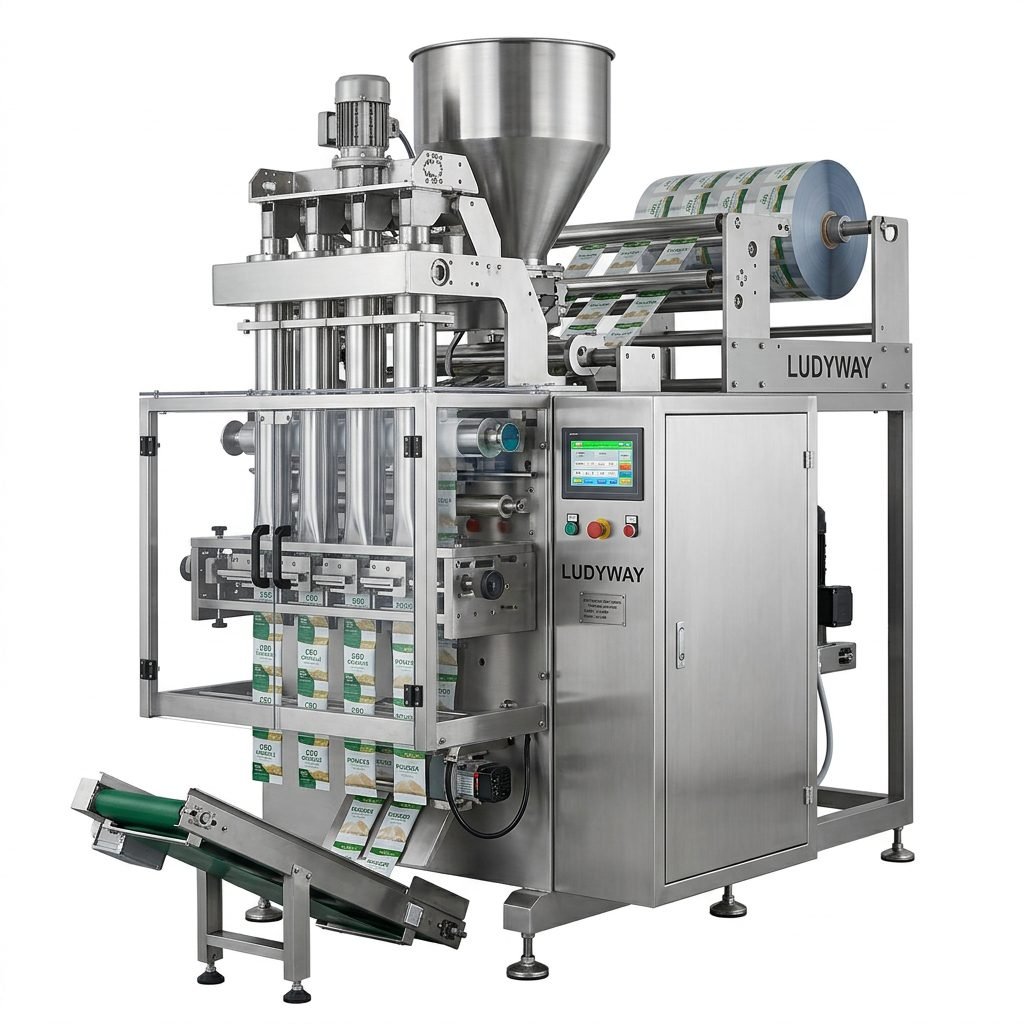
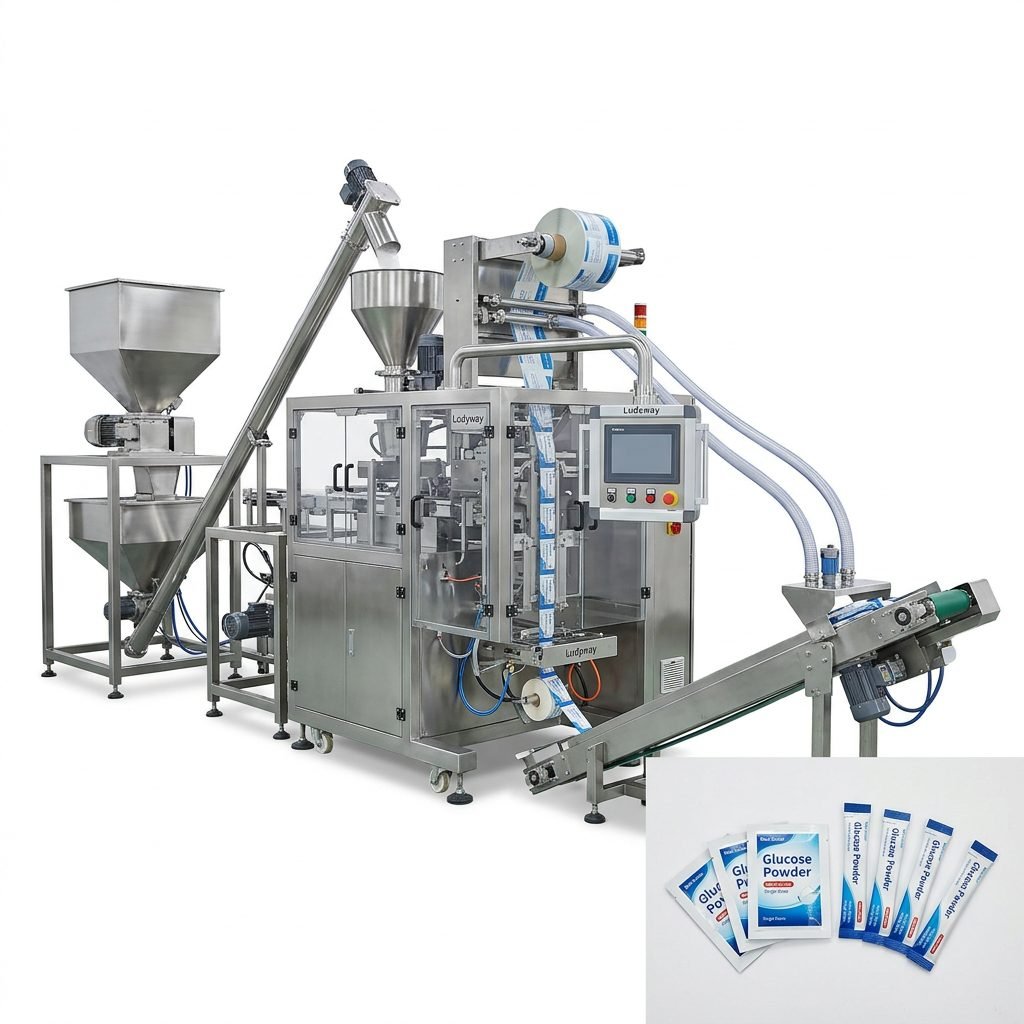
An ice cube packing machine is a critical asset in the food and beverage supply chain. Whether you are operating a multi-lane stick pack system or a high-speed sachet filler, consistent output and minimal downtime are directly tied to how well you maintain the equipment. Neglecting routine care can lead to inconsistent seal integrity, product contamination, and costly unplanned stoppages. This guide details actionable steps to keep your automatic ice packing system running at peak performance year-round.
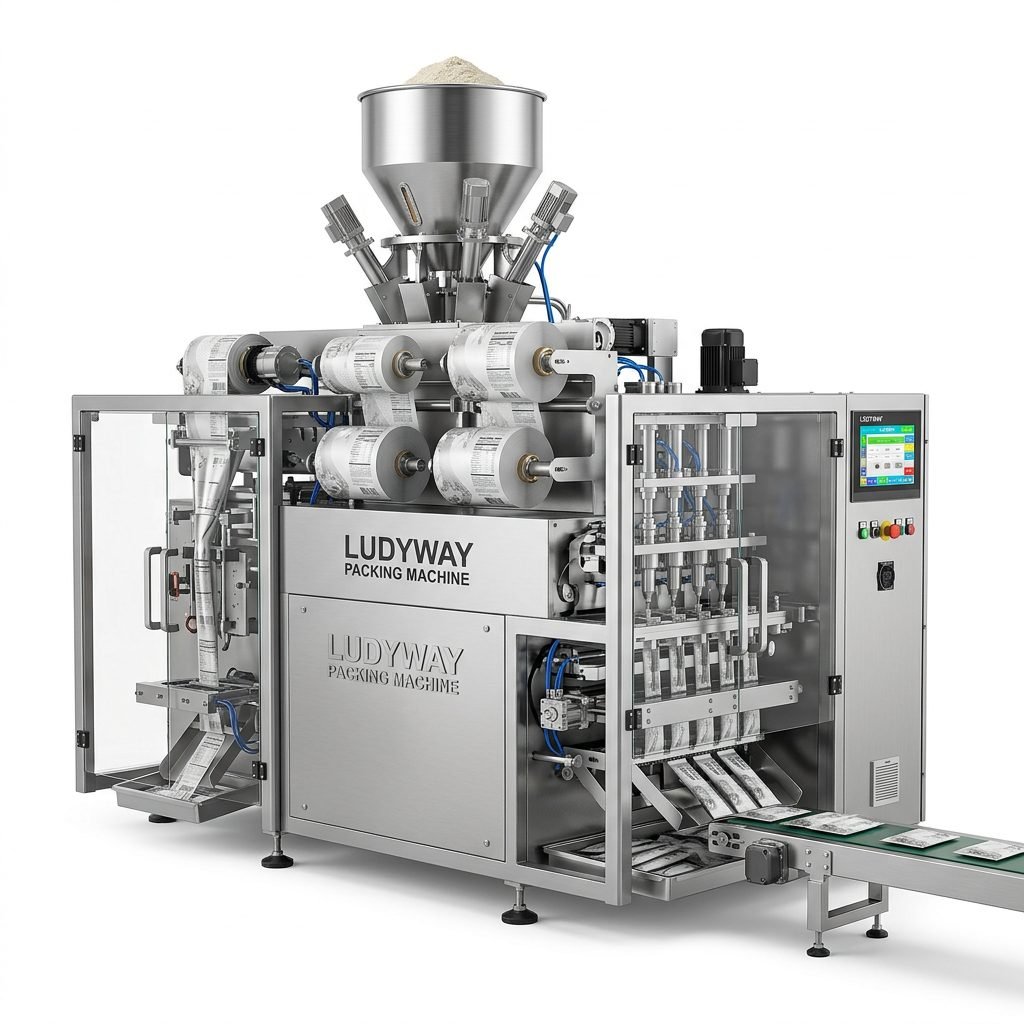
Daily Cleaning and Sanitation Protocols
Moisture is the biggest enemy of an ice cube packing machine. Because these machines operate in cold and often wet environments, residue buildup can freeze inside forming tubes and sealing jaws. A strict daily protocol prevents these issues:
- Wipe down surfaces: Remove condensation and water splashes from stainless steel panels immediately after shifts.
- Clean film path: Inspect and wipe the film carriage rollers to avoid ice crystal transfer onto the packaging film.
- Sanitize contact parts: Use food-grade sanitizers on the hopper, weigher, and forming tube interiors to prevent microbial growth.
- Air purge: Blow filtered compressed air through the jaw area to dislodge any ice particles before they solidify overnight.
Lubrication Management for Cold Environments
Standard lubricants often thicken or fail under the low-temperature conditions required for ice packaging. Using the wrong grease is a common cause of motor burnout and mechanical binding. Always select food-grade synthetic lubricants rated for sub-zero environments.
Critical lubrication points include:
- Main drive chains and sprockets
- Sealing jaw eccentric bearings
- Film unwinding shafts
- Cross-seal actuating cams
Over-lubrication can attract dust and ice shavings, so apply sparingly and wipe away excess immediately.
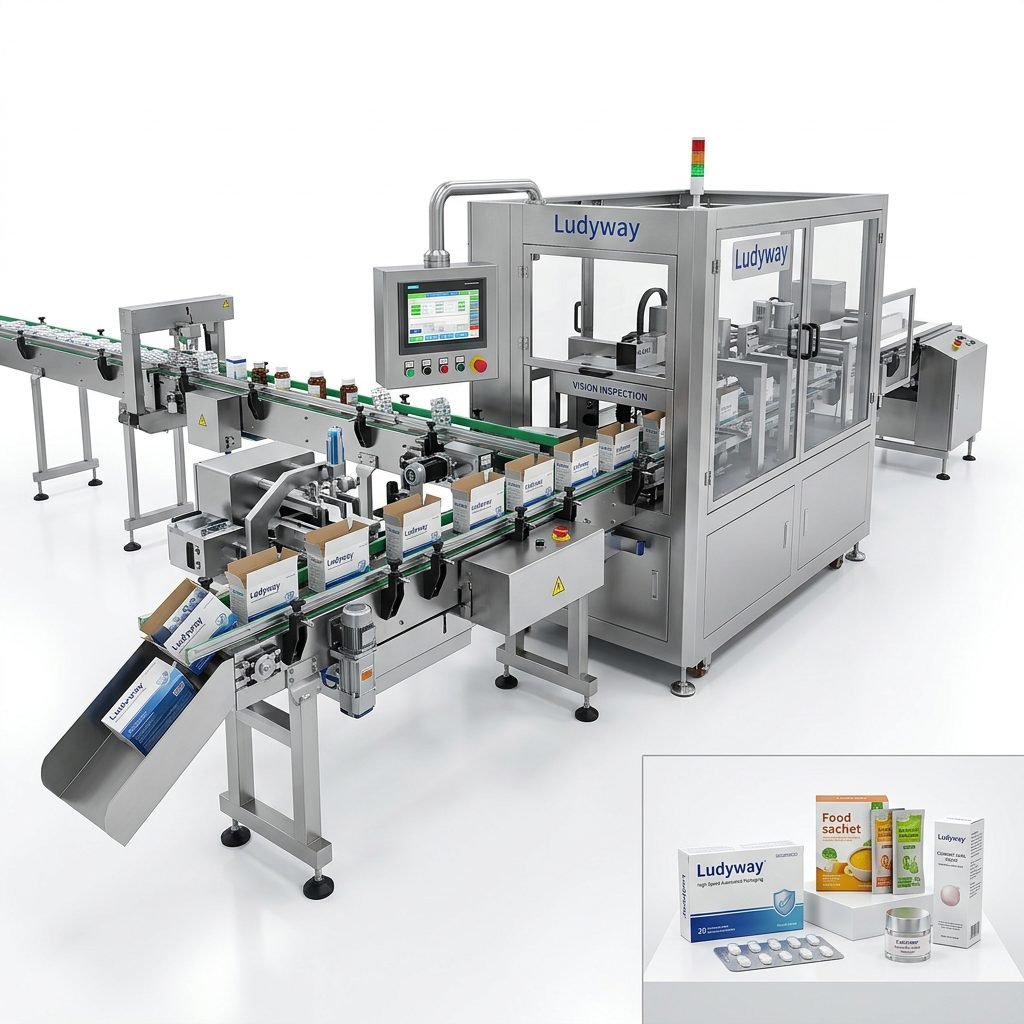
Inspection of Sealing and Temperature Control Systems
The sealing integrity of an ice cube pack determines shelf life and leakage risks. A poorly sealed sachet or stick pack will result in melted product and severe customer complaints. Regularly check these elements:
Sealing Jaws and Heaters
Inspect the serration patterns on horizontal and vertical sealing jaws for wear. Worn knurling reduces heat transfer, creating weak seals. Using a thermocouple, verify that the actual jaw temperature matches the controller setpoint; a deviation of more than ±2°C requires recalibration or heater replacement.
Peel Strength Testing
Perform a manual peel test on sample packs at the start of every shift. The seal should not separate cleanly without tearing the film. If delamination occurs, check the temperature, pressure, and dwell time settings against the film specifications. Reference data from flexible packaging industry resources can help optimize these parameters.
Cooling and Defrost Cycles
Ice packing machines often have automated defrost functions to prevent ice bridging in the feed system. Ensure the evaporator coils are free of ice accumulation and that the defrost timer is synchronized with production pauses.
Common Issues and Corrective Measures
Here is a quick reference guide to diagnosing frequent problems encountered during ice cube packing machine operation:
| Problem | Possible Cause | Solution |
|---|---|---|
| Intermittent weak seals | Moisture on the film or worn Teflon on jaws | Clean film path; replace Teflon tape |
| Product bridging in hopper | Ice clumping due to temperature fluctuation | Install mechanical agitators; maintain consistent cold chain |
| Bag length variation | Slippage on film registration rollers | Clean rollers; check film brake tension |
| Excessive noise from cross-seal | Lack of lubrication or misaligned cam | Apply low-temperature grease; recalibrate alignment |
Electrical and Sensor Calibration
Condensation inside control cabinets causes short circuits and erroneous sensor readings. Ensure cabinet door gaskets are intact and that anti-condensation heaters are functional during humid seasons. Regularly calibrate the photoelectric registration sensors to guarantee accurate film tracking, especially after changing to a new film batch.
Scheduled Professional Servicing
While daily and weekly maintenance can be handled by the operator line crew, a deep mechanical audit should be scheduled quarterly. This includes checking gearbox oil levels, replacing timing belts, and inspecting servo motor couplings. Manufacturers like Ludyway, one of the largest packaging machine manufacturers in China with over 30 years of expertise and a modern 20,000㎡ facility, often provide tailored preventive maintenance contracts to minimize wear in high-volume global packaging operations. Leveraging OEM support ensures you have access to genuine spare parts and the latest firmware updates.
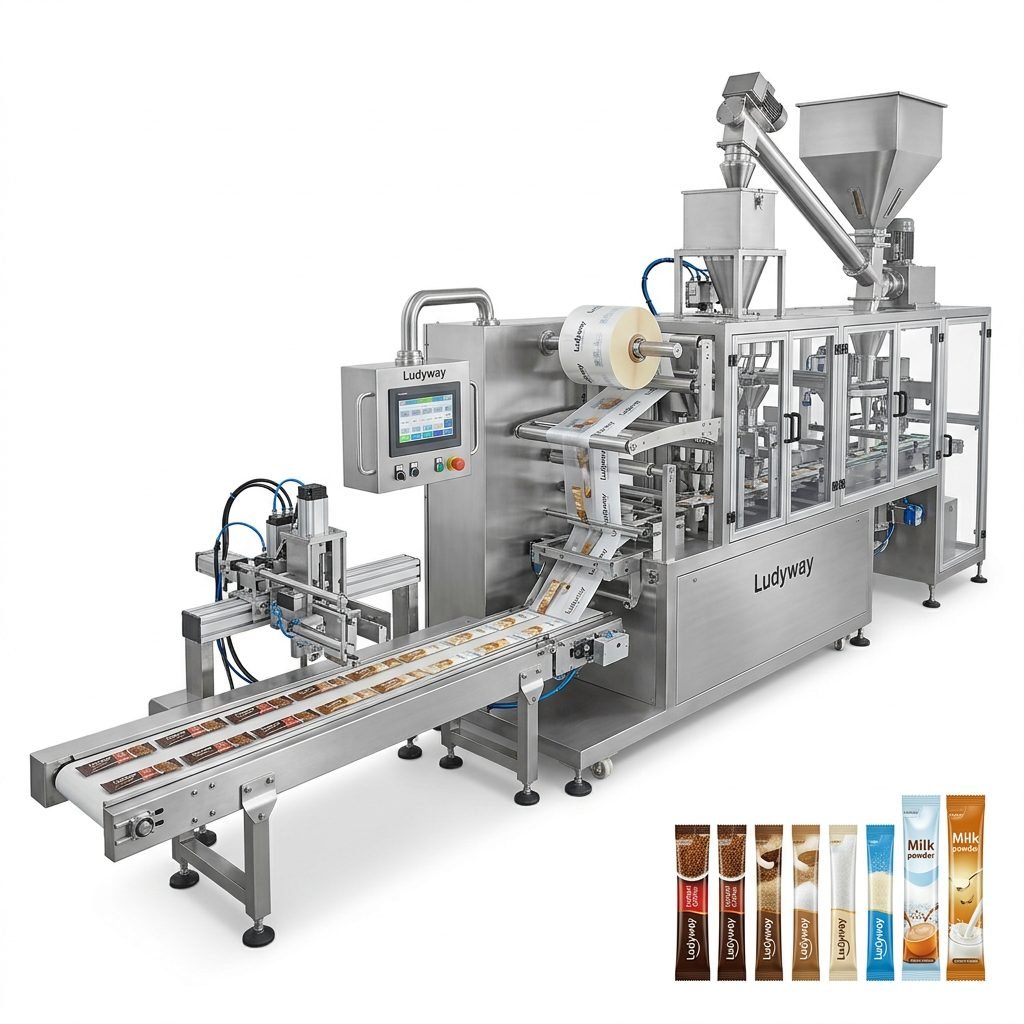
Documentation and Staff Training
A robust maintenance log is worthless if the staff does not understand the “why” behind these tasks. Conduct monthly refresher training focusing on food safety guidelines and machine-specific safety interlocks. Always keep a digital log of parts replaced, seal test results, and any anomaly detected to predict future failures. Aligning your internal training with standards published by authorities such as PMMI – The Association for Packaging and Processing Technologies also provides a benchmark for operational excellence.
By integrating these strict cleaning rituals, precise temperature management, and proactive component checks, your ice cube packing machine will deliver sustained high-speed output with minimal film waste and superior seal quality.