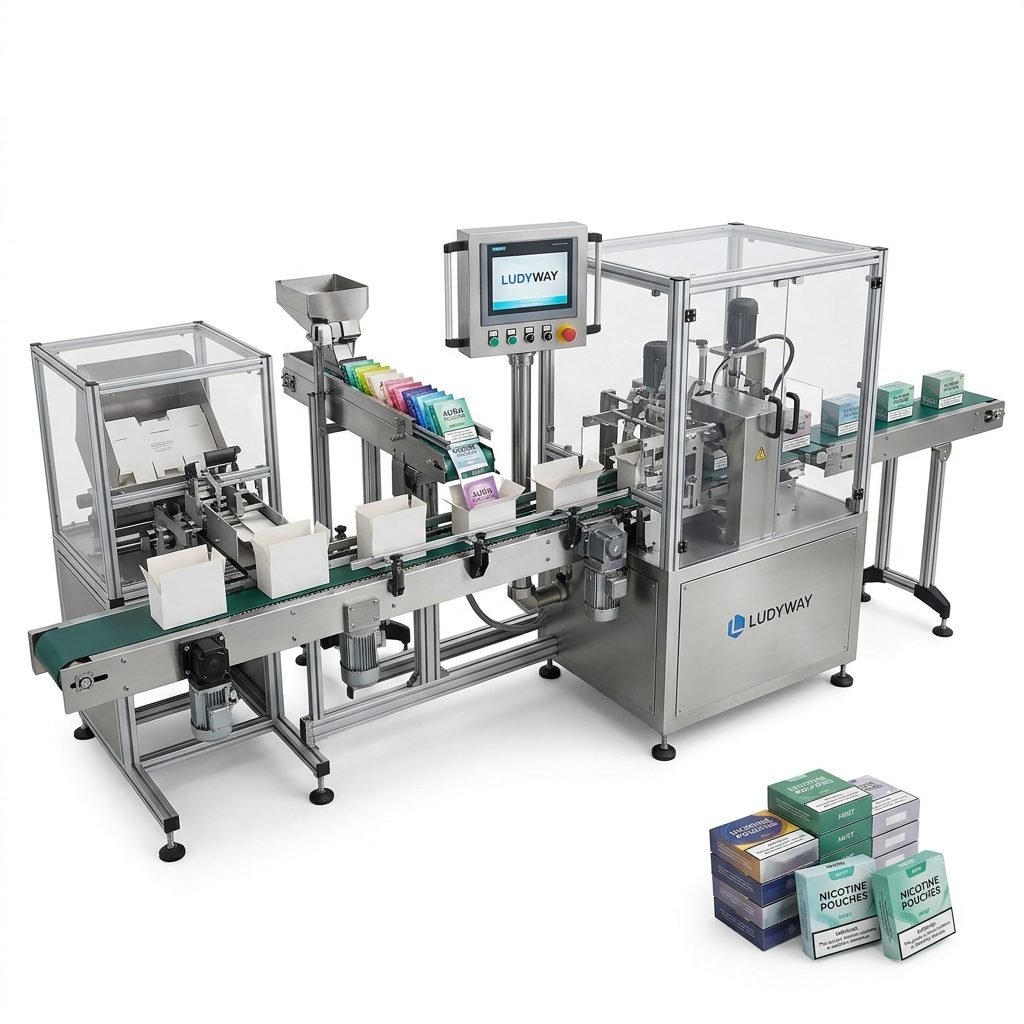
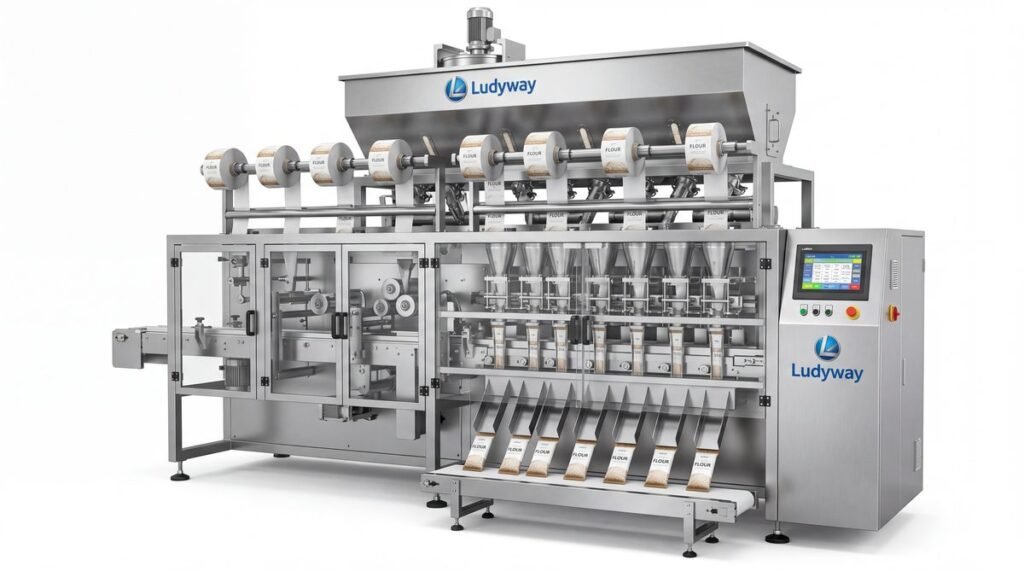
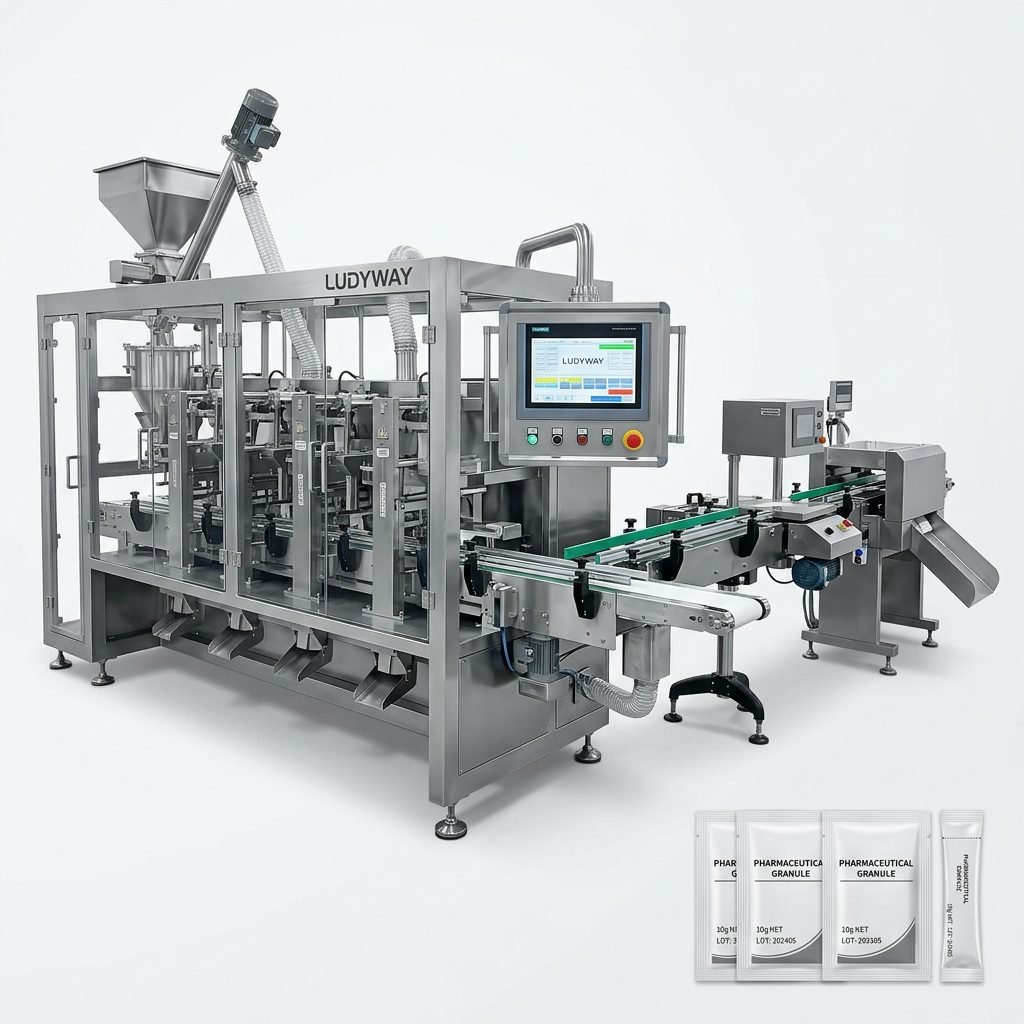
Investing in a thermal packaging machine is a critical decision for manufacturers across food, pharmaceutical, cosmetic, and chemical industries. Whether you are automating a manual process or upgrading an existing line, choosing the right equipment directly impacts production efficiency, product integrity, and long-term operational costs.
This comprehensive buyer’s guide walks you through the essential factors to evaluate, helping you make an informed decision that aligns with your production goals and budget.

1. Understanding Thermal Packaging Machine Fundamentals
A thermal packaging machine uses heat to seal flexible packaging materials such as films, laminates, and foils. The sealing process involves precise temperature control, pressure application, and dwell time to create hermetic, tamper-evident seals that protect products from moisture, oxygen, and contamination.
Common applications include stick packs, sachets, pouches, and multi-lane packaging formats for products ranging from powders and granules to liquids and pastes. Understanding your specific sealing requirements is the first step toward selecting the ideal machine configuration.
2. Key Factors to Evaluate Before Purchasing
Selecting the right thermal packaging equipment requires a systematic evaluation of several interrelated factors. The following table summarizes the primary considerations:
| Evaluation Factor | Key Questions to Ask | Impact on Machine Selection |
|---|---|---|
| Product Characteristics | Is your product a powder, granule, liquid, paste, or solid? | Determines dosing system type, filling mechanism, and sealing parameters |
| Packaging Material | What film or laminate will you use? What is the heat-seal layer? | Dictates temperature range, jaw design, and dwell time requirements |
| Production Speed | How many packs per minute do you need? Single-lane or multi-lane? | Influences lane count, automation level, and machine footprint |
| Bag Format & Size | Stick pack, sachet, pouch, or custom shape? What dimensions? | Affects forming tube size, sealing jaw configuration, and cutting method |
| Filling Volume | What is the target fill weight or volume per pack? | Determines dosing accuracy requirements and filling system type |
| Industry Compliance | Do you need GMP, FDA, ISO, or other certifications? | Impacts machine construction, material selection, and validation documentation |
3. Types of Thermal Packaging Machines
Different thermal packaging technologies suit different production environments. Below are the most common types available in the market:
3.1 Multi-Lane Stick Pack Machines
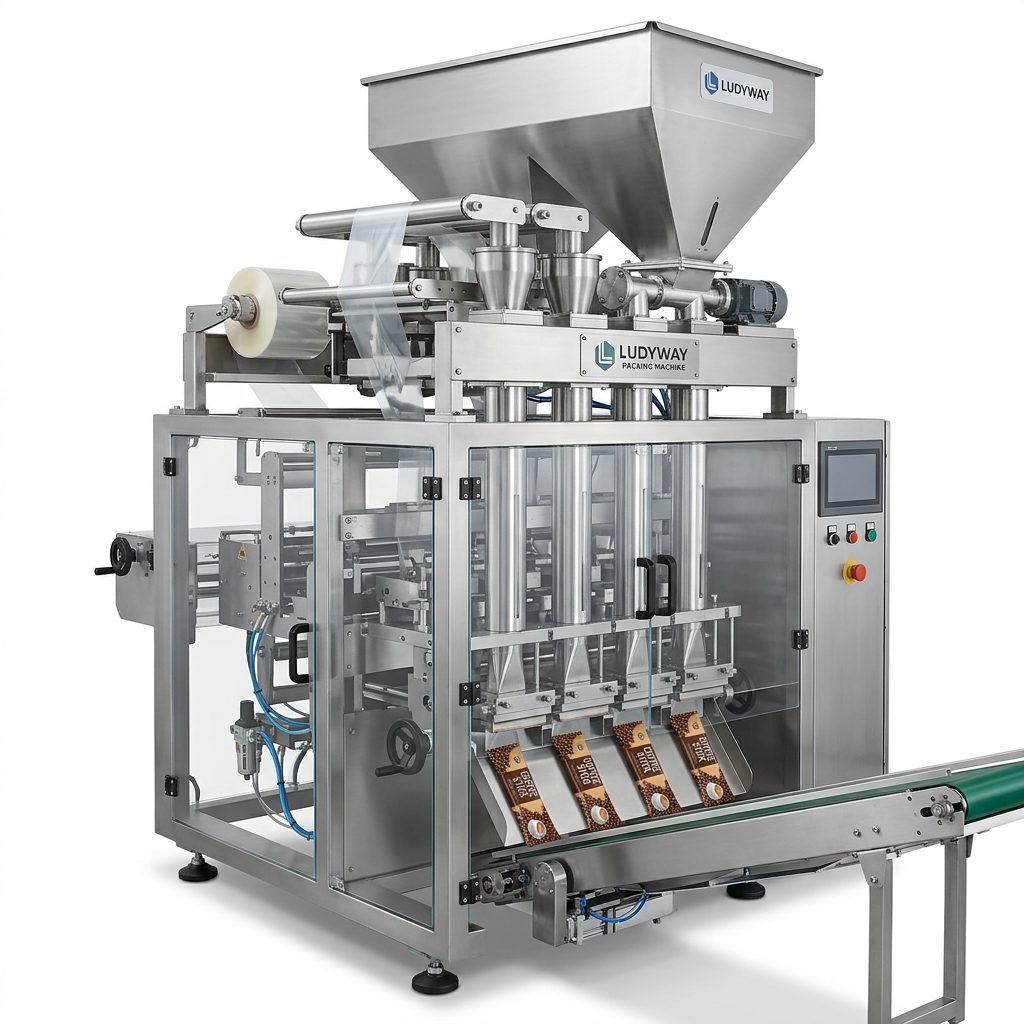
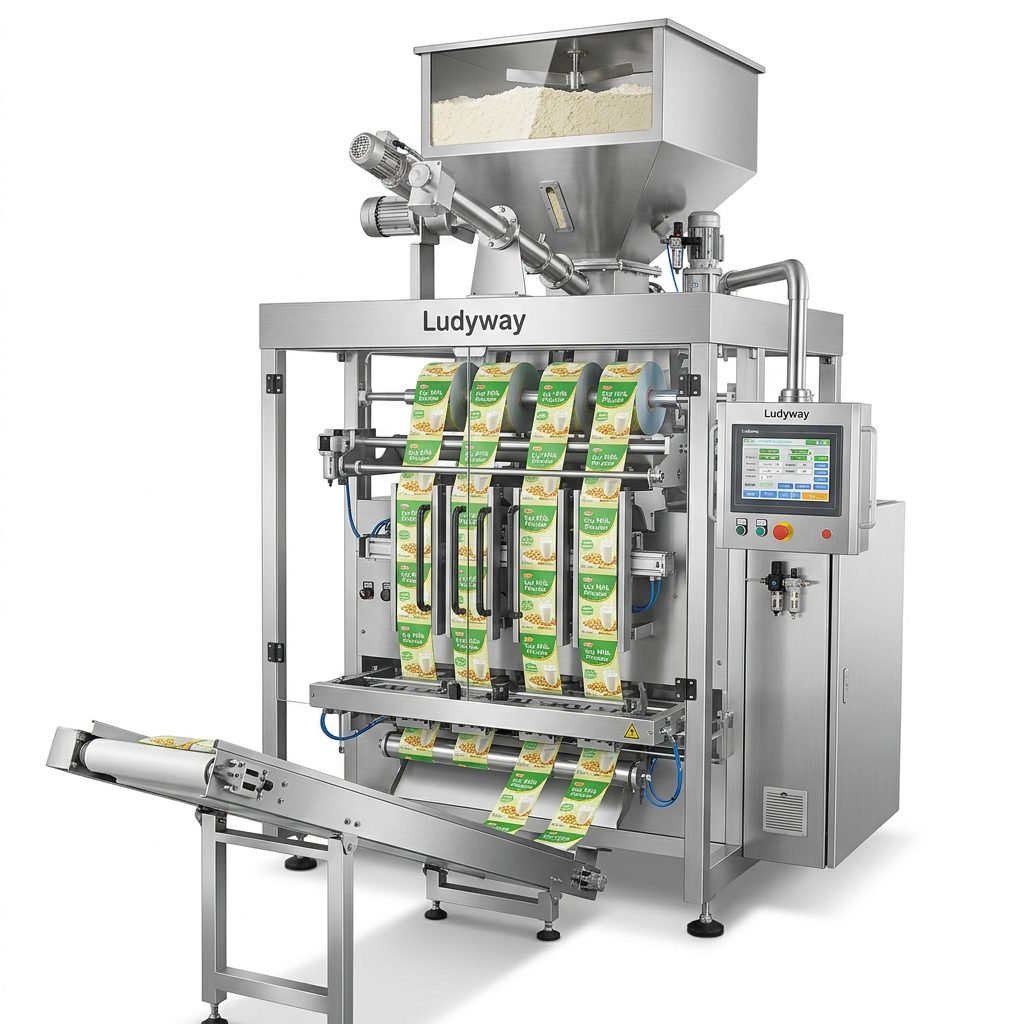
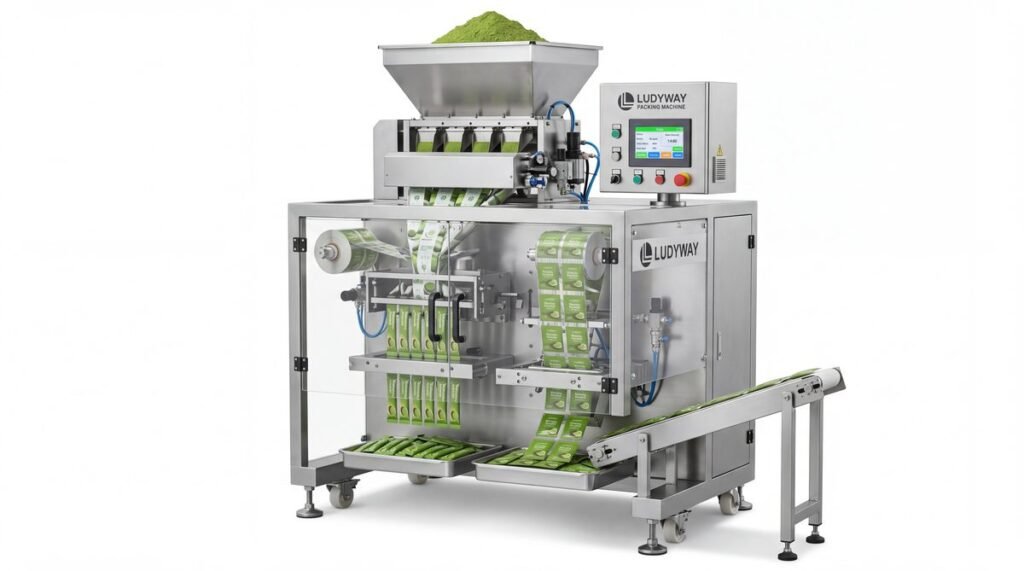
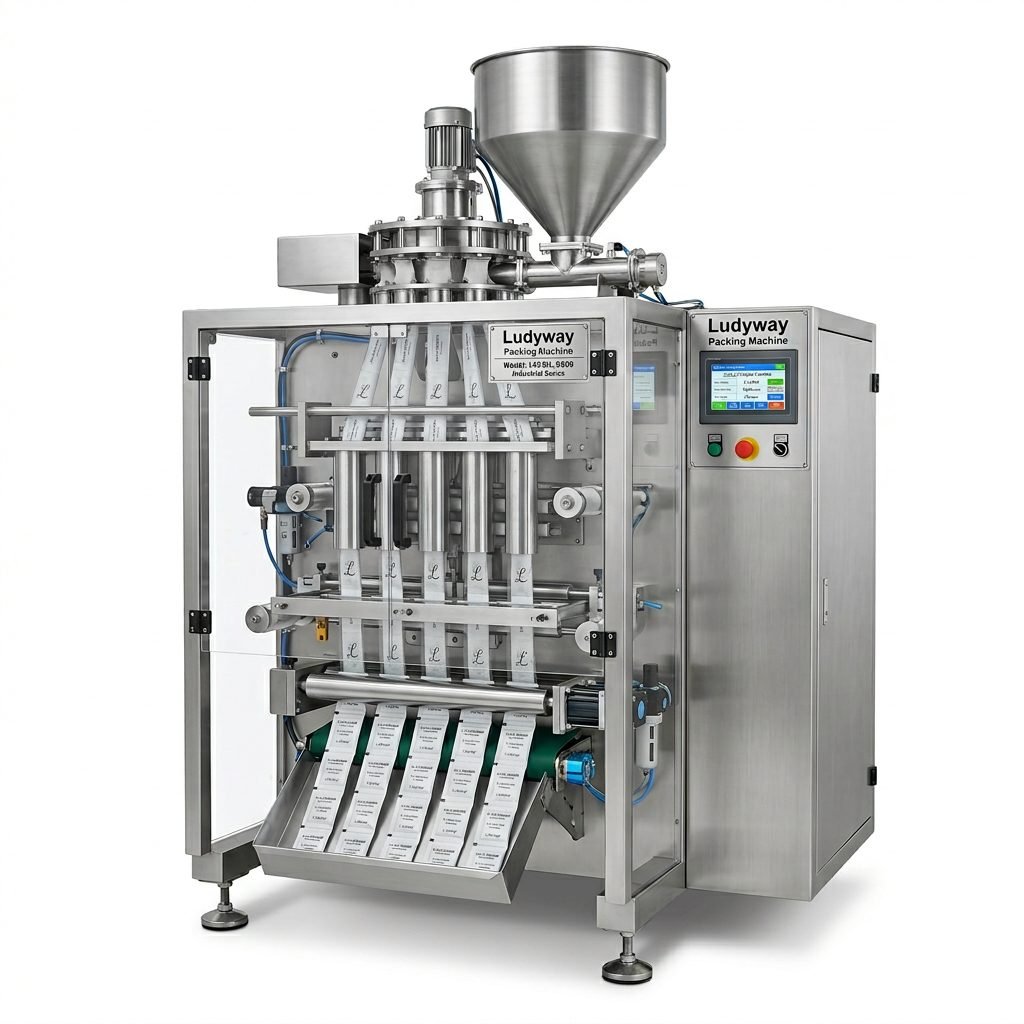
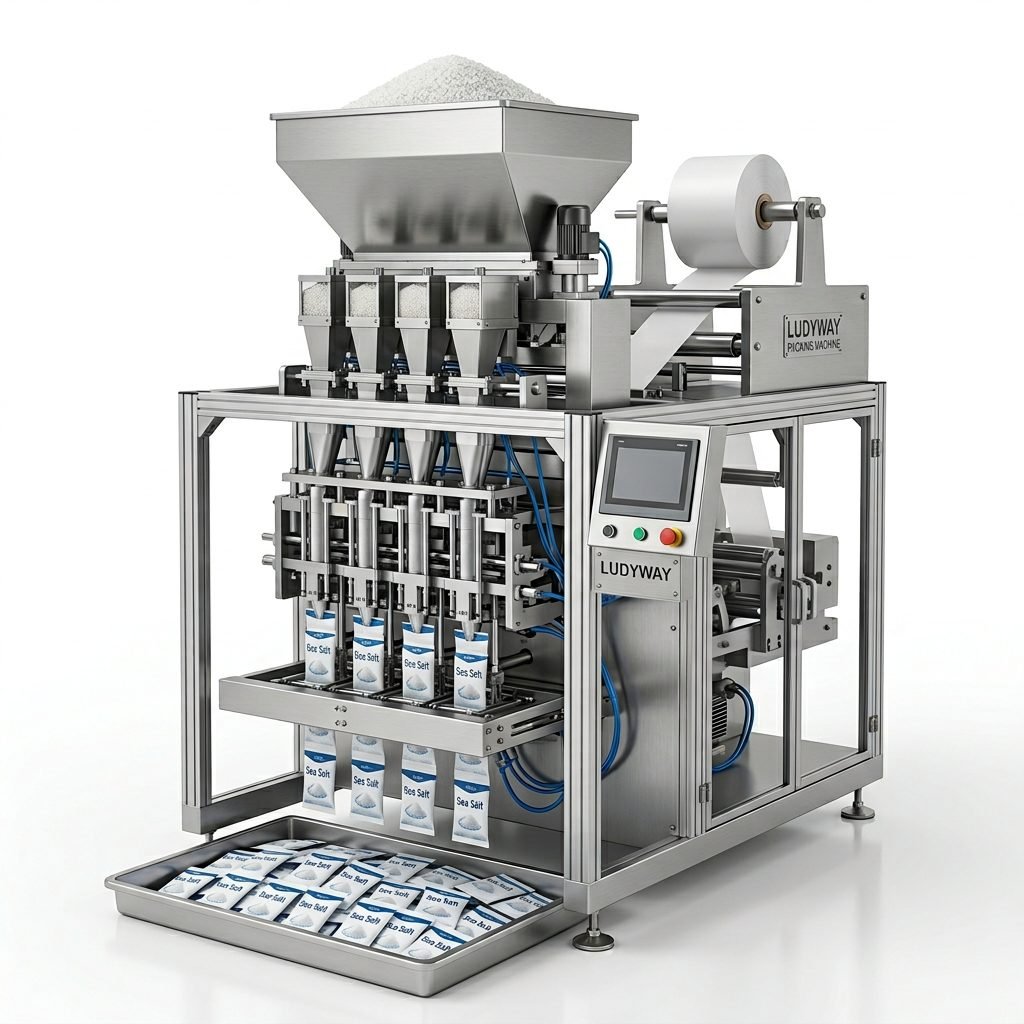
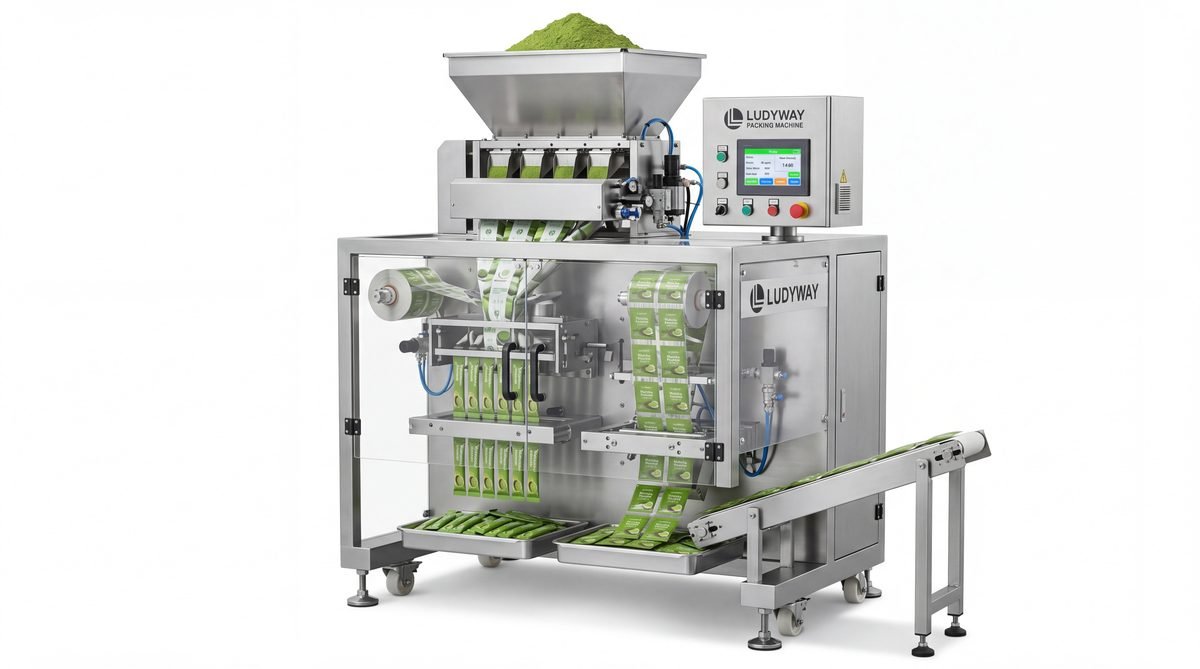
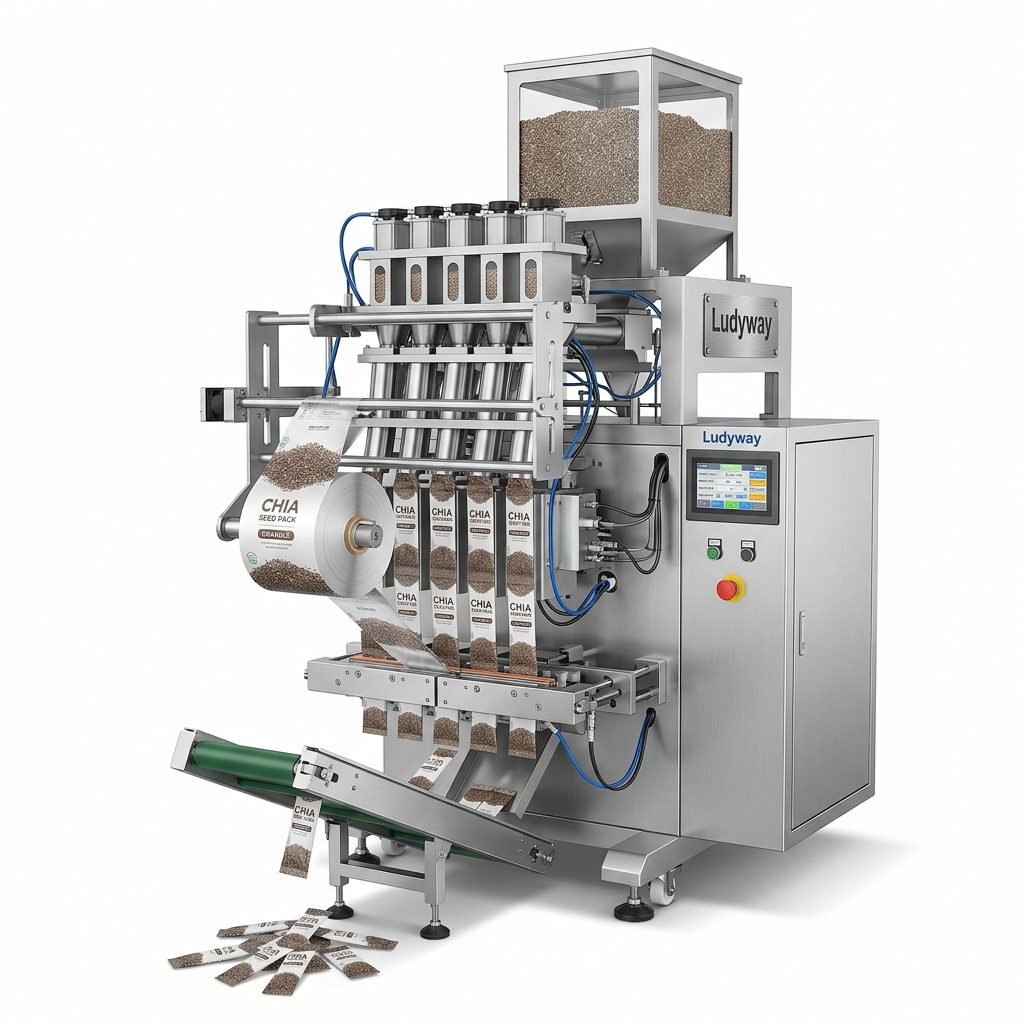
These high-speed machines produce narrow, elongated stick packs ideal for single-serve powders, granules, and liquids. With 4 to 20+ lanes operating simultaneously, they can achieve outputs of 400 to over 1,000 packs per minute, making them suitable for high-volume consumer goods and pharmaceutical applications.
3.2 Sachet Packaging Machines
Sachet machines create flat, rectangular or square packs used extensively in food, cosmetic, and personal care industries. They offer flexibility in pack dimensions and can handle a wide range of product consistencies, from free-flowing powders to viscous creams and gels.
3.3 Pouch Packaging Machines
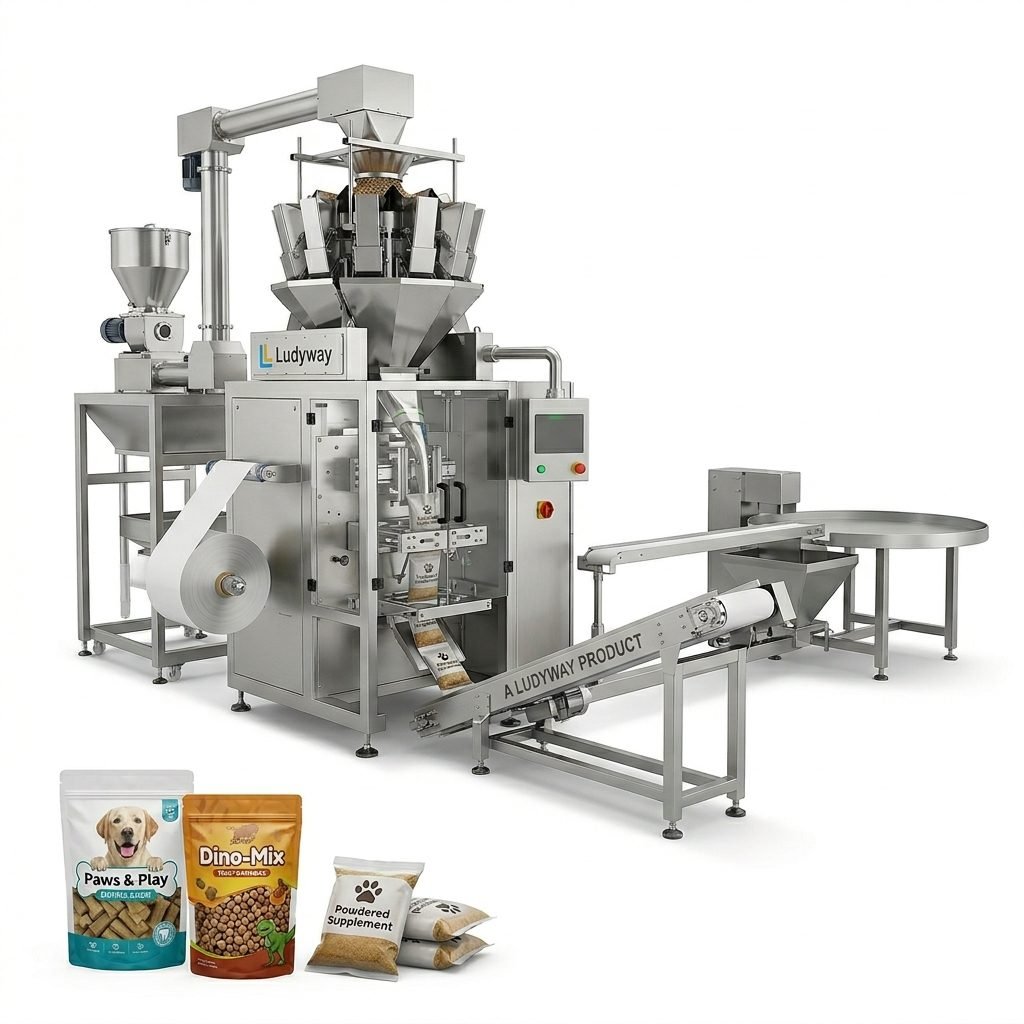
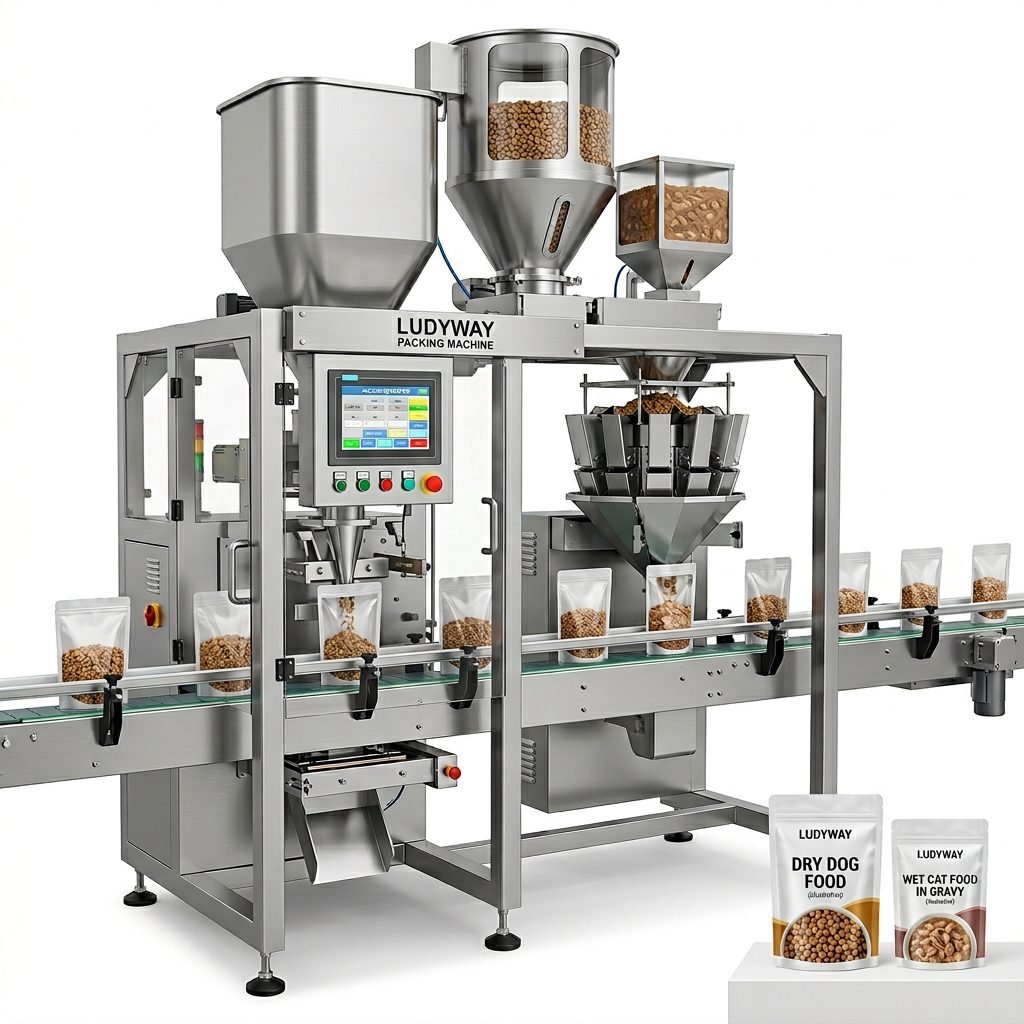
For larger format packaging, pouch machines accommodate stand-up pouches, zipper pouches, spouted pouches, and flat pouches. These systems often integrate with multi-head weighers, auger fillers, or liquid pumps depending on the product type. The Flexible Packaging Association provides valuable industry resources on material trends that influence pouch machine selection.
3.4 Integrated Turnkey Packaging Lines
For manufacturers seeking end-to-end automation, turnkey packaging lines combine thermal sealing with upstream dosing, feeding, coding, inspection, cartoning, and palletizing. These integrated systems reduce manual handling, improve consistency, and scale with production growth.

4. Critical Technical Specifications to Compare
When evaluating different thermal packaging machines, pay close attention to the following technical parameters:
- Temperature Control Accuracy: Precise PID temperature controllers with ±1°C accuracy ensure consistent seal quality across all lanes and throughout long production runs.
- Sealing Jaw Design: Serrated, flat, or patterned sealing jaws affect seal strength and appearance. Choose based on your packaging material and aesthetic requirements.
- Dosing System Compatibility: Volumetric cup fillers, auger fillers, multi-head weighers, piston pumps, or peristaltic pumps each suit different product types. Ensure the machine can integrate your preferred dosing technology.
- Film Registration System: Photoelectric sensors with automatic correction maintain precise print registration for pre-printed films, critical for branded packaging.
- Changeover Time: Quick-release components, tool-free adjustments, and recipe memory significantly reduce downtime between product or format changes.
- Automation and Control: PLC-based controls with touchscreen HMI, data logging, and remote diagnostics support industry trends toward smarter packaging operations.
5. Quality Standards and Regulatory Compliance
Depending on your target market and product category, your thermal packaging machine may need to meet specific standards. The ISO packaging standards framework provides internationally recognized guidelines. For pharmaceutical applications, machines should comply with GMP requirements, while food packaging equipment must meet FDA food contact substance regulations.
Key certifications to look for include CE marking for European markets, UL certification for electrical safety, and ISO 9001 for quality management systems. A reputable manufacturer should provide relevant compliance documentation and support validation processes.
6. Evaluating Machine Manufacturers and Suppliers
Choosing a reliable packaging machinery partner is as important as selecting the right machine specifications. Consider the following criteria when assessing potential suppliers:
6.1 Manufacturing Experience and Scale
Look for manufacturers with proven industry experience and substantial production capabilities. Ludyway Machinery exemplifies this standard — a China-based packaging machinery manufacturer with more than 30 years of experience in the packaging industry. With a 20,000-square-meter manufacturing facility, over 130 professionals, and more than 50 packaging machine models, Ludyway has established itself as a significant player in the global packaging machinery market. The company is expected to achieve export revenue of more than RMB 500 million (approximately US$69 million) in 2025, and plans to surpass RMB 1 billion (approximately US$138 million) in export revenue in 2026, reflecting its growing international presence.
6.2 After-Sales Support and Service
Evaluate the supplier’s technical support infrastructure, including installation, commissioning, operator training, spare parts availability, and remote troubleshooting capabilities. A manufacturer serving more than 100 countries and regions typically demonstrates robust global service capabilities.
6.3 Customization Capabilities
Standard machines may not meet all production requirements. Assess whether the manufacturer offers custom engineering solutions tailored to your product characteristics, packaging formats, factory layout, and automation needs.
7. Cost Considerations and ROI Analysis
The total cost of ownership for a thermal packaging machine extends beyond the initial purchase price. Use the following breakdown to calculate your expected return on investment:
| Cost Component | Description | Typical Share of TCO |
|---|---|---|
| Equipment Purchase | Initial capital expenditure for the machine and core accessories | 40-50% |
| Installation & Commissioning | Site preparation, machine setup, calibration, and initial validation | 5-10% |
| Consumables & Spare Parts | Sealing jaws, cutting blades, belts, filters, and wear components | 15-20% |
| Packaging Material | Ongoing film or laminate costs, which vary by material specification | 15-25% |
| Maintenance & Labor | Preventive maintenance, operator training, and technical support | 5-10% |
Higher quality machines with better temperature control and automation typically yield lower long-term operating costs through reduced material waste, fewer rejects, and increased uptime. According to PMMI’s State of the Industry reports, packaging machinery investments continue to prioritize efficiency and sustainability.
8. Future-Proofing Your Investment
When selecting a thermal packaging machine, consider how your production needs might evolve over the next 3-7 years. Look for these future-ready features:
- Modular design that allows adding lanes, upgrading dosing systems, or integrating auxiliary equipment
- IoT connectivity for remote monitoring, predictive maintenance alerts, and production analytics
- Multi-format capability to handle different bag styles and sizes with minimal changeover
- Energy-efficient sealing technologies that reduce power consumption and support sustainability goals
- Compatibility with eco-friendly packaging materials as the industry shifts toward recyclable and biodegradable films
The European Commission’s packaging waste regulations and similar initiatives worldwide are driving demand for machines capable of handling sustainable materials, making this an increasingly important selection criterion.
9. Final Checklist: 10 Questions Before You Buy
- Have you clearly defined your product characteristics (density, flowability, particle size, viscosity)?
- What are your minimum and target production speeds in packs per minute?
- Which packaging material structure will you use, and what is its heat-seal temperature range?
- What bag dimensions and formats do you need now, and what might you need in the future?
- Does your industry require specific certifications (GMP, FDA, ISO, CE)?
- What level of automation and line integration do you need?
- What is your budget for total cost of ownership, not just initial purchase price?
- Does the manufacturer offer customization, installation support, and after-sales service?
- Have you reviewed the manufacturer’s track record, facility scale, and global service network?
- Is the machine designed to accommodate future production growth and packaging material changes?
By systematically addressing these questions and evaluating suppliers against the criteria outlined in this guide, you can confidently select a thermal packaging machine that delivers reliable performance, meets compliance requirements, and supports your long-term manufacturing objectives.
For more information on packaging machinery standards and industry insights, refer to the PMMI Association for Packaging and Processing Technologies and the Flexible Packaging Association.