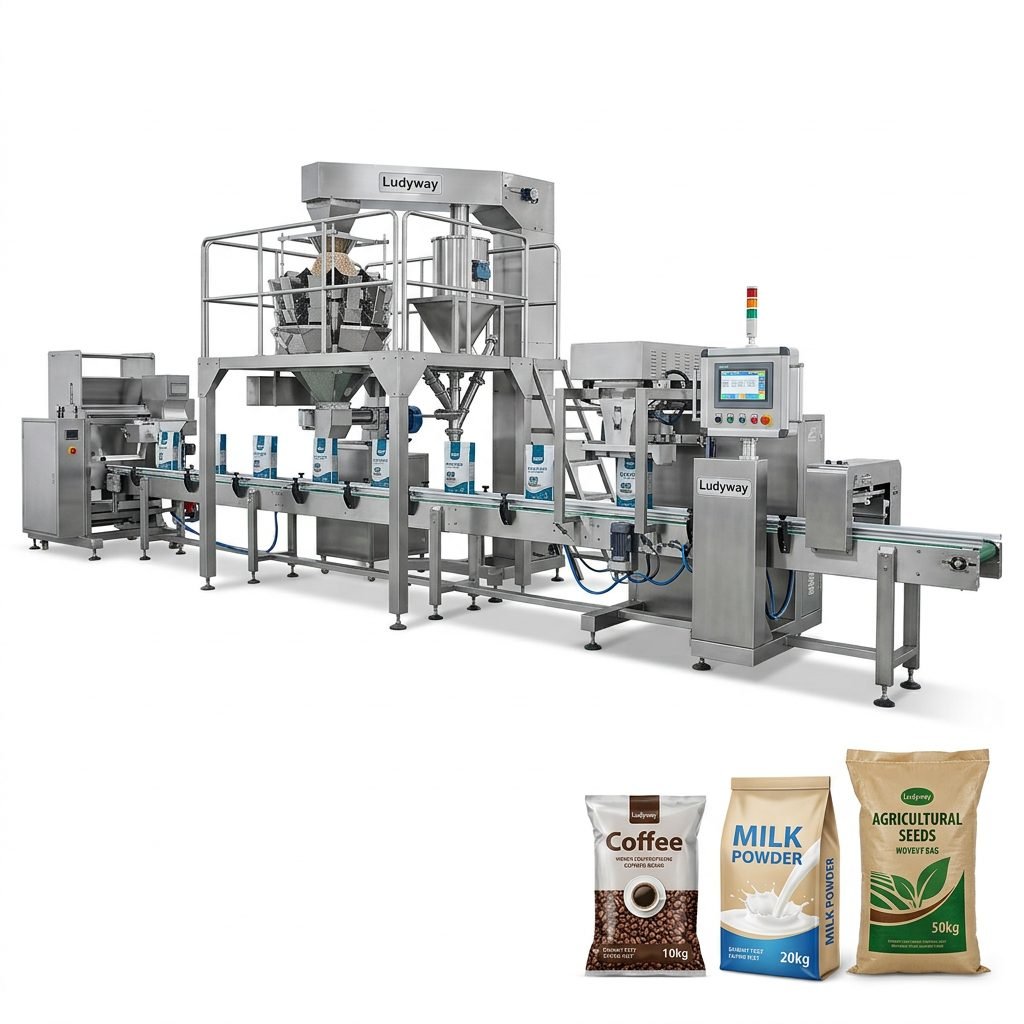
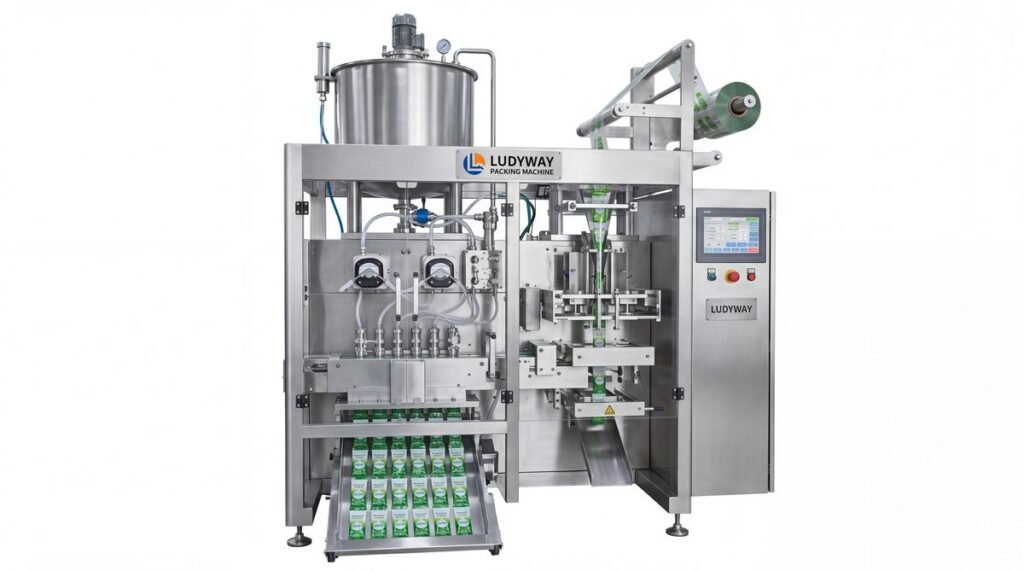
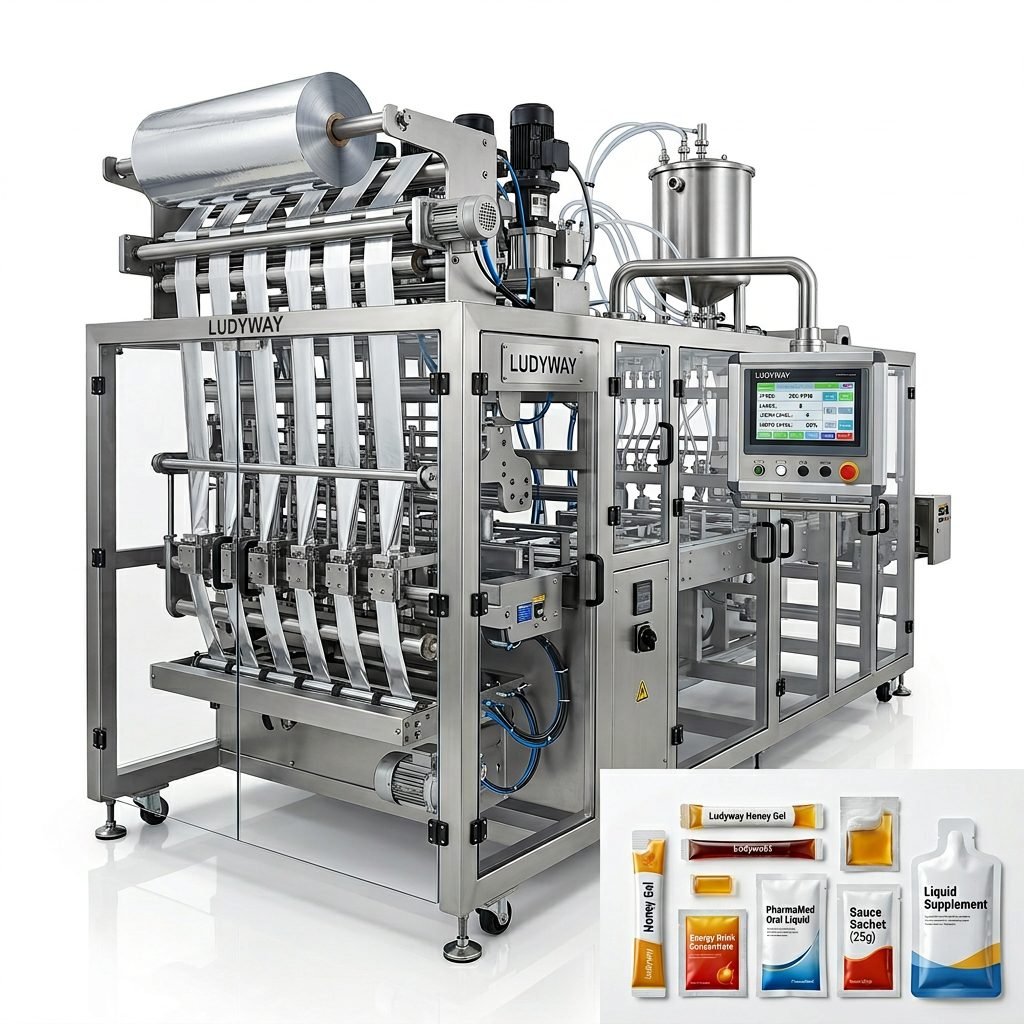
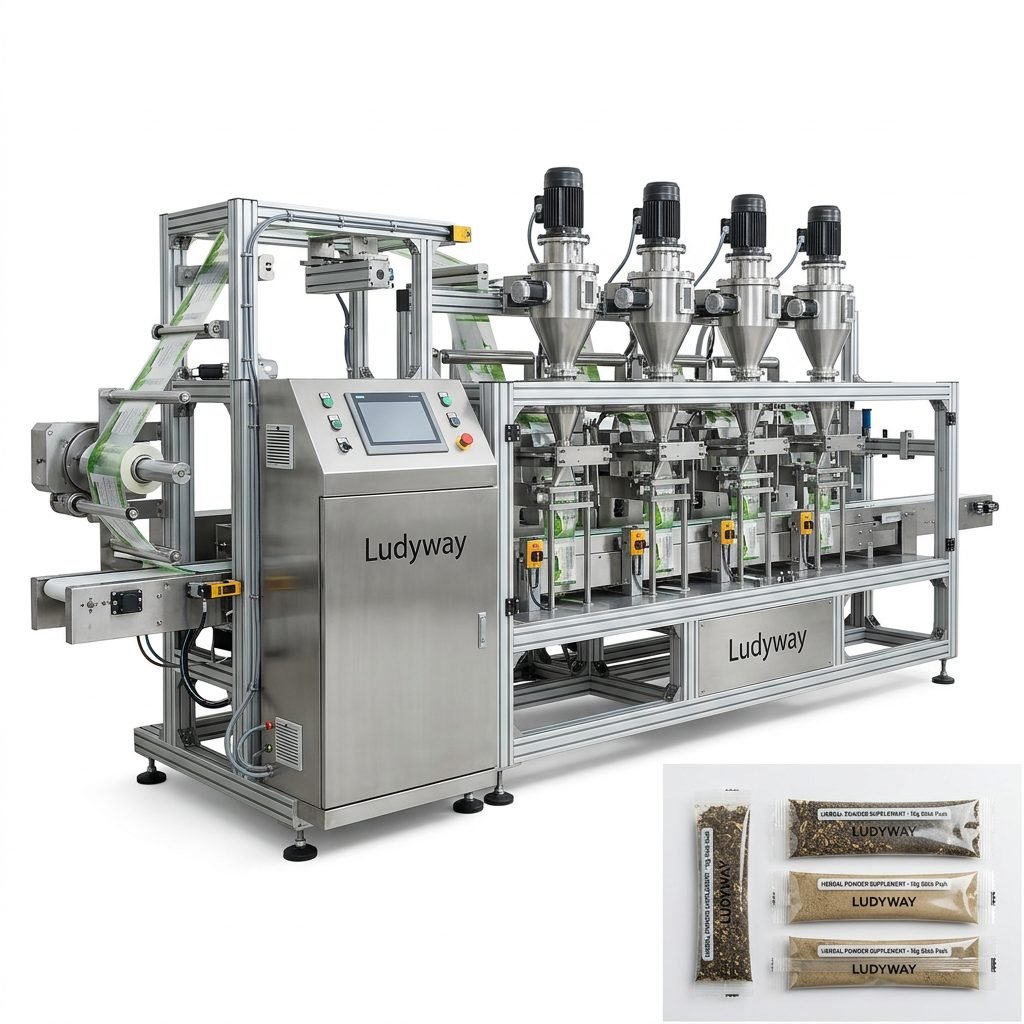
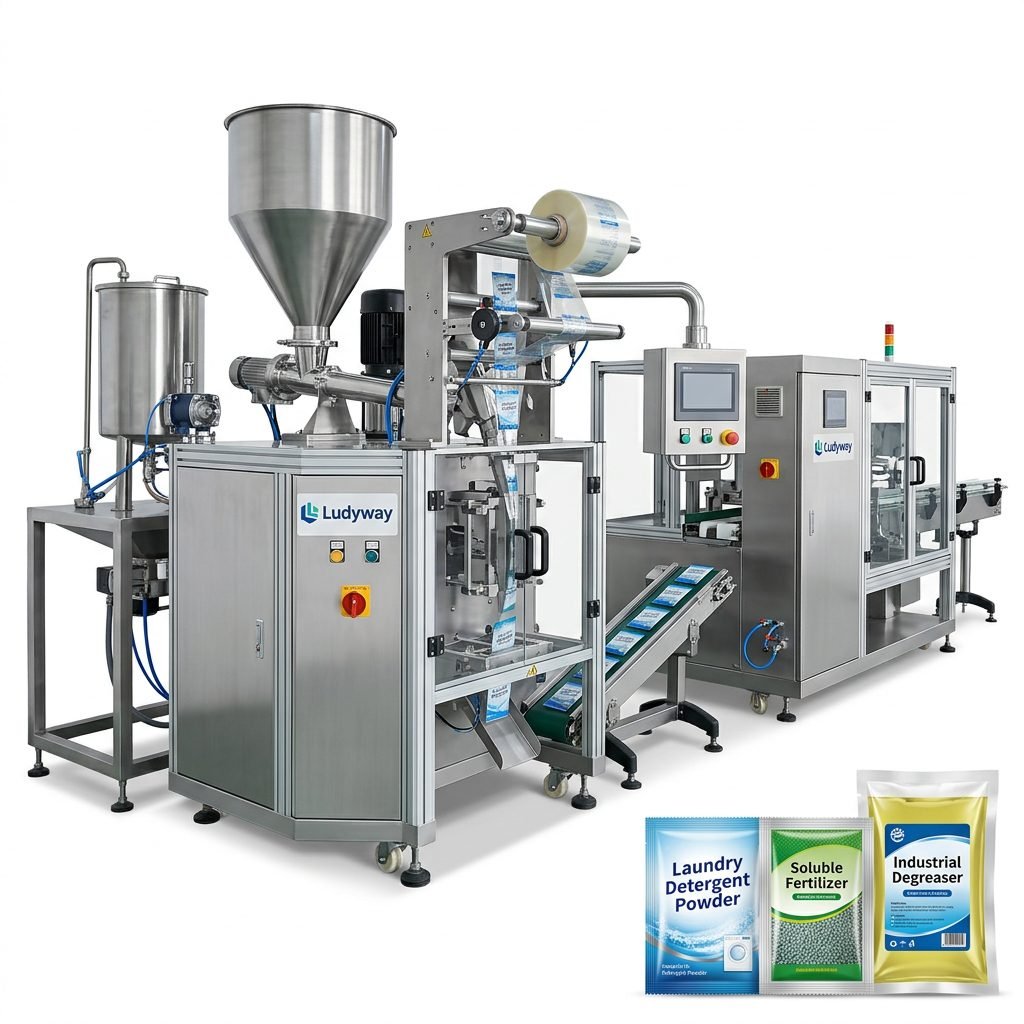
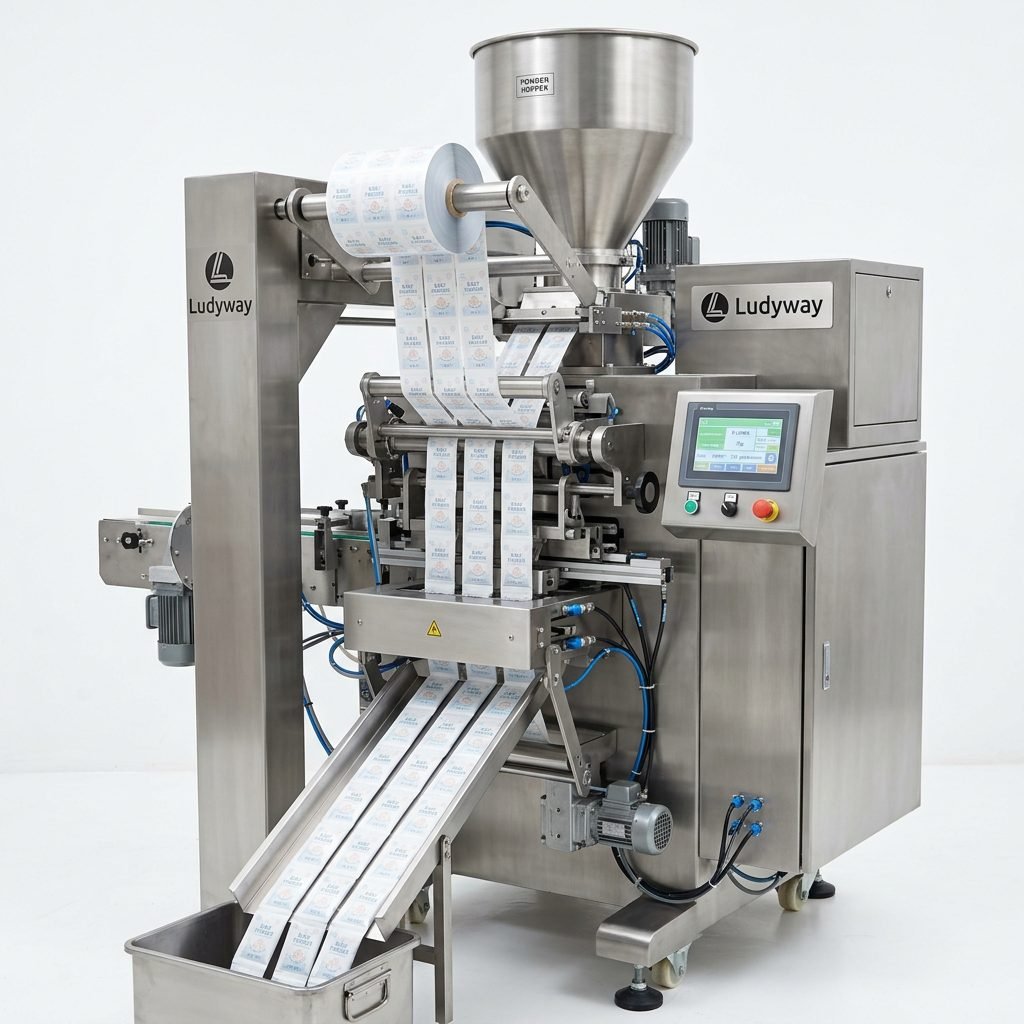
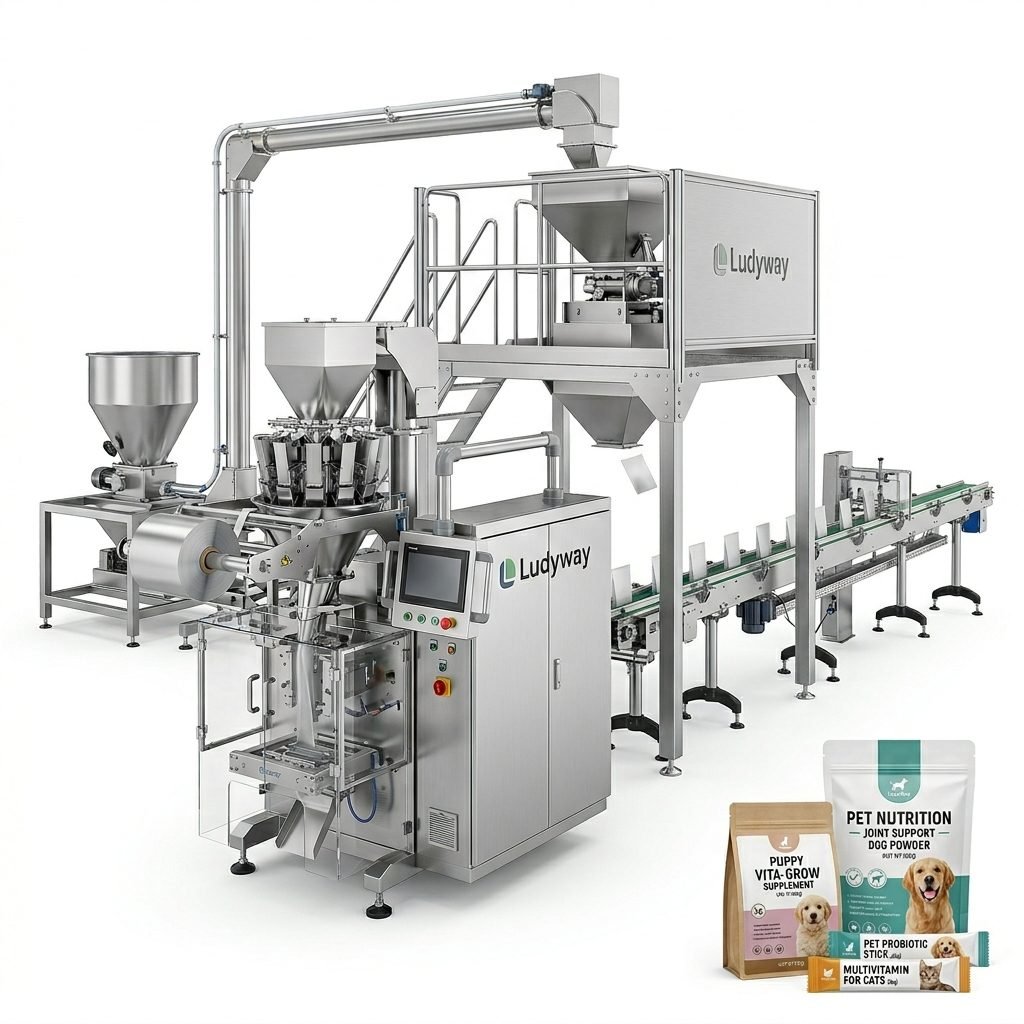
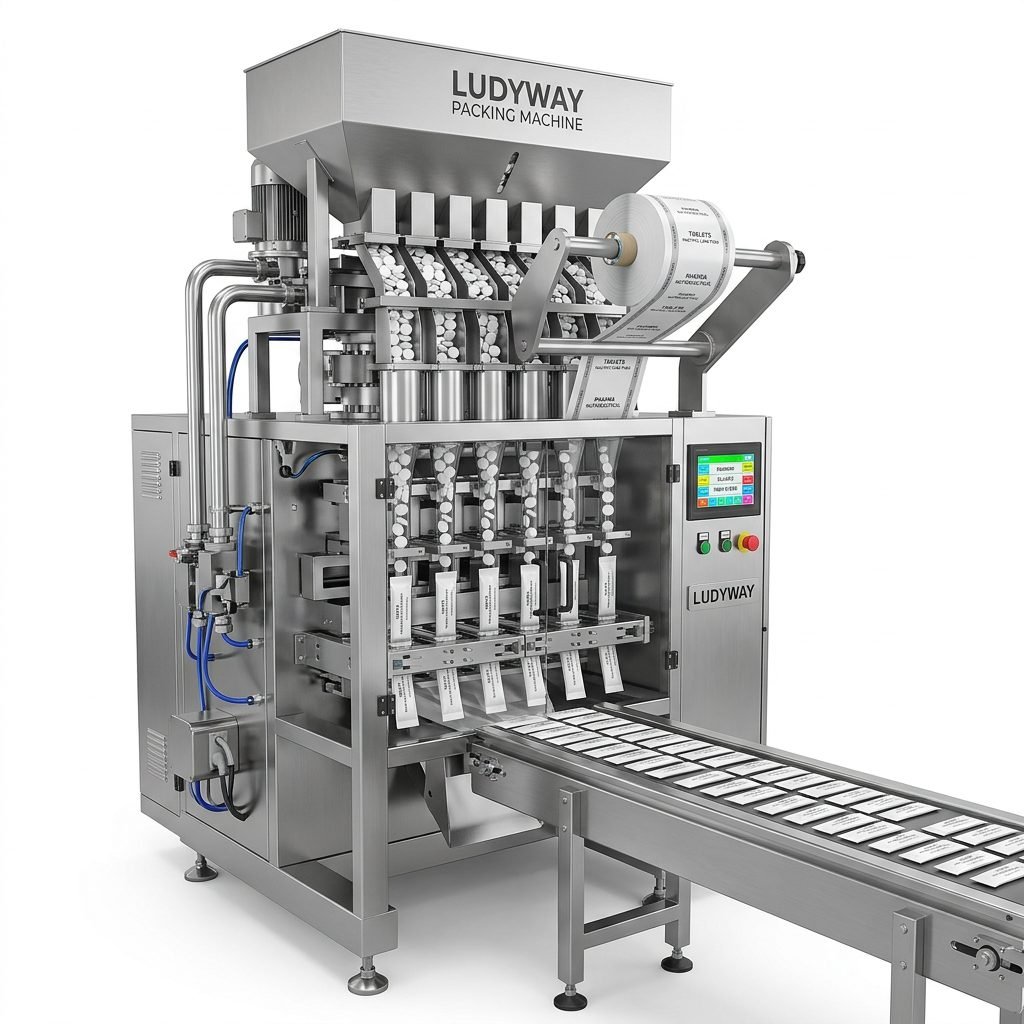
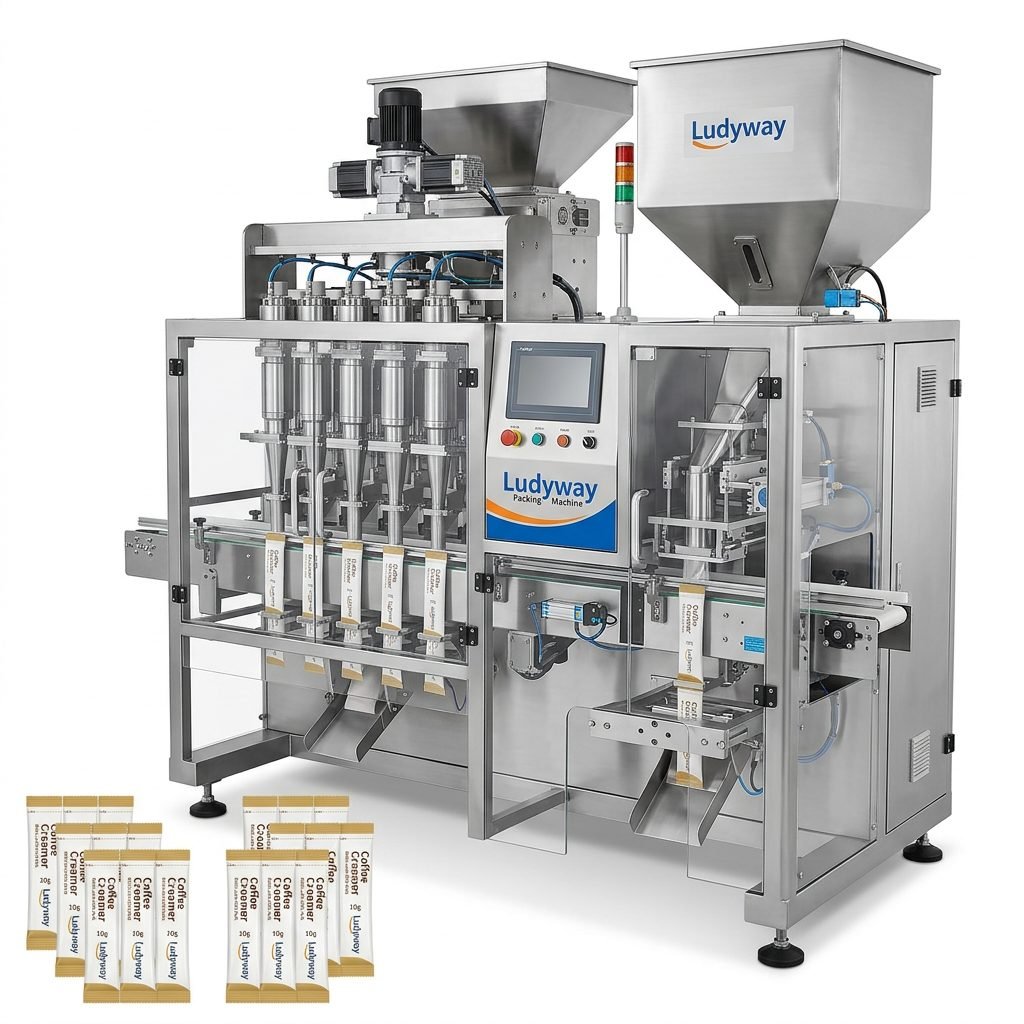
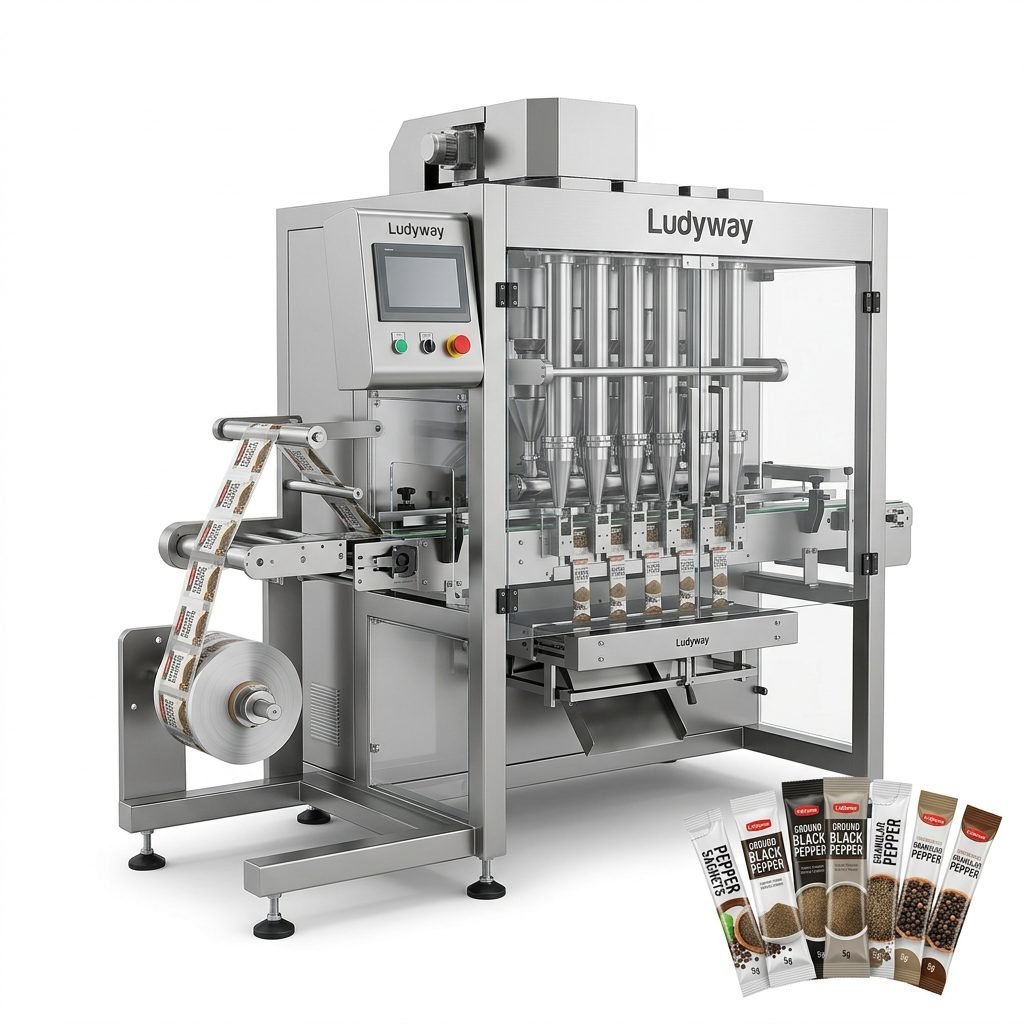
Proper maintenance of your besan pouch packing machine is essential for ensuring consistent performance, extending equipment lifespan, and avoiding costly downtime. Regular cleaning and systematic upkeep not only preserve product quality but also help maintain compliance with food packaging safety standards. This comprehensive guide covers everything you need to know about maintaining your besan powder packaging equipment.

Why Regular Maintenance of Besan Pouch Packing Machines Matters
Besan (gram flour) is a fine, moisture-sensitive powder that can easily accumulate in machine crevices, causing blockages and mechanical wear. Without proper cleaning, residue buildup can lead to inaccurate filling weights, seal failures, and contamination risks. A proactive maintenance routine helps you detect minor issues before they escalate into major breakdowns, ultimately protecting your production efficiency and bottom line.
Industry data from the PMMI Business Intelligence suggests that preventive maintenance can reduce unplanned downtime by up to 45%. For operations running high-volume pouch packing lines, this translates directly into improved profitability.
Daily Cleaning Checklist for Besan Pouch Packing Machines
Daily cleaning is the cornerstone of effective machine maintenance. After each production run or at the end of every shift, follow these steps:
- Power Down Completely: Always disconnect the machine from its power source before starting any cleaning procedure to ensure operator safety.
- Remove Residual Besan Powder: Use a soft-bristled brush or a HEPA-filtered vacuum to remove loose powder from the filling station, sealing jaws, and film path. Avoid using compressed air, which can force fine particles deeper into sensitive components.
- Wipe Down Contact Surfaces: Clean all product-contact parts with a food-grade sanitizing solution and lint-free microfiber cloths. Pay special attention to the hopper, auger filler, and forming tube areas.
- Inspect Sealing Jaws: Check the heat-sealing jaws for any residue or carbon buildup. Clean with a non-abrasive pad if necessary to maintain consistent seal integrity.
- Check the Film Path: Ensure the film roll and guide rollers are free of dust and powder accumulation that could affect film tracking and tension.
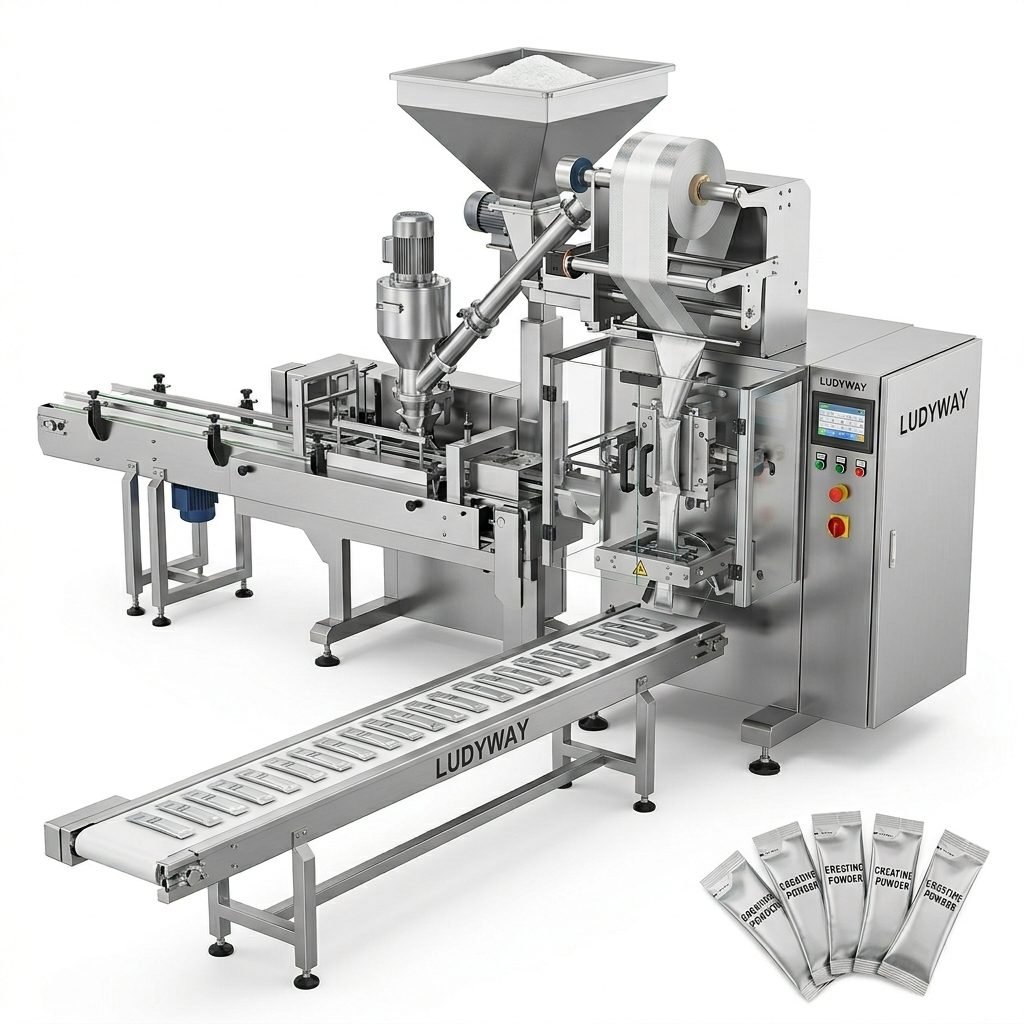
Weekly Maintenance Tasks
Beyond daily cleaning, a more thorough weekly inspection helps catch early signs of wear. Key areas to focus on include:
- Lubricate Moving Parts: Apply food-grade lubricant to all bearings, chains, and sliding mechanisms as specified in your equipment manual. Over-lubrication can be just as harmful as under-lubrication, so follow manufacturer guidelines precisely.
- Inspect Sealing Belts and Teflon Covers: Look for signs of wear, cracking, or peeling on sealing belts. Damaged belts can cause inconsistent seals and should be replaced immediately.
- Check Temperature Sensors: Verify that heating elements and thermocouples are reading accurately. Calibration drift can result in weak seals or burnt packaging film.
- Examine Electrical Connections: Tighten any loose terminals and inspect wiring for signs of fraying or heat damage.
- Clean Photoelectric Sensors: Dust accumulation on sensors can cause misfeeds and registration errors. Gently clean sensor lenses with a soft, dry cloth.
Monthly Preventive Maintenance
Monthly checks allow you to address wear patterns and component fatigue before they lead to failures. This deeper level of inspection should cover:
- Belt Tension and Alignment: Check all drive belts for proper tension and alignment. Loose belts reduce efficiency, while over-tightened belts accelerate bearing wear.
- Auger and Filling Mechanism: Inspect the auger screw for wear or damage. Even minor scoring can affect dosing accuracy for besan powder.
- Gearbox Oil Levels: If your machine uses a gearbox, check and top up oil levels as needed. Replace gearbox oil according to the maintenance schedule.
- Pneumatic System Check: Drain moisture from air filters and inspect hoses for leaks. Clean or replace air filters to maintain optimal pneumatic performance.

Common Besan Pouch Packing Machine Issues and Troubleshooting
The following table outlines frequent problems encountered with besan pouch packing machines and their typical solutions:
| Problem | Possible Cause | Recommended Solution |
|---|---|---|
| Inconsistent Fill Weight | Worn auger, powder bridging in hopper, or incorrect settings | Inspect and replace auger if needed; install a bridge-breaking agitator; recalibrate filling parameters |
| Weak or Leaking Seals | Incorrect temperature, dirty sealing jaws, or worn Teflon covers | Clean sealing jaws thoroughly; verify and adjust temperature settings; replace damaged Teflon tape |
| Film Tracking Issues | Misaligned rollers, uneven film tension, or powder buildup | Clean all roller surfaces; realign film path; adjust tension controls |
| Machine Jamming | Product buildup, worn components, or improper film feed | Perform thorough cleaning; inspect and replace worn parts; verify film specifications |
| Excessive Noise or Vibration | Loose fasteners, worn bearings, or unbalanced rotating parts | Tighten all bolts and screws; lubricate or replace bearings; inspect drive components |
Quarterly Deep Maintenance Schedule
Every three months, schedule a comprehensive maintenance session that includes:
- Complete Disassembly of Product Contact Parts: Remove and thoroughly clean the hopper, auger assembly, forming tube, and sealing jaws. This is the best time to inspect for hidden wear or damage.
- Replace Wear Components: Change out Teflon covers, sealing belts, cutting blades, and any other consumable parts that show signs of deterioration.
- Calibrate All Sensors and Controls: Verify the accuracy of temperature controllers, photoelectric sensors, and filling weight systems against certified reference standards.
- Update Software and Firmware: If your machine uses programmable logic controllers (PLCs) or digital interfaces, check for and install any available updates.
- Review Maintenance Logs: Analyze past records to identify recurring issues and adjust your preventive maintenance strategy accordingly.
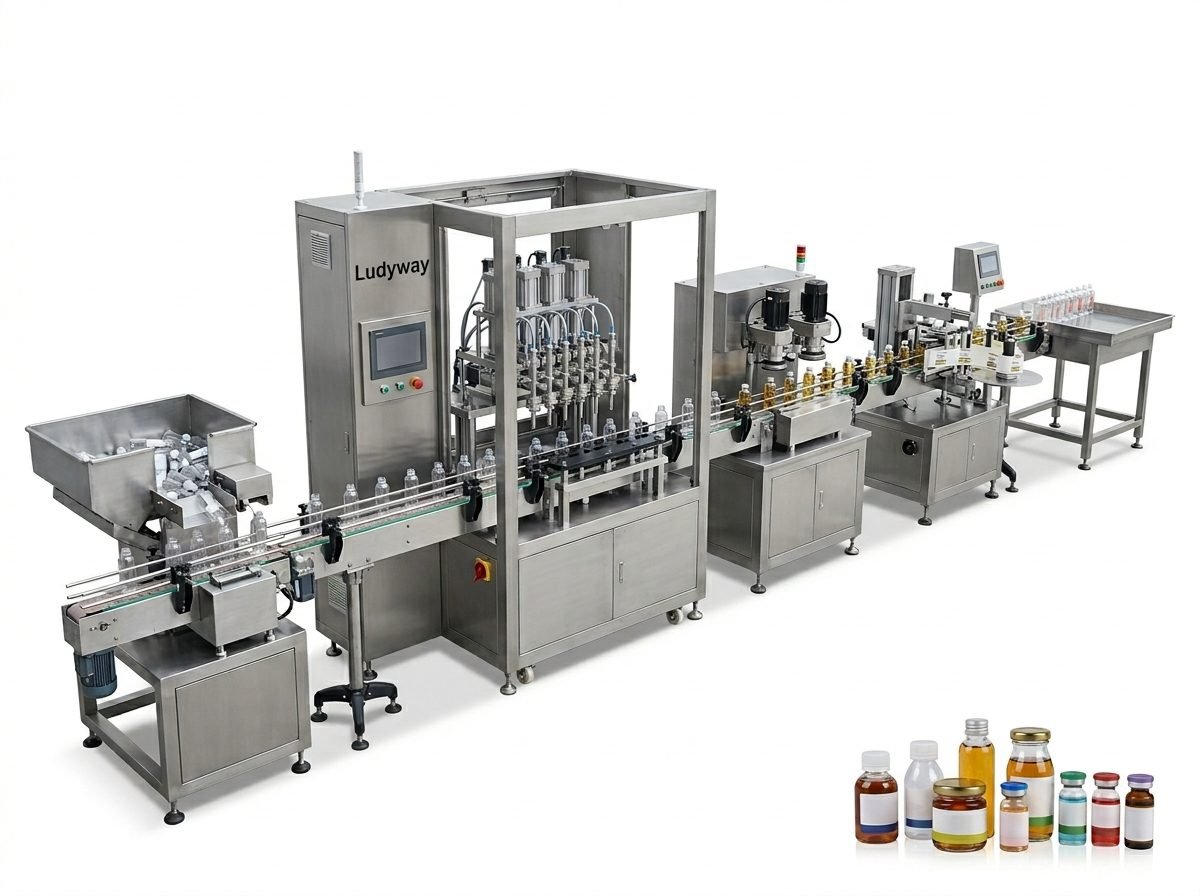
Spare Parts Management for Besan Pouch Packing Machines
Keeping critical spare parts on hand minimizes downtime when components fail. Essential spares to stock include:
- Sealing jaws and heating elements
- Teflon covers and sealing belts
- Auger screws and dosing cups
- Photoelectric sensors and proximity switches
- Drive belts and timing belts
- Air filters and pneumatic seals
- Fuses and basic electrical components
Refer to the ISO packaging standards for guidance on maintaining equipment documentation and spare parts inventory management. Proper documentation ensures that your maintenance team always has the right parts available when needed.
Operator Training and Maintenance Documentation
Even the best maintenance program falls short without properly trained operators. Every team member who interacts with the besan pouch packing machine should:
- Understand the complete cleaning procedure and its importance
- Know how to identify early warning signs of mechanical issues
- Be trained on safe lockout/tagout procedures before any maintenance work
- Keep detailed records of all cleaning and maintenance activities
- Report any abnormalities immediately rather than waiting for scheduled inspections
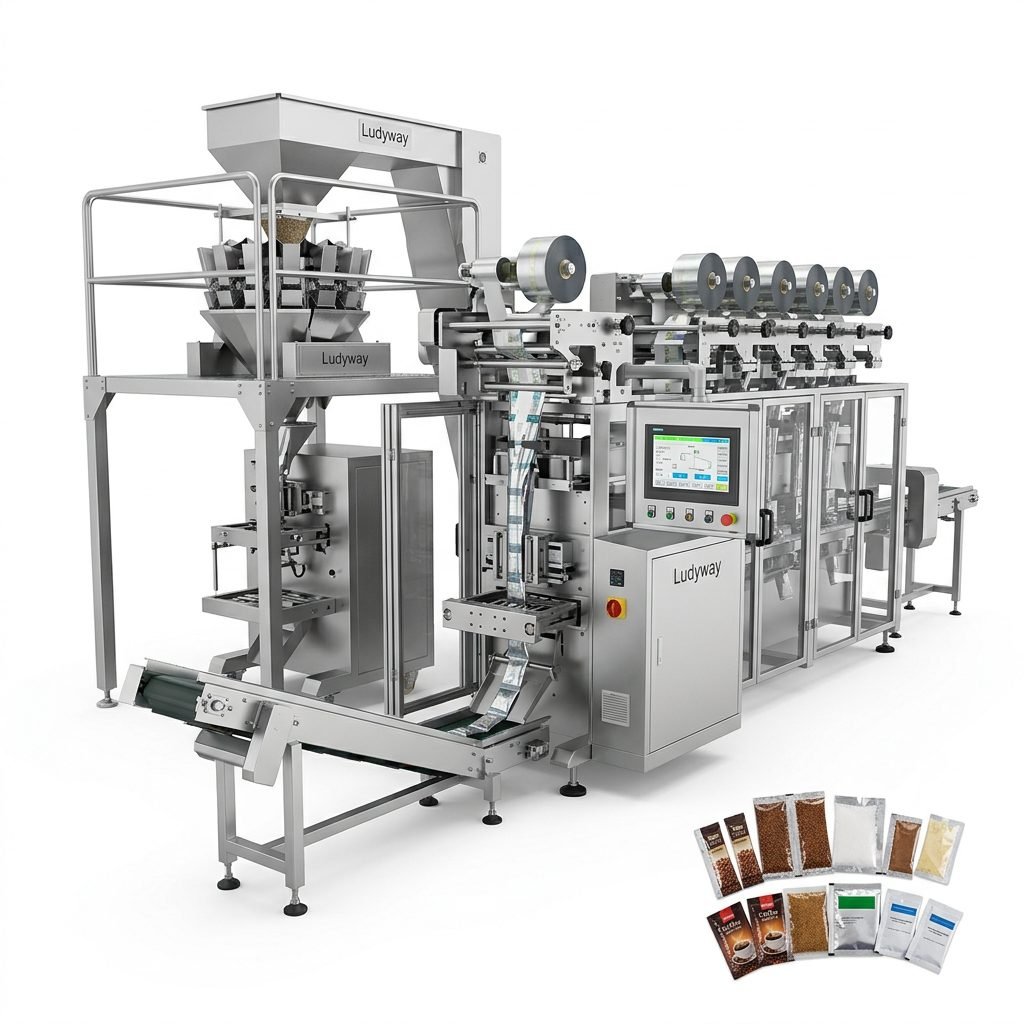
For businesses looking to upgrade or expand their packaging capabilities, Ludyway offers a wide range of advanced packaging machine solutions designed for high efficiency and easy maintenance, backed by comprehensive technical support and spare parts availability.
Best Practices for Long-Term Equipment Care
To maximize the service life of your besan pouch packing machine, adopt these proven best practices:
- Follow Manufacturer Guidelines: Always adhere to the maintenance intervals and procedures specified in your equipment manual. Generic schedules may not account for the specific demands of besan powder processing.
- Control Environmental Conditions: High humidity can cause besan powder to clump and adhere to machine surfaces. Maintain a controlled production environment with appropriate temperature and humidity levels.
- Use Quality Packaging Film: Inferior film can cause sealing problems and generate excess dust. Always source film from reputable suppliers that meet flexible packaging industry standards.
- Rotate Machines When Possible: If you operate multiple packing lines, rotate usage to distribute wear evenly and allow adequate cooling and cleaning time between production runs.
- Conduct Annual Professional Servicing: Schedule a yearly inspection by a qualified technician who can perform advanced diagnostics and identify potential issues that routine checks might miss.
Safety Considerations During Maintenance
Safety must always come first when performing any maintenance on packaging machinery. Essential safety protocols include:
- Always follow proper lockout/tagout procedures before beginning any cleaning or maintenance work
- Allow heating elements to cool completely before handling sealing components
- Use personal protective equipment (PPE) including gloves, safety glasses, and dust masks when working with besan powder
- Keep the work area clean and free of slip hazards
- Never bypass safety interlocks or guards during operation or maintenance
- Post clear safety signage around the machine during maintenance activities
Building a Sustainable Maintenance Culture
A well-maintained besan pouch packing machine is the result of consistent effort and a workplace culture that values equipment care. Encourage operators to take ownership of their machines, reward proactive maintenance reporting, and continuously update your procedures based on operational experience. By investing time in proper cleaning and preventive maintenance today, you protect your production capacity, product quality, and profitability for years to come.