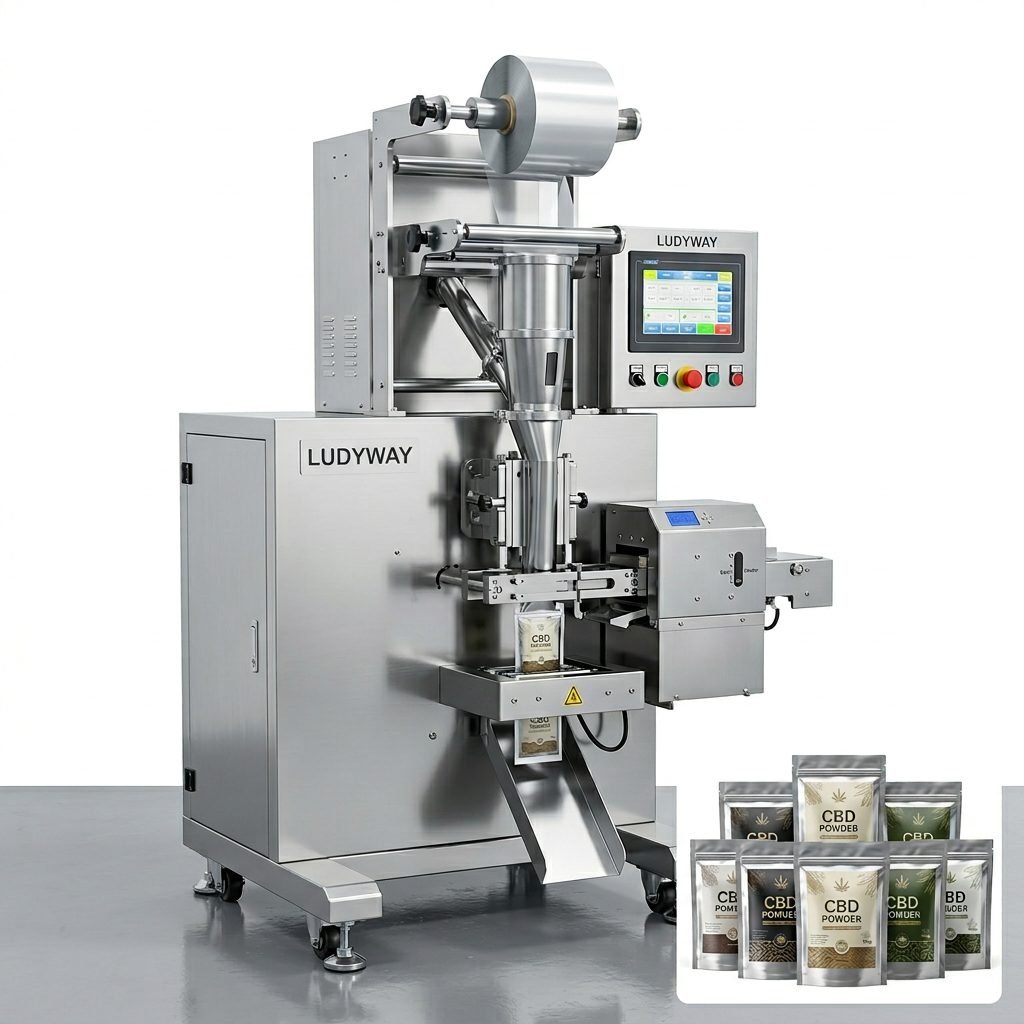
Investing in an automatic tea and sugar packing machine is a strategic decision for any beverage or food business looking to scale production, ensure hygiene, and reduce labor dependency. Understanding the cost structure involves more than just looking at a price tag; it requires evaluating technology, capacity, and long-term operational efficiency. This comprehensive guide breaks down the pricing factors, provides realistic budget ranges, and highlights the critical features that determine your return on investment.

Key Factors Influencing the Price of Tea and Sugar Packing Machines
The market price for these machines varies significantly. A basic semi-automatic model requires more manual intervention, while a fully integrated packaging machine manufacturer system demands a higher initial outlay. The core variables affecting cost include the level of automation, speed, construction material, and filling accuracy. Machines built with food-grade stainless steel and IP65 washing-down protection command a premium because they ensure longevity and compliance with strict food safety standards.
Automation Level and Speed
- Semi-Automatic Machines: Best for startups with low volume. Operators manually fill or place the material, leading to slower output but lower upfront costs.
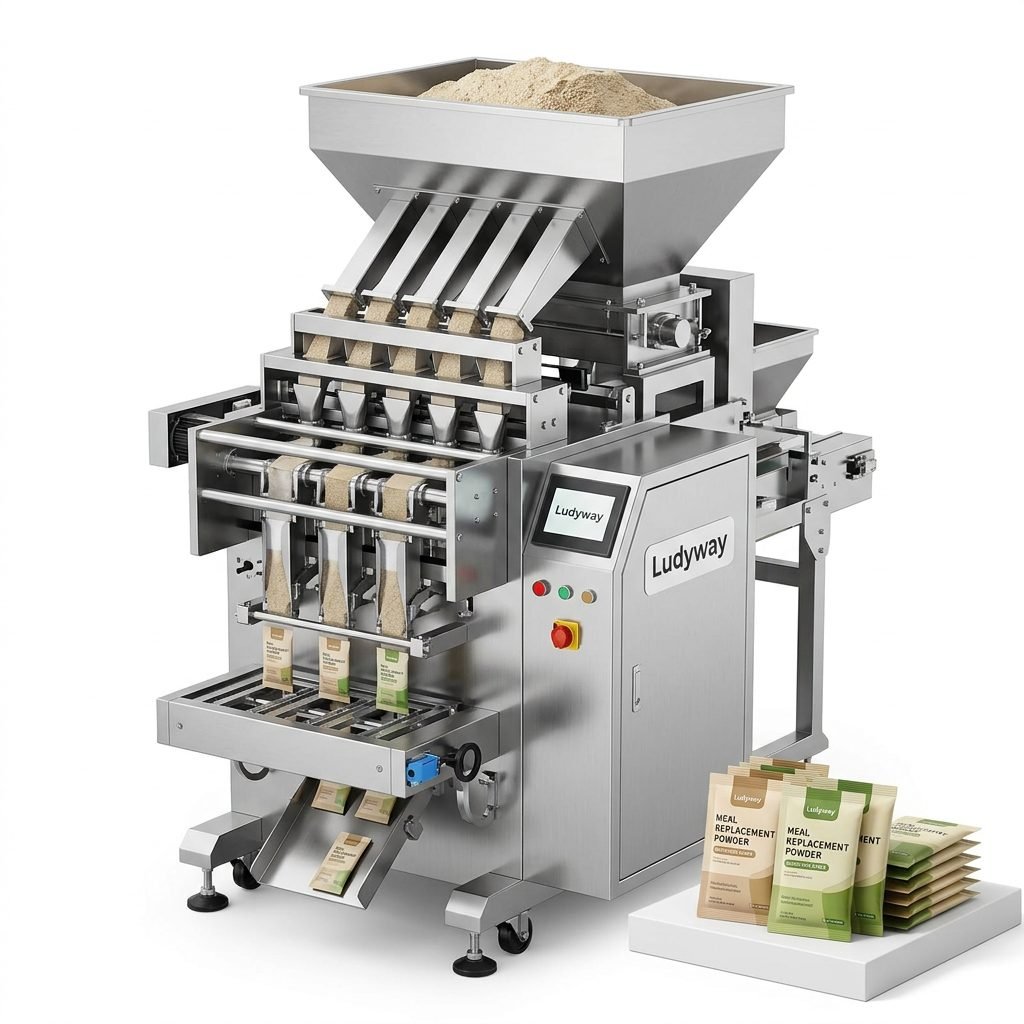
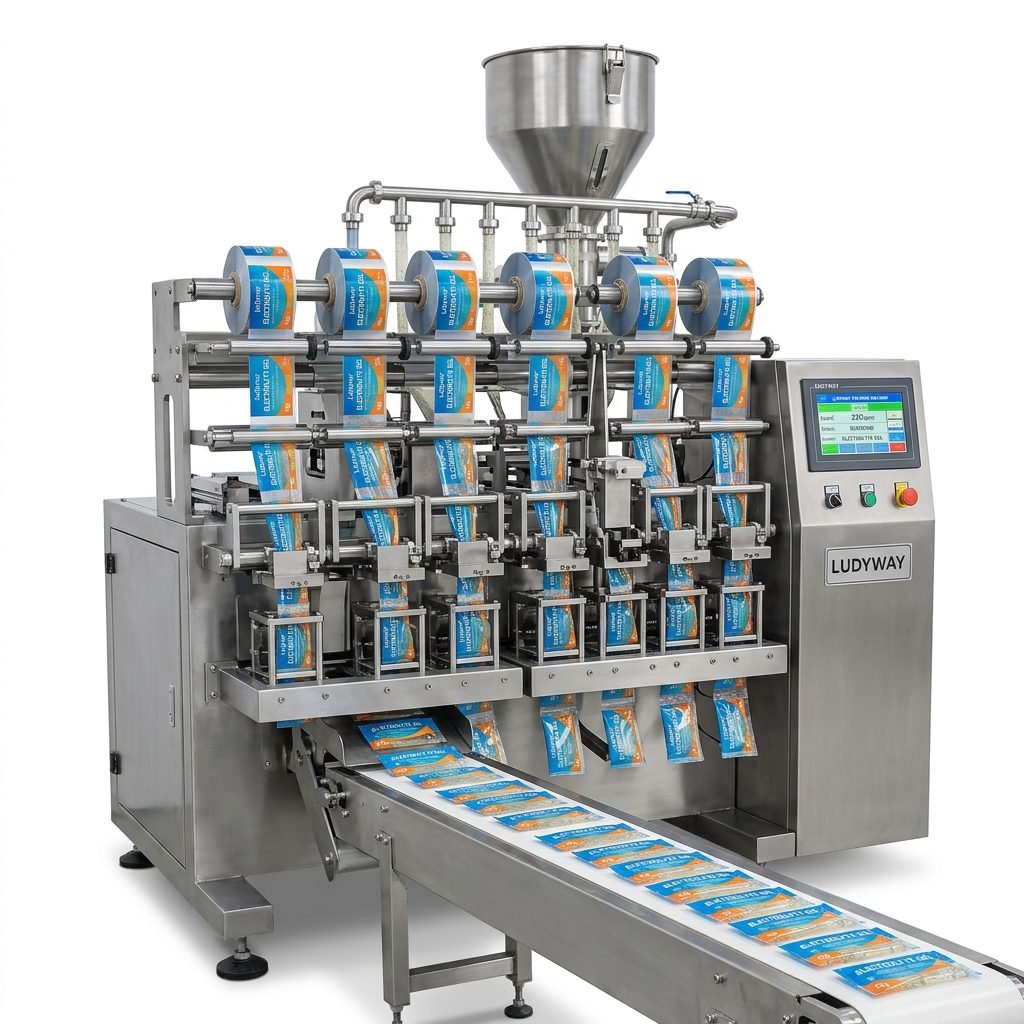
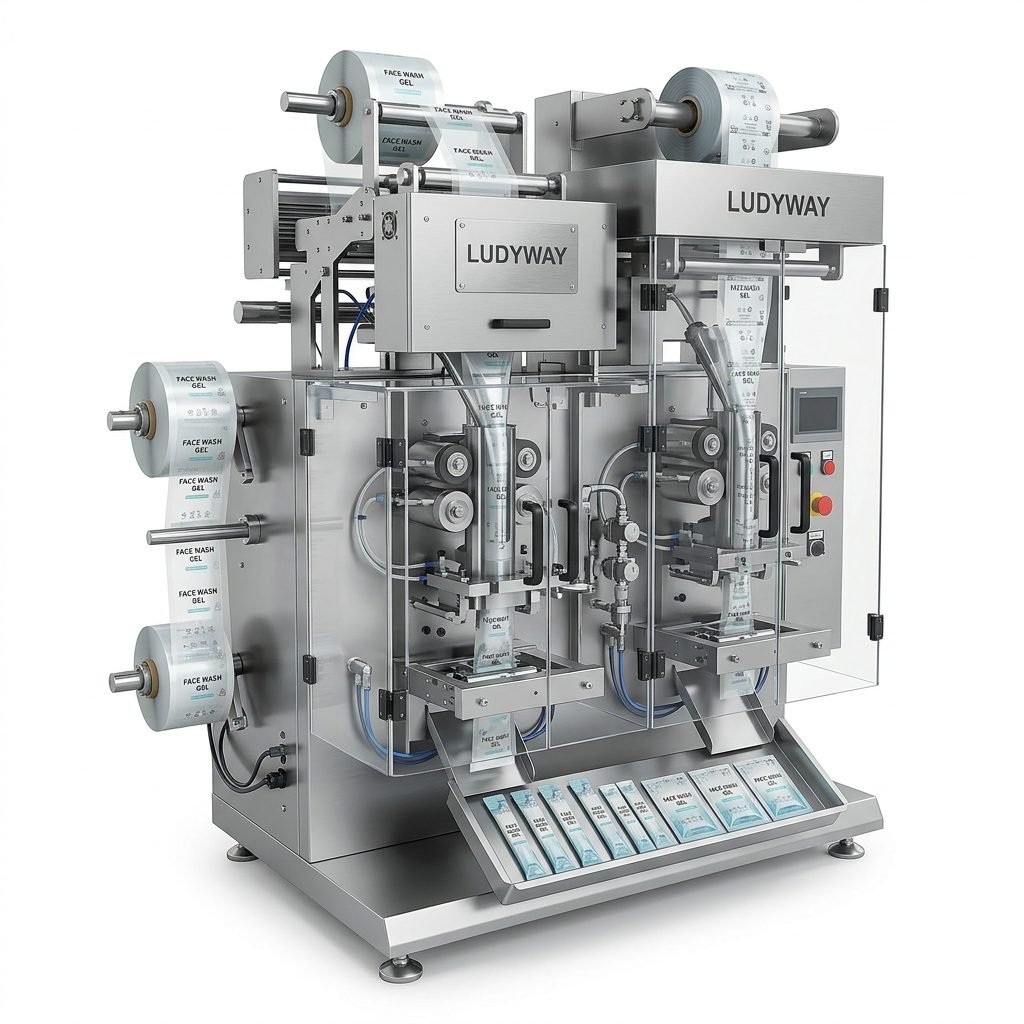
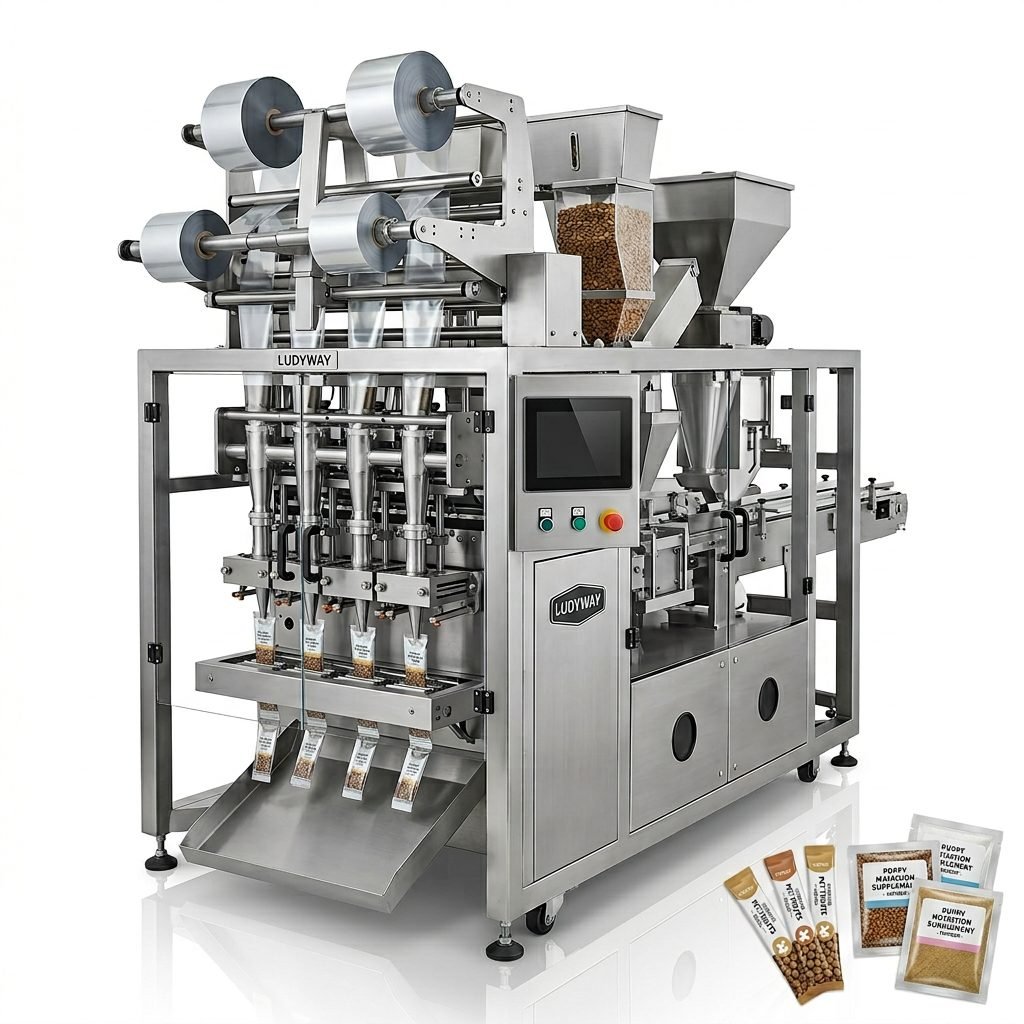
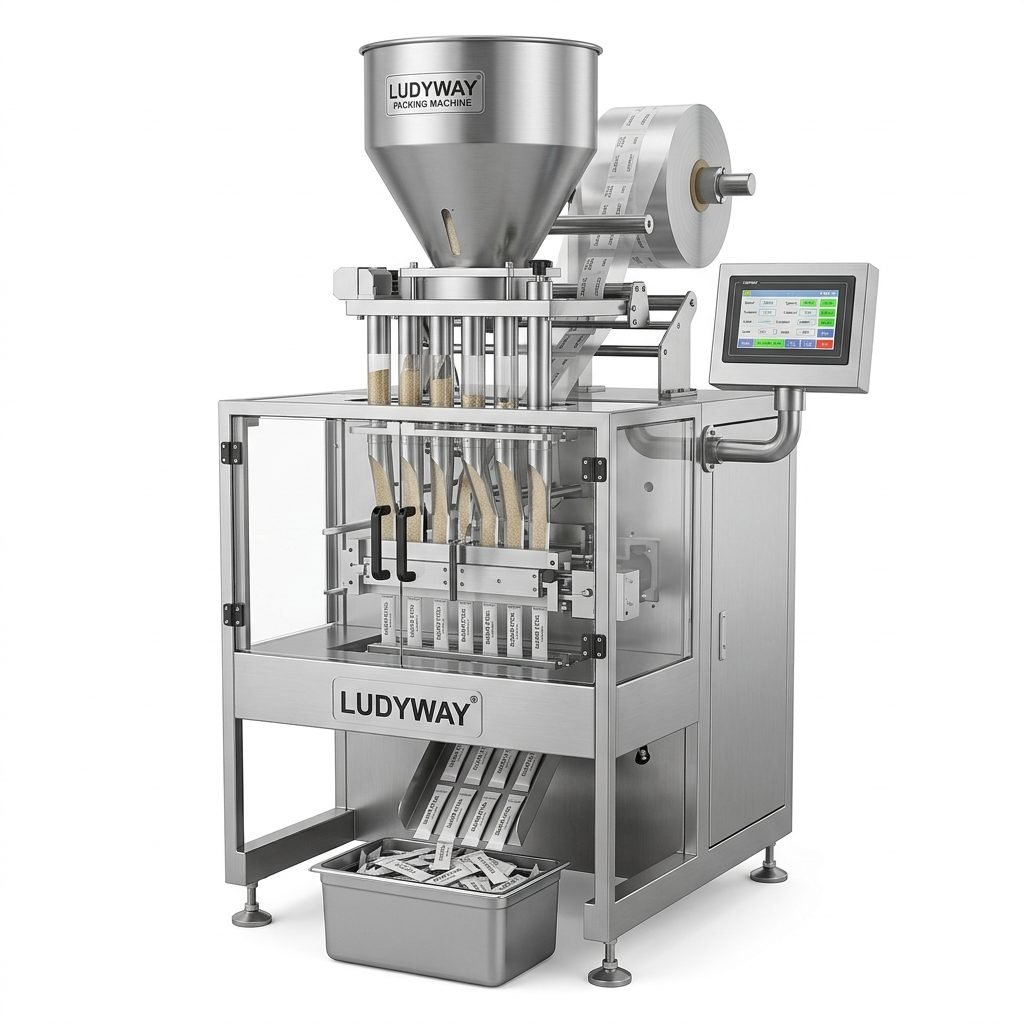
- Fully Automatic Multi-Lane Systems: These are high-speed solutions capable of producing hundreds of stick packs or sachets per minute. They integrate servo-driven motors and PLC controls, significantly raising the price due to precise electronic components.
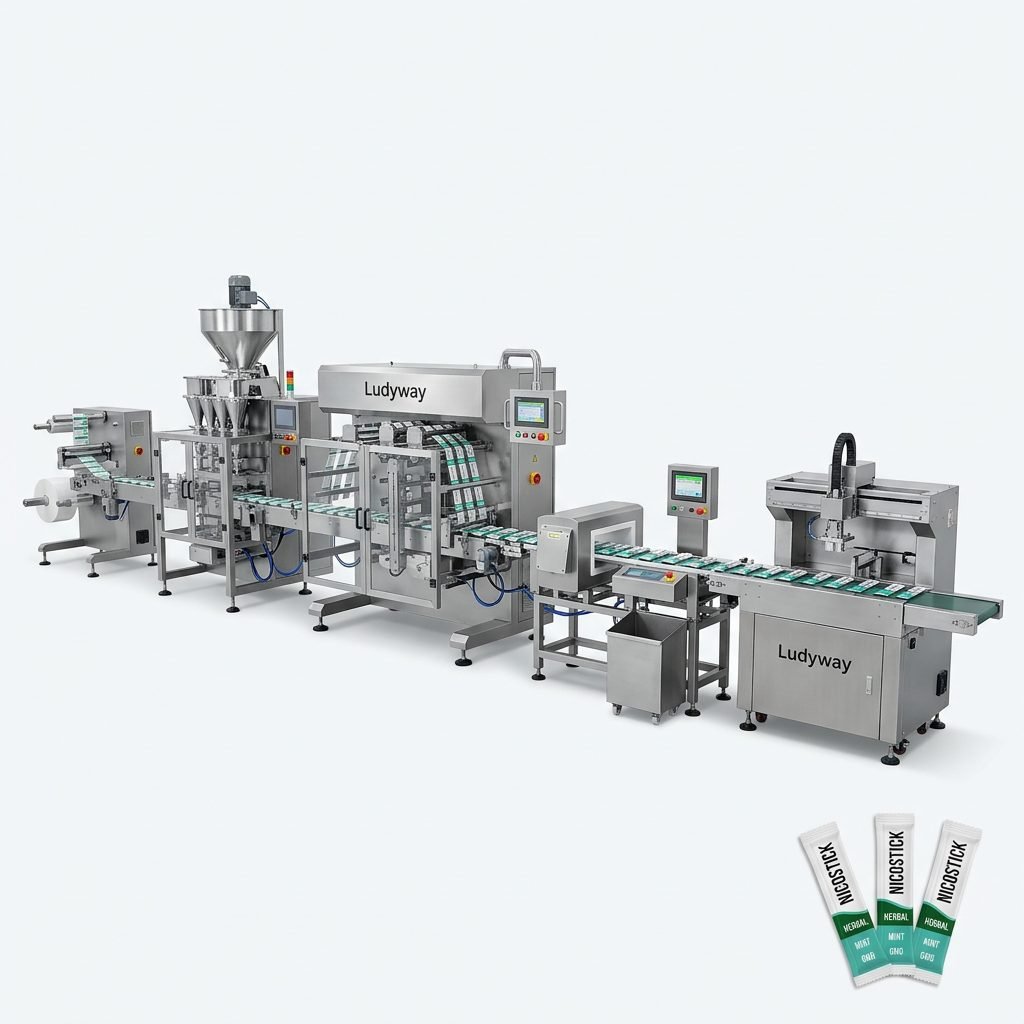
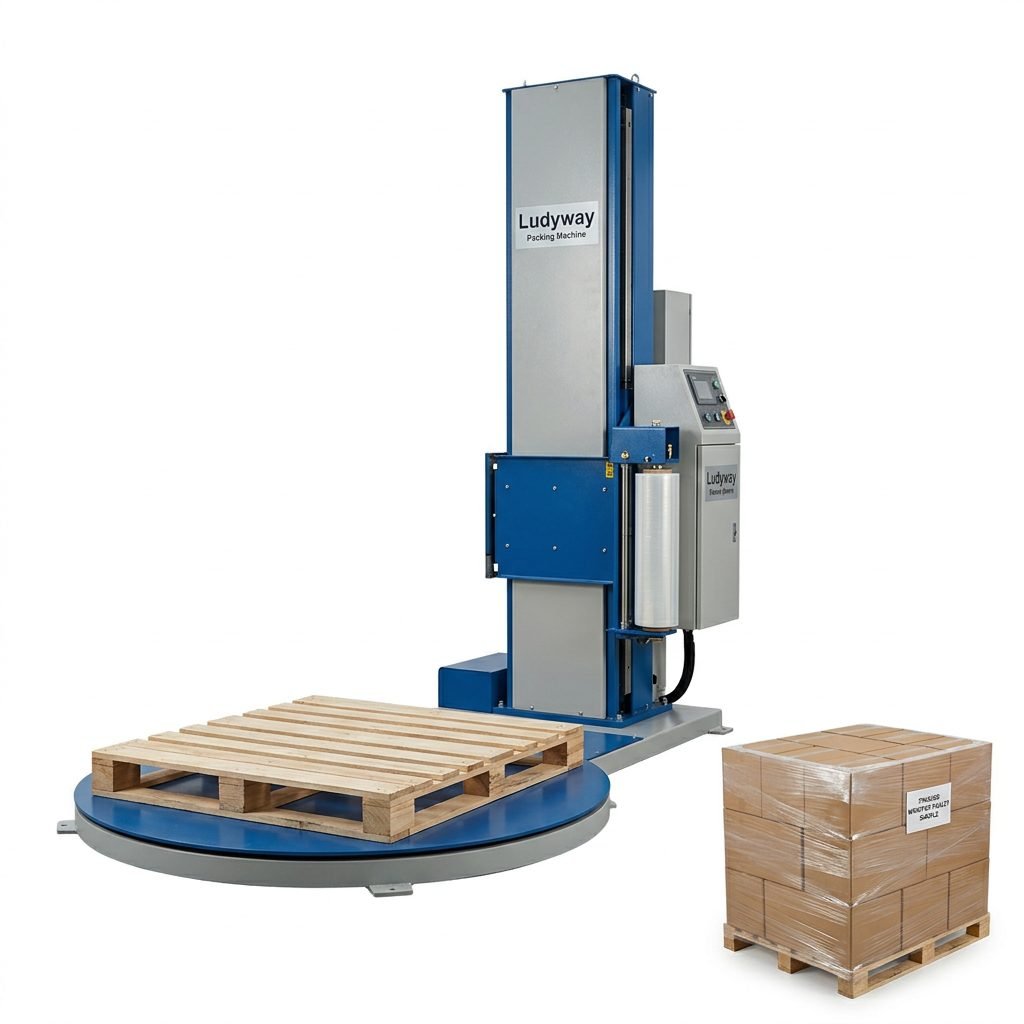
- Turnkey Production Lines: The most expensive option. This includes conveyors, multi-head weighers, cartoning machines, and palletizers connected seamlessly.
Packaging Format and Versatility
The machine must handle the specific characteristics of granulated sugar and tea leaves or powder. Sugar is abrasive and hygroscopic, requiring dosing systems that minimize dust and moisture ingress. Tea, particularly dust or fine granules, requires non-static sealing and sometimes nitrogen flushing to preserve aroma. A machine that can switch between stick packs, sachets, and pouches offers greater flexibility but involves more complex engineering, influencing the final automatic tea and sugar packing machine cost.
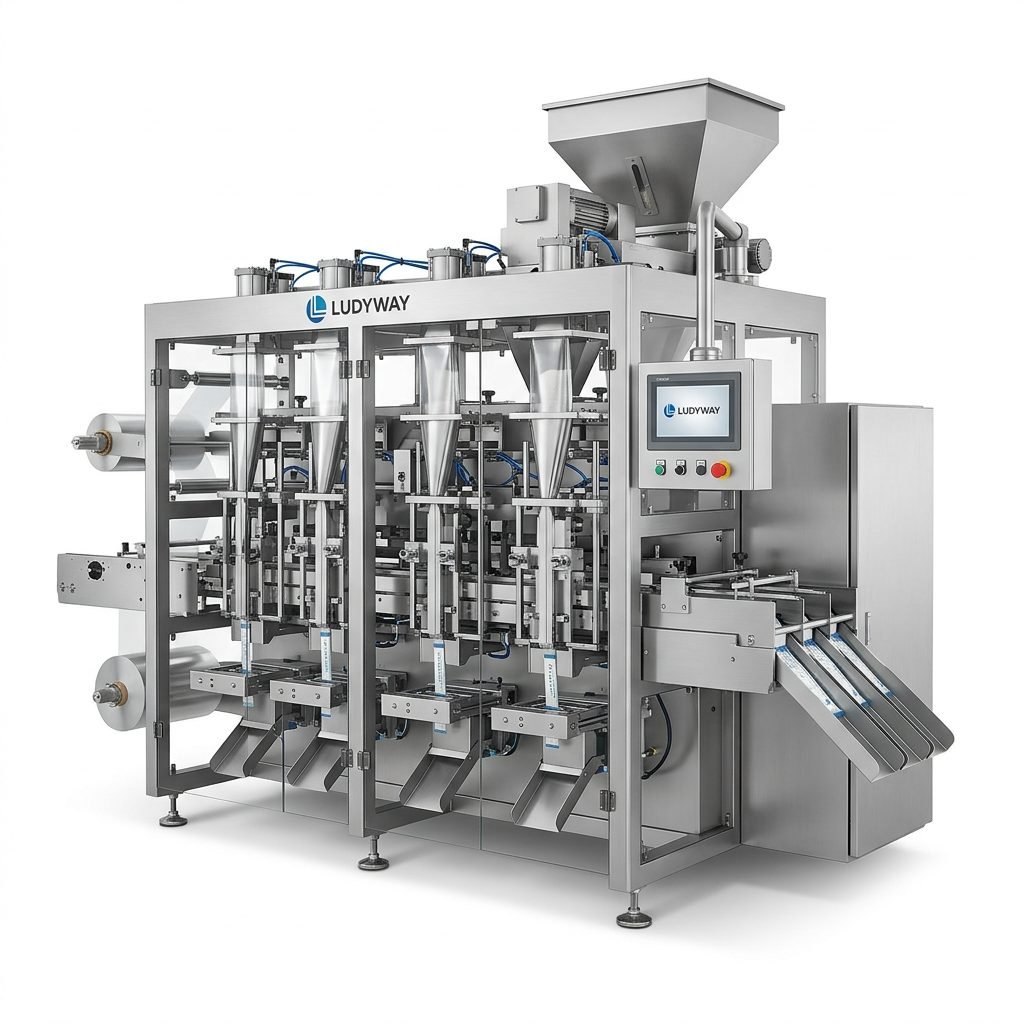
Estimated Price Range Analysis
To budget effectively, you should align the machine type with your production target. The table below outlines general market trends for high-quality systems.
| Machine Configuration | Typical Speed | Estimated Price Range (USD) |
|---|---|---|
| Single-Lane Sachet Machine | 30-60 packs/min | $3,000 – $8,000 |
| 4-Lane Stick Pack Machine | 120-200 packs/min | $18,000 – $30,000 |
| 8-Lane High-Speed Rotary Packer | 320-400 packs/min | $45,000 – $65,000 |
| Complete Line with Weighing & Cartoning | Custom | $85,000 – $120,000+ |
Critical Technology: Weighing and Sealing
The dosing system directly impacts your profit margins. For sugar, volumetric cup fillers are affordable but less accurate, while multi-head linear weighers provide dramatic precision, reducing product giveaway. For tea, auger fillers are common, but their cost increases with servo-driven torque for dense powders. Regarding sealing, vertical form fill seal technology for sugar requires reliable heat control to prevent leakage, a feature that distinguishes industrial-grade machines from basic models.

Material and Build Quality
Where the machine touches the product, 304 or 316 stainless steel is non-negotiable. The frame might be carbon steel to reduce costs, but full stainless steel construction, required for corrosive or highly humid environments, raises the price. Don’t overlook the minor components; Japanese or German-branded sensors, controllers, and seals inflate the price but generally offer extended durability and spare parts availability globally.
Return on Investment and Operational Costs
Calculating the true automatic tea and sugar packing machine cost requires analyzing operational efficiency. A multi-lane stick pack machine consuming 3 kW and running 16 hours daily may significantly reduce the workforce from 10 manual laborers to just 2 machine operators. The main hidden costs include:
- Film Waste: Poor tension control leads to material loss.
- Changeover Time: Quick-release parts and recipe settings add to the initial machine price but slash downtime.
- Energy Efficiency: Servo motors cost more than clutch brakes but use power intermittently, saving up to 40% on electricity.
Specific Considerations for Sugar Filling
Sugar packing presents unique challenges. Granulated sugar can crystallize in humid conditions, requiring sealed dust covers. Powdered sugar requires augers with anti-caking mechanisms and stirrers in the hopper. When paying for an automatic machine, confirm that the heat sealing jaws are coated properly to prevent film melting or sugar residue sticking to the seal area, which can lead to rejection rates.
Customization and After-Sales Support
Off-the-shelf machines rarely fit a perfect production niche. Modification costs for tear notches, hologram embossing, or liquid-adapted pumps (if you pack concentrated tea) must be quoted separately. Furthermore, the warranty period and remote troubleshooting capabilities are intangible factors that justify a higher sticker price. A scalable packaging platform backed by reliable technical support holds its value better over time.
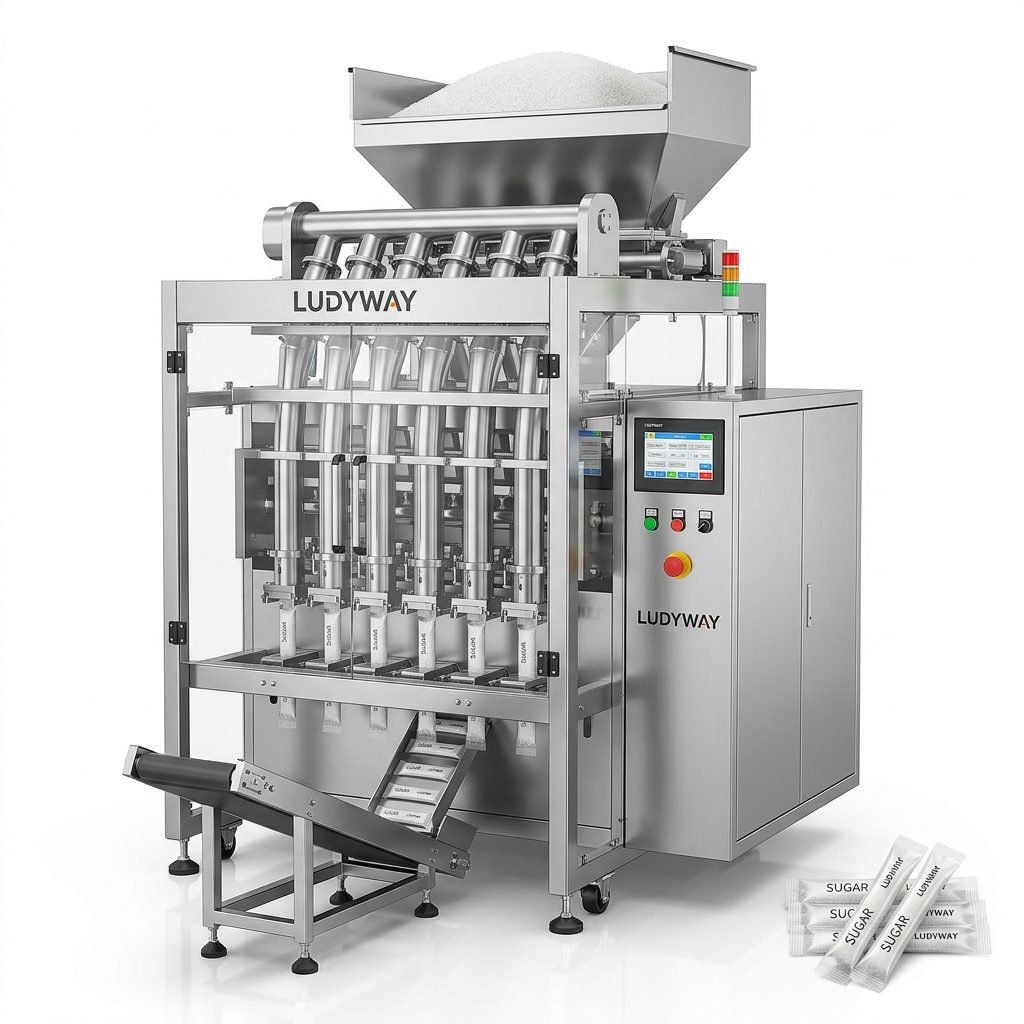
For businesses seeking robust and versatile solutions, Ludyway stands among the leading global providers, manufacturing advanced automatic filling and sealing equipment designed to handle the rigorous demands of the food, pharmaceutical, and health industries. Their engineering approach focuses on high-speed precision for granule and powder applications, including specialized tea and sugar lines.
Making the Right Purchase Decision
Selecting a supplier based solely on the lowest quote often leads to inaccurate fills and constant downtime. Always request factory acceptance testing (FAT) videos specific to tea and sugar. Validate that the film pulling mechanism handles your specific laminate. Given the rise of smart manufacturing, consider the availability of IoT features for performance monitoring, which contributes to a slightly higher automatic tea and sugar packing machine cost but ensures future-proofing for Industry 4.0 environments. By focusing on total cost of ownership rather than just capital expense, you secure a competitive advantage in packaging consistency and throughput.
For further reading, check reputable industry resources like the Association for Packaging and Processing Technologies (PMMI) or the Flexible Packaging Association for insights on packaging standards and technological advancements.